REVIEW · SICILY
Etna Southern Slope Guided Easy Trek
Book on GetYourGuide →Operated by Sicily Touring Tour Operator · Bookable on GetYourGuide
Mt. Etna feels close here, not theoretical. This 2.5-hour easy trek takes you into the south slope’s crater world, with a guide connecting what you see to the eruptions that shaped it, from 1766 to 2001. I really love how the walk turns into a clear volcanology lesson you can follow step-by-step, and I also love the payoff: a strong panorama from the upper Silvestri craters over Etna’s foothills and the Ionian coast toward Catania.
The main thing to consider is that this is weather-dependent and at high altitude. If conditions are stormy or rainy, the trek won’t run, and you’ll want solid hiking shoes and steady footing for a medium-difficulty route starting around 1900m.
In This Review
- Key Things You’ll Notice on This Etna South Slope Easy Trek
- From Esagonal Bar to Rifugio Sapienza: Getting Oriented Fast
- Monti Silvestri and Upper Craters: Where the Walking Becomes a Lesson
- Walking the Lavas Toward the 2001 Volcanic Fracture
- Calcarazzi Craters of 1766: Old Eruption Ground, Clearer Perspective
- The Highest Point of Upper Silvestri Craters: The View That Ends Strong
- Pace, Group Feel, and Why This Tour Works for an Easy Day
- Price and Value: Is $46 Worth 2.5 Hours on Etna?
- What to Bring (and What Weather Can Change) on the Southern Slope
- Language and Guide Quality: Why Names Come Up So Often
- Where This Trek Fits Best in Your Sicily Plan
- Should You Book This Etna Southern Slope Guided Easy Trek?
- FAQ
- How long is the Etna Southern Slope Guided Easy Trek?
- Where does the trek start?
- Where do I meet the guide?
- What’s included in the price?
- What should I bring with me?
- When does the tour run?
- What languages is the guide available in?
Key Things You’ll Notice on This Etna South Slope Easy Trek
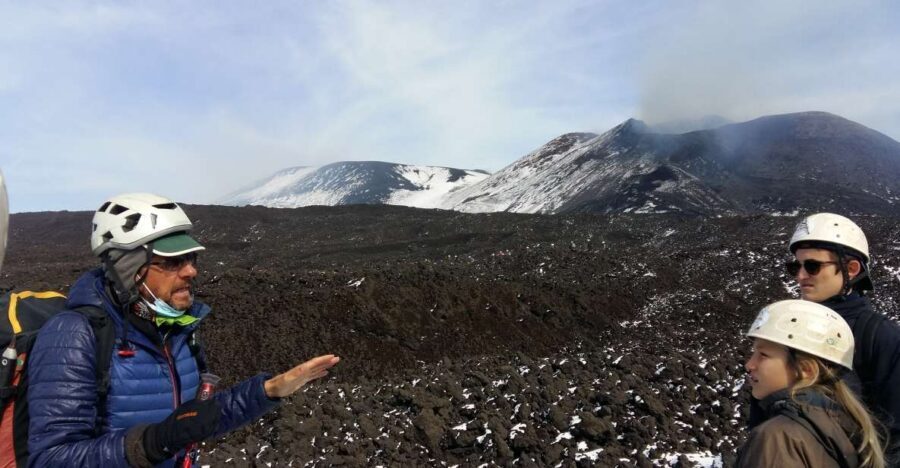
- A guide-led volcanology story tied to specific eruptions you walk past
- Silvestri craters and Monti Silvestri terrain that feels otherworldly up close
- The 2001 eruption route over lava leading to the volcanic fracture that caused it
- Calcarazzi craters from 1766 that put older eruption history right on the trail
- Pause timing and pacing that keep the easy level feeling manageable
From Esagonal Bar to Rifugio Sapienza: Getting Oriented Fast
Your morning starts in a practical way. You meet inside the Esagonal bar, looking for a flag with the Sicily Touring symbol where your guide greets you. It’s a good setup because you can get questions answered before you head uphill, and you’re not guessing where to stand or what to do next.
From there, the trek itself begins near Hotel/Restaurant Rifugio Sapienza, next to the departure station of the Etna cable car on the southern slope. Starting at about 1900m matters more than it sounds. You feel that you’re already on Etna’s “working zone.” Even if the time on foot is only 2.5 hours, the high starting point gives you quick access to crater terrain instead of starting from sea level and slowly climbing forever.
One small but real bonus: you’re not just “walking around rocks.” The route is set up so the guide can point out eruption scars while you’re close enough to see the details. That’s the difference between a photo walk and an actual guided experience.
You can also read our reviews of more guided tours in Sicily
Monti Silvestri and Upper Craters: Where the Walking Becomes a Lesson
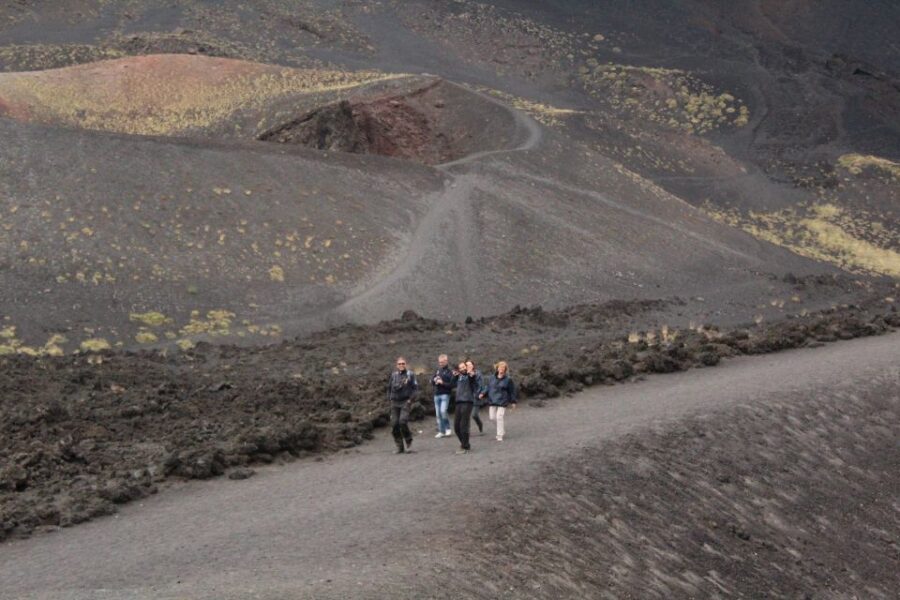
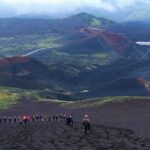
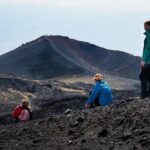
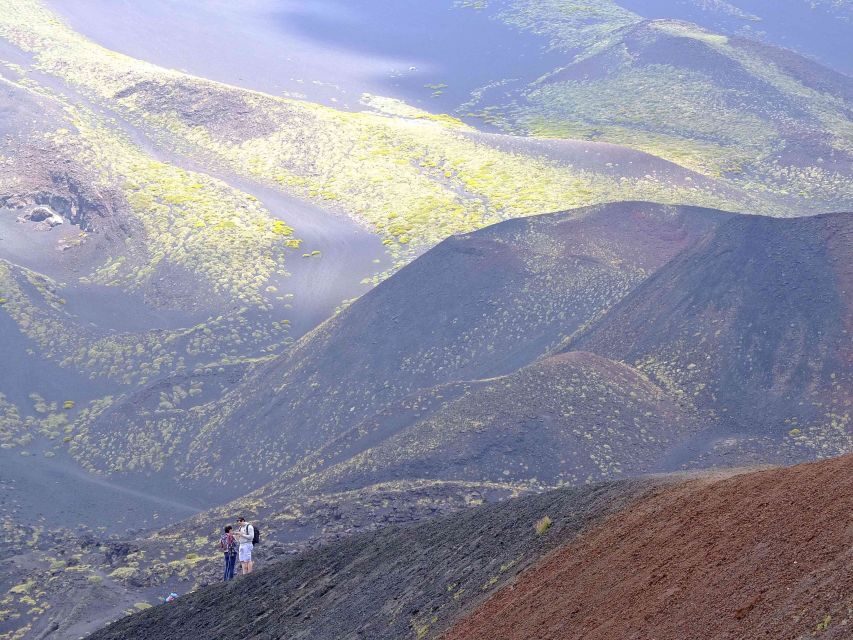
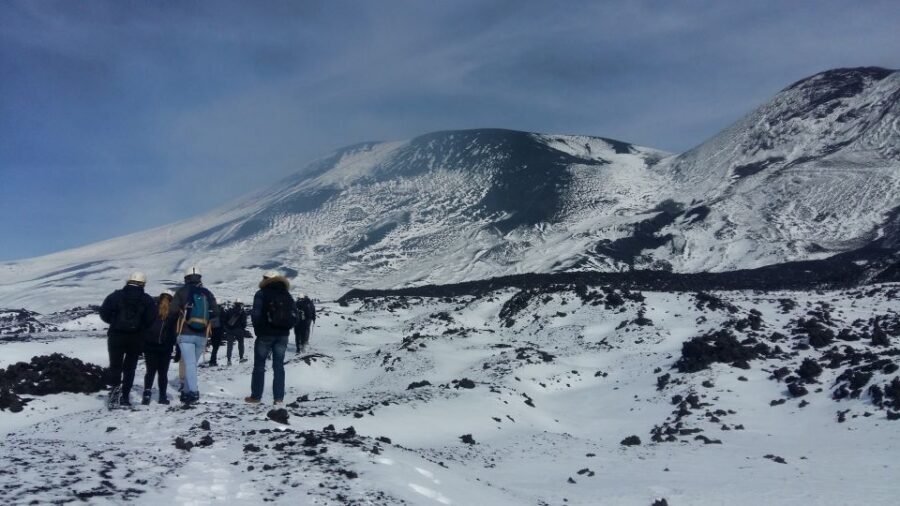
Early in the trek, you move through the southern part of Etna’s territory, crossing the upper craters of Monti Silvestri. This is where the easy label still makes sense, but you should expect uneven volcanic ground. It’s not technical climbing, yet it’s also not smooth city pavement. Bring shoes with grip and keep your eyes on your footing, especially around crater edges and rocky sections.
What I like here is the way the guide helps you “read” the terrain. You’re not expected to know what you’re looking at when you arrive. Instead, you get a guided explanation that connects what the group sees—crater forms, lava surfaces, and visible eruption outcomes—to the named eruptions the route covers.
You’ll also be walking through a kind of lunar-like setting (think ash tones, dark rock, and barren-looking stretches). That look is part of why Etna draws people in. It’s stark and direct. The guide turns that starkness into context, so you don’t just feel like you’re on a movie set—you understand what created the shapes under your feet.
A detail from guide-style reviews that makes sense on the ground: good guides keep the lesson moving. You’re told enough, often in short bursts, and you get time to absorb it between pauses. The pacing isn’t frantic. It’s structured.
Walking the Lavas Toward the 2001 Volcanic Fracture
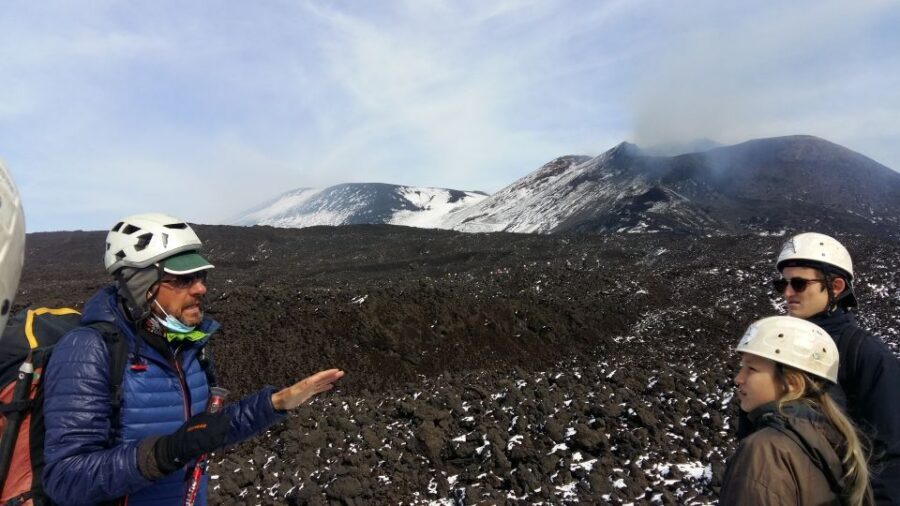
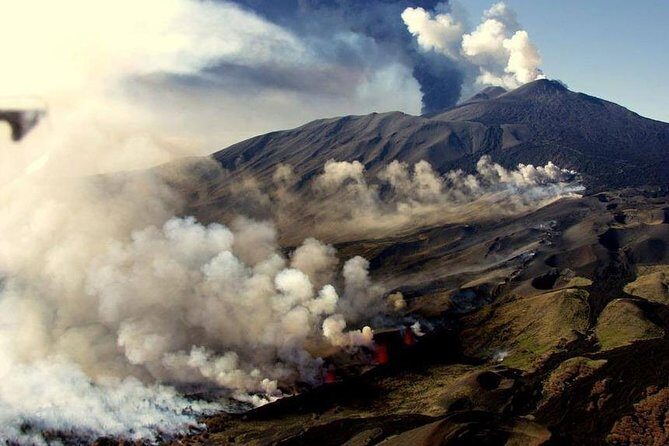
The heart of this trek is the section tied to the 2001 eruption. The route includes a walk on the lavas of 2001, heading toward the volcanic fracture that generated that eruption. This is one of those experiences where the ground looks “dead,” but the story is very much about active forces.
Practically, this part means you’ll be stepping across volcanic rock that can feel sharp or irregular underfoot. You’ll want to walk slowly enough to stay stable. If you rush, you’ll feel it in your calves and ankles. If you take the time, it becomes the most memorable part of the whole loop—because it’s where you connect a specific date to a specific place on the mountain.
If you like explanations that are concrete, this is the segment to pay attention to. The route is planned so the guide can reference what happened in 2001 while you’re literally walking along the aftermath. It’s not vague “volcano talk.” It’s show-and-tell based on the route you’re on.
Also, since the trek lasts 2.5 hours total, you don’t get lost in one long stretch. You’ll reach meaningful points without feeling like the day is dragging. That time efficiency helps a lot if you’re fitting this into a larger Sicily plan.
Calcarazzi Craters of 1766: Old Eruption Ground, Clearer Perspective
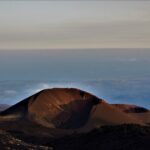
After the 2001 section, the trek continues to reach the Calcarazzi craters linked to the 1766 eruption. This shift in time—moving from 2001 down the thread back to 1766—is a smart way to experience Etna. You’re not only moving through geography. You’re moving through time.
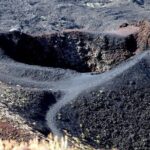
The Calcarazzi area gives you another kind of crater experience. It’s one thing to see a crater and another to see one as part of a sequence of eruption outcomes. Here, the trail helps you feel how earlier eruption zones fit into the overall south-slope story.
From a value standpoint, this is where a guided format pays off. Without explanation, you might see crater shapes and lava textures but miss the narrative thread. With the guide, you understand why the route includes both 2001 and 1766 locations, and why they’re placed where they are on the southern slope terrain.
If you’re the kind of traveler who wants your photos to mean something, this segment helps. You’ll be able to look at a dark crater feature and understand which eruption the guide is tying to it. That turns pictures into reminders instead of just scenery.
The Highest Point of Upper Silvestri Craters: The View That Ends Strong
The trek finishes at the highest point of the upper Silvestri craters. This is the moment for the “pause and look” part of the walk, because the views are built into the route.
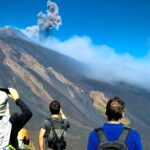
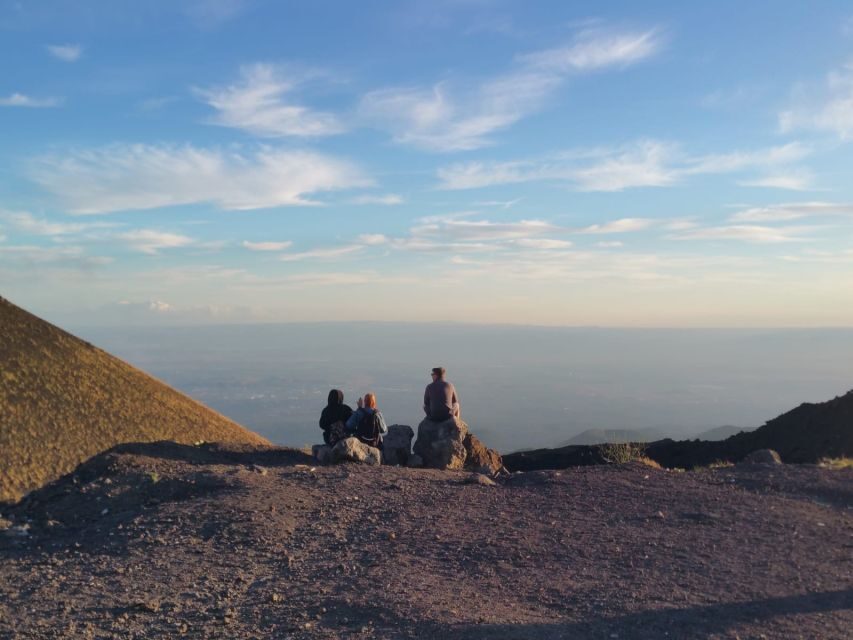
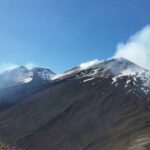
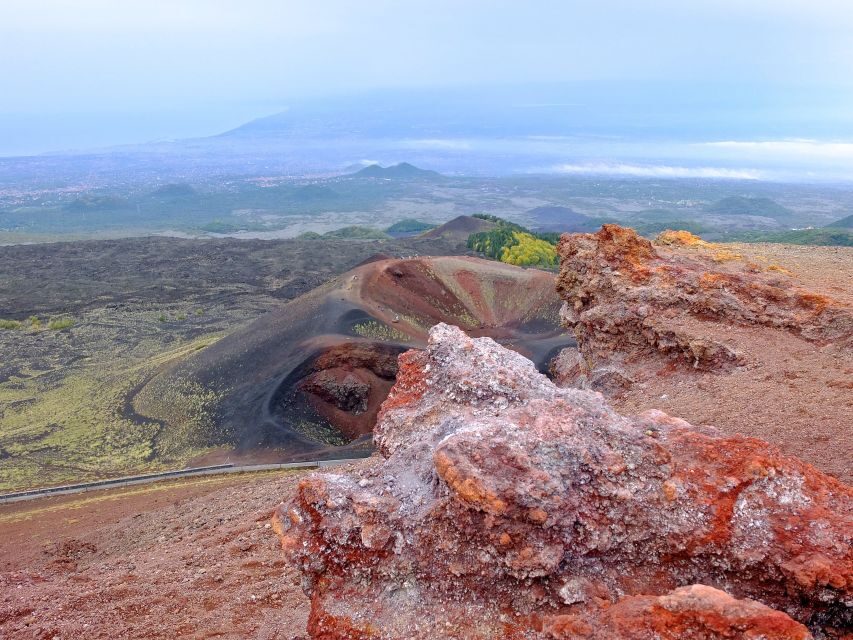
From up here, you can admire a panorama over Etna’s foothills and toward the Ionian coast of Catania. It’s not just a pretty wrap-up. The view helps you reframe everything you just walked through. Up on the crater rim, the volcanic terrain makes more sense. You start to understand scale—how the south slope features connect, and how the terrain you crossed fits into the wider area below.
It’s also a great moment to ask questions if you’ve been holding them. Guides often time their explanations and stops so you have breathing room. If you booked an English- or Italian-language guide, you’ll get a good chance to ask follow-ups.
If you’re traveling with family or friends, this is also the easiest section to enjoy together. You’re not moving constantly. You can stand, look, and take it all in.
You can also read our reviews of more hiking tours in Sicily
Pace, Group Feel, and Why This Tour Works for an Easy Day
This is described as a medium-difficulty excursion, but the overall structure keeps it approachable for many walkers. The total duration is only 2.5 hours, and the route is designed around key eruption-linked points instead of a long, open-ended hike.
From the way guides are praised in real-world feedback—especially for doing lots of interesting detail quickly—this sounds like the type of tour where you don’t lose the plot while walking. A passionate guide can make technical things feel practical. I like that because volcano trips can go two ways: either it’s just walking and photos, or it’s a lecture with no time to notice anything. This style seems to do both without overdoing either.
You’ll also have pauses timed into the experience. That helps your body and your attention. If you’re prone to getting tired quickly on uneven ground, pauses can make the difference between a stressful hike and a satisfying one.
One note: this tour isn’t suitable for everyone. It lists limitations including low fitness and motion sickness, and it’s not for pregnant women or anyone with heart problems. If any of those apply, it’s worth respecting the restriction instead of trying to push through. Altitude and uneven terrain aren’t forgiving.
Price and Value: Is $46 Worth 2.5 Hours on Etna?
At $46 per person, this is priced like a practical add-on to a Sicily trip rather than a premium, all-day expedition. You’re paying mainly for a guided nature and volcanology experience, not for transportation, meals, or mountain gear.
Here’s how I judge the value:
- You get a 2.5-hour guided outing with a specific route tied to eruptions (1766, 1892, 2001). That’s the kind of structure that makes the time feel earned.
- The experience includes a nature guide service, which is the main “product” here. Without that, you’d be looking at craters and lava without the key that explains why those locations matter.
- You don’t have to bring or rent technical equipment (though you do need basic hiking gear and appropriate clothing).
What’s not included is also clear: food, drinks, and no mountain equipment or clothing. That means your budget should include water and a plan for snacks before or after.
If you want a guided Etna experience that doesn’t swallow your whole day and keeps things focused, this price makes sense. It’s not trying to be a bargain hike. It’s trying to be a well-run introduction to Etna’s south-slope eruption features in a tight time window.
What to Bring (and What Weather Can Change) on the Southern Slope
This trek asks for basic, sensible prep:
- Hiking shoes
- Water
- Rain gear
- Comfortable clothes
Because the trek starts around 1900m, you’ll feel temperature and wind shifts more than you might at lower elevations. Rain gear is a good idea even if it looks fine at the start, because Etna weather can change quickly.
The tour also states clearly: it won’t take place in rain or stormy weather. That matters for planning. If you’re trying to fit it on a tight schedule, you might want a backup option on the same general day.
If you’re considering motion sickness, take that seriously. The tour specifically says it’s not suitable for people with motion sickness, so don’t treat it as a mild warning. If this affects you, choose something different that matches how your body handles travel.
Language and Guide Quality: Why Names Come Up So Often
One of the strongest signals here is guide quality. The tour runs with live guides in English and Italian, and multiple guide-focused remarks highlight passion, professionalism, and the ability to explain in a short time without making it feel dry.
In particular, Mario is mentioned as a standout guide for his ability to communicate lots of detailed information quickly and with clear enthusiasm for the volcano. Another mention credits Thomas with professionalism and passion for Etna. That pattern tells you something important: you’re not just getting a walking companion. You’re getting someone who can translate the eruption story into what your eyes are seeing.
That also affects the experience in a practical way. You’ll feel more confident where to look. You’ll know which eruption is being referenced as you move. And you’ll feel less like you’re “guessing” what the guide wants you to notice.
Where This Trek Fits Best in Your Sicily Plan
This works well if you:
- Want a guided volcano experience without committing to a long day
- Prefer a clear route with eruption stops and an easy-to-follow structure
- Like learning by moving, not only by standing and listening
It may not be the best fit if you:
- Need fully paved surfaces or easy-to-access terrain
- Get motion sickness easily
- Have heart conditions or prefer to avoid higher-altitude walking
- Are traveling with pregnancy-related limitations
If your goal is a fast, focused taste of Etna’s southern slope crater world, this hits the sweet spot.
Should You Book This Etna Southern Slope Guided Easy Trek?
I’d book it if you want a short, well-structured, guide-led walk that connects named eruptions to the physical ground you’ll actually see. The route is tight (2.5 hours), the stops are specific (Silvestri craters, the 2001 lava walk to the volcanic fracture, and Calcarazzi craters tied to 1766), and the view payoff is built in at the upper Silvestri high point.
I’d think twice before booking if weather is unpredictable for your dates, or if the restrictions apply to you (motion sickness, heart problems, pregnancy, low fitness, or very advanced age). Also, don’t treat it like a stroll. You’ll be walking crater terrain at altitude, so pack your shoes and water and let the guide set the pace.
If you can handle the practical basics, this is a smart-value way to experience Europe’s highest active volcano with real context, not just photos.
FAQ
How long is the Etna Southern Slope Guided Easy Trek?
The duration is 2.5 hours.
Where does the trek start?
It starts around 1900m at Hotel/Restaurant Rifugio Sapienza, near the departure station of the Etna cable car on the southern slope.
Where do I meet the guide?
You meet inside the Esagonal bar. Look for a flag with the Sicily Touring symbol where the guide welcomes you.
What’s included in the price?
The included service is a nature guide.
What should I bring with me?
Bring hiking shoes, water, rain gear, and comfortable clothes.
When does the tour run?
The tour does not take place in rain or stormy weather.
What languages is the guide available in?
The live guide is available in English and Italian.