REVIEW · SICILY
Guided tour of the salt pans of Trapani and the Salt Museum
Book on Viator →Operated by Saline Culcasi - Riselva del Mare - Museo · Bookable on Viator
Salt turns a Sicilian walk into a science lesson. Here you follow the edges of the Culcasi salt pans, where sea, clay, and pale salt create a real-life color chart, and the guide explains how the whole system works. I love that the tour feels easygoing and visual, including a perimeter walk inside a WWF salt reserve and a chance to collect salt with your hands.
I also like the stop at the Museo del Sale, housed in an ancient baglio, where you get the history behind salt farming and an ancient mill dating to the 1400s. One consideration: getting to the salt pans and museum is easier with a car or taxi, because the site is in Paceco (not right in downtown Trapani) and you shouldn’t count on public transportation.
In This Review
- Key things to know before you go
- Salt Pans Near Trapani: What You’re Really Seeing
- Price, Time, and English-Friendly Details
- Walking the WWF Saline Reserve at Trapani e Paceco
- See Sea Water Turn to Salt (and Try It With Your Hands)
- Museo del Sale: The 1400s Mill Story You Can’t Read Online
- Timing and Sunset Light: Making the Most of Your 1h 15m
- Getting There From Trapani: Car or Taxi Planning
- Who This Tour Fits Best (and Who Might Skip It)
- Should You Book This Salt Pans and Salt Museum Tour?
- FAQ
- How long is the guided salt pans and salt museum tour?
- What is the price per person?
- Does the tour include admission tickets?
- Is the tour offered in English?
- Where do we meet for the tour?
- Is this a private tour?
- Is the tour suitable for most travelers?
- What happens if the weather is poor?
- Is free cancellation available?
Key things to know before you go
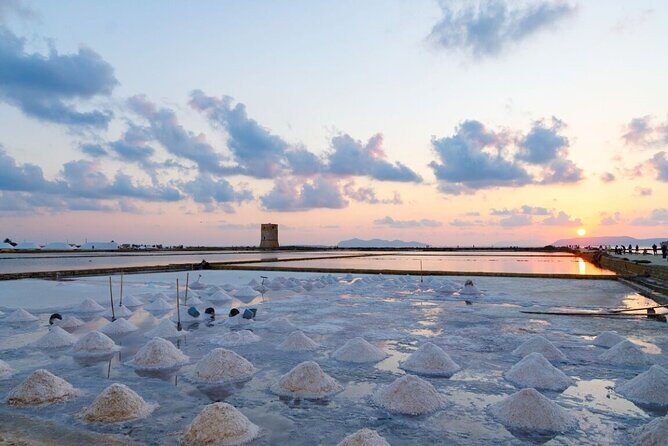
- WWF salt reserve walk in Riserva Naturale Saline di Trapani e Paceco, with protected plants and birds
- Color-and-light route that tracks white salt, gray clay, pink tanks, and mirror-like water
- Hands-on salt moment, where you see salt forming and learn the sea-to-salt transformation step by step
- Museo del Sale in an ancient baglio, plus an ancient 1400s mill and family history
- Small add-on tasting connected to the salt experience
- English-guided private tour for your group, about 1 hour 15 minutes total
Salt Pans Near Trapani: What You’re Really Seeing
Trapani’s salt pans aren’t a museum you look at from behind glass. They’re a working system of evaporation basins where nature does most of the job, and people do the rest with time, timing, and know-how.
On this tour you get the best kind of learning: you walk the perimeter, you see how water behaves in different sections, and you connect the colors you’re seeing to the production steps. The salt itself is the star, but what makes it special is the way the environment and the process are linked. Blue sea water, gray clay, white salt crusts, and pink evaporation tanks show up like a diagram you can walk through.
I also like that the setting is protected. The route goes through a WWF reserve, so it’s not just salt infrastructure. You’re there for a living coastal landscape where plants and birds have their own space, and the salt farming tradition fits into that broader natural world.
You can also read our reviews of more guided tours in Sicily



Price, Time, and English-Friendly Details

This tour is priced at $21.77 per person, and it’s short and focused at about 1 hour 15 minutes. You’re not signing up for a half-day grind, which makes it a good fit if you want a real Sicilian experience without losing your whole afternoon.
The big value point is that admission is included for both parts: the reserve walk and the salt museum visit. That matters because the core experience is two sites in one loop, and you don’t want to do surprise math at the door.
It’s offered in English, and it’s a private tour/activity, so it’s just your group. That usually makes it easier to ask questions and keep the pace where you want it, especially during the hands-on parts where the guide explains what you’re seeing.
Walking the WWF Saline Reserve at Trapani e Paceco
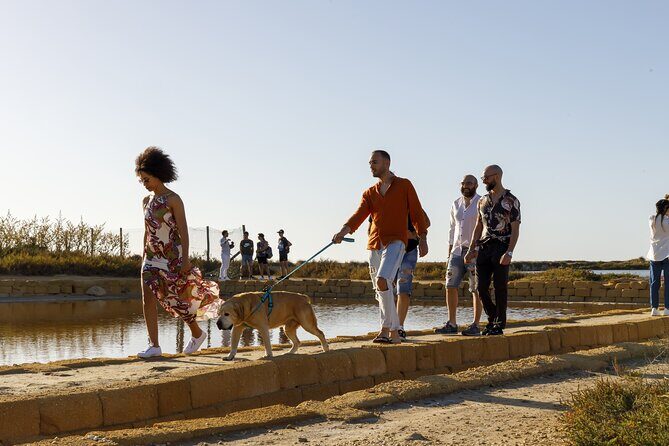
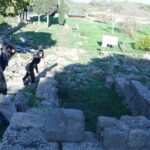
Stop 1 is the Riserva Naturale Saline di Trapani e Paceco, and it starts with a relaxing walk that sets the tone right away. You’re not rushing through a few photos. You’re taking in the way the salt pans change as you move along the perimeter.
The route is designed for observation. You pass through the “in-between” areas where you can see the salt pans as a system: sea water zones, clay areas, and the tanks where evaporation does its work. You’ll notice how the colors shift, including those pale white salt areas and the gray tones of the ground around them.
The walk also includes a moment at the banks where water works like a mirror. When the light hits just right, you get that sky reflection effect that makes it feel like the salt pans extend into the horizon. It’s one of those small-but-memorable visual payoffs.
Because this is in a WWF reserve, you’ll also be in an area where protected plants and birds are part of the scene. That adds a layer to the visit. You’re learning how salt is produced, but you’re also seeing why the area matters beyond production.
See Sea Water Turn to Salt (and Try It With Your Hands)
This is the best part for curious travelers: the tour doesn’t just tell you that salt forms. It guides you through the process step by step so you can picture what’s happening in the basins.
At a practical level, you’ll learn how sea water becomes salt as the water evaporates and the salinity changes. You’ll follow the formation process across the salt pans, and then you get a hands-on moment where you can collect salt with your hands. That one detail makes the whole operation click, because you understand what you’re touching as part of a real transformation.
You’ll also hear how the salt pans are still producing salt the traditional way, which is why this visit feels more authentic than a static exhibit. It’s the difference between reading about salt and watching how people have managed this work for generations.
One thing to keep in mind: this is a working environment. Your experience depends on the day’s conditions and the timing of the basins, so the visual intensity of the salt crusts can vary. The reward is that you’re learning the process either way.
Museo del Sale: The 1400s Mill Story You Can’t Read Online

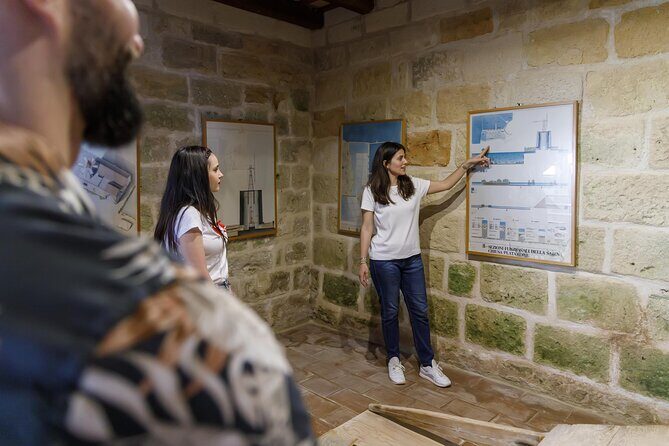
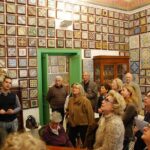
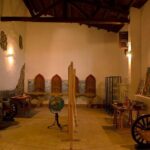
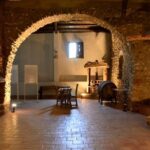
Stop 2 is the Museo del Sale, and it’s where the tour slows down into history. The museum is set inside an ancient baglio, which gives the visit a sense of place. You’re not just seeing tools and photos; you’re walking through a space built around the salt tradition.
Inside, you’ll get a guided account of salt farming work as well as the human story behind it. The tour focuses on the history of the family who ran the salt pans for generations, which is what turns salt from a commodity into a local way of life.
A key highlight is the ancient mill from the 1400s. It helps you connect the dots between the sea water process and the later work that shaped salt into something usable and shareable. Even if you don’t know anything about early industrial tools, the guide makes the purpose clear.
The visit also links salt to the sea, and the museum is described as an official part of an EU guide. That’s a nice signal that the site isn’t treated like a small side attraction. It’s considered culturally meaningful.
You may also get a small tasting as part of this stop, which is a simple way to close the loop between history, production, and what ends up on your table.
You can also read our reviews of more museum experiences in Sicily

Timing and Sunset Light: Making the Most of Your 1h 15m
Because the tour is only about 1 hour 15 minutes, timing matters. If you want the visual payoff, try to choose a slot that gives you good light for the salt pans walk.
There’s a good case for late-day departures. The salt pans can look especially striking when the light softens, and you’ll already be in the right place to enjoy those reflective-water moments. If your schedule allows it, plan a little extra time in the area after the visit so you can linger, take photos, and just sit with what you learned.
Also, pay attention to where you’re going. The meeting point is Via Salina Chiusa, 1, 91027 Paceco TP, Italy, and the activity ends back at the meeting point. The ticket redemption point is VIA CHIUSA – NUBIA, 91027 Paceco TP, Italy. So you’ll want to match the exact address details so you don’t waste time.
Getting There From Trapani: Car or Taxi Planning
Here’s the practical reality: this experience is based in Paceco, not downtown Trapani. The site is reached by a short drive, and it’s not the kind of place you can assume is served by public transportation.
If you’re staying in Trapani city, plan on taxi or a rental car to keep things smooth. The tour start location is clear on the address, but you’ll be happier if you’re already thinking about transport before you book.
This matters for value, because the tour price is fair and includes admissions. If you have to improvise transport last-minute, that extra cost can shift the deal. So do the simple math: tour cost plus realistic transport cost for your schedule and lodging.
Good news: once you’re there, the tour structure is straightforward. You’ll start at the meeting point, do the reserve walk, then move to the museum, and finish back at the same place.
Who This Tour Fits Best (and Who Might Skip It)
I think this tour is a great fit if you like hands-on learning and visual nature + craft work. It’s also a strong choice for families, because it’s paced and designed to be understandable across ages. You’re not forced into a long hike or technical lectures, but you still come away with real understanding.
You’ll likely enjoy it if you’re already curious about food origins, how local industries shape landscapes, or how people manage the sea-to-production chain. The salt pans answer questions you didn’t know you had, like why the system needs different sections and what the “production look” actually means.
On the other hand, if getting to Paceco is hard for you and you don’t want to rely on taxi or a car, this may feel like more hassle than it’s worth. The site is not built for foot-only access from Trapani center, so logistics can be the deciding factor.
Weather can also affect the experience. The tour requires good weather, and if it’s canceled due to poor conditions, you’ll be offered a different date or a full refund.
Should You Book This Salt Pans and Salt Museum Tour?
If you want a short, memorable, authentic Sicilian experience that combines nature, a working traditional industry, and a focused museum stop, I’d book it. The value is in the included admissions and the fact that you get both process and context in one go, for about $21.77 and roughly 1 hour 15 minutes.
I’d especially choose it if you care about seeing how something everyday like salt actually gets made, not just where it comes from. The hands-on moment and the guided explanations make it easy to understand, and the museum’s 1400s mill angle adds real depth without turning the day into a lecture.
Skip it only if transport to Paceco is a dealbreaker for you, or if you know you won’t enjoy weather-dependent outdoor time. Otherwise, this is one of those Sicily stops that’s both practical and genuinely interesting: you leave with clearer eyes, not just more photos.
FAQ
How long is the guided salt pans and salt museum tour?
The total duration is about 1 hour 15 minutes.
What is the price per person?
The price is $21.77 per person.
Does the tour include admission tickets?
Yes. Admission tickets are included for both the salt pans area and the Salt Museum.
Is the tour offered in English?
Yes, the guided tour is offered in English.
Where do we meet for the tour?
The meeting point is Via Salina Chiusa, 1, 91027 Paceco TP, Italy.
Is this a private tour?
Yes. It’s private, and only your group participates.
Is the tour suitable for most travelers?
The tour notes that most travelers can participate.
What happens if the weather is poor?
The experience requires good weather. If it’s canceled due to poor weather, you’ll be offered a different date or a full refund.
Is free cancellation available?
Yes, free cancellation is available up to 24 hours in advance for a full refund.