REVIEW · SICILY
Guided Trekking on Etna and Visit of the Snow Cave
Book on Viator →Operated by Sicily in Travel · Bookable on Viator
When Etna starts talking, you listen. This guided trek turns the volcano into a hands-on walk, with Sartorius craters and the snow cave in one smooth 6-hour outing. I like that the route is easy-going for most people and still packs serious scenery, plus the organizers sort out the key safety basics with helmets and insurance.
The biggest downside to plan around is weather. This experience needs decent conditions, and if it gets canceled you’ll either switch dates or get a full refund.
In This Review
- Key highlights you’ll actually care about
- Why Etna trekking from Zafferana Etnea is such a smart start
- Your 6 km easy trek: what the walking day feels like
- Sartorius craters: seeing volcanic activity up close
- Lava flow cave and the snow cave: cool rock, solidified time
- Guides matter: the difference between a photo stop and real understanding
- Group size and pace: up to 15 people, so you’re not lost in the crowd
- Price and value at about $151: what you’re paying for
- What to bring for Etna: practical checklist for comfort
- Who this Etna trekking and snow cave tour fits best
- Booking decision: should you take this Etna trek?
- FAQ
- FAQ
- How long is the Etna trekking experience?
- What’s the trekking distance?
- Where does the tour start?
- What time does the tour begin?
- What’s included in the price?
- Is lunch included?
- Do I need private transportation to join the tour?
- How big are the groups?
- Is this tour suitable for most people?
- What happens if weather is poor?
- Can I cancel for free?
Key highlights you’ll actually care about
- Up to 6 km on an easy trek: Enough walking for a true adventure, not a suffer-fest.
- Sartorius craters close up: Past and present volcanic activity, seen from the trail.
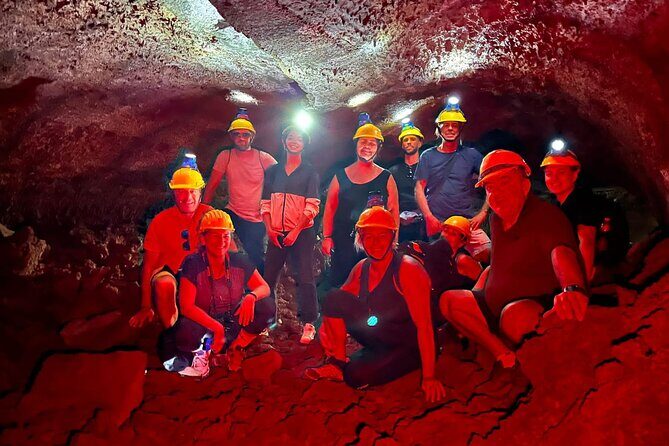
- Lava tunnels and the snow cave: Cool, enclosed rock spaces with solidified lava formations.
- Helmets included: A smart detail when you’re walking around volcanic features.
- Small groups (max 15): Better pacing and more time to ask questions.
- Etna from Zafferana Etnea: Convenient start point and a day that’s easy to pair with Catania plans.
Why Etna trekking from Zafferana Etnea is such a smart start
This trip begins in 95019 Zafferana Etnea, a convenient base on the slopes of Mount Etna. That matters because you spend less time “getting there” and more time on the volcano itself.
I also like that the meeting point is near public transportation. If you’re using buses or trains around Catania, you’re not forced into expensive private transfers just to start the day. The tour ends back at the meeting point, so you’re not hunting for onward connections in the late afternoon.
One more practical detail: the start time is 9:30 am. An early start is a win on Etna because conditions can shift fast, and you’ll want daylight for the views and the walking portions.
You can also read our reviews of more guided tours in Sicily
Your 6 km easy trek: what the walking day feels like
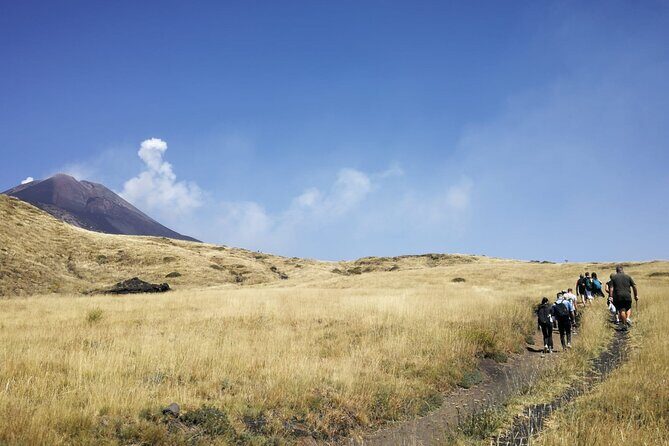
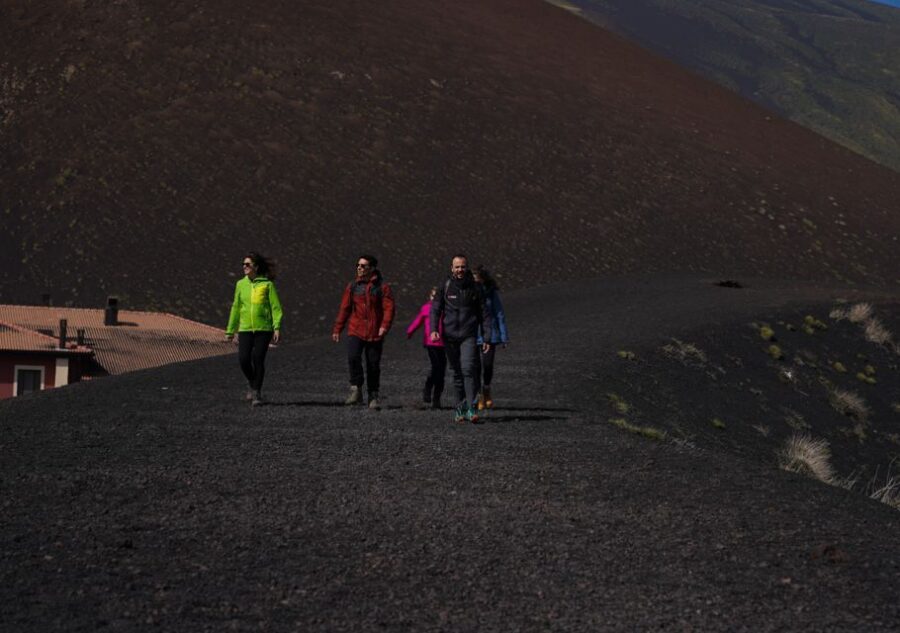
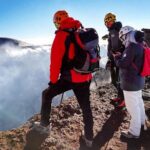
Expect an easy trek with a route of up to 6 km. “Up to” is important. It signals a group-paced plan that can adjust to the day and the conditions—good if you don’t want a rigid, no-matter-what style itinerary.
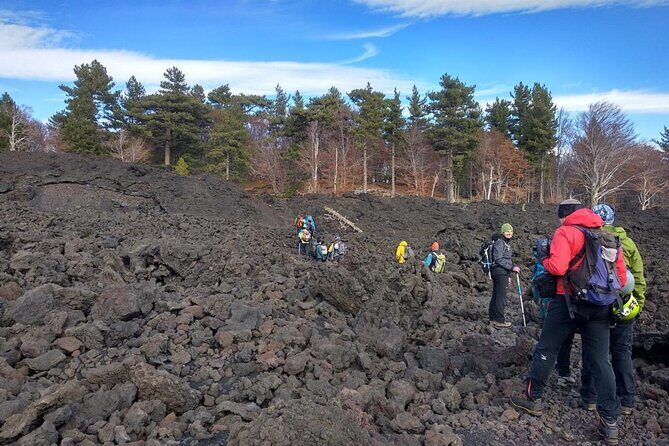
In plain terms, you’re walking on volcanic terrain. That’s not the same as a paved city stroll, so you’ll want sensible footwear and an attitude of watch-your-step. The good news is that the tour is designed for most people, not only elite hikers.
The timing is also straightforward: about 6 hours total. For many Sicily trips, a half-day-plus format is easier to schedule than a full-day outing, especially if you’re also planning time in Catania or a beach day later.
Sartorius craters: seeing volcanic activity up close
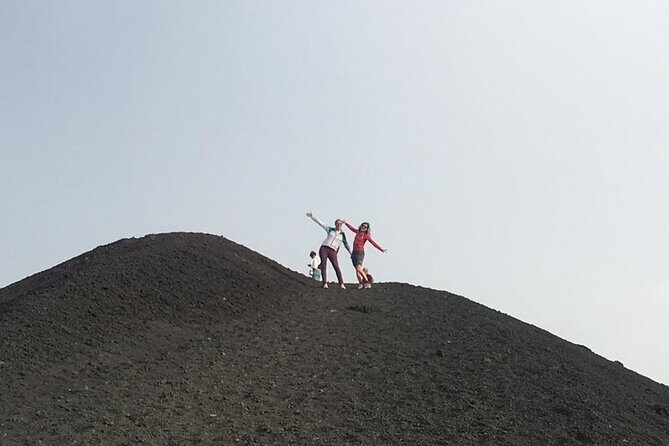
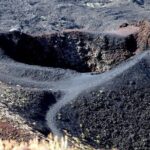
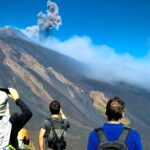
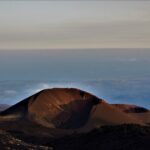
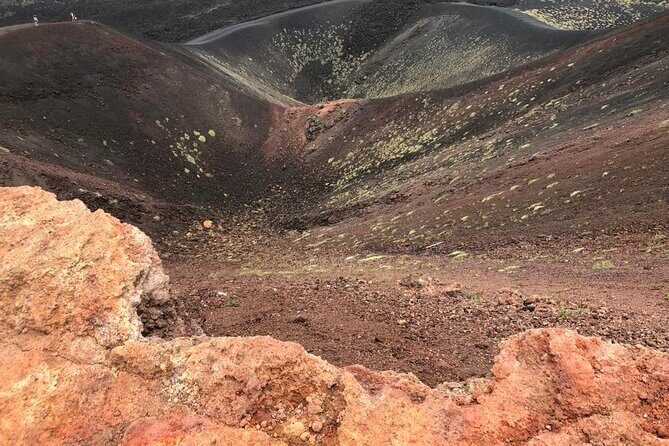
The first big highlight is the visit to the Sartorius craters. You’ll explore volcanic features tied to both past and present activity, which is exactly what makes this stop more than just a pretty viewpoint.
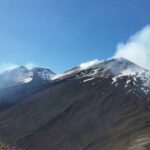
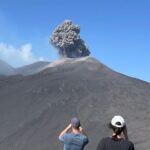
Walking near crater terrain changes how you read Etna. From the trail, you’re not just looking at a mountain in the distance. You’re seeing the shapes and remnants left by eruptions, plus the evidence of why Etna is still active.
What I love about this part is the mix of scale and clarity. These aren’t tiny details you’d miss. They’re obvious enough that even if you’re new to volcanoes, the guide can point out what you’re seeing without turning the day into a lecture.
Possible consideration: crater areas can be exposed, and volcanic terrain can mean dust or uneven ground. Wear clothes you don’t mind getting a little dusty, and don’t plan on perfect photo conditions if the wind picks up.
Lava flow cave and the snow cave: cool rock, solidified time
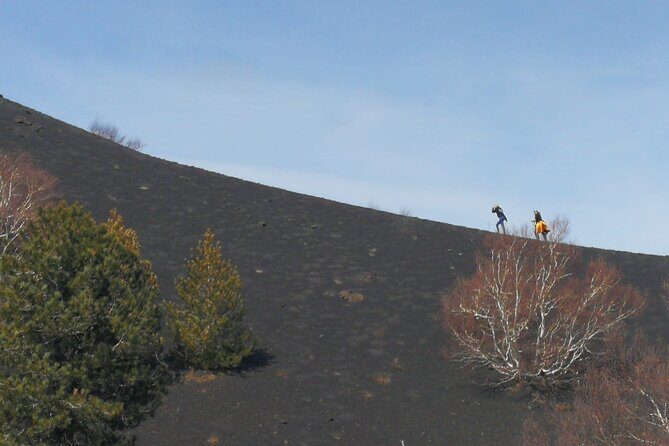
After the crater portion, you head toward a lava flow cave where you can explore tunnels formed by lava that solidified over the years. This is where the trip changes texture—from open views to enclosed, rock-lined spaces.
Then there’s the snow cave stop (described as grotta della neve in the experience notes you’ll see tied to this route). Even if you’ve never heard of it before, the idea is simple and memorable: you’re stepping into a volcanic feature that feels like it belongs on another planet, but it’s right there on Etna.
This part is valuable because it adds variety. A lot of Etna experiences are view-based. This one also gives you a “walk through the volcano’s past” feeling, using the cave/tunnel setting to make the geology tangible.
You’ll have helmets included. That’s not a random add-on—it’s exactly what you want when you’re moving around rock formations where you’d rather not think about head height or trip hazards. If you’re the type who likes your adventure without surprises, the helmet inclusion is a big plus.
Guides matter: the difference between a photo stop and real understanding
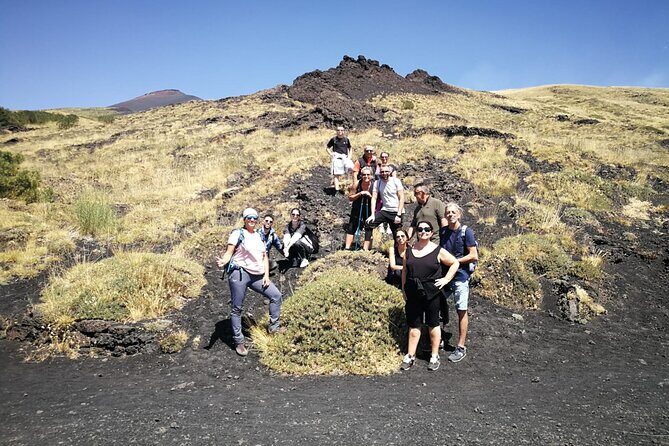
The biggest reason this trek gets high marks is how guides shape the day. Two names come up again and again: Iolanda (from Sicily in Travel, helping clients choose and plan) and Mariagrazia (a guide praised for being attentive, well-prepared, and giving lots of information).
Mariagrazia’s style stands out for going beyond “Etna facts” into territory that’s historical and cultural too. That’s a smart approach on a living volcano. You don’t just learn what happened—you learn why the mountain matters to the people around it.
If you want a trip where questions feel welcomed, you’ll likely appreciate this. A guide who can explain what you’re looking at—while keeping the pace comfortable—turns a good hike into something that sticks with you after you’re back in town.
You can also read our reviews of more hiking tours in Sicily
Group size and pace: up to 15 people, so you’re not lost in the crowd
This experience caps at 15 travelers. That changes the feel right away. You get enough people to create energy, but not so many that you’re always stuck behind someone slowing down or rushing ahead.
Most people can participate, and the trek is described as easy. Still, keep your expectations realistic: “easy” on volcanic terrain means you’ll be navigating rougher ground than on standard trails. Bring a steady walking rhythm and give yourself time to watch your footing.
The group size also helps during cave/tunnel moments. Those spaces tend to be tighter, and moving as a group works better when the group isn’t too large.
Price and value at about $151: what you’re paying for
At $151.26 per person, this isn’t a budget stroll. But it’s also not just a basic transport-and-see-some-craters deal. You’re paying for a guided, structured 6-hour experience with included fees and taxes, insurance, and helmets.
Here’s why that value matters in real life:
- Insurance included: On a volcanic walk with cave sections, that’s not just paperwork. It’s peace of mind.
- Helmets included: This is one of those “small” inclusions that can save you from last-minute gear problems.
- Guiding throughout the route: The money goes into a human who helps you interpret what you’re seeing.
What’s not included is also clear: lunch and private transportation. If you already plan to eat on your own schedule in Zafferana Etnea or nearby, that can actually be a benefit. You avoid being forced into a set lunch time or a meal you didn’t choose.
The private transportation not included is the one cost you may need to factor in if you don’t want to use public transport. Still, since the start is near public transportation, you have options.
What to bring for Etna: practical checklist for comfort
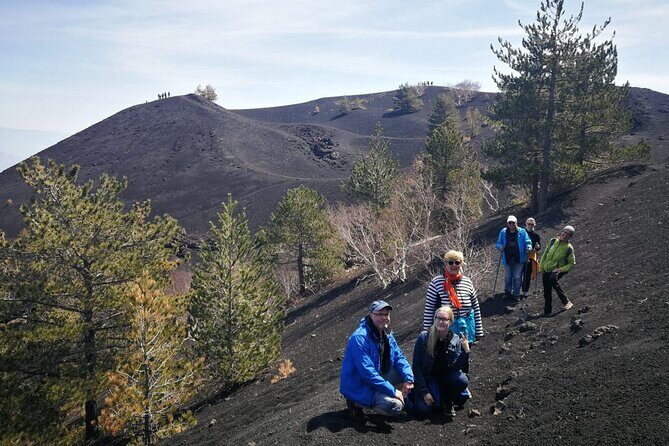
This is an outdoor volcano trek with a cave portion. That means you’ll want comfort and basic protection more than anything fancy.
Bring:
- Solid walking shoes for uneven volcanic ground
- A warm layer even if the day starts sunny (cave areas can feel cooler)
- Water
- Sun protection (Etna can be bright)
- A light daypack to keep your hands free
Skip overpacking. You’re walking up to 6 km, not hiking for days. If you pack too much, the day starts feeling heavier than it needs to.
Also plan your footwear with cave movement in mind. Even if the route is easy, enclosed spaces can be where slips happen if shoes aren’t grippy.
Who this Etna trekking and snow cave tour fits best
This is a strong pick if you want a real Etna experience without committing to extreme hiking. The trek is easy, the route length is manageable, and the day is built around two standout volcanic elements: craters and lava formations.
You’ll likely enjoy it if:
- You’re visiting Sicily and want one guided nature-heavy day
- You want context, not just photos, especially around volcanic activity
- You like small groups and a comfortable pace
- You’re curious about the snow cave and how it fits into Etna’s geology
If you’re someone who hates gear planning, you’ll appreciate that helmets are included and that the tour covers key fees and insurance.
Booking decision: should you take this Etna trek?
If your idea of a great Sicily day is part viewpoint, part geology lesson, and part “walk through volcanic rock,” I’d book it. The mix of Sartorius craters, lava cave tunnels, and the snow cave is exactly the kind of varied route that prevents the day from feeling repetitive.
I’d be cautious only if you have a tight weather window or you can’t handle walking on uneven ground. Because it’s weather-dependent, plan to keep your schedule flexible. On a good day, this is one of the most straightforward ways to get a memorable Etna hit without turning it into a marathon.
FAQ
FAQ
How long is the Etna trekking experience?
It lasts about 6 hours.
What’s the trekking distance?
The route is up to 6 km.
Where does the tour start?
The meeting point is 95019 Zafferana Etnea, Metropolitan city of Catania, Italy.
What time does the tour begin?
The start time is 9:30 am.
What’s included in the price?
All fees and taxes, insurance, and helmets are included.
Is lunch included?
No, lunch is not included.
Do I need private transportation to join the tour?
Private transportation is not included, but the meeting point is near public transportation.
How big are the groups?
The tour has a maximum of 15 travelers.
Is this tour suitable for most people?
Most travelers can participate, and the trek is described as easy.
What happens if weather is poor?
This experience requires good weather. If it’s canceled due to poor weather, you’ll be offered a different date or a full refund.
Can I cancel for free?
Yes. You can cancel up to 24 hours in advance for a full refund. Changes within 24 hours of the start time are not accepted, and late cancellations aren’t refunded.