REVIEW · SICILY
Zafferana Etnea:Honey extraction workshop and honey tasting
Book on GetYourGuide →Operated by Empeeria · Bookable on GetYourGuide
In Sicily, bees turn a snack into science. This honey extraction and tasting workshop is a quick, small-group crash course on how a hive works, from centrifuge to close-up viewing. You’ll also taste the kind of honey that people actually farm on-site, with food that’s built around the flavors.
I really like that the session starts practical: you see how honey gets extracted (not just a demo with vague talk). I also love the tasting setup, because it’s not random sugar—there’s a guided honey tasting paired with cheeses, bread, and sweets made with fresh honey.
One thing to think about: you’ll be around bees up close during the hive portion, and the tour uses protective jackets for safety. If you’re very sensitive to smells, crowds, or tight spaces, this might feel intense even though the experience is designed for visitors.
In This Review
- Key Things You’ll Notice During This Honey Workshop
- Honey Extraction at the Workshop: Seeing the Process, Not Just Hearing About It
- Honey Tasting in Real Pairings: How to Notice Flavor Differences
- The Snacks Built Around On-Site Honey: A Tasty Shortcut to Understanding
- The Hive Visit with Protective Jackets: Up Close With the Busy Order
- Why This 1-Hour Format Actually Works
- Price and Value: What You’re Really Paying For at $66
- Who This Tour Suits Best (And Who Might Skip It)
- Practical Tips So You Enjoy the Hive Viewing More
- Where You Meet in Zafferana Etnea
- Should You Book This Honey Extraction Workshop?
- FAQ
- How long is the honey extraction workshop and tasting?
- What is included in the honey tasting?
- Is it a small group?
- What languages is the host comfortable with?
- Do I need to mention food allergies or intolerances?
- Where is the meeting point?
Key Things You’ll Notice During This Honey Workshop
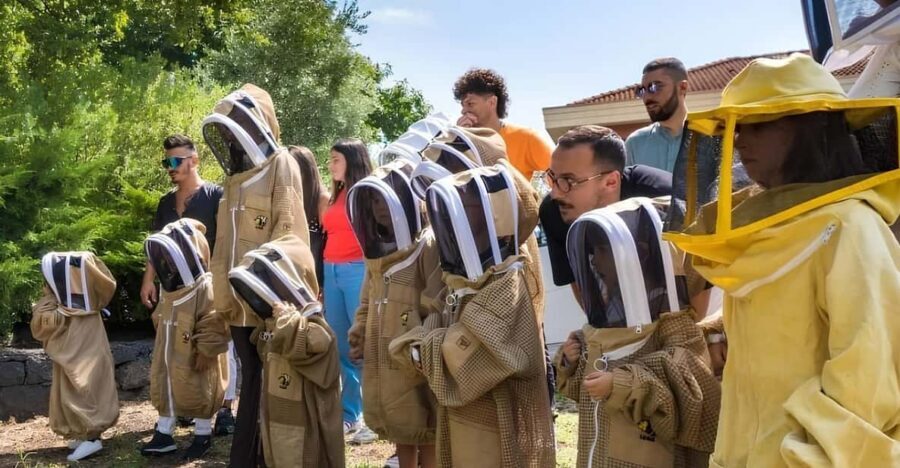
- Centrifuge extraction up close: you’ll see honey removed using the workshop method, then connect it to what you’ll observe later.
- Honey tasting with structure: you’ll sample different honey flavors and learn to notice subtle differences.
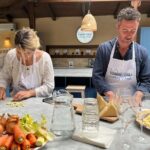
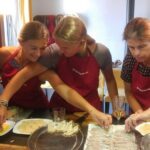
- Food that actually uses the on-site honey: bread, cheese, and pastries are included so you taste honey with real pairings.
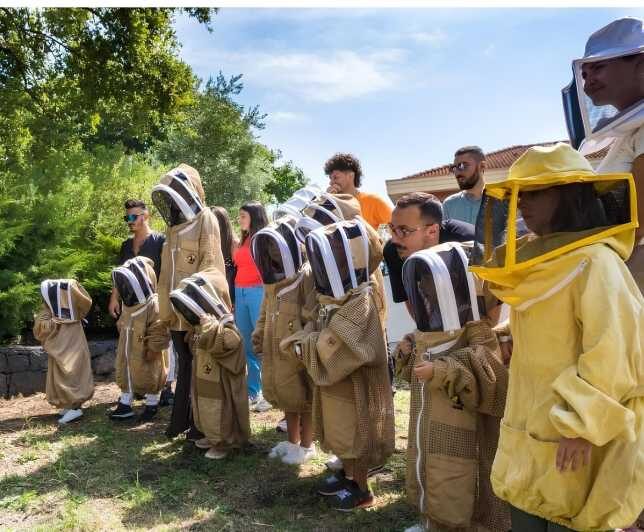
- Hive viewing with protective jackets: you observe the hive’s organized life from a safer visitor setup.
- Small-group energy (up to 10 people): more time for questions and a calmer feel than big tours.
Honey Extraction at the Workshop: Seeing the Process, Not Just Hearing About It
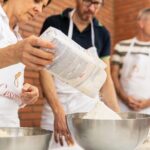
This tour makes a smart first move: it starts where honey becomes honey-in-jar. The workshop begins with an explanation of what’s happening in a beehive and how honey is handled once it’s ready. Then you’ll witness the extraction step using a centrifuge, which is basically the mechanical way honey gets separated from the frames.
That matters because a lot of honey experiences stop at tasting. Here, you get the missing piece: how the product moves from hive work into something you can pour. Even if you don’t know anything about bees, the centrifuge part gives you a concrete reference point for everything you’ll see later.
Also, this is Sicily, and the vibe is hands-on. You’re not stuck watching a slideshow. You’re standing close to real equipment and real workflow, which keeps the whole hour from feeling like a lecture.
You can also read our reviews of more food & drink experiences in Sicily
Honey Tasting in Real Pairings: How to Notice Flavor Differences
The honey tasting is one of the best parts because it trains your tongue for something you’d usually miss. You’ll taste handcrafted honey with guidance, and you’ll get the chance to savor different flavor nuances coming from the bees.
Here’s why that’s valuable: honey isn’t one flavor. It can range from floral to deeper, more intense notes depending on what the bees are foraging. The guided pacing helps you slow down and compare, instead of gulping down tastes and hoping it all blends into one sweet memory.
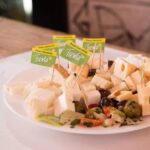
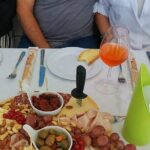
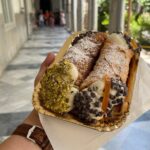
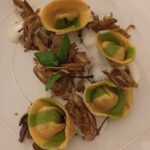
You’ll also get an organic snack to go with it, built around simple staples: bread, cheese, and pastries made with fresh honey produced on-site. That pairing approach is practical. Cheese gives you something salty and fatty to contrast the sweetness. Bread helps you reset your palate. Pastries let you experience honey not just as a standalone product, but as a cooking ingredient.
If you like foodie tours that are more than tasting blobs of stuff, this one’s got a clear method: sample, compare, and connect.
The Snacks Built Around On-Site Honey: A Tasty Shortcut to Understanding
This is the part I’d describe as both enjoyable and educational. You’re not just given honey and told to like it. You’re eating with it.
- Bread helps you judge honey sweetness and texture in a simple way.
- Cheese adds a savory contrast that makes it easier to detect honey’s unique character.
- Pastries made with fresh honey show you how the flavor behaves when baked and mixed.
There’s a subtle lesson in that. Honey changes depending on how it’s used. When it’s warmed or baked, you’ll often taste different notes than when it’s sampled straight. So you end up understanding honey as a real ingredient, not only a souvenir.
And because it’s produced on-site, the flavors you taste match the story you’re hearing. That coherence makes the hour feel tighter and more satisfying.
The Hive Visit with Protective Jackets: Up Close With the Busy Order
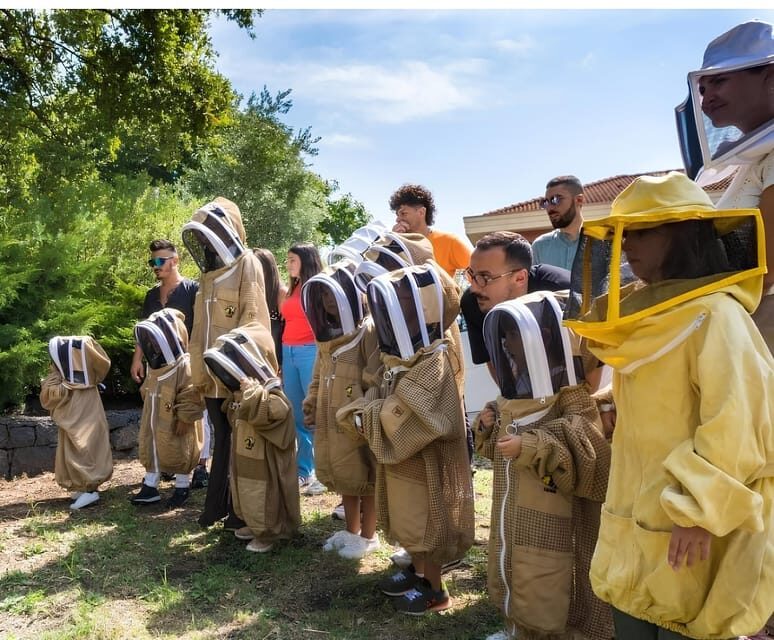
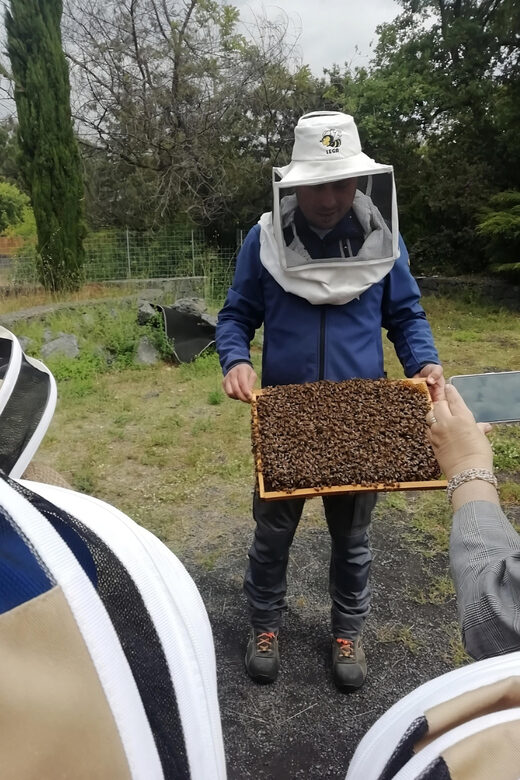
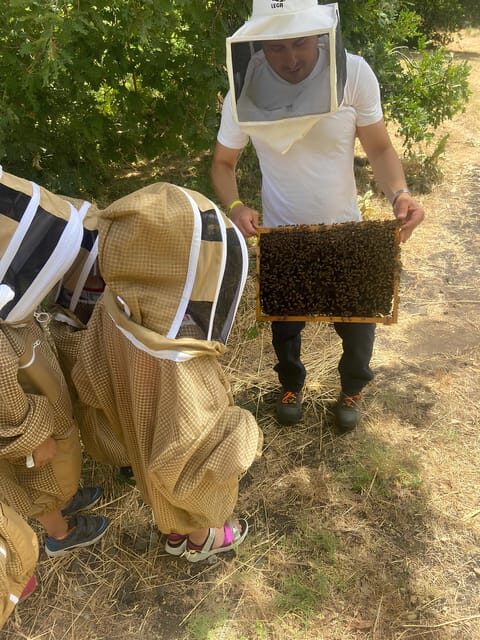
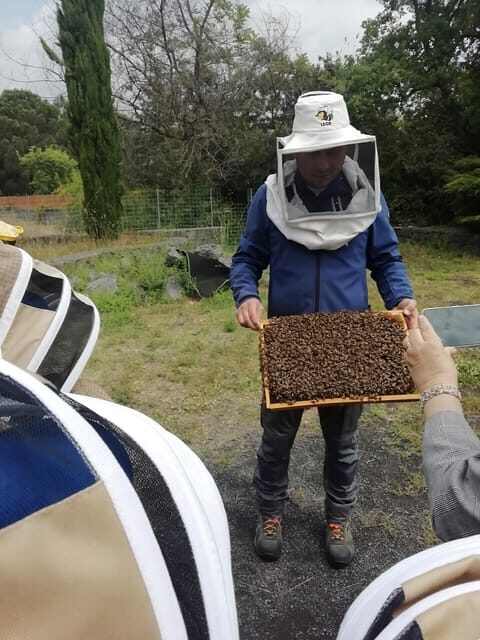
After the tasting and snack, you shift to the beehive itself. You’ll get protective jackets for the visit, and you’ll observe the busy, organized life of bees up close.
This is where the experience becomes memorable. Watching bees work in a hive is surprisingly different from imagining them on a window ledge or in a field. In a hive setting, everything seems purposeful—movement, roles, and the steady flow of activity.
One helpful detail from the experience itself: during at least one visit, a person was able to spot the queen bee. You might get a chance to see the queen if the timing and conditions allow. Even if you don’t, the point stays the same: you’re seeing how a complex system functions, not just a handful of insects.
What to expect: the moment is close and active, and you’ll be focused on safety and observation. The guide’s role is important here, because it keeps the viewing organized and ensures you’re positioned correctly.
Why This 1-Hour Format Actually Works
A one-hour workshop can feel rushed on paper, but this one uses the time well because it follows a logical flow:
1) Understand the hive basics and honey extraction process
2) Taste honey and learn to notice differences
3) Go back to the hive and see the source of what you’re tasting
That loop is the key. You’re not bouncing between unrelated stops. You’re building a mental picture step by step.
Also, the small group size helps. With limited group numbers (up to 10), you’re more likely to get your questions answered and to keep a comfortable pace.
You can also read our reviews of more tours and experiences in Sicily
Price and Value: What You’re Really Paying For at $66
At $66 for a group size that’s effectively small (the pricing is listed as $66 per group up to 1), you’re paying for three things that many other honey experiences do separately: extraction viewing, guided tasting with food pairings, and a hive visit with protective gear.
Is it a bargain? It’s not a $15 impulse buy. But the value is in the combination, especially the centrifuge demonstration plus the included tasting and snack. You also get a guided format in English and Italian, which can be hard to find in small workshop settings.
If you enjoy hands-on food learning, small-group tours, and anything that connects your meal to how it’s made, the cost makes more sense. If you mainly want a long, leisurely countryside outing, this might feel short.
Who This Tour Suits Best (And Who Might Skip It)
This experience is a strong match if you:
- like food tours where you learn something specific, not just wander and sample
- enjoy tasting with pairings (cheese, bread, pastries) rather than only honey on its own
- want a short, focused activity in Zafferana Etnea that doesn’t eat your whole day
- care about bees and how they support ecosystems
It may be less ideal if you:
- have strong allergies or intolerances and haven’t planned for them (you should indicate them when booking)
- dislike close insect environments, even with protective jackets
- want an extended walking tour or lots of free time
Practical Tips So You Enjoy the Hive Viewing More
This isn’t a high-drama tour, but a little prep goes a long way.
- Wear clothing you’re comfortable getting warm in, since protective gear is part of the hive visit.
- If you have any dietary intolerances, flag them when you book so the honey tasting and snacks can be handled appropriately.
- Expect the schedule to shift if weather is bad. The tour can change or be cancelled depending on conditions, so keep an eye on the day-of plan.
- Bring your curiosity. The best part of a beehive visit is asking small questions as you watch.
And do the simplest thing that improves every tour: arrive a few minutes early and use the meeting point pin in Google Maps so you’re not stressed when the workshop starts.
Where You Meet in Zafferana Etnea
Meet at the location shown on the provided Google Maps link: https://maps.app.goo.gl/BPonYsQK6r7AtCyHA
Using the exact pin helps you get to the workshop entrance without hunting around on foot.
Should You Book This Honey Extraction Workshop?
If you want a short, small-group experience that connects three dots—how honey is extracted, how honey tastes in real pairings, and what bees do inside a hive—then yes, I’d book it. The hour moves with purpose: tasting isn’t just dessert, and the hive visit isn’t just a photo stop.
I’d skip it only if you’re uncomfortable around bees even with protective jackets, or if you have allergies you can’t or don’t want to disclose in advance. Otherwise, this is the kind of Sicily stop that makes your snack feel like a story you can explain.
FAQ
How long is the honey extraction workshop and tasting?
The tour lasts 1 hour.
What is included in the honey tasting?
You get honey tastings with cheeses, plus bread and sweets made with honey, all included with the guided tour.
Is it a small group?
Yes. It’s a small group experience limited to 10 participants.
What languages is the host comfortable with?
The host or greeter speaks English and Italian.
Do I need to mention food allergies or intolerances?
Yes. You should indicate any intolerances or allergies when booking.
Where is the meeting point?
You meet at the location shown in the Google Maps link provided for this activity.