REVIEW · SICILY
In the province of Palermo Sicilian Cooking Class near Cefalu
Book on Viator →Operated by graziella gugliotta · Bookable on Viator
A villa-style Sicilian cooking class feels like family. You’ll knead dough, shape fresh pasta (think tagliatelle, cavatelli, or stuffed ravioli), and finish with Sicilian sweets and local wine in a garden setting near Cefalù. What I like most is the warm, personal hosting from Graziella Gugliotta, and the practical, hands-on way you learn the process. One consideration: this is a small, intimate class (up to 10) and runs about 3 hours on the clock, so it is not a long, multi-course culinary workshop day.
If you’re the type who wants more than a meal—skills you can actually repeat at home—this one fits. You’ll start at Graziella’s villa, cook together, and then taste what you made (weather permitting). The class is offered in English, and you’ll be set up with everything you need, from ingredients to kitchen tools, plus bottled water and alcoholic beverages.
In This Review
- Key Things to Know Before You Go
- Entering Graziella’s Villa Kitchen Near Cefalù
- The Menu Flow: Starter, Fresh Pasta, and Sicilian Dessert
- Starter ideas you may make
- Main course: stuffed pasta and nutty Sicilian fillings
- Dessert: almond-based Sicilian sweets
- What the 3 Hours Actually Feel Like
- How You Learn: Technique, Participation, and Practical Tips
- Pasta making is the skill you leave with
- The host’s pace keeps it fun
- You might meet assistants during prep
- Wine, Views, and the Final Plate
- English-Friendly, Small-Group, and Family-Welcoming
- Dietary Adjustments: When You Need Real Flexibility
- Price and Value: Is $120.98 a Good Deal?
- Where This Class Fits Best (And Where It Might Not)
- Should You Book This Sicilian Cooking Class?
- FAQ
- What is the class duration?
- Is the cooking class offered in English?
- What dishes are included in the menu?
- Is wine included?
- How big is the group?
- What is the cancellation policy?
Key Things to Know Before You Go
- Family-run hospitality at a private villa rather than a big cooking school setting
- Hands-on pasta lessons focused on technique you can recreate at home
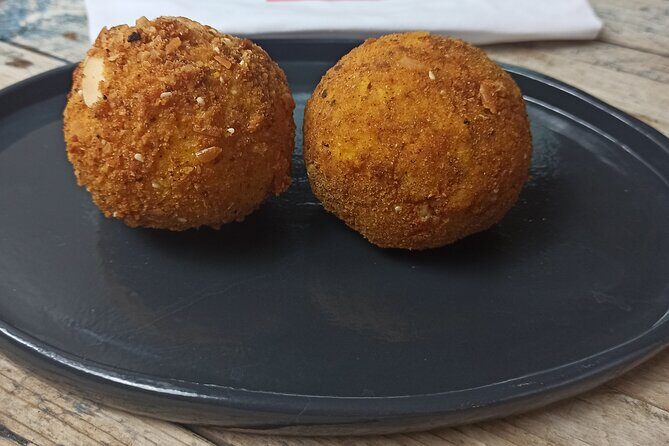
- Sicilian menu ideas like aubergine caponata, tomato bruschetta, cappellacci with ricotta and nuts, and almond desserts
- Wine and a shared meal as part of the experience, not an add-on
- Small group size (max 10) for more attention and more chances to participate
- Menu adjustments for dietary needs have been handled, including gluten intolerance in at least one case
Entering Graziella’s Villa Kitchen Near Cefalù
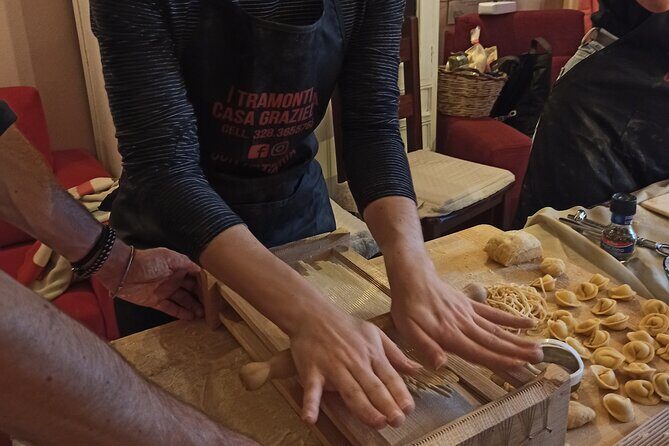
This class is built around place. You meet at a private home with a garden and greenery—exactly the kind of setting that makes cooking feel relaxed and real. Instead of marching through a scripted program in a commercial kitchen, you’re stepping into someone’s routine, which is a big part of why the experience gets such a strong reaction from people.
Graziella Gugliotta runs the show with a very welcoming, personable approach. The emphasis is on guests arriving as strangers and leaving feeling included. That shows in the way the group is handled: people get hands-on time, questions are welcomed, and the energy stays friendly rather than formal. It also helps that the class is offered in English, so you can focus on technique instead of translating every step.
One practical note: the meeting point is listed on SS 113 near Campofelice di Roccella (Km 201, 90010). That’s handy for finding it with navigation, but it does mean you’ll want to plan your local transport the same way you would for a countryside experience. Since it is near public transportation, you might be able to manage without a car, but allow extra time getting there.
You can also read our reviews of more cooking classes in Sicily
The Menu Flow: Starter, Fresh Pasta, and Sicilian Dessert
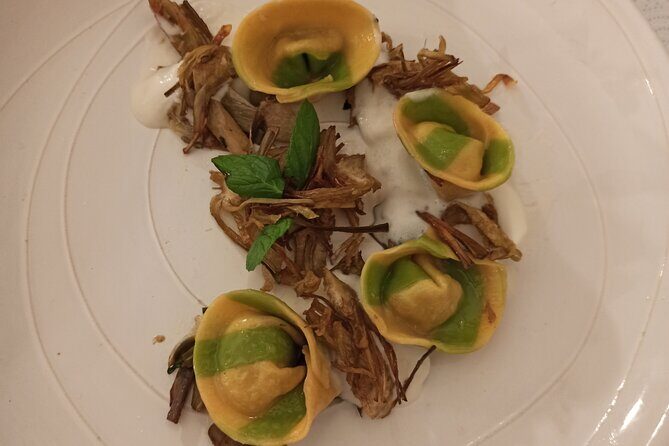
The big promise here is Sicilian comfort food, with a strong pasta focus. Your class is centered on making fresh pasta and learning what makes a good Sicilian dish work, from dough consistency to filling balance to finishing details.
Starter ideas you may make
Depending on the session, you might start with something like:
- Aubergine caponata (a Sicilian eggplant favorite)
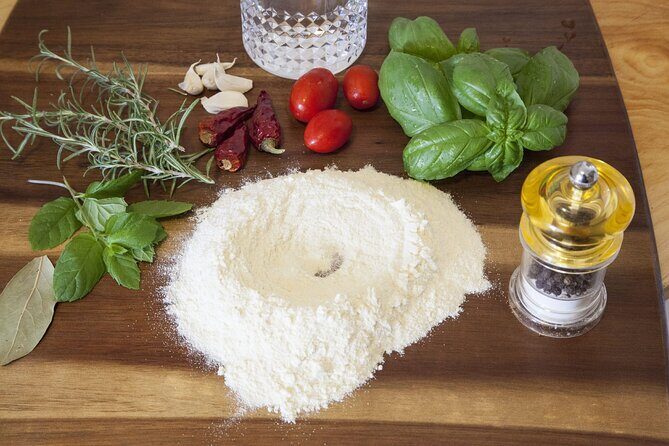
- Tomato bruschetta with fresh basil, plus extra-virgin olive oil and locally sourced ingredients
If you love the idea of learning Sicilian flavors beyond pasta, these starters give you a taste of how Palermo-area cooking thinks: bold, simple ingredients, and lots of attention to olive oil and herbs.
Main course: stuffed pasta and nutty Sicilian fillings
The cooking lesson usually centers on fresh pasta shapes. You may make:
- Tagliatelle
- Cavatelli
- Stuffed ravioli
For fillings, the sample menu includes options like:
- Cappellacci stuffed with ricotta and pistachios or walnuts, plus butter and sage
In plain terms, that combination matters. Nuts plus cheese plus warm, aromatic finishing flavors is very Sicilian, and it gives you something more interesting than a basic tomato sauce pasta.
Dessert: almond-based Sicilian sweets
You’ll also learn a typical Sicilian dessert. The sample menu lists almond treats such as:
- almond paste style sweets
- watermelon gelo
- fresh almond semifreddo
Dessert is where the class often feels most satisfying. You’re not just making a course—you’re learning a Sicilian sweet style that tends to be unforgettable once you’ve tasted it.
And yes, some sessions may include classics like tiramisu as well, depending on the menu chosen.
You can also read our reviews of more tours and experiences in Sicily



What the 3 Hours Actually Feel Like
On the listing, the duration is about 3 hours. In practice, many cooking lessons like this stretch closer to a half-day once you factor in greeting time, cooking in turns, and eating together. The experience here is described as lasting about four hours in the overall plan, especially because you taste your results and share a meal.
Weather matters for the tasting. If it works out, you’ll eat outside (weather permitting), which can turn dinner into a sunset moment rather than just a plate on a counter.
Here’s the typical rhythm you can expect:
- Welcome and a drink
You arrive and get settled with wine and bottled water, plus something to nibble depending on the menu flow.
- Hands-on pasta prep
You’ll learn how to knead and work the dough. Then you’ll shape pasta—either by handwork alone or with the use of equipment depending on what the host has set up that day.
- Filling and assembly
You’ll work on the filling and learn how the pasta gets sealed or formed so it cooks well.
- Cooking, then tasting together
You’ll eat what you made with local wine. The focus stays on the food and the shared table, not on rushing.
How You Learn: Technique, Participation, and Practical Tips
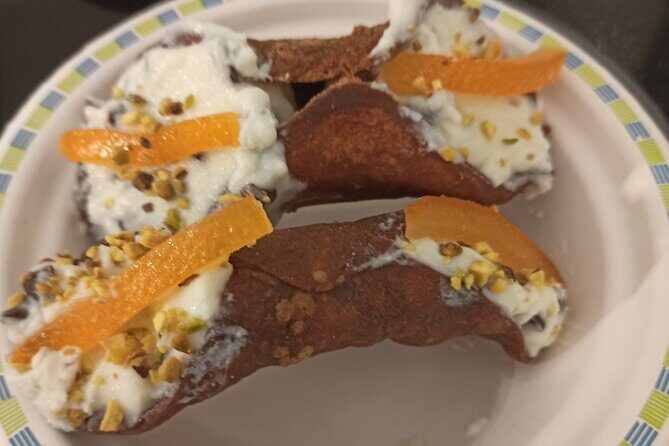
This is not a passive cooking show. It’s set up so you can participate. People consistently highlight that they had a chance to take part in all parts of the meal, not just watching someone else do the hard parts.
Pasta making is the skill you leave with
The most valuable part is the pasta technique. You’ll learn:
- how the dough should feel when it is ready
- how to shape specific pasta forms like cavatelli and stuffed ravioli
- how to manage filling so it stays the right consistency
In the feedback, people mention both being beginners and feeling comfortable. That usually means the instructions are broken down in a way that doesn’t assume you already know Italian kitchen rhythm.
The host’s pace keeps it fun
The class is described like a game—less stern, more encouraging. That matters because pasta can be intimidating if you feel like you’re failing in front of people. Here, the vibe tends to keep you moving, laughing, and learning. There’s also a sense of structure: steps are explained, then you do them.
You might meet assistants during prep
Depending on the day, you may work with an assistant such as Maria or Teresa. This helps with flow: one person can guide cooking steps while another supports smaller tasks, so you get more time for hands-on work.
Wine, Views, and the Final Plate
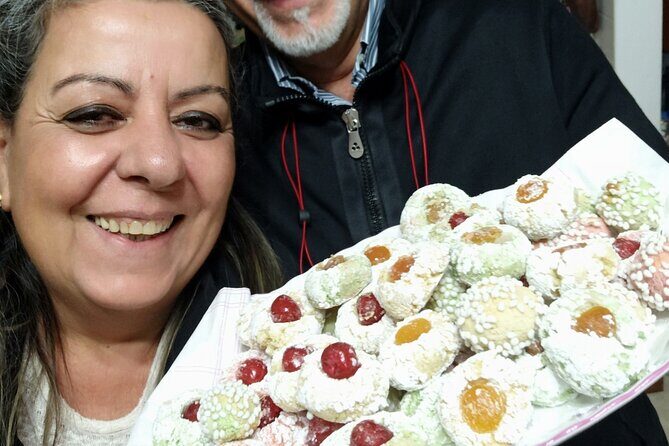
A lot of classes stop at cooking. This one ties the lesson to enjoying what you made. You’ll drink local wine along with bottled water during the meal.
The views matter too. Reviews mention a balcony setting with sea-and-mountain scenery and sunset moments. Even if you’re not a sunset person, it helps you slow down and actually taste what you just learned to cook.
If you’re hoping for a photo-friendly moment, this is likely to deliver—without turning into a theme-park experience. The food stays the center.
English-Friendly, Small-Group, and Family-Welcoming
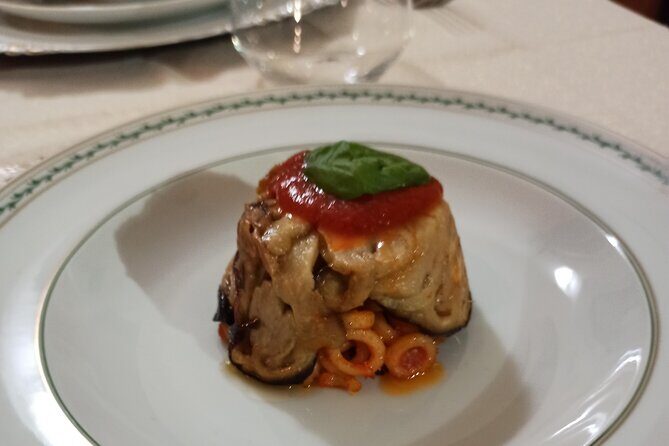
This is offered in English, and the instruction style is geared toward real conversation. That makes it easier to ask questions about why something works, not just how to do it once.
The group size is capped at 10 travelers, which makes a big difference. Smaller groups mean:
- more chance for individual guidance
- fewer waiting turns
- a better chance that you actually make multiple components
It also appears to be family-friendly in practice. One account specifically mentions an accommodated 1-year-old, and another highlights that children were treated with patience. If you’re traveling as a family, this can feel easier than the more formal cooking class setups.
Dietary Adjustments: When You Need Real Flexibility
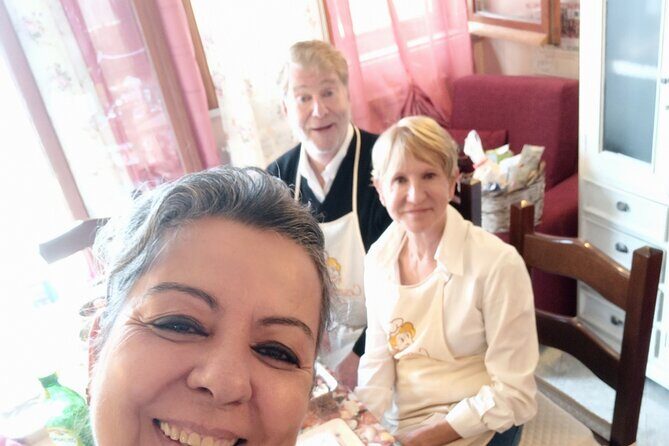
Not every class can handle real dietary restrictions. Here, there are examples of adjustments:
- gluten intolerance has been accommodated, including gluten-free versions (like gluten-free gnocchi in one case)
- an adapted tiramisu was made without eggs or mascarpone in one described menu
So if you have a dietary need, you should feel comfortable asking ahead of time. Do not assume every restriction can be handled, but the pattern here suggests the host tries to work with what you need while keeping flavors Sicilian.
Price and Value: Is $120.98 a Good Deal?
At $120.98 per person, you’re paying for a hosted dinner that includes instruction plus full meal components. What makes the value feel more solid is what is included:
- alcoholic beverages
- bottled water
- the meal you prepare
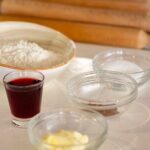
- everything needed for cooking (no extra fees for ingredients or tools)
Tips are not included, so you may want to budget a little extra if the experience hits your personal sweet spot.
For many people, the key value isn’t just the food. It is the fact that you go home with a clear idea of how to reproduce pasta and Sicilian dessert steps, not just a memory of a nice dinner. That can turn the cost into something closer to a long-term skill purchase.
Where This Class Fits Best (And Where It Might Not)
This is a great fit if you:
- want real hands-on pasta skills
- care about learning specific Sicilian flavors (eggplant caponata, nut-stuffed pasta, almond desserts)
- enjoy small-group cooking where conversation matters
- want wine and a shared meal in a home setting near Cefalù
It may not be ideal if you:
- want a large, high-volume class with lots of equipment and a faster pace
- expect the experience to feel like a restaurant meal first and a cooking lesson second
Should You Book This Sicilian Cooking Class?
If you like cooking with your hands, want guidance you can use at home, and you value a warm, genuine home environment over a staged “activity,” I think booking makes sense. The strongest signals here are the welcome, the practical participation, the small group size, and the way the meal is treated as part of the lesson.
If you’re on a tight schedule, remember the class runs about 3 hours (with the overall feel closer to four). But if you can spare that time, it’s the type of experience that tends to turn into a highlight because you’re leaving with both memories and skills.
FAQ
What is the class duration?
The experience is listed at about 3 hours. The plan may feel closer to around four hours because you also taste what you cooked and the pacing includes greeting and shared dining time.
Is the cooking class offered in English?
Yes. The class is offered in English.
What dishes are included in the menu?
You can expect a starter, fresh pasta as the main focus, and a Sicilian dessert. Sample dishes include aubergine caponata or tomato bruschetta, cappellacci with ricotta and pistachios or walnuts with butter and sage, and almond treats such as almond paste, watermelon gelo, or almond semifreddo.
Is wine included?
Yes. The class includes alcoholic beverages, plus bottled water.
How big is the group?
The experience has a maximum of 10 travelers, which keeps it intimate and supports hands-on participation.
What is the cancellation policy?
You can cancel for a full refund if you do it up to 24 hours in advance of the experience start time. If you cancel less than 24 hours before the start time, the amount paid will not be refunded.