REVIEW · SICILY
Etna – Trekking to the summit craters (only guide service) experienced hikers
Book on Viator →Operated by Guide Vulcanologiche Etna Nord · Bookable on Viator
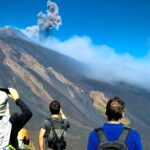
Etna’s north side feels wilder. This guided hike takes you to the summit crater edges via authorized 4×4s, then sends you up on foot through ever-changing volcanic terrain, with views out over northern Sicily when the air is clear.
I love the small group size (max 12) and the way the licensed guides manage the day with real safety calls—route changes happen based on gas, heat, fractures, and what’s reachable. I also like that you get a full kit on site (trekking poles, trekking shoes, helmet, warm jacket, extra socks, and more), plus insurance, so you can focus on the climb instead of hunting gear in Catania.
One possible drawback: it’s not a casual hike. You’re dealing with altitude (roughly 2,960–3,323 m), crater-edge walking that can trigger dizziness for some people, and a long descent that can feel tougher than the uphill—so strong knees and solid hiking fitness matter.
In This Review
- Key things that make this Etna hike worth it
- Etna Nord Summit Craters: Why the North Side Feels Different
- Price and Value: What Your $139.13 Includes (and What Might Cost Extra)
- The 7:45 Start at Chiosco Bar Mare Neve: Timing Matters on Etna
- Stop 1 at Piano Provenzana: Breakfast, Briefing, and a Lava-Scarred Meeting Point
- The 4×4 Panoramic Climb: Lava Fields, Deep Craters, and Long Views
- Stop 3: The Summit Hike to Crater Edges (2,960–3,323 m)
- The Descent: The Part That Can Hurt Your Knees More Than the Climb
- Stop 4 Back at Piano Provenzana: Cafés, Shops, and Your Post-Summit Reality Check
- Guides, Safety, and the Human Factor: What Makes This Tour Feel Professional
- What to Pack: Warmth, Socks, and Why Contact Lenses Are a Bad Idea
- Who This Tour Suits Best (and Who Should Skip It)
- Should You Book This Etna North Summit Hike?
- FAQ
- How long does the Etna summit crater trekking tour take?
- What time does the tour start?
- Is the tour offered in English?
- What’s included in the price?
- What extra costs should I expect?
- How hard is the hike?
- What happens if weather or volcanic conditions are unsafe?
Key things that make this Etna hike worth it
- North-slope approach from Piano Provenzana: typically less crowded and more connected to the volcanic terrain.
- Authorized 4×4 panoramic track: crosses lava fields, deep lateral craters, and eruptive fractures before the hike.
- Summit route guided by conditions: guides choose the safest path toward the most active yet secure crater.
- Crater-edge walking: you get close views of the main craters when weather allows.
- Gear + insurance included: trekking poles, helmet, shoes, warm layers, and accident insurance.
- A serious return leg: expect a long, knee-testing downhill on scoria and sandy gullies.
Etna Nord Summit Craters: Why the North Side Feels Different
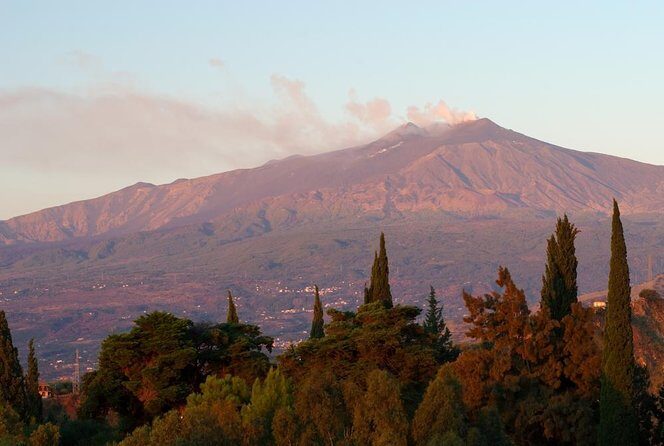
If you’ve only seen Etna from the usual tourist pull-offs, the north side will surprise you. You start at Piano Provenzana, then climb toward the summit on the wild flank where the terrain looks less managed and more raw—lava channels, cracks in the rock, and crater features you can actually trace with your eyes.
This tour also has a smart rhythm: you’re not just dropped at a trailhead and left to guess. The day blends 4×4 access + guided hiking, and the guides keep adapting as conditions change, which matters a lot on an active volcano.
One more practical win: the morning option typically begins early (meet at 7:45 a.m.), which is exactly when you stand the best chance of clear visibility for the big views.
You can also read our reviews of more guided tours in Sicily
Price and Value: What Your $139.13 Includes (and What Might Cost Extra)
At $139.13 per person, this is priced like a proper guided expedition, not a quick “look at the volcano” outing. You’re paying for the licensed volcanology guide, the guided summit hike, and the included entry to Mount Etna—plus the safety net of accident insurance.
You’ll also get a lot of the gear you’d otherwise have to source: trekking poles, trekking shoes, helmet, a warm jacket, extra socks, and even an extra backpack. That’s a real value piece, especially if you’re traveling light or arriving in Sicily from a city trip with tired shoes.
That said, plan for extras that show up in the fine print:
- Parking at the area is a paid ticket for the day (weekday vs Sunday/holiday rates).
- Off-road vehicle one-way is listed as an additional charge (from 1,800 m up to 2,825 m), if you opt for that segment.
- If you choose a bus return from the higher area, the price is specified separately.
- You may need your own hat and gloves depending on the season.
My rule for this kind of summit day: budget a “base cost + volcanic logistics.” The base gets you a guided, gear-included experience; the add-ons depend on the exact transport choices and the day’s setup.
The 7:45 Start at Chiosco Bar Mare Neve: Timing Matters on Etna
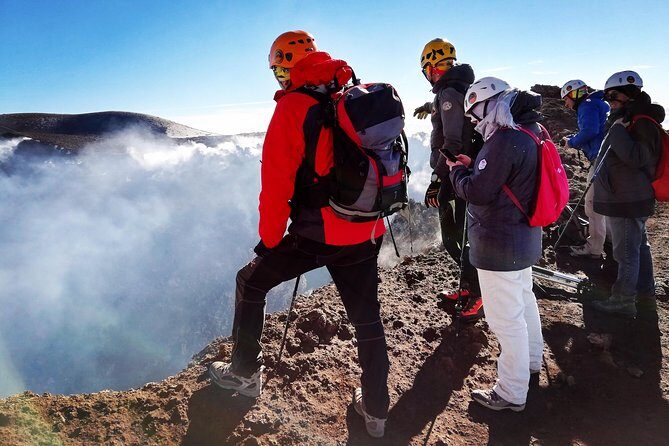
You’ll meet at Chiosco Bar Mare Neve di Ferraro Etna Nord – Piano Provenzana, with the start time at 7:45 a.m. The morning departure is typically 8:00–8:15 a.m., and there’s also an afternoon start at 1:00 p.m. from May to October.
Why the early start matters: summit conditions change fast on Etna—wind, gases, heat, and cloud cover. Going early also helps you feel more human at the hardest moment of the day, because the ascent and crater-edge walking aren’t stacked on top of late-afternoon fatigue.
Also, don’t underestimate the pre-hike flow. Before you head out, you can use restrooms, grab breakfast at the café, and do a quick “get your body ready” reset before the guides hand you equipment and run the briefing.
Stop 1 at Piano Provenzana: Breakfast, Briefing, and a Lava-Scarred Meeting Point
Piano Provenzana isn’t just a convenient parking spot. It sits on Etna’s north side and sits inside the wider volcanic area reshaped by the October 27, 2002 eruption—including a setting that was destroyed and then rebuilt around the access road.
You’ll meet the guides at the on-site meeting area, and you can use facilities before departure. This matters because once you’re higher up, stopping for essentials isn’t easy or quick. In winter, the access road situation can include snow conditions, so the tour notes winter driving needs like snow chains or winter tires.
This is also where the tour setup becomes real: you get your trekking poles, helmet, warm layer, and footwear support. Then you get a briefing tailored to the hike, including safety expectations for an active volcanic environment.
The 4×4 Panoramic Climb: Lava Fields, Deep Craters, and Long Views
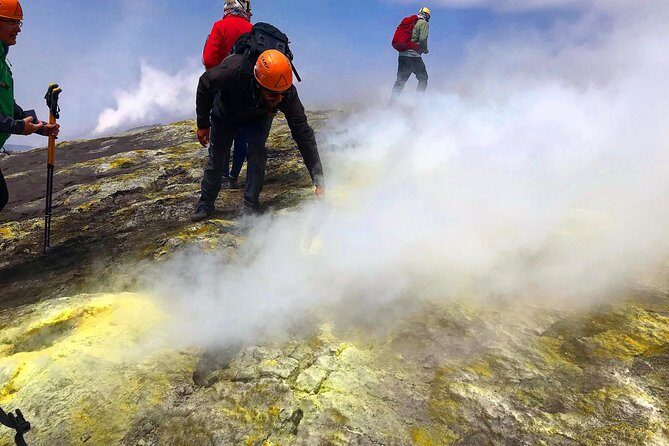
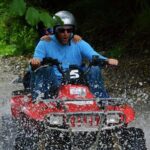
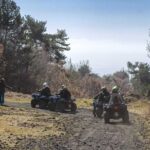
From Piano Provenzana, you board authorized 4×4 vehicles for a panoramic drive up the northern flank. The road travels a 9.5 km track, climbing from roughly 1,800 m up to about 2,960 m.
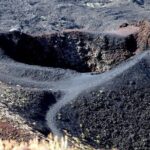
This part is more than transport. You’re moving through Etna’s working geology: lava fields, eruptive fractures, lateral craters that can be tens of meters deep, and a lava-flow channel. That’s why this tour is especially good for experienced hikers who want the geology without guessing where to go.
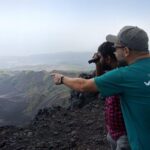
And yes, the views can be big. On clear days you may see northern Sicily, the Aeolian Islands, the Strait of Messina, and both the Ionian and Tyrrhenian Seas. Rare clarity can even bring the Madonie range into view. Even if visibility is reduced, you’ll still feel the scale of the volcanic system because the route keeps changing terrain constantly.
You can also read our reviews of more hiking tours in Sicily
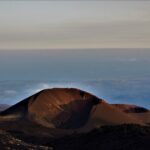
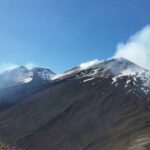
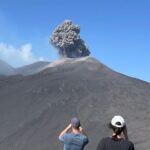
Stop 3: The Summit Hike to Crater Edges (2,960–3,323 m)
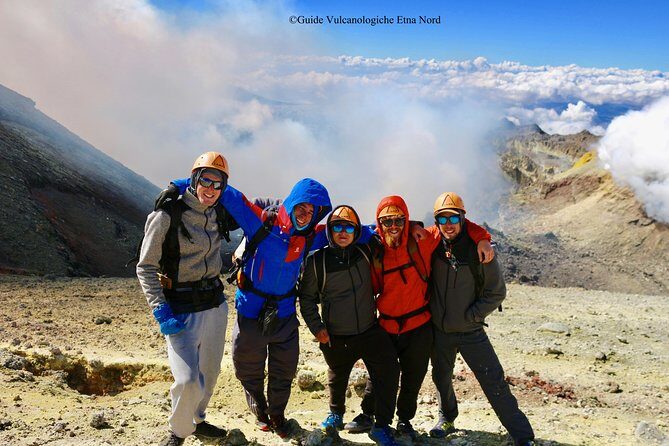
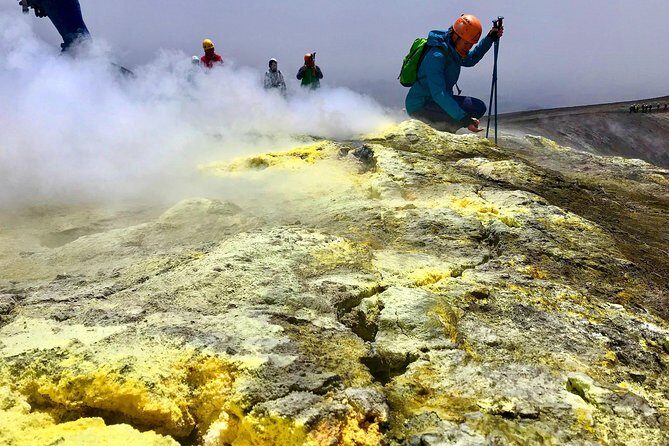
Once you reach 2,960 m, the real trekking begins. The summit portion climbs about 5 km with roughly 550 m of ascent to the summit crater area.
What I like here is how the guides handle uncertainty. Etna isn’t a theme park. Because activity can vary day by day, the guides choose the safest route toward the most active yet secure crater—adjusting if gases, heat, or fractures change the risk picture.
The hike is aimed at four main craters you may encounter around the summit area:
- North-East
- Voragine
- Bocca Nuova
- South-East
You’ll range in altitude roughly from 2,960 m up toward 3,323 m depending on the day and conditions. That’s high enough that mild altitude effects are possible. If you’re sensitive to altitude or you tend to get winded, this is the moment to go steady rather than brave.
Also, expect some crater-edge walking. The route follows edges, which can cause dizziness for susceptible people. This is one of those safety notes you should take seriously, not treat like boilerplate.
The Descent: The Part That Can Hurt Your Knees More Than the Climb
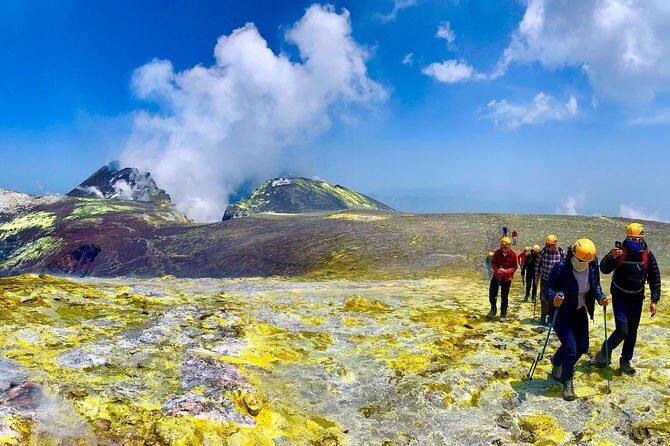
The return is a long descent on foot. You go from about 3,300 m down toward 1,800 m, with a negative gain around 1,500 m. Plan for roughly 7 km of descent and a finish that can feel harder than the ascent, especially if you’re not used to skiddy, uneven volcanic ground.
The trail is described as soft scoria and sandy gullies through recent lava and the Piano delle Concalze. Later, you cross around 2.5 km of ski slopes, where the ground can get rough and stony.
Here’s the practical tip: your legs can survive the climb, but the descent asks for technique. Use your trekking poles, keep your steps short, and try not to “jump” down loose sections. Your future self will thank you while you’re doing your post-hike stretch.
Stop 4 Back at Piano Provenzana: Cafés, Shops, and Your Post-Summit Reality Check
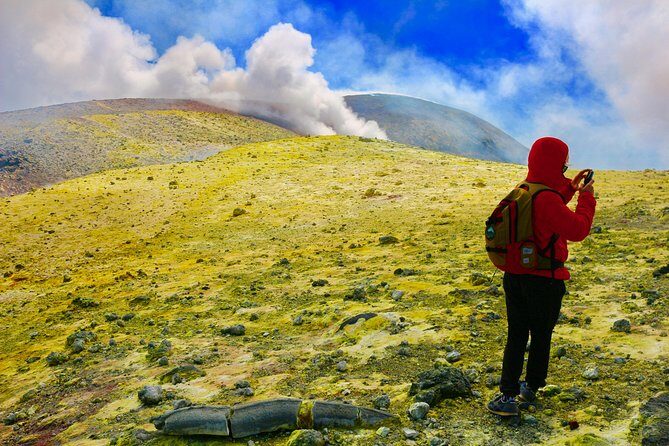
When the hike ends, you return to Piano Provenzana. This area is easy to reach by car on paved roads, and it’s set up for real-world breaks: cafés, bars, souvenir shops, and places to refill water bottles.
It also helps that it shifts modes by season. In winter, it’s a ski-resort zone; in warmer months, it functions as a launch point for hikes and excursions. Either way, it’s built for people to reset after exertion.
One more thing I’d keep in mind: the day can end later than the headline time depending on volcanic conditions and the pace set by the guides. For summit hikes, I treat “approximate duration” as a planning range, not a promise.
Guides, Safety, and the Human Factor: What Makes This Tour Feel Professional
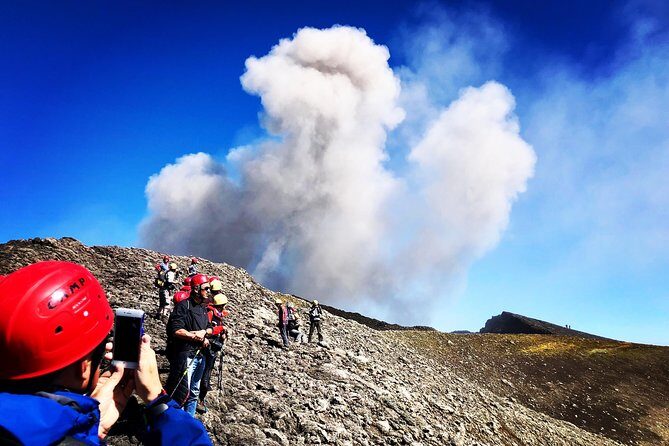
This is one of those tours where the guides are the product. And the names that show up repeatedly—like Paolo, Nikos, Raphael, Poldo, Daniele, and Vincenzo—point to a team that takes the day seriously: equipment fitting, route decisions, and ongoing explanations during the walk.
A common theme in the best days is how guides keep people steady and informed. You’ll get geology and volcanic history as you move through the terrain, and you’ll also get pacing that accounts for different hikers in the group.
Safety choices are real, too. The tour notes that routes can be interrupted or adjusted based on environmental, climatic, or volcanic conditions so the whole group stays safe. That includes following authorized rules during volcanic activity. On an active volcano, that’s the right mindset.
What to Pack: Warmth, Socks, and Why Contact Lenses Are a Bad Idea
This hike puts you at altitude and on dusty volcanic ground, often with wind. Dress as if you’re going to feel cold before you think you should.
The tour includes a warm jacket, but you should still plan for seasonal temperature swings. The tour also recommends not using contact lenses, due to volcanic gases and ash exposure. If you wear contacts, switch to glasses for this day if you can.
Wear:
- Sturdy hiking shoes you trust (no last-minute blisters)
- Long pants that protect your ankles from loose stones
- Extra socks (you’ll receive some, but pack smart if you run cold)
- Gloves if the season calls for it (the tour notes hat and gloves aren’t included)
A small detail from practical advice that matters: the downhill can fling sand and small lava fragments into your shoes. Long socks and secure lacing reduce the irritation.
Who This Tour Suits Best (and Who Should Skip It)
This is best for experienced hikers with strong fitness. The tour explicitly says it suits people in good physical health, not suffering from breathing issues or hypertension. It also notes pregnant women who have passed the third month aren’t allowed, and children under 12 aren’t suitable.
If you’re the type who freezes at heights, consider that crater-edge walking may cause dizziness for susceptible individuals. Also, altitude can add effort even if you’re a capable hiker on normal trails.
On the plus side, the group is capped at 12 travelers, so you’re not stuck in a long conga line. That helps you move at the guide’s pace, take breaks when needed, and ask questions without shouting over crowds.
Should You Book This Etna North Summit Hike?
Book it if you want a true summit-crater hike with a licensed volcanology guide, gear included, and access to Etna’s north side terrain that feels less mass-touristy. I’d also book it if you like learning while you hike—because you’re not only seeing craters; you’re also hearing how the volcano works as you move through it.
Don’t book it if any of these are true:
- You don’t handle high altitude or long downhill strain well.
- You’re not comfortable walking near crater edges.
- You rely on contact lenses and don’t have a backup option.
- Your health situation (breathing issues, hypertension) makes strenuous high-altitude hiking a bad idea for you.
If you’re planning ahead, this one tends to sell well—on average it’s booked about 40 days in advance. That doesn’t mean panic booking, but it does mean you should lock in dates once your Sicily plan is firm, especially if you’re aiming for the morning start.
FAQ
How long does the Etna summit crater trekking tour take?
The duration is listed at about 5 hours 30 minutes (approx.). The summit hike and descent are the main time drivers, and volcanic or weather conditions can shift timing.
What time does the tour start?
The morning meeting is at 7:45 a.m. at the meeting point, with departure typically 8:00–8:15 a.m. There’s also an afternoon start at 1:00 p.m. from May to October.
Is the tour offered in English?
Yes. The experience is offered in English, with a mobile ticket format.
What’s included in the price?
Included items are a licensed volcano guide, trekking poles, trekking shoes, helmets, a warm jacket, extra socks, and an extra backpack. Insurance for accidents and entry/admission to Mount Etna are also included.
What extra costs should I expect?
The tour notes a parking ticket for the day, plus an optional off-road vehicle one-way charge from 1,800 m to 2,825 m. A separate price is listed for a bus return from 2,850 m to 1,800 m. Hat and gloves aren’t included.
How hard is the hike?
It’s aimed at travelers with strong physical fitness. The summit climb involves about 550 m of ascent, and the return includes a long downhill around 1,500 m negative gain, which can feel harder on the knees than the climb.
What happens if weather or volcanic conditions are unsafe?
The hike can be subject to route variations or interruption based on environmental, climatic, or volcanic conditions. If the experience is canceled due to poor weather, you’ll be offered a different date or a full refund. Cancellation is free up to 24 hours before the start time.