Volcano steps are the point here. This Etna trekking tour strings together 4×4 rides, a cableway jump to high altitude, and crater hiking, so you spend the day where the action is, not on a slow bus. You also get the kind of small-group feel that makes it easier to hear your guide and keep moving at a mountain pace.
What I like most is the mix of transport plus hiking. You start low, get pushed up by jeep, then hop higher by cableway, and that helps you experience far more of Etna in a reasonable day. I also like the way the route follows real volcanic features: 2002 lava terrain, the Barbagallo Craters area at 2,900m, and later the 2017 flow paths toward summit zones.
One caution: this is a serious physical day, and you’re in an active, high-altitude environment. You should plan for strong fitness, cool-to-windy conditions, and a lunch plan of your own since lunch is not included.
In This Review
- Key highlights you’ll care about
- Getting to the right kind of Etna day: small-group hiking with real altitude
- From the Lemons’ Coast to the volcanic slopes by 4×4
- Rifugio Sapienza cableway: the shortcut that really changes the hike
- Following the 2002 and 2017 lava paths up toward summit craters
- What the summit zone feels like (and why your guide’s explanations matter)
- The descent: sandy canyons, ash, and the observatory at Piano delle Concazze
- Picnic stop and lunch planning you’ll want to get right
- Valle del Bove (Ox Valley): the one-hour view that rounds out the day
- Gear, breakfast, and what EtnaWay provides so you can travel lighter
- Price and value: what $145.12 really buys in a high-cost environment
- How hard is it, and who should book this Etna trek
- Should you book EtnaWay’s trek?
- FAQ
- How long is the Etna trekking tour?
- Is lunch included?
- What language is the tour offered in?
- What’s included with the tour?
- How many people are in the group?
- Where is the meeting point and when does it start?
- Does weather affect the tour?
Key highlights you’ll care about
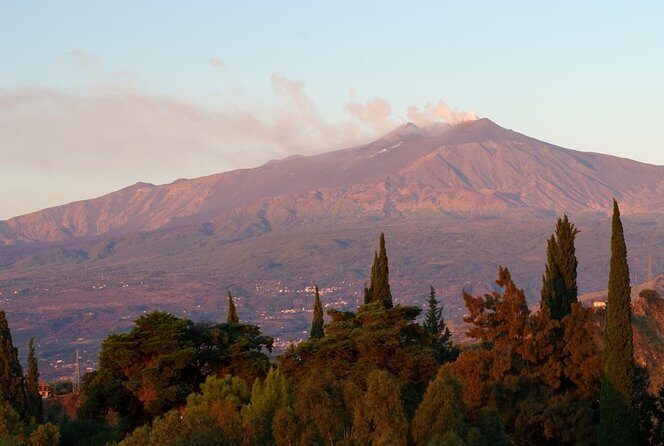
- 4×4 plus cableway: less time transferring, more time walking and looking around high on Etna
- Real lava trail names and altitudes: 1,000m approach, 2,500m cableway arrival, 2,900m craters area, then down again
- Summit craters with sulfur and gas emissions: expect a harsh, lunar-like scene and strong smells on clear days
- Stops tied to Etna’s activity: 2002 and 2017 eruption paths shape the actual hiking terrain
- Small groups up to 10: easier pace control and a better guide-to-group feel
- Valle del Bove viewpoint: a focused one-hour add-on of the Ox Valley scenery
Getting to the right kind of Etna day: small-group hiking with real altitude
Etna isn’t a “stand and look” volcano. This tour is built for people who want to feel altitude in their legs and see the volcanic terrain up close. The route climbs from the Etna park zone through old mule-road paths and into protected areas, so the day gradually changes from slopes and villages to something far more stripped down.
The group size matters here. With a maximum of 10 people, you’re less likely to get stretched out in ways that slow everyone down. It also means the guide can keep an eye on footing—important when you’re dealing with volcanic sand and ash on the descent.
Timing is also part of the experience. The tour runs with a start window around 9:00 to 9:30 AM, so you’re not spending the whole day waiting. On a clear day, that early timing helps you catch better visibility from higher points where the views can include the Aeolian Islands and the Calabrian coast.
You can also read our reviews of more hiking tours in Sicily
From the Lemons’ Coast to the volcanic slopes by 4×4
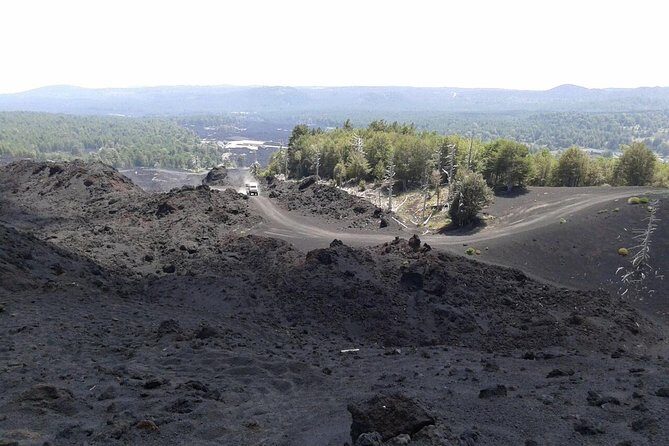
Your day starts back at the meeting point at Bar & Restaurant Mareneve, Via Mongibello 41, 95010 Fornazzo (CT), Italy. Then you board 4×4 jeeps and head away from the Riviera dei limoni area toward Etna’s villages and higher ground.
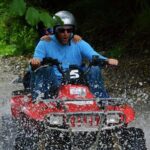
This first leg is more than just transportation. By switching from flat-road travel to jeep climbing, you get an immediate sense of the change in terrain. You move along routes that cross old mulattiere (ancient mule-driver paths) and coalmen tracks, so you’re following lines etched into the mountain long before modern roads.
Expect that early climb to give you a warm-up rather than a final workout. By the time the group reaches around 1,000 meters, you’re already in the protected area zone, and you’re ready to shift from “getting there” to “actually exploring.”
Rifugio Sapienza cableway: the shortcut that really changes the hike
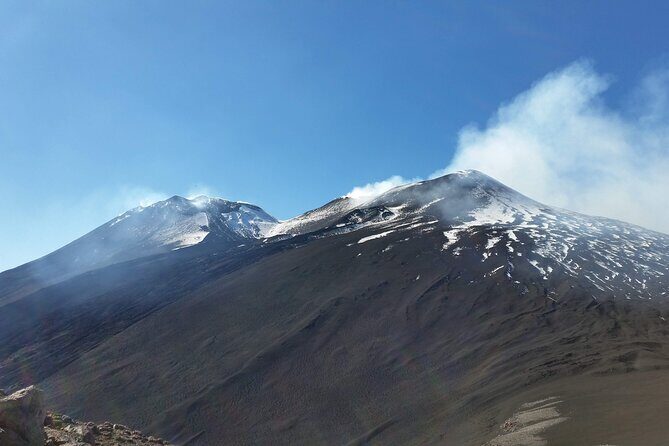
From the south slope ski station at Rifugio Sapienza (1,800m), the cableway carries you up to about 2,500m. This is a big deal for value and comfort. Instead of spending most of the morning climbing from low altitude on foot, you arrive at hiking height already, with time for the crater-and-lava walking that makes Etna special.
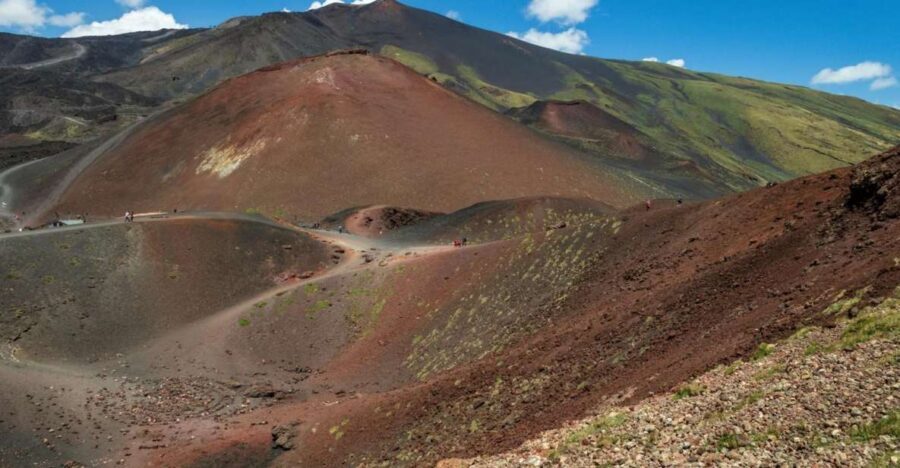
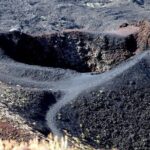
After that cableway segment, your trek runs among lava flows linked to later eruptions, including the 2002 eruption that helped form the Barbagallo Craters around 2,900m. The terrain here can feel like a set of volcanic “side streets”—dark rock, broken ground, and edges where lava hardened into new shapes.
Tip: cableway + high altitude can feel like a quick jump. If you’re prone to getting winded early, pace yourself for the first portion of the hike, and sip water often before you feel thirsty.
Following the 2002 and 2017 lava paths up toward summit craters
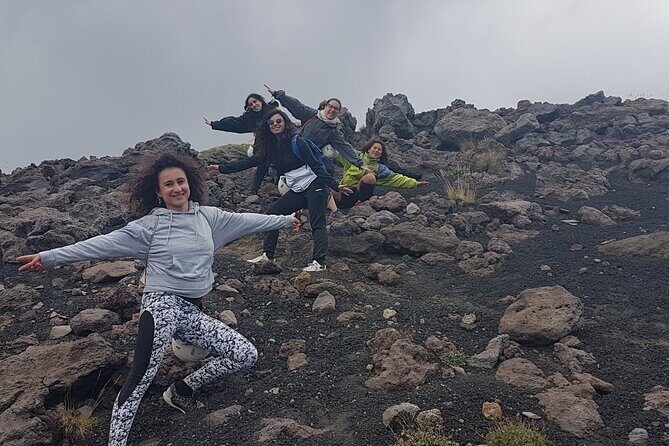
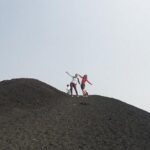
Once you’re on foot at higher elevation, you’ll be walking through the types of surfaces that volcanic terrain produces: cold and dried lava areas (described like black highways), plus stretches where the ground turns more sandy and ash-covered later in the day.
The route moves you from the 2002-era terrain toward summit zones, and it also references lava flows connected to the South East Crater in 2017. That detail matters because it hints at why the hike feels different along the way. Each eruption leaves a signature, and the path uses that signature as the route.
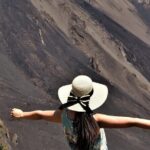
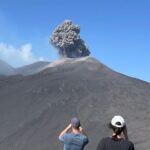
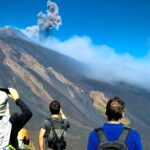
At the summit areas, you can reach a point where the scene becomes almost sci-fi. The description is very literal: total absence of vegetation, a sulfur smell, and gas emissions blown by the wind, with clouds sitting below you and a wide view in every direction when conditions are clear.
On a good day, you can even see far beyond Etna—like the Aeolian Islands and the Calabrian coast. Even if the horizon is less dramatic, the “world’s rooftop” feeling still comes through. The terrain strips away distractions, and your attention goes straight to the geology and the sky.
What the summit zone feels like (and why your guide’s explanations matter)
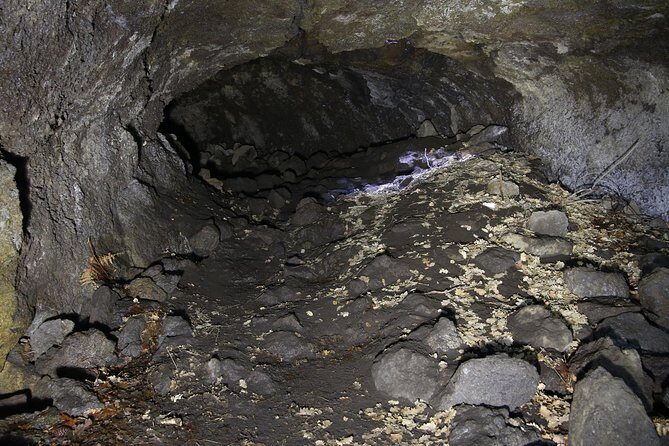
This is the part people tend to remember: the summit crater edges and the surroundings that look like another planet. The lack of vegetation is striking, but it’s the combination of smell and sound that makes it feel alive. The guide’s role is important here because you’re dealing with an active environment, and knowing what you’re seeing can turn a cool view into an actual understanding.
One guide name you may hear in this operation is Cristian, who’s specifically noted for explaining Etna and describing what’s happening with the volcano’s behavior. That kind of commentary helps you connect the path you’re walking to the activity you might notice around you.
Also, the summit area is exposed. Even if the day starts comfortable, temperatures can shift with altitude and wind. Plan to use what’s provided (more on that below) and wear layers you can adjust quickly.


The descent: sandy canyons, ash, and the observatory at Piano delle Concazze
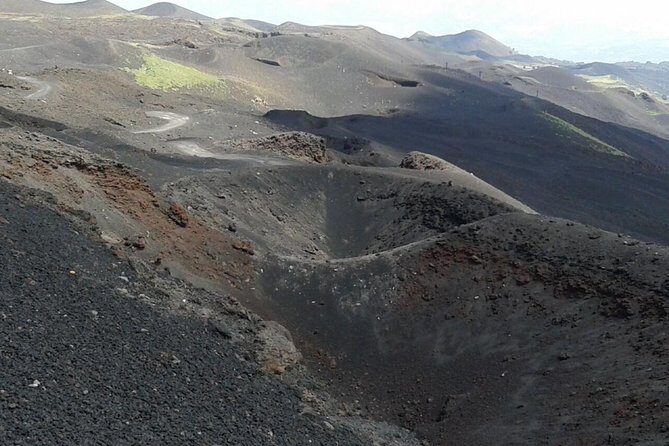
After time near the summit crater edge, the tour turns toward the north slope descent. This is where the hike changes from dramatic to gritty. You’ll step on rocks shaped by fire, then eventually sink boots into volcanic sand and move through sandy canyons covered with ashes and lapilli.
This part is less about big-picture views and more about controlled footing. It can feel slower and more physical than the climb. If you have hiking poles, this is the section where poles earn their keep.
You then reach Piano delle Concazze, described as a wide highland at about 2,800m, and this is where the volcanological Observatory is located. Even if you don’t go inside (the details given focus on the walking and the stop), the area’s purpose and setting add meaning: you’re not just visiting a scenery park. You’re in a working scientific zone on one of the world’s most studied volcanoes.
Picnic stop and lunch planning you’ll want to get right
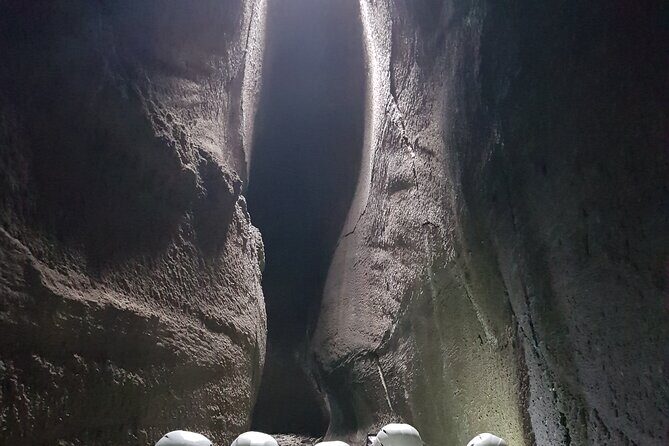
You’ll have a break for a picnic in a comfortable area. Here’s the catch: lunch is not included in the tour price.
So you’ve got two practical options:
- Bring your own lunch and snacks from home
- Or grab something at local shops at the beginning of the tour
Because the trek includes a breakfast as part of the package, you’re not starting hungry. Still, plan for the idea that you’ll be active for hours at high altitude. Pack food that doesn’t require reheating and keeps well in your bag.
Small tip: in volcanic areas, it can get dusty. Wipes and a small bag for trash make the day more pleasant.
Valle del Bove (Ox Valley): the one-hour view that rounds out the day
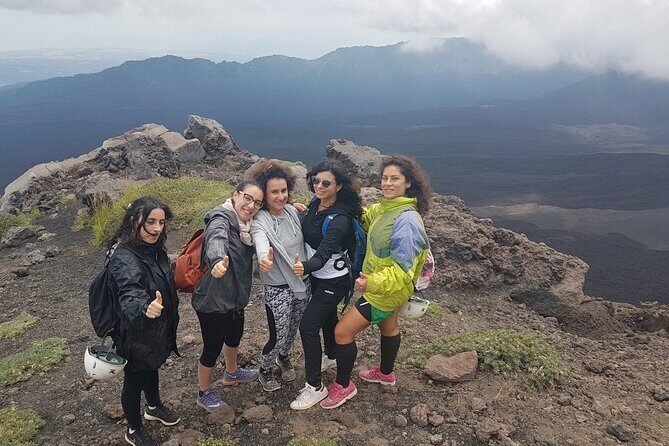
The second stop focuses on the Valle del Bove, known as the Ox Valley. You’ll get about one hour here, and the big attraction is the view—wide, dramatic, and very Etna-shaped.
This is a good “breather” segment compared to the constant walking of the crater zones. It also gives you a different perspective on the volcano’s structure. Instead of only seeing what’s right under your boots, you get a wider sense of the valley system and how Etna’s terrain opens out.
If the weather is clear, it’s an easy place to take photos and relax your legs for a short time before continuing the descent.
Gear, breakfast, and what EtnaWay provides so you can travel lighter
This tour includes breakfast, plus a helmet. You’re also allowed hiking gear support: the operator can provide hiking poles, backpacks, wind jackets, and hiking boots if you tell them what size you need in advance.
That’s a big value point if you’re traveling without hiking gear. If you’ve ever tried to hike on volcanic ground in city shoes, you know why this matters. The tour isn’t just about views. It’s about staying steady and comfortable while the trail gets sandy and uneven.
One more practical note: this is an exposed mountain environment. Wind can change the feel of the day fast, so the option for a wind jacket is not a luxury—it’s smart safety.
Price and value: what $145.12 really buys in a high-cost environment
The listed price is $145.12 per person, and based on what’s included, it looks aimed at covering the core costs of a guided mountain day: an authorized tour guide, insurance, helmet, breakfast, and GST. You also have small-group logistics with a cap of 10 people.
The price also makes sense because this isn’t only “walk time.” You’re getting jeep transport to get onto the right mountain approach, plus a cableway segment from Rifugio Sapienza, and enough structure to guide you through terrain shaped by eruptions (2002 and 2017 are named in the route).
Is it a bargain compared to a short city walking tour? Sure. But it’s also a different category: you’re paying for altitude access, gear support, and a guide who can explain what you’re seeing while you hike in a high-exposure setting.
One practical check for value: lunch is not included, so budget for food. If you plan ahead, that’s easy. If you show up unprepared, it can be the one thing that disrupts the day.
How hard is it, and who should book this Etna trek
You’ll want strong physical fitness. The tour is described as requiring strong fitness level, and the walking includes uneven volcanic surfaces, sandy descents, and long time on the mountain.
This trek is best for you if:
- You’re comfortable hiking several hours on changing terrain
- You like geology and want more than a quick photo stop
- You want a guided day that connects route and volcanic activity
You might want to think twice if:
- You struggle with stairs or steep uneven ground
- You’re sensitive to high-altitude exposure
- You dislike strong smells (the sulfur note is real in the summit zone)
Also, note that good weather is required. If conditions are poor, the tour can be canceled and you’ll be offered another date or a full refund. That weather dependency is part of why it’s so popular—on clear days, the views can be exceptional.
Should you book EtnaWay’s trek?
If you want an Etna experience that goes beyond a viewpoint and actually puts you on the volcanic terrain, I think this is a strong bet. The small group size, the mix of 4×4 + cableway, and the named eruption areas (2002 and 2017) help you feel like the day has a purpose. Add in the guide style—especially if you get someone like Cristian, known for explaining what you’re seeing and noticing—and this becomes the kind of tour that feels educational, not just scenic.
My “yes, but” advice: treat it like a hike first and a sightseeing trip second. Plan your lunch, pack layers for wind, and don’t wait to hydrate until you feel bad. If you do those things, you’ll be in the right mindset for that lunar-like summit scene and the long volcanic descent that follows.
FAQ
How long is the Etna trekking tour?
The duration is listed as approximately 6 to 7 hours, and it also shows 11 hours on the activity details, so plan for a long outing.
Is lunch included?
No. Lunch is not included in the tour price. You can bring your own lunch or get something at local shops at the beginning of the tour.
What language is the tour offered in?
The tour is offered in English.
What’s included with the tour?
The tour includes an authorized tour guide, insurance, helmet, GST, breakfast, and gear support like hiking poles, backpacks, wind jackets, and hiking boots if you provide your size in advance.
How many people are in the group?
The group has a maximum of 10 travelers.
Where is the meeting point and when does it start?
You meet at Bar & Restaurant Mareneve, Via Mongibello 41, 95010 Fornazzo CT, Italy. Tours run daily with a start window of 9:00 AM to 9:30 AM.
Does weather affect the tour?
Yes. The tour requires good weather. If it’s canceled due to poor weather, you’ll be offered a different date or a full refund.