REVIEW · SICILY
Food + City Tour tour in Ortigia with an authorized guide
Book on Viator →Operated by Ortigia Flavour · Bookable on Viator
Ortigia can feel like a maze until food maps it. This guided Ortigia food tour blends history and street-food tasting in about 3 hours, so you learn the why behind what you’re eating while you walk. Two things I really liked were the small group size (max 12) and the way your guide connects the monuments to daily Sicilian life. One fair warning: the market tasting can add up fast, so if you’re a light-eater, go in with clear expectations.
I also appreciate that you’re not just “see-and-snap” touring. You get a proper guided stop at the Temple of Apollo, then a meaningful look at Syracuse Cathedral, and the final stretch is built around Mercato di Ortigia street food. The only downside to consider is that the cathedral admission isn’t included, so you may need a little extra budget for entry.
For timing, it starts at 10:30am and runs about 2 hours 45 minutes. You’ll get a mobile ticket, and the tour is offered in English, making it easy to follow even if you’re not fluent in Italian. It’s also near public transportation, which helps if you’re juggling buses or trains that day.
In This Review
- Key highlights you’ll feel on the walk
- Ortigia on foot: what this 2¾-hour route really gives you
- Temple of Apollo: the Greek start that sets the tone
- Syracuse Cathedral: seeing the city’s biggest church without losing the plot
- Mercato di Ortigia tasting time: how to eat like a local
- Why the authorized English guide and small group matter
- Price and value: what $138.55 gets you in Ortigia
- What to expect on the day: pacing, meeting point, and getting there
- Who should book this Ortigia Flavour food tour
- Should you book? My practical call
- FAQ
- How long is the Ortigia food tour?
- What time does the tour start?
- Where does the tour meet, and where does it end?
- How big is the group?
- What language is the tour offered in?
- Is admission included for all stops?
- What ticket method do I get?
- Can I get a refund if my plans change?
- Are service animals allowed?
Key highlights you’ll feel on the walk
- Greek roots in plain sight: start at the Temple of Apollo, the first Greek temple in Sicily.
- Cathedral context: you’ll hear what makes the Syracuse Cathedral so important in Siracusa.
- Real street-food time: Mercato di Ortigia is where the tour turns from history into eating.
- Maximum 12 people: a cap that keeps the pace from turning chaotic.
- English-led with an authorized guide: easier questions, clearer explanations, fewer awkward pauses.
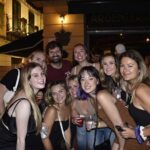
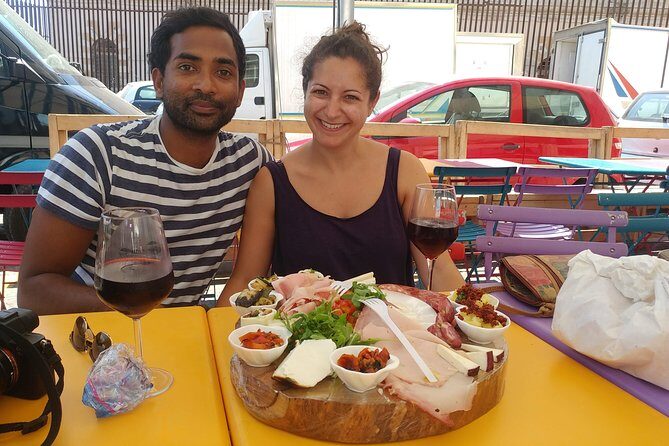
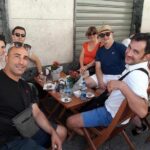
- Small-group vibe: my group was just four people with guide Letizia, which made it feel personal.
Ortigia on foot: what this 2¾-hour route really gives you
Ortigia rewards you for walking slowly, but most visitors walk without a plan. This tour gives you a ready-made route that mixes three anchors: the Greek temple, the cathedral, and the market. That combo matters because Ortigia isn’t just pretty buildings; it’s a place where food culture and local history sit side by side.
The pacing is built for attention. You get short, focused time at the first two highlights, then you shift gears into tasting. In practice, it means you’re not stuck standing in one place for too long, and you’re not rushed through the food part either.
You should expect conversation. With a small group and an authorized guide, you can ask questions and actually get answers, not just a lecture. This also helps with the big practical thing: figuring out where to eat after the tour, since you’ll get guidance on what’s worth your time in Ortigia.
And because it’s capped at 12 travelers, you’re less likely to feel like a number. Even with a full group, the format works best at human speed. In my case, it was four people, so Letizia could tailor the tempo to the group and keep everyone connected to what we were seeing.
You can also read our reviews of more food & drink experiences in Sicily
Temple of Apollo: the Greek start that sets the tone
Your tour kicks off at the Temple of Apollo (Tempio di Apollo), described as the first Greek temple in Sicily. That detail is more than trivia. It helps you read the area differently, because it places Ortigia in a much older story than the tourist postcard version.
This first stop is short, about 10 minutes, which is ideal for a walking tour. You won’t get stuck behind a slow-moving crowd, and you’ll still leave with a mental picture of what you’re looking at. Admission is free for this stop, so you can focus on listening and orienting yourself.
What I liked here is the way the guide frames the temple before you move on. When you understand that this is a Greek foundation in a Sicilian setting, the next stops feel connected instead of random. It’s a smart way to build context early, so you’re not guessing why each site matters.
A practical note: temples and historic stone can look different at different angles. So don’t just stare straight-on for the whole time. If your guide points out details, try to reposition your view while you can.
Syracuse Cathedral: seeing the city’s biggest church without losing the plot
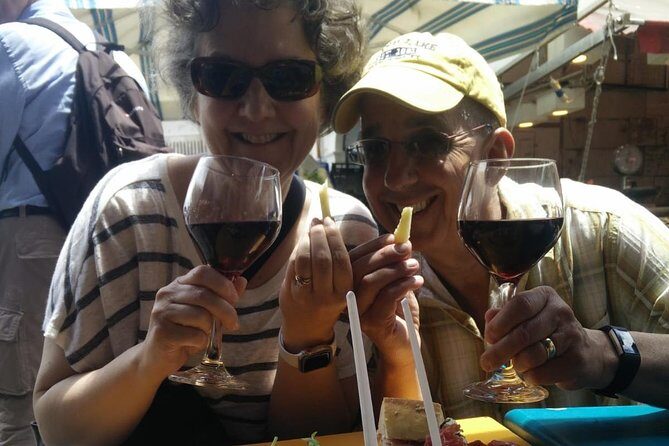
Next comes the Syracuse Cathedral, one of the most important churches in Siracusa. This stop is also around 10 minutes, which sounds quick until you realize it’s a walking-tour format, not a museum visit. The value is in learning what to notice, not trying to read every surface detail on the spot.
Admission for the cathedral is not included, so you may want to plan for entry costs. If you arrive hoping to go inside, treat the guide’s notes as your heads-up rather than a guarantee. The good news is that even a short stop can work if you know what features to look for.
Why this part matters for food-focused travelers: Sicily’s culinary culture is social, and churches are often anchors for community life. When you hear why the cathedral is such a focal point, you start to understand why markets and neighborhood routines last. Food isn’t floating in space here; it’s tied to the rhythm of the city.
The biggest “gotcha” at sites like this is time. People stop taking in information once they start thinking about the next bite. Try to stay in the moment for the first few minutes. If you do, you’ll get more meaning out of the stop and it will feel less like a quick photo break.
Mercato di Ortigia tasting time: how to eat like a local
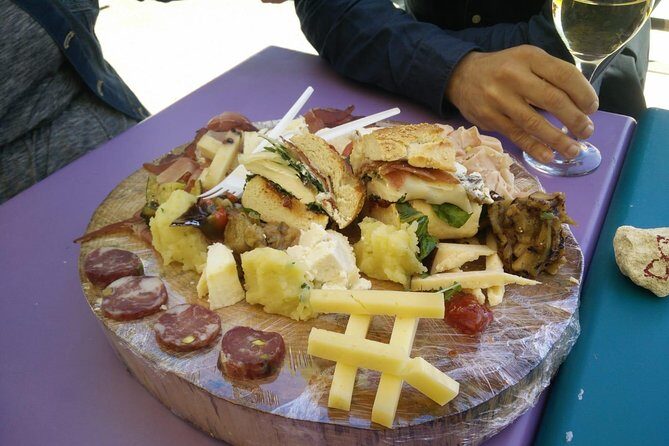
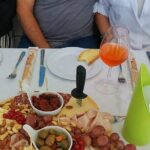
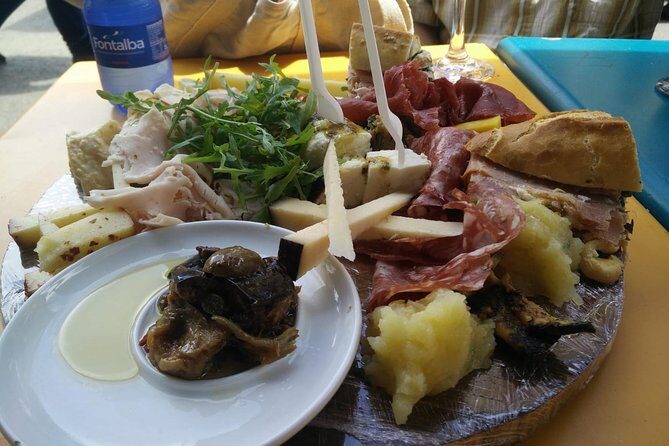
After the monuments, the tour turns into what most people actually came for: street food tasting at the Mercato di Ortigia. This is where you spend about 30 minutes, and it’s the longest stop. That extra time is well spent, because tasting needs space for questions, small comparisons, and a calm pace.
Admission here is listed as free, which is helpful if you’re budgeting. The tour’s goal is to introduce Sicilian food culture through what locals eat in the market setting, not a staged buffet.
Here’s what I think makes a guided market tasting worth it in Ortigia: someone helps you translate what you see. Markets can be noisy and layered, and if you’re hungry and unsure, you’ll choose fast instead of choosing well. A guide can also point out which items match the local style versus what’s mostly made for passersby.
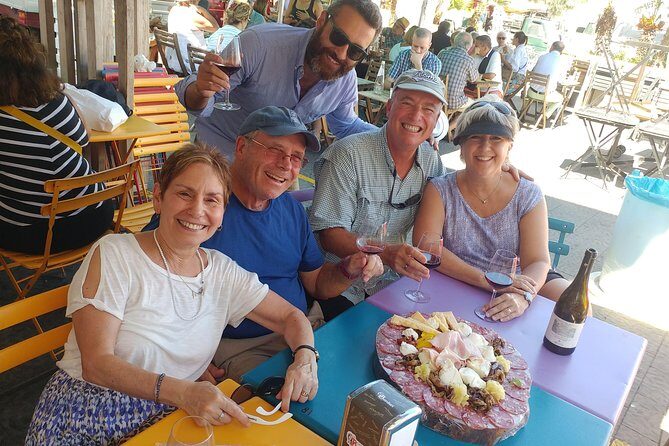
Your group size also affects this part. With fewer people, you’re less likely to crowd around the same stall, and you’re more likely to get a better flow. With a cap of 12, it stays manageable, and with my group being four, Letizia kept it relaxed and easy to follow.
One practical consideration: the tasting format can feel like more food than you expect. If you’re someone who likes to snack rather than eat a meal, don’t shrug at the early bites. You’ll get the best experience by communicating your pace early, then letting the guide adjust as best they can within the tour structure.
Why the authorized English guide and small group matter
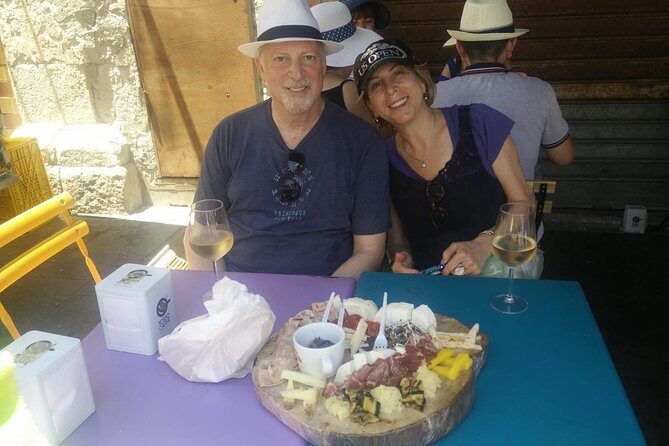
This isn’t a self-guided stroll with a map. It’s an authorized guide experience in English, which matters because Ortigia’s best details are in the explanation, not just the view. You’ll hear history behind major stops, and you’ll also learn the logic behind the food culture.
The guide name I encountered was Letizia, and she handled both the walking pace and the eating portion with confidence. In my case, she also helped steer us away from the usual touristy choices later in the trip. That kind of practical local direction is hard to replicate on your own.
If you travel solo or as a couple, a small-group tour can feel like a sweet spot. You get company, but you’re not stuck in a huge crowd. And because the cap is 12, the guide can still read the room: who’s paying attention, who’s hungry, who wants a bit more explanation.
One more subtle value: timing coordination. A tour like this keeps the sequence logical—temple first, then cathedral context, then market. That saves you from the trial-and-error of guessing what to do in between and prevents the common problem of showing up to the market at the wrong moment.
If you’re the type who likes to ask quick questions (What is this? Why is it here? What should I try next?), you’ll likely enjoy the format. The small group supports that, and it usually makes the tour feel more like a conversation than a checklist.
You can also read our reviews of more tours and experiences in Sicily



Price and value: what $138.55 gets you in Ortigia
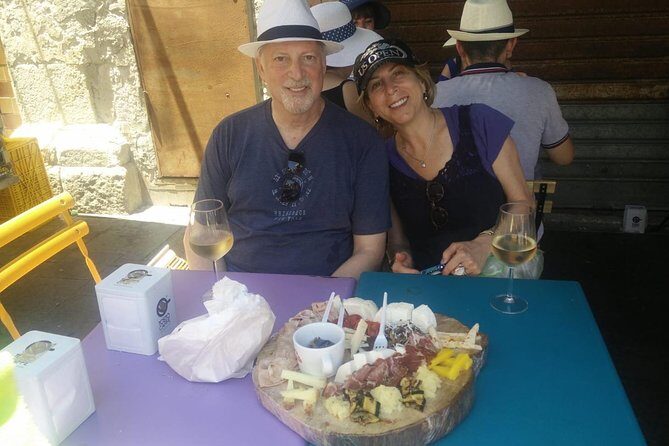
At $138.55 per person for about 2 hours 45 minutes, you’re paying for three things at once: guided walking, cultural context, and a structured tasting experience. What makes this feel reasonable is the mix. You’re not just paying to get into one site; you’re paying for time, interpretation, and meal-style sampling.
Two admissions details affect the math. The Temple of Apollo start is free, and the market stop is listed as free admission. The Syracuse Cathedral stop is not included, so that could add a separate cost depending on how entry is handled that day.
If you compare this to piecing it together yourself, the guide’s value shows up in the parts that are hard to DIY: knowing what to notice at the temple and cathedral, and getting market guidance that helps you avoid wasted bites. In Ortigia, where food options are everywhere, knowing where to spend your hunger can be worth a lot.
Another value factor is group size. A tour capped at 12 means the price buys you more attention per person. If you’re used to tours that feel rushed or too crowded, this format can be a comfort upgrade.
What to expect on the day: pacing, meeting point, and getting there
The meeting point is at the Temple of Apollo area, 96100 Syracuse, and the tour ends back at the same place. Starting at 10:30am is helpful because you still get morning energy but you’re done before the day fully spins into evening crowds.
It’s also listed as near public transportation. That matters in Sicily because getting across towns or through busy streets can be smoother when you don’t feel trapped by one specific departure point.
The tour duration is approximate, about 2 hours 45 minutes, so build in a little cushion if you’re stacking plans afterward. A market tasting can stretch slightly depending on how quickly the group moves and how many questions people ask.
The route is set up for most people, and service animals are allowed. If you have mobility concerns, you’ll want to consider that historic Ortigia streets can be uneven and active with pedestrians. The data says most can participate, but your comfort on stone and busy sidewalks still matters.
Who should book this Ortigia Flavour food tour
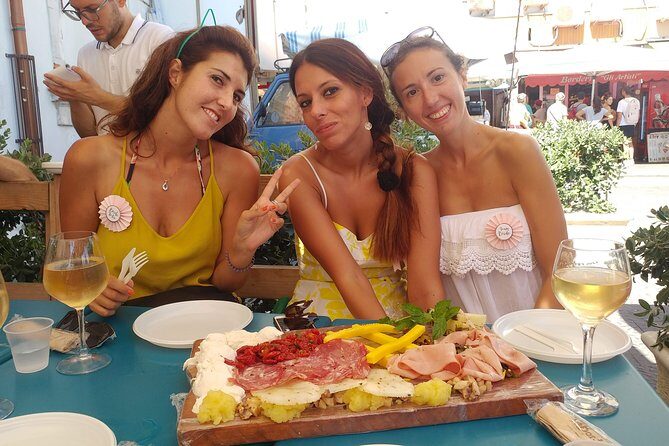
This is a great pick if you want history and food without turning the day into two separate activities. If you like your city time to have meaning—why a place is important and what locals actually eat—this format fits.
It’s also a strong choice for people who want help navigating the market without overthinking it. The tour doesn’t just say, try food; it gives you a guided structure for tasting, so you don’t end up guessing in line with everyone else.
You’ll likely enjoy it most if you’re open to multiple small bites rather than one big meal. That’s where the market segment shines. If you’re picky or you tend to skip many items, tell your guide early so expectations stay aligned with what the tour is built to do.
And because it’s in English with an authorized guide, it’s a good option if you want to learn without translating every sign. You’ll get the story in real time, which is faster than researching on your phone while standing around hungry.
Should you book? My practical call
I’d book this tour if you want a smooth, guided introduction to Ortigia that includes both monuments and food. The Temple of Apollo and Syracuse Cathedral stops give you quick cultural grounding, and the Mercato di Ortigia tasting is long enough to feel like an actual food experience, not a token sample.
It may not be ideal if you strongly prefer minimal food stops or you’re the type who hates choices during tastings. The market portion can feel like a lot if you’re not hungry or if you expect everything to be perfectly measured to your appetite.
My biggest advice: go hungry, but pace yourself early. Ask questions as you walk, and let Letizia steer your attention, especially when it comes time to choose what to try. If you do, you’ll come away with a better understanding of the city and a practical sense of what to look for later around Ortigia.
FAQ
How long is the Ortigia food tour?
It lasts about 2 hours 45 minutes (approx.).
What time does the tour start?
The start time is 10:30am.
Where does the tour meet, and where does it end?
It starts at the Temple of Apollo area (96100 Syracuse) and ends back at the same meeting point.
How big is the group?
The tour has a maximum of 12 travelers.
What language is the tour offered in?
The tour is offered in English.
Is admission included for all stops?
Admission is free for the Temple of Apollo and the Mercato di Ortigia stop, but admission for the Syracuse Cathedral is not included.
What ticket method do I get?
You receive a mobile ticket.
Can I get a refund if my plans change?
Free cancellation is available. You can cancel up to 24 hours in advance of the experience’s start time for a full refund.
Are service animals allowed?
Yes, service animals are allowed.