REVIEW · SICILY
Sicily: Mount Etna’s North Slope Craters Guided Hike Tour
Book on GetYourGuide →Operated by Empeeria · Bookable on GetYourGuide
Mount Etna doesn’t need marketing. Step onto its north slope and the ground starts explaining itself fast, with craters formed after 2002 and evidence of violent eruptions. You hike with a guide who connects what you see—lava edges, forest paths, crater rims—to the science of how active volcanoes keep reshaping Sicily.
I especially like the expert, no-fuss commentary that makes the hike feel more like fieldwork than just sightseeing. I also love that the route is built around walking right into the crater area, so you’re not just looking at Etna from a distance.
The main drawback is practical: you’ll be on uneven volcanic terrain, and you should plan for weather-related changes. Also, snacks and drinks are not included, so bring water and plan ahead.
In This Review
- North Slope Craters: Key Things You Should Know
- From Ski Base to Volcano Facts at Piano Provenzana
- Warm-Up Hike: Lava-Edge Path and a Beech-Treed Ascent
- The North-Slope Crater Area and the 2002 Story
- Crossing Side-Crater Lava While the Science Clicks
- The Ragabo Pinewood Canyon: When Magma Hit a Living Place
- Walking the Crater Perimeter: Views, Scale, and Staying Grounded
- How the 3 Hours Actually Work (Pace, Terrain, and Who It Fits)
- Price and Value: Is $52 Worth It on Etna?
- Practical Tips for This Specific Hike
- Should You Book the Mount Etna North Slope Craters Hike?
- FAQ
- Where do I meet for the Mount Etna north slope craters hike?
- How long is the tour?
- What is included in the price?
- Do I need to bring snacks or drinks?
- What languages are available for the guide?
- What should I bring to the hike?
- What happens if the weather is bad?
North Slope Craters: Key Things You Should Know
- Piano Provenzana meeting point: start from the ski-resort area and get a safety briefing before you move
- Beech forest to lava edge: the hike transitions from woodland to volcanic ground without wasting time
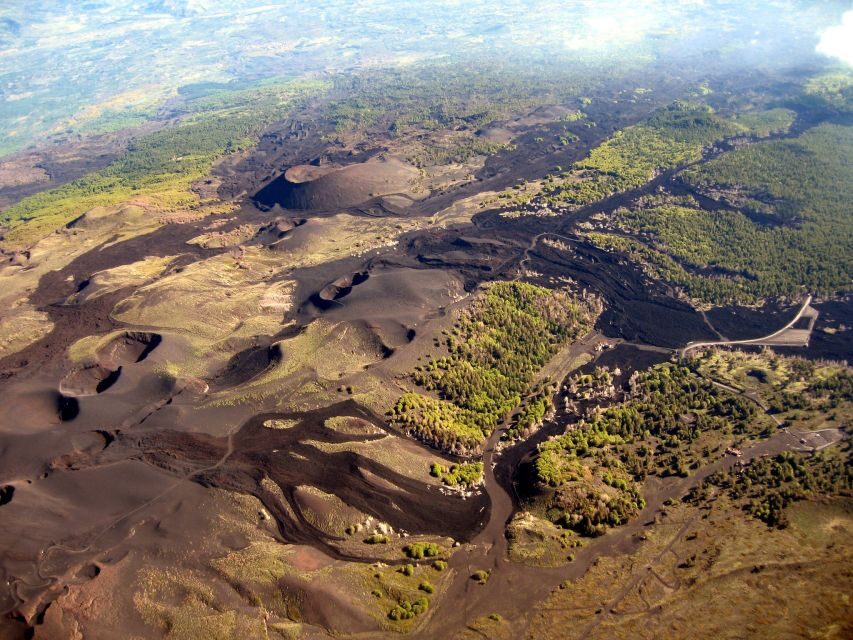
- North-slope craters tied to 2002: you’ll reach the crater base where major eruptions in recent decades left their mark
- Crossing side-crater lava: you get hands-on context for how these formations form and evolve
- Ragabo Pinewood canyon: you’ll see the kind of damage only magma can do, including partial destruction of long-existing woodland
- Crater-perimeter walking: you follow the rim to get wide views and a real sense of scale
From Ski Base to Volcano Facts at Piano Provenzana
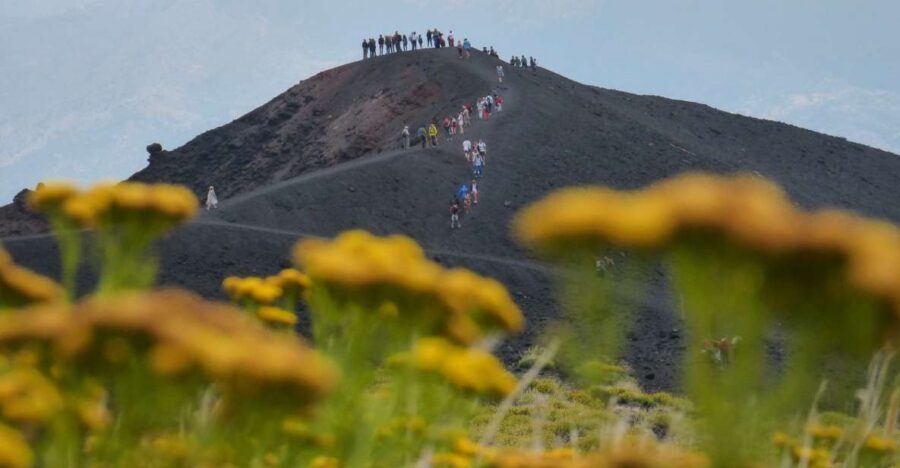
Most Etna trips fail at one thing: they start too late or talk too much. This one starts with a clear head. You meet at Piano Provenzana, a spot many visitors know for the ski resort. That matters because it makes your start easy to find, and it gives you a ready-made launch point for the hike.
Arrive early and you’ll get a safety briefing before the trek starts. This is not just ritual. When you’re walking near craters and volcanic rock, small rules matter—where to step, how to move around uneven ground, and how to handle changing conditions. The guide’s job is to keep you oriented so you can focus on the hike, not on second-guessing each step.
If you want an extra layer of confidence, you’ll also appreciate the guide language options—English and Italian—so you can actually follow the explanation, not just nod at it.
You can also read our reviews of more guided tours in Sicily
Warm-Up Hike: Lava-Edge Path and a Beech-Treed Ascent
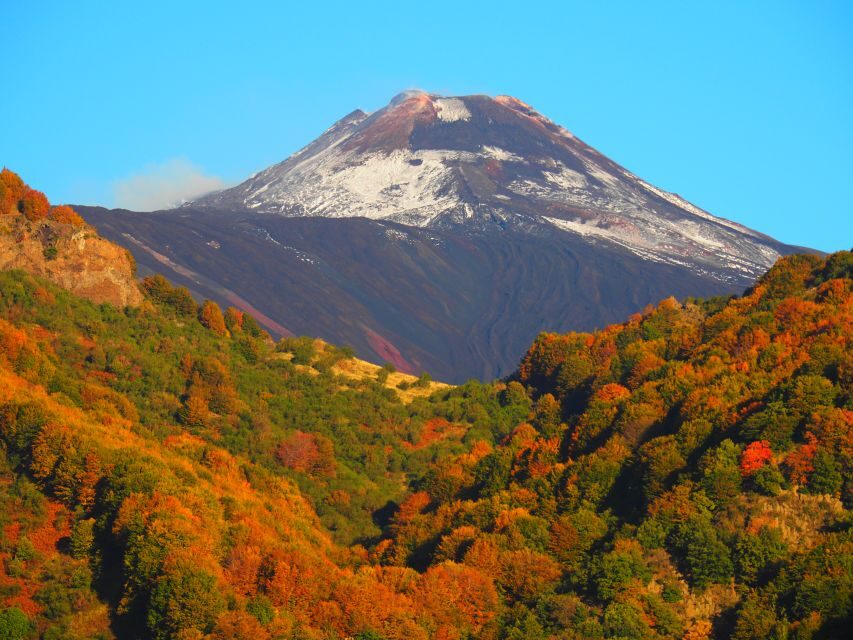
Before you reach anything dramatic, you’ll start on an easier path along the edge of a lava flow. That opening stretch is smart. You get your footing rhythm early, and you also begin seeing the contrast: smooth-ish trail under your feet, then rougher volcanic ground nearby where molten rock once cooled.
Soon the hike climbs through an idyllic beech forest. It’s a useful change of scenery because it cools the senses. You’re going from a landscape shaped by fire to a forested zone that shows how life adapts around it. In practical terms, the trees also make the hike feel less exposed while you’re still warming up.
Then you’re headed higher. Expect an ascent that builds steadily rather than sudden steepness. This tour is best if you’re comfortable walking uphill on paths that may shift from dirt to rock.
The North-Slope Crater Area and the 2002 Story
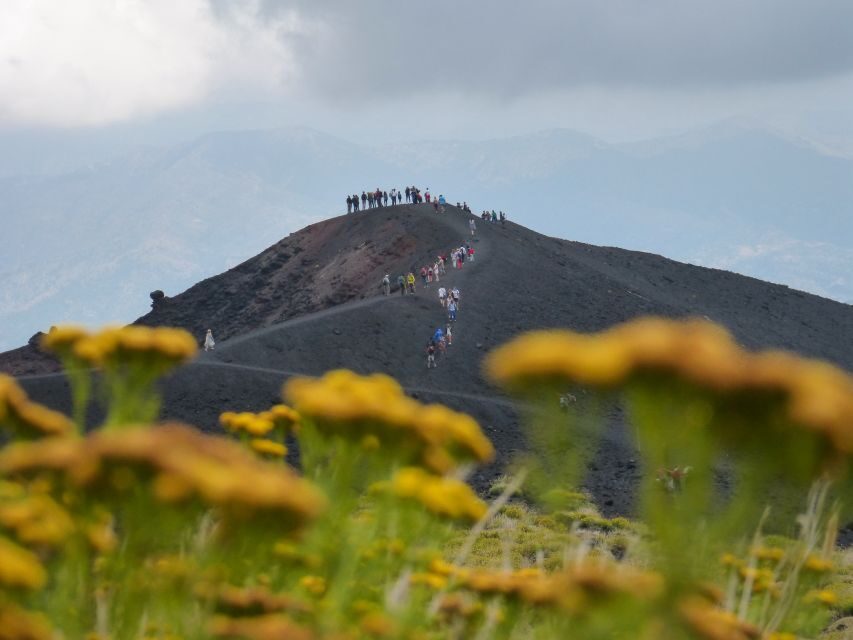
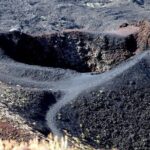
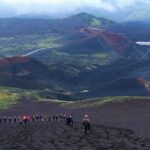
The heart of the experience is reaching the north slope craters. This part is where the geology becomes personal. In the early 2000s, new craters formed on Etna’s north side, and there were violent eruptions. Standing at the base of these craters, you’ll see why Etna is still considered an active system, not a museum piece.
You’ll be guided to understand what you’re looking at—not in abstract terms, but in a way that links your feet on the ground to the eruption history. That makes a huge difference. A crater rim is impressive, yes. But the real impact is realizing that the terrain under you is part of a process still happening.
The north slope itself adds value. Etna’s scale can swallow your attention, so having a specific side of the mountain to focus on helps you notice details. You’ll see mountains and forests in the distance, but you’ll also have a clear reason to look down at the rock.
Crossing Side-Crater Lava While the Science Clicks
This tour includes a moment that feels very real: you’ll carefully cross a lava flow that leaks through the side craters. That crossing is not just “watch your step.” It’s where the guide’s explanations turn into understanding.
You’ll learn about the science behind volcano behavior and the way eruptions physically change the ground. Even if you’re not a geology nerd, the guide’s job is to give you a mental framework you can use while you walk. Once that clicks, everything starts to make sense: the shapes of the craters, the logic of where flows travel, and why some areas look fractured while others look more consolidated.
One thing I’d take seriously here: don’t rush the crossing. This is where good boots and steady pacing pay off. If you keep a calm rhythm, the crossing becomes a memorable highlight instead of a stress point.
The Ragabo Pinewood Canyon: When Magma Hit a Living Place
After the crater-focused sections, you’ll follow a path toward a deep canyon carved by an enormous magmatic mass. The tour description also points to something that makes this more than a visual stop: that magmatic flooding partially destroyed the centuries-old Ragabo Pinewood.
That detail matters because it connects geology to ecology. You’re not just looking at evidence of eruptions; you’re looking at how those eruptions disrupt long-established living systems. You’ll be walking in terrain that bears the physical signature of something that moved with power and speed.
As you make your way along the canyon path, you’ll likely find yourself doing an important thing without being told: imagining the eruption scale from the ground cues around you. That’s exactly what this hike is designed to trigger.
The guide’s perspective helps, too. Some groups have been led by guides such as Grazia, Francesca, or Francesco, and the vibe you want is clear: they’re enthusiastic, they answer questions, and they keep the group moving at a good pace.
You can also read our reviews of more hiking tours in Sicily
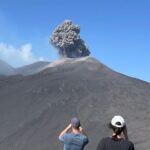
Walking the Crater Perimeter: Views, Scale, and Staying Grounded
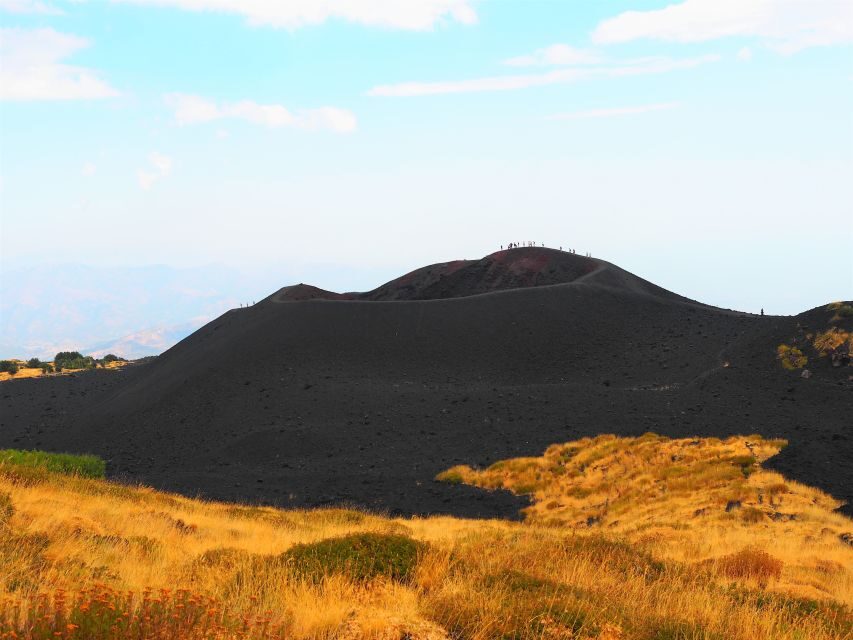
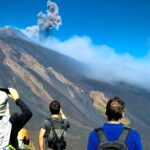
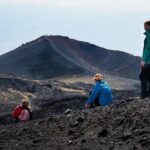
The route doesn’t stop at one viewpoint. You’ll walk on the edge of the craters and go along their perimeter to admire how massive Etna looks from up close. Panoramic views are part of it, but the bigger win is scale. When you’re moving along the crater rim, you finally understand how a volcano can dominate everything around it.
At the same time, this is where common sense matters. Perimeter walking means you’re near uneven edges and volcanic rock. Keep your attention on your feet. If you’re bringing a camera, be ready to pause safely rather than turning and walking at the same time.
The guide’s pacing helps here. In many cases, guides are good at timing the hike so you get the crater viewpoints without feeling sprinted. If weather starts changing, you’ll also appreciate having a guide who can adjust the plan while keeping safety in mind.
How the 3 Hours Actually Work (Pace, Terrain, and Who It Fits)
A 3-hour hike sounds short, and it is—but it’s a focused slice of Etna. You’re doing real hiking, not a slow stroll. The itinerary flows like this: easy start along the lava edge, ascent through the beech forest, then crater exploration with crossings and perimeter walking. You’ll likely feel it more in your legs and ankles than in your breathing, depending on your comfort level.
Who I think fits best:
- You want a guided, science-informed Etna experience without spending a whole day in transit
- You enjoy walking on natural terrain and you’re okay with uneven volcanic surfaces
- You like questions and want your guide to explain what you’re seeing
Who might find it tough:
- If you dislike rocky ground or worry about slips, take it seriously and consider how you handle short but technical walking
- If you want a fully flat hike, this won’t be that kind of outing
One encouraging detail from past participants: this tour has been done with an 8-year-old (with the guide keeping things manageable). That suggests the route can work for families when kids can handle steady walking and parents keep expectations realistic.
Price and Value: Is $52 Worth It on Etna?
For $52 per person for about 3 hours, the value comes from what’s included: a live guide who leads you across a specific and meaningful chunk of the north slope craters. You’re paying for safe access, focused navigation, and expert explanations tied to eruption history and terrain formation.
Is it cheap? Not really. But it’s not overpriced for what you get. You’re not just buying views—you’re buying context. On Etna, context is everything. Without a guide, you might see craters and lava, but you may miss why these formations matter, what changed after 2002, and how the mountain keeps transforming.
Your cost balance is also partly on you. Snacks and drinks are not included, so factor in water (and ideally a small snack if you need one). That’s easy to handle, and it keeps the tour length predictable.
Practical Tips for This Specific Hike
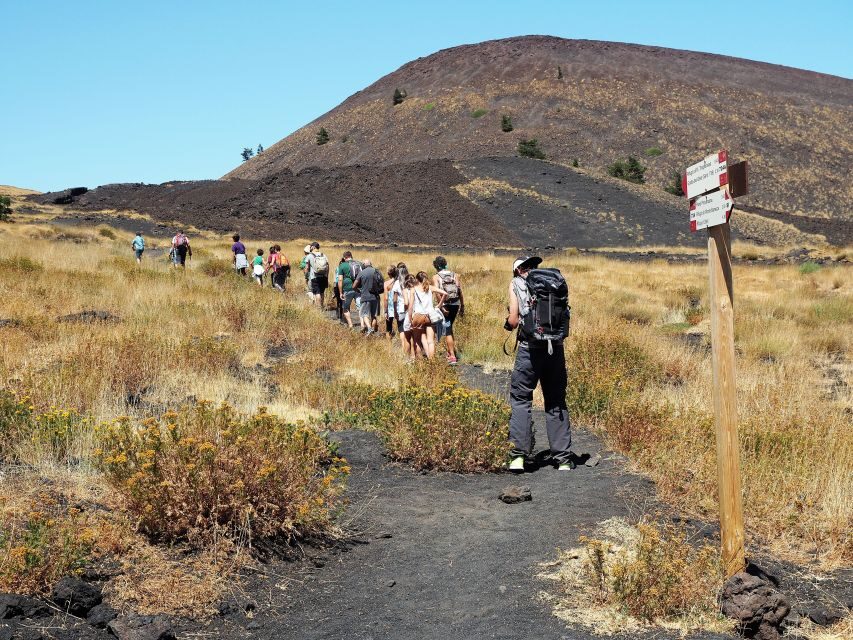
These are the small things that make the tour smoother:
- Wear hiking shoes with grip. Lava rock can be unpredictable underfoot.
- Bring water. There are no snacks or drinks provided.
- Dress for weather shifts. Mount Etna can change quickly, and your reservation may be adjusted if conditions are unsafe.
- Plan to arrive early and stick to the schedule. You’ll need time for the safety briefing so you can start when the group is ready.
If you care about language, confirm your comfort level with English or Italian ahead of time. The tour is offered in English and Italian, and that matters once the guide starts talking geology.
Should You Book the Mount Etna North Slope Craters Hike?
Yes—if you want an active-volcano experience that feels grounded and guided. This hike is built for people who like real terrain and clear explanations. You’ll walk through beech forest, reach the crater base tied to recent eruptive activity, cross lava near side craters, and end up at a canyon shaped by magma that impacted the Ragabo Pinewood. That combination is exactly what makes Etna educational and memorable.
I wouldn’t book it if you need an easy, fully accessible outing or you hate rocky, uneven footing. And if you know you’ll struggle with sudden weather changes, keep your expectations flexible.
FAQ
Where do I meet for the Mount Etna north slope craters hike?
You meet at Piano Provenzana, and you should arrive early for the guide’s briefing.
How long is the tour?
The hike lasts 3 hours.
What is included in the price?
The tour includes a guide.
Do I need to bring snacks or drinks?
Snacks and drinks are not included, so bring what you need.
What languages are available for the guide?
The live guide is available in Italian and English.
What should I bring to the hike?
Bring hiking shoes and water.
What happens if the weather is bad?
Weather can affect the tour. Your reservation may be subject to change or cancellation depending on conditions. You’ll want to plan for that possibility.