REVIEW · CATANIA
Cooking class fresh pasta
Book on GetYourGuide →Operated by Futuro e Lavoro · Bookable on GetYourGuide
Fresh pasta in Sicily beats most souvenirs. This hands-on cooking lesson teaches you how to build the dough, shape egg and durum wheat pastas, and finish with classic Sicilian sauces at a real working kitchen.
I especially like that it is structured: you make the pasta from scratch, then move straight into seasoning choices like ragù and pasta alla Norma. I also like the payoff at the table, because you taste what you made with Sicilian wine. One possible drawback: at about 3 hours, you’ll learn a lot, but you won’t leave with “chef-level” speed—plan to take your time and embrace the messy learning stage.
If you want a straightforward, practical way to understand Italian comfort food, this class fits. You’ll work in a professional cooking lab and learn the methods used to turn raw ingredients into finished shapes like tagliatelle, stuffed pasta, and maltagliati, then you’ll nail flavors like Sicilian pesto. The only real consideration is the format: it is mostly cooking and tasting, not a tour of sights, so those chasing monuments might prefer a different day.
In This Review
- Key highlights to look forward to
- What the 3-hour Sicilian pasta class feels like
- Your lesson starts with two doughs you’ll actually know
- What you’ll be making from those doughs
- How the sauces turn basic pasta into Sicilian comfort food
- Ragù: slow, hearty, and worth learning
- Norma: eggplant’s starring role
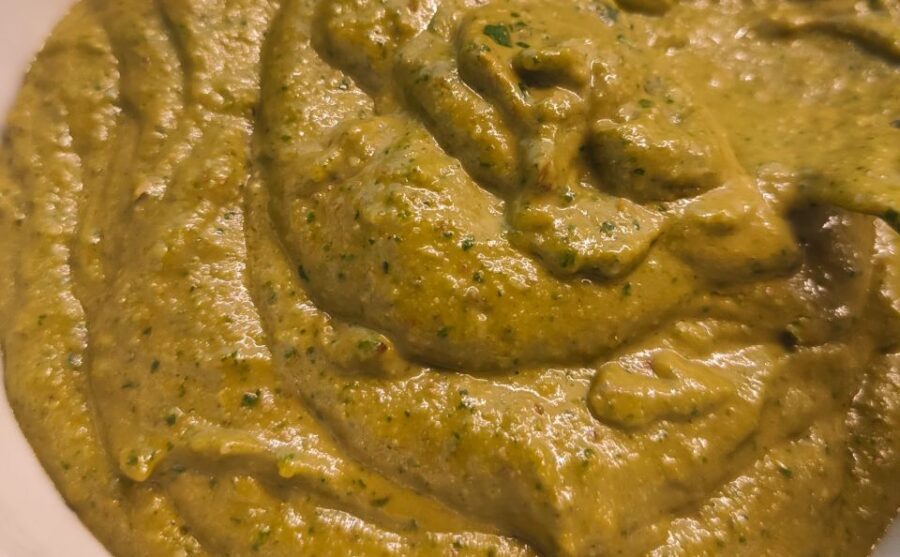
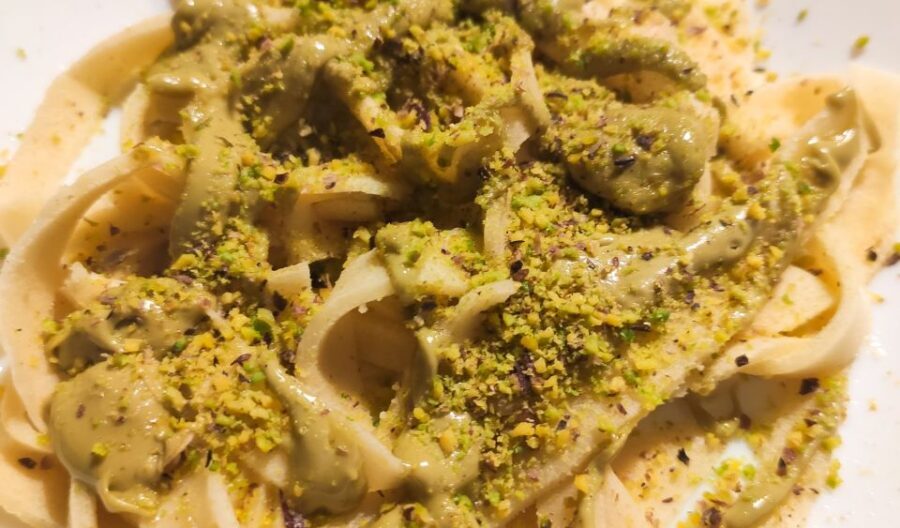
- Sicilian pesto: not just basil on autopilot
- From hands-on shaping to chef-led cooking
- The tasting: what you should pay attention to
- Who is likely to enjoy this class most
- Price and value: is $112.15 per person worth it?
- The instructors and teaching style you can count on
- Practical tips before you go
- Should you book this Sicilian fresh pasta class?
- FAQ
- How long is the cooking class?
- What types of fresh pasta will I make?
- What sauces are included in the lesson?
- Is there food and wine included?
- What languages are the instructors?
- What is the cancellation window?
Key highlights to look forward to
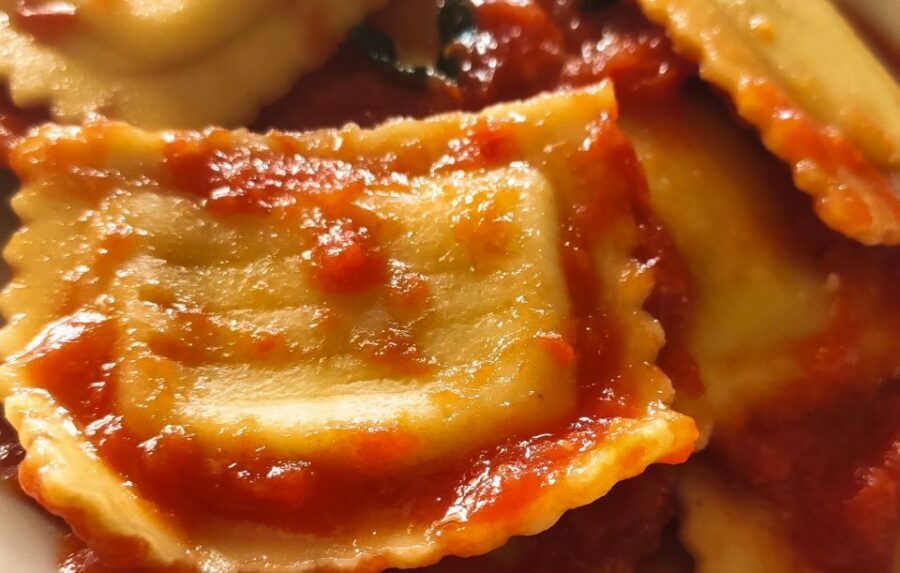
- Two doughs, two textures: classic egg pasta plus Sicilian durum wheat dough
- Three pasta styles made in class: tagliatelle, stuffed pasta, and maltagliati
- Three Sicilian sauces covered: ragù, pasta alla Norma, and Sicilian pesto
- Chef-led cooking + table tasting: you make it, then you eat it with wine
- English and Italian instruction: so you can follow steps clearly
- Clean, functional kitchen setup: geared for hands-on teaching
What the 3-hour Sicilian pasta class feels like
This is one of those experiences where the day gets simple fast: you show up, you learn by doing, and you end up eating the results. The core idea is fresh pasta as the queen of Italian food—so instead of watching a show, you make the dough yourself, shape multiple pasta types, and practice the sauces that make Sicilian cooking taste like it belongs to the island.
The class runs about 2–3 hours, and it is taught in a professional cooking laboratory. That matters more than it sounds. A setup designed for food work means you’re less likely to fight for space, more likely to have clear tools, and more likely to get your hands on the process rather than just stand around.
Price-wise, it lands at $112.15 per person for a 3-hour, chef-led, hands-on meal experience. You’re paying for three things at once: instruction, ingredients and production work (multiple pastas and multiple sauces), and a finished meal with wine. For many people, that is the real value—this isn’t just a “learn one pasta and taste a bite” situation.
You can also read our reviews of more cooking classes in Catania

Your lesson starts with two doughs you’ll actually know
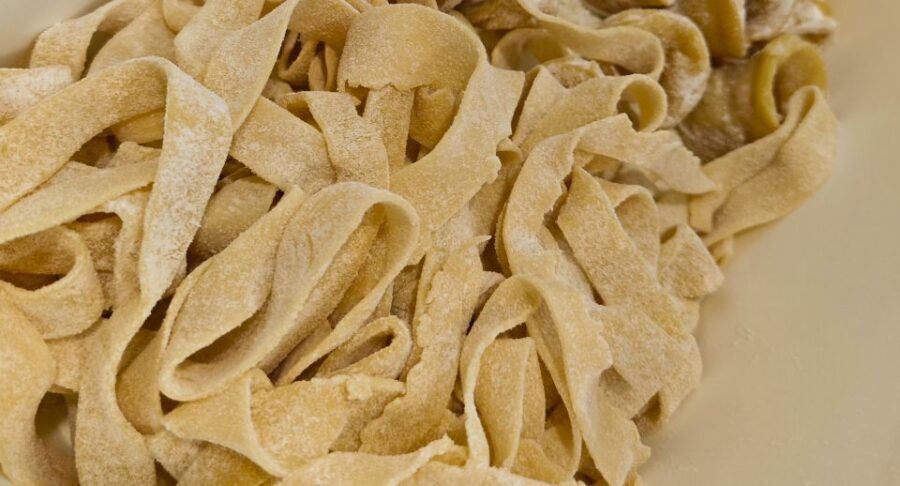
The class begins with dough creation, and you do it in two different styles. First up is the classic egg pasta dough. Then you make the Sicilian-style durum wheat dough, using durum wheat in a way that’s common to regional Italian traditions.
Why this is a big deal: pasta dough isn’t one universal formula. Egg pasta tends to be more elastic and forgiving during shaping. Durum wheat dough changes the bite and the texture you feel later. When you experience both, you stop thinking of pasta as a single skill and start treating it like a set of choices—like tailoring.
What you’ll be making from those doughs
Once your doughs are ready, you create multiple pasta types:
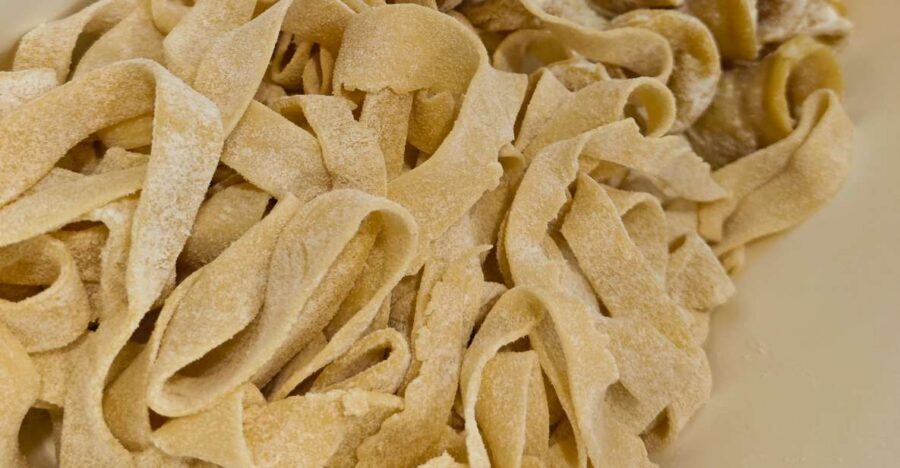
- Tagliatelle (a classic ribbon shape)
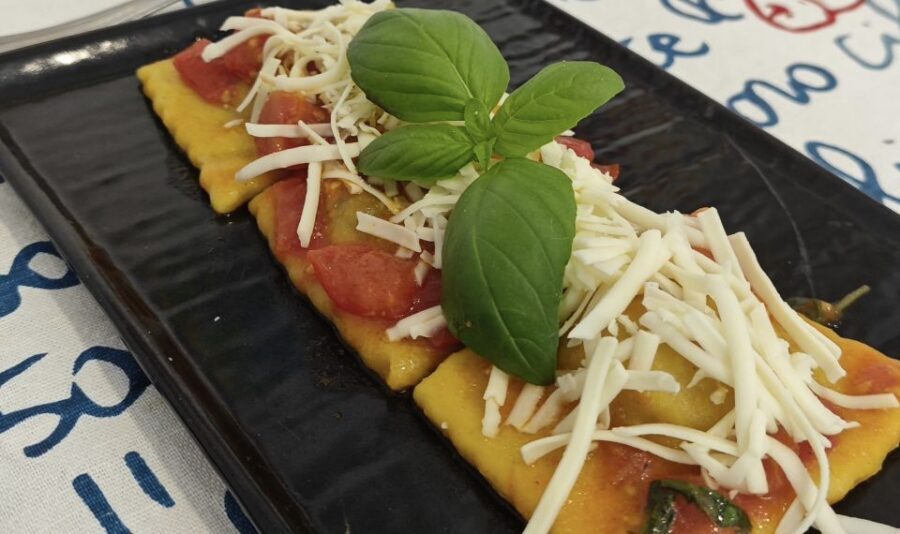
- Stuffed pasta (you’ll learn how to fill and form it)
- Maltagliati (the “imperfectly cut” pasta shape that’s popular in Italian home cooking)
In the cooking process, the point is not perfection. It’s learning the method: how dough behaves, how to handle it, and how shaping affects what happens when the chef finishes cooking.
How the sauces turn basic pasta into Sicilian comfort food
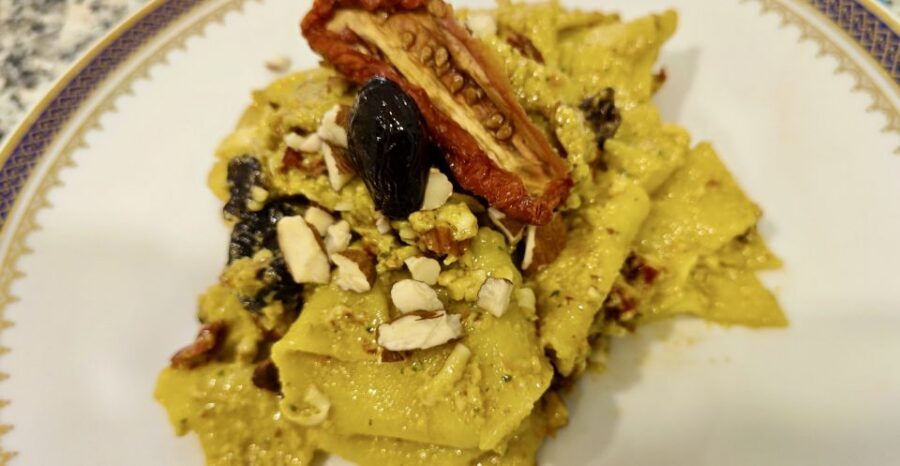
Here’s where this class earns its keep. Many pasta classes teach the noodles and then stop. This one pushes into real Sicilian flavor by focusing on three major sauces: ragù, pasta alla Norma, and Sicilian pesto.
Ragù: slow, hearty, and worth learning
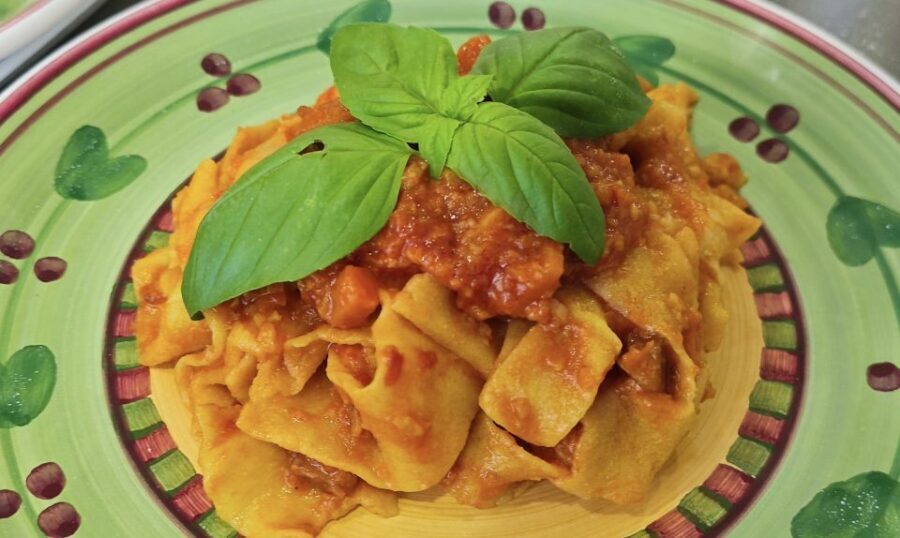
You make a beef ragù, and that one gets a lot of love because it feels like the backbone of Italian comfort food. When your sauce is correct, it clings and coats instead of pooling. Learning the ragù approach in a guided lesson helps you understand seasoning balance and how sauce texture should feel.
You can also read our reviews of more tours and experiences in Catania
Norma: eggplant’s starring role
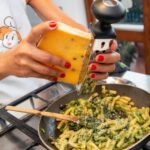
Next is pasta alla Norma, which centers on the classic combination of eggplant flavors and bold seasoning. You’re not just hearing about it—you’re learning how to build it so it tastes like the dish people request again and again.
Sicilian pesto: not just basil on autopilot
Finally, you learn Sicilian pesto. Even if you think you already know pesto, Sicilian versions bring a regional twist. In this class, pesto is presented as part of the Sicilian lineup of sauces, so you’ll learn how it supports pasta rather than overpowering it.
From hands-on shaping to chef-led cooking
You’ll do the key work yourself—dough, shaping, and sauce prep. Then the chef completes the cooking so you can eat what you made, not spend the rest of your day hovering over boiling water.
This is a practical design. Cooking pasta timing is one of those skills that can go sideways fast if you’re also learning other steps. Having the chef finish ensures your pasta reaches the table properly cooked, which makes tasting actually useful. You’ll be able to connect what you did earlier with the results on the plate.
The tasting: what you should pay attention to
The meal is built around tasting the foods you made, and it comes with excellent Sicilian wine. You’ll sit down and try everything together—your pasta and your sauces—so the lesson turns into a real sensory memory, not just a cooking worksheet.
A helpful way to get more value from the tasting is to compare bite to bite:
- Notice how the egg pasta and durum wheat doughs feel differently.
- Pay attention to sauce behavior: thick ragù coats differently than pesto.
- Try the stuffed pasta and notice how filling impacts texture and satisfaction.
One detail that came through in recent experiences is how generous the whole setup can feel. In one case, participants were even gifted a bottle of rosé to take home, which makes the night linger longer (without adding extra work for you).
Who is likely to enjoy this class most
This works best if you want a day where you learn a skill you can actually repeat later, not just watch food happen. It also suits you if you like eating what you make and you’re happy to spend your time on kitchen craft.
It’s especially good for:
- Couples or friends who want a shared activity with real payoff
- Food lovers who want regional Sicilian dishes, not generic Italian pasta
- Beginners who appreciate clear, guided instruction and a clean, functional lab
It also fits English and Italian speakers, because instruction is offered in both languages. That matters because pasta-making has a lot of “how it should feel” moments, and being able to follow the steps in the language you’re most comfortable with can reduce stress.
Price and value: is $112.15 per person worth it?
At $112.15 per person for about 3 hours, you’re not just buying a tasting—you’re buying production time, chef coaching, and multiple completed dishes.
Here’s what you’re getting for the money, based on what the experience includes:
- You create three different types of pasta with professional guidance
- You learn to make sauces that match those pastas: ragù, pasta alla Norma, and Sicilian pesto
- You get a tasting meal, plus Sicilian wine
- The class is hands-on and supported by a chef in a professional kitchen lab
Compare that to the typical “one pasta, quick sauce, small bite” format. If you enjoy cooking, this one gives you more output—more dough work, more shaping, and more flavor practice. If you don’t cook, it still can be worth it because you’re essentially paying for an organized path to a delicious meal and a clear culinary story you can repeat.
The only thing to consider is fit. If your idea of a perfect Sicily day is beaches, towns, and viewpoints all day, this is more culinary than scenic. But if you want a Sicilian memory you can taste every time you cook pasta back home, it hits the mark.
The instructors and teaching style you can count on
The class is taught by an instructor who speaks English and Italian, and it’s led by a professional chef. Recent experiences also mention a warm, family-style dynamic with names like Chef Simona and Simona’s mamma, which suggests the teaching isn’t cold or rushed. Instead, it tends to be patient, hands-on, and focused on getting you to a good result.
You should expect:
- Clear step-by-step guidance for dough and shaping
- Feedback you can use immediately (because you’re working in real time)
- A smooth flow from making dough to building sauces to finishing at the table
If you’re worried about being “bad at dough,” don’t. The entire setup is designed for learning, and the proof is in the tasting: the goal is that you can eat what you made.
Practical tips before you go
This is kitchen work. Even if it’s fun kitchen work, it helps to show up ready.
- Wear clothes you don’t mind getting slightly messy. Flour and dough have a mind of their own.
- Plan to eat the meal. The tasting is part of the experience, and skipping it doesn’t make sense here.
- If you’re sensitive to being on your feet for a couple hours, consider that the class is interactive and you’ll be working with your hands.
- Bring curiosity, not pressure. The best results come from following steps and letting yourself learn.
Should you book this Sicilian fresh pasta class?
Book it if you want a practical skill and a satisfying meal in one day. This class is built around making fresh pasta from scratch, plus three Sicilian flavor directions—ragù, pasta alla Norma, and Sicilian pesto—then finishing with wine and tasting. You’re leaving with food knowledge you can actually use, not just photos.
Skip it if you’re mainly looking for sightseeing or long lounging. This isn’t that kind of day. It’s a workshop with a table at the end.
If your goal is to take home the taste and technique of Sicily, this is a strong pick.
FAQ
How long is the cooking class?
The experience lasts about 3 hours (it runs 2–3 hours, depending on the time slot).
What types of fresh pasta will I make?
You’ll make three different types of pasta with the chef’s guidance, including tagliatelle, stuffed pasta, and maltagliati.
What sauces are included in the lesson?
You’ll learn to prepare ragù, pasta alla Norma, and Sicilian pesto as part of the class.
Is there food and wine included?
Yes. After the chef completes the cooking, you sit down for a tasting of the pasta you made with Sicilian wine.
What languages are the instructors?
The instructor speaks both English and Italian.
What is the cancellation window?
You can cancel up to 24 hours in advance for a full refund.