REVIEW · CATANIA
Catania: Summit Craters from North Etna with 4×4 vehicles
Book on GetYourGuide →Operated by GRUPPO GUIDE ETNA NORD di RAGONESE BIAGIO & C sas · Bookable on GetYourGuide
Early mornings on Etna pay off fast. This guided 4×4-to-hike combo takes you from Piano Provenzana to the summit crater zone for up-close volcanic sights and some of the most dramatic views you’ll get on the island. I also love the practical small-group setup, plus the way the guides help you pace the climb, including standout support from Gracia in at least one great group experience. One drawback to plan for: it’s a real workout with steep sections, wind at altitude, and it’s not recommended if you have breathing or heart issues.
You’ll start at 1,800m, roll up by off-road vehicle to a high observatory platform at 2,800m, then hike about 1.5 hours up to the Central Crater edge at roughly 3,300m. The terrain feels lunar underfoot—bombs, slag, and sandy volcanic channels—so you’re not just looking at Etna. You’re walking through it.
The biggest “watch out” isn’t the distance on a map. It’s conditions. Weather changes happen on volcano schedules, and the operator notes the tour is subject to weather. If the wind is strong or visibility is poor, your experience may be less comfortable than you hoped—so bring the gear and keep expectations flexible.
In This Review
- Key highlights worth your attention
- North Etna starts at 8:00: what the morning feels like
- The 4×4 ride to the observatory: saving energy for real crater time
- The hike begins: a 5km uphill push to the crater edge
- Summit Central Crater at 3,300m: gas, fumaroles, and mineral color
- The descent: 1.5 hours down through a sandy volcanic channel
- Return by off-road vehicle: back to Piano Provenzana
- Gear, safety, and what’s included (and what you still bring)
- Price and value: $67.97 plus the €60 4×4 ticket
- Who should book this Etna summit crater hike (and who shouldn’t)
- Should you book the Summit Craters from North Etna with 4×4?
- FAQ
- What time does the tour start?
- How long is the tour?
- How much walking is involved?
- What elevation does the hike reach?
- Is this tour suitable for children?
- Is it safe for people with respiratory or breathing issues?
- Are pregnant women allowed on this tour?
- What’s included in the price versus what costs extra?
- What languages are the guides?
- What should I bring?
- What happens if weather is bad?
Key highlights worth your attention
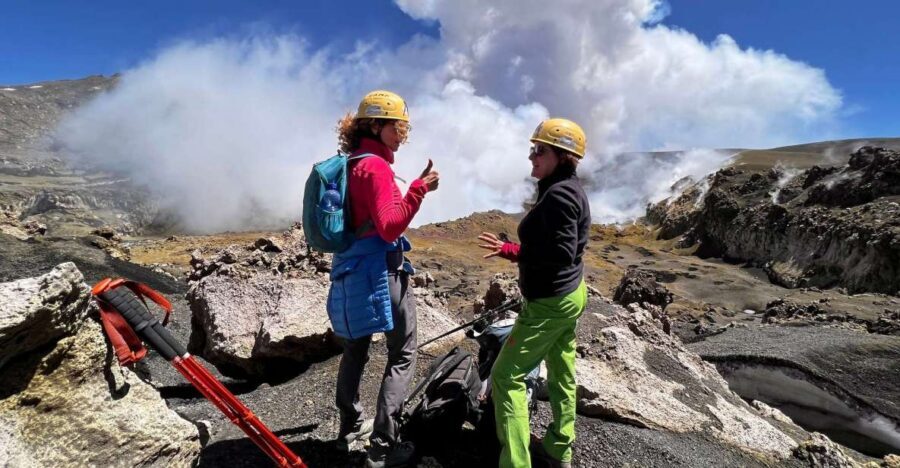
- Small group up to 10 people: more time with your certified guide and better pacing on a steep hike
- Summit Central Crater edge around 3,300m: gas emission zones, fumaroles, and bright sulphur minerals
- 4×4 off-road ride to 2,800m: you save energy for the actual walking
- Steady uphill climb plus a sandy descent: about 500m total uphill difference, then a guided return down a volcanic channel
- North Etna vibe: quieter and less crowded than some other areas, with panoramic viewpoints from high altitude
North Etna starts at 8:00: what the morning feels like
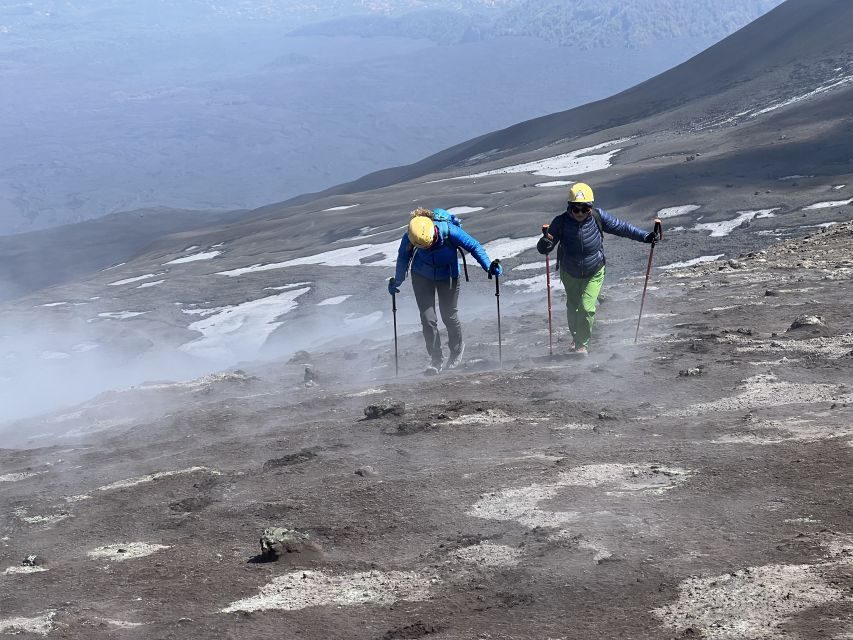
If you like your adventures with a little structure, this tour is built for you. You meet at Piano Provenzana on North Etna at 8:00am, which means you’re not fighting the day’s heat or crowds. It also gives the guides time to manage the group tempo on a climb where small differences in fitness can matter.
From the beginning, you’ll be moving through altitude quickly. You’re starting around 1,800m, and the plan is to reach the observatory platform at 2,800m by off-road 4WD. That first transfer is a huge part of the value here: it gets you to the high, volcanic road quickly, without draining your legs before the real trek.
The tone of the day is physical but not chaotic. The group walks with support, and you get trekking help (walking sticks are included). In the reviews, people repeatedly point out that the guides are there to help you climb safely and confidently. That matters, because the hike is described as steep in sections and not a casual stroll.
Also, a small but important reality check: altitude weather is its own character. Even in summer, you can get wind up high. One strong review advice stood out to me: bring warm clothing even when it’s warm lower down, and keep layers ready.
You can also read our reviews of more tours and experiences in Catania.
The 4×4 ride to the observatory: saving energy for real crater time
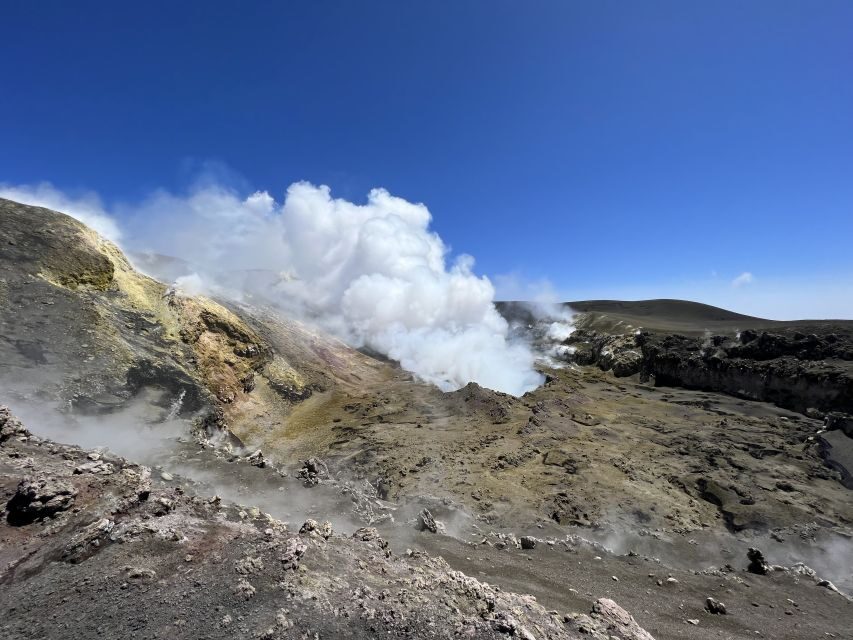
This is where the “4×4 vehicle” part earns its keep. You depart from 1,800m and travel by off-road vehicle along a volcanic road with vegetation and unique plants. The goal is the observatory platform at 2,800m, which is your launchpad for the walking portion.
Why this matters: you’re not trying to hike from low altitude and then reach summit-crater terrain. The 4×4 portion compresses the day into something that’s doable for a motivated, healthy walker. It also means you get to spend more time on the sights that draw people here: the crater edge, fumaroles, and the chemistry-colored minerals.
You’ll also have time to take in the changes in terrain as you climb. The north side experience is described as quiet and breathtaking in at least one review, and the route itself is part of the story. You’re watching Etna’s “stages” up close—vegetation transitions, then more rock and volcanic texture, then that lunar feel near the crater zone.
One logistical note to keep you from a surprise: the tour info says a 4×4 bus ticket (roundtrip) costs €60 and is paid on the day (cash or credit card). That means your prepaid price doesn’t necessarily cover every seat/vehicle component. Still, the overall setup is clearly designed around the off-road ride.
The hike begins: a 5km uphill push to the crater edge
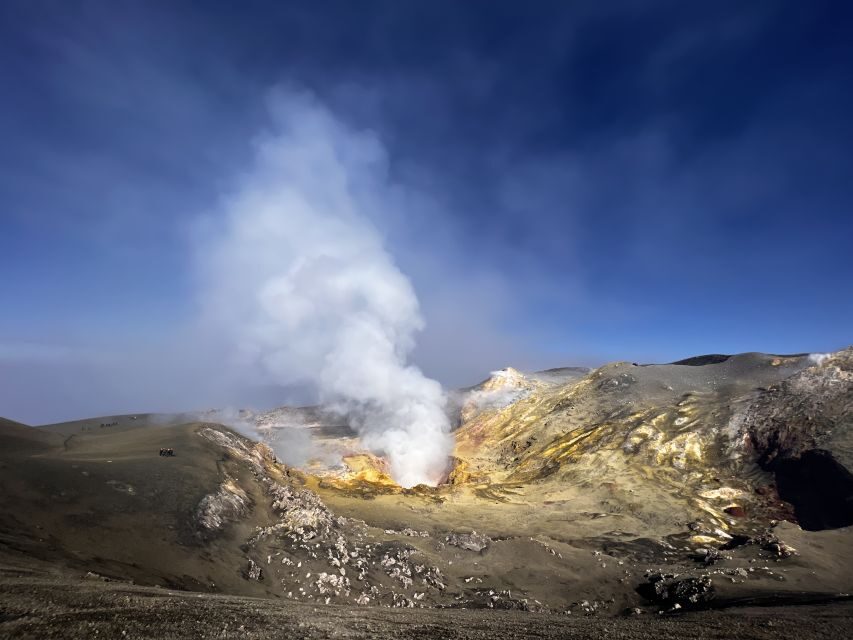
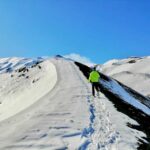
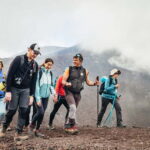
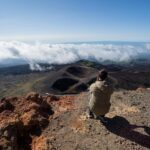
Once you reach the observatory area at 2,800m, you start hiking uphill. The key walking section is about 5km uphill, and it’s described as starting sideways through a striking lunar landscape of massive bombs and slag.
The plan is an uphill gain of about 500m total, with uphill walking around 1h30. That “1.5 hours up” isn’t a flat, steady treadmill climb. It’s a steep trek over volcanic material. The guide support matters here, especially if your fitness is good but you’re not used to steep volcanic terrain.
What you’re walking through is half the point. Etna’s summit area doesn’t look like normal hiking ground. Expect rough volcanic fragments, loose textures, and spots where trekking poles help with balance. That’s exactly why the tour includes walking sticks and points you toward hiking shoes.
I also like that the climb is positioned after the 4×4 transfer. You’re fresh enough to enjoy the crater zone instead of arriving exhausted before you see anything. Then, once you reach the crater edge, the day flips from effort to awe.
As for pace, the guidance notes walking duration is about 3 hours total depending on your group rhythm. That’s a useful range to keep in mind. Your pace affects the overall experience—slow down, take breaks, and let the explanations land.
Summit Central Crater at 3,300m: gas, fumaroles, and mineral color
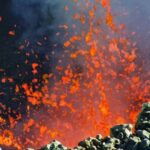
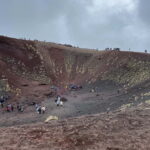
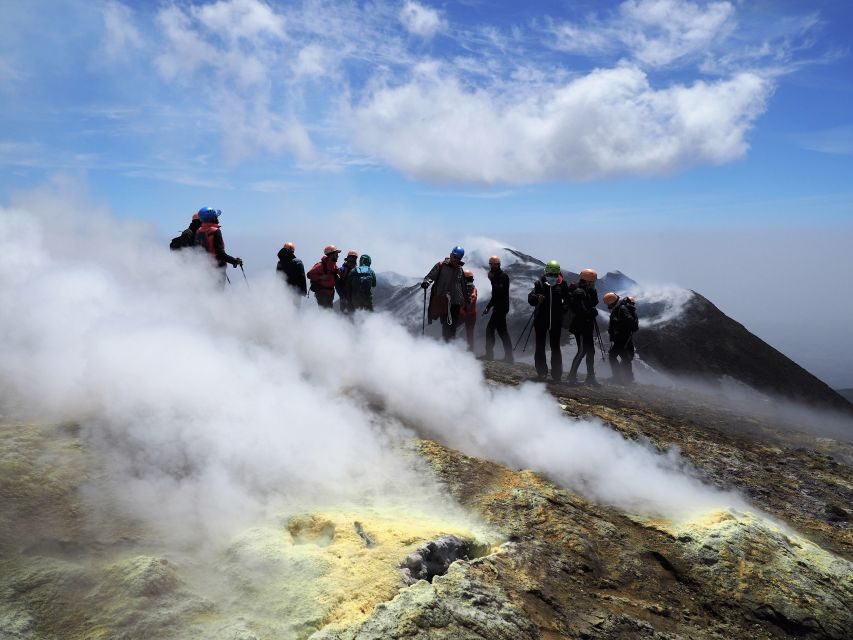
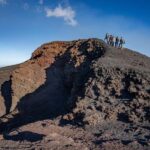
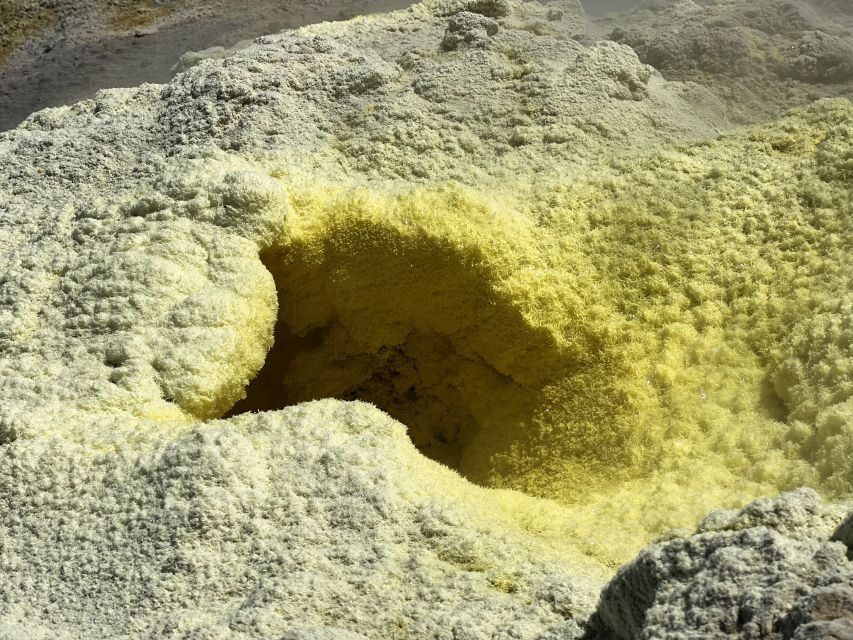
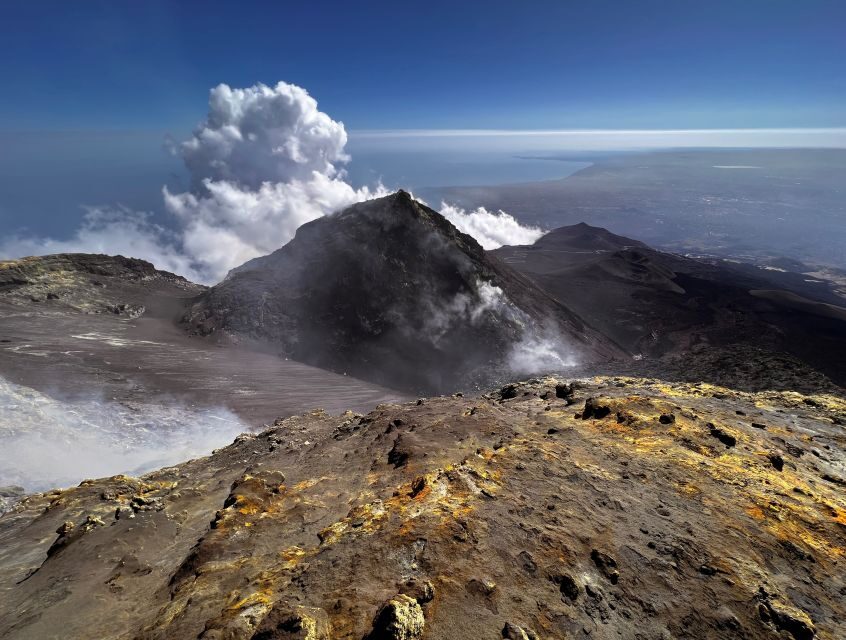
When you get to the edge of the Summit Central Crater at about 3,300m altitude, the tour shifts from hiking to observing. This is where the volcanology hits in a very direct way: you’re in the zone linked to gas emission, fumaroles, and bright sulphur minerals.
Even if you’re not a science person, this part reads clearly. You’ll see the structures and textures created by volcanic action. You’ll also feel the atmosphere change—this is a windy, high, active environment in a way that normal viewpoints never match.
The feeling described is also something I think you can count on if you prepare mentally. The climb brings you near the point where Etna’s forces meet—destructive and creative. The tour info even frames it as destructive forces local people have lived with for centuries, and creative ones that enrich the region with vivid volcanic displays.
You won’t be guaranteed a specific eruption during this hike—nothing in the provided details promises that. But you will be in the summit area where volcanic activity is part of the landscape and science. You’re not just hearing about Etna. You’re standing at a working-style crater environment.
And yes, you’ll likely take a lot of photos. The views from high altitude on Etna are intense. One review also flagged this as an experience you should do at least once in your life, and I get why. The crater edge doesn’t feel like a distant attraction. It feels like you’ve arrived at the source of the story.
The descent: 1.5 hours down through a sandy volcanic channel
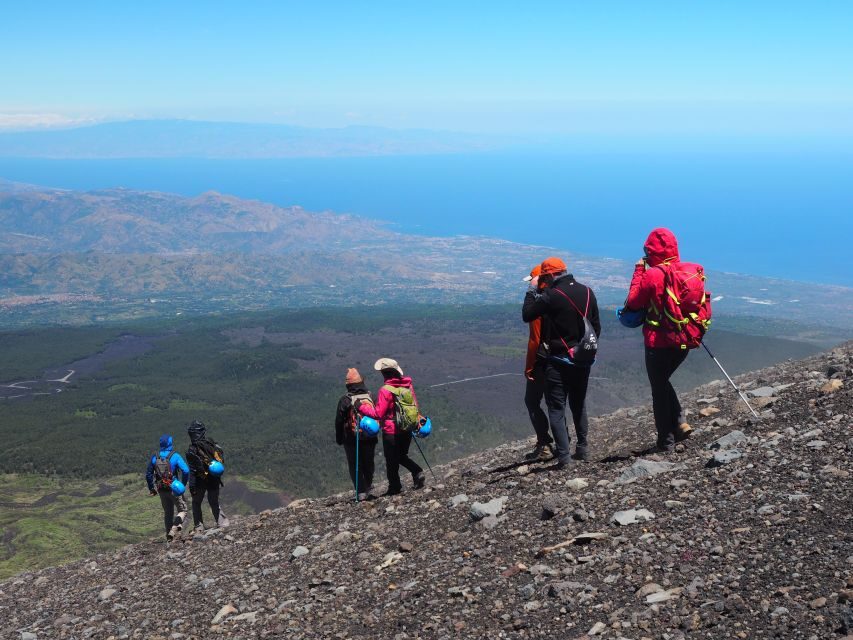
After reaching the top, you don’t simply walk back the way you came. The guide supports you on the descent, and the description calls it a fascinating journey in a particular sandy channel with interesting volcanic spots.
Downhills are where many hikers struggle—knees, balance, and footing. The sand and channel terrain can be tricky, especially if it’s loose. This tour’s inclusion of trekking poles is helpful for that reason. On the descent, your poles become stability tools, not just “hiking props.”
Expect another around 1h30 walking on the way down. Total hiking time across the day is roughly 3 hours, but your legs will notice you did both ascent and descent in volcanic textures.
A good thing about the guide format: you’re not alone with the terrain. The tour explicitly says the expert guide supports you on the descent. That reduces the mental load. You can focus on the surroundings and the crater features rather than constantly checking each step.
By the time you finish the hike, you’ll likely feel that satisfying shift from adrenaline to fatigue. Then you get the transport back.
Return by off-road vehicle: back to Piano Provenzana
Once you arrive at the return point—described as the observatory area in Pizzi Deneri—you travel back to Piano Provenzana via off-road 4WD vehicles.
This is a smart finish for a half-day tour. After 500m of ascent and another 1.5 hours of descent, a vehicle ride spares you from extending the workout. It also helps you keep the tour within a total about 5 hours.
So the day is basically: early meet, high transfer, guided crater hike, then vehicle return. It’s compact. That matters if you’re planning a full itinerary around Etna while also leaving time for Catania city life later.
Gear, safety, and what’s included (and what you still bring)
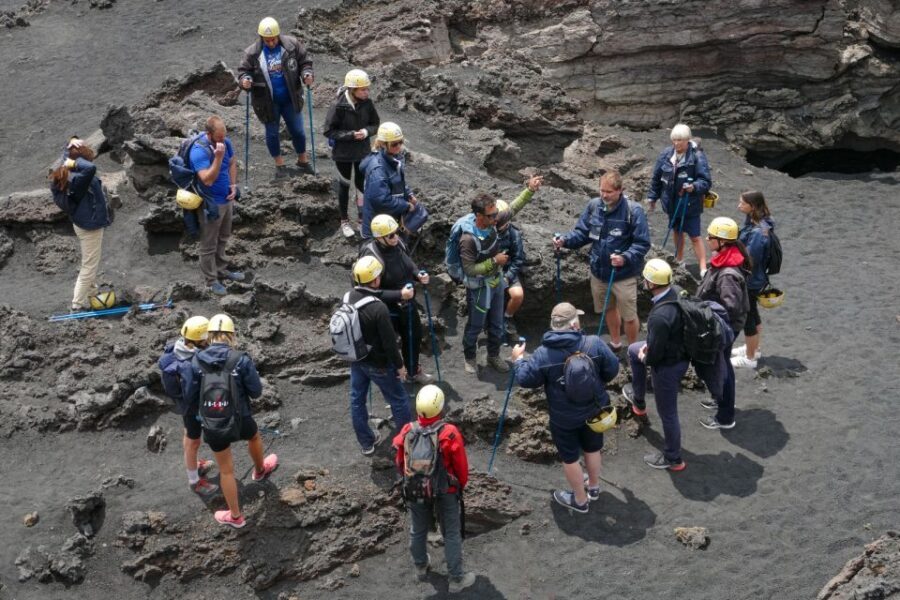
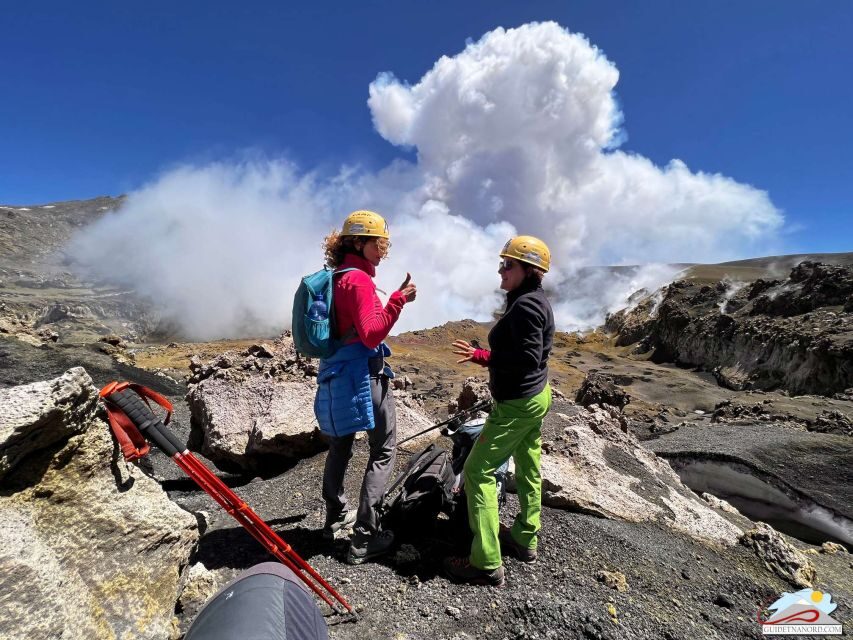
The tour gives you a surprising amount of equipment for comfort and safety. Included items are: a certified guide, helmet, walking sticks, hiking shoes, a jacket, and assurance.
That inclusion is a real value point. If you don’t want to rent gear or you’re traveling light, having the basics handled can make the hike feel less intimidating. It also suggests the operator takes safety seriously—helmets on a volcanic excursion isn’t for decoration.
That said, the “What to bring” list still tells you to bring:
- Hiking shoes
- Jacket
- Packed lunch
- Long pants
How do you reconcile that if hiking shoes and jacket are supposedly included? I’d treat it as a practical rule: wear proper footwear and plan for cold/wind at altitude. Even if they provide gear, you still want to be confident your outfit is warm and functional for uneven terrain.
The reviews reinforce the clothing need. Warm layers were mentioned specifically, even in summer, because altitude wind can hit hard. So pack for wind, not for beach weather.
Also, the tour info is clear about who should skip it: it’s not recommended for people with breathing difficulties or serious medical conditions, and it’s not suitable for people with heart problems or respiratory issues. If any of that applies, don’t try to “power through.” Volcano hikes are demanding, and the risk isn’t worth it.
Price and value: $67.97 plus the €60 4×4 ticket
The price shown is $67.97 per person, and then there’s an important extra: the roundtrip 4×4 bus ticket costs €60, paid on the day (cash or credit card).
Here’s how I’d think about value. You’re paying for:
- a certified guide with crater-area expertise
- included safety and hiking support gear (helmet, sticks, shoes, jacket)
- transportation that gets you to high altitude quickly
- a hike that reaches the summit crater edge around 3,300m, not just a casual viewpoint
But your final total will likely be higher once that €60 vehicle component is included. Still, if you add up what you’d otherwise spend on private transport, paid guiding, and gear, the combined package can still feel fair—especially with the small-group cap of 10 participants.
My practical advice: don’t let the base price trick you. Budget for the full day cost, and bring a payment method that works for you on the day (cash or credit card).
And do plan for food. The tour doesn’t include food or drinks, so you’ll want a packed lunch. A volcano hike isn’t the place to arrive hungry and hope there’s a snack stop.
Who should book this Etna summit crater hike (and who shouldn’t)
This is a great match if you:
- want summit-crater proximity on North Etna
- like guided structure with breaks and explanations
- are comfortable hiking steep ground for about 3 hours total
- travel as a small group or solo and want personal attention (max 10 participants)
- want views that feel rare and intensely “real,” not just from a roadside platform
In the reviews, the common thread is that the climb is strenuous but manageable with support. One highlight was the “North side still very quiet and breathtaking views.” If you’re the type who likes peace along with big scenery, that detail matters.
Skip it or choose a gentler alternative if you:
- have respiratory issues or heart problems
- have breathing difficulties
- are pregnant
- are traveling with a child under 10
And remember: weather drives the experience. If conditions are harsh, the operator may adjust the day or the experience may feel less comfortable. The tour is subject to weather conditions, and altitude wind is a known factor.
Should you book the Summit Craters from North Etna with 4×4?
If you’re fit enough for a steep volcanic hike, I’d say yes. The combination of 4×4 access to 2,800m, a crater-edge walk to about 3,300m, and an expert guide makes this one of the more focused ways to see Etna’s summit in a single half-day. The fact that gear like helmet, sticks, shoes, and a jacket are included lowers the friction, and the small group size makes the experience feel human—not like a conveyor belt.
Book it if:
- you want summit-crater features like fumaroles and sulphur minerals
- you’re okay with steep uphill and a sandy descent
- you’ll bring warm layers and a packed lunch
Don’t book it if:
- you have breathing or heart limitations
- steep climbs are a no-go
- you don’t want to handle the extra €60 4×4 ticket paid on the day
One last tip: arrive mentally ready for wind, steep ground, and an active volcanic environment. Do that, and you’ll come away with the kind of Etna memory that sticks—because you weren’t just looking. You were walking right up to the volcano’s edge.
FAQ
What time does the tour start?
The meeting point is Piano Provenzana at 8:00am, and the tour departs from there.
How long is the tour?
The total excursion duration is about 5 hours.
How much walking is involved?
Walking duration is about 3 hours depending on the group rhythm, including roughly 1h30 uphill and 1h30 downhill.
What elevation does the hike reach?
You start around 1,800m, reach an observatory platform at about 2,800m, and hike up to the Summit Central Crater edge at about 3,300m.
Is this tour suitable for children?
It is not suitable for children under 10 years.
Is it safe for people with respiratory or breathing issues?
The tour is not recommended for people with breathing difficulties or other serious medical conditions, and it is also listed as not suitable for people with respiratory issues.
Are pregnant women allowed on this tour?
No. It is not suitable for pregnant women.
What’s included in the price versus what costs extra?
Included: certified guide, helmet, walking sticks, hiking shoes, jacket, and assurance. Not included: the 4×4 ticket (roundtrip) costs €60, paid on the day.
What languages are the guides?
The live tour guide is available in English, French, and Italian.
What should I bring?
Bring hiking shoes (even though footwear may be provided), a jacket, long pants, and a packed lunch.
What happens if weather is bad?
The tour is subject to weather conditions.