REVIEW · CATANIA
Mount Etna: Guided Trek 3,000 Meters to the Summit
Book on GetYourGuide →Operated by Etna Est · Bookable on GetYourGuide
Etna makes heights feel real. This guided trek climbs to the summit craters around 3,000 meters with a volcanologist guide, plus a cable car ride for huge views over Sicily.
Two things I really like: you get volcanologist-led explanations that turn lava, ash, and fumes into something you can actually understand, and the day doesn’t end at a viewpoint. You reach the crater area and even get a stop at the 2001 Crater, which still fumes at about 2,700 meters, often with a fun, steady pace from guides like Luca.
One thing to plan around: the route and timing can shift if weather or volcanic risk shows up, and you may need to pay the cable car ticket on site (listed around 50 EUR).
In This Review
- Key Highlights Worth Booking For
- From La Terrazza Dell’Etna to Summit Mode: Your Trek Starts With a Briefing
- Cable Car to 2,500m: The 20 Minutes That Change Everything
- Trek to the 3,000m Summit Craters: Lava Fields, Old and New
- The Summit Craters Experience: Views, Crater Edges, and Fuming Activity
- Descent to 2,500m and a Lunch Break That Helps You Reset
- What to Pack for Etna: Windproof Layers and Ash Rules
- Gear the tour provides (and why that helps)
- Guide Quality on Etna: Why Luca and Other Guides Get Praised
- Who This Tour Fits (and Who Should Skip It)
- Cost and Value: What Your $113.29 Is Really Buying
- Should You Book This Etna Summit Trek?
- FAQ
- How long is the guided Etna summit trek?
- What altitude does the tour reach?
- Is the cable car ticket included?
- What is included in the price?
- What costs are not included?
- Which languages are offered for the live guide?
- What should I bring?
- Can I wear contact lenses?
- Is this tour suitable for children or people with health issues?
- What is the cancellation policy?
Key Highlights Worth Booking For
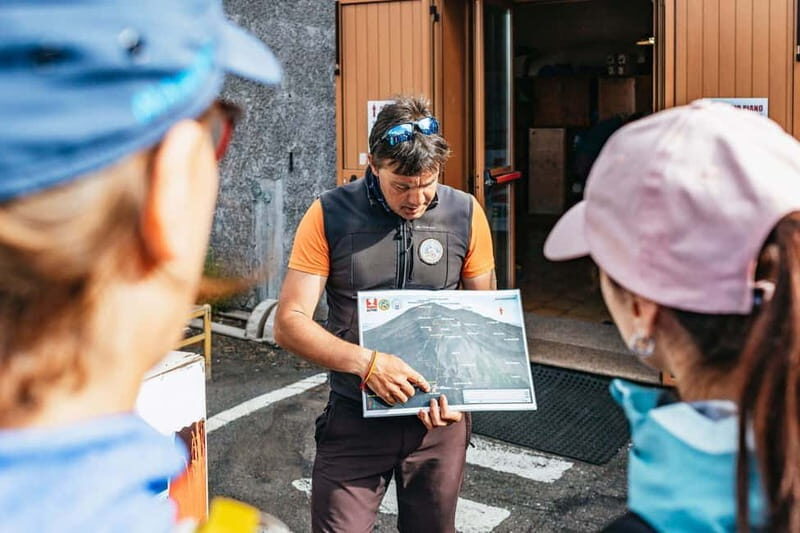
- Volcanologist guide at the top so you’re not just taking photos, you’re reading the mountain as you walk
- Reaching summit craters near 3,000m on a route designed for maximum Etna drama
- 2001 Crater visit at ~2,700m where you can still see and smell volcanic activity
- Cable car ride up to about 2,500m to save your legs for the real hiking
- Helmets and trekking poles provided for traction and safety on sand, rock, and exposed sections
- Big weather reality check: wind and gases can affect what you see and how you should dress
From La Terrazza Dell’Etna to Summit Mode: Your Trek Starts With a Briefing
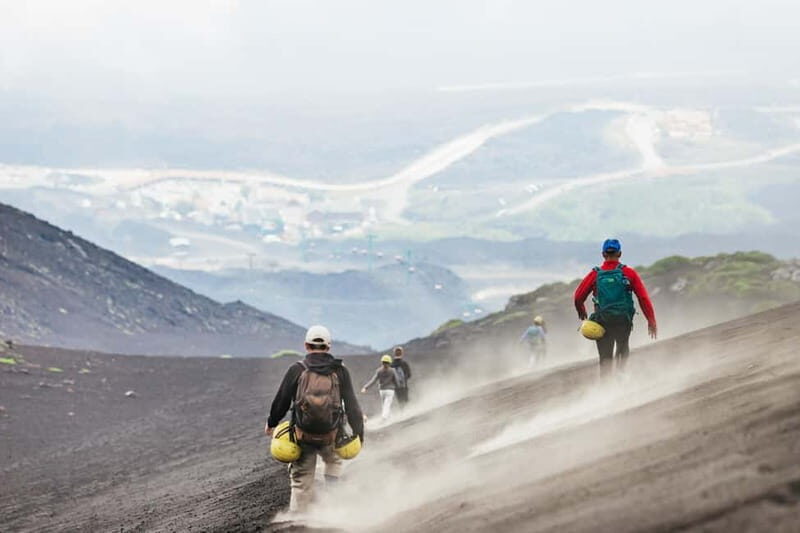
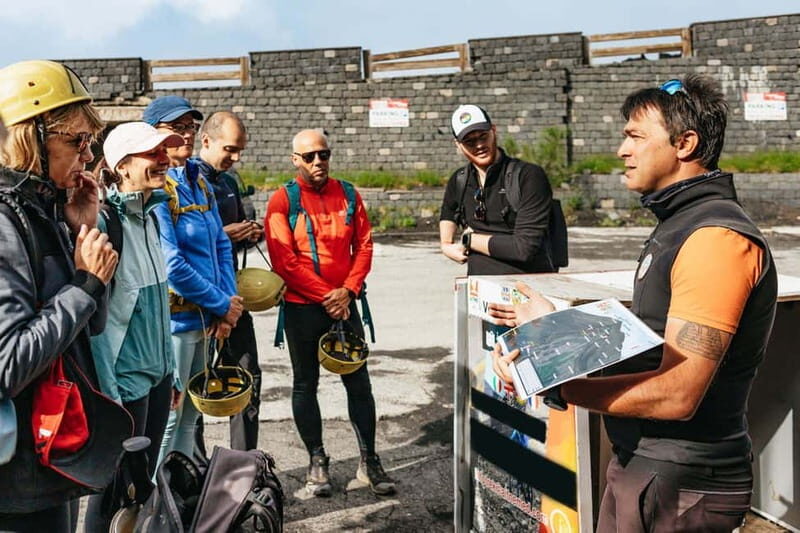
The day begins at La Terrazza Dell’Etna, where you meet your guide and get a trek briefing before moving toward the cable car. This part matters more than it sounds. On Etna, the terrain isn’t a simple trail walk, and the guide’s plan helps you walk with confidence instead of guessing.
You’ll also hear the rules that make this safer. A big one: contact lenses are forbidden because volcanic ash can get into your eyes. If you wear contacts, bring glasses instead. And if you get nervous in exposed areas or wind, take it seriously early—your guide is the one deciding what’s safe.
Expect a medium-fit hiking day. You should be comfortable walking on sand and rock even when there aren’t clear paths, and some sections can feel exposed. This isn’t a casual stroll, but it also isn’t marketed as technical mountaineering.
You can also read our reviews of more guided tours in Catania
Cable Car to 2,500m: The 20 Minutes That Change Everything
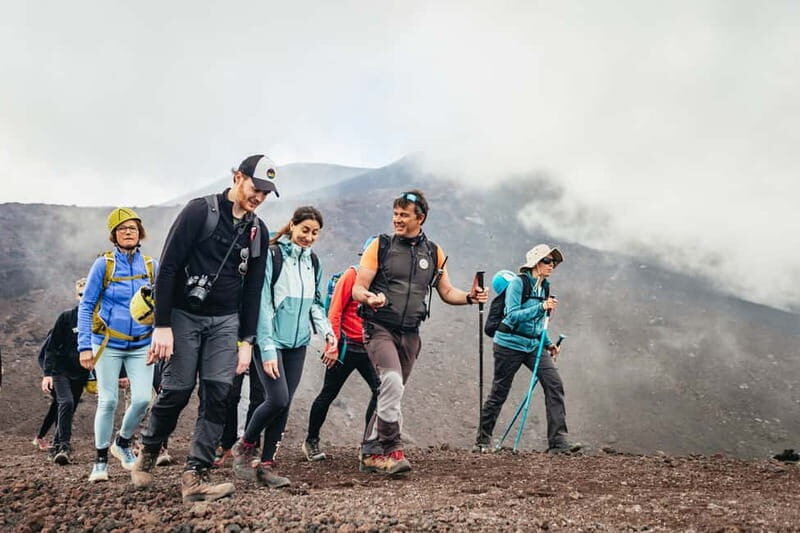
The itinerary has a cable car stop of about 20 minutes, and the payoff is big. You’re not spending the entire day climbing from the valley floor. Instead, you rise to around 2,500 meters, which means your effort mostly goes toward the summit craters where the views hit hardest.
Practically, this also helps with energy management. At altitude, breathing and stamina feel different. Starting higher lets you spend more time at the dramatic volcanic zones and less time grinding uphill.
One more thing: the cable car ticket situation is worth double-checking in your booking details. The activity info says the cable car ticket is included, but it also states you may need to pay the cable car ticket on site (around 50 EUR). Either way, you’re set up to avoid the worst of the lines, which is exactly what you want when weather can change fast.
Trek to the 3,000m Summit Craters: Lava Fields, Old and New
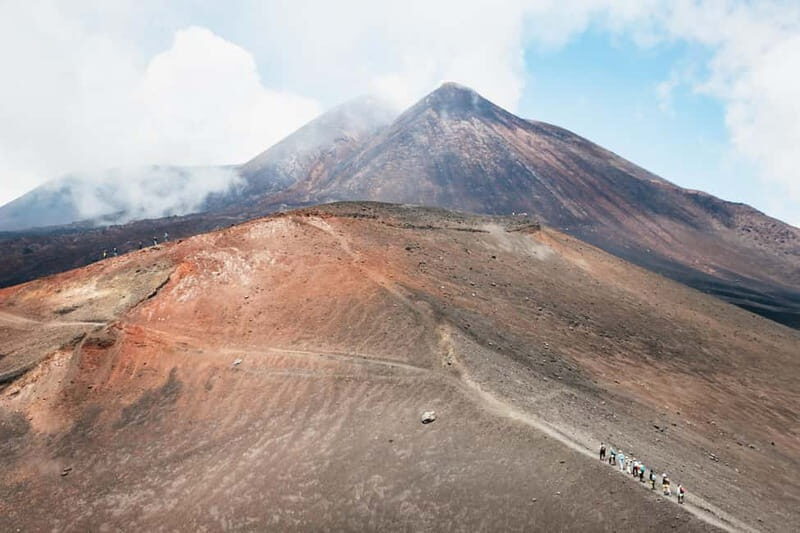
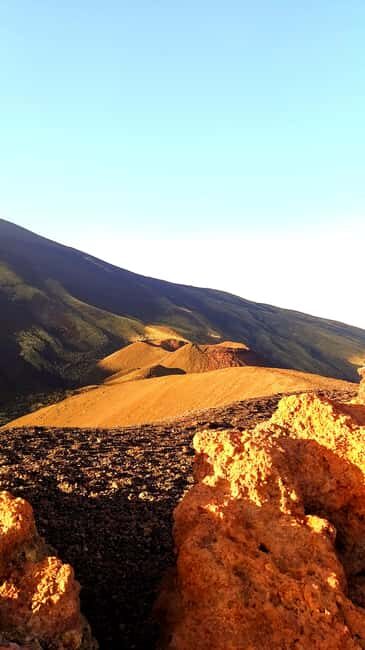
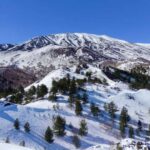
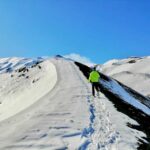
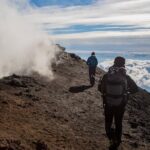
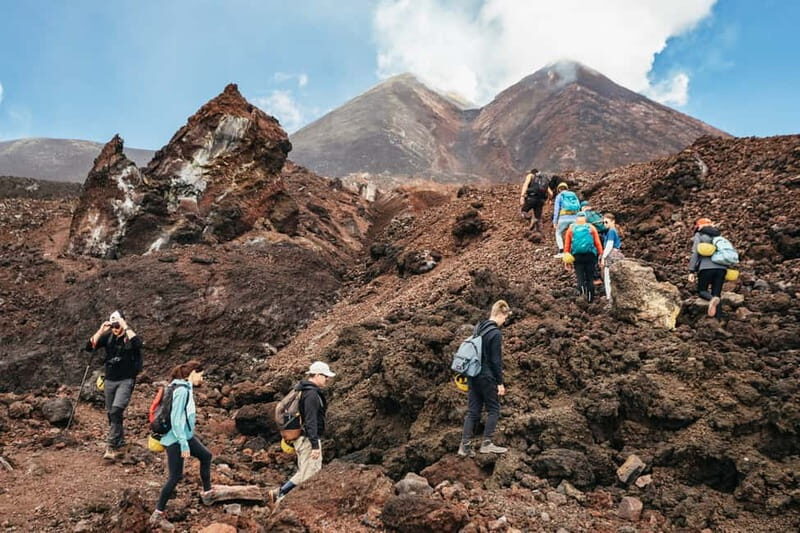
After you disembark at about 2,500 meters, the real hike starts. You’ll move toward the summit craters, crossing otherworldly volcanic landscapes and passing areas linked to old and recent lava flows. This is one of those “you are walking through geology” days.
The hike is split into two main segments in the schedule—about 2 hours and then about 1.5 hours—which helps the pacing. Your guide keeps the group moving while also watching footing and conditions, especially in places with sand, rock, or exposed stretches.
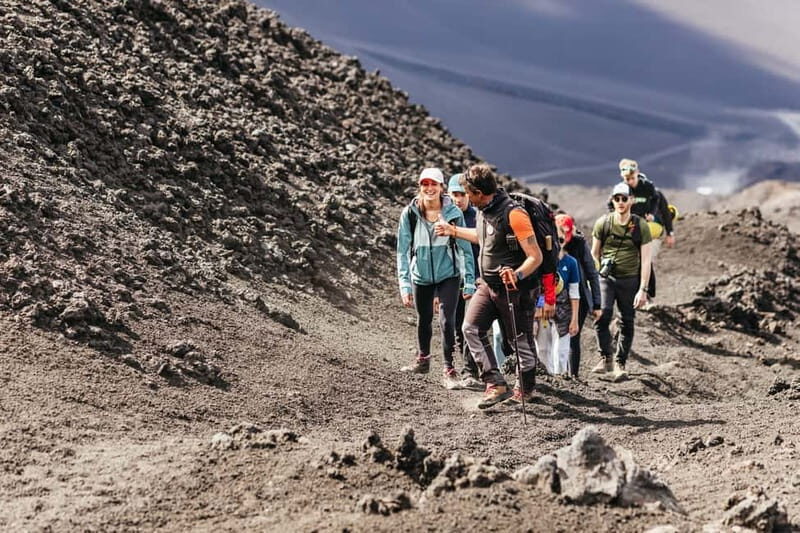
This is also where the volcanologist guide earns their keep. Instead of generic facts, you get explanations that connect what you’re seeing—lava textures, ash, and how Etna behaves—to the bigger story of the volcano. Guides like Luca are repeatedly praised for making the day both informative and fun, not stiff or lecture-y.
What to watch for during the climb:
- Wind can rise fast at higher elevations.
- Volcanic gases and fumes can drift depending on airflow.
- Some ground can be loose, so your poles (provided) and high socks make real differences.
The Summit Craters Experience: Views, Crater Edges, and Fuming Activity
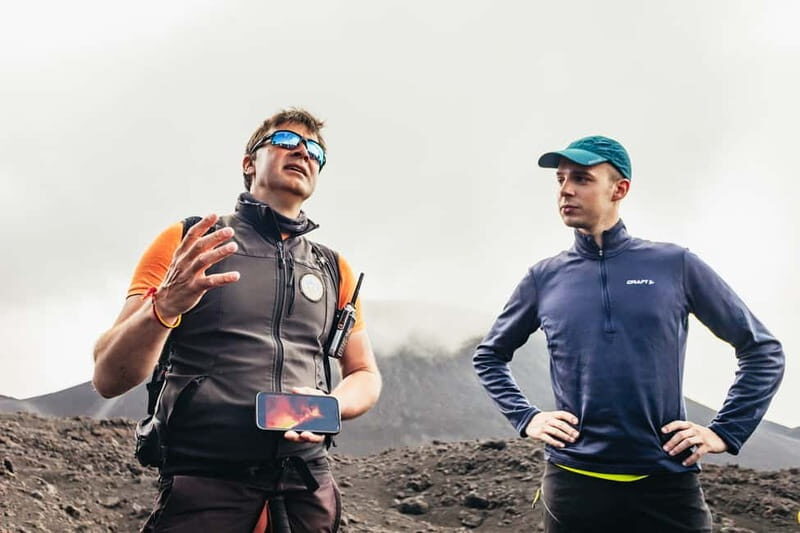
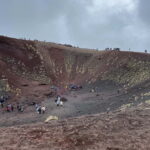
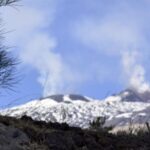
Reaching the summit crater base is where the trip changes from hiking to pure awe. You get rewarded with breathtaking views of Etna’s volcanic surroundings from above, and then you keep moving so you actually see more of the crater zone instead of stopping at a single point.
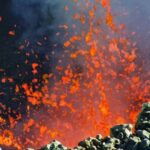
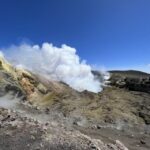
One of the biggest named moments is the 2001 Crater stop at about 2,700 meters. It still fumes to this day. That matters. This isn’t just a scenic crater. It’s an active reminder that Etna is not a fossil volcano—it’s working.
From the reviews, you can also get a sense of how much weather can affect the experience. When conditions cooperate, it’s possible to see a lot from crater edges and around the crater area. When wind gets intense, you might get less “circle the whole view” time than you hoped, even though you still reach the key areas.
Here’s how to make the most of it either way:
- Wear warm layers even if the lower altitude feels mild.
- Bring something to protect your nose and mouth if gases blow your way.
- Keep your eyes on your footing first, then lift your head for the views.
Descent to 2,500m and a Lunch Break That Helps You Reset
After the summit-area time, you begin the descent back toward 2,500 meters. The itinerary includes a break on the way for lunch, but lunch is not included, so you should pack a lunch from home or buy one before you start.
This is another subtle benefit of the tour structure. You hike up, reach the crater areas, then come down with a planned reset instead of scrambling for food at the worst possible time. After altitude, refueling matters.
Descent can be tougher on the body than the climb. Your knees do the work while you focus on staying stable on rock and sand. The trekking poles help here, and the guide’s pacing helps keep the group from rushing into sloppy steps.
Then you return toward the starting point, with the day ending back at La Terrazza Dell’Etna.
You can also read our reviews of more hiking tours in Catania
What to Pack for Etna: Windproof Layers and Ash Rules
You’ll have a better day if you think like this: “I’m hiking in a place that’s cold, windy, and dusty in weird ways.”
From the provided guidance, bring:
- Sunglasses
- Hiking shoes
- Sunscreen
- Warm clothing
Extra practical add-ons based on what people found helpful:
- High socks and long pants that cover the top of your boots, so pebbles and ash don’t work their way in.
- A windproof layer. At altitude, wind can make a chilly day feel brutal fast.
- Gloves and a hat for exposed sections.
- An extra T-shirt plus long trousers and a warm pullover/anorak.
One more rule you should treat as non-negotiable: you can’t use contact lenses due to volcanic ash. If you wear contacts, swap to glasses before you arrive.
Gear the tour provides (and why that helps)
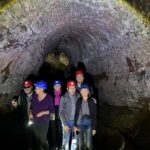
Helmets and trekking poles are included. That’s not just a checkbox. On loose volcanic terrain, poles can stabilize your stride, and helmets add peace of mind when you’re moving across changing ground.
Some guides may also help with extra comfort gear, like loaning warm layers or shoes, but don’t assume it. Plan your packing list as if you’ll have only what you bring.
Guide Quality on Etna: Why Luca and Other Guides Get Praised
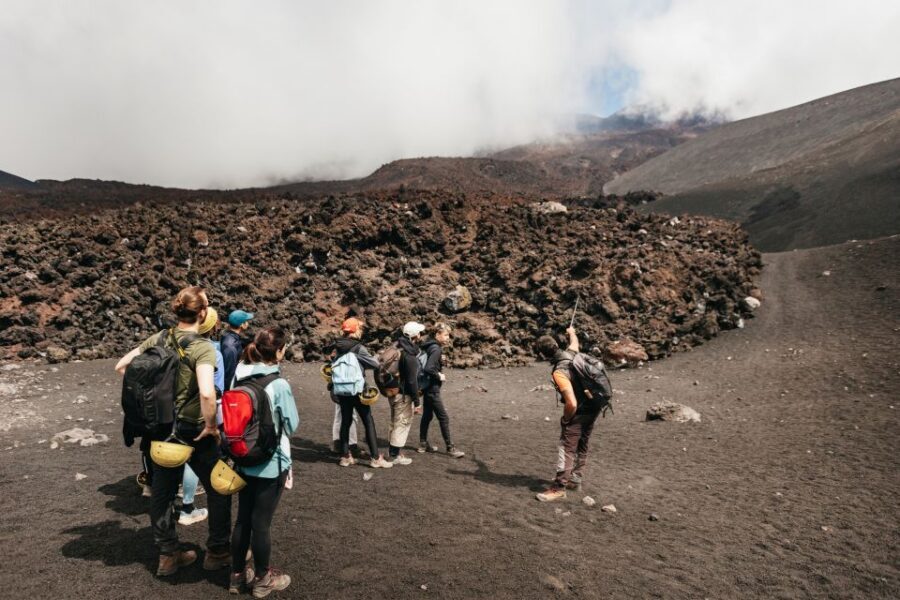
This trek stands or falls on the guide, and here the feedback is consistently positive. Guides such as Luca are repeatedly mentioned for being funny, knowledgeable about volcanoes, and good at adjusting the pace for mixed groups.
That mix is common on Etna. People are drawn to the summit, but their fitness levels vary. A good guide keeps the hike moving without leaving weaker walkers behind. One review also called out how the guide adjusted the route when conditions changed, including taking a new path after a recent explosion.
Another helpful thing: guides focus on safety and explain what you’re stepping on. When you understand what type of ground you’re crossing—lava, ash, sand-like surfaces—you walk more confidently and enjoy the day more.
If you want the trip to feel meaningful, pick a day with weather that supports visibility. And then listen when the volcanologist guide points out how the mountain works.
Who This Tour Fits (and Who Should Skip It)
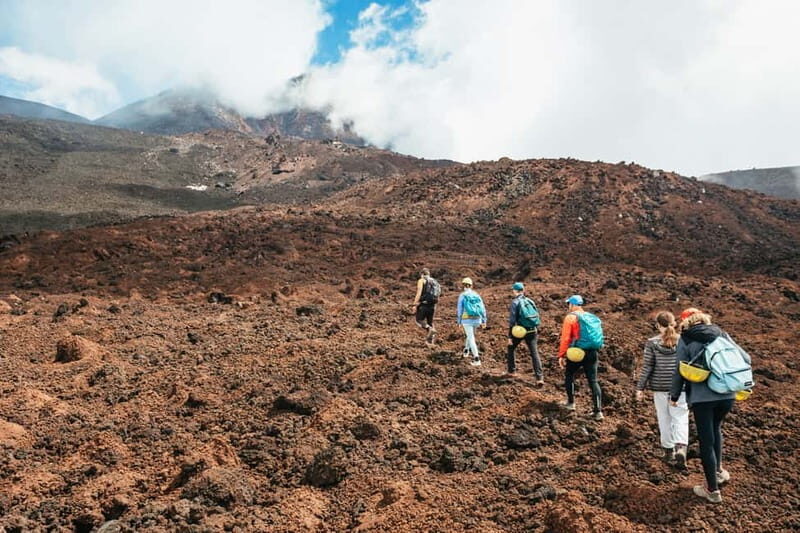
This isn’t for everyone. The tour is described as suitable for people with medium physical training who are accustomed to walking on sand and rock when there are no trails, and who can handle exposed sections.
It’s not suitable for:
- Children under 10
- Pregnant women
- People with mobility impairments
- People with heart problems
- People with vertigo
- People with respiratory issues
So if you have breathing limitations or you get easily unsettled by heights and exposure, you’ll likely be happier with a different Etna experience.
If you’re healthy, steady on your feet, and you can dress for cold wind and possible fumes, this is exactly the kind of tour that makes the volcano feel real.
Cost and Value: What Your $113.29 Is Really Buying
The listed price is about $113.29 per person, with a 6-hour duration. On paper, that sounds straightforward. The better question is what’s bundled.
Included:
- A guide
- Helmets
- Trekking poles
- Cable car ticket (listed as included, but see note below)
- Insurance
Not included:
- Hotel pickup and drop-off
- The cable car ticket may require payment on site (around 50 EUR, based on the activity notes)
- Lunch
So the value isn’t just “you get a viewpoint.” You’re paying for a volcanologist-led summit trek with safety gear and planned altitude time. Cable car access also reduces the hardest climb, letting the hiking concentrate on the crater zone.
About the ticket note: because the information includes both “ticket not included” and “ticket included,” I’d treat it as a reason to confirm your exact confirmation details before you go. The practical goal is the same either way: get your group up without wasting time in ticket lines.
Should You Book This Etna Summit Trek?
Book it if you want the real Etna experience—summit craters, active volcanic features like the 2001 Crater, and a volcanologist guide who helps you understand what you’re seeing as you walk.
Skip or choose a different option if:
- You have vertigo, respiratory issues, heart problems, or mobility challenges.
- You’re not comfortable hiking on sand and rock with some exposed sections.
- You can’t handle cold wind at altitude or you’re not willing to follow the no-contact-lenses rule.
One last decision tip: if you’re going to do only one Etna activity, this is one of the best ways to “earn” the summit. If you’re going to do two, pair it with a lower-altitude or museum-style option on a second day, so you’re not betting your whole plan on one weather window.
If your body is ready and you pack for wind and ash, this trek is the kind of day that sticks.
FAQ
How long is the guided Etna summit trek?
The total duration is about 6 hours.
What altitude does the tour reach?
The trek goes up to the summit craters around 3,000 meters. The cable car brings you up to about 2,500 meters, and there’s also a stop at the 2001 Crater at around 2,700 meters.
Is the cable car ticket included?
The activity info lists a cable car ticket as included, but it also notes that a cable car ticket may need to be paid on site (about 50 EUR). Check your booking confirmation so you know what applies to your exact date.
What is included in the price?
Included items are the guide, helmets, trekking poles, the cable car ticket (see note above), and insurance.
What costs are not included?
Hotel pickup and drop-off are not included. Lunch is not included, and the cable car ticket may require payment on site depending on your confirmation.
Which languages are offered for the live guide?
The live guide is available in English and Italian.
What should I bring?
Bring sunglasses, hiking shoes, sunscreen, and warm clothing. Also plan for a 10 to 20-liter backpack, at least 1.5 liters of water, a snack, and a packed lunch.
Can I wear contact lenses?
No. Contact lenses are forbidden due to volcanic ash carried by the wind.
Is this tour suitable for children or people with health issues?
It’s not suitable for children under 10. It also is not suitable for pregnant women, people with mobility impairments, people with heart problems, people with vertigo, or people with respiratory issues.
What is the cancellation policy?
You can cancel up to 24 hours in advance for a full refund.
If you tell me your travel month and fitness level (easy, medium, or hard hikes), I can help you decide whether Etna summit day is a good match or a good idea to swap for a gentler option.