REVIEW · CATANIA
CASA NEPETA: Botanical Walk, Amari Production, and Tasting
Book on GetYourGuide →Operated by NEPETA SRL · Bookable on GetYourGuide
Sicily’s bitters start in the garden. At Casa Nepeta, I really liked the botanical walk where you collect and smell the local herbs, and I also enjoyed the hands-on feel of seeing how those plants become bitters and amari.
You’ll get a clear, friendly explanation from the host (Nicole is named by guests) and then finish with tastings that let you try the flavors your way.
The only drawback to plan around: the tour is short at 2 hours, and transportation isn’t included. If you’re farther out in eastern Sicily, you’ll want to sort your own ride so you don’t miss the start time.
In This Review
- Key things to know before you go
- Casa Nepeta in Testa dell’Acqua: what this 2-hour bitter class feels like
- The botanical walk: collecting nepitella, marjoram, and wild thyme
- The production tour: how bitters turn into amari
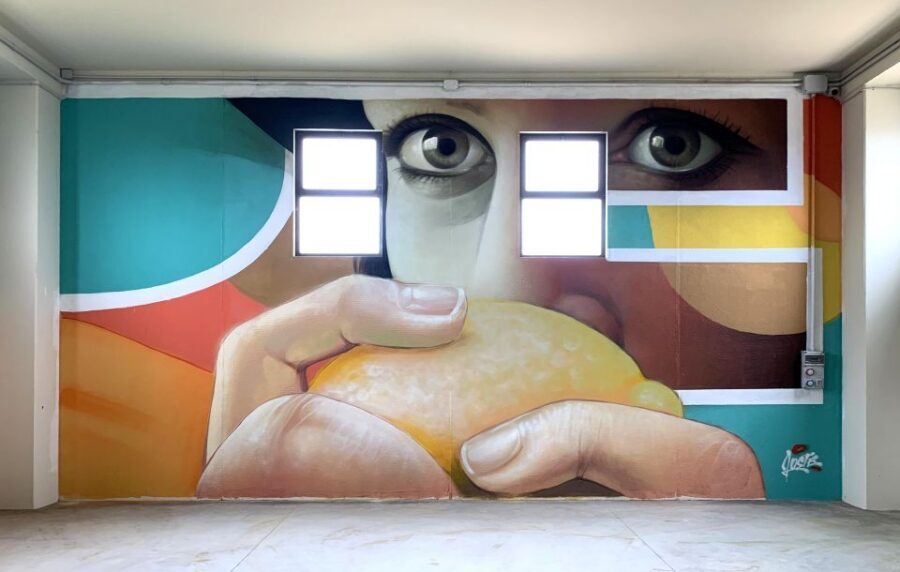
- Loste’s mural inside the factory: street art meets Sicilian spirits
- Tasting session: neat, on ice, and botanical cocktails
- Price and value: is $58 worth 2 hours of bitters and plants?
- Who this tour suits best (and who might want a different plan)
- Practical tips that make a real difference
- Should you book Casa Nepeta’s Botanical Walk, Amari Production, and Tasting?
- FAQ
- How long is the Casa Nepeta bitter and tasting experience?
- Where does the activity take place?
- What does the tasting include?
- Which herbs are featured during the botanical walk?
- Is the tour wheelchair accessible?
- What languages are available?
- What should I bring?
- Is there a cancellation option?
Key things to know before you go
- Collect and smell herbs right in the aromatic field tied to the Iblean territory
- Specific amari from specific plants: nepitella (Nepèta), marjoram (Majora), wild thyme (Timous)
- A real factory tour that explains the bitter-making process, not just marketing talk
- Loste’s mural inside the walls that links the site to Palermo street art
- Tasting options: neat, on ice, and in botanical cocktails
- A memorable finale guided by passion, with guests noting both drinks and some bite-size accompaniment
Casa Nepeta in Testa dell’Acqua: what this 2-hour bitter class feels like
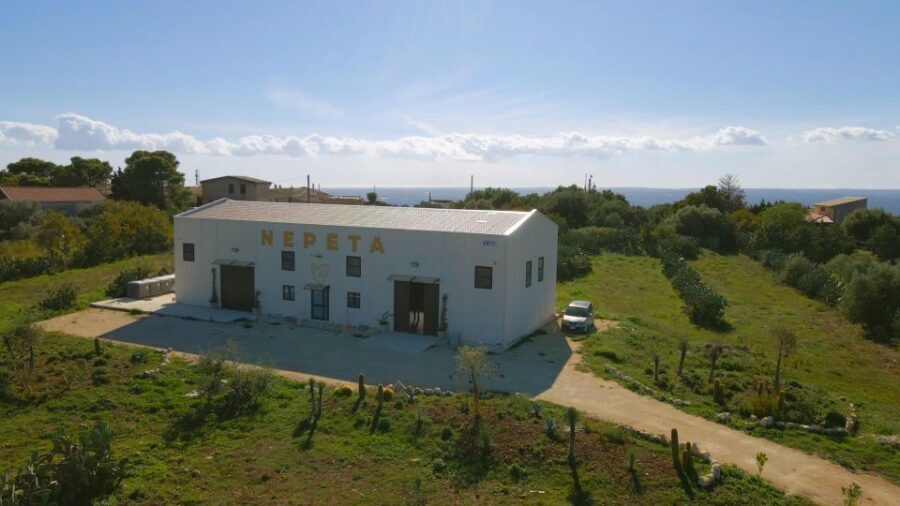
If you like your Sicily with fewer souvenir speeches and more hands-on senses, this is a strong pick. Casa Nepeta is set up for people who want to understand bitters from the ground up: plants first, then process, then tasting. The whole experience runs about 2 hours, so the pace is friendly but focused. You’re not lingering for long meal breaks, and that’s part of the charm.
What I like most is that it’s not just “try a few sips.” You walk in an herb-growing area and learn what they’re using and why. Then you step inside the factory and see the murals on the interior walls by street artist Loste. Finally, you taste their amari neat, on ice, or as part of a botanical cocktail—so you can pick the style that matches your palate.
The practical upside: for $58 per person, you’re buying a guided botanical walk plus a production walkthrough plus a structured tasting. In other words, you get education and payoff, in one compact block of time.
You can also read our reviews of more walking tours in Catania



The botanical walk: collecting nepitella, marjoram, and wild thyme
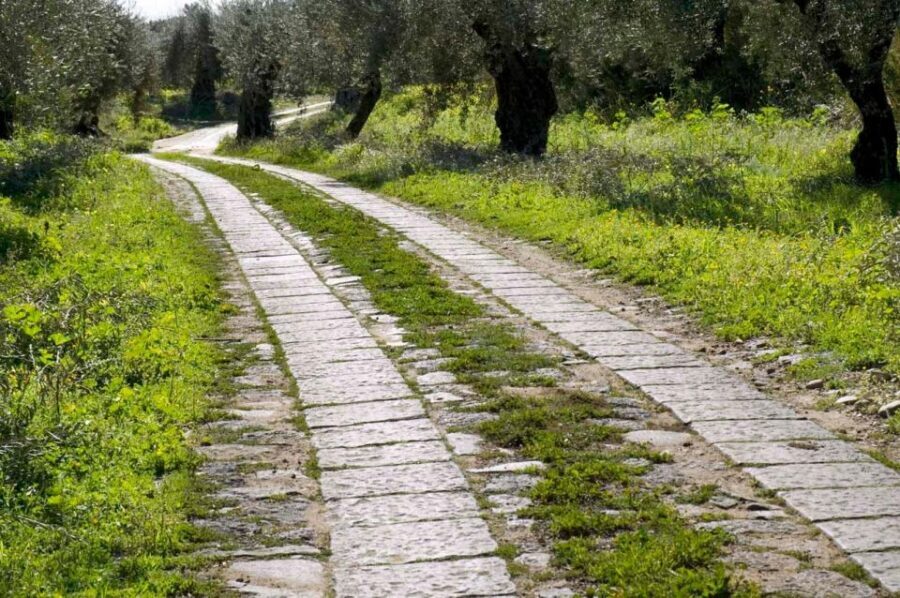
The visit starts with a guided botanical walk in the field where the factory grows aromatic herbs typical of the Iblean territory. This matters because bitter liqueurs are built around plant character. You’re not just hearing about flavor; you’re seeing where the ingredients come from and getting a chance to smell them up close.
Here’s what you’ll connect with during the walk:
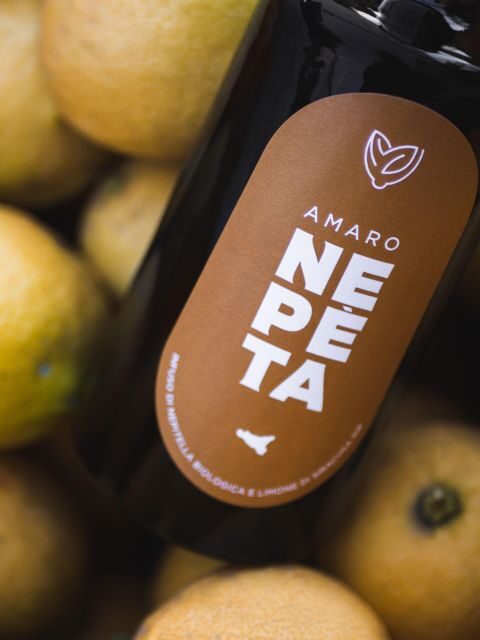
- Nepaetella (nepitella) is linked to their Nepèta liqueur. You’ll learn about how the plant’s properties fit the final profile.
- Marjoram becomes their Majora.
- Wild thyme is used for Timous, which is described as a sugar-free Amaro.
You also get a hands-on element that most tastings skip: you can collect and smell the herbs and plants used for the bitters and amari. The tour says you take them with you, which is a small detail but a big deal for memory. Smell is powerful, and this gives you an extra way to remember what you liked—and what you didn’t—later when you’re back home deciding what else to buy.
A tip: wear comfortable shoes. You’re walking in a growing area, and the tour is built around getting close to the herbs, not just posing for photos.
The production tour: how bitters turn into amari
After the walk, you move into the liquor factory and see the production process for bitters. The emphasis here is on the logic of the craft: which herbs go in, how the bitter base is made, and how that work connects to the specific finished liqueurs you’ll taste at the end.
This is where the experience becomes more than a scenic stop. Bitters can taste simple at first glance—bitter, herbal, strong—but the real differences come from plant choice and handling. The tour framework is designed to explain that in plain terms, so you can understand why Nepèta, Majora, and Timous don’t all taste the same even though they come from related aromatic traditions.
One more practical plus: the tour blends learning with a guided tasting plan. You’re not left wondering what you just watched. By the time you enter the final phase, you already know which plants you’re tasting and what to look for in each amaro.
Loste’s mural inside the factory: street art meets Sicilian spirits
Inside the factory, don’t rush past the walls. The tour includes time to admire a mural by the famous street artist Loste. It’s described as covering internal walls, and it’s connected to Loste’s work in Palermo—specifically a mural created there for Falcone and Borsellino.
Why this matters for your experience: it gives the visit texture beyond the liquid-making. This is a working production space with art inside it, so you get a sense of the place as a culture point, not just a tasting room. It also makes for a great “pause and look” moment when your brain shifts from plants to process.
If you like travel days that feel like more than checklists, this mural detail adds a memorable visual anchor.
Tasting session: neat, on ice, and botanical cocktails
The finale is the part most people come for, and it’s built to be flexible. You get to taste the liquors neat, on ice, or in botanical cocktails. That last option is important because bitters and amari can taste very different when they’re mixed. Neat tends to show the full herbal bite and strength. On ice can soften the edges and highlight the aromatic lift. In a botanical cocktail, you’ll often taste more balance and drinkability.
You’ll also recognize the amari by the plants you learned about earlier:
- Nepèta connects to the nepitella focus
- Majora connects to marjoram
- Timous connects to wild thyme and is sugar-free, which makes it interesting if you’re watching sweetness
This is where the best reviews hint at what to expect emotionally. One guest (Fabio Rocco) praises the way the amari avoid unnecessary complexity with too many herbs, calling them perfect and noting the passion shared during a short stroll through the company’s herb garden. Another guest (Andrew) highlights host Nicole’s honesty and passion, plus a tasting experience that includes both amari and some accompanying eats.
So if you’re the kind of person who wants to understand what makes a bitter taste “right,” this tasting isn’t just consumption. It’s structured, with your earlier herb knowledge acting like context.
You can also read our reviews of more food & drink experiences in Catania






Price and value: is $58 worth 2 hours of bitters and plants?
Let’s talk money plainly. At $58 per person for about 2 hours, you’re paying for a full package: guided botanical walk, a guided production process tour, and a guided tasting that includes multiple serving styles (neat, ice, botanical cocktails). Transportation isn’t included, but those are exactly the pieces you’re buying—local guidance, access to the factory area, and tastings tied to the plants you learned.
If you compare this to doing a “drive up, try a few sips, leave” kind of stop, the value here comes from structure. You’re guided through the ingredient-to-bottle chain. You also get the extra sensory souvenir—collecting and smelling the herbs—plus a visual standout in the Loste mural inside the building. Those aren’t heavy add-ons; they’re part of how the tour builds meaning.
Who gets the best value?
- People who enjoy amari but want to learn what’s behind the flavors
- Coffee-and-wine nerds who like botany, herbs, and how plants translate into taste
- Travelers who want a short, satisfying activity that doesn’t require a whole day off
Who this tour suits best (and who might want a different plan)
This tour fits best if you like:
- Hands-on herb experiences (smell, collect, learn)
- A guided tour that takes a drink seriously
- An intimate feel where you can ask questions and follow the logic from field to factory to glass
It might be less ideal if:
- You’re hoping for a long scenic day with a big meal break
- You want lots of free time for wandering without a schedule
- You don’t want to do any walking at all (you still get some outdoor time, and comfortable shoes matter)
Also, the host availability includes Italian, English, and Spanish, so language access is good. If you’re traveling as a mixed-language group, this kind of tour tends to work well.
Practical tips that make a real difference
A few small things can make your time smoother:
- Bring comfortable shoes. Even if the walk isn’t described as difficult, you’ll be on your feet.
- Pack a camera if you want to capture both the herb field setting and the interior Loste mural.
- Stay hydrated. Bring a water bottle, especially on warm days.
- Dress for the weather. The guidance is to wear weather-appropriate clothing.
- Plan your own transportation to Testa dell’Acqua. That’s not included, so map your route ahead of time.
If you care about what to buy later, pay attention during tasting and take notes in your phone. The tour names the plants and the specific amari, so it’s easy to remember what you preferred once you’re tasting multiple styles.
Should you book Casa Nepeta’s Botanical Walk, Amari Production, and Tasting?
I’d book it if you want a compact Sicilian experience that teaches you something real and ends with a tasting that feels purposeful. This is the kind of tour where the field walk gives context, the factory explains process, and the tasting lets you experience the flavors in multiple formats—neat, ice, and cocktails.
Skip it only if you strongly prefer long seated meals, or if you don’t want any walking or on-location time outside. Otherwise, $58 for 2 hours feels fair for what you’re getting: access, guidance, herbs you can smell and take, a production tour, and an amaro-focused finale in the glass.
If your idea of a good day includes herbs, bitters, and a factory mural worth stopping for, this one is an easy yes.
FAQ
How long is the Casa Nepeta bitter and tasting experience?
It lasts about 2 hours.
Where does the activity take place?
It’s based in Testa dell’Acqua, Sicily, at a liquor factory run by NEPETA SRL.
What does the tasting include?
You can taste the liquors neat, on ice, or in botanical cocktails.
Which herbs are featured during the botanical walk?
The experience highlights nepitella (for Nepèta), marjoram (for Majora), and wild thyme (for Timous).
Is the tour wheelchair accessible?
Yes, it’s described as wheelchair accessible.
What languages are available?
Host or greeter languages include Italian, English, and Spanish.
What should I bring?
Bring comfortable walking shoes and a camera. You should also stay hydrated and bring a water bottle.
Is there a cancellation option?
Yes. You can cancel up to 24 hours in advance for a full refund. You can also reserve and pay later.