REVIEW · CATANIA
Catania: Pozzo di Gaspare Farm Guided Tour with Tastings
Book on GetYourGuide →Operated by POZZO DI GASPARE · Bookable on GetYourGuide
One visit on this farm teaches more Sicily than you expect. You get to walk through Etna-area orchards and finish with an EVO oil tasting that feels like a meal. I also love that the guide stories are tied to real farming choices, from irrigation to water saving, not just pretty pictures—though the biggest drawback is simple: it’s a few kilometers from Catania, so you’ll want to plan transport.
The tour centers on Pozzo di Gaspare, a family-run property in Motta S. Anastasia (on a basaltic cliff) with groves that include blood oranges, olives, and almonds. You’ll see a working, hand-dug well and learn how the day-to-day work turns flowers and fruit into products you can taste at the end. The tasting can be the highlight, but it depends on the season and what’s in bloom—so plan timing if flowers matter to you.
Expect a clear, English-language guided visit led by the owner, Giuseppe Mazzone. The walk is about 2 hours, and the best months to catch the famous blooms are March through May (orange blossoms, olive flowers, and almond flowers).
In This Review
- Key Highlights You’ll Actually Notice
- Getting to Pozzo di Gaspare and What the 2-Hour Plan Really Means
- The Hand-Dug Pozzo di Gaspare Well: Why It’s More Than a Photo Stop
- Walking the Orchards: Orange, Olive, and Almond Without the Guesswork
- Blossoms and Farming Seasons: When March–May Changes the Whole Experience
- How EVO Oil Fits Into the Whole Farm Story
- The Tasting Table: EVO Oil, Blood Oranges, Cheeses, and Cured Meats
- Price Check: Does $41 Feel Worth It?
- Who Should Book This Farm Tour (and Who Might Not)
- Should You Book Pozzo di Gaspare? My Straight Answer
- FAQ
- How long is the Pozzo di Gaspare guided tour?
- What is included in the tour price?
- Where do I meet the guide?
- Does the tour include transportation from Catania?
- What languages are offered for the tour?
- What should I bring with me?
- When is the best time to visit for flowers?
- Is free cancellation available?
- Can I reserve now and pay later?
- What’s a good way to decide if the $41 price makes sense?
Key Highlights You’ll Actually Notice
- A hand-dug 18th-century well about 20 meters deep, still functioning with lava-stone galleries
- Zagara orange blossoms (March–May) plus olive and almond flower season in the same outing
- EVO oil tasting on the farm, paired with local cheeses and cured meats
- A working farm feel, including practical talk about irrigation and quality
- Giuseppe’s host style, with stories that link farming tradition to modern choices
Getting to Pozzo di Gaspare and What the 2-Hour Plan Really Means
Pozzo di Gaspare sits on the Catania plain a few kilometers outside the city, in Motta S. Anastasia territory. That location choice matters. You’re not just sightseeing—you’re stepping into a working agricultural landscape where orchards and infrastructure are the focus, not a museum display.
The tour itself is scheduled for about 2 hours, with an English live guide (Giuseppe Mazzone). There’s a clear rhythm: you arrive at the entrance gate, you walk and learn through the groves, and then you end with tastings. The “no transportation included” point is also important. I’d treat this like a small countryside outing: figure out a taxi or a ride so you’re not stressed about timing once you’re there.
If you care about seeing blossoms, this is the season-forward kind of experience. March through May is when you’re most likely to catch the white, fragrant Zagara orange blossoms, along with olive tree flowers and almond blossoms. Go outside that window and you’ll still learn the farm process—but you’ll miss that visual wow factor of spring bloom.
You can also read our reviews of more guided tours in Catania

The Hand-Dug Pozzo di Gaspare Well: Why It’s More Than a Photo Stop
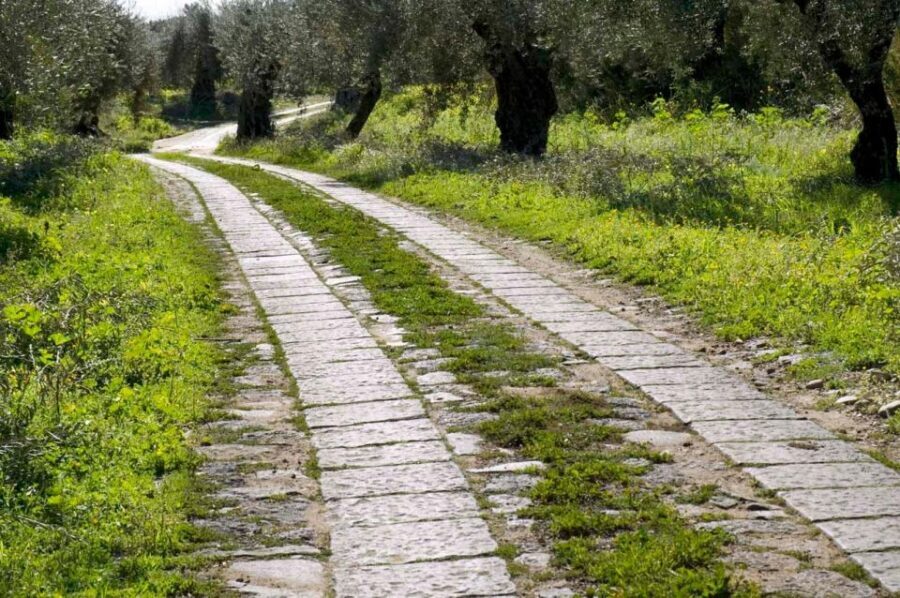
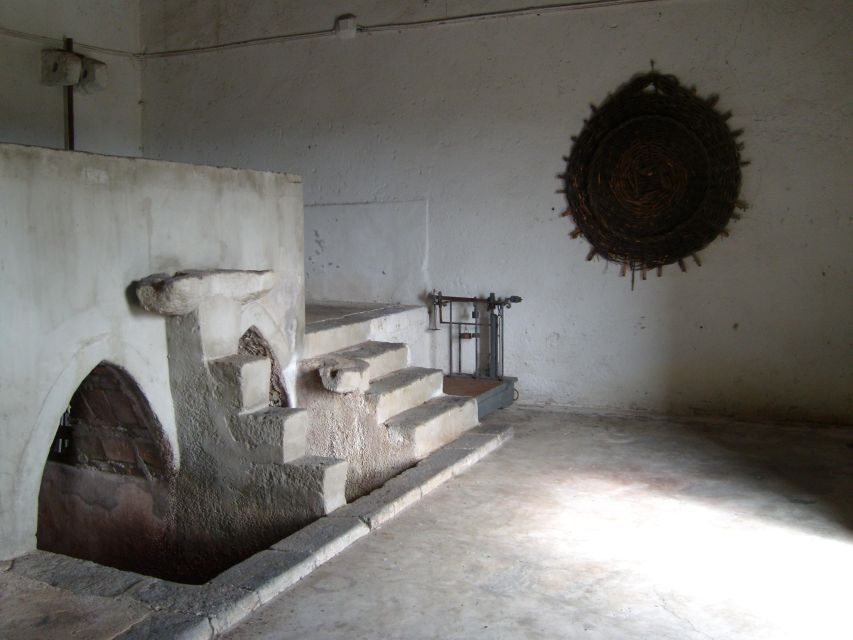
The farm’s name comes from its ancient well, which is still working and still feeding the property. This isn’t a modern fountain or a decorative feature. It was dug by hand at the end of the 18th century to supply water to the nearby farmhouse, which dates to the 18th century as well.
The well is about 20 meters deep and includes lava stone galleries inside. Seeing it is one of those “Sicily makes sense” moments: basalt ground, lava rock construction, water solutions that had to work with what nature offered. The guide’s explanation turns it from a cool structure into a timeline—how people solved a basic need long before today’s pumps and pipes.
In a lot of places, you’ll walk past history without it affecting the present. Here, the well is part of how the farm functions. Even if you’re not a hardcore history fan, it helps you understand why the agricultural approach—irrigation choices, water management, and careful timing—matters so much in this part of Sicily.
Walking the Orchards: Orange, Olive, and Almond Without the Guesswork
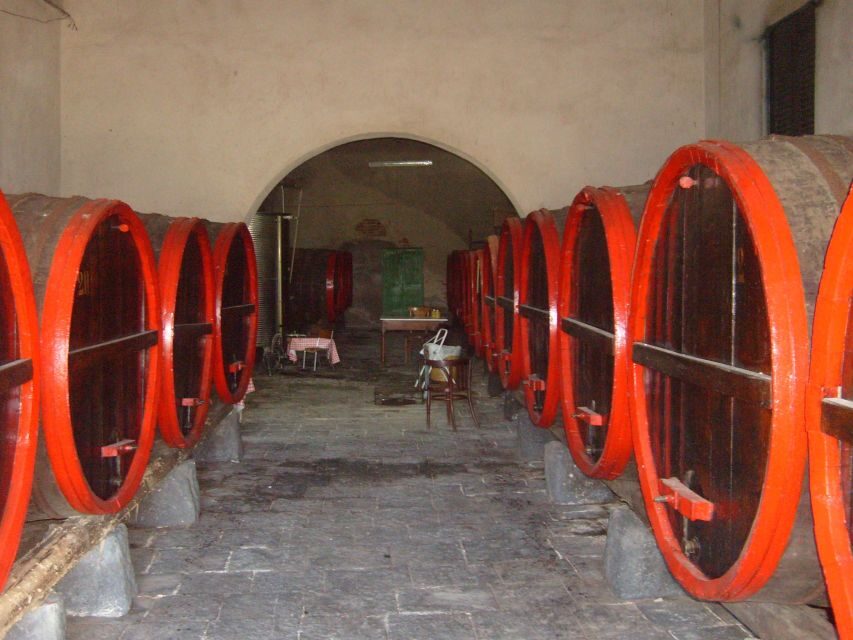
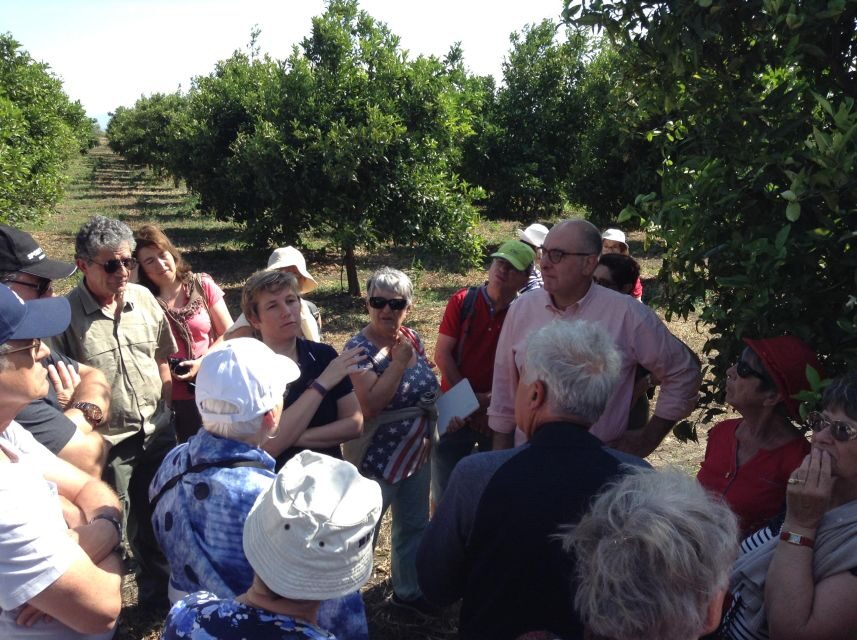
Your guided route moves through the heart of the property, which covers about 42 hectares. The tour is designed to connect the natural cycle to the production cycle. You start with what the trees are doing, and then you connect those stages to harvesting and the final products.
One of the best parts is the spring mapping of the groves. Between March and May, you can observe:
- Zagara orange blossoms (white and fragrant)
- olive tree blossoms
- almond flowers
That’s not just pretty. It’s a practical way to learn how timing shapes what you get. Fruit doesn’t appear by magic; flowers are the beginning of the harvest window. The guide also explains challenges and decisions that come with running a family business focused on quality, which gives you context beyond the farm walk.
You’ll also likely notice details that feel small but are actually big in agriculture. For example, you’re walking on real farm surfaces and through real work areas, not landscaped paths designed purely for visitors. That’s why comfortable shoes matter. Some sections can feel uneven, and in one review the farm’s magma stones were specifically mentioned—so keep your footing in mind.
Blossoms and Farming Seasons: When March–May Changes the Whole Experience
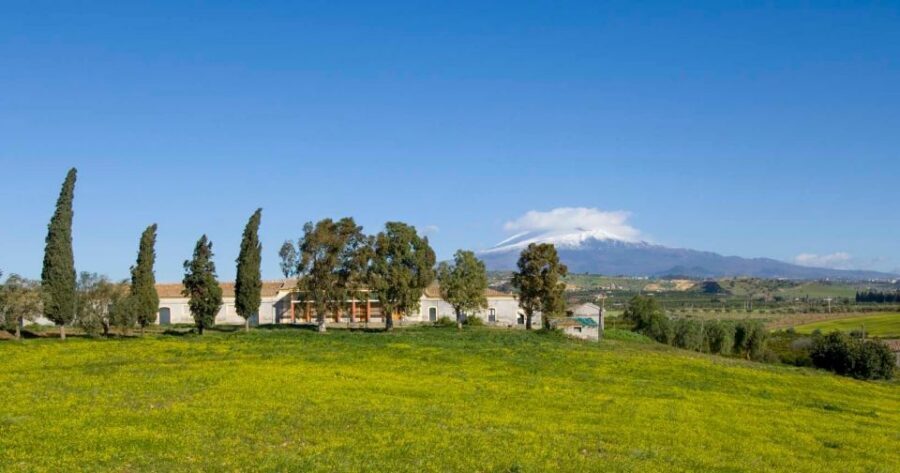
If you visit in peak bloom season, you’ll feel the farm’s calendar in a way that’s harder to get in other months. March through May is when the orchards are most alive with white blossoms—orange, olive, and almond at different stages.
I like this timing because it makes the tour easier to follow. You can see the cycle in front of you:
1) flowering happens
2) harvest planning follows
3) production turns fruit into oil and food products
Even if you can’t name every variety, the guide makes the differences tangible by connecting what you’re seeing to what the farm produces: extra virgin olive oil from Etna, blood oranges, and almonds.
If you’re visiting when it’s not blossom season, don’t automatically skip the tour. You’ll still learn the processes and you’ll still taste the products. Just know the visual spring show won’t be front and center.
How EVO Oil Fits Into the Whole Farm Story
Pozzo di Gaspare has produced extra virgin olive oil from Etna since 1943. That long production timeline is part of why the farm tasting feels credible: you’re not tasting something that arrives from somewhere else.
During the walk, you’re shown nature’s processes that lead to the final products, from blossoming to harvest. Then the EVO oil tasting brings that theory into something you can taste right away.
The oil itself is the centerpiece. You’ll sample the farm’s extra virgin olive oil, and the pairing matters because it changes how you experience flavor. Reviews mention bread and simple olive oil tastings where the oil’s character comes through with minimal distractions. That’s a smart approach because it teaches you what to pay attention to—freshness, bitterness, fruit notes—without turning it into a complicated class.
One more thing I found useful: the guide talks about both tradition and modern practice. In reviews, Giuseppe explained historic irrigation systems and also newer methods aimed at minimizing water loss, plus plans for solar power. That blend is exactly why this farm tour is more than a walk with snacks. It’s a snapshot of farming decisions in real time.
You can also read our reviews of more tours and experiences in Catania
The Tasting Table: EVO Oil, Blood Oranges, Cheeses, and Cured Meats
The tastings come at the end of the tour, and they’re built around what the farm produces. Expect farm-made EVO oil plus local foods like cheeses and cured meats. The details can vary with season, but the overall structure stays consistent: oil first, then the farm’s food pairings.
From multiple experiences, the tasting commonly includes elements like:
- fresh bread (often ciabatta) paired with EVO oil
- olives
- a blood orange salad (often described as a standout highlight)
- cheeses and cured meats, sometimes including things like smoked cheese and marmalade pairings
This is the part where you learn quickly. If you taste blood orange and then look back at the orchard walk, the experience clicks. Citrus flavor becomes a result of variety, timing, and growing conditions—not a random fruit you grab at a market.
If you’re the type who likes food with a story, pay attention to the guide’s explanations while you eat. The conversation tends to be casual but informed. In reviews, people specifically praised Giuseppe for hosting and talking in a way that makes the tasting feel like part of the farm day, not a separate performance.
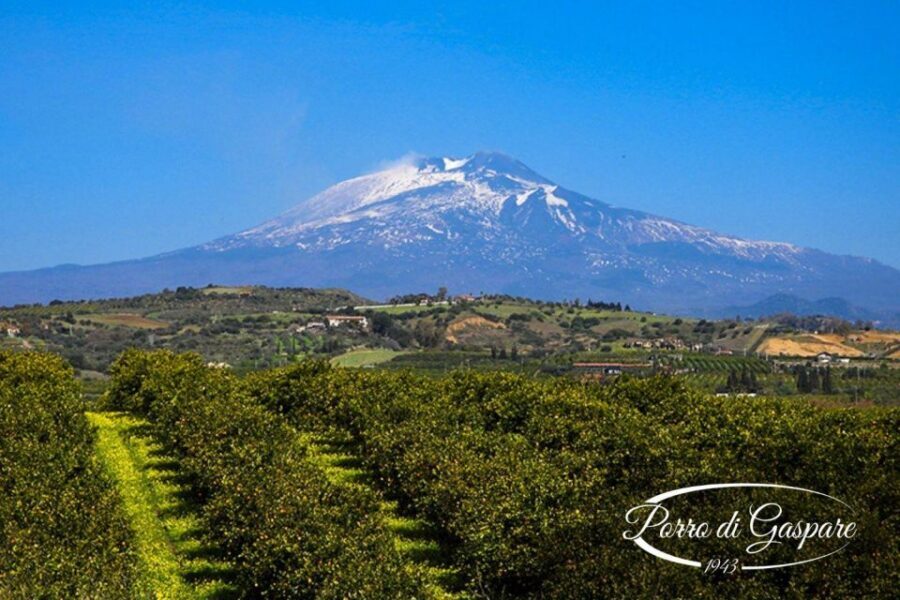
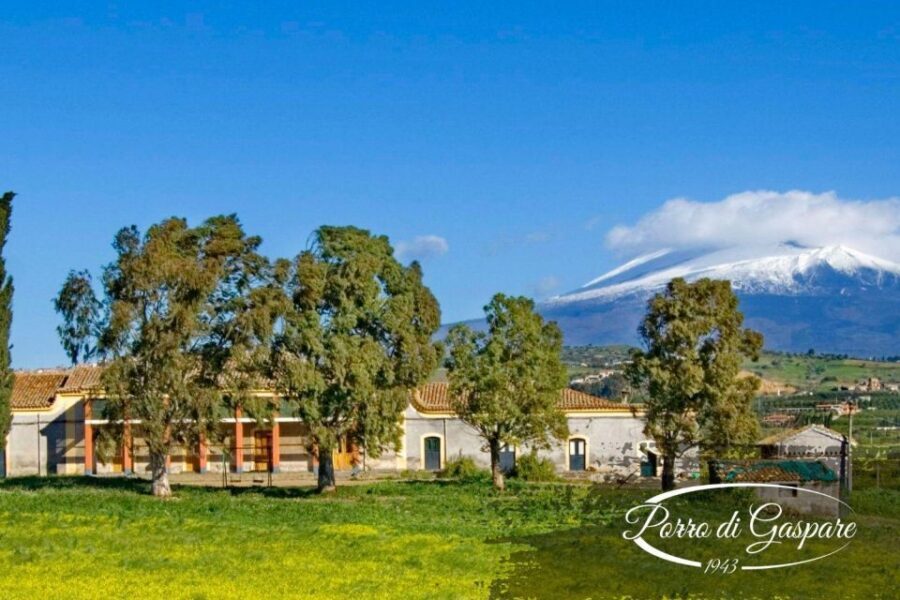
Also note the practical side: you’ll want to wear sun-protective gear. A hat and sunscreen are recommended for a reason—this is outdoor time plus a food finish. Bring a camera too. The well and farmhouse views, plus the orchard scenery with Etna in the distance on clear days, are part of the memory you’ll likely want to keep.
Price Check: Does $41 Feel Worth It?
At $41 per person for about 2 hours, this isn’t a bargain like a free festival. It also isn’t an inflated “you’re paying for a photo” situation. The value comes from a few concrete pieces working together:
- a working farm setting (42 hectares, long production history)
- a guided visit in English led by the owner, Giuseppe Mazzone
- access to an ancient, functioning well and farmhouse structures
- a real EVO oil tasting, plus cheeses and cured meats
If you’ve done other countryside food tastings, you’ll recognize the difference between a quick sampler and a guided walk that makes the tasting make sense. Here, the walk explains what you’re eating. That’s what helps the price feel fair.
The one cost you should mentally plan for is transport to the farm. Transportation isn’t included. If you’re staying in Catania, factor in taxi time and cost so the total experience still fits your budget.
Who Should Book This Farm Tour (and Who Might Not)
This tour is a strong fit if you:
- want an agricultural experience that connects orchards to the food on your plate
- like learning from the person running the operation (Giuseppe is hands-on)
- care about spring blossoms and the March–May flowering cycle
- enjoy EVO oil tastings paired with local cheeses and cured meats
It may be less ideal if you:
- hate outdoor walking or uneven ground (bring proper shoes)
- need an easy city-style schedule with no transport planning
- are traveling in months with little to no bloom, if flowers are your main goal
One funny practical note from reviews: geese can be around the farm paths. Don’t panic—just keep an eye on where you step and where you walk, like you would anywhere animals share the area.
Should You Book Pozzo di Gaspare? My Straight Answer
Yes, I think you should book it—especially if you’re in Catania with a food-first mindset and you want something more real than a generic tasting room. The hand-dug well, the orchard walk across orange/olive/almond cycles, and the EVO oil tasting all fit together. You end the outing with flavors you can connect to what you saw on the ground.
Book it now if:
- you’ll be in Sicily during March through May
- you want an English-led, owner-guided experience
- you value quality and practical farming talk, not just entertainment
Skip or reconsider if:
- you can’t handle the outdoor walking time
- you don’t want to plan transport outside the city
- your visit is outside the bloom season and you’re only coming for spring flowers
FAQ
How long is the Pozzo di Gaspare guided tour?
The tour lasts about 2 hours.
What is included in the tour price?
You get a guided farm tour, tastings of the farm EVO oil and local cheeses and cured meats, plus observation of the blossoming on the trees and a look at the ancient well and farmhouse.
Where do I meet the guide?
Meet at the entrance gate to the farm.
Does the tour include transportation from Catania?
No. Transportation to and from the farm is not included.
What languages are offered for the tour?
The tour is available in English.
What should I bring with me?
Bring comfortable shoes, a hat, a camera, and sunscreen.
When is the best time to visit for flowers?
March through May is the best time to see the blossoms, including orange blossoms and flowers on the olive and almond trees.
Is free cancellation available?
Yes. You can cancel up to 24 hours in advance for a full refund.
Can I reserve now and pay later?
Yes, there is a reserve now & pay later option.
What’s a good way to decide if the $41 price makes sense?
For $41, you’re paying for a guided visit plus on-site tastings (EVO oil with local food) at a working family farm, along with the well and farmhouse viewing. The main extra thing to account for is getting yourself to the farm.