REVIEW · PALERMO
Palermo: Sicily Experience – Wine tasting and food pairing
Book on GetYourGuide →Operated by Enoteca Brillo - Wine & More · Bookable on GetYourGuide
Wine tasting beats Palermo chaos. In central Palermo, this Sicily experience at Enoteca Brillo turns a downtown wine shop into a calm, focused 4-wine tasting with local pairings that actually make you taste more closely. I especially like the native-grape approach, where whites and reds come from grapes grown for this island, not generic crowd-pleasers.
I also like how the visit is guided by a true wine professional, with explanations about the wines and even the producers behind them. One possible drawback: you can’t choose the exact wineries or the food options on your tray since the staff selects from what’s on hand.
In This Review
- Key things I’d circle before you book
- Entering Enoteca Brillo: A Quiet Pause in Downtown Palermo
- Your 2-Hour Game Plan: 4 Wines, Pairing Food, Then a Clear Finish
- White Wines First: What Carricante, Catarratto, Grillo, Insolia, and Zibibbo Teach You
- Red Wines Second: Nero d’Avola, Perricone, Frappato, and Nerello Mascalese
- Food Pairings That Make the Wine Make Sense
- The Sommelier Factor: From Tasting Notes to Producer Stories
- Wine Shop Advantage: You Can Continue, Not Just Finish
- Price and Value at $59: What You’re Getting for Your Money
- Who This Palermo Wine Tasting Fits Best
- Small-Group Comfort and Practical Tips Before You Sip
- Should You Book This Palermo Wine and Food Pairing?
- FAQ
- What is included in the Palermo wine tasting and food pairing?
- How long does the wine tasting last?
- How many wines will I taste, and are they white and red?
- Can I choose the wineries and the food pairings?
- Do I need to tell the staff about allergies or intolerances?
- Where does the experience meet, and who is it suitable for?
Key things I’d circle before you book
- Native Sicilian grape focus across both whites and reds, including Carricante, Catarratto, and Nero d’Avola
- Small group set-up (up to 8 people), so you can ask questions without shouting over the table
- Structured pairing tray with 4 types of cold cuts and 4 types of cheese plus jam and bread
- Sommelier-led explanations that connect each pour to Sicily’s producers and cellar approach
- Staff-selected labels, plus an option to buy more from the wine shop if you want to continue
Entering Enoteca Brillo: A Quiet Pause in Downtown Palermo
The meeting point is easy to find: the wine shop sits on the corner of Via Cavour and Via Roma, right in downtown Palermo. That matters because the experience isn’t tucked in some far-off countryside lane. You can start it right from the middle of the city, then enjoy two hours that feel like someone hit pause on traffic, scooters, and the general noise of sightseeing.
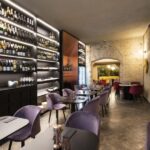
Inside, the vibe is elegant and relaxing. You’re welcomed in a setting that’s meant for tasting, not rushing. The group is kept small (limited to 8), and that’s a big deal for this kind of activity. With fewer people, your guide can slow down when you want more detail, and the tastings don’t feel like a conveyor belt.
One practical note: the tasting room rules are clear. Smoking indoors and outside food/drinks aren’t allowed, and pets and oversize luggage are also not part of the plan. So show up ready to do this as an actual tasting experience, not a snack-and-chat stop.
You can also read our reviews of more food & drink experiences in Palermo

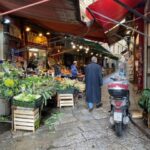

Your 2-Hour Game Plan: 4 Wines, Pairing Food, Then a Clear Finish
This experience runs about 2 hours, with an average tasting time of around 1.5 hours (and it may go up to the full 2). For me, the length is the sweet spot. It’s long enough to compare wines and understand the pairings, but short enough that you’re not stuck committing your whole evening.
You’ll get four pours total:
- 2 glasses of white wine
- 2 glasses of red wine
- Each glass is about 100 ml, which is enough to notice differences without feeling like you’ve boarded a mini wine train.
You’ll also eat as you go. The pairing happens alongside the tastings, not after everything is finished. The tray includes 4 types of cold cuts and 4 types of cheese, served with bread and jam. That jam part is easy to overlook, but it’s useful. Sweet-salty touches can make certain wines feel more vivid and help tame sharper edges in cheese or cured meats.
After your tasting time ends, you can choose what to do next. If you want to stay longer, you’ll need to order from the restaurant/menu beyond the tasting. The experience itself is designed to end cleanly. I like that, because it keeps the wine portion focused instead of stretched thin.
White Wines First: What Carricante, Catarratto, Grillo, Insolia, and Zibibbo Teach You
The tasting moves from whites to reds, which is classic for a reason: starting lighter helps your palate notice structure before you get to heavier flavors. In the white round, you’ll taste wines made from native Sicilian varieties such as:
- Carricante
- Catarratto
- Grillo
- Insolia
- Zibibbo
Even if you don’t know these grape names, you’ll still benefit from hearing them connected to taste. The guide’s job here is not just to name the grape and move on. The value is that you start learning the logic of Sicilian whites: how acidity, aromatics, and regional style can pair with cured meats and cheeses that range from mild to salty and assertive.
Because the tasting is selected from labels in the shop, you might not get every grape in the list. But you can expect the whites to stay within those Sicilian-native lines. That’s what makes the tasting feel anchored in place. It’s also what makes it more than a generic wine experience. Sicily isn’t trying to copy other regions’ wine styles.
One small tip for your palate: take a moment between pours to reset. Sip water if it’s offered, and pause long enough to notice how the food changes the way the wine tastes. This matters with Sicilian whites because pairings can make a wine feel more crisp and food-friendly—or more muted—depending on what you pick on your tray.
Red Wines Second: Nero d’Avola, Perricone, Frappato, and Nerello Mascalese
Then the tasting shifts into red territory, using native Sicilian grapes like:
- Nero d’Avola
- Perricone
- Frappato
- Nerello Mascalese
This is where the guided explanation really helps. Reds can be tricky because they’re often described with words like dry, structured, tannic, fruity, and so on. A good sommelier turns those words into something you can taste. Instead of memorizing terms, you learn how to connect the wine’s style to the food in front of you.
Also, reds from Sicily can surprise people who arrive expecting one uniform style. You can taste variation across grapes: some lean toward fruit-forward profiles, others toward a more lifted, savory feel. With the pairing tray in play, those differences show up fast. Salt and fat from cheese and cured meats can make fruit taste brighter, while herbs or sharper cured flavors can bring out different notes in the wine.
If you’re a red wine person, you’ll likely enjoy the second half most. But even if you’re not, this section is still useful because it gives you a clearer sense of what Sicilian “native” really means on the bottle. It’s not just trivia—it’s flavor identity.
Food Pairings That Make the Wine Make Sense
Let’s talk food, because the pairing is the real backbone here. You get a tray with:
- 4 types of cold cuts
- 4 types of cheese
- Jam
- Bread
The pairing style is smart because it covers different fat levels and salt intensity. Cheese isn’t one flavor; it’s a whole spectrum from mild to sharp. Cold cuts add smoky or spiced elements. Then jam adds sweetness that can brighten and smooth out what might otherwise feel too intense.
I like that the tasting isn’t built on fancy plating theater. It’s built on practical contrasts. The goal is to show you why wine changes with what you eat, and why pairings matter more than most people expect.
A quick, practical way to get more out of this part:
- Start with a milder cheese or cut if you’re trying to detect the wine’s baseline flavor.
- Then switch to something saltier or sharper and see what the wine does.
- Use the jam as a controlled experiment. Try a bite with jam, then take a sip immediately after.
That simple routine turns a passive tasting into something you’ll remember.
You can also read our reviews of more tours and experiences in Palermo
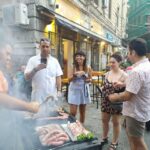
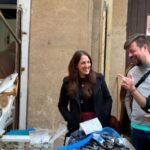



The Sommelier Factor: From Tasting Notes to Producer Stories
The guide is a sommelier (and the experience includes staff assistance throughout). You’re not left alone with a glass and a vague flyer. You get an expert walkthrough of the tasting and info about production cellars and wineries.
This is one of the most praised parts of the experience: people consistently respond to the guidance being personable and educational. In the real world, that means the explanation stays tied to the wines in front of you, instead of turning into a lecture.
You might even get guides like Daniela or Roberto, who have been highlighted for explaining Sicily’s connection to food traditions and making the whole session feel warm, not stiff. I’d take that as a sign of what the guiding style tends to be: focused on the territory and what makes each choice make sense.
If you’re the type who likes to learn just enough to order confidently later, this format is ideal. If you’re more of a “show me what tastes good” person, you’ll still get plenty, because the guide is there to steer your attention toward the right details.
Wine Shop Advantage: You Can Continue, Not Just Finish
One of the quieter perks is that you can add labels from the wine shop to your tasting if you want. That matters because the included pours are designed to give you the idea, not necessarily to keep going until you’re done exploring.
So if one wine really clicks—maybe a white from Carricante or a red based on Nero d’Avola—you can lean into that moment. You won’t feel like you’re stuck with only the pre-set selection. You can ask for options and build your own “what I liked best” lineup.
Just remember the tasting itself is the main event. If you want more food after the tasting ends, you’ll need to order from the menu. This keeps the experience organized and prevents the pairing from turning into an open-ended meal situation.
Price and Value at $59: What You’re Getting for Your Money
At $59 per person, you’re paying for a few things at once:
- 4 wine glasses (each about 100 ml)
- A full pairing tray (4 cold cuts, 4 cheeses, jam, bread)
- A guided tasting with info on wines and production cellars
- Service and help throughout
For wine lovers, the value is that the food isn’t an afterthought. Many tastings give you a small bite or a token snack. Here, the pairing is a real spread designed to test your palate across both whites and reds. And because the group is small, your guide’s time isn’t spread so thin that you feel like background noise.
Another value angle: you’re tasting Sicilian-native grapes. Even if the exact wineries change from day to day, the regional focus stays consistent. That’s where the money tends to feel justified—because you’re buying a learning experience tied directly to Sicily.
One caution on expectations: the price doesn’t let you pick specific wineries or choose the food you’ll be paired with. The staff selects the wine labels and food types from what’s available in the shop. If you go in hoping to match a specific bottle you found online, you may be disappointed.
Who This Palermo Wine Tasting Fits Best
This experience is a great fit if you want a structured way to taste Sicilian wines without guessing. It’s also a good choice if you love food pairings and want to understand why certain flavors work together.
It’s especially suited for:
- Adults who enjoy wine but don’t want to be stuck decoding wine lists alone
- People who like guided learning during a short time window
- Travelers who want a downtown activity that doesn’t require transport outside the city center
It’s not suitable for:
- Children under 18
- Pregnant women
And because the tasting includes alcohol, you should plan to pace yourself. Intoxication isn’t allowed, which is basically the operator saying they want you to enjoy, not drift.
Small-Group Comfort and Practical Tips Before You Sip
With a group capped at 8 participants, you get a calmer feel. You’re also more likely to have a real back-and-forth with the sommelier, whether that’s a question about the grape or a quick explanation of a pairing choice.
Two practical things that will improve your experience:
- Tell staff about allergies or intolerances before you start. The tasting notes say this is needed to avoid surprises.
- Arrive ready to taste. Food and drinks from outside aren’t allowed, so don’t plan to snack beforehand and then ignore the pairing.
If you’re staying in central Palermo and you want a planned activity that doesn’t require an early train or a long drive, this works well. You also won’t be juggling tickets, multiple stops, or complicated timing. The tasting starts where it ends—at the shop.
Should You Book This Palermo Wine and Food Pairing?
I’d book it if you want a focused, high-quality Sicilian wine-and-food session in the middle of Palermo. The biggest reasons are simple: native grape variety paired with a serious cold-cuts-and-cheese tray, guided by a sommelier who explains what you’re tasting, not just what’s in the glass.
Skip it if you specifically want to choose the exact wineries or you’re the type who doesn’t like being guided. Also, if you’re traveling with anyone who falls outside the age guidance (under 18) or if pregnancy is involved, it’s not the right match.
If you like learning through taste—and you want a pleasant break from city chaos—this is the kind of experience that leaves you with both better flavor memories and easier wine ordering at home.
FAQ
What is included in the Palermo wine tasting and food pairing?
The experience includes 4 glasses of wine (about 100 ml each), a tray with 4 types of cold cuts and 4 types of cheese served with jam, and bread. You also get a guided tasting with information on the wines and the wineries/production cellars.
How long does the wine tasting last?
It lasts an average of about 1.5 hours, up to a maximum of 2 hours.
How many wines will I taste, and are they white and red?
You’ll taste 4 wines total: 2 white wines and 2 red wines.
Can I choose the wineries and the food pairings?
No. The staff selects the wineries and the food pairing items from the labels and shelves available at the time.
Do I need to tell the staff about allergies or intolerances?
Yes. Before starting, you’ll need to let them know about any food allergies or intolerances so they can handle the pairing appropriately.
Where does the experience meet, and who is it suitable for?
You meet at the wine shop on the corner of Via Cavour and Via Roma in downtown Palermo. It is not suitable for children under 18, and it’s not suitable for pregnant women. The experience is wheelchair accessible, and staff can assist during the service.