REVIEW · PALERMO
Discover Palermo in 3 hours. Art, history, markets and street food
Book on Viator →Operated by Palermo a Piedi - Walking Tour · Bookable on Viator
Palermo rewards a short walk. In just a few hours, you’ll move through markets, baroque churches, and big-history squares, with an expert guide who keeps the stories flowing and the pace easy to follow. The highlight for me is the mix of street-food energy and major sights, all tied together with local context.
I love the way the route balances wow-factor stops (like the Palermo Cathedral) with street-level moments that help you understand daily life. And I really appreciate the food angle: you get free tasting stops at the market, plus clear guidance on where to find the best cannoli and coffee after the tour.
One possible drawback: it’s Italian-only, so if you don’t read or speak Italian, you may miss some of the details and humor in the storytelling. Also, the tour is fast-paced walking—great for active visitors, less fun if you want a slow sit-down day.
In This Review
- Key takeaways before you book
- Three hours of Palermo: a route that teaches you how to read the city
- Capo Street Market at Porta Carini: where the day starts (and tastings happen)
- Palermo Cathedral: Norman-Arab art and royal stories in one stop
- Piazza Verdi (Piazza Massimo) and the Teatro Massimo story
- Quattro Canti and Piazza Pretoria: baroque geometry and the Fountain of Shame
- Quattro Canti: the city’s baroque crossroads
- Piazza Pretoria: 48 statues and a nickname with attitude
- Piazza Olivella: Sant’Ignazio and a stop with museum-level importance
- Piazza Bellini: three historic churches in one square atmosphere
- Opera dei Pupi and the Cassaro thread: story-driven Palermo, not just sights
- Porta Carini walls: ending the loop where the Capo market begins
- Food, cannoli, and coffee: what you can do right after
- Price and value: why this tour makes sense at $34.76
- Practical tips so you enjoy the walk
- Should you book this Palermo walking tour?
- FAQ
- Is the Palermo Cathedral ticket included?
- What food is included in the tour?
- Is the tour offered in English?
- How long is the tour and when does it start?
- Where does the tour start and end?
- Is free cancellation available?
Key takeaways before you book
- Capo Street Market first: you start in the old Arab-origin market area and get tastings early, when the energy is highest
- Norman-Arab Cathedral included: the price covers entry to a UNESCO-listed masterpiece
- Baroque squares with meaning: Quattro Canti and the surrounding geometry make more sense after the guide’s explanation
- Fontana Pretoria explained as Fontana della Vergogna: you don’t just see the fountain—you learn why locals got dramatic about it
- Local stories, not just dates: Teatro Massimo, Florio family events, Beati Paoli, Santuzza, and the Baroness of Carini all get woven into the walk
- Built for a short stay: it’s a compact center-city loop, useful if you’re on a cruise
Three hours of Palermo: a route that teaches you how to read the city
This tour works because it treats Palermo like a living puzzle. In a short time, you’re not only ticking off monuments—you’re learning the city’s logic: where power sat, where markets ran, and how different eras left their fingerprints.
The pace is walking-focused, and the guide keeps you oriented as you go. That matters in Palermo, where streets can feel maze-like and facades blend into one another. With a local guide speaking Italian, you’ll get the kind of detail that makes the next day’s exploring easier, not harder.
Also, this is value-smart for the time you get. At about 3 hours, you cover multiple major squares and landmarks, with Cathedral entry included and market access covered. If you’re short on days, it’s a good way to build a mental map fast—then you can return later for the parts that really grab you.
You can also read our reviews of more food & drink experiences in Palermo
Capo Street Market at Porta Carini: where the day starts (and tastings happen)
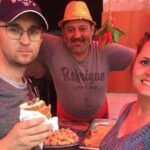
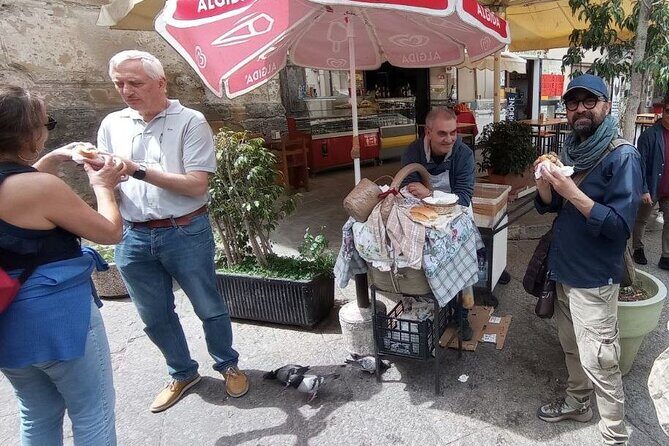
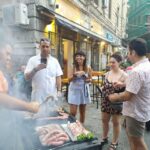
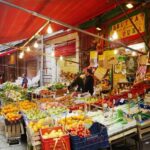
You begin at Capo Street Market, a daily food market along Via Porta Carini and Via Bandiera with Arab-influenced roots. Even before you reach the first main sight, the market sets the tone: Palermo isn’t museum-quiet here. It’s food-first, noise-forward, and intensely local.
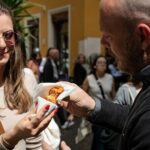
This stop is also practical. Because you’re starting in the market area, you’re seeing the city’s real daily rhythms instead of only the polished center. You get entry to the market included, and the tour includes free tastings of food and drinks. That’s a big win when you’re trying new things without feeling like you’re guessing.
A small heads-up: markets can be crowded and a bit chaotic, so keep an eye on your footing and your personal space. If you’re sensitive to strong smells, start with the tastings and then move slowly through the stalls.
Palermo Cathedral: Norman-Arab art and royal stories in one stop
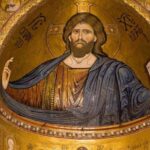
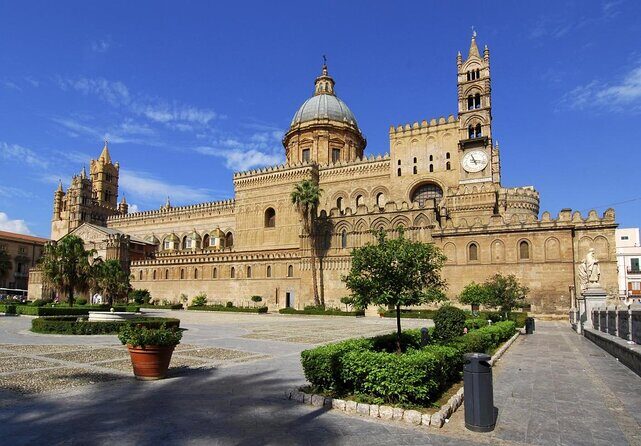
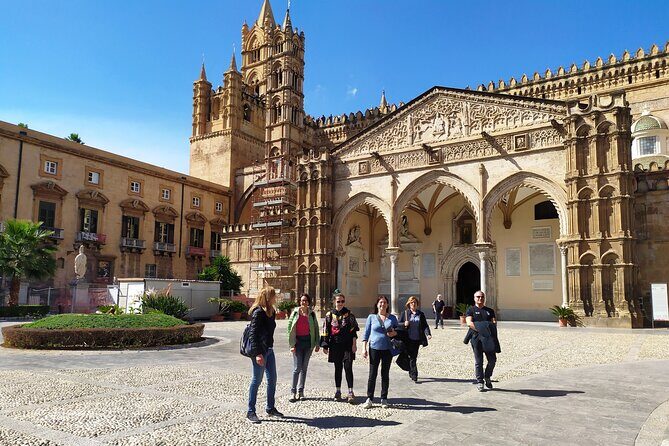
The Cattedrale di Palermo is the kind of place where Palermo’s layered identity becomes obvious. Built in 1185, it’s known for Norman-Arab art, and the Cathedral also ties into the UNESCO Arab-Norman itinerary (with Monreale and Cefalù).
What makes this stop feel worthwhile is that it’s not just a quick look from the outside. You spend time inside and you can see major highlights: the royal tombs, the chapel of Santa Rosalia, and an extraordinary sundial. Even if you’re not a cathedral superfan, these are the details that change your understanding of what you’re seeing.
Timing matters too. The Cathedral stop is about 25 minutes, which is enough to appreciate key elements without turning it into a rushed line-check. For many first-time visitors, this is the single most important indoor experience on the walk—so it’s smart that entry is free with the tour price.
Piazza Verdi (Piazza Massimo) and the Teatro Massimo story
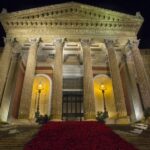
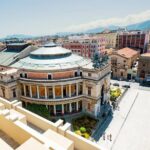
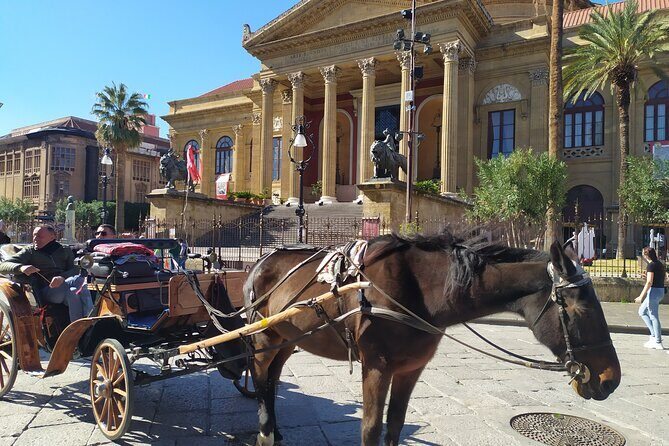
Next you reach Piazza Giuseppe Verdi (Piazza Massimo), dominated by Teatro Massimo, described as the largest theater in Italy and a symbol of the Belle Époque and the Florio dynasty.
This stop is short, but it’s chosen well. It gives you a shift in perspective—from markets and churches to culture and power. If you walk by Teatro Massimo on your own without context, it can look impressive but detached. With the guide’s explanations about what the theater represented (and the role of the Florios), it becomes easier to see why people built Palermo’s grandeur where they did.
One practical note: this area is more open than some of the narrow streets you’ll later navigate. It’s a good moment to pause, look up, and reset before heading back into the baroque-and-alley rhythm.
Quattro Canti and Piazza Pretoria: baroque geometry and the Fountain of Shame
If you like architecture that feels theatrical, this section will click fast.
You can also read our reviews of more tours and experiences in Palermo

Quattro Canti: the city’s baroque crossroads
You’ll stop at Quattro Canti, a scenographic baroque square that sits at the center of the ancient city. The guide’s value here is in interpretation. These kinds of squares can feel like pretty stone intersections, but when you understand what they represent in the city layout, they stop being random.
Piazza Pretoria: 48 statues and a nickname with attitude
Then comes Piazza Pretoria, one of Palermo’s most famous fountain spots. The fountain holds 48 statues of white Carrara marble, sculpted in the Renaissance by Tuscan sculptors. It was bought in 1573, and Palermitans nicknamed it Fontana della Vergogna, often translated as the Fountain of Shame.
This is one of the tour’s best “you had to be here” lessons. The attraction itself is striking, but the story explains why locals reacted the way they did. It turns a photo stop into something memorable.
If you want a tip for your own photos: the square is best when you’re patient. Give yourself a minute to watch how people move, then step into the best angle once the crowd shifts.
Piazza Olivella: Sant’Ignazio and a stop with museum-level importance
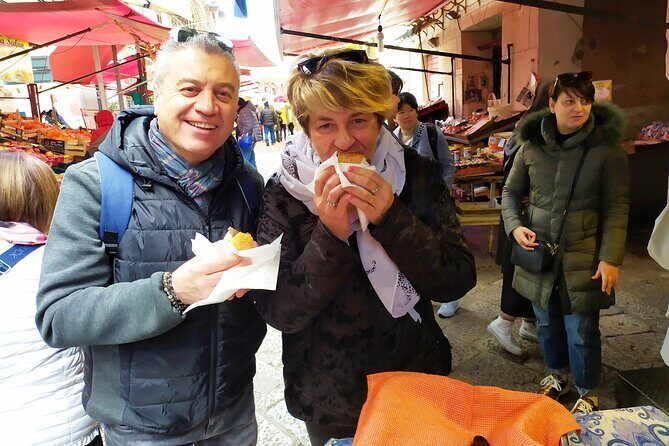
At Piazza Olivella, you’ll find the Baroque church of Sant’Ignazio and the Archaeological Museum. This is another stop that’s short on paper but meaningful in context.
Palermo often surprises people because the “great sights” aren’t always the ones that look biggest from a distance. Sant’Ignazio and this square area help bridge what you saw earlier—Norman-Arab art, baroque squares—with the deeper historical layers that show up in the archaeological story of the city.
The tour gives you about 20 minutes here, which is enough to look, understand what you’re seeing, and keep moving. For visitors who only do “top highlights,” this is one of those moments where your broader understanding quietly improves.
Piazza Bellini: three historic churches in one square atmosphere
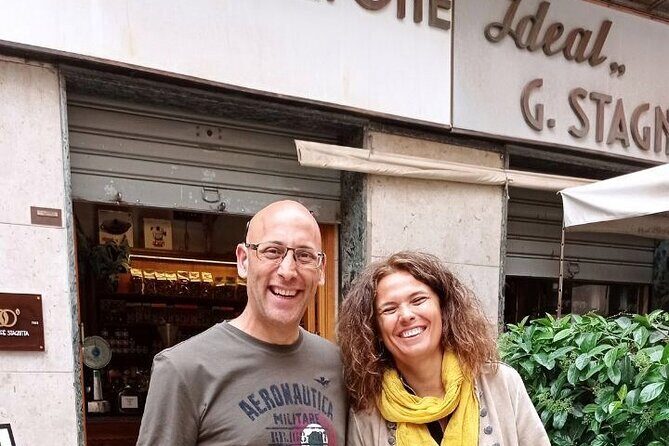
Next is Piazza Bellini, an extraordinary historic and monumental square surrounded by major artistic buildings. This is a great stop for people who like history but also like to feel the mood of a place.
You’ll encounter highlights tied to different eras and styles, including:
- Church of the Martorana (12th century)
- San Cataldo, known for its Arab style
- Church and Monastery of Santa Caterina
This stop works because the churches aren’t isolated facts. The guide helps you see the cross-influence: how Palermo can be Arab-styled in one building and distinctly European in another, all in a walkable pocket of the city.
Don’t rush Piazza Bellini. Even if you’re mainly interested in the main facades, take a few extra seconds to look around the square itself—Palermo’s energy often reveals itself more in the street scene than in a single doorway.
Opera dei Pupi and the Cassaro thread: story-driven Palermo, not just sights
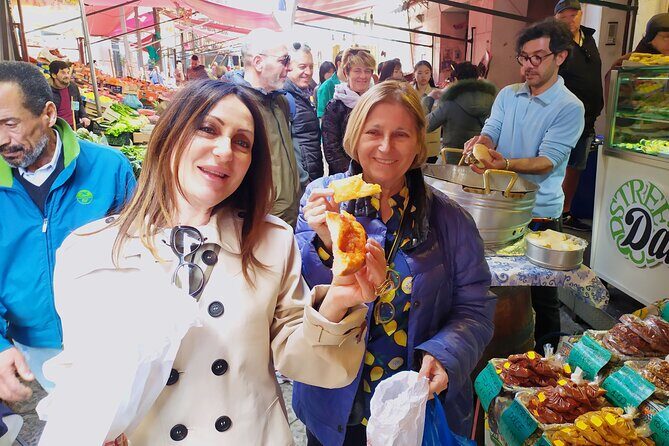
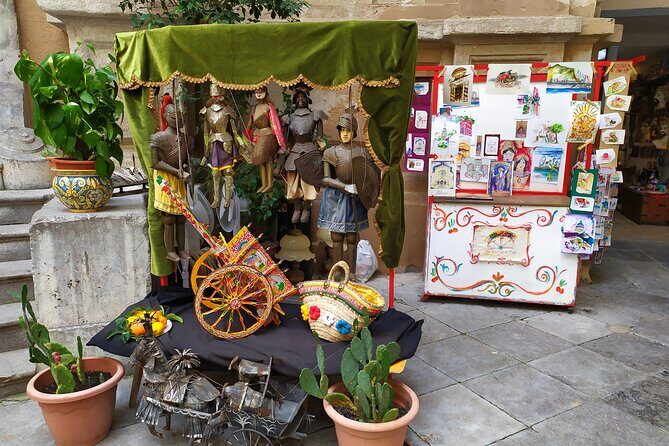
You’ll also reach Teatro dell’Opera dei Pupi, a traditional Palermo show with puppets dating back to around 1800, and tied to UNESCO heritage. The stop is connected to Mimmo Cuticchio, which is a helpful name if you want to look up more later.
This is one of the best “Palermo beyond monuments” moments. The show type (opera dei pupi) reflects local storytelling traditions, not just architectural achievements. Even with a brief stop, you’ll understand why this culture has lasted.
And then there’s the Cassaro, the oldest street in Palermo lined with palaces, churches, and convents. Walking through or near it (depending on the route flow) gives you a sense of how Palermo’s “main veins” shaped daily life and elite power. When you combine Cassaro with the earlier market stop, the city starts to feel like a system: commerce, religion, authority, and culture all overlapping.
Porta Carini walls: ending the loop where the Capo market begins
As you wrap up, you return toward the market area’s edges with Mura, Bastione e Porta Carini. The walls date to the first half of the 16th century, and you pass through Porta Carini, the entry point into the Capo market area.
This final context helps the earlier market stop land. It turns the market from a standalone place into part of Palermo’s older defensive and civic geography. You’ll also appreciate why the market feels protected and defined by its surrounding street structure.
The tour ends around Piazza Bellini, which is a smart finish. It’s close enough to continue your own wandering without needing extra transportation, and it lands you near a lively central area if you want to grab food after the tour.
Food, cannoli, and coffee: what you can do right after
Food is built into the experience in two ways.
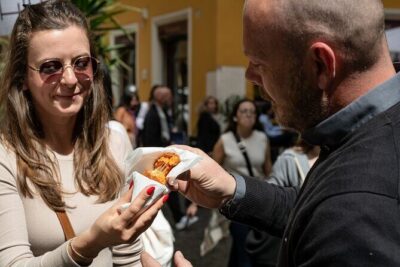
First, you get free tasting stops during the market portion. That means you can sample without committing to a full meal too early. Second, the guide shares where to eat the best cannoli and drink the best coffee in the world, based on local knowledge.
Even if you don’t plan to follow every recommendation, the real value is that you learn what to look for afterward: places that match the neighborhood feel and offer the classic items Palermo is known for.
My practical advice: after the tour, give yourself time to decompress—Palermo’s flavors can hit all at once. If you’re still hungry, go for a smaller cannoli first, then order coffee and dessert slowly.
Price and value: why this tour makes sense at $34.76
At $34.76 per person, you’re paying for a lot of coordination in a city where getting lost is easy and time is precious. The main value points are:
- Cathedral entry included (one of the biggest-ticket stops)
- Capo market access included
- Tastings included
- A guide who ties history, architecture, and street life together in a tight loop
You’re not paying extra for a long list of museum tickets. Instead, the tour focuses on high-impact sights and storytelling, which fits people who want a strong overview without spending the entire day in lines.
If you have only a day or two in Palermo, this is the kind of purchase that can save you time. If you’re staying longer and already know Palermo’s main churches, you might find the approach more helpful as an orientation tool than as a deep specialized history session.
Practical tips so you enjoy the walk
- Wear comfortable walking shoes. The itinerary is mostly on foot and includes market areas.
- If you don’t speak Italian, plan for that now. This is only in Italian, so you’ll want to understand at least some basic phrases or be okay with partial comprehension.
- For photos: keep your phone ready, but don’t treat every stop as a sprint. Some squares look best when you wait for a gap in foot traffic.
- Start strong with the market. You’ll get more from the day once you’ve soaked up the local food atmosphere early.
- If you’re on a cruise, this works well because it’s described as a short distance from the port.
Should you book this Palermo walking tour?
I’d book it if you want a tight, walkable overview of Palermo that mixes major sights with market life and local storytelling. It’s especially appealing if you’re on a short schedule and you want your first day to feel organized instead of random.
I’d skip or reconsider if you need a tour in English, or if you’re looking for lots of separate museum entrances. This walk is about seeing, understanding, and choosing what to return to later—not about collecting dozens of tickets.
If you do book it, come hungry for the market and curious for the stories. Palermo is the kind of city where the right guide turns “pretty buildings” into a real sense of place.
FAQ
Is the Palermo Cathedral ticket included?
Yes. Entrance to Palermo Cathedral is included in the tour price, and you can visit it during the scheduled stop.
What food is included in the tour?
Food and drinks are not included as a full meal. However, there are free tastings during the market portion, plus the guide shares recommendations for what to eat afterward.
Is the tour offered in English?
No. The tour is only in Italian.
How long is the tour and when does it start?
The tour lasts about 3 hours and starts at 10:30 am.
Where does the tour start and end?
It starts at Via Cavour, 135, 90139 Palermo PA, Italy and ends at Piazza Bellini, 90133 Palermo PA, Italy.
Is free cancellation available?
Yes. You can cancel for a full refund up to 24 hours before the experience’s start time.