REVIEW · CATANIA
Cooking Class with lunch or dinner
Book on GetYourGuide →Operated by Futuro e Lavoro · Bookable on GetYourGuide
Catania teaches you to cook, not just watch. This Mediterranean cooking class pairs a Sicilian cuisine lesson with real tasting in Catania, then sends you home with dishes you can remake. You’ll work in an equipped lab and end up eating what you cooked, with a Sicilian wine bottle included.
I especially like the hands-on menu (bruschetta, caponata or parmigiana, pasta options, and cannoli) because it turns knowledge into something you can replicate at home. A small group size, up to 12, helps you get questions answered. One drawback: the menu is fixed around typical Sicilian dishes, so if you’re picky or have strong dietary needs, you’ll want to confirm fit before you book.
In This Review
- Key highlights to know before you go
- Why Catania makes this Sicilian cooking class feel real
- The 3-hour flow: cooking lab, then lunch or dinner
- What you’ll cook: bruschetta, caponata or parmigiana, and pasta options
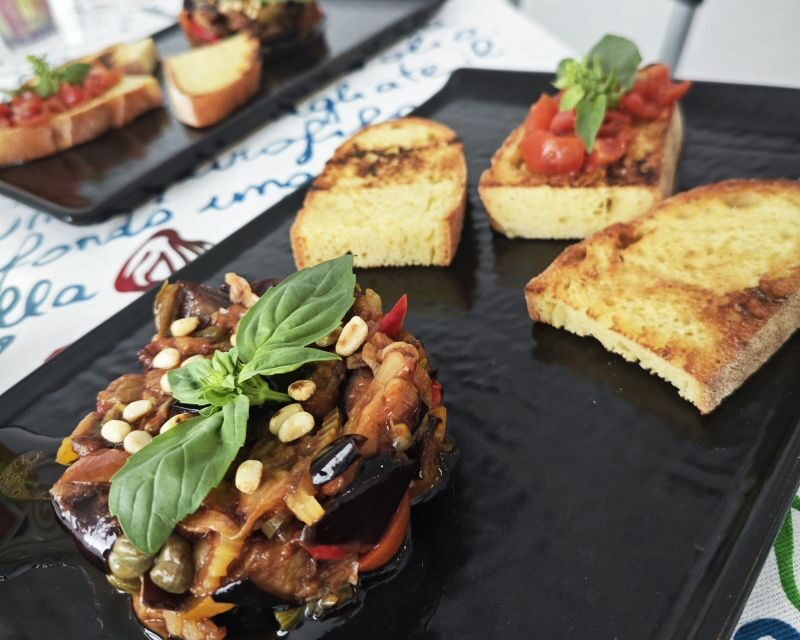
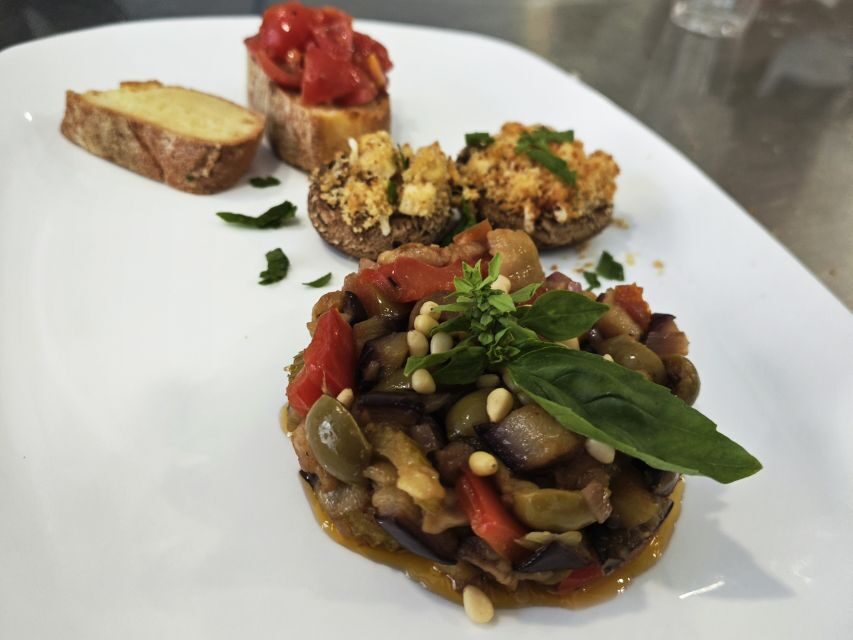
- Sicilian typical bruschetta
- Caponata in sweet and sour style or eggplant parmigiana
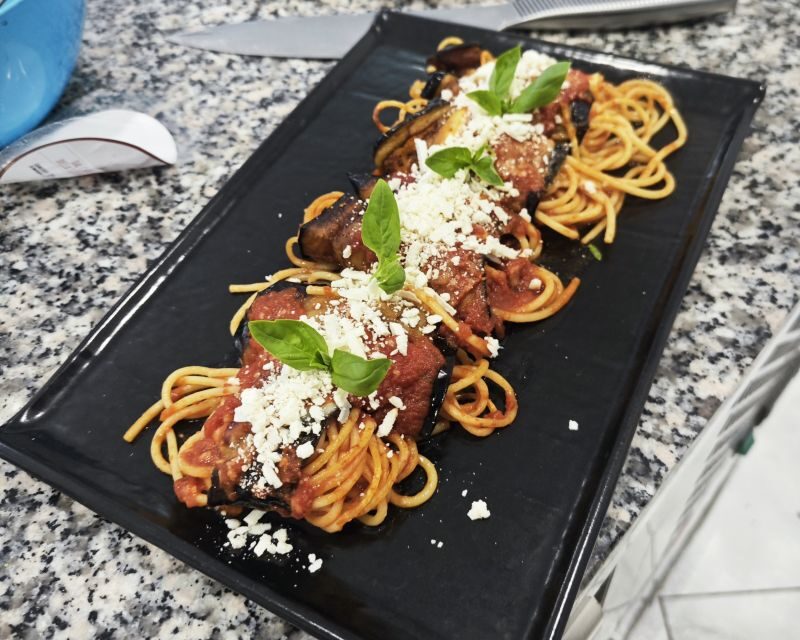
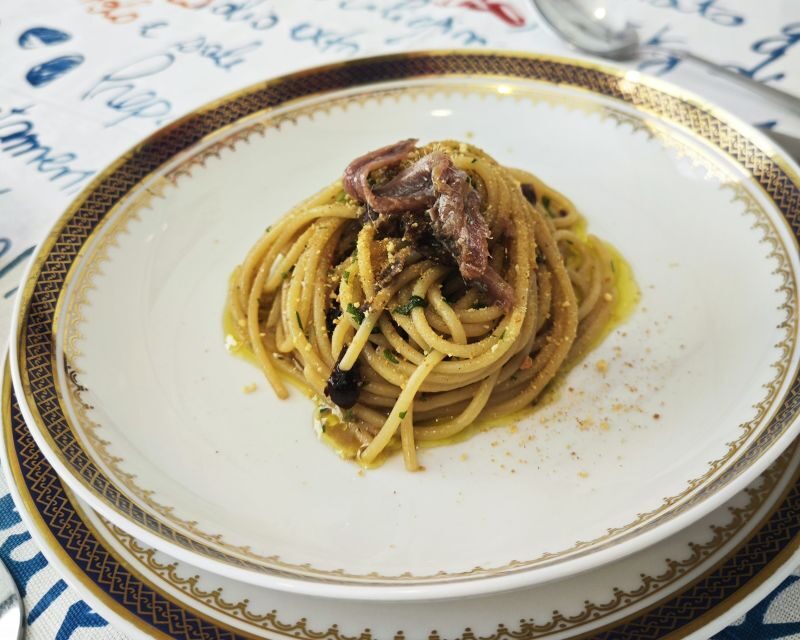
- Pasta rolls with norm or short pasta with ricotta, tomato, and basil
- Dessert: cannoli decoration and tasting
- A note about the listed extra item
- Cannoli and wine: the two-course lesson that keeps the mood light
- Why the instructor style matters (and why Simona’s name comes up)
- Small group size (max 12) gives you real participation
- Included meal value: lunch or dinner plus the wine bottle
- Price and value: is $107.62 per person fair?
- Who this Sicilian class is best for
- Should you book this cooking class in Catania?
- FAQ
- What is the duration of the cooking class?
- Where does the experience start and end?
- How many people are in each class?
- What languages are used during the class?
- What is included with lunch or dinner?
- Do you taste wine during the class?
- Is there free cancellation?
- Can I reserve and pay later?
Key highlights to know before you go
- Small group format (2 to 12 people) keeps the class personal.
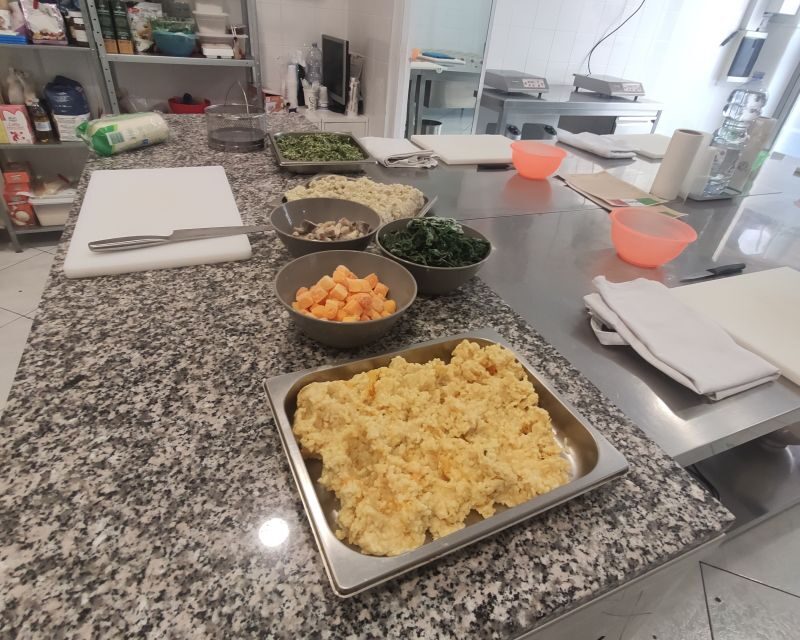
- Professional lab setup means you cook with real tools, not a demo-table vibe.
- A full meal is included: lunch or dinner with what you prepare.
- Wine features twice through wine tasting and a bottle of Sicilian wine with your meal.
- You’ll learn by doing, with dishes designed to be repeatable at home.
- English and Italian instruction, so you’re not stuck guessing what comes next.
Why Catania makes this Sicilian cooking class feel real
Sicilian food has a way of showing up in your day-to-day life, not just on a plate. In Catania, you’re working in the heart of the island’s food culture, with a lesson built around everyday flavors people actually eat. You’re not learning “Italian cooking” in a generic sense. You’re learning the Sicilian version, from Catania to your home kitchen.
The value here is that the cooking class is structured around practical dishes. The goal isn’t to overwhelm you with technique jargon. It’s to help you understand how Sicilians build flavor: sweet-and-sour balance in caponata, comforting eggplant in parmigiana, tomato-and-cheese rhythm in pasta, and a dessert that’s as fun to assemble as it is to eat.
You can also read our reviews of more cooking classes in Catania

The 3-hour flow: cooking lab, then lunch or dinner
This experience runs for 3 hours, starting in the laboratory. That matters because the time feels “contained,” like a focused food workshop rather than a long tour day. You’ll cook with typical Sicilian products using professional equipment, and you’ll finish the experience back at the meeting point.
Here’s the basic rhythm you should expect:
- You begin at the lab and get oriented to the kitchen space.
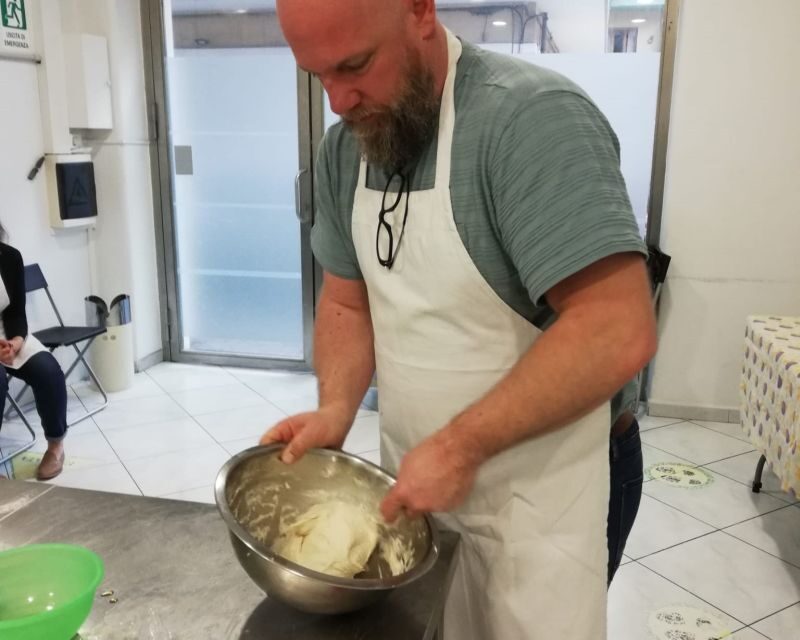
- You cook island dishes with the instructor, participating in the preparation.
- You eat a pranzo or dinner made from the dishes you prepared.
- A Sicilian wine bottle is included with your meal, plus there’s also a wine tasting component tied to the class.
The good news is that the structure naturally keeps you busy. You won’t have long stretches where you’re standing around waiting for food. And because it ends back at the meeting point, you don’t need to plan extra logistics after the meal.
What you’ll cook: bruschetta, caponata or parmigiana, and pasta options
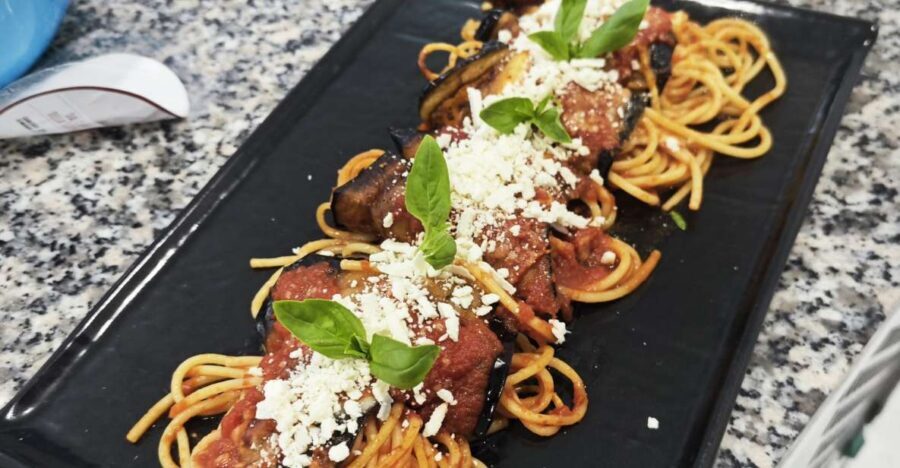
The menu is the star of the show, and it’s built for home cooks. You’ll tackle multiple classic Sicilian dishes, with variations that show how the same ingredients can go in different directions.
Sicilian typical bruschetta
Bruschetta is one of those “simple” foods that teaches you a lot. The lesson point is how Sicilians treat bread, toppings, and seasoning as one combined bite. You’ll get hands-on prep so you can recreate a similar flavor profile later, without turning it into a fussy project.
Caponata in sweet and sour style or eggplant parmigiana
Caponata and parmigiana are both Sicilian comfort food classics, but they deliver totally different vibes. Caponata leans on the sweet-and-sour balance, which is a hallmark of Sicilian flavor thinking. Eggplant parmigiana is all about eggplant comfort and layered richness.
The class lists caponata in sweet and sour or aubergine parmigiana. That likely means your group’s path depends on the exact class menu that day. Either way, you’ll leave with a dish that feels distinctly Sicilian rather than just “Italian-ish.”
You can also read our reviews of more tours and experiences in Catania

Pasta rolls with norm or short pasta with ricotta, tomato, and basil
This is where things get fun. You’ll do one of the pasta options listed, either pasta rolls with the norm or short paste with ricotta, tomato, and basil. Both reflect the Sicilian love of combining simple ingredients into something deeply satisfying.
If you want a home-cooking win, this pasta section is it. It’s the kind of dish you can scale up for guests, too—especially because the class emphasizes that these are meals you can easily replicate at home.
Dessert: cannoli decoration and tasting
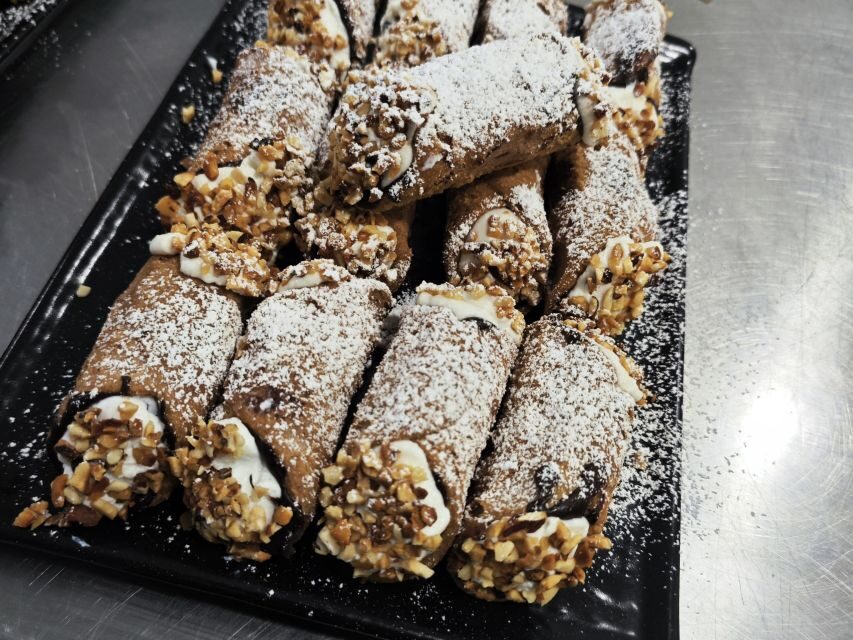
Cannoli is where the class turns from “learning cooking” into “having fun.” You’ll do cannoli decoration and tasting, which gives you a practical understanding of how to present and enjoy the dessert. It also helps you translate the dish beyond taste—so you know what it’s supposed to look like when it’s done right.
A note about the listed extra item
The menu list includes an item shown as Expressed, but the exact meaning isn’t specified in the information I received. If that detail matters to you, it’s worth confirming with the provider when you book.
Cannoli and wine: the two-course lesson that keeps the mood light
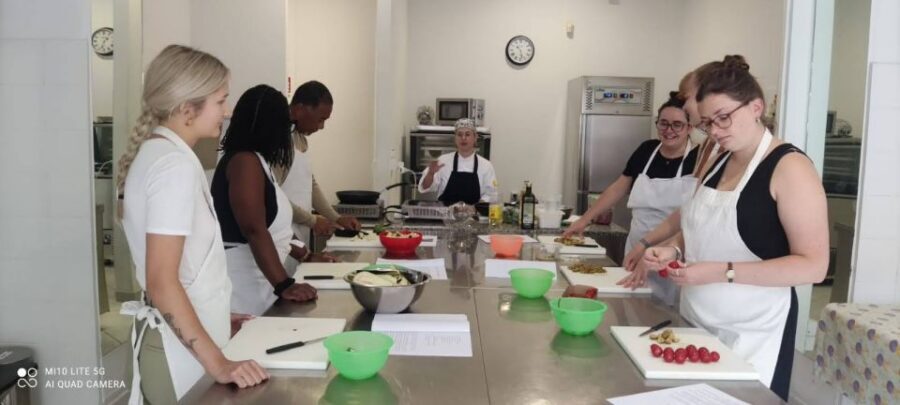
If you like food experiences where the teaching doesn’t kill the fun, this part is your payoff.
Cannoli shows up as more than a sweet ending. The class includes decoration and tasting, so you’re not just eating a dessert someone else made. You’re participating in the finish, which is a big reason people describe the experience as fun and satisfying.
Then there’s wine. The class includes Sicilian wine tasting and also includes a bottle of Sicilian wine with your lunch or dinner. That combination matters because it frames the meal as a whole Sicilian food-and-drink moment, not just a tasting flight and a separate dinner.
Why the instructor style matters (and why Simona’s name comes up)
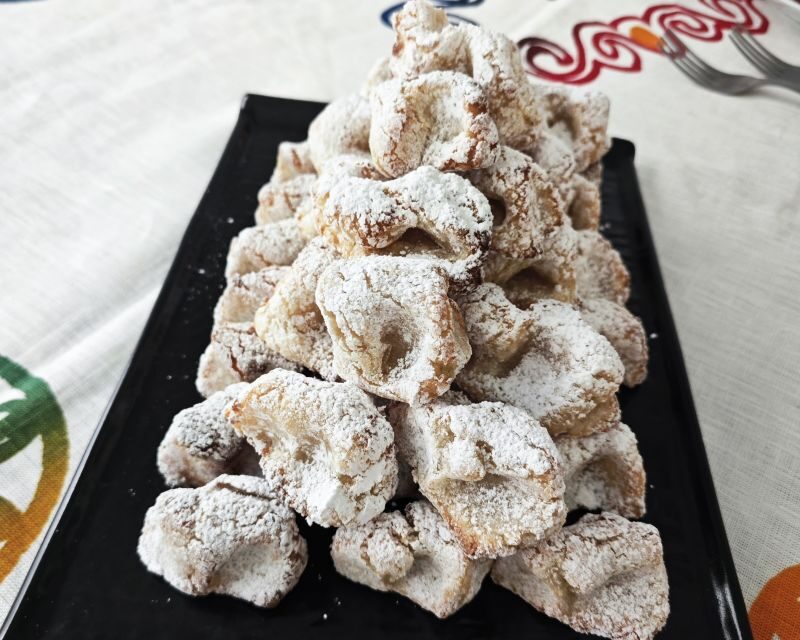
This class runs with an instructor who teaches in English and Italian. That’s a practical advantage in Sicily, where not everyone speaks English fluently and not every class explains things step-by-step.
Instructors like Simona are highlighted for being friendly, helpful, and easy to understand. That kind of teaching style makes a difference when you’re learning cooking by doing. You want clarity when timing matters—like when to stop, mix, or adjust seasoning.
The best-case scenario is what you’ll look for when you book: a teacher who gives you direction you can follow without feeling embarrassed about asking questions. When the instruction is that approachable, you’re more likely to remember what you did and how you did it.
Small group size (max 12) gives you real participation
The class runs for a minimum of 2 and a max of 12 people. In a cooking setting, that’s not a minor detail. It changes how much attention you get and how much time you spend actively involved.
With a smaller group, it’s easier to:
- get help when you’re handling something new,
- hear explanations clearly,
- and move through the meal without long delays.
You’re also more likely to leave feeling like you didn’t just eat. You came to cook, and you did.
Included meal value: lunch or dinner plus the wine bottle
You’re not paying for a “tasting only” experience. You get a pranzo or dinner with the dishes prepared in class, plus a bottle of Sicilian wine included.
That inclusion is what makes the price easier to justify. For a real comparison, think in terms of what it would cost to:
- eat a multi-dish Sicilian meal in Catania,
- pay for ingredient prep and professional teaching time,
- and add wine as part of the experience.
Here, the meal and wine are part of the package, so you’re buying instruction that culminates in you sitting down to enjoy the results.
And the food is generous by design. The class is set up so you come hungry, cook your portion, and then actually eat. If your goal is just to sample bites, this might be more than you need. If your goal is to leave with confidence and a full meal, it hits the mark.
Price and value: is $107.62 per person fair?
At $107.62 per person for a 3-hour class, you’re paying for more than a cooking demo. You’re paying for:
- a professional lab setup and equipment,
- typical Sicilian products used for the dishes,
- active participation for a small group,
- a full lunch or dinner built from what you prepared,
- and wine included (both tasting and a bottle with your meal).
So the value isn’t just the food. It’s the combination: teaching + ingredients + meal + wine in one place.
The main trade-off is that you’re locked into a specific menu format and class schedule. If you’re the type who likes to wander and graze rather than sit down to a planned meal, you might prefer a lighter food experience. But if you want a structured evening or midday that produces real skills and a real dinner, the math starts making sense quickly.
Who this Sicilian class is best for
This works especially well if you:
- want a hands-on food experience in Catania,
- like Mediterranean cooking with strong Sicilian identity,
- want to learn recipes you can realistically make at home,
- and enjoy eating what you cook, with wine as part of the meal.
It may not be the best fit if you:
- have strict dietary needs you aren’t sure this menu can accommodate,
- prefer watching over participating,
- or want a super-brief experience instead of a full 3-hour session with lunch or dinner.
Should you book this cooking class in Catania?
Book it if your ideal Sicily day includes real participation: cooking bruschetta, learning the logic behind caponata or parmigiana, finishing with cannoli, and pairing the meal with Sicilian wine. The small group size and hands-on approach are the big reasons to choose it, and they also explain why people highlight the instructor experience and the amount of food.
Consider passing or asking more questions first if you’re very sensitive to menu rigidity or you need dietary accommodations not covered in the basic description. If you’re flexible and hungry for both skill and dinner, this is a strong choice.
FAQ
What is the duration of the cooking class?
The cooking class lasts 3 hours. Starting times vary, so you’ll want to check availability for the slot you prefer.
Where does the experience start and end?
It starts at the laboratory and ends back at the meeting point.
How many people are in each class?
The class runs with a minimum of 2 people and a maximum of 12 people.
What languages are used during the class?
The instructor teaches in English and Italian.
What is included with lunch or dinner?
You’ll have the dishes you prepare, and a bottle of Sicilian wine is included with your pranzo or dinner.
Do you taste wine during the class?
Yes. The class includes Sicilian typical wine tasting.
Is there free cancellation?
Free cancellation is available up to 24 hours in advance for a full refund.
Can I reserve and pay later?
Yes. You can reserve now and pay later to keep plans flexible.