REVIEW · CATANIA
Catania: Pistachio Ravioli, Pasta Home Cooking Class w/ Wine
Book on GetYourGuide →Operated by Timonfaya Travel Lanzarote · Bookable on GetYourGuide
Fresh pasta, pistachios, and a real home kitchen. In Catania, I love that this class teaches pistachio ravioli from scratch and connects it to Bronte pistachios, not just a random filling. One thing to think about: the experience happens in a private apartment, so plan for stairs and an indoor meeting spot that isn’t a typical restaurant entrance.
You’ll start by rolling up your sleeves and making fresh dough, then building a creamy pistachio filling and learning how to shape ravioli that actually hold together. By the time you sit down, you’ll get to enjoy the meal you made with wine and a full 3-course spread, in a warm, slightly chaotic, very human setting with a small group. That size matters here: max 8 people means you’re not stuck watching while someone else cooks.
In This Review
- Key Highlights I’d Prioritize in Catania
- Entering a Catania Home Kitchen (Not a Studio Show)
- Making Pistachio Ravioli Dough: Where the Skill Actually Shows
- Bronte Pistachios and the Filling That Isn’t Just Green Stuff
- Shaping Ravioli: Small Motions, Big Payoff
- The Meal You Cook: Wine, Bruschetta, and Dessert
- Timing, Duration, and How to Plan Your Evening
- Language and Comfort: How This Works If Your Italian Is Limited
- Price and Value: What $100 Buys You Here
- Who This Catania Class Suits Best
- Should You Book This Pistachio Ravioli Cooking Class?
- FAQ
- What’s the duration of the Catania pistachio ravioli cooking class?
- What’s included in the price?
- How big is the group?
- What languages are used during the class?
- Where do we meet?
- Is this class suitable for wheelchair users?
Key Highlights I’d Prioritize in Catania
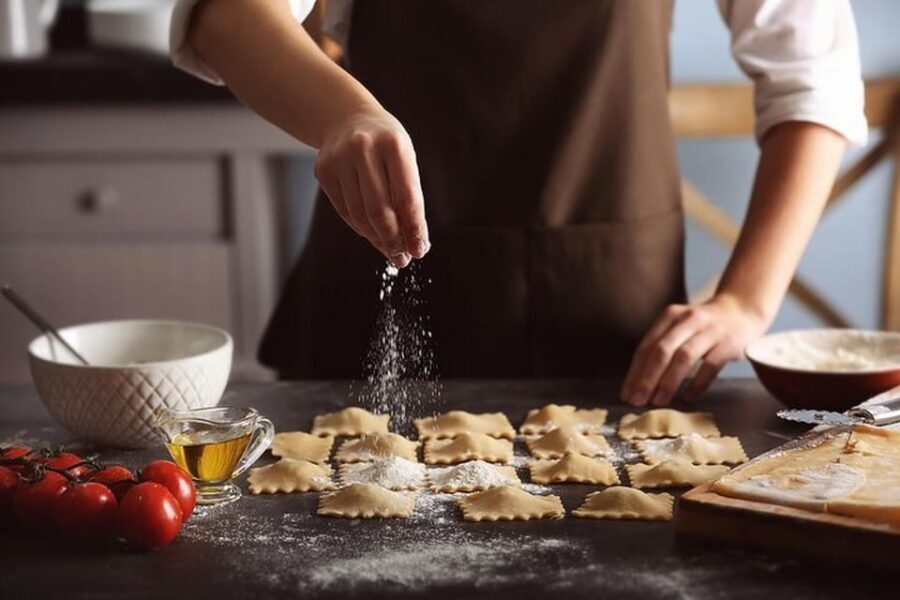
- Hands-on ravioli making: dough, filling, and shaping, not just tasting
- Bronte pistachios connection: the class links the dish to Sicily’s famous “green gold”
- Angela’s step-by-step teaching: patient guidance and technique fixes while you work
- Small group (up to 8): more practice time, less waiting
- A proper meal afterward: wine plus a 3-course dinner you helped create
- English/Italian support: with Victor helping translate when needed
Entering a Catania Home Kitchen (Not a Studio Show)
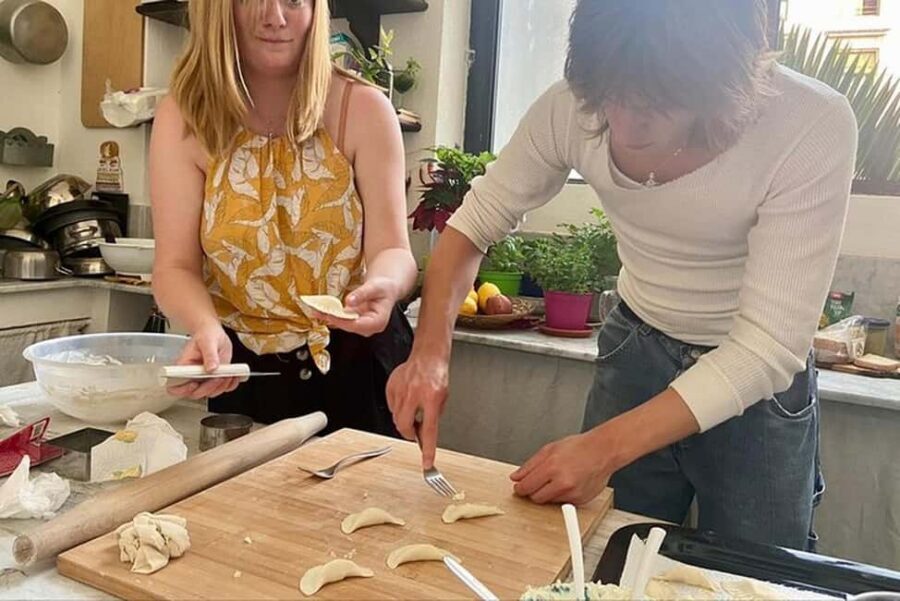
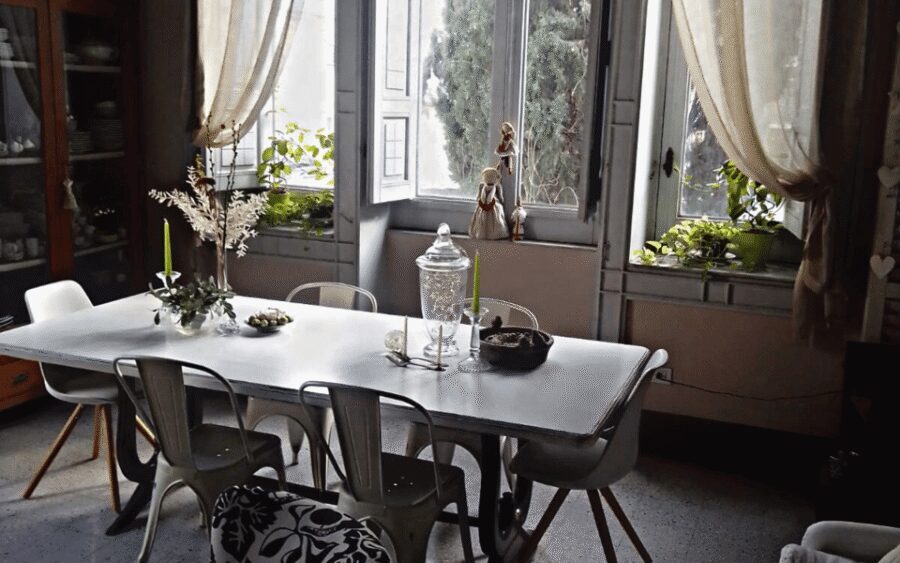
This isn’t a big culinary theater. You ring the bell at Vignolo at the provided address, climb up to an apartment kitchen, and get pulled straight into the process. It’s one of those setups that instantly changes the vibe from watching food content to doing real cooking with real people.
The upside is comfort and attention. With a small group of up to 8, you’re more likely to get individual corrections and chances to try each stage, from dough to forming ravioli. The downside is that you should expect apartment logistics—an entrance that may be hard to spot from the street, and stairs as part of the deal.
You can also read our reviews of more cooking classes in Catania

Making Pistachio Ravioli Dough: Where the Skill Actually Shows
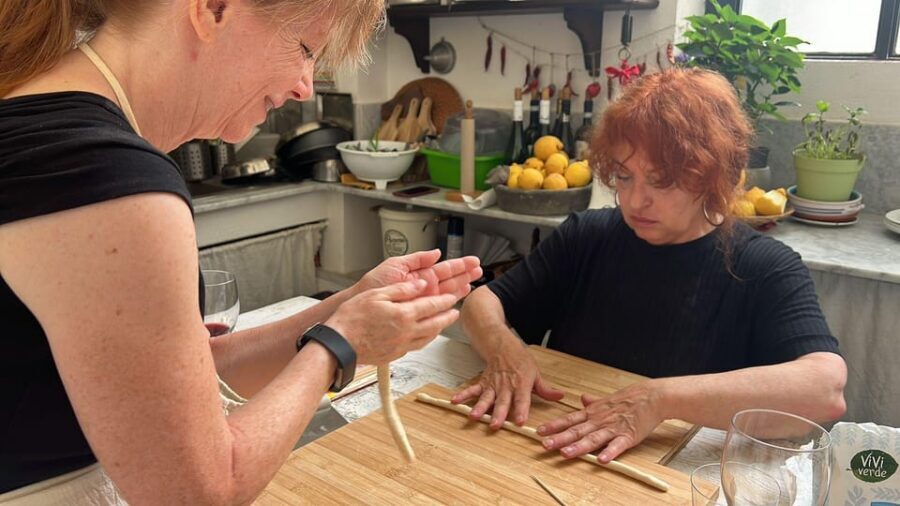
You start with fresh pasta dough, made from scratch. That means you’ll learn what the dough should feel like as you work it—how it stretches, how it holds, and what to adjust when it fights back. This is the part I think is most valuable for you, because once you understand the dough behavior, everything else becomes easier.
In a class like this, the real learning isn’t fancy jargon. It’s practical technique: getting the dough to the right texture, working patiently while it rests, and understanding that dough needs time to calm down before you shape ravioli. Several people note the class is hands-on from the start, and that the host explains what you’re doing and why, so you can replicate it later.
Bronte Pistachios and the Filling That Isn’t Just Green Stuff
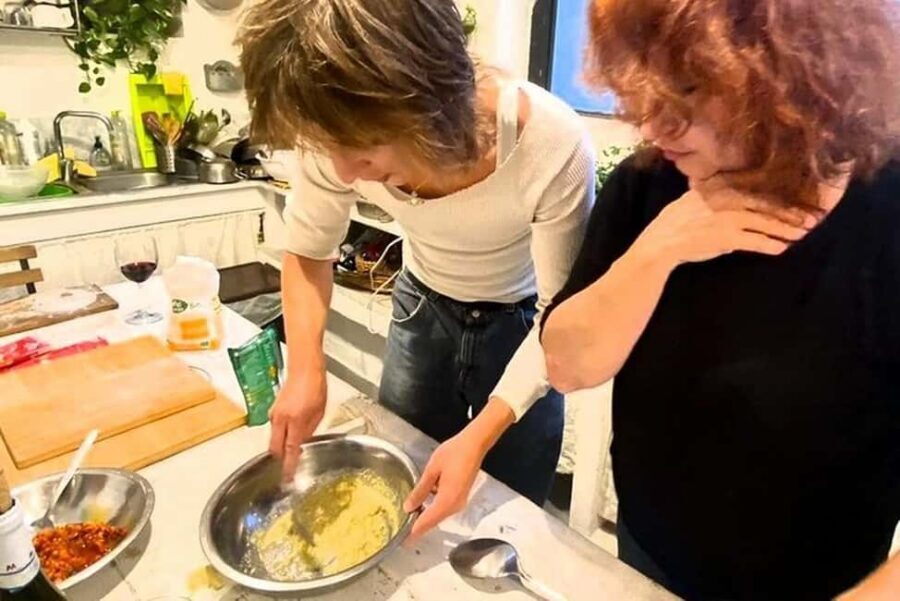
The star theme here is pistachio ravioli, and the class specifically ties it to Sicily’s pistachio story—often called “green gold.” Bronte pistachios have a reputation on the island, and you’ll make a filling that tastes like it belongs in this region, not like it was imported from somewhere else.
What you’re aiming for with the filling is balance: creamy enough to distribute, flavorful enough to stand up against the pasta, and thick enough to seal. The class guides you through building it as part of the workflow, so by the time you’re shaping ravioli, you understand what the filling needs to do inside the pasta.
Shaping Ravioli: Small Motions, Big Payoff
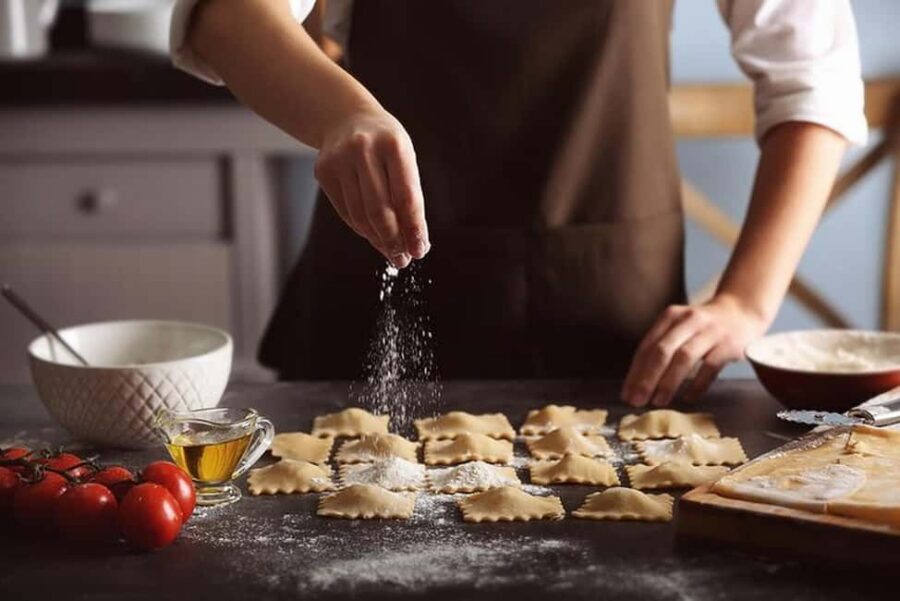
Shaping ravioli is where most cooking classes either make you feel confident… or make you want to quit. Here, the teaching approach focuses on technique and small corrections as you go. People consistently praise the host’s attention to detail and her habit of staying next to the action rather than stepping away once you have the recipe.
You’ll practice making ravioli that actually stay together. That might sound basic, but it’s the difference between a beautiful dish and a sad plate of filling escaping like it had someplace to be. Expect feedback on how you handle the dough and how you close and arrange each piece.
The Meal You Cook: Wine, Bruschetta, and Dessert
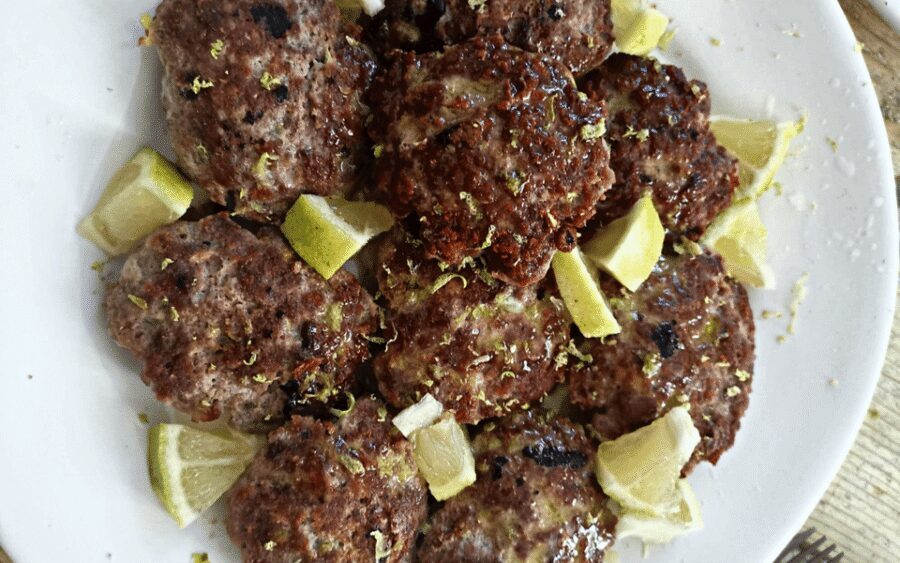
Once the ravioli are ready, you sit down to eat what you made—plus a 3-course dinner setup. This is where the class feels like a full evening, not a quick snack.
What you’ll likely taste:
- Ravioli with wine pairing: the Sicilian wine is included, and people describe it as a simple but very satisfying match with the pistachio pasta
- Bruschetta with pear and cheese: one of the most repeated details—pear, cheese, walnuts, and chestnut honey are mentioned as part of the topping
- Dessert: tiramisu comes up often, and ricotta-and-strawberry is also mentioned in some experiences
That pear-bruschetta combo is a smart touch for you. Sweet fruit against salty cheese and honey makes the meal feel balanced, not heavy. And the chestnut honey is very Sicilian in spirit—less “dessert sugar,” more “regional ingredient that belongs with food.”
You can also read our reviews of more wine tours in Catania





Timing, Duration, and How to Plan Your Evening
The activity is listed as 3 hours, but in practice you may want to plan for a longer evening. At least one participant notes it ran closer to 4 hours total. That makes sense: dough rests, people learn at slightly different speeds, and you’ll also eat together.
If you’re scheduling dinner afterward, don’t book something tight and formal. Give yourself breathing room. This kind of cooking class is part lesson, part meal, part hang—especially with the small group size.
Language and Comfort: How This Works If Your Italian Is Limited
The instructor can work in English and Italian, and there’s also support from Victor for translation. Even when English is enough, you’ll still hear Italian food talk and cooking instructions that can move fast. If your Italian is limited, don’t stress—many people rely on translation tools during class and still have a smooth time.
For you, the key is attitude. Cooking is visual. Even if words lag, you can watch hands, copy motion, and learn the technique. The host’s approach (humor, patience, and step-by-step guidance) is repeatedly mentioned, and it makes a difference when you feel like you’re doing it wrong.
Price and Value: What $100 Buys You Here
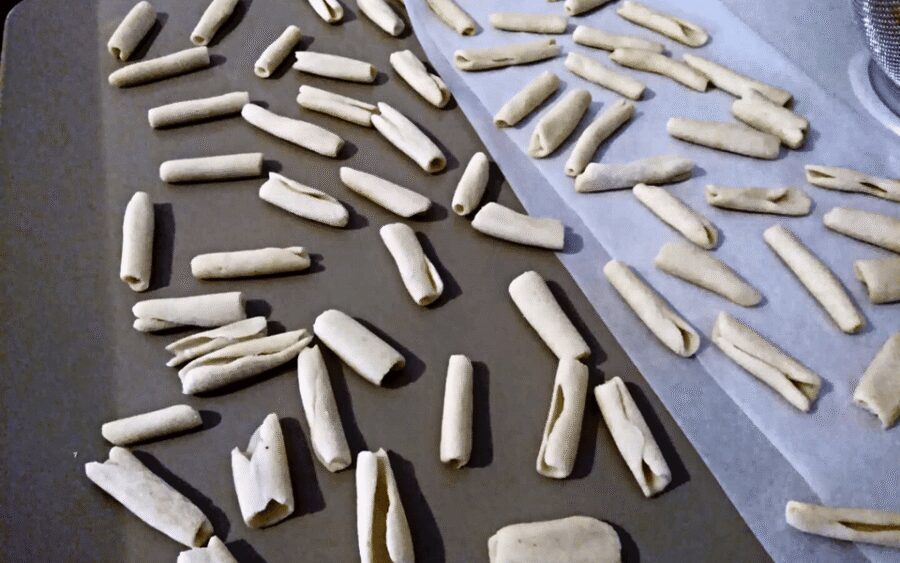
At about $100 per person, you’re paying for more than ingredients. You’re paying for:
- Direct coaching while you shape pasta
- A full meal afterward (3 courses plus wine)
- The cost of a home-kitchen setup where you’re not competing for equipment
- A unique Sicilian specialty: pistachio ravioli tied to Bronte pistachio culture
Is it cheap? No. But if you compare it to a dinner plus a typical food tour, the value gets clearer. You’re not just tasting Sicilian flavors; you’re learning how to reproduce a dish at home. And because the group is small and hands-on, you get more “time cooking” than in many larger classes.
If your goal is purely sampling, you might prefer a tasting menu route. If your goal is skill plus food, this looks like a strong match for the money.
Who This Catania Class Suits Best
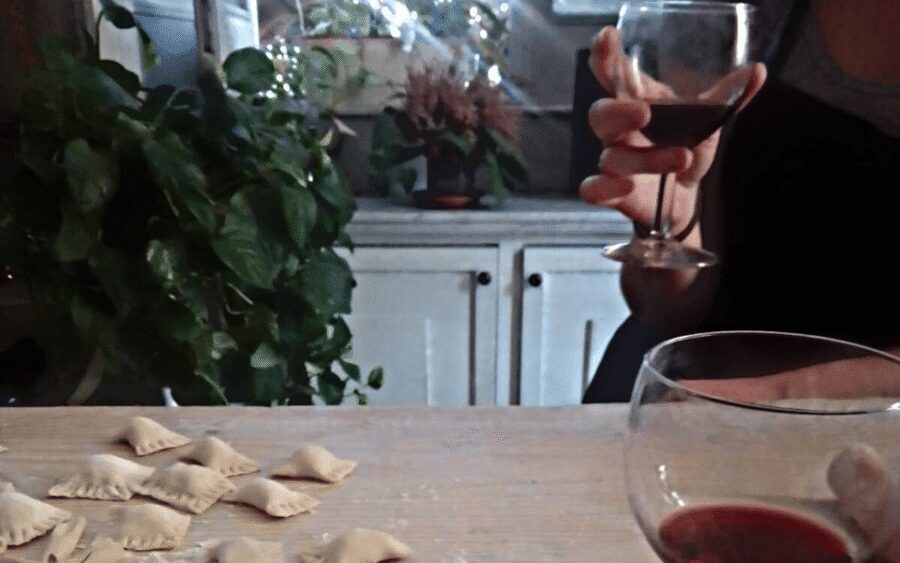
This is ideal if you want:
- A hands-on food activity in Catania rather than a passive tour
- To learn pasta-making technique you can repeat later
- To eat a meal that’s tightly connected to Sicilian ingredients like pistachio and chestnut honey
It’s also a solid choice for couples and small groups because the setting feels personal. One more practical note: the experience is not suitable for wheelchair users, largely because it takes place in an apartment setting with stairs.
Should You Book This Pistachio Ravioli Cooking Class?
Book it if you want an evening where technique and flavor meet. You’ll leave with a dish that feels clearly Sicilian—pistachio ravioli, guided by Angela (with Victor helping translate), plus a meal built around the work you did.
Skip it if you:
- Need an accessible, ground-floor venue
- Want a strictly structured, silent classroom style
- Prefer quick tastings over hands-on cooking
If you’re unsure, here’s my practical decision rule: if you’ll enjoy getting your hands messy for a few hours, and you like the idea of leaving with a real recipe you can make again, this is the kind of Catania experience that tends to be worth it.
FAQ
What’s the duration of the Catania pistachio ravioli cooking class?
The class is listed at 3 hours. Some participants report the evening can run a bit longer, so plan a relaxed schedule.
What’s included in the price?
The price includes a cooking class, a 3-course dinner, wine, water, and coffee.
How big is the group?
It’s a small group, limited to 8 participants.
What languages are used during the class?
The instructor works in English and Italian.
Where do we meet?
You should ring the bell at Vignolo at the provided address.
Is this class suitable for wheelchair users?
No. It’s listed as not suitable for wheelchair users due to the apartment-style setting.