
REVIEW · CATANIA
Catania: Pasta & Tiramisu Cooking Class at a Local’s Home
Book on GetYourGuide →Operated by Cesarine · Bookable on GetYourGuide
Fresh pasta lessons beat a restaurant meal. In Catania, this hands-on class puts sfoglia and tiramisu on the counter with a friendly home cook, and you get the real rhythm of Italian cooking in a private house. I especially like learning to roll pasta by hand and having two different pasta preparations instead of one boring demo. The dinner-style add-on, an Italian aperitivo, makes it feel like a night with locals rather than a studio class. One consideration: it’s in a local home, so you’ll be in someone’s private space and the address only comes after booking.
The big win here is the Cesarine model: you’re not just eating Sicilian food, you’re learning from an ordinary cook who’s proud of family recipes. Names that come up in past sessions include hosts like Graziella and Andrea (with a roof terrace view of the city and Mount Etna) and Angela (warm, patient teaching that feels like family). If you need a totally wheelchair-friendly venue or step-free setup, this is listed as not suitable for wheelchair users.
In This Review
- Key Things That Make This Class Worth Your Time
- Why This Catania Cooking Class Feels Like the Real Deal
- Cesarine Hosts: What You’re Really Paying For
- Your 3-Hour Class Flow: Aperitivo, Dough, and Dessert
- Rolling Sfoglia: The Skill You’ll Actually Remember
- Two Pasta Types Plus the Classic Tiramisu: How the Menu Teaches
- Two pasta types
- Tiramisu
- Aperitivo and Drinks: This Isn’t Just Cooking, It’s an Evening
- Value Check: Is $112.15 Worth It?
- Location Reality: Private Home Address and What It Means for You
- Who Should Book This Class in Catania
- Before You Go: Small Tips That Improve Your Experience
- Should You Book This Catania Pasta & Tiramisu Class?
Key Things That Make This Class Worth Your Time
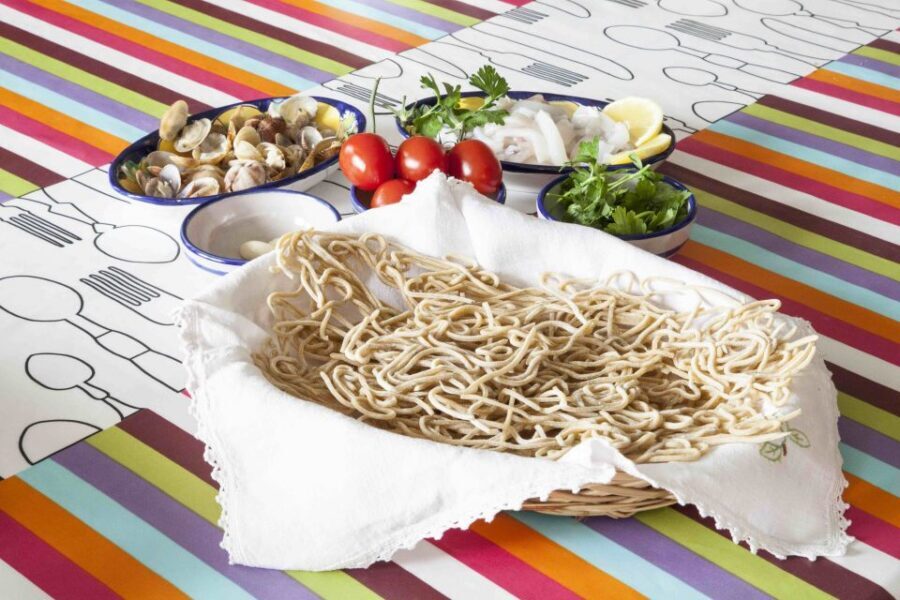
- Hand-rolled sfoglia: you practice the dough technique, not just watch it happen
- Two iconic pasta types: you leave with more than one shape and flavor memory
- Tiramisu training: you learn the classic process and how to finish with confidence
- Aperitivo first: prosecco and nibbles help you settle in before the flour starts flying
- Real-home teaching: Cesarine hosts like Graziella, Angela, and Maurizio set the tone with humor and patience
Why This Catania Cooking Class Feels Like the Real Deal
Catania is full of great food. Still, you can spend an entire trip eating and miss the part where people actually learn how to cook. This class is built for that missing slice.
You start in a local home and work side-by-side with a host. That changes everything: the pace slows down, the teaching becomes personal, and the food tastes more like effort than entertainment. The best sessions focus on technique you can reuse later, like how to handle fresh pasta dough without tearing it or ending up with something too thick.
The setting helps too. In past experiences, the host homes have included roof terraces with city views and Mount Etna in sight. Even when you don’t get the exact same view, the point stays the same: you’re in Sicily, not in a classroom.
One more small thing that matters: this is taught by Italian English instructors through Cesarine. That means you should expect a clear explanation of what you’re doing, plus a chance to ask questions as you go.
You can also read our reviews of more cooking classes in Catania


Cesarine Hosts: What You’re Really Paying For
This is organized through Cesarine, described as the oldest Italy home-cook network, available in more than 500 cities. That matters because it’s not one standardized kitchen. It’s a network of people opening their homes and sharing family-style cooking.
You’re also getting more than a “tour” meal. Included in the experience are beverages (water, wines, and coffee) and an Italian aperitivo featuring prosecco and nibbles. That’s part of the value, but it also sets a tone: people linger. You get time for conversation that doesn’t feel forced.
Cesarine hosts are known for serving local specialties from their own family cookbooks. In practice, that translates to the kind of cooking where small decisions make a difference—how thick the dough is, how the filling is handled, and how the tiramisu is assembled.
And yes, the human factor is strong. One past host, Maurizio, didn’t just teach pasta. He has been noted for a great sense of humor and even writing a song during the session. Those personality details aren’t guaranteed, but they signal what you should expect: you’re there to be welcomed, not processed.
Your 3-Hour Class Flow: Aperitivo, Dough, and Dessert
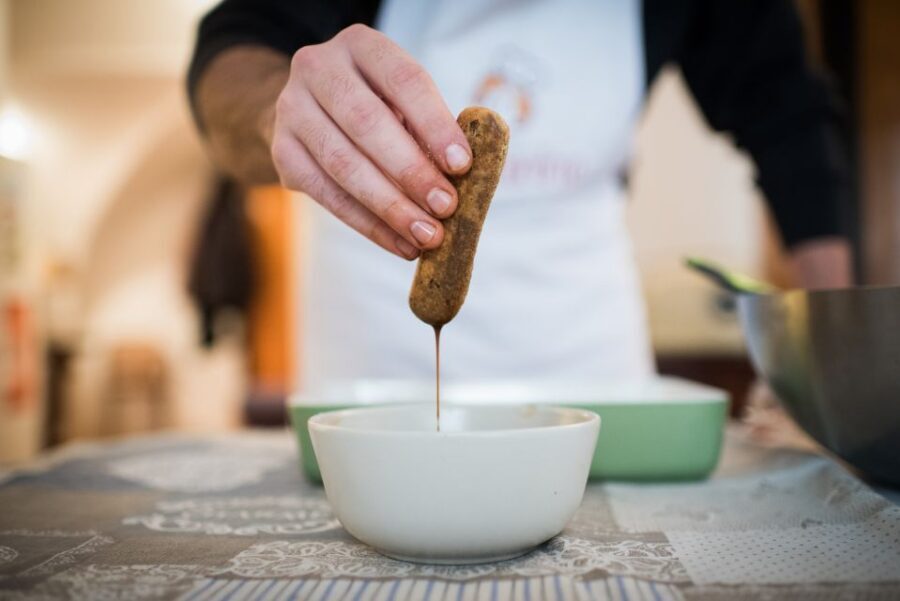
This experience runs about 3 hours. The timing depends on availability, so check your dates early. You’ll meet at a designated meeting point, then head to the host’s home. For privacy, you don’t get the full address until after booking, which is pretty standard for this kind of private-host experience.
Here’s the practical flow you can expect:
Start with an aperitivo.
You’ll get prosecco and nibbles right away. This is more than a snack. It helps you relax and get comfortable before you start mixing dough. It also gives you a chance to chat with your host and other participants.
Learn to roll sfoglia by hand.
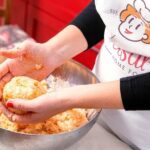
The class teaches you how to roll fresh pasta dough. You’ll work with your hands, learning how to handle the dough sheet so it’s workable and consistent. Fresh pasta is simple in ingredient list, but technique matters—especially the thickness.
Make two pasta preparations from scratch.
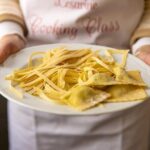
You’ll learn two iconic pasta types. The exact types aren’t specified in the basic overview, but you should expect at least two distinct forms or styles, not two variations of the same dish. One review mentions tortelli/tortellini-style pasta (homemade tortelli), so you might find a filled pasta lesson included depending on what the host is making that day.
Make tiramisu and then taste.
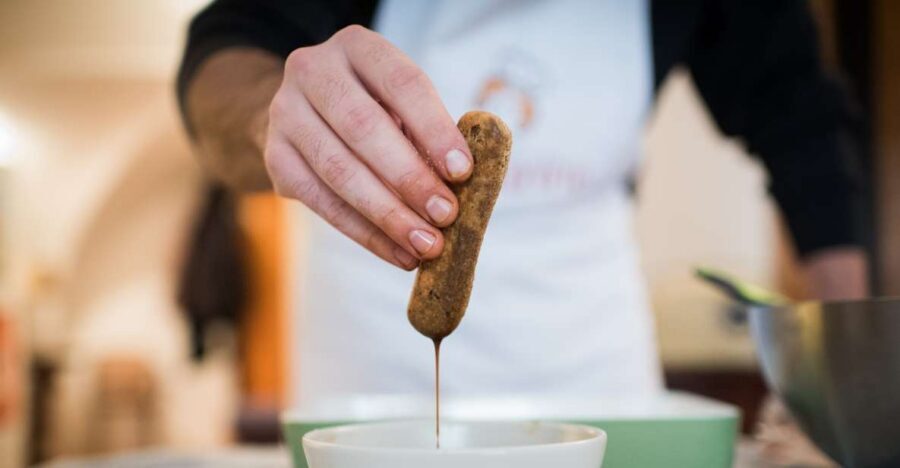
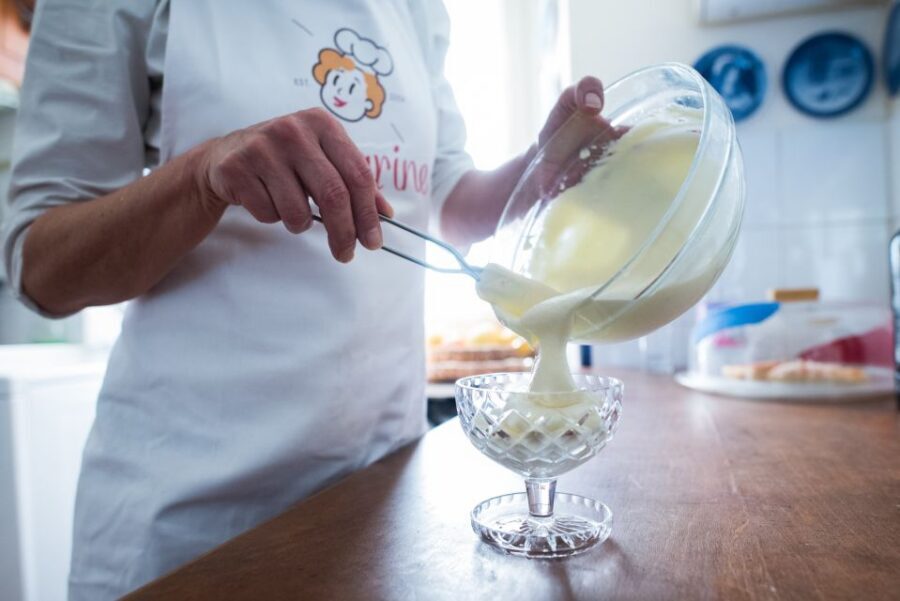
You’ll learn to prepare the iconic tiramisu. A practical note from past experiences: some hosts prepare tiramisu early so it has time to set before you eat. That’s smart, because tiramisu is easier to slice and serve after it chills.
Eat what you made.
You’ll have a tasting of the two pasta recipes and tiramisu. This isn’t “watch and sample a bite.” You should expect a full meal feel.
The session ends back at the meeting point.
Rolling Sfoglia: The Skill You’ll Actually Remember
If you only care about tasting, any restaurant can help. But this class is built around technique, and rolling sfoglia by hand is where it becomes memorable.
Fresh pasta dough is forgiving, but only if you treat it right. Rolling isn’t just about making it thinner. It’s about keeping the dough even so it cooks consistently. Too thick and it’s heavy. Too thin and it tears.
In a home setting, you’ll usually get hands-on corrections. That’s the difference between learning at a counter with your host stepping in, versus following a video alone in your kitchen back home.
Another bonus: once you’ve practiced rolling, the rest of the cooking makes more sense. You understand why certain fillings need a certain kind of thickness, and why timing matters for cooking fresh pasta.
Two Pasta Types Plus the Classic Tiramisu: How the Menu Teaches
The class menu is structured like this on purpose: pasta first, then dessert. Pasta requires concentration and technique, while tiramisu is more about timing, assembly, and patience.
You can also read our reviews of more tours and experiences in Catania


Two pasta types
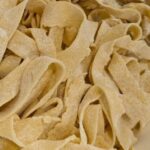
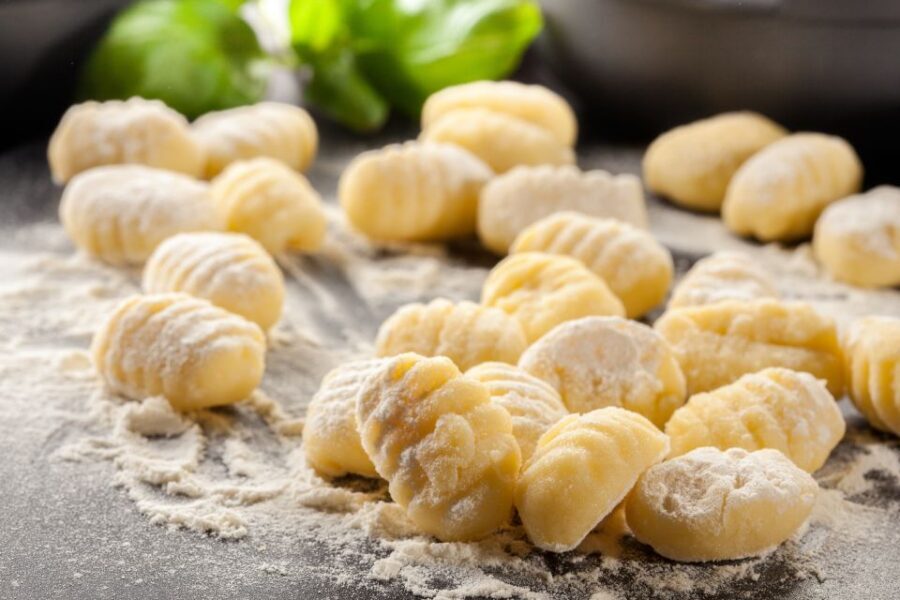
You’ll learn two iconic pasta types from scratch, with your host guiding you through the steps. That’s ideal because it trains your hands for more than one style of fresh pasta cooking. It also gives you a better sense of Italian regional variety, even within a single evening.
Because the exact shapes aren’t listed in the overview, I can’t promise which two you’ll make. Still, filled pasta is part of the conversation in past sessions, including homemade tortelli. So be ready for either shaped pasta sheets or a filled pasta approach.
Tiramisu
Tiramisu is the classic finish. You’ll learn to make it, then taste it with the rest of the meal. One smart approach noted in past sessions is preparing tiramisu earlier so it can set properly. That affects texture. Set tiramisu slices cleanly; rushed tiramisu tends to be looser.
Also, tiramisu isn’t just dessert. It’s a lesson in how Italian cooks manage time. In a home kitchen, you see how waiting is part of the process.
Aperitivo and Drinks: This Isn’t Just Cooking, It’s an Evening
You get water, wines, and coffee, plus the aperitivo with prosecco and nibbles. The drinks matter because they make the class feel like a Sicilian gathering instead of an activity you sprint through.
Wine also pairs naturally with what you make. Fresh pasta loves a glass that can handle richness and acidity. If you’re the type who likes to match flavor with drink, you’ll probably appreciate this setup.
One more practical point: if you’re used to “activity” tours where food is a side note, this one is closer to dinner at a friend’s place—just with flour on the sleeves.
Value Check: Is $112.15 Worth It?
At $112.15 per person for about 3 hours, you’re paying for three things at once:
- Two pasta lessons plus tiramisu, with hands-on instruction.
- Food and drink, including wine, prosecco aperitivo, coffee, and nibbles.
- A home setting through Cesarine, with a host who teaches from family-style knowledge.
If you compare this to the cost of a guided cooking experience that only includes one dish and no wine, this tends to feel fair. If you’re comparing it to a standard dinner in Catania, the value is less about the ingredients and more about what you take home: technique, confidence, and the story you’ll tell later.
Is it for everyone? Not if you just want to eat with zero effort. But if you want to learn pasta basics you can repeat, the price becomes easier to justify.
Location Reality: Private Home Address and What It Means for You
The most important practical thing: the experience is held at a local home, and for privacy reasons you only receive the full address after booking. You meet at a meeting point first, then you move to the host’s home.
That means you should plan to navigate with your phone and stay flexible. Also, bring a bit of patience. Private-home experiences run on the host’s schedule, and that’s part of why they feel authentic.
Another practical note from the data: it’s not suitable for wheelchair users. If you use a wheelchair or need step-free access, this listing is likely a mismatch.
Who Should Book This Class in Catania
This class is best for you if:
- You love cooking and want hands-on instruction, not just watching
- You want a Sicilian home experience with pasta and tiramisu as the focus
- You like small-group interaction and conversation during an actual meal
It’s also a solid choice if you’re visiting with a friend or partner. Several of the strongest impressions were about the company and comfort level once the host opened the door.
It might be less ideal if:
- You hate being in someone’s home environment (it’s personal, not staged)
- You need step-free accessibility
- You want a strict timeline like a museum tour
Before You Go: Small Tips That Improve Your Experience
Because it’s a home kitchen, a few common-sense choices matter:
- Wear something you don’t mind getting a little flour on.
- Plan to arrive hungry enough to enjoy the aperitivo and the meal you’ll cook.
- Bring curiosity. The best moments tend to be when you ask about technique, not just ingredients.
Also, since the session includes wine and prosecco, keep your evening plans simple afterward. Fresh pasta cooking can be fun and a bit tiring. You’ll be fully fed when it ends.
Should You Book This Catania Pasta & Tiramisu Class?
If your goal is to do more than eat in Catania, this is a strong yes. You get real technique—especially hand-rolled sfoglia—plus the satisfaction of making two pasta types and tiramisu in a home kitchen. The included drinks and aperitivo help the evening feel like Sicily, not a scripted activity.
Book it if you’re excited to learn. Skip it if you want zero hands-on work or you need wheelchair accessibility.
If you’re unsure, use this quick test: would you rather learn to make fresh pasta once, then eat it, than just order pasta and move on? If the answer is yes, you’ll likely have a great time here.