REVIEW · CATANIA
Catania: Private Cooking Class at a Local’s Home
Book on GetYourGuide →Operated by Cesarine · Bookable on GetYourGuide
A kitchen lesson beats a cooking demo every time. In Catania, you cook with a certified Cesarina in a local home, then sit down and taste what you made with wine. I love how personal it feels, and I love that the class focuses on real family recipes, not tricks and shortcuts. The one thing to keep in mind is that the address is shared only after booking, so you’ll need to plan for a bit of back-and-forth with your host.
The best part is the rhythm: you get set up at your workstation, cook the dishes, and then the whole meal happens at the table. In the process, you learn the small habits that make Sicilian food taste like Sicilian food. And if you end up with a patient teacher (one host named Maurizio is often described that way), the lesson can feel more like hanging out with a family friend than taking a class.
In This Review
- Key Things That Make This Catania Cooking Class Work
- Why Cook in a Cesarina’s Home in Catania
- The 3-Hour Flow: From First Bites to Wine-Fueled Tasting
- Your Workstation Is Ready, So You Can Focus on Learning
- The Three Recipes: What You’ll Actually Learn
- The Table Moment: Why Tasting Everything Changes the Class
- Wine, Coffee, and the Social Side of an In-Home Class
- Private Group: What You Gain (and Who Should Choose It)
- Price and Value: Is $164.26 Per Person Fair?
- Logistics You’ll Want to Plan For (Without Making It Complicated)
- What to Expect From Your Instructor (and How to Get the Most Out of It)
- Should You Book This Catania Cooking Class?
- FAQ
- How long is the cooking class?
- What time does the class start?
- Is the class private?
- Where do we meet?
- What will we cook and taste?
- Are drinks included?
- Can the class accommodate dietary requirements?
- How many people are needed for it to run?
Key Things That Make This Catania Cooking Class Work
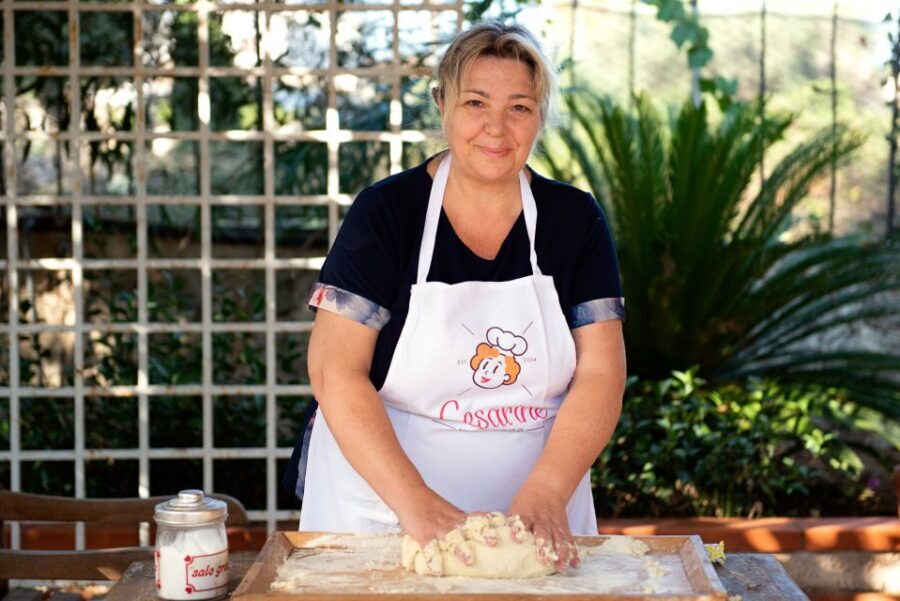
- Private in a local home: you’re cooking inside someone’s real kitchen, not a studio.
- A certified Cesarina teaches you: the lesson is led by an experienced home cook (English and Italian).
- Three recipes, hands-on: you cook with ingredients and tools already provided at your workstation.
- Eat what you make: you taste all three dishes around the table.
- Wine at the table: local red and white wines plus water and coffee are included.
- Highly interactive vibe: from pasta-shaping struggles to patient corrections, the teaching style matters here.
Why Cook in a Cesarina’s Home in Catania
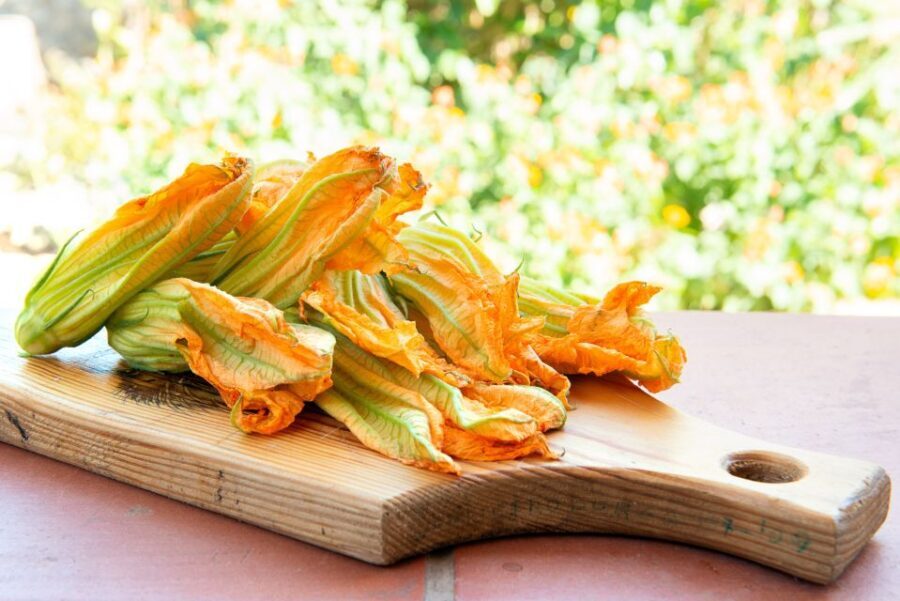
Catania food has personality, and you feel it faster in a home kitchen than in a classroom. This experience is built around a private, in-home cooking class with a certified local cook, called a Cesarina. That single detail changes the whole tone of the evening.
I like that the class is centered on family recipes passed down through generations. It’s not just about following steps. You learn why certain choices are made, what textures should look like, and what to pay attention to as you cook.
The other big win is that you get to eat. Many cooking classes stop at the last bite or package the food for later. Here, you taste everything you make together, with wine and coffee.
You can also read our reviews of more private tours in Catania



The 3-Hour Flow: From First Bites to Wine-Fueled Tasting
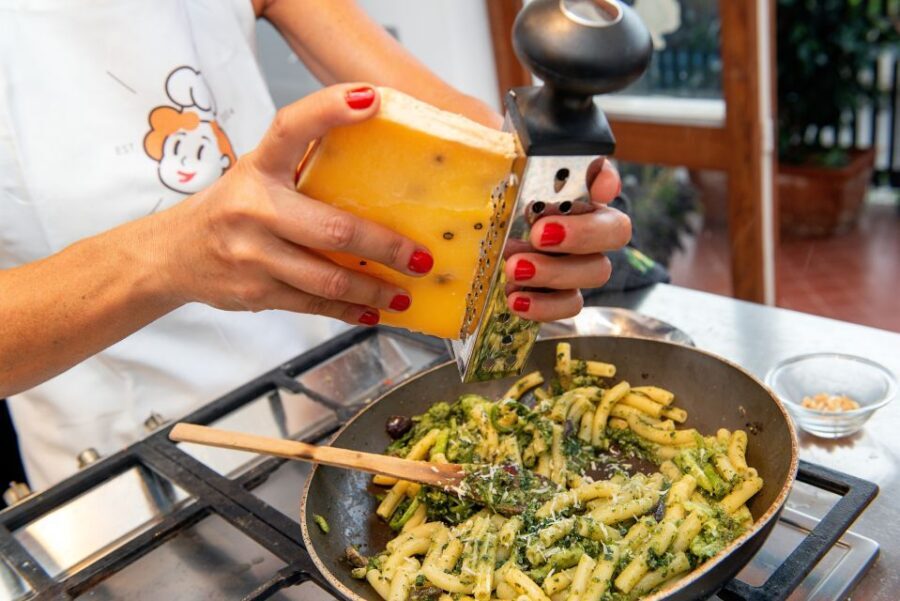
This is a 3-hour private lesson. Start times are usually 10 AM or 5 PM, but they can be flexible if you coordinate with the organizer in advance. Expect the day’s schedule to revolve around the cooking process and the shared table meal.
Here’s the practical flow you can plan for:
- You arrive at the local family home (the full address is sent to you after you book).
- You settle in at your workstation. Utensils and ingredients are ready for you.
- Your Cesarina teaches you three authentic local recipes through hands-on instruction.
- You eat everything you prepared, at the table, with beverages included.
A nice touch: many people mention a starter spread—things like cheese, bread, and spreads—before the cooking really starts. Even when that exact setup varies by host, the vibe is consistent: you’re fed, relaxed, and ready to cook.
Your Workstation Is Ready, So You Can Focus on Learning
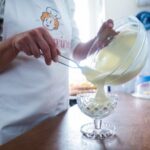
One reason cooking classes can feel stressful is the “where is everything?” factor. Here, you’re given a workstation with utensils and ingredients. That matters, because it turns the class into learning instead of logistics.
You’ll be guided through each recipe while cooking. And if you’ve ever struggled with a specific technique—like shaping pasta—this kind of class is where slow, patient correction pays off. One well-mentioned host, Maurizio, is described as charming, very hospitable, and extremely patient, especially when someone is still learning the pasta-shape basics.
That patience isn’t just nice. It helps you understand the skill, not just the finished shape.
The Three Recipes: What You’ll Actually Learn
The class is built around three authentic local recipes. The exact dishes can vary by what your Cesarina chooses to teach, but the focus stays the same: real methods you can bring home and repeat.
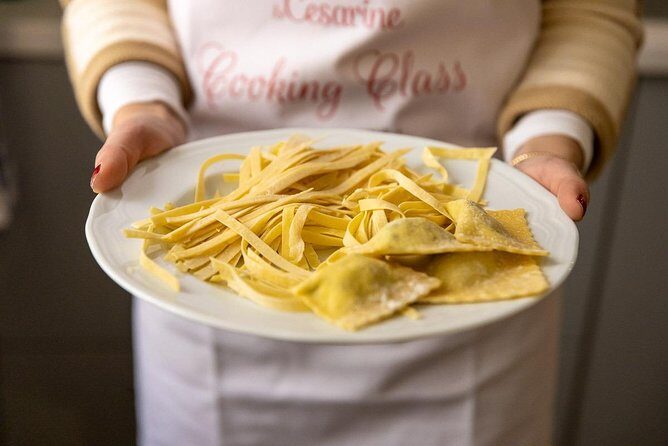
From the experiences shared, you can expect some classic Sicilian-style tasks, like pasta work (including shaping) and a dessert component—tiramisu comes up in at least one account as a standout. The key point for you: you’re not just mixing ingredients. You’re building technique, step by step.
Here’s what this format tends to teach best:
- Texture awareness: you learn what the dough or sauce should look and feel like.
- Timing control: you practice sequencing so everything finishes together.
- Family-style shortcuts: not fast-food hacks—more like sensible methods that home cooks use every day.
And because it’s private, your teacher can adjust in real time. If you need extra help on one part, you get it.
The Table Moment: Why Tasting Everything Changes the Class
Cooking is only half the story. The best half is what happens after the stove goes quiet.
After you make the three recipes, you taste everything you prepared around the table. This is where the learning locks in. You can compare what you made to what it’s supposed to taste like and understand how each step matters.
The beverage setup is included too:
- water
- local wines (a selection of red and white)
- coffee
Sitting down with wine matters here because it keeps the whole experience social. You’re not cleaning up fast and leaving. You’re enjoying the meal with your host and getting that satisfying sense of completion.
You can also read our reviews of more cooking classes in Catania


Wine, Coffee, and the Social Side of an In-Home Class
Local wines aren’t an afterthought. They’re part of the experience while you cook and while you eat. That’s a practical win: you’re already spending time in a local home, so pairing your meal with local red and white wines feels natural.
Also, since the class is private, you don’t have to shout over a large group. It tends to feel like a long dinner conversation that happens to include cooking lessons.
One detail that gets mentioned often with the Maurizio-led sessions: hosts may even take photos during the meal so you can remember the experience beyond the taste. That’s not the main reason to book, but it’s a fun bonus.
Private Group: What You Gain (and Who Should Choose It)
This is a private group class, and it’s designed for at least two people to run. That minimum matters because it keeps the experience intimate. You won’t be packed into a big class where everyone gets the same brief instructions.
So who is this best for?
- Food lovers who want to learn beyond restaurant-level eating
- Couples who want a memorable, shared activity
- Small groups who like hands-on experiences with personal attention
- Anyone who wants a local home connection without touring a museum
If you’re traveling alone, it can still work well as long as you meet the minimum group requirement. If you have dietary needs, this is also a good candidate—different dietary requirements can be catered for, but you need to confirm directly with the service organizer after booking.
Price and Value: Is $164.26 Per Person Fair?
The price is $164.26 per person for a 3-hour private in-home class, including tastings of the three recipes, beverages (water, wines, and coffee), and local taxes. On paper, it can sound steep if you’re comparing it to a public class.
But private lessons usually cost more because you’re paying for:
- access to a real home kitchen
- a certified Cesarina
- utensils and ingredients set up for your group
- the full meal experience (you eat what you cook)
Value-wise, this is strongest for people who care about technique and want to leave with practical skills, not just photos. You’re essentially paying for a hands-on skill transfer plus a full table meal.
If you’re the kind of traveler who loves cooking as a hobby, this can be a great use of time. If you only want quick amusement, you might feel it’s more work than you expected. But if you’re excited to learn, it’s one of those experiences that can pay off for years at home.
Logistics You’ll Want to Plan For (Without Making It Complicated)
This experience happens in a local family’s home. For privacy, you receive the full address after booking, and then your host contacts you with instructions about the meeting point.
That means you should:
- double-check your message notifications after booking
- plan a little buffer time the first time you find the location
- bring any questions about timing or diet to the organizer early
Also note the language: instruction is available in English and Italian. If you want a specific language, it’s worth clarifying with the organizer when you reserve.
Cooking classes usually start around 10 AM and 5 PM, but it can be flexible based on your requirements. If those times don’t work for you, it’s worth asking.
What to Expect From Your Instructor (and How to Get the Most Out of It)
A Cesarina is a certified home cook. That’s a real advantage because home cooks teach differently than professional chefs who rush for speed. You tend to get explanations geared toward making the dish work in normal kitchens.
The teaching style matters. One host, Maurizio, comes up with high praise for being charming, hospitable, and extremely patient—especially with pasta shaping. That kind of patience can turn an intimidating technique into something you feel confident repeating later.
To get the most from the class:
- pay attention to visual cues (what the dough or sauce should look like)
- ask when you’re unsure, not just when you’re stuck
- don’t rush. If the host says slow down, slow down
And remember: you’re eating what you cook. Your effort directly affects your own meal.
Should You Book This Catania Cooking Class?
Book it if you want a hands-on Sicilian food experience with a real local-home feel. You’re paying for a certified instructor, a private setting, three recipes, and a full tasting meal with local wines and coffee. That combination is hard to beat if you love learning recipes you’ll actually make again.
I would skip it if you only want light entertainment or you’re not interested in cooking. Also, if you hate uncertainty, the shared address model may feel a little uncomfortable—though it’s common for privacy, and your host provides meeting-point instructions.
If your goal is a practical skill plus a memorable table meal, this is a smart bet.
FAQ
How long is the cooking class?
The class lasts 3 hours.
What time does the class start?
Classes usually start at 10 AM or 5 PM, but start times can be flexible based on your requirements.
Is the class private?
Yes. It’s a private group experience.
Where do we meet?
Because it’s held in a local home, the full address is shared after you book. Your host will contact you with meeting instructions.
What will we cook and taste?
You’ll learn 3 authentic local recipes and then taste everything you prepared, accompanied by beverages.
Are drinks included?
Yes. Beverages included are water, local wines, and coffee.
Can the class accommodate dietary requirements?
Different dietary requirements can be catered for. You should confirm your needs directly with the organizer after booking.
How many people are needed for it to run?
At least 2 people are required for the activity to take place.