REVIEW · CATANIA
Cooking lesson in Catania with lunch or dinner
Book on Viator →Operated by Futuro e Lavoro · Bookable on Viator
A Sicilian lunch lesson beats another museum day. In Catania, this hands-on class has you cooking classic dishes with guidance in a professional kitchen setup, then sitting down to eat what you made with a bottle of Sicilian wine. I like the small-group feel and the focus on dishes you can actually repeat at home, not just watch being assembled. One thing to consider: the format is firmly hands-on, and the menu is centered on Sicilian flavors like eggplant and ricotta, so it’s not a meat-forward cooking class.
The class is about cooking culture, not fancy performance: you’ll prep ingredients, roll pasta, and fill cannoli. You’ll also get recipe support (including a recipe booklet), which makes the whole thing more useful than a one-off meal. Possible drawback: the environment is a working kitchen, so don’t expect a decorative cooking studio vibe.
In This Review
- Key highlights you’ll care about
- Why Catania Cooking Starts in a Real Kitchen
- The 3-Hour Plan: Bruschetta, Caponata, Pasta, Cannoli
- Bruschetta: The Fast Starter That Teaches Sicilian Flavor Rules
- Sweet-and-Sour Caponata: Where Sicilian Cooking Gets Its Personality
- Spaghetti Rolls alla Norma and Pasta alla Norma: The Ricotta Moment
- Cannoli: The Sweet Finish You’ll Want to Rebuild at Home
- Wine With Your Meal: How to Make It Feel Like Part of the Experience
- Price and Value: What $119.77 Really Buys You
- Location in Catania: Getting There Without Stress
- Dietary Needs, Allergies, and Adjustments: Ask Early
- When This Class Might Not Be Your Perfect Fit
- Should You Book This Sicilian Cooking Lesson in Catania?
- FAQ
- How long is the cooking class in Catania?
- Is the class taught in English?
- Where does the experience start?
- What kind of dishes will I learn to cook?
- Is lunch or dinner included?
- Is wine included?
- How many people are in the group?
- What if I have food allergies or intolerances?
- What is the weather situation?
- What is the cancellation window?
Key highlights you’ll care about
- Small group size (max 14): more time with the chef and less standing around.
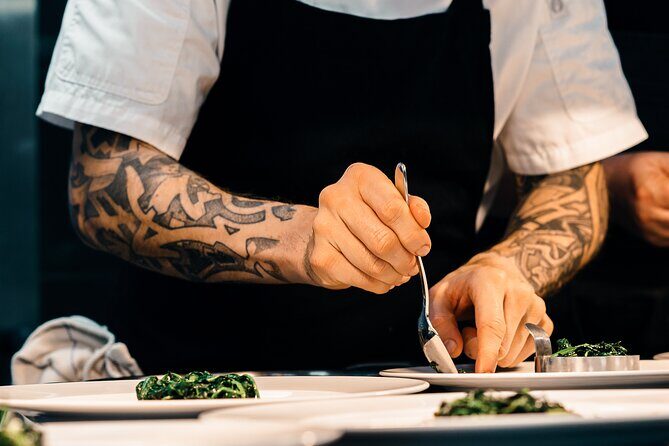
- Professional kitchen equipment: designed for real prep work, not a demo setup.
- Hands-on menu: bruschetta, sweet-and-sour caponata, fresh pasta alla Norma, and cannoli.
- Wine included with your meal: you’re meant to linger after cooking.
- English offered: you should be able to follow the steps without guessing.
- Recipe booklet after class: you’ll leave with a home-cook plan, not just memories.
Why Catania Cooking Starts in a Real Kitchen
Catania isn’t short on great food, but this kind of lesson gives you something different: the why behind the flavors. You’re not just tasting Sicilian classics. You’re making them with your hands in a working kitchen, which is where most people actually learn what changes a dish from okay to memorable.
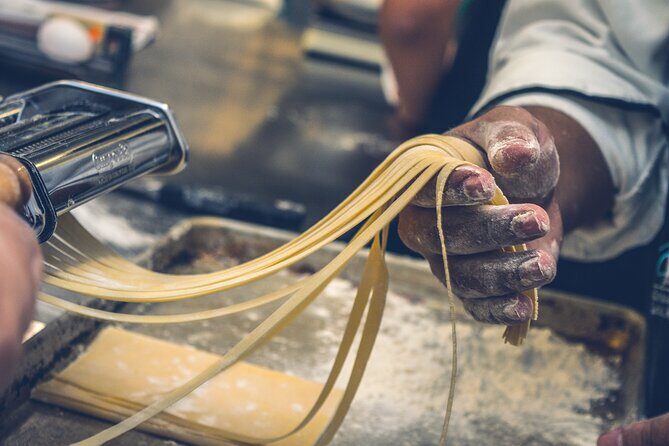
What I like most is the pacing and role clarity. The chef guides you step by step, but you’re not stuck watching. You chop, cook, assemble, roll, fill. That matters because Sicilian cooking is often about texture and timing: a sauce needs the right reduction, an eggplant dish needs the right balance, and fresh pasta needs to be handled with care.
Another plus: the class is built for groups that want to talk. Several people specifically pointed to the small size as a reason the atmosphere stays friendly and informal. You’ll meet others, swap travel notes, and share the meal you made instead of rushing out right after.
You can also read our reviews of more cooking classes in Catania
The 3-Hour Plan: Bruschetta, Caponata, Pasta, Cannoli
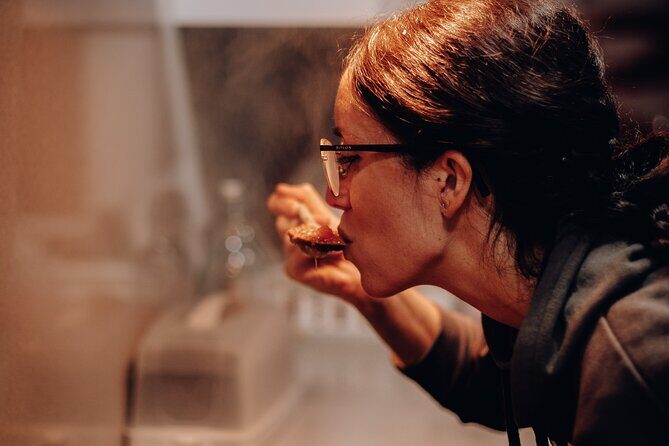
This is an approximately 3-hour experience in Catania, with the meal included (either lunch or dinner). Exact timing can vary, but the flow is consistent: you start with prep and cooking, then sit down to eat, often with wine.
Here’s the menu structure you should expect:
- Starter: typical Sicilian bruschetta (often with basil pesto and cherry tomatoes)
- Main components (one of the menu sets):
- Sweet-and-sour caponata
- Fresh pasta alla Norma (commonly taught as spaghetti-style rolls in some formats)
- Dessert: Sicilian cannoli
In some cases, you may get an alternate main set, including:
- Eggplant parmigiana
- Pasta with cherry tomatoes, ricotta, and basil
- Cannoli again as the sweet finish
That “either/or” setup is useful for you to know. It means you’re not just paying for a generic pasta course. You’re learning how Sicilian eggplant and ricotta-based dishes behave across different recipes.
Bruschetta: The Fast Starter That Teaches Sicilian Flavor Rules
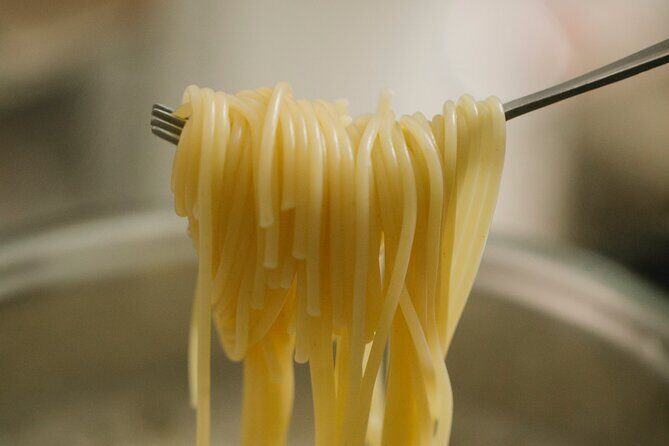
Bruschetta sounds simple, but it’s a great warm-up because it forces you to nail a few basics: freshness, balance, and flavor layering.
Expect to work with ingredients like cherry tomatoes and basil pesto. This is the kind of starter that can go wrong if everything tastes the same. The chef’s job is to help you make the flavors feel distinct, so each bite tastes intentional.
Even if you’re a confident home cook, you’ll probably pick up small technique cues—like how to combine ingredients without making things watery, or how to season to get flavor without masking the tomatoes.
Sweet-and-Sour Caponata: Where Sicilian Cooking Gets Its Personality
Caponata is a signature Sicilian dish for a reason: it’s not just “eggplant with sauce.” It’s sweet, tangy, and deeply savory—often with a balance that feels surprising until you taste it.
In this class, you’ll make caponata in sweet-and-sour style. That means you’ll learn how the dish builds complexity. You can think of it like this: you’re cooking eggplant until it’s tender, then layering in the sweet and acidic components so the whole thing tastes unified, not just two flavors pasted together.
If you’re wondering why people rave about this course, it’s usually this dish. Several comments focused on caponata as a highlight, including how it turned out better than expected.
Spaghetti Rolls alla Norma and Pasta alla Norma: The Ricotta Moment
Pasta alla Norma is the dish that often marks your first real “Sicily moment” on a food trip. The key is the finishing touch: ricotta salata (a drier, saltier ricotta) grated over the pasta. That topping is what gives the dish its classic identity.
This course includes fresh pasta for alla Norma in a form that can involve rolling (the class description mentions spaghetti rolls). Either way, you’re practicing:
- how to handle fresh pasta
- how to combine it with the sauce
- how to finish correctly so the topping actually does its job
One helpful caution from the operator side: if you dislike the traditional ricotta salata flavor, you can ask about a substitution such as parmesan. That tells you two things: first, the class takes authenticity seriously; second, they’re willing to adjust if you communicate clearly.
You can also read our reviews of more tours and experiences in Catania


Cannoli: The Sweet Finish You’ll Want to Rebuild at Home
Cannoli is the dessert everyone recognizes, but it’s also one of those dishes where technique matters. The lesson doesn’t stop at eating a cannoli shell. You’ll be involved in making the cannoli itself, and that means you’ll see the texture contrast: crisp shell, creamy filling.
Expect to learn steps for the filling (and, in the descriptions, the cannoli assembly). This is a smart payoff for the whole class. You end your meal having made both the savory dishes and the dessert, so it feels like you did a full Sicilian cooking arc, not just a short taste session.
If you’re the type who brings home recipes for the future, cannoli is a good one to practice early because the “results” are obvious. You’ll know quickly if you need to adjust sweetness, thickness, or how you fill.
Wine With Your Meal: How to Make It Feel Like Part of the Experience
Your lunch or dinner includes a bottle of Sicilian wine with the dishes you prepared. The whole point is to shift from cooking mode into eating mode while everything is still fresh.
One practical note from experience reports: a few people said wine wasn’t immediately offered and they had to ask. So if wine matters to your plans, I suggest you simply ask early—once you sit down or when the meal starts. That keeps your evening smooth.
Also, some comments mentioned options like coffee and limoncello. Tea was specifically noted as not available in at least one case, so if you prefer tea, plan for coffee instead.
Price and Value: What $119.77 Really Buys You
At $119.77 per person, you’re paying for more than ingredients. You’re buying:
- a hands-on chef-led lesson in English
- use of a professional kitchen workspace and equipment
- a full sit-down meal based on what you cook
- wine included
- a recipe booklet you can use later
Here’s the value math that makes sense for real travelers. If you’ve ever taken a cooking class and felt it was mostly “chop this, watch that,” you know how quickly it stops being worth the cost. This one is structured to prevent that. With a max group size of 14, you tend to get more direct guidance and less time waiting your turn.
That said, you should know what kind of value you’re signing up for. The space is a working lab, not a glam studio. If your idea of value includes a polished, decorative ambience, you might find the room less charming than the food.
For most people, the math flips the other way: you’re there to learn and eat, and the food payoff is big.
Location in Catania: Getting There Without Stress
The meeting point is Via Cervignano, 42, 95129 Catania. It’s also described as near public transportation, with proximity to subway stops GALATEA and ITALIA.
This matters because Catania can be easier than expected when you plan around transit. A kitchen lesson is only fun when you’re not burning time fighting parking or trying to walk across half the city in full heat. If you’re staying near the center, you’ll likely find the location manageable on foot or by short public-transport hops.
The activity ends back at the meeting point, so you don’t need to solve the “how do I get home after dinner” puzzle twice.
Dietary Needs, Allergies, and Adjustments: Ask Early
The course information asks you to list food allergies or intolerances. That’s important. Cooking classes can get complicated fast when people have restrictions, so clear details upfront help the team plan.
Some reports also mention adjustments:
- one person requested and received vegan cooking preparation
- another person noted accommodation for gluten intolerance
I’d take those as encouraging signs, not guarantees. The safest move: message your needs before the day, and keep them simple and specific (ingredients to avoid, not just general labels). If you care about a particular substitution, ask directly.
Also, based on the menus, expect Sicilian cooking to lean heavily on vegetables and ricotta. If you’re expecting a meat-focused program, this may not match your mental picture.
When This Class Might Not Be Your Perfect Fit
This lesson is a strong choice for most people who want hands-on Sicilian cooking and a real meal after. But it’s not for everyone.
Consider skipping or weighing your expectations if:
- You want a heavily meat-based cooking menu (the taught dishes described here are eggplant-and-pasta centered)
- You expect a highly decorated studio atmosphere
- You’re extremely sensitive to the room’s comfort (one negative comment mentioned air-conditioning that didn’t keep up during hot weather; the operator response suggested the AC can protect itself in extreme heat)
On the flip side, if you like practical skills, small groups, and leaving with recipes, this style of class fits well.
Should You Book This Sicilian Cooking Lesson in Catania?
I’d book it if you want a short trip to Sicily’s food identity without committing to a full-day excursion. This is a 3-hour, hands-on class with a clear menu arc: bruschetta, caponata or parmigiana, pasta alla Norma, and cannoli, plus wine and recipe support.
It’s especially worth booking if:
- you prefer learning by doing
- you enjoy eggplant and ricotta-based Sicilian classics
- you want a small-group meal with good structure and time to chat
- you’re going to stay in Catania and want something more memorable than a quick restaurant stop
One last tip: if you care about wine service timing or dietary substitutions, ask early and make your needs clear at the start. With a class this hands-on, good communication helps everything run smoothly.
If you want, tell me your travel month and what you like to cook at home (pasta? sweets? vegetarian dishes?). I can help you decide whether this menu set is a match and what to ask for when you book.
FAQ
How long is the cooking class in Catania?
It lasts about 3 hours.
Is the class taught in English?
Yes, English is offered.
Where does the experience start?
It starts at Via Cervignano, 42, 95129 Catania CT, Italy.
What kind of dishes will I learn to cook?
The class centers on Sicilian dishes such as bruschetta, caponata (sweet and sour) and fresh pasta alla Norma, with cannoli for dessert. An alternate menu can include eggplant parmigiana and pasta with cherry tomatoes, ricotta, and basil.
Is lunch or dinner included?
Yes. You’ll have lunch or dinner depending on the session, and it includes the dishes you prepare.
Is wine included?
Yes. The meal includes a bottle of Sicilian wine.
How many people are in the group?
The class has a maximum of 14 travelers.
What if I have food allergies or intolerances?
You should list any allergies or intolerances when booking so the team can prepare appropriately.
What is the weather situation?
The experience requires good weather; if it’s canceled due to poor weather, you’ll be offered a different date or a full refund.
What is the cancellation window?
Free cancellation is available up to 24 hours in advance for a full refund. If you cancel less than 24 hours before, the amount paid is not refunded.