REVIEW · SICILY
Guided Tour in Morgantina. Visit Morgantina.
Book on Viator →Operated by Zagara Palermo Tourist Guide Villa Romana del Casale · Bookable on Viator
Morgantina feels like a whole city. This guided stop at Area archeologica di Morgantina lets you focus on the agora and theater, so the ruins make sense instead of just being rocks in the sun. It runs as a private experience, with a guide speaking English (or Italian when needed), and you have a simple, half-day plan you can actually fit into a Sicily itinerary.
I especially love two things. First, the site’s scale and layered occupation are the big takeaway: Morgantina is described as an entire ancient Greek city, with origins reaching around 1000 BC. Second, the guiding is a standout, with a guide named Philippa praised for turning the stones into a story and even adding extra context around Aidone.
One consideration: the guided part is only part of the cost. You’ll pay an additional 8€ entrance fee per person for the archaeological area, and the tour runs only during the 9:00 AM–11:00 AM window—so plan around that (and around good weather).
In This Review
- Key points before you go
- Morgantina in Aidone: what you’re actually seeing
- Meeting at 94010 Aidone and how the timing works
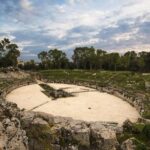
- Agora and theater: the heart of Morgantina
- The agora: where city life played out
- The theater: performance as a social function
- How long you’ll stay
- Price and logistics: what you pay versus what you need to add
- Why the tour price can still be worth it
- Mobile ticket
- The guide experience in plain terms (Philippa’s impact)
- How to plan your visit for an easier walk
- Who this tour suits best
- Final call: should you book this guided tour?
- FAQ
- How long is the Guided Tour in Morgantina?
- Where do we meet for the tour?
- Is the archaeological entrance ticket included in the tour price?
- What languages is the guide speaking?
- What are the tour’s operating hours?
- Is this a private tour?
- What happens if the weather is bad?
Key points before you go
- Private group, up to 15 people: you’re not mixed into a huge crowd, and your guide can keep things moving.
- Agora and theater as the core sights: you get the main “anchor points” of Morgantina rather than random walking.
- Entrance tickets are not included: budget the 8€ per person archaeological fee on top of the tour price.
- Language support (English/Italian): the tour is offered in English, with Italian also listed.
- A named guide, Philippa, gets strong praise: she’s highlighted for making the place click and adding extra local context when possible.
Morgantina in Aidone: what you’re actually seeing
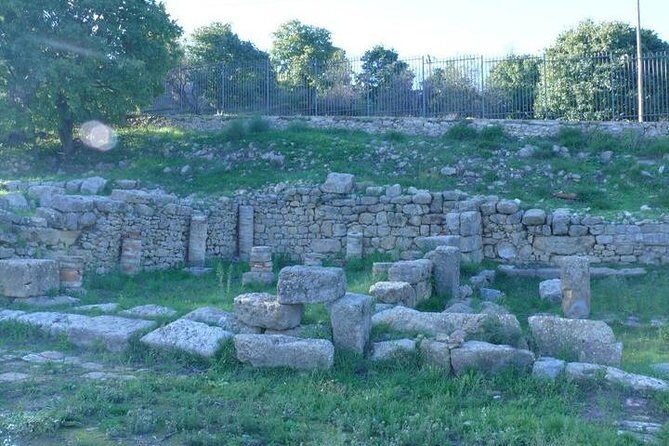
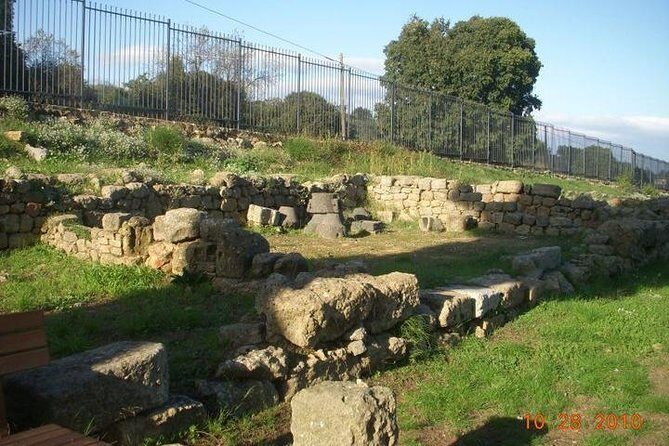
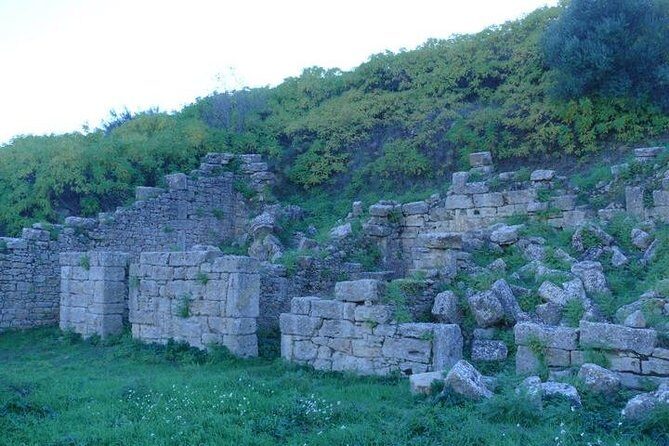
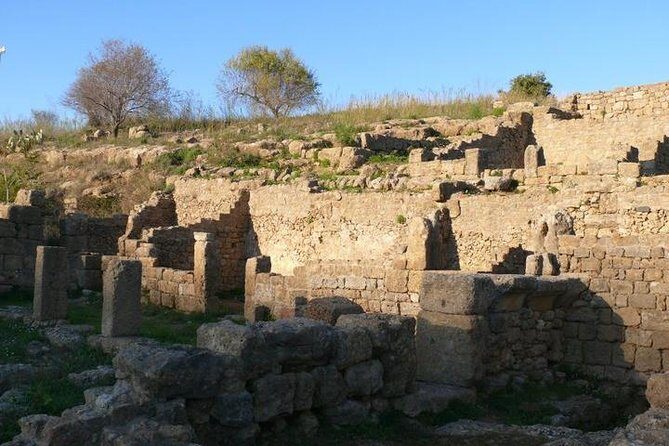
Morgantina is one of those places where ruins stop being “background” and start acting like an entire city plan. The main focus here is the ancient agora and the theater, which is useful because those are the spaces where public life happens—market, meetings, performance, everyday rhythm.
What I like about this approach is that it keeps your visit grounded. Instead of trying to see everything, you concentrate on the areas that help you picture how people moved through the city. If you’ve ever stood in front of a single temple and felt like you missed the bigger story, this kind of emphasis helps.
You’ll also get the sense that Morgantina is not just one moment in time. It’s described as having layers of occupation and culture, which matters because it explains why different parts can feel “different.” You aren’t looking at one finished snapshot; you’re watching a place that changed.
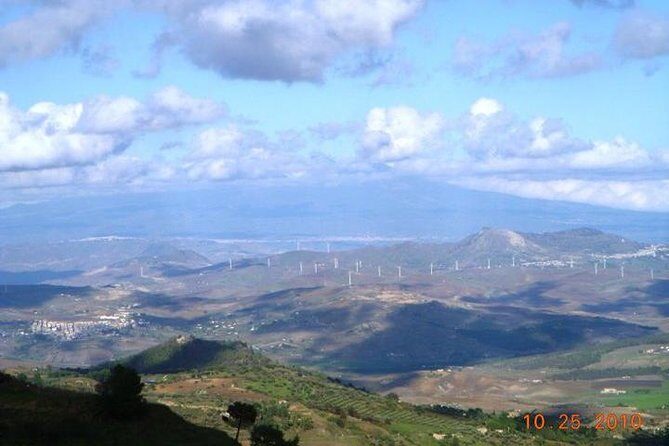
One more thing you’ll probably feel on site: the setting around Aidone has a dramatic, almost “ancient-oracle” feel. That’s not something you can schedule, but guides who know the site often bring it into the explanation—why certain views, slopes, and vantage points made sense for an old city.
You can also read our reviews of more guided tours in Sicily

Meeting at 94010 Aidone and how the timing works
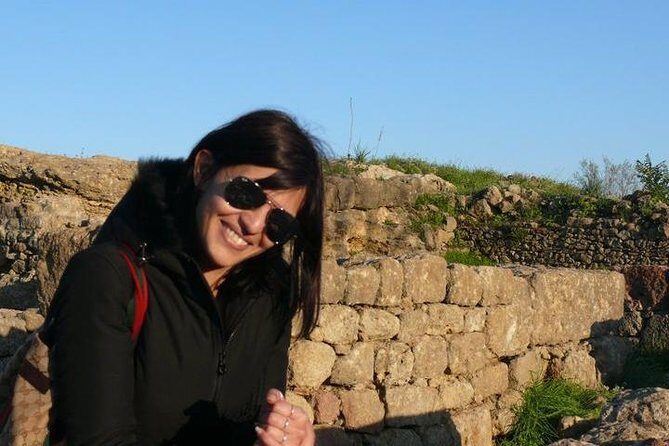
The meeting point is listed as 94010 Aidone, Free municipal consortium of Enna, Italy, and the tour ends back at the same place. That’s practical for planning, because you’re not trying to coordinate a separate pickup or another transfer after you’re done.
The tour duration is about 30 minutes to 1 hour 30 minutes. In real life, that range matters: if your schedule is tight, you’ll likely appreciate the “short and focused” option; if you want more time to ask questions and linger, plan for the longer end.
Operating hours are listed as Monday through Sunday, 9:00 AM to 11:00 AM. So this isn’t a late-afternoon drift. If you like soft light and easier walking, mornings fit that. If you’re the type who forgets what time it is (no judgment), set an alarm the night before.
This tour is also described as private, meaning only your group participates. You’ll see the practical upside right away: fewer delays from people needing extra instructions, and you can follow the guide’s pacing more easily.
Agora and theater: the heart of Morgantina
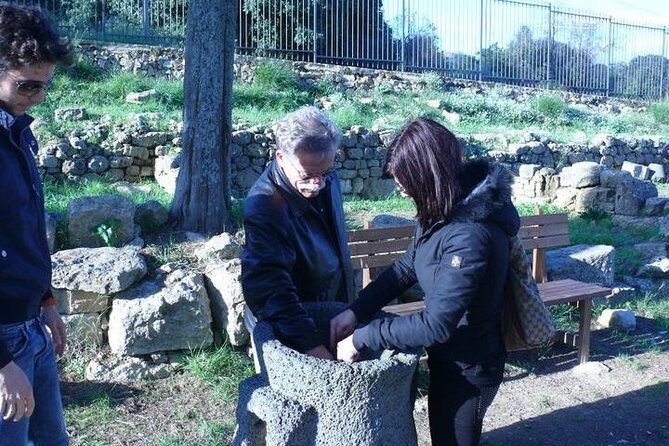
The itinerary’s main stop is the Area archeologica di Morgantina. The agora and theater are called out as the main attractions, and that choice is smart for first-time visits.
The agora: where city life played out
The agora is the part of the ancient city that helps you understand the place as lived-in. Even without advanced archaeology jargon, an agora concept is easy to grasp: this is where people gathered, discussed, bought, and moved through the day. When your guide points out how the space works, you can start imagining the crowds and routines that once filled it.
What’s valuable here is the guidance on context. Ruins can look like disconnected fragments, but the agora anchors you. It’s a “center of gravity,” so once you understand where public life happened, the rest of the site becomes easier to read.
The theater: performance as a social function
The theater adds a different kind of understanding. It’s not just a building; it’s a statement about social priorities. Performance and public events typically bring people together, and the theater helps you picture civic identity—who gathered, why they gathered, and what kind of events mattered.
If you’re the sort of person who likes the “human scale” of ancient sites (not just big stones), a theater-centered walk often lands well. You can usually connect the physical structure to the social function quickly, especially when the guide is explaining it in plain language.






How long you’ll stay
Because the duration is flexible (30 minutes to about 1 hour 30 minutes), you’ll likely either do a crisp circuit or a slower, more interpretive walk. If you care a lot about photos, ask your guide for a moment to pause at the best angles. If you care more about understanding, ask questions while moving instead of saving them for the end.
Price and logistics: what you pay versus what you need to add
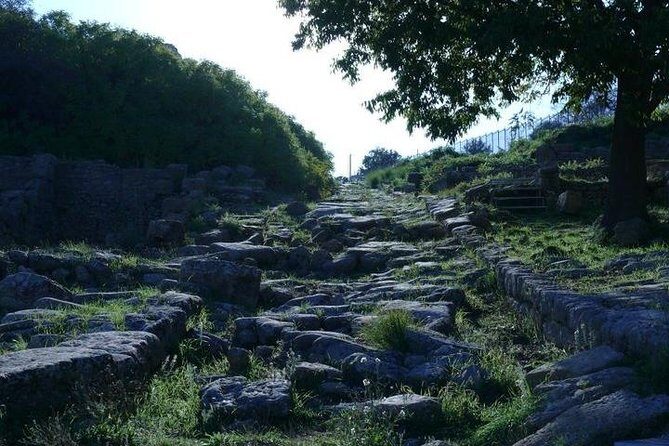
The tour price is listed as $153.69 per group (up to 15). That structure can be a good value if you’re traveling with friends or family. The key is to divide the group price by how many people are in your group, then add the entrance fee.
Entrance is the part that often surprises people, because it’s not included. You’ll pay 8€ per person for the archaeological area ticket. So your real budget is:
- Guided tour cost (group price)
- Plus archaeological entrance: 8€ per person
Also note that a ticket entrance fee is listed separately, but the practical effect is the same: you’re paying the archaeological site entry on top of the guide.
Why the tour price can still be worth it
A guided visit to a specific site can save you time and confusion. Morgantina isn’t the kind of place you’ll automatically “get” just by walking through. When the guide points out the agora and theater and explains how the city worked, you’re paying for clarity.
If you’re traveling solo, the group price may feel less attractive. If you can fill a group (even a small one), the price becomes easier to justify.
Mobile ticket
You’ll have a mobile ticket, which is convenient. It cuts down on the usual “where did we put that paper ticket” stress.
The guide experience in plain terms (Philippa’s impact)
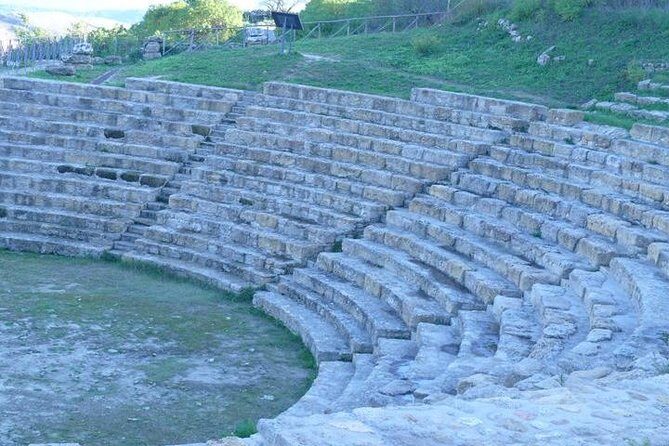
One of the strongest themes attached to this tour experience is the guide quality. A guide named Philippa is specifically praised for being “incredibly knowledgable” and for making Morgantina come alive.
I take that seriously, because the most important part of an archaeological visit is translation. You don’t just want to look at ruins; you want the connections: what this space was for, what the arrangement suggests, and why the place feels complete even though it’s broken.
Philippa is also highlighted for taking people to the archaeological museum in Aidone, where you can see sculptures and artifacts connected to Morgantina. That’s an excellent strategy because it lets you match what you see outdoors with what you can’t fully reconstruct from stone alone.
A further detail mentioned is Villa Romana del Casale. The fact that a guide tied in that nearby context suggests a mindset you’ll appreciate: not just marking time at the ruins, but helping you build a full picture of the area.
Important balance point: none of that extra pairing is guaranteed by the basic itinerary details you’ll see up front. Still, it tells you something useful to ask about. If you’re interested in adding museum context, bring it up with the guide early and see what time and pacing allows.
How to plan your visit for an easier walk
Most people can participate, and service animals are allowed. That’s the clear baseline.
What’s not spelled out in the details, but you should still plan for, is the reality of ancient sites. Even when a route is straightforward, you’re outdoors on uneven surfaces. Wear shoes you trust on rock and dirt. Bring sun protection even in the morning, since Sicilian light doesn’t care about your itinerary.
If your goal is photos, aim to get your big shots early. Morning light is kinder for shadows, and it also helps you photograph stone textures better than harsh midday glare.
And because the experience is marked as requiring good weather, have a backup mindset. If conditions are poor, you may be offered a different date or a refund. That doesn’t mean “cancel forever,” but it does mean flexibility is helpful.
Who this tour suits best
This guided Morgantina visit fits best if you want:
- A focused introduction to agora + theater
- A guide-led explanation that helps the site “click”
- A private group format (up to 15) that keeps the pace sane
- A morning visit that doesn’t steal your whole day
It’s especially good for first-timers to Morgantina who feel overwhelmed by big archaeological sites. It’s also a nice option if you’re doing multiple Sicily highlights and need a clear, manageable block of time.
If you’re an advanced archaeology nerd who wants deep technical detail, you might still enjoy it, but the time window suggests this is more “understand the essentials” than “master every excavation date.” Think clarity over certification.
Final call: should you book this guided tour?
I’d book it if you like guided interpretation and you value getting oriented fast. The combo of a private group, a short morning schedule, and a guide who’s praised for turning Morgantina into a story makes this a smart use of time.
I’d hesitate only if:
- You hate paying on top of the listed tour price (the 8€ per person entrance is the big add-on).
- Your schedule can’t handle a morning-only window.
- Weather flexibility is impossible for you.
If you do book, do two simple things: budget for the entrance fee, and ask the guide early about linking your Morgantina visit with museum context in Aidone, especially if you want artifacts to match what you’re seeing outdoors.
If that sounds like your style, this is an excellent way to see Morgantina without turning it into a guessing game.
FAQ
How long is the Guided Tour in Morgantina?
The duration is listed as approximately 30 minutes to 1 hour 30 minutes.
Where do we meet for the tour?
The meeting point is 94010 Aidone, Free municipal consortium of Enna, Italy. The tour ends back at the meeting point.
Is the archaeological entrance ticket included in the tour price?
No. The Archaeological area of Morgantina entrance fee is 8€ per person, and it is not included.
What languages is the guide speaking?
The tour includes an English / Italian speaking guide. The experience is offered in English.
What are the tour’s operating hours?
The listed opening hours are Monday to Sunday, 9:00 AM to 11:00 AM.
Is this a private tour?
Yes. It’s described as private, so only your group will participate.
What happens if the weather is bad?
The experience requires good weather. If it’s canceled due to poor weather, you’ll be offered a different date or a full refund.
##