REVIEW · SICILY
Tour in bike history Island Ortigia and archeological park Neapolis
Book on Viator →Operated by siracusa tour on high tech bike · Bookable on Viator
Two wheels make Siracusa feel close. This bike history tour links Ortigia’s main landmarks with Neapolis’s ancient ruins in about 4 hours, led in English with all gear provided. You start and finish at Via della Dogana 15, so you’re not hunting for an unfamiliar drop-off.
I like the practical setup: you get the bike (including an e-bike option), plus a helmet and lock, and even the little extras like a phone holder and basket. I also like that you’re not stuck on a slow walking pace—one guide name that shows up in feedback is Joe, and the focus stays on how these places worked and why they mattered.
One consideration: the Neapolis archaeological park ticket is not included, so you’ll need to pay that separately before you enter.
In This Review
- Key highlights to look for
- A 4-hour bike plan that connects Ortigia and Neapolis
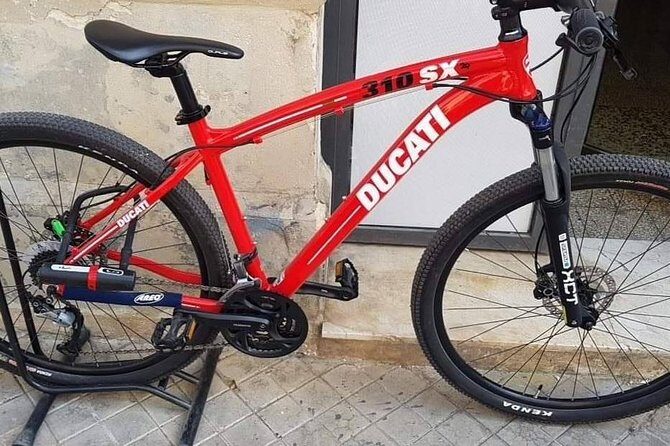
- Your wheels: Atala, Lombardo, and Bianchi Ducati (with smart add-ons)
- Ortigia stops: temples, fountains, and the island’s civic pulse
- Temple of Apollo: the classical anchor
- Temple of Athena: another pillar of the same world
- Fontana di Diana and the island’s public life
- Piazza Duomo: where history meets everyday movement
- Fonte Aretusa: the poetic end to the Ortigia chapter
- Neapolis archaeological park: Greek theater to the Ear of Dionysius
- Greek theater: built for voices, built for crowds
- Ara di Ierone: a reminder that religion and power were linked
- Ear of Dionysius: a quick hit of science-meets-myth
- Roman amphitheater: the empire layer
- Price and value: what you pay for (and what you still need to budget)
- The guide factor: Joe’s name shows up for a reason
- Who this tour fits best
- Practical tips before you go
- Should you book this bike history tour?
- FAQ
- How long is the bike history tour in Siracusa?
- Where does the tour start and end?
- What time does the tour begin?
- Is the tour offered in English?
- Are bikes included in the price?
- Is the archaeological park ticket included?
- What gear is provided with the bike?
- Do you get water?
- Is lunch included?
- What’s the cancellation policy?
Key highlights to look for
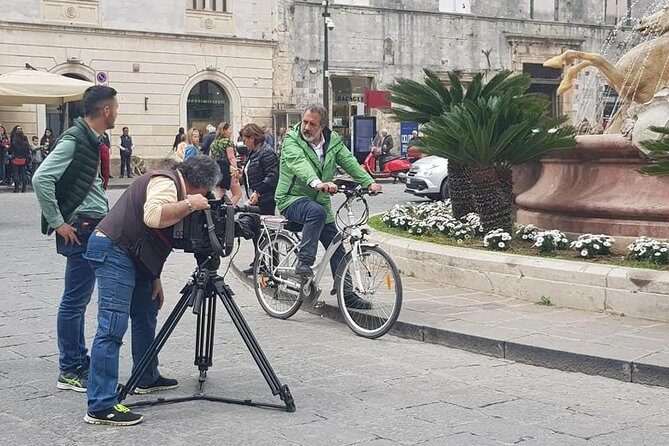
- E-bike or standard bike choices to match your comfort level and energy
- Ortigia loop landmarks like the Temple of Apollo, Temple of Athena, Fontana di Diana, and Piazza Duomo
- Neapolis “must-see” monuments including the Greek theater, Ara di Ierone, and the Ear of Dionysius
- Italian-made bikes (Atala, Lombardo, Bianchi Ducati) with a phone holder, basket, and parcel space
- Helmet + lock included, plus bottled water to keep the ride easy
- Roadside assistance if you run into a mechanical hiccup during the tour
A 4-hour bike plan that connects Ortigia and Neapolis
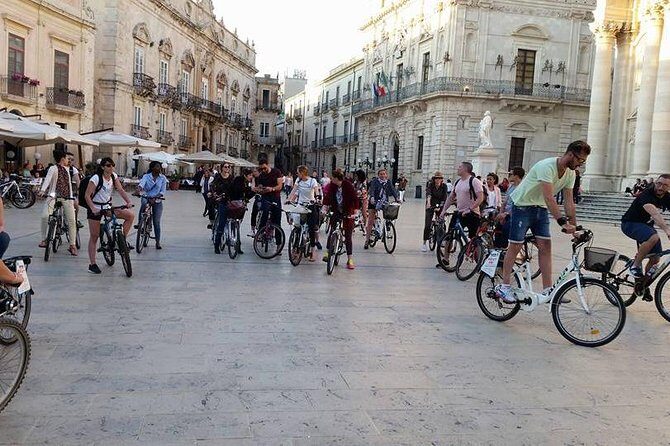
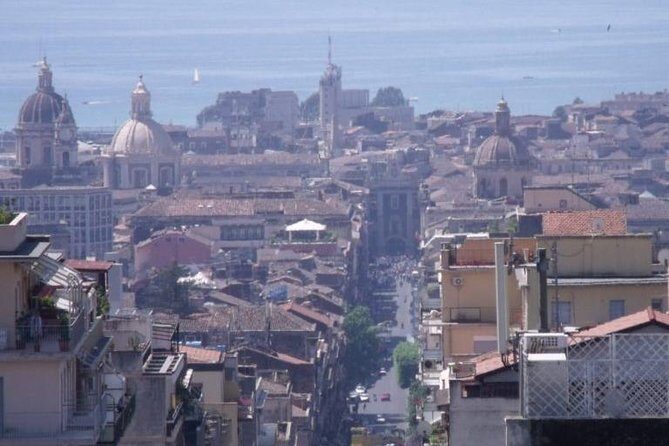
This is the kind of tour that makes Siracusa’s two famous areas feel like one story. You ride from Ortigia—where the island’s religious and civic heart sits—to Neapolis, where the big classical sights are grouped in the archaeological park.
At roughly 4 hours, it’s long enough to feel like a real outing but short enough that you’re not spending your whole day on the move. And since the tour starts and ends at Via della Dogana 15 (near Ortigia), it’s simple to plug into your schedule.
You can also read our reviews of more cycling tours in Sicily

Your wheels: Atala, Lombardo, and Bianchi Ducati (with smart add-ons)
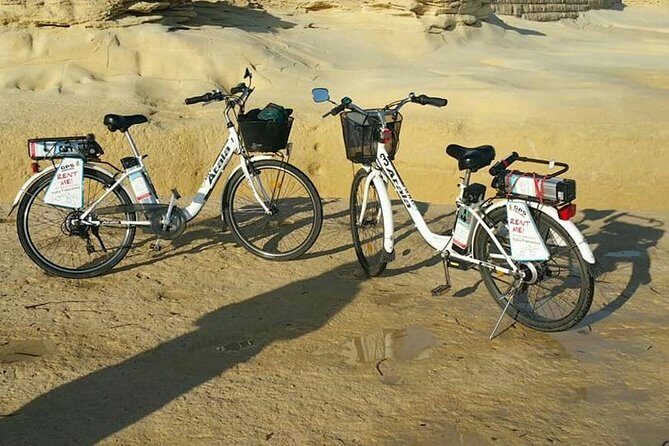
The bikes are made in Italy and the models you might get include Atala, Lombardo, and Bianchi Ducati. What matters for you isn’t the logo—it’s how the bike feels and what it carries.
Each bike comes with practical gear:
- a cell phone holder (handy for maps and quick photo checks)
- a basket for small essentials
- a parcel holder to keep bags from swinging around
- a silicone seat cover to take the sting out of longer stretches
You also get a helmet and a bike lock. That lock detail is underrated: it helps you stop and step away without turning every pause into a stress test.
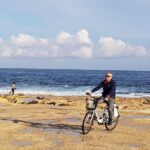
And yes, there’s an e-bike option. If you’re biking in the Sicilian sun or you just don’t want your legs to file a complaint halfway through, this is the easiest way to enjoy the route without feeling rushed.
Ortigia stops: temples, fountains, and the island’s civic pulse
Ortigia is where Siracusa feels intensely walkable and visually dense—and biking turns it from slow sightseeing into efficient storytelling. Your tour covers several of the island’s signature sights in a logical flow, so you’re not bouncing around trying to connect dots.
Temple of Apollo: the classical anchor
One of the first big “wow” moments is the Temple of Apollo. Even if you know the myth, seeing the scale and setting in person helps you understand why these sites became anchors for later generations. When you hear what the space was used for, it’s easier to imagine the rhythm of daily life around it.
Practical note: plan for a few photo stops where you’ll want to park and step off briefly. The bike setup (basket + phone holder) makes this smoother.
Temple of Athena: another pillar of the same world
Next is the Temple of Athena. The fun here is comparing what you notice: stone feel, siting, and how the ancient structures shape the area around them. Your guide’s job is to point out the pieces you might otherwise miss, so you leave with more than a few decent pictures.
You can also read our reviews of more historical tours in Sicily


Fontana di Diana and the island’s public life
The Fontana Diana stop gives you a different kind of contrast—water, ceremony, and public space rather than monumental ruins. It’s the kind of sight that helps the island feel lived-in, not just museum-still.
Drawback to keep in mind: fountains and plazas can be busy, so expect some stop-and-go while you find an angle that isn’t full of people.
Piazza Duomo: where history meets everyday movement
At Piazza Duomo, you’re in Siracusa’s present-day civic center while still standing on top of layers. This is a good place for context: you get to connect why Ortigia matters beyond the tourist highlights.
If you’re the type who likes to understand “what goes with what,” this is where the tour’s structure pays off.
Fonte Aretusa: the poetic end to the Ortigia chapter
The tour wraps the Ortigia portion with Fonte Aretusa. This is one of those stops that can feel almost calm compared to the temples and stonework. It’s also a strong final point before you switch gears and head toward the archaeological park.
Tip: bring a moment of patience here. People pause for photos and reflections, and it’s worth waiting for a less crowded view if you care about compositions.
Neapolis archaeological park: Greek theater to the Ear of Dionysius
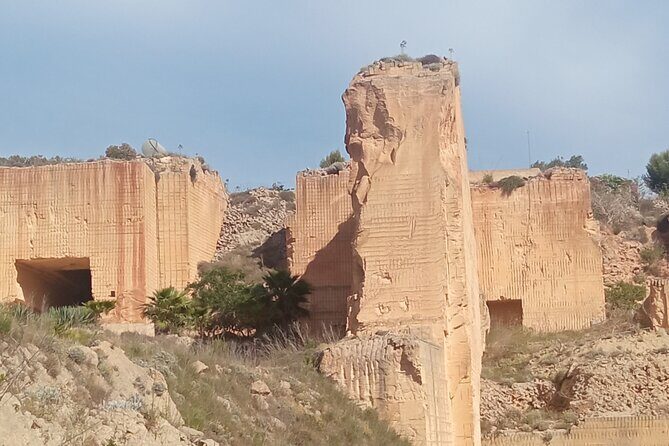
Neapolis is where the tour turns from island landmarks into a major classical site. The archaeological park stops are the kind you recognize from photos, books, or school lessons, but biking helps you cover them without treating your day like a long hike.
You’ll focus on:
- Greek theater
- Ara di Ierone
- Ear of Dionysius
- Roman amphitheater
One more practical detail: the archaeological park ticket is not included, so you’ll need to plan for that cost. It’s common for this kind of site, but it does affect your final “true price,” so it’s worth budgeting ahead of time.
Greek theater: built for voices, built for crowds
The Greek theater is the centerpiece for a reason. It’s hard not to appreciate the scale once you’re there, and it’s even more interesting when you understand how sound and seating design shaped the experience.
Consideration: theaters often mean steps and uneven ground around viewing points. You’ll be fine if you can handle light walking, but don’t expect a totally flat stroll.
Ara di Ierone: a reminder that religion and power were linked
The Ara di Ierone (Altar of Hieron) is the stop that gives the “why” behind the setting. It ties the dramatic theater world to a broader religious and political function—so the park doesn’t feel like random ruins lined up for photos.
Ear of Dionysius: a quick hit of science-meets-myth
The Ear of Dionysius is the playful, memorable moment in the lineup. Even if you’ve seen the idea before, standing in the location helps you understand why this spot draws so much attention.
Practical note: it’s usually a “try it / point it out / take your shot” kind of place. If you like hands-on curiosity, this is where your guide’s pacing matters.
Roman amphitheater: the empire layer
The Roman amphitheater rounds out the arc. This is where you see how later cultures adapt earlier spaces. It’s not just a different structure—it’s a different approach to public entertainment and spectacle.
Price and value: what you pay for (and what you still need to budget)
At $144.49 per person for about 4 hours, you’re paying for a guided route, bike use, and the equipment that makes the ride practical. You get:
- guide support
- use of bicycle (including helmet and lock)
- bottled water
- a bike setup with phone holder, basket, and carrying options
What you don’t get:
- lunch
- the Neapolis archaeological park ticket
So the best way to think about value is this: you’re not paying for a full-day tour with meals, but you are paying to compress multiple major sights into one connected experience without tiring your legs as much—especially if you choose the e-bike.
If you already plan to enter Neapolis anyway, this price makes more sense. If you were hoping to skip ticketed sites, then the separate park cost changes the equation.
The guide factor: Joe’s name shows up for a reason
A highlight in feedback is the guide—Joe is the name that pops up—and the praise centers on two things: he keeps the route organized and he explains the town with clarity. That’s the difference between seeing monuments and understanding why they were built where they are.
Also, the vibe stays fun. The e-bike option helps people keep a steady pace, which means you spend more time listening and looking, less time struggling to keep up.
Who this tour fits best
This is a strong choice if you want:
- a bike-based way to see both Ortigia and Neapolis in one go
- an easy pace (especially with an e-bike)
- a guided route that helps you make sense of major stops fast
It’s also a good fit for groups, since there’s a minimum of 4 people per booking and it runs as a private tour for your group only. If you’re traveling with friends who move at the same speed, this kind of privacy makes planning smoother.
If you dislike riding at all, or you’re dealing with mobility issues that make uneven ground a problem, you might find parts of the archaeological park challenging. (The tour notes that most people can participate, but the terrain still exists.)
Practical tips before you go
- Bring a small day bag you can store in the bike’s basket/parcel holder.
- Keep your phone accessible; the bike has a cell phone holder, so you don’t have to stop to rummage.
- Plan to pay for the Neapolis ticket on arrival or ahead of time based on what your instructions allow.
- Wear comfortable shoes. Even with biking, you’ll still step off often for viewing points.
One more small comfort detail: with bottled water included, you don’t have to hunt for a drink right at the start.
Should you book this bike history tour?
I’d book it if you want a smart, time-efficient way to see Siracusa’s main highlights without turning your day into a long walk. The e-bike option, the helmet + lock setup, and the range from Ortigia’s landmarks to Neapolis’s top ruins make the route feel complete rather than scattered.
Skip or reconsider if you’re not interested in the Neapolis archaeological park ticketed stops, or if biking plus some walking around viewpoints sounds like too much for your comfort level. For most people who want to cover serious sights in a relaxed way, this one is a solid bet.
FAQ
How long is the bike history tour in Siracusa?
The tour lasts about 4 hours.
Where does the tour start and end?
It starts and ends at Via della Dogana 15, 96100 Siracusa SR, Italy.
What time does the tour begin?
The start time is 9:00 am.
Is the tour offered in English?
Yes, the tour is offered in English.
Are bikes included in the price?
Yes. Bicycle use is included, and you can ride a city bike, mountain bike, or an e-bike.
Is the archaeological park ticket included?
No. The ticket for the archaeological park Neapolis is not included and must be paid by visitors.
What gear is provided with the bike?
You get a helmet and a lock with the bike.
Do you get water?
Yes. Bottled water is included.
Is lunch included?
No. Lunch is not included.
What’s the cancellation policy?
You can cancel for a full refund up to 24 hours before the experience’s start time. Changes within 24 hours of start time are not accepted, and cancellation less than 24 hours before start time is not refunded.