REVIEW · SICILY
Mountain Biking Etna by MTB or E-Bike
Book on Viator →Operated by Sicily Bike Tourist Service · Bookable on Viator
A live volcano on two wheels is not a “normal hike.” This Mountain Biking Etna trip takes you through lava scenery and off-road tracks on the Etna South side. I like that it’s built around a real ride circuit—up to the Pista Altomontana area, then down past woods and old lava flows—so you feel the mountain, not just look at it. I also like the practical guide support: you get a certified MTB guide, plus the bike setup that keeps the ride smooth (helmet, backpack, windbreaker, and a 500ml water bottle). One thing to consider: it’s medium difficulty and not for first-time MTB riders.
If you’re looking for a short but serious volcano outing, this fits. You’ll cover about 16 km with roughly 90% off-road, plus around 1,025m of climbing over about 2 hours with stops, from about 1,750–1,780m elevation. The vibe is active and outdoorsy, with a guided break at a forestry house (Giovanni Gualberto) that helps you understand what you’re riding through. The tradeoff is that you’ll need decent pedal legs and comfort on uneven dirt; beginners should pick an easier first Etna day.
Key highlights to know before you go
- Real off-road ratio: about 90% on dirt and trail
- Solid climbing for the time: ~1,025m total elevation gain
- Start high near Etna South: Piano Vetore area, around 1,750m
- Guided lava scenery stop: Giovanni Gualberto Forestry House break
- MTB included; E-bike on request: E-MTB costs extra
- Small-group feel: private tour for your group, English offered
In This Review
- Etna South by MTB: What This 2-Hour Ride Really Feels Like
- Starting at Pista Altomontana: Getting on the Trail at 9:30
- Climb Toward Pista Altomontana: Lava Views and Controlled Effort
- The Descent: Sandy Dirt, Woods, and Old Lava Flows
- MTB vs E-MTB: Picking the Right Way to Ride Etna
- What’s Included: Helmet, Windbreaker, Bike, and the 500ml Water
- Price and Value: Is $63.06 Worth a Half-Day on Etna?
- Meeting Logistics That Actually Matter on Etna
- Who This Tour Suits Best (And Who Should Skip It)
- Tips to Make Your Etna MTB Ride Better
- Should You Book This Etna MTB Ride?
- FAQ
- What is the duration of the Etna MTB ride?
- How far and how much climbing is on the route?
- Is the route beginner-friendly?
- Is an MTB included, or do I need to bring my own bike?
- Can I ride an E-bike instead of a regular MTB?
- Where do I meet, and what time does the tour start?
- What should I bring?
- What’s included in the price besides the bike?
Etna South by MTB: What This 2-Hour Ride Really Feels Like
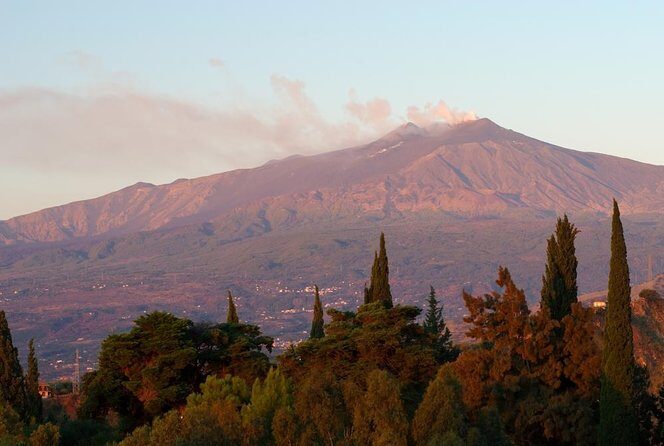
This is the kind of Etna day that stays in your legs. In about two hours total (including short pauses), you’ll ride a circuit that starts and ends near Piano Vetore on Etna’s south side. The route is designed to mix wide volcanic tracks with tighter trail moments, so you don’t just crawl uphill and call it a day.
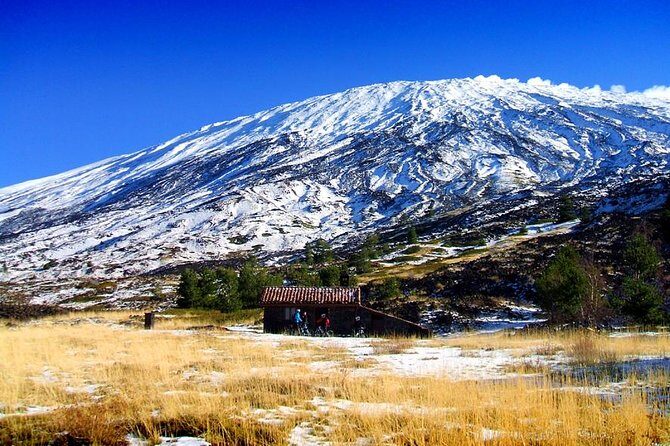
The biggest draw is the terrain itself. From the start, you’re heading toward Pista Altomontana, and the setting is unmistakably volcanic—lava textures, open views, and stretches where the ground turns into sandy dirt once you start descending. It’s active travel in the best way: you’re not waiting around for the best photo angle, you’re earning it with each pedal.
Starting at Pista Altomontana: Getting on the Trail at 9:30
You meet at Pista Altomontana Etna with the specific directions listed for the route toward Galvarina (it’s the practical “how do we find this place fast” detail that matters on Etna). The start time is 9:30am, and the early timing is a quiet advantage: volcanic areas can get tiring quickly when the sun climbs, and a morning ride helps keep the effort manageable.
I like that the ride starts around 1,750m. You’re not easing in from sea level, so you should treat this like a mountain workout from minute one. If you’re arriving from lower elevations, take the first few minutes as a “settle your breathing” period rather than forcing speed.
Also, this is a private tour/activity for your group. That matters for pace and comfort: you can expect less crowd pressure and more guide time for line choices on technical sections.
You can also read our reviews of more cycling tours in Sicily
Climb Toward Pista Altomontana: Lava Views and Controlled Effort
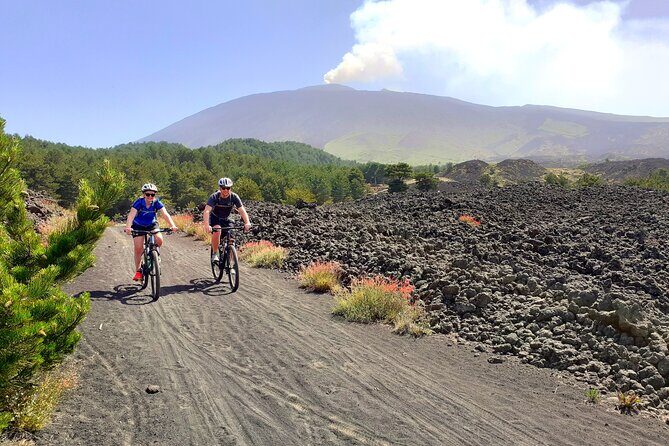
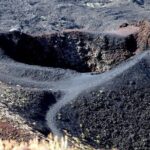
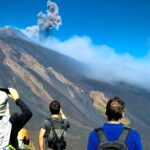
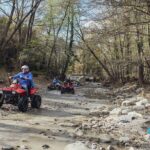
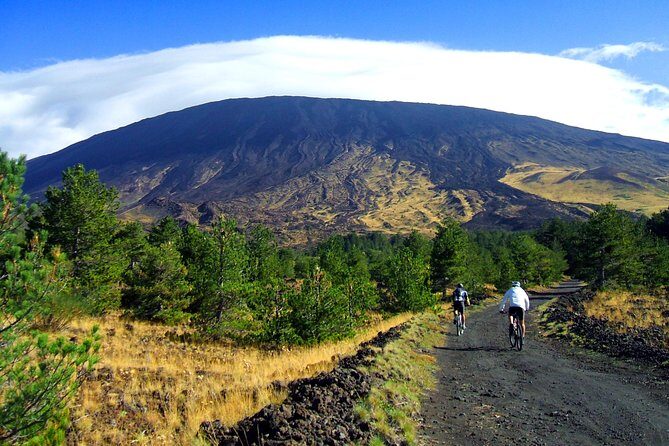
From Piano Vetore, the ride heads toward Pista Altomontana (Etna south), on a trail described for its lava scenery and far-reaching views. This is the part that turns a bike ride into a volcano experience. You’ll see the volcanic ground patterns as you move through the terrain, not from a roadside lookout.
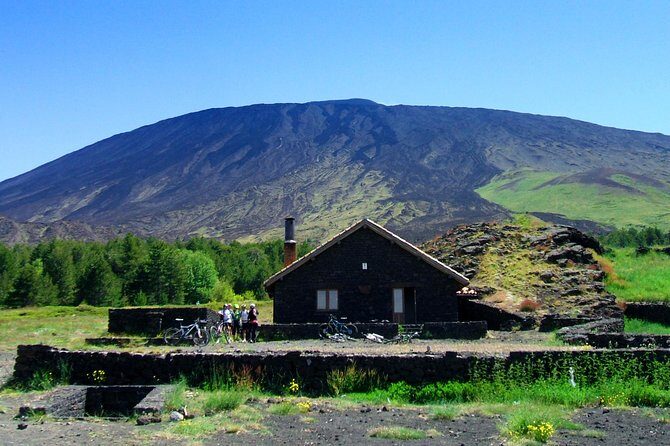
The route includes a short stop at the Giovanni Gualberto Forestry House. That break is more than a bathroom-and-water moment (though it can be). It’s a chance to reset your focus while the guide points out what you’re riding past—how the volcanic landscape shapes the trails and why certain sections are sandy, rocky, or smoother. I appreciate this kind of stop because it makes the next stretch feel intentional, not random.
The climb also sets the tone for difficulty. Even though the ride is short in time, it’s not a gentle warmup. With about 1,025m of total altitude gain over roughly 16 km, you’ll feel the effort in your legs. If you enjoy riding climbs but want them guided and paced, this works well.
The Descent: Sandy Dirt, Woods, and Old Lava Flows
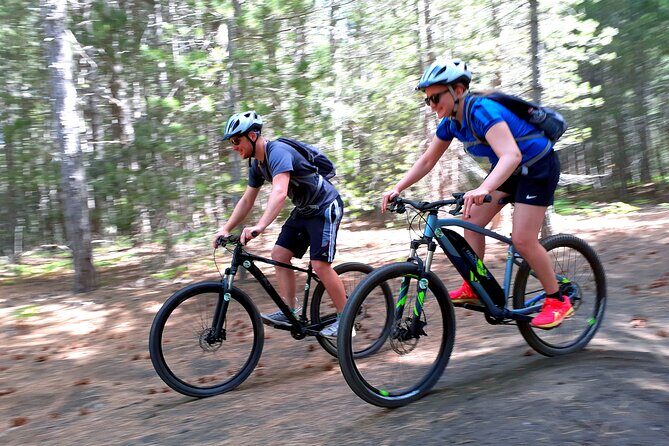
Here’s where the ride gets fun fast. After the forestry house stop, you descend along a sandy dirt road. The description calls out riding through woods and past old lava flows, and that combination usually means two things:
- The surface can shift. Sand behaves differently than firmer dirt, especially when your tires start to lose traction.
- The scenery changes as you drop. You go from open volcanic views to sections where tree cover and lava contours break up the horizon.
The descent is also where a certified guide earns their keep. On a route with about 90% off-road, you don’t want to guess lines. A good guide helps you read the ground quickly so you stay in control and don’t spend the fun part of the ride fighting your bike.
Even though you’re descending, you’re still riding hard enough to keep your focus. It’s not a coast-and-chill downhill. Think “fast enough to feel it, smooth enough to stay safe.”
MTB vs E-MTB: Picking the Right Way to Ride Etna
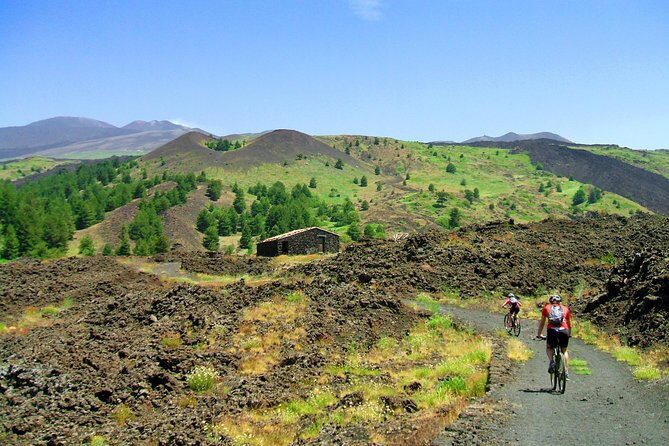
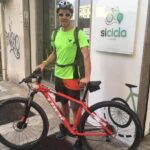
You get a standard MTB 29er (muscle bike) included. That means you’ll be powering the route yourself. The tour also offers E-MTB as an extra-cost option (availability and pricing are on request), and that can be the difference between:
- finishing strong and feeling happy at the end, or
- burning out early and losing the enjoyment factor
If you’re comfortable with climbs but you want a more relaxed pace over rougher dirt, an E-MTB can make the ride feel closer to “guided adventure” and less like “volcano workout.” If you’re aiming for a true MTB challenge, the included 29er is the straightforward choice.
Either way, don’t ignore the route difficulty: it’s listed as medium, and it specifically notes it’s not suitable for beginners of mountain biking. The E-bike helps with effort, but it doesn’t erase the need for basic comfort on uneven surfaces.
What’s Included: Helmet, Windbreaker, Bike, and the 500ml Water
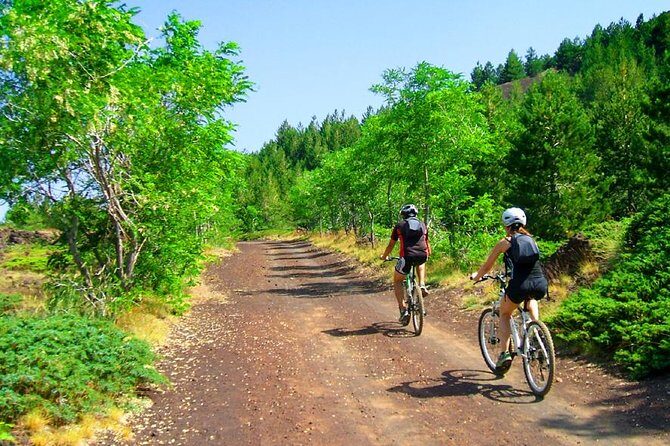
Here’s what you’re actually getting in your ticket price, and why it matters on Etna.
Included:
- Use of bicycle (MTB 29er)
- 1 bottle of 500ml water
- Helmet + backpack + windbreaker
- Certified MTB guide
Not included:
- private transportation
- everything not listed above
The helmet, backpack, and windbreaker are especially useful in volcanic terrain where conditions can shift quickly with wind and temperature. You may not need all of it the whole time, but having it with you removes one planning headache.
The single bottle of water is fine for a short outing, but it’s also a nudge toward bringing more. The tour itself recommends 1 or 2 liters of water and snacks, and I agree with that advice. Two hours sounds short until you add climbing, altitude, and off-road effort.
You can also read our reviews of more tours and experiences in Sicily
Price and Value: Is $63.06 Worth a Half-Day on Etna?
$63.06 per person is a fair price point for a guided, equipment-supported volcano MTB experience—especially because the bike and safety basics are included. You’re paying for:
- a certified guide who manages route choices on dirt and sand,
- equipment (helmet, bike, windbreaker),
- and a tight route plan that fits in about 2 hours.
What keeps it from being overpriced is that you’re not also paying for private transport. The “you handle getting there” approach can feel annoying, but it keeps the core tour cost lower. If you’re already based nearby or you’ve got an easy way to reach the meeting area, the value feels even better.
Group discounts are mentioned, which can help if you’re traveling with friends. And the fact that it’s booked about 25 days in advance on average suggests it’s not a last-minute gamble—you can plan it in without stress.
Meeting Logistics That Actually Matter on Etna
This is the part people often skim, so here’s the practical version.
- Start: 9:30am
- Meeting point: Pista Altomontana Etna (directions are given for the Galvarina ascent area)
- End: you return to the meeting point
- Language: English offered
- Group size: private, only your group participates
The “return to meeting point” matters because it makes the ride feel self-contained. You’re not worrying about a transfer after you’re sweaty and ready to stop.
Also, the tour is tied to good weather. That’s not just a legal checkbox. Volcanic dirt and sandy sections are far more demanding when surfaces get wet. If you see cloudy or rainy conditions, assume the operator is serious about safety and plan for a possible date shift.
Who This Tour Suits Best (And Who Should Skip It)
This ride fits you if:
- you have normal knowledge of mountain biking
- you’re okay with medium difficulty climbs and off-road riding
- you want a short, high-effort volcano day rather than a slow scenic walk
- you like guides who explain what you’re seeing as you ride
It’s not the best fit if:
- you’re a beginner at MTB and still learning how your bike handles rough ground
- you’re looking for an easy, mostly flat experience
- you’re expecting a casual “tourist photos only” outing
If you’re in that middle zone—comfortable on dirt but not a die-hard rider—consider an E-MTB option on request. It can help you match your effort level to the route without turning the ride into a stop-start grind.
Tips to Make Your Etna MTB Ride Better
I’d treat this like a real workout day, not a gentle half-day stroll. A few simple choices can help a lot:
- Bring your own water beyond the included bottle (the guidance is 1–2 liters).
- Pack snacks. The ride has stops, but you’ll still burn calories on climbing.
- Wear gloves if you have them. Off-road vibration and sandy surfaces can be rough on hands.
- Expect wind. Even with a windbreaker included, your face and neck may feel it up high.
- If you’re offered a guide with lots of talk (for example, Luca comes up in past experiences), lean into it. You’ll get more out of the route when you understand the terrain you’re riding.
Should You Book This Etna MTB Ride?
Book it if you want a guided Etna South biking experience that feels authentic and active, not just scenic. The combination of lava scenery, a strong off-road share, and a certified guide makes the day worth it—especially at $63.06 when the bike and safety gear are included.
Don’t book it if you’re new to mountain biking or you want an easy pace. This is a short ride with serious terrain, and it rewards riders who can handle medium MTB effort.
If you fall into the “experienced-ish but not elite” category, ask about the E-MTB option. It can keep the adventure fun while still letting you enjoy the volcanic setting from the seat of a bike.
FAQ
What is the duration of the Etna MTB ride?
The cycled route takes about 2 hours (approximately), including stops.
How far and how much climbing is on the route?
It’s about 16 km (approximately) with around 1,025m total altitude difference (approximately). The maximum altitude is around 1,780m (approximately).
Is the route beginner-friendly?
No. The ride is listed as medium difficulty and not suitable for beginners of mountain biking. You should have normal knowledge of MTB.
Is an MTB included, or do I need to bring my own bike?
An MTB 29er (muscle bike) is included in the price.
Can I ride an E-bike instead of a regular MTB?
An E-MTB is available for an extra cost. Availability and pricing are handled on request.
Where do I meet, and what time does the tour start?
Meet at Pista Altomontana Etna (with the listed directions). The start time is 9:30am.
What should I bring?
Bring water (1–2 liters) and snacks. You’ll also want to come prepared for good weather since the tour depends on it.
What’s included in the price besides the bike?
You get a helmet, backpack, and windbreaker, plus 1 bottle of 500ml water and a certified MTB guide. Private transportation is not included.