REVIEW · CATANIA
Mt Etna: Winter Trekking Tour with Optional Catania Transfer
Book on GetYourGuide →Operated by Sicilying S.R.L. · Bookable on GetYourGuide
Etna in winter hits different. This short trek packs big views and up-close volcanic drama, from Gulf-of-Catania panoramas to the Valle del Bove and the Silvestri craters. I especially like how the walk mixes geology with real hiking time, and I also like the practical touch of winter gear included. One thing to consider: this is a brisk mountain outing in cold conditions, so you’ll want to be comfortable walking on uneven ground and managing the cold.
The tour’s standout for me is the guided approach—guides like Alfredo (and sometimes listed as Alfonso) bring clarity to what you’re seeing without turning it into a lecture. You get a guided winter trek that feels focused, not rushed, and it’s structured enough to work well for families too, as long as everyone can hike in winter. The main drawback is simply that it’s not for everyone physically: it’s not suitable for wheelchair users, people with heart problems, pregnant women, or anyone with high blood pressure.
In This Review
- Key points at a glance
- Starting at Rifugio Sapienza (1850m) and hiking in winter-ready conditions
- The black larch pine forest: winter botanics you can actually notice
- Panoramas from the Gulf of Catania to the Ionian Sea
- Southeast crater views: what Strombolian eruptions look like from the trail
- Valle del Bove: the lava basin that helps direct eruptions
- The 2001 eruptive fracture (2100m) and the walk toward Silvestri
- Your guide makes the difference (and why the best part is the explanations)
- Price and value: $58 for 3 hours with key winter gear
- Who should book this Etna winter trek?
- Quick practical tips before you go
- Should you book Mt Etna winter trekking with optional Catania transfer?
- FAQ
- How long is the Mt Etna winter trekking tour?
- Where does the trek start?
- Is hotel pickup in Catania included?
- What are the tour languages?
- What winter gear is included?
- Do I need to bring food or drinks?
- Do I need to bring water?
- Is the view hike mainly about Etna’s craters or scenery?
- Where are you dropped off if you choose the Catania transfer?
- Is this tour suitable for wheelchair users or pregnant women?
Key points at a glance
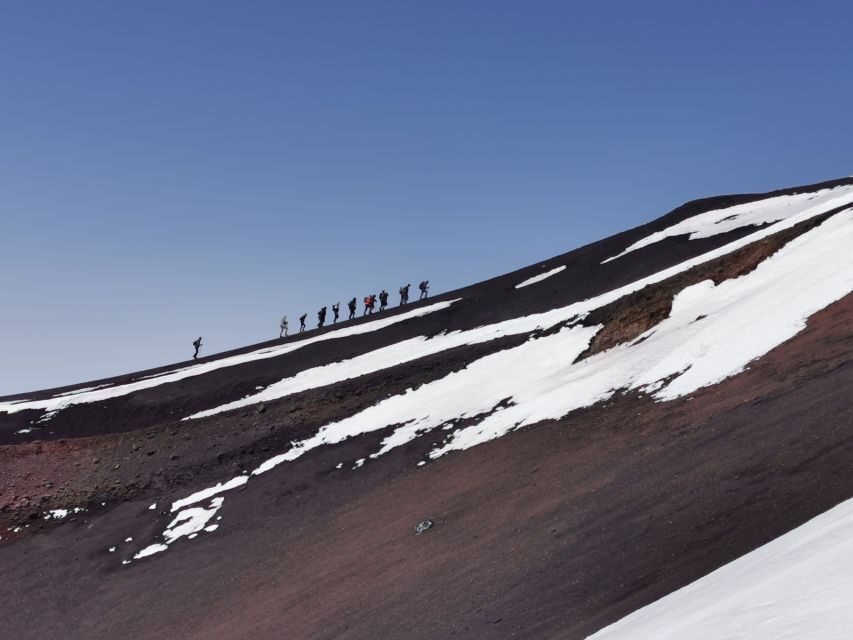
- Bove Valley winter trek with panoramic Etna viewpoints in just 3 hours
- Sea-to-coast views from the Gulf of Catania out to the Ionian Sea
- Black larch pine forest plus recognizable endemic plants like soapwort and Etna violets
- Southeast crater focus with Strombolian activity and crater-shape changes from recent eruptions
- Valle del Bove geology lesson: a broad lava basin that helps steer lava away from settlements
- Snowshoes and poles provided to make winter footing more manageable
Starting at Rifugio Sapienza (1850m) and hiking in winter-ready conditions
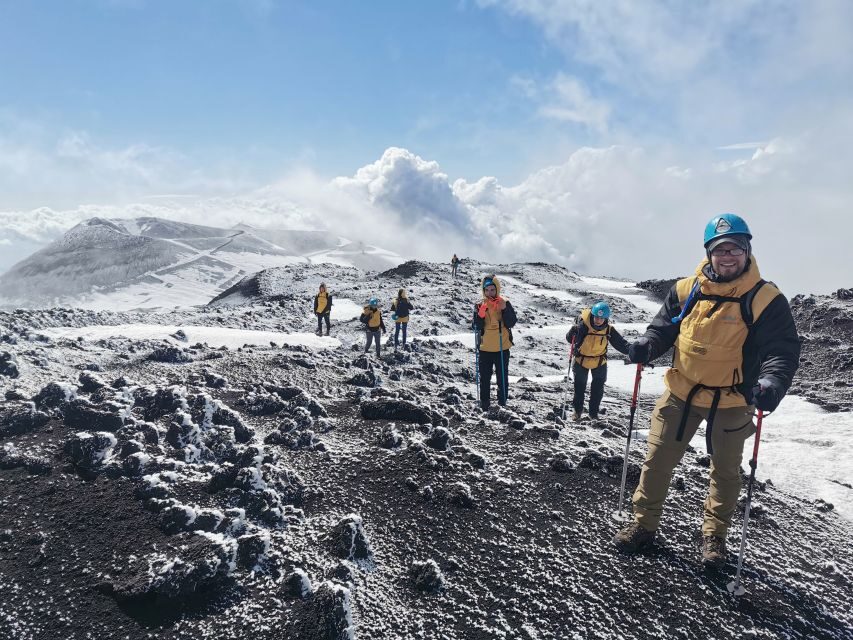
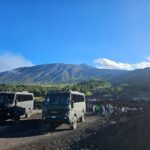
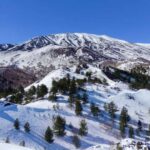
You start at 1850m at Rifugio Sapienza, and that altitude matters right away. The air feels sharper, and winter footing is part of the experience—so the tour builds in practical help from the get-go.
The included kit makes a real difference when you’re traveling. You’ll get a wind jacket, hiking poles, and snowshoes (the tour provides them as part of the experience). You still need to dress for cold—think warm layers—and you’ll also want to bring water, since this is outdoors time and you’ll be moving for the full stretch.
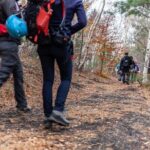
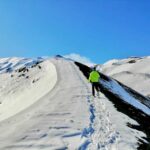
The first walking segment is on a slope and sandy ground through a winter forest setting. That mix of terrain is one reason the trekking style here is “guided and steady,” not “walk at your own pace and hope for the best.” In other words, it’s a good format if you want winter Etna without the stress of figuring out where to stand for views or how to read what you’re looking at.
You can also read our reviews of more hiking tours in Catania
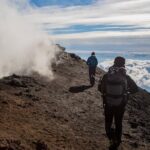
The black larch pine forest: winter botanics you can actually notice
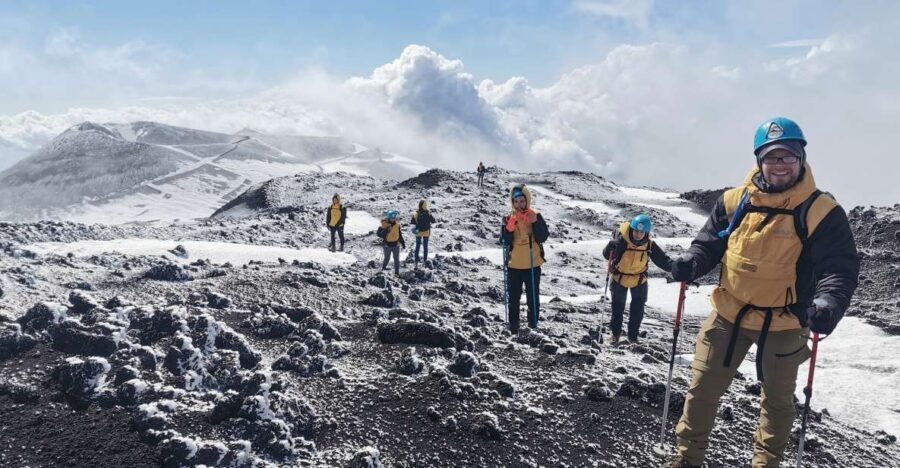
Early on, you’ll walk through a black larch pine forest, where the vegetation is adapted to Etna’s volcanic conditions. What I like about this kind of stop is that it gives you something other than rocks to watch—your eyes learn the environment instead of just scanning for the next photo spot.
Your guide points out endemic and low-growing plants you can spot at walking height. The tour highlights examples like soapwort, low shrubs, and Etna violets. Even if you’re not a plant person, it helps you slow down for a moment and notice what survives here.
Winter can make hiking feel more “blank” outdoors, but this route combats that with a living, local-looking forest. It’s a small shift in focus that makes the trek more rewarding, especially on a day when you’re hoping for both scenery and learning.
Panoramas from the Gulf of Catania to the Ionian Sea
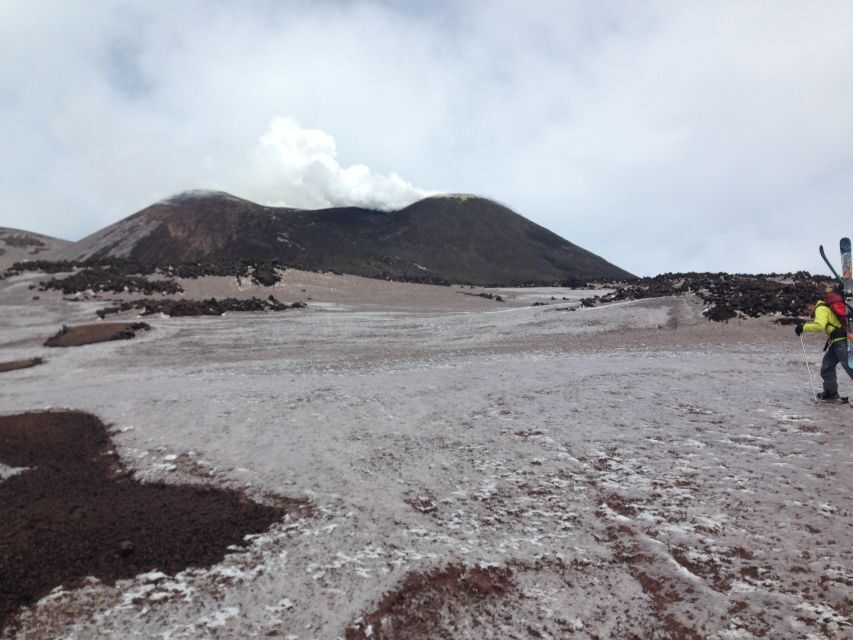
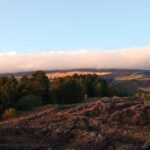
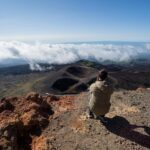
One of the clearest reasons to choose Etna in the colder months is that your horizon tends to feel more defined. On this trek, you’re given a panorama angle spanning from the Gulf of Catania out toward the Ionian Sea.
You’ll get these views as you climb and move along the slopes. The effect is that you can compare the “human coastline” with the volcanic structures behind it. From a practical viewpoint, this is also when photo stops are most valuable—you can frame sea and volcano in a single shot instead of chasing separate viewpoints all day.
It’s not just pretty. These sight lines help you understand how Etna sits in the middle of a working region: populated areas are close enough to matter, and the mountain’s activity is not just a distant spectacle.
Southeast crater views: what Strombolian eruptions look like from the trail
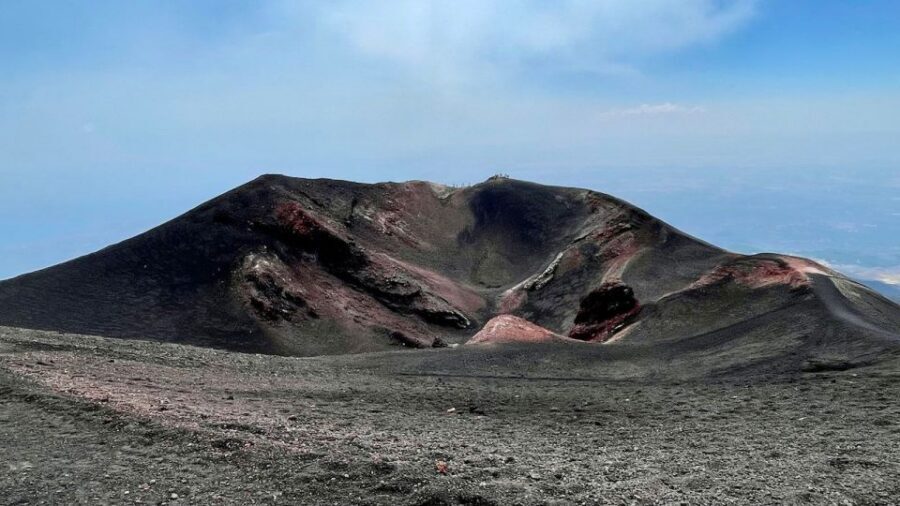
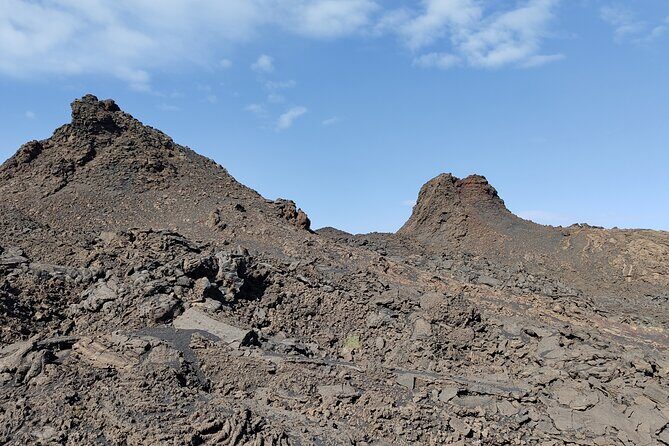
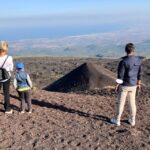
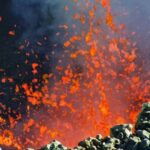
Next comes the part most people remember: the active summit crater area, with a focus on the southeast crater. The description doesn’t promise nonstop action, but it sets expectations based on recent behavior—several intense events in 2021 and early months of 2022 included Strombolian activity and lava flows that reshaped the crater’s appearance.
So what does that mean for your visit? Your guide helps you connect the visible features—changes in crater morphology, the character of the activity (Strombolian-style bursts), and the way fresh lava alters the surface—to the wider pattern of what Etna does.
In a short 3-hour tour, this is a big ask, and the route stays focused: you’re not wandering aimlessly around the mountain. You move through a sequence of viewpoints and then shift to the “explaining phase” where you learn what you’re seeing and why it matters.
Valle del Bove: the lava basin that helps direct eruptions
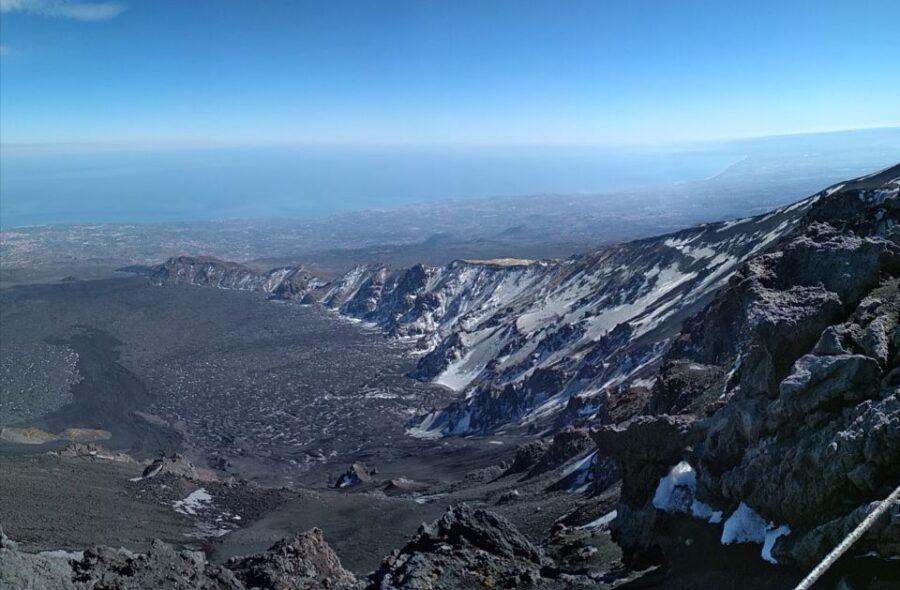
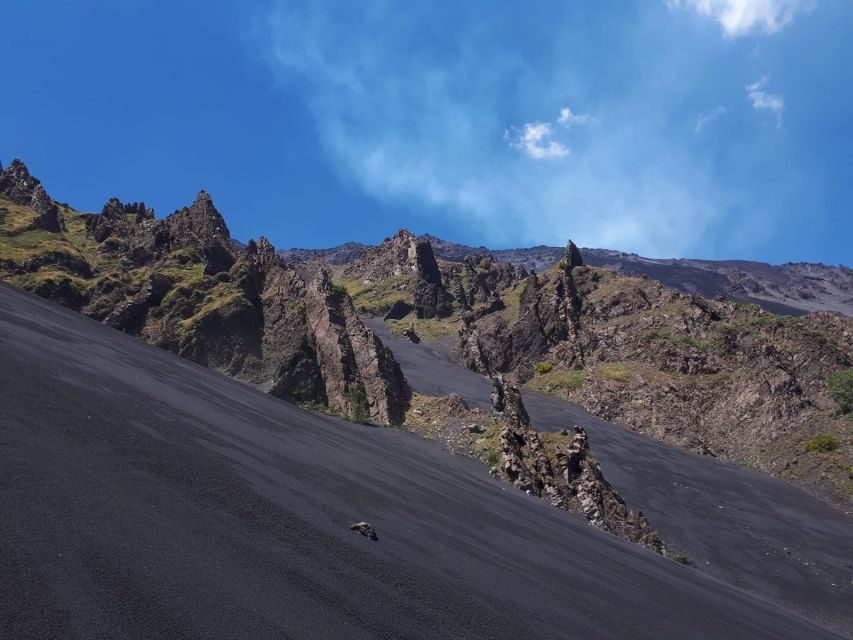
Then you move along the south wall of Valle del Bove, a huge lava basin. The tour’s description gives the scale—about 10 km long and 5 km wide—and that size helps you understand why this valley matters.
What you’ll learn here is more than trivia. Valle del Bove functions like a natural barrier during eruptions. It’s described as a basin that can channel lava away from populated areas, acting as a geographic influence on where flows tend to go. Even if you never study volcanic mechanics, standing along the wall makes the concept feel physical.
This stop also gives you a break and photo time and includes free time for about an hour. That’s genuinely useful. You can rest your legs, warm up a bit (depending on weather), and take the kind of photos that need time—panoramas, crater context shots, and “where am I standing” reference images.
A minor consideration: cold can sneak up on you when you pause for photos. The tour includes a wind jacket, but you’ll still feel the temperature changes if you sit still too long. Bring warm layers and keep moving between stops.
You can also read our reviews of more tours and experiences in Catania
The 2001 eruptive fracture (2100m) and the walk toward Silvestri
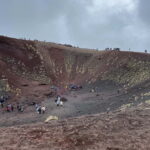
After Valle del Bove, the route heads west toward the 2001 eruptive fracture at about 2100m. This is where the trek gets even more tangible: you’re moving from the broad, older-looking basin story to a more specific eruption footprint.
Then you proceed toward the upper Silvestri craters before returning toward the starting point. The pattern here is that each segment answers a different question:
- What volcanic forces built the big forms?
- How do lava pathways behave across time and terrain?
- What visible scars from specific eruptions remain?
The Silvestri craters stop also includes a guided visit and photo time, with a break built in. Because the entire tour is only about 3 hours, these pauses are “short but intentional.” You get explanation and photos without losing the thread of the walk.
Your guide makes the difference (and why the best part is the explanations)
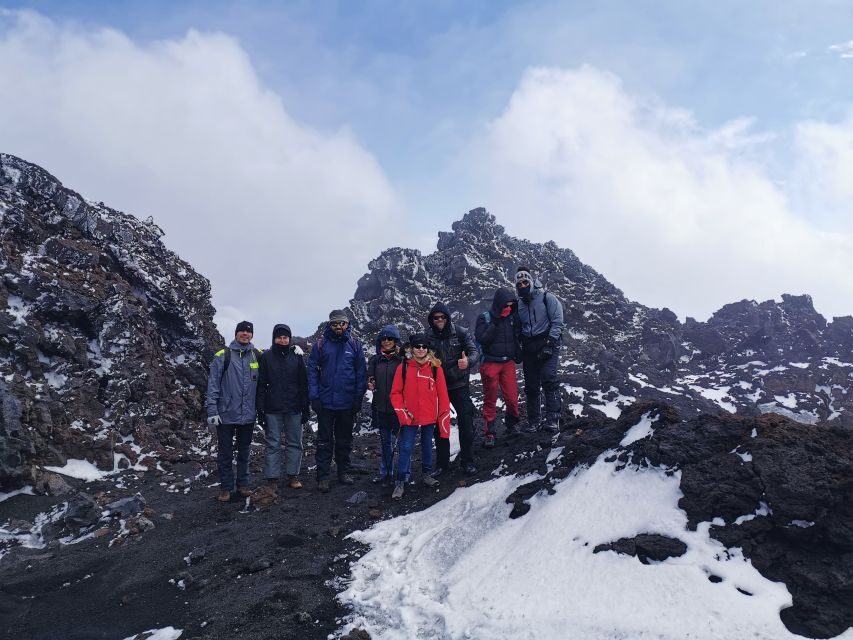
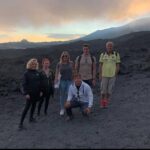
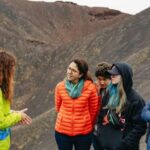
A recurring theme in the feedback is how much people appreciated the guide’s professionalism and the way the group felt safe and informed. Guides named Alfredo and Alfonso show up in the experience accounts as people who explain what’s happening clearly, and who make the walk feel smooth and fun instead of intimidating.
That matters on Etna. Volcanic terrain can look chaotic from a distance, and in winter you may feel it even more because visibility, wind, and footing all add to the challenge. A good guide helps you:
- locate what you’re seeing (and why it’s there),
- understand what kind of activity is typical at the crater zone,
- and keep pace so the hike stays enjoyable rather than exhausting.
This is also one reason small groups are such a plus here. With fewer people, it’s easier to pause for photos without losing everyone. And it’s easier for the guide to adjust the rhythm if conditions demand it.
Price and value: $58 for 3 hours with key winter gear
At $58 per person for about 3 hours, the value comes from what’s bundled in, not just the time. You’re paying for:
- a multilingual live guide (English and Italian),
- winter walking support (wind jacket, hiking poles, and snowshoes),
- a route that hits multiple major Etna zones without making you plan the day yourself.
Food and drinks are not included, so you’ll still want to plan what you’ll do for a snack or drink on either end of the outing. But if you’re staying in Catania, the optional pickup and drop-off can also be a money-saver in time and logistics.
A practical note on transfers: if you choose pickup, the drivers wait no longer than 5 minutes after the scheduled pickup time. That’s common for tours, but it’s also worth setting an alarm and being ready on time.
Overall, the pricing feels fair for a guided winter trek that provides gear. If you were trying to outfit yourself with poles and snowshoes and then coordinate transport and route planning, the “real cost” tends to climb.
Who should book this Etna winter trek?
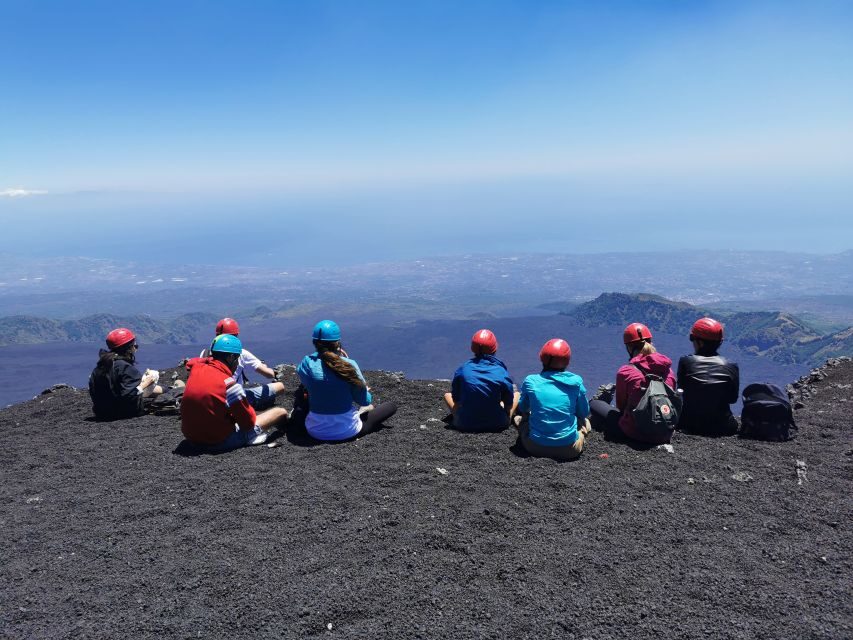
This one fits best if you want a short, guided winter experience with real viewpoints and crater context, without committing to a full day. It’s a strong choice if you like learning while walking, and if you appreciate that the route includes both sea views and active volcanic storytelling.
It can also work well for families, including kids, as long as they’re comfortable hiking in winter conditions and with uneven ground. The route is small-group, so you get more personal guidance and less “herding” than on big bus tours.
But it’s not for everyone. It’s listed as not suitable for pregnant women, people with heart problems, wheelchair users, or anyone with high blood pressure. If any of those apply, skip it for safety.
Quick practical tips before you go
Here’s what I’d do to make the trek smoother, based on the tour’s requirements and winter conditions:
- Wear warm clothing you can layer, plus winter footwear with good grip.
- Bring water. Cold can mute thirst, but you still need it.
- If you’re sensitive to wind, use the included wind jacket and dress for it.
- Move carefully on sandy and sloped sections; trekking poles help you stay steady.
- Plan for cold during breaks, especially during photo time and the longer stop.
Should you book Mt Etna winter trekking with optional Catania transfer?
I’d book this if you want a tight, efficient Etna experience with crater views, strong geology context, and a winter-walking setup that doesn’t require you to solve gear rentals on your own. The inclusion of a wind jacket, hiking poles, and snowshoes makes the price feel sensible, and the itinerary’s focus on Bove Valley plus the 2001 fracture and Silvestri craters gives you variety in a short window.
Skip it if you need wheelchair access, you’re dealing with heart issues or high blood pressure, or you’re worried about winter walking on uneven terrain. Also, if you hate guided pacing and prefer total freedom, this may feel structured.
If you’re coming from Catania, the optional transfer is a nice convenience, as long as you’re ready at pickup time.
Either way, this is one of those rare winter activities where the payoff isn’t just views—it’s understanding what you’re seeing, from the forest plants up to active crater behavior.
FAQ
How long is the Mt Etna winter trekking tour?
The tour duration is 3 hours.
Where does the trek start?
The trek starts at 1850m at Rifugio Sapienza.
Is hotel pickup in Catania included?
Hotel pickup and drop-off at Catania are included if you choose the option with transfer.
What are the tour languages?
The live guide speaks English and Italian.
What winter gear is included?
You’ll receive a wind jacket, hiking poles, and snowshoes.
Do I need to bring food or drinks?
Food and drinks are not included.
Do I need to bring water?
Yes, bringing water is recommended.
Is the view hike mainly about Etna’s craters or scenery?
It includes both: panoramic views (Gulf of Catania to the Ionian Sea) and crater-focused stops, including the southeast crater and the Silvestri craters.
Where are you dropped off if you choose the Catania transfer?
Drop-off locations include Catania and Monte Gebel.
Is this tour suitable for wheelchair users or pregnant women?
No. It is not suitable for wheelchair users or pregnant women, and it’s also listed as not suitable for people with heart problems or high blood pressure.