REVIEW · CATANIA
Etna: Winter excursion to 3.000mt
Book on Viator →Operated by Ashàra Etna & Stromboli Guides · Bookable on Viator
Snow and volcano in the same morning. That’s what makes this winter Etna excursion so memorable. You’ll ride up by cable car to around 2,500 meters, then tackle a guided, snow-and-ice trek toward 3,000m with alpine and volcanology support. I like the small-group feel (max 15) and the safety-minded details, like helmet rental, trekking poles, and insurance. One heads-up: this is for expert hikers, and winter conditions can make a climb feel longer and harder than you expect.
You start at the Ashàra meeting point near Piazzale Rifugio Sapienza in Nicolosi, so you’re right where most Etna winter access begins. From there, the day mixes big-time volcanic scenery with real walking: snow travel, stops near the cone of the 2001 eruption, time in the Valle del Bove area, and the Barbagallo craters—plus crater views from a safe distance on the way back. The only possible drawback I’d plan around is cost shape: the tour price doesn’t include the return cable car ticket (it’s listed separately), and you’ll also want to bring at least 1.5 liters of water and snacks.
In This Review
- Key highlights I’d bet on before you go
- Why Winter Etna feels different than summer
- Cable Car to 2,500m: the smartest way to start at altitude
- The main trek up toward 3,000m: what you’re walking through
- Valle del Bove and Barbagallo: why these stops are worth the cold
- Summit crater views and the possible lava-flow detour
- Gear and guides: what you can rely on, and what to bring anyway
- Price and value: what $108.84 gets you (and what it doesn’t)
- What to bring: water, snacks, and winter layers that work
- Who should book this 3,000m winter Etna trek
- Weather and wind: the one factor that can change your day
- Should you book Etna: Winter excursion to 3.000mt?
- FAQ
- How long is the Etna winter excursion?
- What time does the tour start?
- Where do I meet the guide?
- What’s the group size?
- What language is the tour offered in?
- What’s included in the price, and what gear will I get?
- What should I pay for separately and bring with me?
- What fitness level do I need?
Key highlights I’d bet on before you go
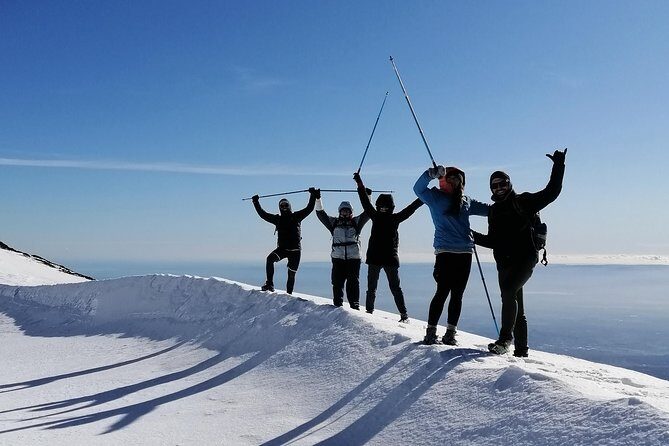
- Cable car lift to 2,500m means less grind and more time hiking where the snow and volcanic features start.
- Expert-only winter trekking over icy ground, with helmet rental, trekking poles, and provided footwear support.
- 2001 eruption cone + Valle del Bove + Barbagallo craters give you a day that’s more than a simple out-and-back.
- Crater views from a safe distance, with a possible added detour to a lava-flow channel if conditions allow.
- Small groups (max 15) and multi-language guidance support help the hike stay organized and steady.
Why Winter Etna feels different than summer
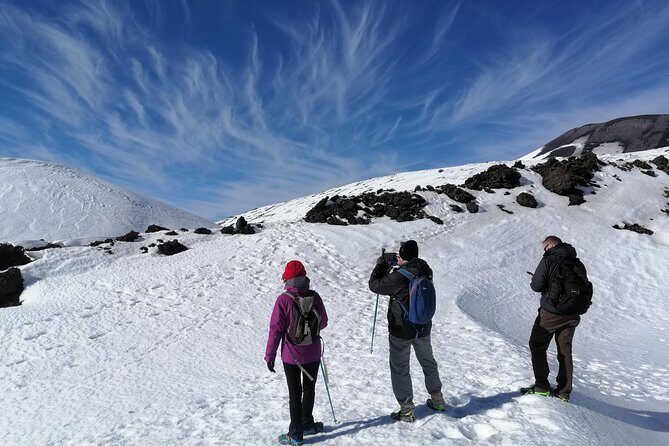
Winter on Etna is all about contrast: cold air, hard textures underfoot, and pale snow set against darker volcanic rock. That mix changes the hiking “feel” instantly. You aren’t just seeing a volcano; you’re moving across it while snow and ice influence the route and pacing.
What I like is that the experience is built around that reality. The day is led by authorized alpine and volcanological guides, and the itinerary is designed for winter conditions rather than forcing you into a summer-style hike with different weather. The tour description also makes it clear this isn’t casual sightseeing—it’s a trek for people with winter hiking confidence.
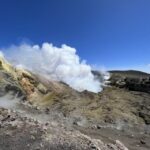
You’ll also get more than “pretty views.” The route includes specific volcanic areas like the 2001 eruption cone, the Valle del Bove region, and the Barbagallo craters. In winter, those features can look ghostly and sharp, and the guide’s volcanology angle is what helps you connect what you’re seeing with what happened there.
You can also read our reviews of more tours and experiences in Catania
Cable Car to 2,500m: the smartest way to start at altitude
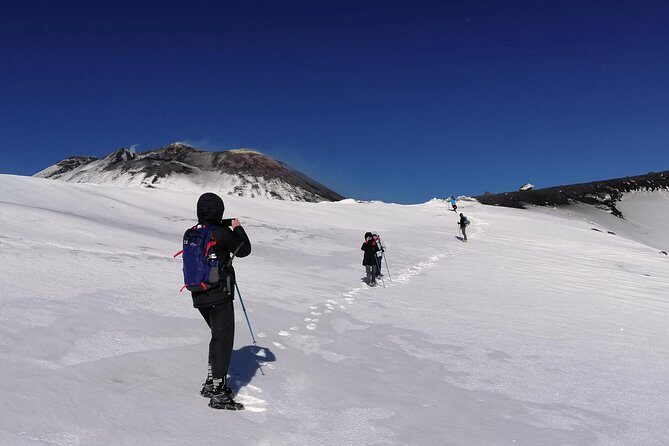
The first big move is practical: you start near Piazzale Rifugio Sapienza and take the cable car up to about 2,500 meters. That matters for two reasons.
First, it cuts down walking time on the lower slopes. Instead of spending the morning climbing from street level, you get dropped into the higher-Etna zone where snow travel and volcanic terrain become the point of the day. Second, it helps you get into the right “rhythm” faster. You’ll begin the main trek around 3,000m, not hours later.
There’s also a safety angle. Winter hiking on Etna means you can run into ice patches and slippery volcanic material. Starting higher gives you a focused route with guides coordinating the pace and footing from the beginning. The tradeoff is that you’ll need to be ready for altitude and cold right away—once you’re moving, you can’t afford to be underdressed.
The main trek up toward 3,000m: what you’re walking through
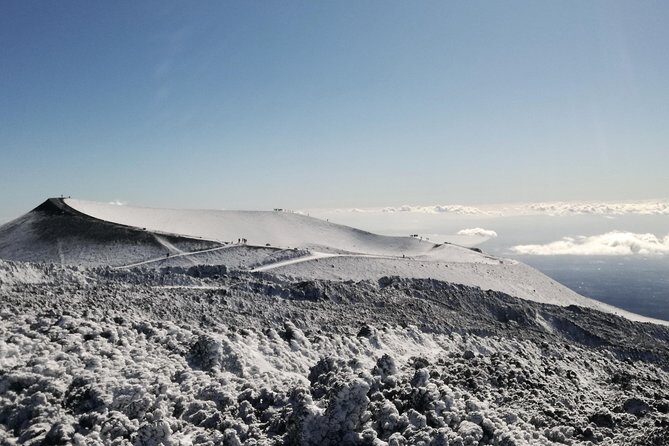
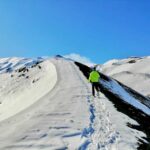
After the lift, you start trekking around 3,000 meters. The day is described as suitable for expert hikers because the ground includes ice and snow. You’ll spend time moving across long stretches of snow, which means your balance and traction matter more than raw speed.
You’ll also visit key volcanic sites along the way:
- The cone of the 2001 eruption
- The Valle del Bove area
- The Barbagallo craters
These stops are what turn the hike into a guided volcanic walk, not a “reach a viewpoint and turn around” scenario. Etna changes fast with elevation and exposure. Walking across snow toward those features makes the day feel like you’re traveling through layers of the volcano, not just looking at it.
A useful reality check from past participants: some people found it demanding even when they felt prepared. One group described roughly 7.5 km and about 2.5 hours for the ascent, and they noted the climb made them hot enough to sweat despite the cold conditions. That’s exactly why winter hikes on a volcano can be tricky: wind and ice make the outside feel brutal, while the effort spikes your internal temperature fast.
So, if you’re planning, think in systems: you need insulation for cold, but also layers you can manage once you’re working hard.
Valle del Bove and Barbagallo: why these stops are worth the cold
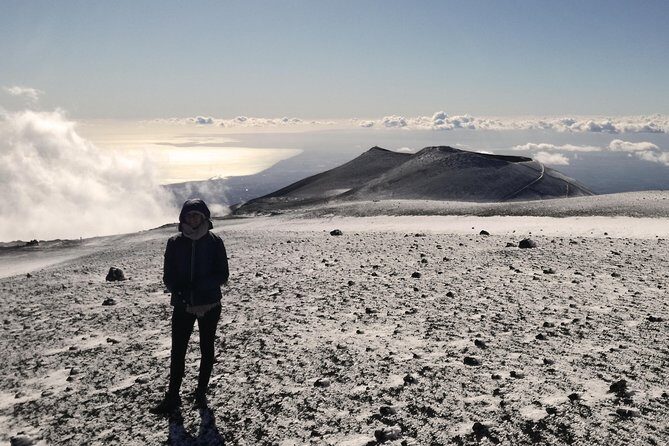
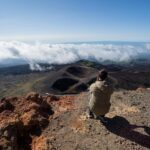
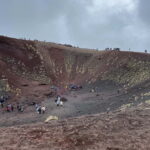
The Valle del Bove and Barbagallo craters parts of the route are where the day becomes truly volcanic in a hands-on way.
Valle del Bove is one of those Etna places that feels open and dramatic—an area with its own shape and volcanic history. In winter, that emptiness plus snow can make distances look longer and walking more hypnotic. That’s not a complaint. It’s a big reason this kind of hike sticks in your memory: you’re not distracted by trees or city scenery. Your attention stays on ground texture, wind, and the volcanic structures the guide is explaining.
Then comes the craters—specifically the Barbagallo craters area. Craters are exciting, but on a winter hike they also raise the stakes: snow can obscure footing, and you’ll likely need to pause and watch carefully without wandering off. That’s where the guide’s alpine experience matters. You’ll get crater context and views while still staying on a safe path.
Summit crater views and the possible lava-flow detour
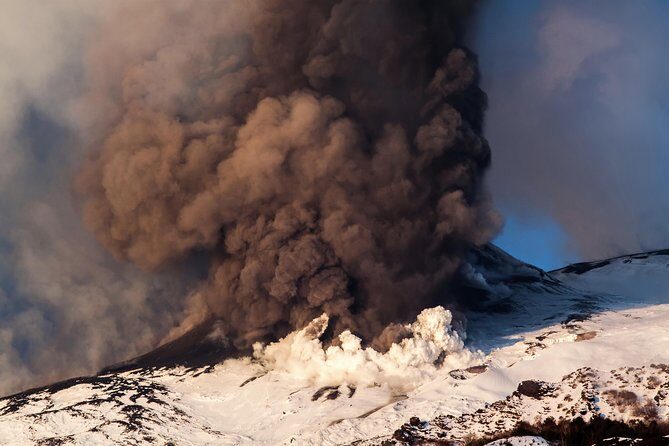
Part of the experience is seeing Etna’s summit craters from a safe distance. That phrasing is important. It tells you the guides are managing distance for safety in winter. You’re getting a look at the summit without taking unnecessary risks with steep terrain or unstable footing.
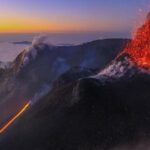
If snow conditions permit, there’s also a possibility of visiting a lava flow channel before you finish the day. This is one of those “conditional” bonuses that makes the day feel flexible without changing its core structure. On the mountain, conditions decide what’s practical, and having a guide who can adjust the plan is exactly what you want.
For your planning, treat that lava-flow part as icing, not the main course. The main course is the winter trek itself and the volcanic stops.
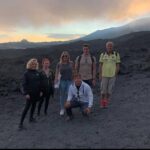
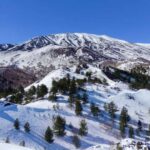
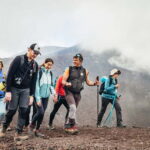
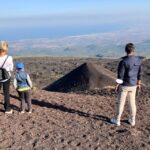
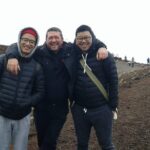
Gear and guides: what you can rely on, and what to bring anyway
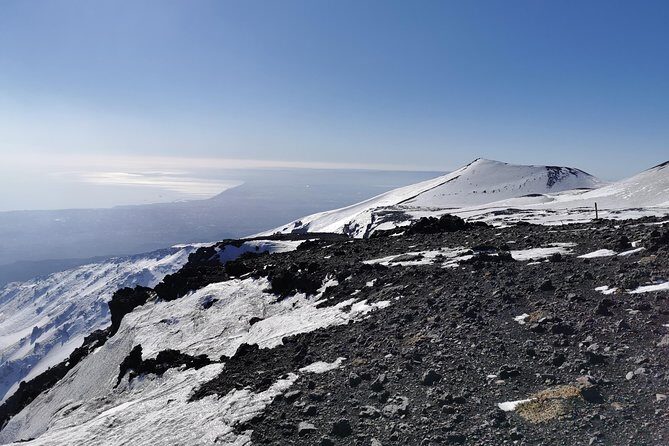
This tour is set up with equipment that targets winter walking hazards. Included items are:
- Free rental rock helmet
- High-necked hiking shoes
- Trekking pole
- Alpine and volcanological guide
- Insurance
That combination is a big deal on Etna in winter. Helmets are there for rockfall and general head protection in a rocky volcanic environment. Poles help you balance on uneven snow and volcanic material. The high-neck shoes matter because ankle support and traction are not “extra credit” when ice shows up.
You’ll also feel the difference of small groups. The max size is 15 travelers. In winter, that makes a hike easier to manage. It’s not just for comfort; it helps the guide keep everyone together, slow down for footing, and explain the route without turning the day into a shuffle.
About guides: several names show up in past feedback. People have mentioned Simone, Max, and Giuseppe, and praised them for sharing lots of Etna context and running the hike at a pace that still felt safety-first. One participant also highlighted good communication from Mary when planning, including helping with figuring out how to get to the meeting point.
Still, don’t use included gear as an excuse to underpack. The tour doesn’t include bottled water, and you’ll want snacks. The mountain can also be windy, and you should be ready for temperature swings during effort.
Price and value: what $108.84 gets you (and what it doesn’t)
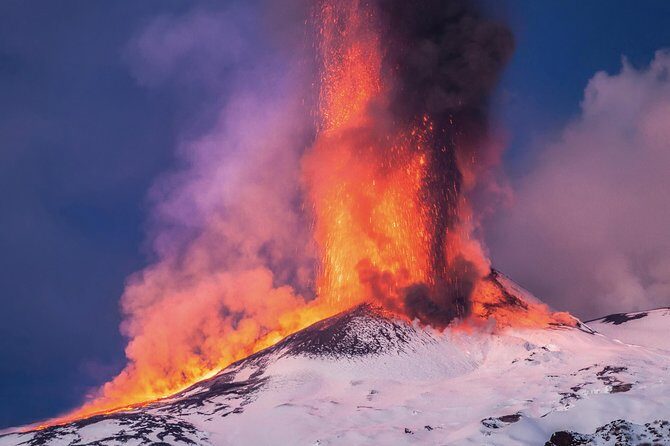
The price is $108.84 per person for a tour that lasts about 5 hours (approx.). On top of that, the return cable car ticket is listed separately at €52.00 per person.
Here’s how I’d think about the value:
- The tour price covers the guided winter hike experience, including helmet rental, high-neck shoes, trekking pole, and insurance.
- The cable car add-on is a major component because it’s literally the lift that sets your altitude for the trek.
So you’re paying for two things: the expertise and equipment that help you hike safely in winter, plus the infrastructure of getting up and down. If you add the return cable car, you should expect the total day cost to be noticeably higher than the sticker price alone.
Also, the time factor matters. A five-hour winter trek on Etna with guided volcanic stops is not a quick photo walk. If you show up prepared, you’ll use that time well.
What to bring: water, snacks, and winter layers that work
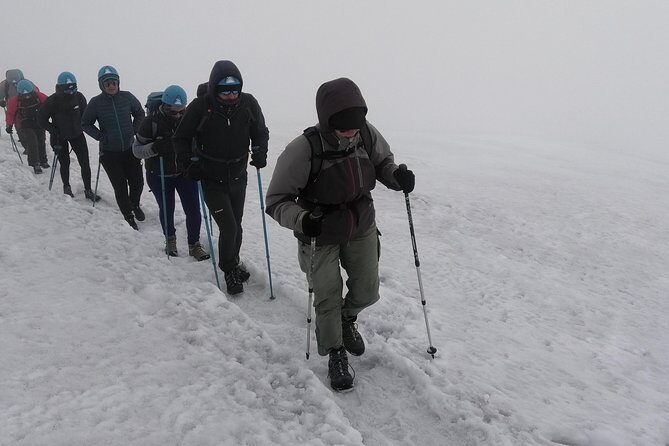
The tour doesn’t include bottled water, and the guidance says at least 1.5 L. It also doesn’t include snacks or a packed lunch. That means you should treat the day like a cold-weather hike with real fuel needs.
Even if you start feeling chilly at the meeting point, you can heat up quickly once you climb. One past participant reported getting really hot during the ascent. Plan for that by packing layers that you can vent or adjust.
A practical packing mindset for this specific day:
- Bring enough water for a long cold effort (the guidance is 1.5 L minimum).
- Bring snacks or a packed lunch you can eat during breaks.
- Wear warm layers that you can manage while moving, plus something wind-resistant.
- If you rely on borrowed items, remember the included gear is specifically helmet, high-neck shoes, and poles. Anything extra can be helpful, but don’t assume it will be available in every case.
The cold on Etna isn’t just temperature; it’s also wind. When wind rises, walking gets harder and staying bundled matters.
Who should book this 3,000m winter Etna trek
This is best for people with winter hiking confidence. The tour itself calls out expert hikers and also notes moderate physical fitness. The combination tells you the middle truth: you don’t just need to be fit. You need to be steady on icy, snowy, volcanic terrain.
It also helps if you like guided structure and have patience for slower pacing when everyone’s footing is considered. In at least one group, the pace was described as slower to allow information sharing to a mixed set of abilities, including explanations in multiple languages.
This tour is likely a great fit if you:
- Have hiked in winter before or you’re comfortable with snow and ice underfoot
- Want real volcanic context, not just a viewpoint stop
- Like small-group dynamics and clear guiding
It’s not ideal if you’re easily intimidated by exposed terrain, if you hate cold conditions, or if you don’t have traction-and-balance comfort.
Weather and wind: the one factor that can change your day
Etna in winter is famous for conditions that can flip quickly. This experience requires good weather, and it can be canceled due to poor weather. You should also expect that wind can play a serious role—strong gusts have been cited as a reason to reschedule.
Here’s why that matters: if conditions are unsafe, the operator may shift dates rather than force the hike. If you’re visiting Sicily on a tight schedule, consider building in flexibility around your hike window.
On the positive side, that responsiveness is usually part of what makes the experience feel safe and well managed. When guides know they can adjust, they can prioritize safety over sticking rigidly to a plan.
Should you book Etna: Winter excursion to 3.000mt?
Yes, if you want a winter Etna day that’s built around real trekking and real volcanic sights, with the safety supports needed for snow and ice. This is the kind of hike where the combination of altitude access, guided volcanic stops, and small-group pacing makes your time feel focused.
Book it if:
- You’re comfortable hiking in winter conditions and you want to go to around 3,000m
- You value guided interpretation of the volcano, not just scenery
- You’re ready to plan for the total cost including the €52 return cable car and to bring water and food
Skip it or choose a lighter option if:
- You’re looking for an easy, casual walk
- You’re not comfortable with icy footing
- You can’t afford schedule changes due to weather and wind
If you do book, the best move is simple: dress for cold and wind, bring your water and snacks, and trust the pace. This hike rewards people who stay steady and take the winter seriously.
FAQ
How long is the Etna winter excursion?
It runs for about 5 hours (approx.).
What time does the tour start?
The start time is 9:00 am.
Where do I meet the guide?
You meet at Ashàra Etna & Stromboli Guides, Piazzale Rifugio Sapienza, 95030 Nicolosi CT, Italy.
What’s the group size?
The group maximum is 15 travelers.
What language is the tour offered in?
The tour is offered in English.
What’s included in the price, and what gear will I get?
Included: free rental rock helmet, high-necked hiking shoes, trekking pole, alpine and volcanological guide, and insurance.
What should I pay for separately and bring with me?
Not included: bottled water (at least 1.5 L) and snacks/packed lunch. Return cable car ticket is listed as €52.00 per person.
What fitness level do I need?
The tour notes that travelers should have a moderate physical fitness level, and the trek is described as suitable for expert hikers due to ice and snow.