REVIEW · PALERMO
Private Monreale Cathedral and Cloister, Ceramic Lab tour
Book on GetYourGuide →Operated by Siciliandays · Bookable on GetYourGuide
Monreale can feel unreal in real life. I love Monreale Cathedral for its massive stretch of Byzantine mosaics, and you’ll also get the Capuchin Cloister without rushing between attractions. It’s a focused half-day that pairs grand architecture with something very hands-on in Sicilian craft.
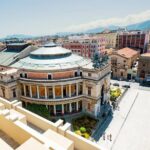
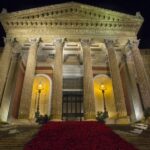
This is a small-group setup (limited to 4) with a private guide and driver, and it runs about 3 hours total. You’ll meet at the steps of Teatro Massimo in Palermo, then get driven out to Monreale on the Caputo hill.
One thing to plan for: entry tickets to Monreale and the Cloister aren’t included, so you’ll need to handle that separately. Also, pack comfortable shoes and avoid sleeveless shirts.
In This Review
- Key Highlights You’ll Care About
- From Teatro Massimo to Monreale: why the pickup matters
- Monreale Cathedral: Byzantine mosaics with Arabic-Norman flavor
- The Capuchin Cloister: a medieval pause with great photo angles
- Pizza tasting at a local bakery: quick, local fuel
- Ceramics lab tour: meet Sicilian craft up close
- Price and value: what $203.91 per person really covers
- What to wear and bring (so the tour stays easy)
- Who this tour fits best
- Should you book this private Monreale Cathedral and Cloister + ceramics tour?
- FAQ
- Where do we meet for the tour?
- How long is the tour?
- What’s included in the price?
- Are entry tickets to Monreale and the Cloister included?
- How big is the group?
- What languages are available for the live guide?
- Is there a dress code?
- Is the tour cancellable?
- What should I bring?
Key Highlights You’ll Care About
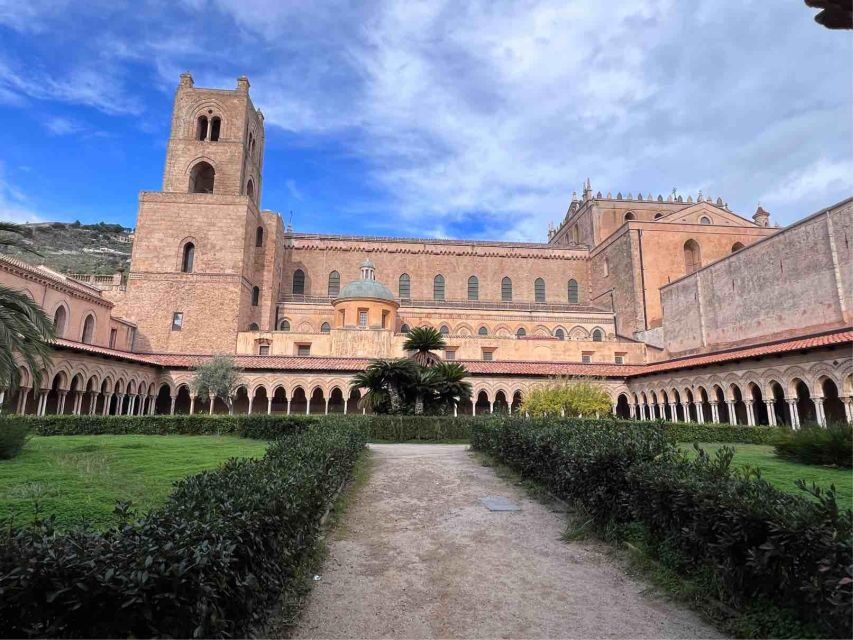
- 3 km of Byzantine mosaics inside Monreale Cathedral, with a very visual story of Arabic-Norman influence
- Capuchin Cloister time built in for photos, walking, and a calm guided look
- Sicilian pizza tasting as a quick, local break rather than a long sit-down meal
- Ceramics lab visit with a working artist, plus the chance to learn the meaning behind styles and motifs
- Small group of up to 4 so questions and pacing feel personal
- English, French, Italian, Spanish live guide options
From Teatro Massimo to Monreale: why the pickup matters
Starting at the steps of Teatro Massimo is a smart move. It’s central Palermo, easy to find, and it sets the tone: you’re going out to Monreale without spending your energy figuring out local transport. With a private driver, you skip the hassle of buses and connections, especially useful if you’re trying to protect your time for the best parts of the day.
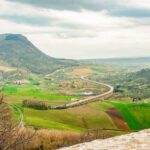
The drive itself is part of the experience. Monreale sits just outside Palermo on the Caputo hill, and that short shift up and out changes the feel immediately. You’ll arrive ready to look closely, not already tired from navigation.
One practical upside of a private guide and driver: your day stays flexible in small ways. If you’re the type who wants an extra minute for photos in a corridor or under a mosaic panel, a guided group with limited seats makes that easier. It’s also easier to ask questions on the spot, since the guide is right there with you.
And yes, your camera roll will get a workout. Monreale is the kind of place where you take one photo, then you take three more because the details keep rewarding you.
You can also read our reviews of more private tours in Palermo
Monreale Cathedral: Byzantine mosaics with Arabic-Norman flavor
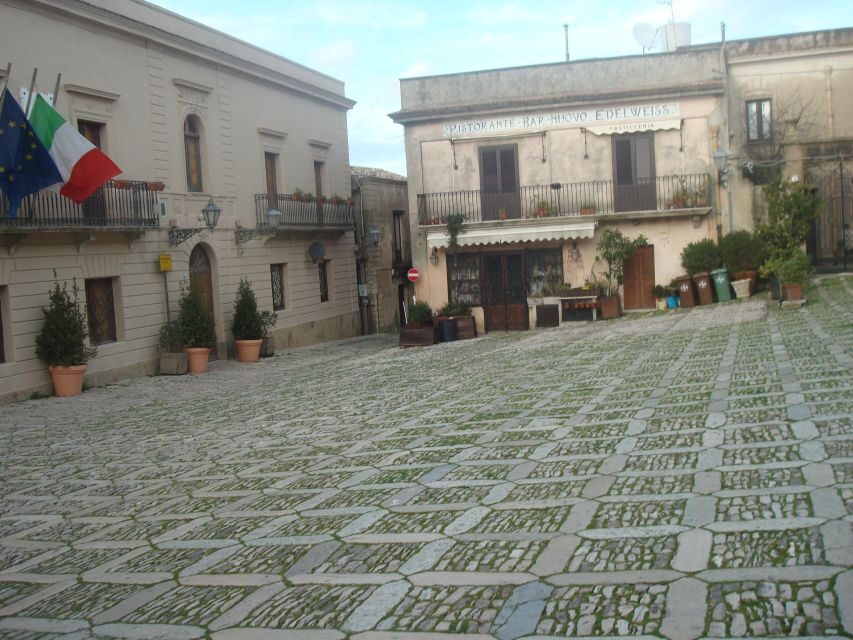
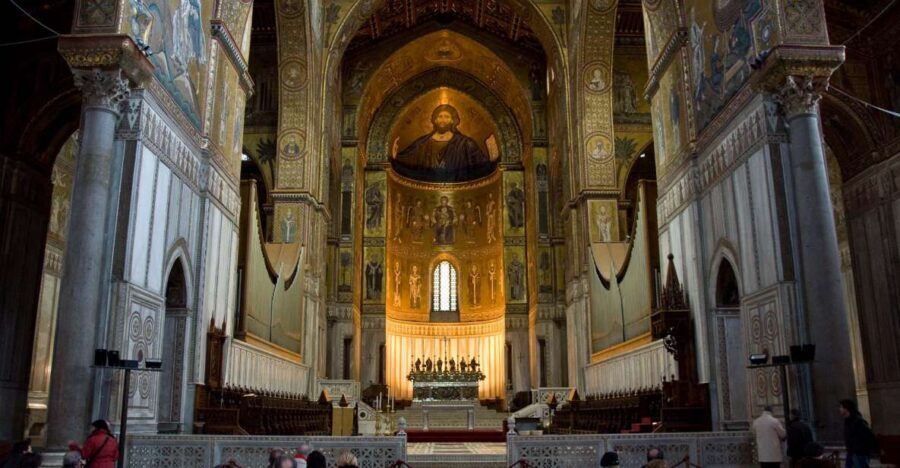
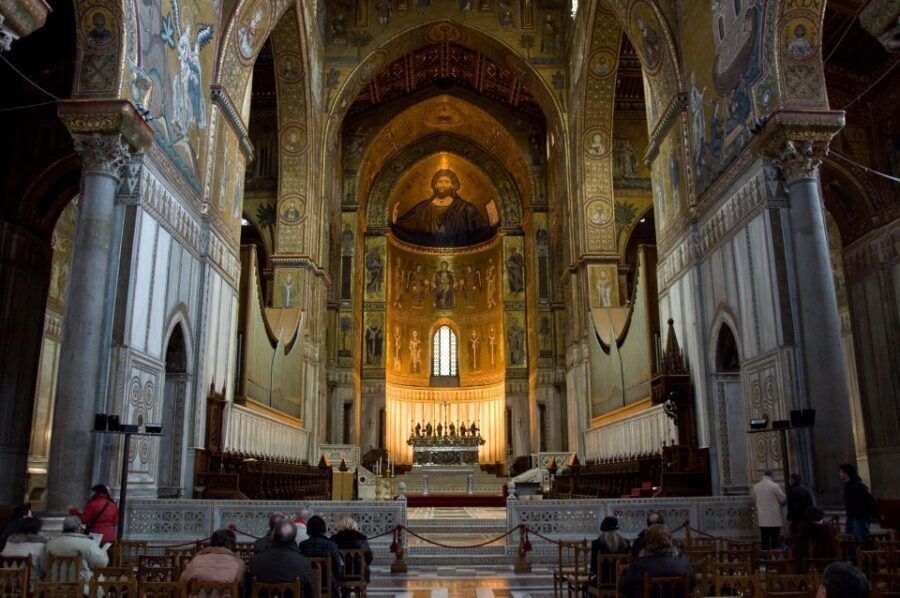
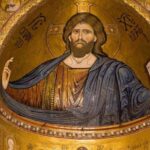
Monreale Cathedral is the headline, and it earns it. This is one of the most stunning expressions of Arabic and Norman treasures in Sicily, and the guide’s job is to help you see it as more than just beautiful decoration.
What I really like here is the scale of the mosaics. You’re looking at something described as about 3 km of Byzantine mosaics, which means the place isn’t just a single highlight—it’s an entire visual system. The mosaics run through the architecture, so you don’t experience them like a museum display behind glass. You experience them while standing in a living religious space, which changes how you notice the imagery and the rhythm of the building.
Your guide will walk you through what to pay attention to: the way the cathedral’s ornamentation creates depth, how different styles reflect Sicily’s mixed cultural past, and how the cathedral’s design communicates power through craftsmanship. Even if you’re not a die-hard art-history person, you can still follow the story because the guide keeps it grounded in what you’re seeing.
Timing also matters. The visit is built into a multi-stop route lasting around 3 hours for the monastery-area portion. That helps you avoid the rushed feel that can happen with quick group tours that drop you off for ten minutes and wave you onward. Here, you get a proper guided look plus time to move and photograph.
If you’re sensitive to crowds or want a quieter pace, this small-group format helps. Just remember you’re in a major cathedral: keep your voice low, dress appropriately, and plan to stand and look for periods of time.
The Capuchin Cloister: a medieval pause with great photo angles
After the cathedral, you move to the Capuchin Cloister, the kind of medieval space that gives your eyes a breather. This cloister isn’t just a background; it’s part of why Monreale feels complete. The guided tour helps you slow down enough to understand the layout and why the cloister’s look and walking paths matter.
Here’s what I’d call the “value” of this stop: it changes the vibe from cathedral grandeur to a more intimate architectural experience. You get walk time, photo time, and sightseeing time—so you’re not trapped in a slow line, and you can linger where the light hits the stone and arches best.
This is also a place where your guide’s explanations can make your photos better. If they point out a detail—patterns, symmetry, or how the cloister frames views—you’ll notice it later in your camera screen. Without that guidance, cloisters can feel like “pretty outdoor rooms.” With it, they become legible.
One practical tip: wear shoes you trust. Cloister visits involve walking, uneven surfaces in historic settings, and time spent standing to look up. Comfortable shoes aren’t a suggestion here—they’re what keeps you enjoying the visit rather than constantly adjusting your footing.
Pizza tasting at a local bakery: quick, local fuel
Right after the main monastery part, you’ll stop at a local bakery for a Sicilian pizza tasting. This is a smart break because it’s short—about 30 minutes—and it keeps you from losing momentum. You get a taste of local food without turning your day into a long meal detour.
What to expect is exactly that: tasting. The tour format won’t turn this into a full-course sit-down lunch. Instead, it’s a chance to try something truly Sicilian while your guide handles the timing and the group flow. If you’re traveling with mixed interests—say, someone who wants more art time and someone who wants more food time—this stop is a good peace treaty.
Also, this kind of stop works better during a compact tour than you might think. If you try to research bakeries on your own and then hunt them down, you lose the simplicity that makes Monreale worth doing as a day block. Here, you get the food piece slotted into the schedule.
One thing to keep in mind: since it’s a tasting, you might still want a full meal later depending on your appetite. If you know you eat like a sportsperson, I’d treat this as a mid-day taste, not a full lunch.
Ceramics lab tour: meet Sicilian craft up close
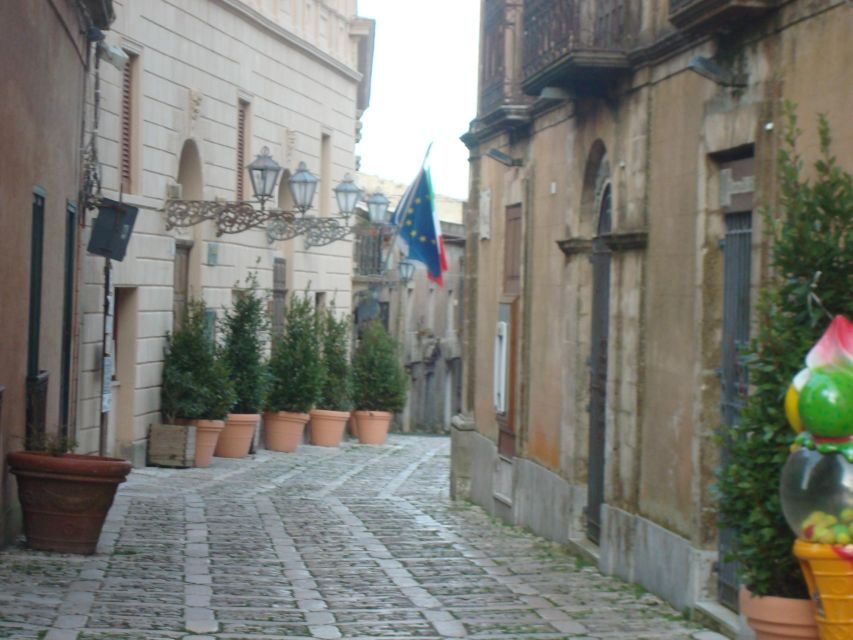
After pizza, the tour moves into a ceramics workshop experience. The highlight is a tour and visit to a ceramics lab with one of the artists behind the works, where you can learn the secrets and stories behind authentic Sicilian ceramics.
This is where the day stops being only about looking and starts being about understanding. Cathedral mosaics are about surfaces you can’t touch. Ceramics are about making—about material, process, and decisions. You’re getting both sides of Sicilian culture in one afternoon: grand decorative tradition and the lived, working art that continues today.
What I’d expect from this kind of visit is a guided walkthrough of how the workshop operates, plus explanations of motifs and craft techniques. The tour also gives you a real sense of creativity and individuality—the artist’s choices show up in the final patterns. Even if you’re not buying anything, you’ll likely come away with a better eye for what makes Sicilian ceramics distinct.
From a value perspective, this adds more than a shopping stop. It’s a chance to learn the story behind the objects you might see later in shops. And if you do buy, you’re doing it after understanding what you’re looking at. That usually makes the purchase feel more meaningful.
Keep expectations realistic: this is a lab visit, not a glossy gallery. You may see tools, steps in production, and a working environment. It’s hands-on in a visual and educational way, and it’s often more memorable than just a quick showroom browse.
Price and value: what $203.91 per person really covers
At $203.91 per person, you’re paying for a private guide and a private driver, plus the guided monastery-area experience, pizza tasting, and the ceramics lab tour. Entry tickets for the cathedral and cloister are excluded, so you’ll add those separately.
So is it worth it? For me, the value depends on how you travel.
If you’re coming from Palermo and you want to do Monreale without wrestling with schedules, the private driver alone can justify the cost. Add the fact that the group is capped at 4, and you’re not just paying for transportation—you’re paying for time with a guide and a smoother route between stops.
Also, the tour’s structure matters. You’re not choosing between art or food or craft. You get a balanced route: cathedral, cloister, bakery tasting, and ceramics workshop. If you planned these separately, you’d likely end up paying for multiple guide services or spending extra time coordinating.
The main “watch-out” is the excluded tickets and the need to follow dress rules. If you’re planning to visit Monreale anyway, this tour can reduce friction. If you were hoping to stroll and decide later without any structure, the ticket-included, guided nature won’t feel as flexible.
What to wear and bring (so the tour stays easy)
This tour is straightforward, but Monreale is historic and walk-heavy.
Bring:
- Comfortable shoes (you’ll be walking and standing)
- A light layer for changing temperatures between Palermo and the hilltop area
Not allowed:
- Sleeveless shirts
That last rule is worth taking seriously. It can stop you at the entrance if you show up unprepared. If you’re traveling in summer heat, think breathable sleeves or a wrap you can put on quickly.
Also, bring a phone with a full battery. You’ll want it for mosaic photos and the workshop details.
Who this tour fits best
This private Monreale experience is a good match if you want:
- A compact schedule with a real guide, not a chaotic self-guided scramble
- Art and architecture, plus a food and craft stop that keeps the day interesting
- A small group size (up to 4) so you can ask questions and set a comfortable pace
It’s especially appealing for first-timers in Palermo who want to see Monreale without losing half a day to logistics. If you already know Palermo well and want a structured Monreale add-on, this also works.
On the flip side, if your top goal is total free time to wander without guidance, you may find a private guided tour less flexible. And if you’re traveling with a group that has lots of mobility limitations, you’d want to consider how much walking is involved in cathedral and cloister areas, since the tour includes sightseeing walks.
Should you book this private Monreale Cathedral and Cloister + ceramics tour?
I’d book it if you want a smooth, high-impact Monreale day that mixes cathedral mosaics, the Capuchin Cloister, a Sicilian pizza tasting, and a ceramics lab visit—all with private guiding and small-group pacing.
I’d skip it or rethink it if you want to keep costs super tight, because entry tickets aren’t included, or if you dislike guided tours and prefer long, independent wandering.
If you like seeing Sicily through both its big monuments and its working crafts, this one hits the sweet spot.
FAQ
Where do we meet for the tour?
You meet at the steps of Teatro Massimo.
How long is the tour?
The total duration is about 3 hours.
What’s included in the price?
The tour includes a private driver and private guide, the Monreale and Cloister visit, Sicilian pizza tasting, and a tour of a ceramics workshop.
Are entry tickets to Monreale and the Cloister included?
No. Entry tickets to Monreale Cathedral and the Cloister are excluded.
How big is the group?
The group is limited to 4 participants.
What languages are available for the live guide?
The guide is available in English, French, Italian, and Spanish.
Is there a dress code?
Yes. Sleeveless shirts are not allowed.
Is the tour cancellable?
Free cancellation is available up to 24 hours in advance for a full refund.
What should I bring?
Wear comfortable shoes, since you’ll do guided sightseeing and walking.