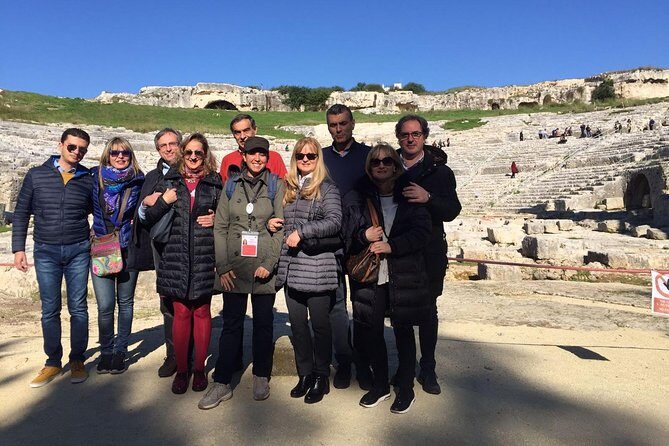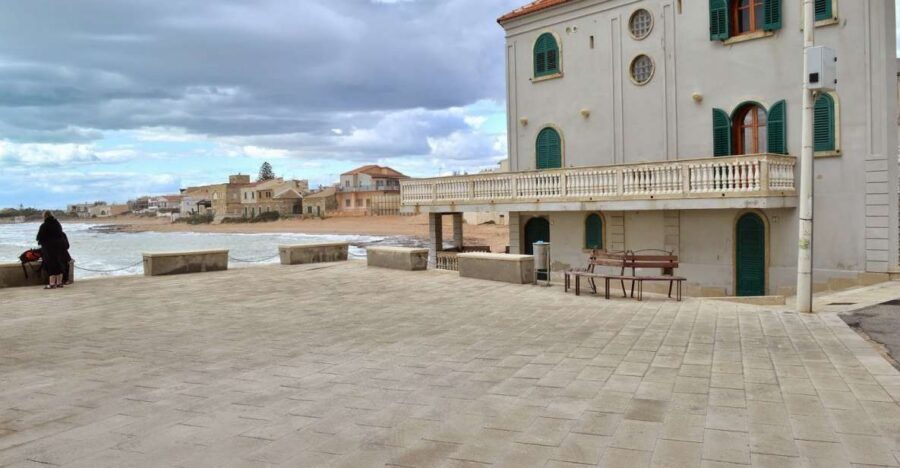
REVIEW · CATANIA
From Catania: Syracuse and Noto Culture and History Tour
Book on GetYourGuide →Operated by Lemontour Catania · Bookable on GetYourGuide
One long day, two worlds of Sicilian culture, and a lot of walking. I especially liked Neapolis Archaeological Park for the sense of deep time and Ortigia Island for its 2,000-year-old lanes. One thing to keep in mind: the day can be disrupted by site closures or unfinished work, and the van comfort varies.
What makes this experience feel worthwhile is the structure. You get hotel pickup from Catania (and nearby areas), a multilingual guide, and time to actually look around instead of doing a full sprint through both cities. Guides are often praised by name—people mention Sylvia, Marzia, Irene, Teresa, Lorenzo, and Dan—and the best ones bring the stories to life with humor and real context.
Noto is the payoff. Expect the “stone garden” vibe, where the Baroque buildings seem designed for close-up viewing and photos. The only caution: some groups report confusion about tickets and inclusion, plus occasional issues like hearing the guide in traffic or a less-than-new vehicle.
Key things I’d mark on your mental map
- Neapolis Park first: you start with archaeology before the crowds hit the city centers
- Ortigia alleys on foot: you’re walking among lanes with centuries layered on top of centuries
- Syracuse + UNESCO framing: Syracuse is treated as a World Heritage story, not just a sightseeing list
- Noto’s Sicilian Baroque focus: the guided time targets the architecture people come to see
- Multilingual guides: English, French, Italian, Spanish, with guides praised for handling translation
- Bring cash for extras: Neapolis entry and food/drinks aren’t included
In This Review
- Syracuse and Noto From Catania: Why This Combo Works
- Pickup, Van Time, and How the Day Really Moves
- Neapolis Archaeological Park: Ancient Syracuse in Walking Form
- Ortigia Island Lanes and the Cathedral Stop
- Noto: Sicilian Baroque and the Stone-Garden Feeling
- Guides Matter More Than You Think: Translation, Humor, and Pace
- Comfort, Food, and What’s Missing From the Included Price
- Price and Value: Is $80.89 a Good Deal?
- Who This Tour Suits Best (and Who Might Want to Skip It)
- Should You Book This Syracuse and Noto Day Trip?
- FAQ
- How long is the Syracuse and Noto Culture and History tour?
- What is included in the price?
- Are entrance tickets included for the Archaeological Park of Neapolis?
- Is food and drinks included?
- Where does the tour pickup happen?
- How soon before departure does pickup occur?
- What languages are the guides available in?
- What sites are visited during the day?
- Is Syracuse part of UNESCO?
- Is there free cancellation and a pay-later option?
Syracuse and Noto From Catania: Why This Combo Works
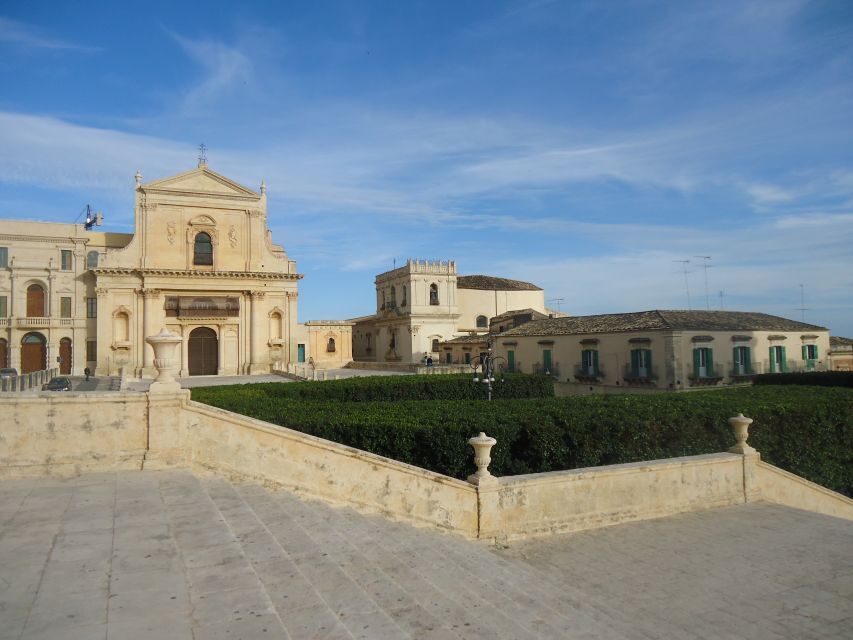
Syracuse and Noto aren’t just two stops on a Sicilian road. They feel like two different chapters of the island’s story, told in stone.
In Syracuse, the big draw is that it’s a UNESCO World Heritage city—so the guide’s explanations tend to orbit around why the place matters, not just where to stand for a photo. Then you step onto Ortigia, the historic center of Syracuse, where you’ll walk through narrow streets that have seen Romans, Byzantines, and a lot in between. The tour’s flow pushes you into that contrast: ancient archaeology first, then human-scale street life right after.
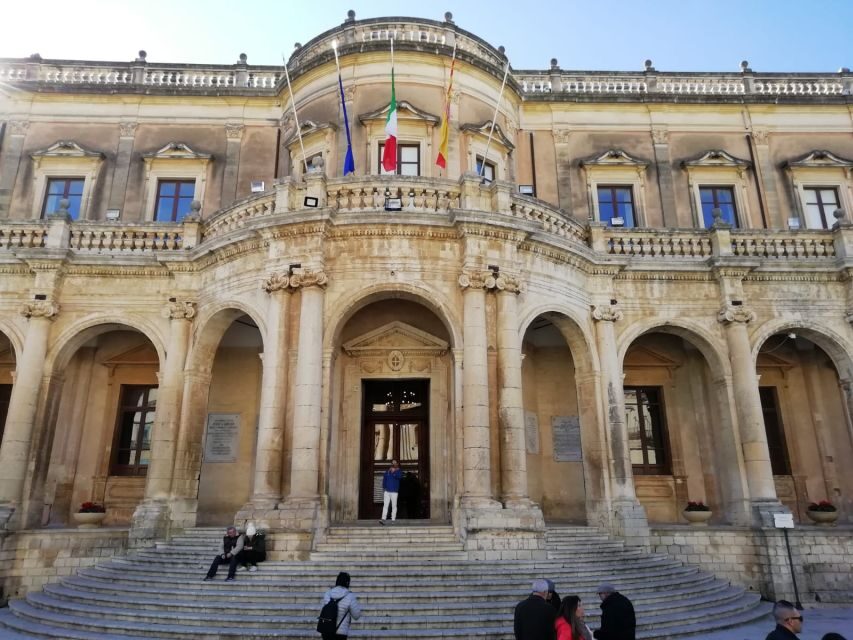
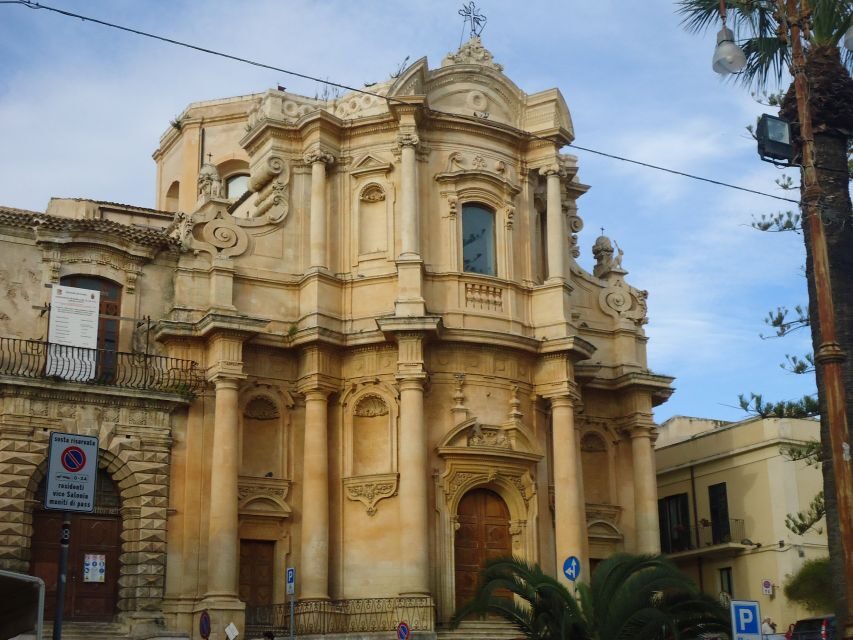
Noto shifts the mood. This is the “most beautiful” Sicilian Baroque city theme, and the architecture is the main event. You’ll get guided time focused on the details that make Noto look like a stone garden—palaces and facades that really reward slowing down.
This kind of day trip is ideal if you want a big cultural hit without planning a full overnight. It also suits you if you like a guide’s narrative—especially for archaeology, where it’s easy to wander and miss what’s actually significant.
Pickup, Van Time, and How the Day Really Moves
The tour is built around transfers. You’re picked up from your accommodation area in Catania and surrounding zones that the vans can reach. If you’re somewhere pedestrian-only, they’ll agree on a pickup point closest to your place, and pickup usually happens within about 15 minutes of the departure time.
Once you’re in motion, you’ll have a chunk of van time before you reach the Syracuse area, then more traveling between Syracuse and Noto. The schedule is long—around 8 hours total—so the rhythm matters. You get a guided component plus free time in both Syracuse’s province area and in Noto. That free time is important because it gives you the chance to absorb what you just heard.
A practical note from real-world experience on similar tours: car comfort isn’t always guaranteed. Some people report vans being old, noisy, or lacking air conditioning, and at least one review called for a microphone so the guide could be heard better in the car. If you’re sensitive to uncomfortable seats or you need clear audio to enjoy the stories, that’s worth factoring into your expectations.
Also, expect limited flexibility once you’re on the route. The best tours run smoothly, but construction or site access issues can affect what you physically see.
You can also read our reviews of more historical tours in Catania



Neapolis Archaeological Park: Ancient Syracuse in Walking Form
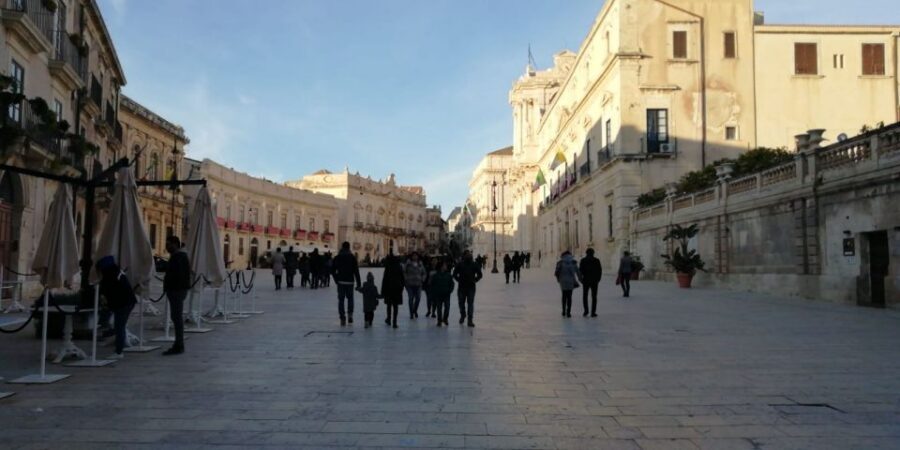
Your day starts at Neapolis Archaeological Park, and that’s a smart choice. Archaeology works best before you’ve been worn down by crowds and street noise. Here, you’re looking at finds tied to several periods of Syracusan history, so the guide can connect what you see to a bigger timeline.
Two practical things to know:
First, the entrance ticket to Neapolis isn’t included. The tour includes pickup, transfers, and the multilingual guide, but you’ll need to budget separately for admission.
Second, site conditions can vary. One review noted the archaeological park was undergoing work, and a theater area was only partly visible—so the group didn’t want to pay additional entry for parts that weren’t fully open. Another comment mentioned the tomb of Archimedes area may be closed at certain times (the review also clarified it’s not the actual tomb you might imagine). In plain terms: you might arrive expecting one highlight and find part of it closed.
How long you’ll be there can feel just right, though. You’re given guided time plus the chance to walk and find the key spots at your own pace. If you’re the type who likes to linger near details, you’ll appreciate starting here while your energy is high.
Ortigia Island Lanes and the Cathedral Stop
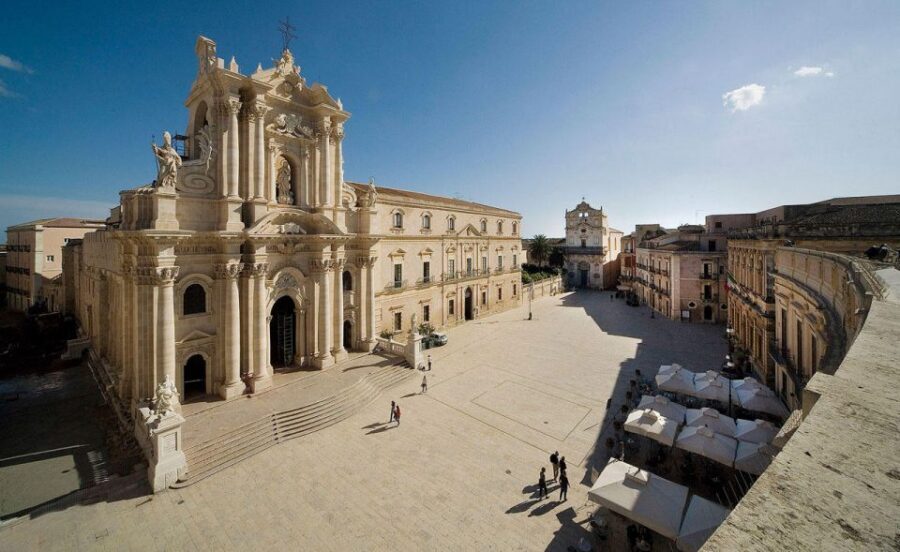
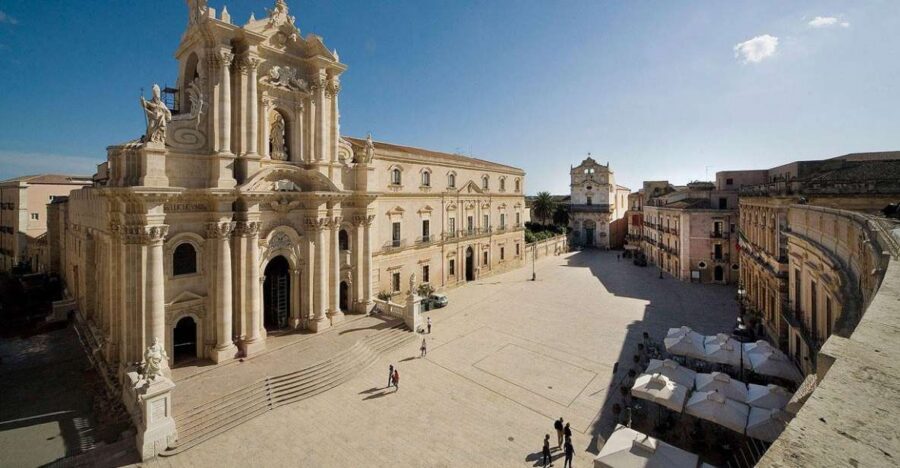
After Neapolis, you head into the historic center of Syracuse: Ortigia Island. This is where the tour turns from “ancient ruins and context” to “real streets you can stand in and feel.”
The big idea is scale and closeness. Ortigia is all alleys and tight lanes, and the experience is built around walking through them—lanes that have held life for over 2,000 years. That kind of environment makes history feel less like a lecture and more like atmosphere.
You’ll also see the cathedral, described as spectacular. Even if you don’t get swept away by every architectural term, it’s the kind of stop that gives you a focal point after hours of moving between points on a map.
Expect crowds and noise, too. One review mentioned Ortigia was busy due to a G7 ministers meeting, which can make walking slower and photo stops tougher. If you want calmer streets, consider going at a quieter season or be ready to be flexible with where you linger.
And here’s the helpful tour-advice part: during the transfer from Neapolis to Ortigia, your guide’s job is to keep everyone moving and informed. Some people asked for more help during ticket buying at Syracuse Nature-related stops, so if language is a concern for you, plan to ask questions early and don’t assume ticket counters are straightforward.
Noto: Sicilian Baroque and the Stone-Garden Feeling
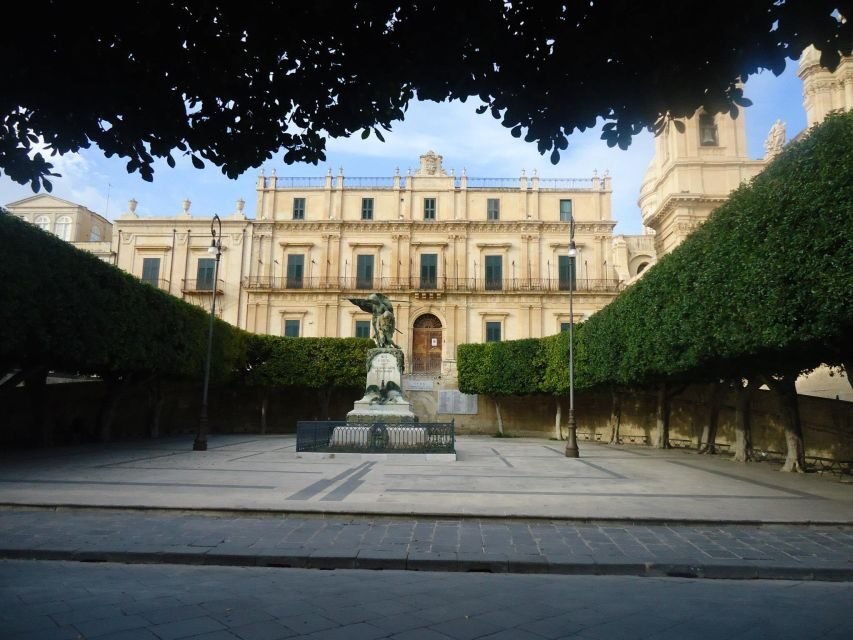
Then you go to Noto, often described as the stone garden city because of the way its palaces and facades blend into a visual whole. This part of the tour leans hard into Sicilian Baroque. You’ll get guided time and also free time, which is useful here because Noto rewards slow looking.
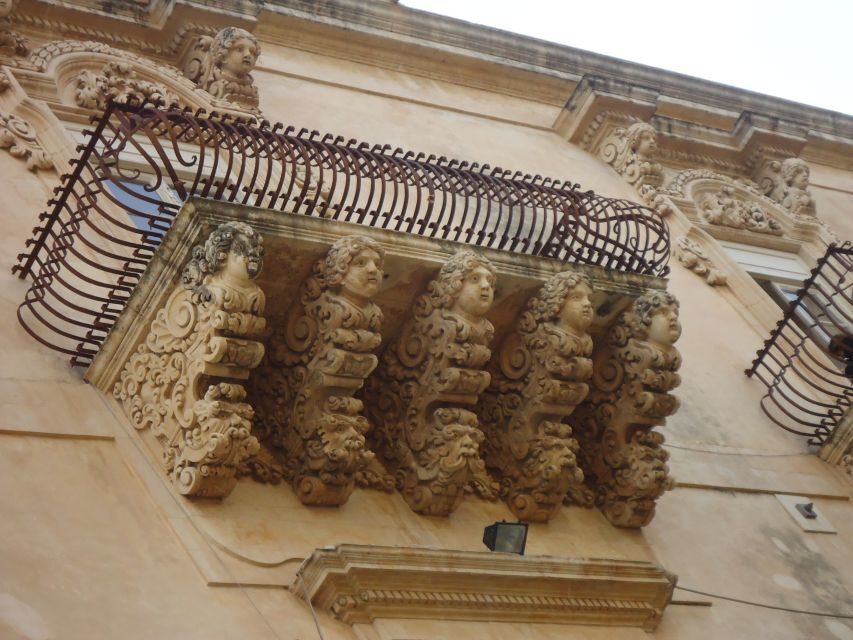
Baroque architecture can be overwhelming if you treat it like a checklist. The benefit of a guided stop is that someone points out what to notice—shapes, ornament, and how the city’s design makes certain views work better from certain angles. You’ll likely spend time photographing the facades and framing the streets, because Noto is exactly the kind of place where the streets and buildings work together.
The free time matters because Noto isn’t just a museum. It’s lived-in. You’ll want enough breathing room to walk up close to the details and step back to see how the whole street looks as a composition.
One review praised the views and photo opportunities and specifically suggested buying something from the food market in Ortigia afterward—so if you like tasting what you see, you might keep that kind of shopping instinct in mind for later wandering in the day.
Guides Matter More Than You Think: Translation, Humor, and Pace
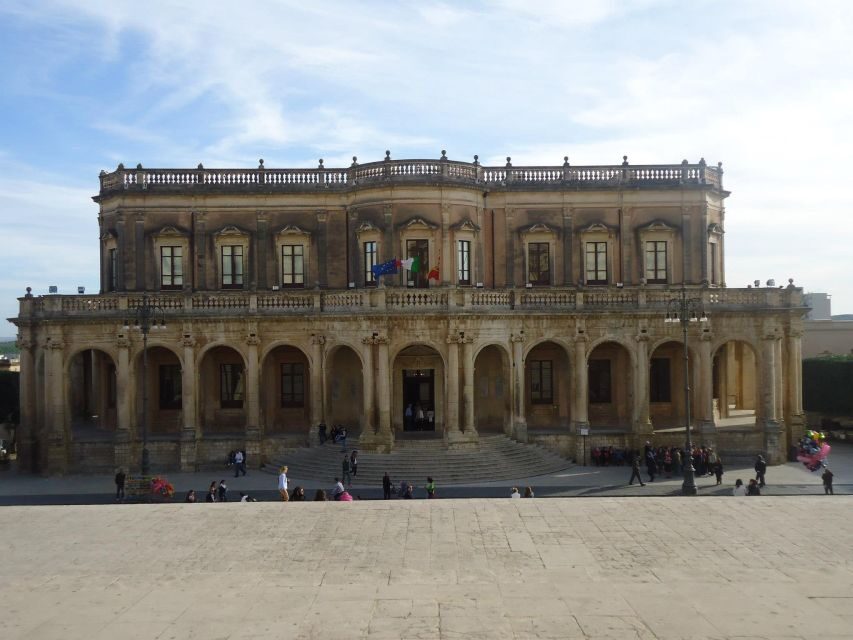
A tour like this lives or dies on the guide. And here’s what stands out from the names people mentioned: guides like Sylvia, Marzia, Irene, Teresa, Lorenzo, and Dan were repeatedly described as enthusiastic, humorous, and good at connecting facts to what you’re actually looking at.
One review praised Sylvia for handling translation into three languages—so if your group includes multiple language needs, it’s a good sign the guide can keep the story coherent. Another praised Marzia as professional and friendly, and Irene and Teresa were praised for enthusiasm and knowledge of stories around Syracusa and Noto.
There’s also an important counterpoint. One person wanted the guide to stay with the group while ticket purchases were happening because it can get confusing if you don’t speak the language. Another noted they couldn’t hear the guide well in the car due to traffic noise and asked for better audio. So: you’ll enjoy this more if you’re comfortable asking questions and if your guide gives you enough support during ticket moments.
If you’re the kind of traveler who loves a relaxed pace, you’ll likely like guides who provide time to view sites and let you choose what to prioritize in free periods. If you need constant explanation every minute, you might find that some “walk and listen” segments feel heavy—at least one review suggested more free exploration would have helped.






Comfort, Food, and What’s Missing From the Included Price

Let’s talk about the stuff that decides whether the day feels easy or exhausting.
Included:
- Hotel pickup and drop-off
- Transfer service
- A multilingual guide
Not included:
- Entrance ticket to the Archaeological Park of Neapolis
- Food and drinks
That means you should plan to handle your own lunch and snacks. One review described a lunch stop that felt overpriced and took about two hours out of the time the group could have spent exploring Ortigia. That’s not a guaranteed experience for every day, but it’s a good reminder: if the tour includes an arranged meal option, it might not match your personal idea of good value.
Also watch your comfort needs. Some reports mention older vehicles with issues like dirty seats, poor air conditioning, or mechanical quirks (sliding doors not functioning smoothly). If you have mobility concerns, be extra careful. One review explicitly mentioned difficulty for mobility issues getting in and out of the minibus.
If you want to make this day feel better, do the boring planning:
- Wear comfortable walking shoes. You’re going to be on foot in Ortigia and around Noto.
- Bring a way to pay for the Neapolis ticket and for your own food.
- Be ready for a long day with travel time, even if the guided parts are well run.
Price and Value: Is $80.89 a Good Deal?
At $80.89 per person, you’re paying for a structured day: pickup, transfers, and a multilingual guide across two major cities. In return, you’re not getting everything covered—Neapolis entry and food/drinks are extra—so the true cost depends on what you choose to pay for once you’re there.
The value case is strong if:
- you want to avoid planning logistics between Catania, Syracuse, and Noto
- you like guided storytelling (especially for Neapolis archaeology)
- you don’t want to spend your trip time figuring out transit and meeting points
The value case is weaker if:
- you prefer total independence and you’re comfortable using trains or navigating on your own
- you dislike paying for a tour but then still want to buy separate tickets and choose your own lunch and pacing
One person in the feedback described feeling like they might not need the tour if they were comfortable doing things on their own, since they’d already explored the region independently by train. That’s a fair lens for you to use: if you’re already confident moving around Sicily, you can potentially DIY part of this.
But if you want someone to manage the route and translate the why behind each stop, $80.89 can make sense.
Who This Tour Suits Best (and Who Might Want to Skip It)
This works best for you if you’re:
- a history and culture person who wants an organized day in Syracuse and Noto
- comfortable with walking through historic centers and alleys
- okay with a long day that mixes guided time with free time
You might think twice if you:
- struggle with uneven pavements and steps (Ortigia and Noto can involve lots of walking on old streets)
- need a very comfortable vehicle or quiet audio to enjoy the day
- get frustrated by ticket confusion, extra ticket payments, or meal stops that don’t feel like your idea of value
If you’re traveling with a group that wants different languages, the multilingual guide setup is a plus. If your priority is maximum flexibility and you don’t care about guided context, independence might feel better.
Should You Book This Syracuse and Noto Day Trip?
I’d book this tour if your goal is a one-day overview that covers the core hits: UNESCO Syracuse, the Ortigia walk-through, and Noto’s Sicilian Baroque. It’s especially good when you want the guide to connect archaeology to the street-level reality you’ll be standing in.
I’d pause before booking if you know you’re sensitive to transport comfort, or if you strongly dislike any structured lunch stop. And because Neapolis entry isn’t included, confirm in your planning that you’re ready for that extra payment once you arrive.
If you want a practical rule: book it when you like guided pacing and don’t mind a long day. Skip (or DIY) it when you want maximum control over every hour.
FAQ
How long is the Syracuse and Noto Culture and History tour?
The tour lasts about 8 hours.
What is included in the price?
Hotel pickup and drop-off, transfer service, and a multilingual guide are included.
Are entrance tickets included for the Archaeological Park of Neapolis?
No. The entrance ticket to the Archaeological Park of Neapolis is not included.
Is food and drinks included?
No. Food and drinks are not included.
Where does the tour pickup happen?
Pickup and drop-off are offered from Catania and the surrounding areas. Pickup is arranged based on where the vans can reach, and for pedestrian areas they agree on a pickup address closest to your accommodation.
How soon before departure does pickup occur?
Pickup usually happens within about 15 minutes of the tour departure time.
What languages are the guides available in?
The live guide is available in English, French, Italian, and Spanish.
What sites are visited during the day?
You’ll visit the Archaeological Park of Neapolis, explore Ortigia Island (the historic center of Syracuse), and visit Noto for its Baroque sights.
Is Syracuse part of UNESCO?
Yes. Syracuse is described as a UNESCO World Heritage Site.
Is there free cancellation and a pay-later option?
Yes. You can cancel up to 24 hours in advance for a full refund, and you can reserve now and pay later.