REVIEW · CATANIA
Catania Historic center Walking tour
Book on GetYourGuide →Operated by Sicilying S.R.L. · Bookable on GetYourGuide
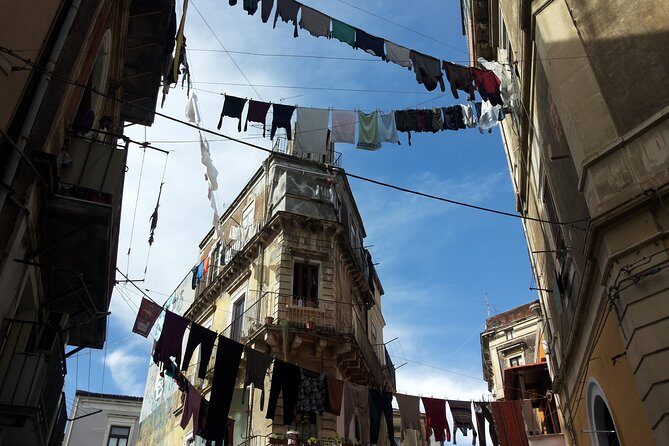
Baroque streets meet a shouting fish market. This Catania historic center walking tour turns classic monuments into real stories, from Piazza Duomo to the everyday theater of the fish stalls. I especially like the expert authorized guides and the chance to see Catania’s traditions where people actually trade and talk. One drawback to plan for: food, drinks, and any entrance tickets aren’t included.
You’ll start with context—how Catania was founded by Greek settlers in the 8th century BC, and how the city’s story was reshaped by natural destructions, even as key monuments survived. Then the guide keeps you moving through the places locals and visitors recognize fast, using short stops that make the architecture easier to read. With a small group (limited to 10), the pacing stays comfortable.
The big idea is simple: you get history without feeling stuck in a museum. It’s built around a walk that ends back at the meeting point after about 2 hours, and it’s guaranteed in Italian and English. If you prefer a quieter outing, the fish market stop is the loudest moment—worth it, but it’s not the place for headphone silence.
In This Review
- Key points you’ll care about
- Catania on foot: why this route makes the city click
- Meeting at Via Erasmo Merletta and getting oriented fast
- Piazza Duomo and the Cathedral: the story behind the façade
- The Catania Fish Market stop: noise, color, and local rhythm
- Castello Ursino: history you can actually point to
- Via Crociferi: where the street becomes part of the architecture
- Piazza Dante, Piazza Università, and Bellini: squares that reset the pace
- How long is enough? The 2-hour pacing that stays useful
- Price and value: what $35 buys you (and what it doesn’t)
- Guide style in real terms: Toto and Ester’s impact
- Afternoon option and language coverage that helps
- Should you book this Catania historic center walking tour?
- FAQ
- How long is the Catania Historic Center walking tour?
- What’s the meeting point for the tour?
- How much does the tour cost?
- What stops will we see during the walk?
- Is the Cathedral entrance included?
- What languages is the tour offered in?
- How big is the group?
- Are food or drinks included?
- Is there an afternoon option?
Key points you’ll care about
- Authorized guides explain what you’re seeing, not just where it is
- Duomo Square includes time to enter the Cathedral and appreciate it up close
- Catania Fish Market gives you street-level color and vendor energy
- Historic landmarks in one loop: Ursino Castle, Via Crociferi, Piazza Università, Bellini
- Small group size (up to 10) keeps questions from getting lost
- Two-hour format makes it a smart add-on to a Sicilian itinerary
Catania on foot: why this route makes the city click
Catania is one of those places where the layers show. Greek beginnings, centuries of change, and repeated destruction all shaped what stands today. What I like about this tour is that it doesn’t treat history like a lecture. You get the timeline while you walk the streets, so the monuments start making sense in your head.
The itinerary strings together the main “anchors” of the center: Piazza Duomo, the fish market area, Castello Ursino, and several major squares, including Piazza Università and Piazza Vincenzo Bellini. That matters because Catania’s beauty isn’t only in one building. It’s in the way the city’s spaces connect—squares that hold movement, streets that funnel you toward views, and corners where daily life happens.
Also, the tour is explicitly designed to show how the city developed across centuries. That’s a practical goal. When you understand why something is where it is, you notice details you’d miss if you were only sightseeing on autopilot.
You can also read our reviews of more walking tours in Catania



Meeting at Via Erasmo Merletta and getting oriented fast
You’ll meet at Via Erasmo Merletta, 3, and you’re told to look for the Info Point on the corner with Piazza Duomo. That’s a helpful setup because it keeps you near one of the strongest landmarks in the center from the start.
In real-world walking tours, orientation is everything. This one starts with a briefing and then moves directly into the heart of the action. If you’re arriving in Catania that day, you’ll get an immediate map in your mind: where you are, what to pay attention to, and how long the loop takes at an easy walking pace.
One smart detail: the tour is limited to 10 participants. Smaller groups tend to feel more personal, and you’re more likely to hear the guide’s explanations clearly at each stop.
Piazza Duomo and the Cathedral: the story behind the façade
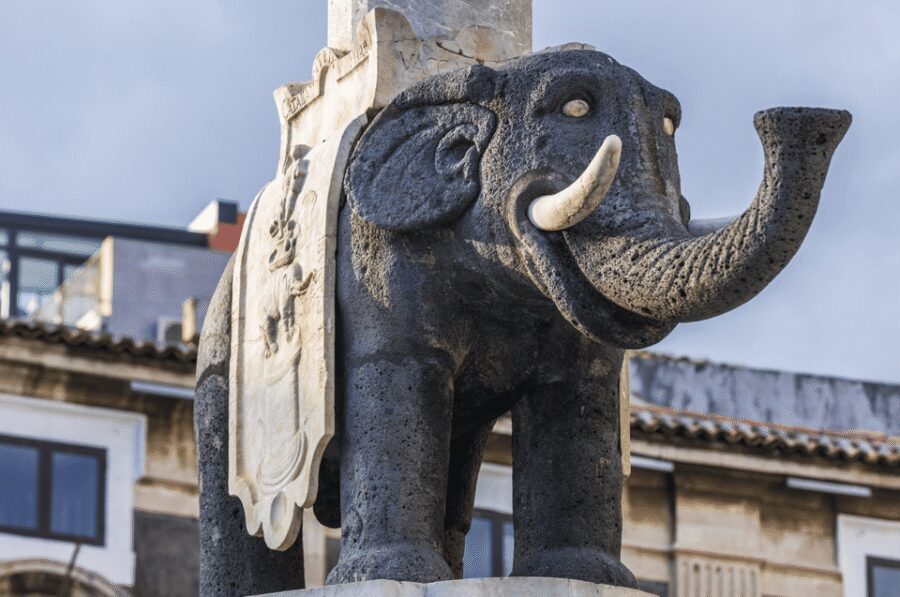
Piazza Duomo is where the tour begins after the quick briefing, and it’s the right place to start. It’s central, iconic, and it gives you a “framework” for everything that follows. Your guide points out what emerged over time and helps you connect the Cathedral to Catania’s bigger evolution.
You’ll have the chance to enter and appreciate the Cathedral in its full majesty. That’s a key value add. Looking from outside is one thing; stepping inside is another. Even if you don’t know much architecture, you’ll likely recognize the difference immediately: the way light, space, and materials change once you’re inside.
How to get more out of this stop: keep your focus on what the guide highlights—specific elements tied to the city’s development over the centuries. Since the tour is timed to 2 hours, you won’t get “everything,” but you’ll get enough to keep the next buildings from feeling random.
The Catania Fish Market stop: noise, color, and local rhythm
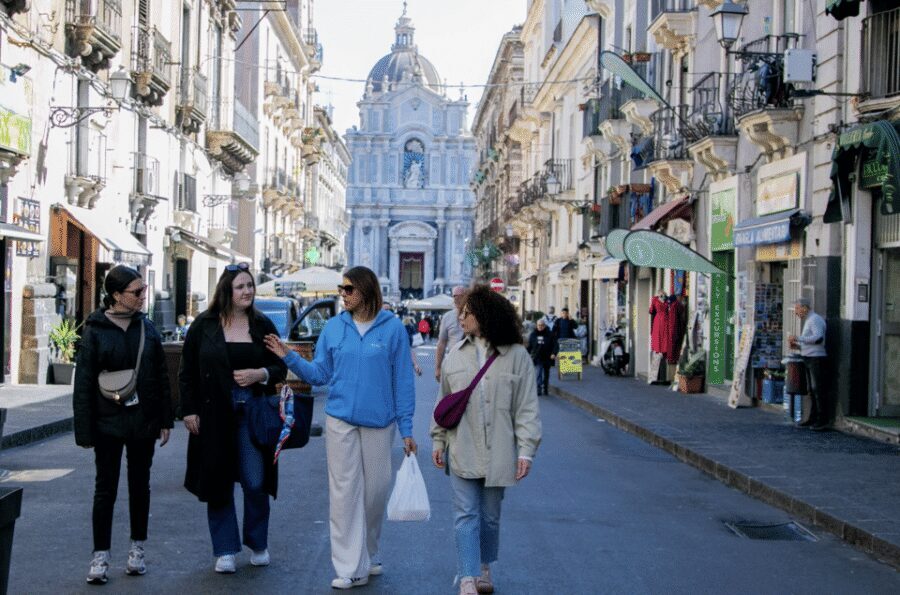
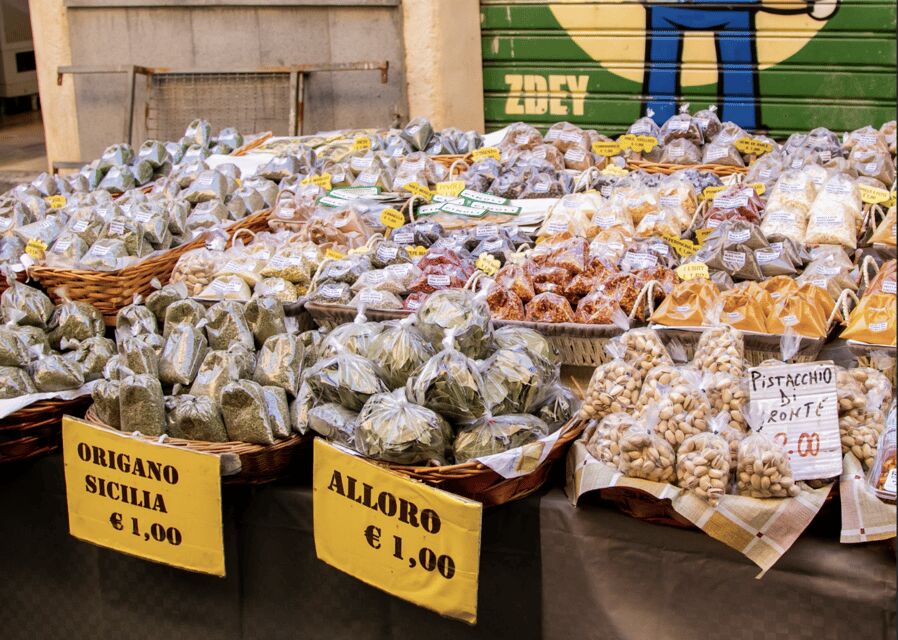
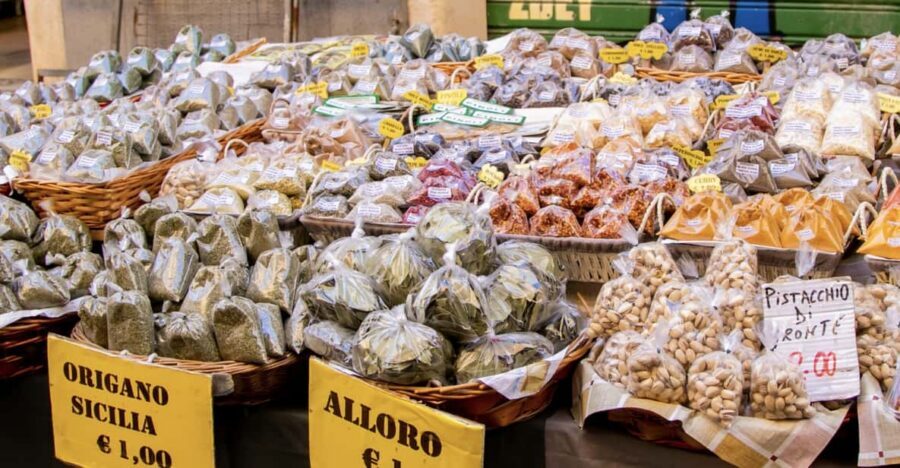
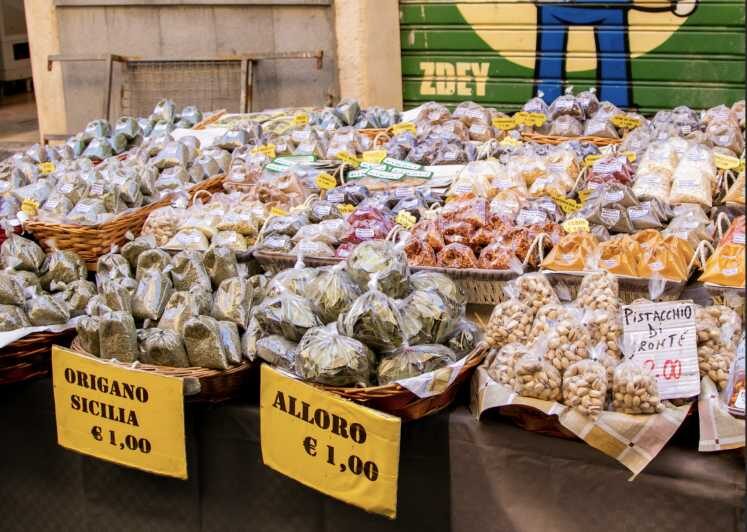
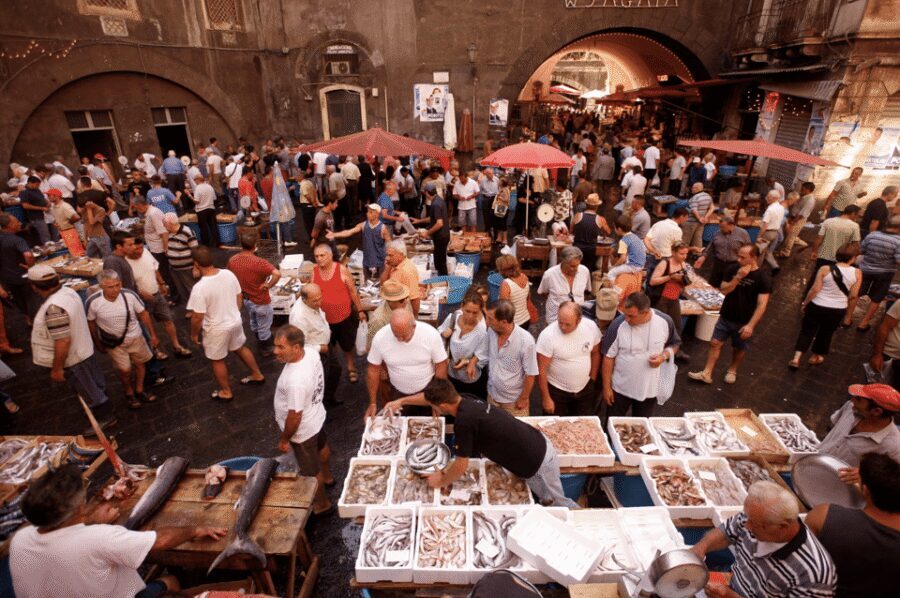
Then comes the stop many people remember: the fish market. This isn’t a calm photo corner. It’s a working market, and you’ll be captivated by the shouts of the street vendors and the colors of the stalls.
That matters more than it sounds. In a place like Catania, tradition lives in daily life. When your guide points out what you’re seeing, the market becomes more than a sensory experience. It turns into a window on local routines and the city’s identity.
Practical tip: wear comfortable shoes. The market stop is short, but it’s still a walking tour, and you’ll likely be moving through active areas. If you don’t love crowds or loud voices, know that this is the loudest moment. But if you like real atmosphere, it’s the part that makes Catania feel like a living city.
Castello Ursino: history you can actually point to
After the market, the tour moves on to Castello Ursino for sightseeing and a walk. Castello Ursino is a natural “pause point” in the loop because it’s a landmark you can orient around. It gives your brain a stable reference as you continue toward other squares and streets.
This stop also fits the tour’s core theme: the city’s development through time and destruction. The guided explanation connects how Catania’s story kept going even when natural events changed the city again and again. You’re not just standing at a pretty structure—you’re learning how the city’s survival shaped what remains.
When I think about value, this is exactly where it shows. A cheap self-guided walk might take you past a castle. This tour helps you understand why the castle belongs in the same conversation as the Cathedral and the market.
You can also read our reviews of more historical tours in Catania





Via Crociferi: where the street becomes part of the architecture
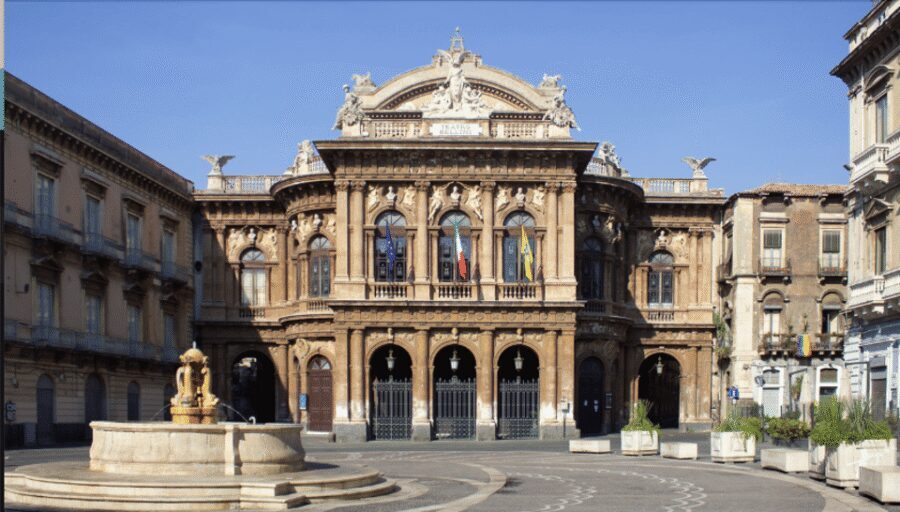
Next up is Via Crociferi, with guided explanation and walking time. Streets like this are often overlooked when people plan “attraction by attraction.” But on a baroque-style tour, the street layout and façades are part of the design language.
This is also where you’ll feel the benefit of a guide’s narration. The tour uses the main monuments to describe development over the centuries, and Via Crociferi is one of the ways you see that development in motion. You’re not staring at one building; you’re walking through the city’s “visual flow.”
A good mindset here: don’t only look for a single wow moment. Watch how the street framing shapes your views and how the guide’s explanations connect what you’re seeing to the bigger city story.
Piazza Dante, Piazza Università, and Bellini: squares that reset the pace
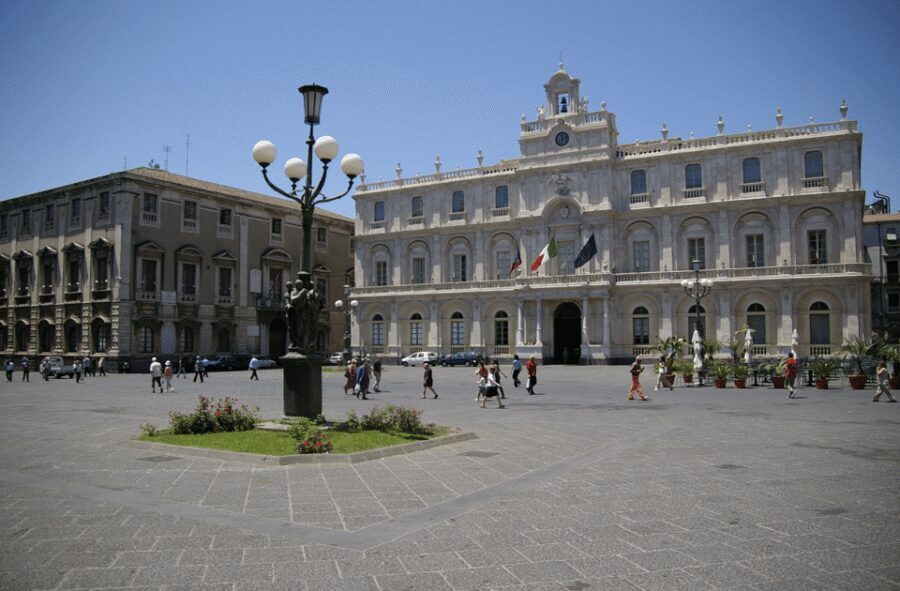
The tour includes Piazza Dante and Piazza Università before finishing at Piazza Vincenzo Bellini and returning to the meeting point. Squares act like rhythm changes in a walking tour: you stop, your ears reset, and your guide can tighten the story.
Piazza Università is especially useful because it’s both visually memorable and central. You’ll be able to step back mentally and connect earlier themes—Greek roots, centuries of change, and the survival of major monuments—to the urban spaces where people gather.
Piazza Vincenzo Bellini rounds out the route with a well-known city square. By the time you reach it, you’ve already walked through the Cathedral area, the market energy, and the castle landmark. That makes these squares feel less like “more places to see” and more like a coherent final chapter to the same story.
How long is enough? The 2-hour pacing that stays useful
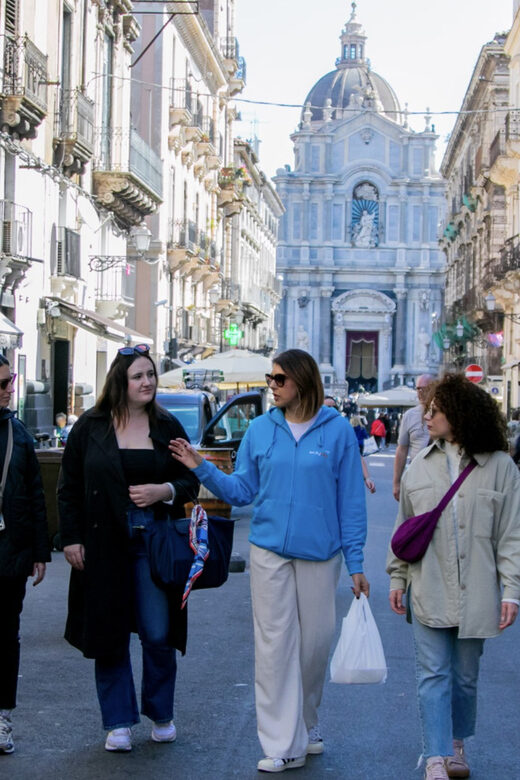
A 2-hour walking tour can feel either rushed or just right. Here, the structure is designed to stay practical: a short briefing, a sequence of focused stops, and a return to Via Erasmo Merletta after around 2 hours.
Because it’s small group limited to 10, it’s easier for the guide to manage the timing and keep explanations audible. You won’t spend long waiting at each location. Instead, you get just enough context to make what you see meaningful—without turning it into a half-day commitment.
If you’re planning a day in eastern Sicily or doing multiple activities in the same area, this tour is an easy “anchor block.” And if you’re staying in Catania for only a short time, it’s a way to get more than a quick glance at the center.
Price and value: what $35 buys you (and what it doesn’t)
The price is $35 per person for 2 hours, including an expert authorized guide. For a guided experience in a historic center, the biggest value is not the number of stops. It’s the explanation quality and how efficiently the route matches the story you’re trying to understand.
What’s not included is also important: food, drinks, and entrance tickets. That means the tour is a guide-led orientation and monument reading session, not a full day with meals or covered entry costs. You’ll want to budget a little extra if you plan to add snacks or if entry fees apply for specific sites.
Still, the $35 price makes sense if you care about context. The tour is basically an “on-foot interpretation engine.” Without that, you could wander the same squares and monuments and still miss the connections the guide draws for you.
Guide style in real terms: Toto and Ester’s impact
The quality of a walking tour often comes down to the guide’s voice and how they tell stories. This one gets praised for that.
One guide mentioned in the experience is Toto, described as very kind and with unique knowledge. Another is Ester, praised as very prepared about Catania’s history, with anecdotes that aren’t straight from the usual books. That’s the kind of detail that changes a walk from sightseeing into understanding.
In practice, what you’ll likely feel is a balance: enough structure to follow the chronology, plus enough street-level color to keep your attention. That’s the difference between hearing facts and actually learning how a city became itself.
Afternoon option and language coverage that helps
If mornings don’t work, the tour is available on request in the afternoon at 5 pm. Having a later option is useful in Sicily, where you might prefer slower starts and lighter daytime plans.
Language coverage is strong for most visitors: the tour is guaranteed in Italian and English. Additional languages are possible on request. If you’re traveling with someone whose Italian or English is limited, ask about language options early so you don’t end up with mismatched expectations.
Should you book this Catania historic center walking tour?
I’d book it if you want a guided walk that connects key sights in a logical loop and explains Catania’s layers without making you sit still too long. It’s a strong choice if you care about how the city developed over time—Greek beginnings, surviving monuments, and the impact of natural destructions—and you want that context while you’re actually standing in the right places.
Skip it only if you know you dislike loud, active market areas. The fish market stop is part of the core experience, and it’s not meant to be quiet or strictly photo-focused.
If you’re aiming for value, the $35 price is easier to justify because it includes the authorized guide and keeps the group small. Just remember that entrance tickets and food/drinks are on you, so bring a bit of extra budget and comfort for walking.
FAQ
How long is the Catania Historic Center walking tour?
It lasts about 2 hours.
What’s the meeting point for the tour?
You meet at Via Erasmo Merletta, 3. Look for the Info Point in the corner with Piazza Duomo.
How much does the tour cost?
The price is $35 per person.
What stops will we see during the walk?
You’ll visit Piazza Duomo, the Catania Fish Market, Castello Ursino, Piazza Dante, Piazza Università, Piazza Vincenzo Bellini, and you’ll also walk Via Crociferi, then return to the meeting point.
Is the Cathedral entrance included?
The tour includes a chance to enter and appreciate the Cathedral. Entrance tickets are not included, so any ticket needs would be your responsibility.
What languages is the tour offered in?
It is guaranteed in Italian and English, with additional languages possible on request.
How big is the group?
It’s a small group, limited to 10 participants.
Are food or drinks included?
No. Food or drinks are not included.
Is there an afternoon option?
On request, the tour can also run in the afternoon at 5 pm.