REVIEW · SICILY
Trekking to Bottoniera Craters
Book on Viator →Operated by Vincenzo Modica | Volcanological Guide of Mount Etna · Bookable on Viator
Volcanic ground, real stories, big views. I love how this trek to the Bottoniera craters turns what looks like raw rock into an understandable timeline. You also get simple, informative volcanology from Vincenzo Modica, so the place makes sense as you walk through it.
The biggest consideration is that it’s a moderate physical hike on uneven volcanic terrain, and it depends on good weather, so plan for conditions to matter.
In This Review
- Key highlights you should care about
- Meeting Vincenzo Modica and Getting Ready for Etna’s Real Mood
- The Main Event: Walking Through the Bottoniera Craters (2002)
- Stop-by-Stop Breakdown: What Makes Each Moment Worth It
- The Etna trek itself (about 3 hours)
- The walking pace and how to read it
- Mount Etna Geology Explained in a Way That Actually Sticks
- Photos: What You’ll Want to Capture (and When)
- Getting Real Value from $229.28 per Person
- You’re paying for focused guiding, not just access
- The private format adds practical comfort
- It’s time-efficient
- Who This Etna Trek Suits Best (and Who Should Rethink It)
- Weather, Comfort, and What to Bring Without Guessing Too Much
- Should You Book the Bottoniera Craters Trek?
- FAQ
- How long is the trekking experience to Bottoniera Craters?
- What is the main place you visit during the tour?
- Is admission included?
- What’s the meeting point and start time?
- Is this tour private?
- What fitness level do I need?
- What’s the weather and cancellation rule?
Key highlights you should care about
- Bottoniera craters tied to the 2002 eruption: you’re not just seeing Etna in general; you’re focused on a specific event.
- Vincenzo Modica’s geology explanations: you get context for the rocks, flows, and what shaped the area.
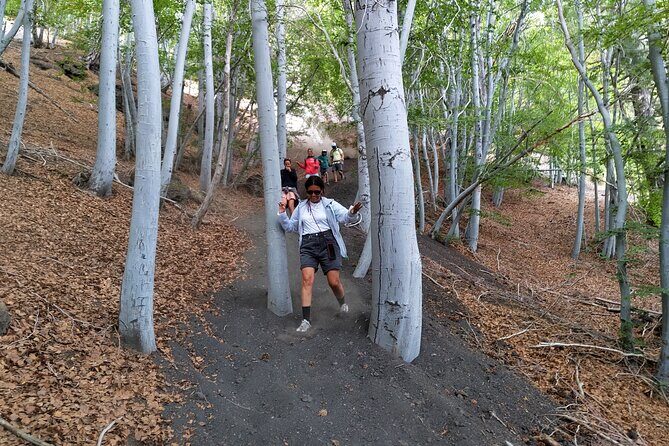
- A guided walk across historic lava flows: the route is built around what Etna left behind, not just scenery.
- Endemic vegetation along the way: you’ll notice how life adapts on the volcano’s slopes.
- Private group format: only your group participates, which keeps the pace and questions more manageable.
- About 3 hours total: enough time to feel you did something real without eating your whole day.
Meeting Vincenzo Modica and Getting Ready for Etna’s Real Mood
This experience runs out of Linguaglossa, at Vincenzo Modica | Etna Excursions on Via Provenzana, 35, 95015. The activity starts at 9:30 am and ends back where you started, so you’re not stuck planning a complicated half-day “where do we go next” puzzle.
What I like about this setup is that it keeps the focus where it should be: on Etna. When the guide is a volcanological specialist like Vincenzo Modica, you don’t just get a scenic walk. You get a guided experience that helps you read the ground under your feet—like noticing layers, flow patterns, and why certain craters matter more than others.
One more practical note: this is listed as a private tour/activity, so you’re not sharing your questions and photos with a full busload. That matters on a volcano trek, where the pace and stopping points are everything.
You can also read our reviews of more hiking tours in Sicily
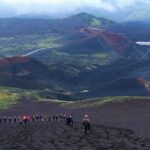
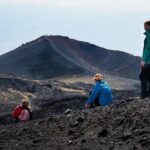
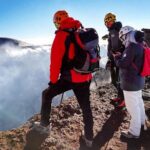
The Main Event: Walking Through the Bottoniera Craters (2002)
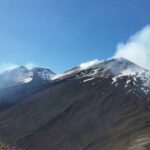
The whole outing centers on Mount Etna and its most significant craters from the last 100 years, with special attention on the Bottoniera craters from the 2002 eruption. Even if you think you already know Etna from photos, this is the kind of place where the details hit differently once you’re there in person.
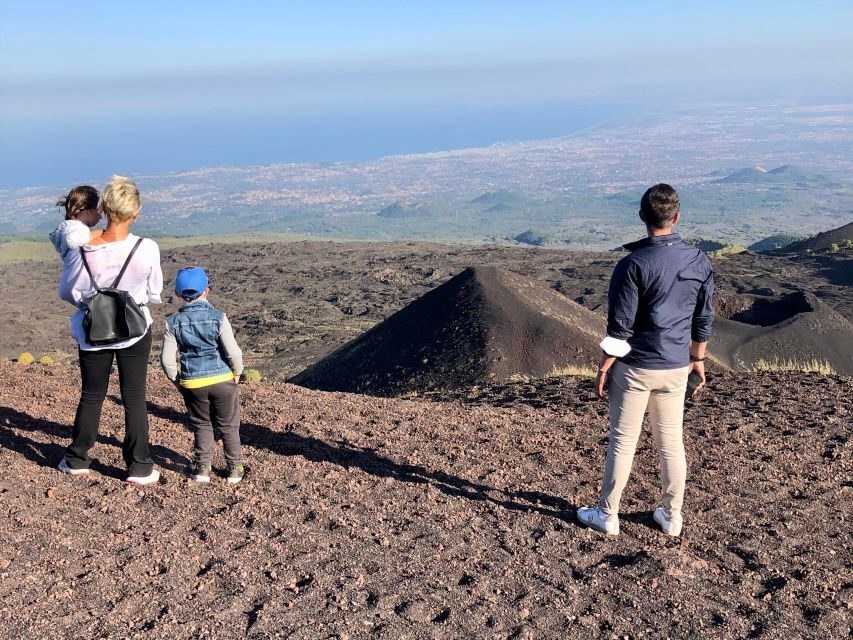
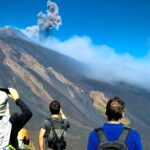
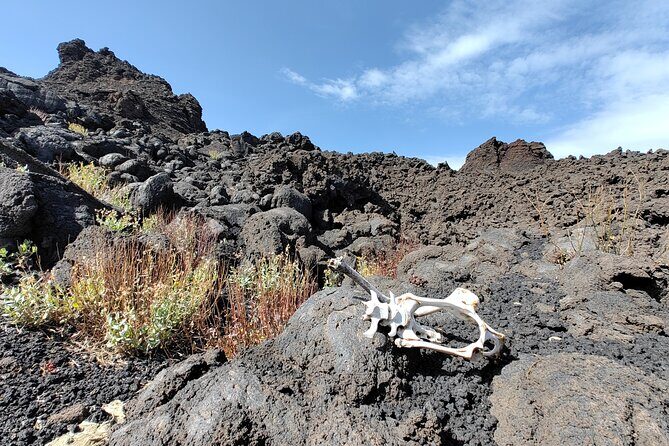
Here’s what to expect in plain terms: you’ll be walking among craters and historic lava flows, not just standing at a lookout. That difference is big. Looking is passive. Walking turns the volcano into a physical story—where the slope, the rocks, and the shapes all help explain what happened.
You’ll also get that “dreamlike” feeling the description promises, because lava country can look both harsh and oddly delicate at the same time. And that contrast is part of what makes Etna so memorable: the ground feels ancient and still active, while plant life shows up in ways that feel surprising given the rocky terrain.
Stop-by-Stop Breakdown: What Makes Each Moment Worth It
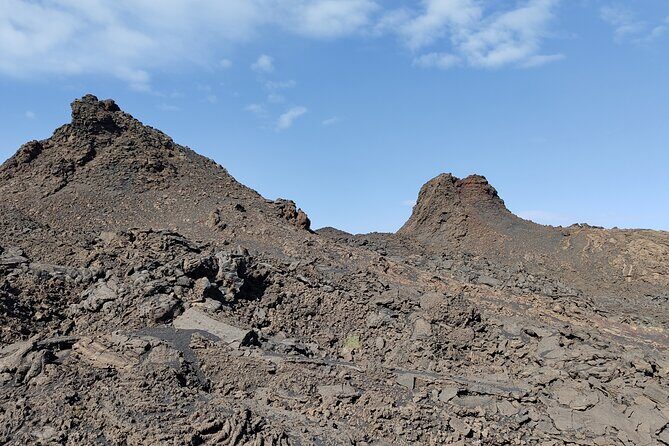
Your time is concentrated, so you won’t get the typical multi-stop tour feeling of constant driving and short photo breaks. Instead, you get one strong focus area and a guided route inside it.
The Etna trek itself (about 3 hours)
The core part of the experience is the guided visit to the Bottoniera craters area, with admission ticket included. That inclusion is more valuable than it sounds, because it removes one small friction point—no last-minute entry searching while you’re trying to enjoy the hike.
During this time, you’ll learn the geology of the volcano in a way that’s meant to be simple yet informative. The key is that the guide isn’t only telling facts. He’s tying what you’re seeing—craters, lava flows, and the terrain—to the bigger story of how Etna has changed over time.
If you’re bringing kids or you travel with curious teens, this is the right kind of activity. It’s a natural fit for questions like:
- Why does this crater look like this?
- How did lava become rock here?
- What does a specific eruption change, versus what stays the same?
The walking pace and how to read it
Because the outing lasts about 3 hours, you should think of it as a true half-day commitment, not a casual stroll. The description calls for moderate physical fitness, so you’ll want to assume some uneven ground and a steady walking rhythm.
In other words: don’t plan a museum sprint right after. Plan a slower pace for the rest of your day, because volcanic hikes can work your legs more than you expect.



Mount Etna Geology Explained in a Way That Actually Sticks
One of the most praised parts of this experience is the quality of the explanation. Vincenzo Modica is described as passionate, professional, and attentive—someone who gives plenty of detail without losing the thread. That balance matters, because volcano talk can go two ways: either it’s too technical to follow, or it’s too vague to feel meaningful.
Here, the goal is clear: you’ll understand the geology behind what you’re standing in. You’re walking among ancient craters and historic lava flows, and the guide’s job is to connect those physical features to the eruption history.
I’d focus on one practical mindset shift: instead of asking yourself what you’re looking at, ask what the ground is telling you. A good guide turns your eyes into tools.
If you’re the type who likes learning while walking, you’ll probably also enjoy how the route ties in the volcano’s influence on the surrounding area. One account mentions explanations about how Etna affects nearby towns and people, not just the volcano itself. That kind of context helps the hike feel anchored in real life, not just “nature spectacle.”
Photos: What You’ll Want to Capture (and When)
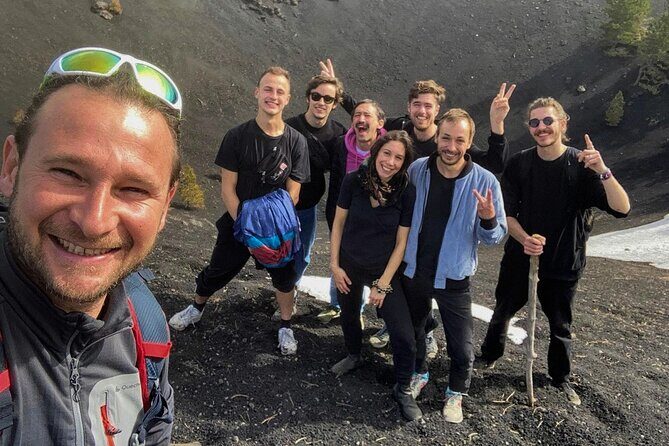
If you care about photos, Etna is one of those places where the best images come from changing angles. The descriptions promise you’ll take home some of the best memories of Sicily—and that’s believable because the craters and lava features create strong shapes.
Here’s what tends to work well:
- Wide shots when the terrain opens up and you can show both crater shapes and surrounding rock
- Close details when you notice textures in lava rock and crater edges
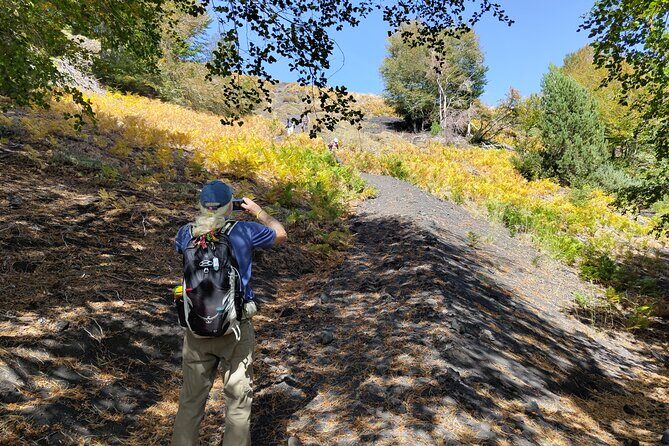
- Green vs. rock contrasts when you spot endemic vegetation where you might not expect it
The main trick is timing. You’ll likely get better results when you pause at the moments the guide points out, rather than trying to shoot nonstop while walking. Use your phone like a tool, not like a distraction.
Also, because this is a volcano trek, the light can shift quickly. If the weather is cooperative, the morning start helps, but still be ready for changing clouds or haze.
Getting Real Value from $229.28 per Person
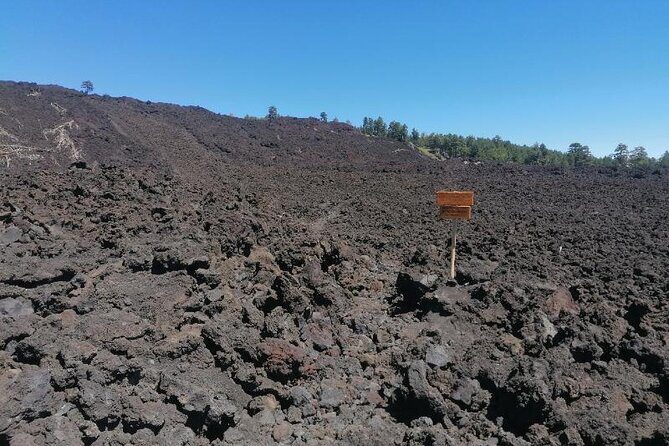
At $229.28 per person, this isn’t a budget “quick look” activity. So I’d judge it on value in a few specific ways:
You’re paying for focused guiding, not just access
The tour includes admission ticket, which helps justify the cost because the hike is built around a specific area and not just a general walking route. You’re also paying for a specialized guide: Vincenzo Modica | Volcanological Guide of Mount Etna.
That matters if you want your money to turn into understanding. A volcano is visually dramatic, but it’s also easy to misread. A guide who explains why a crater forms, what a flow implies, and how eruptions shape the area turns the experience from pretty to memorable.
The private format adds practical comfort
This is private—only your group participates. That’s a real value add on a moderate trek where you might want to stop for photos, ask questions, or adjust pacing without holding up others.
It’s time-efficient
The duration is about 3 hours. For many people, that’s the sweet spot: enough time to feel the terrain and learn, not so long that you’re exhausted for the rest of your trip.
If you’re someone who likes to do one “big anchor” experience in a region, this fits well. If you’re trying to fill every hour with something, this may feel like too much walking for a day packed with other plans.
Who This Etna Trek Suits Best (and Who Should Rethink It)
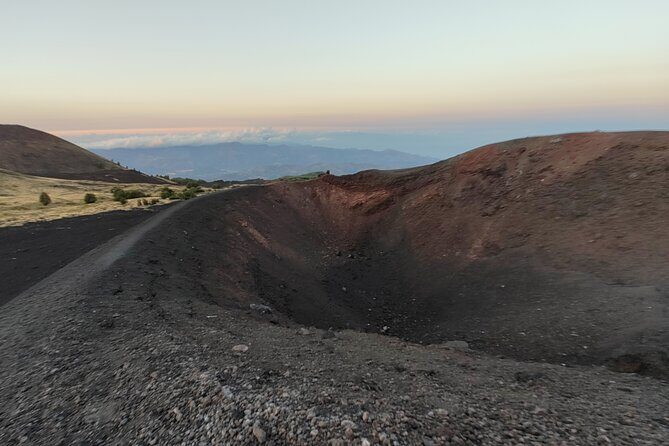
This excursion is a strong match if you:
- Want a geology-led experience, not just a scenic hike
- Enjoy asking questions while you walk
- Prefer a guide who’s described as attentive to individual needs and wishes
- Travel with kids who are genuinely curious about how the world works
It’s also a good pick for solo travelers who don’t want to guess their way around a volcano. The guided explanations do a lot of the mental work for you.
I’d be more cautious if you:
- Have limited mobility or you know you struggle on uneven terrain
- Have very tight timing and can’t flex if the weather is unsettled
- Want a completely relaxed sightseeing stroll (this is a moderate hike)
Weather, Comfort, and What to Bring Without Guessing Too Much
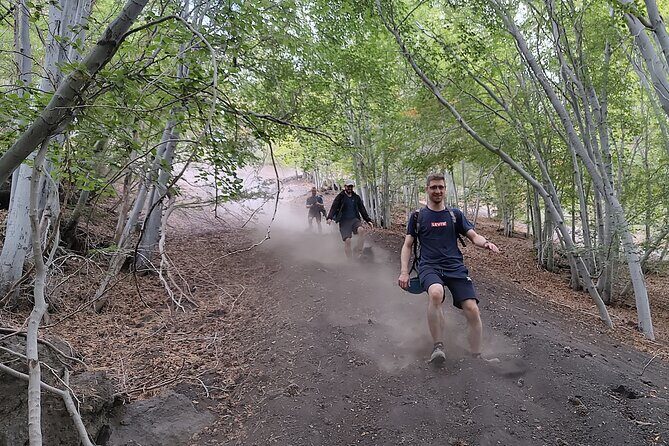
The tour requires good weather, and the experience provider notes that poor weather can lead to a different date or a full refund. That’s not a small detail on Etna—wind, rain, or low visibility can change the quality of a crater trek fast.
So I’d treat this as a “dress for outdoor walking” day:
- Wear sturdy footwear for uneven volcanic ground
- Bring layers, because mountain weather can shift
- Plan to use your phone camera sparingly so you can pause when the guide tells you something important
If you’re worried about how the hike feels in practice, the key is the moderate fitness requirement. Assume you’ll spend most of the 3 hours moving on rough surfaces.
Should You Book the Bottoniera Craters Trek?
If you want one Etna experience that turns geology into something you can actually understand, I’d book this. The combination of Bottoniera craters focused on a specific eruption, about 3 hours of guided walking, and a volcanological guide like Vincenzo Modica makes it feel built for learning, not just sightseeing.
Don’t book it if you’re looking for a low-effort, minimal-walking activity. And keep an eye on the forecast, because the experience depends on conditions.
My practical advice: choose it if you can handle moderate terrain and you like guided explanations. It’s the kind of half-day that makes Etna feel personal—because you’re not just seeing a volcano. You’re reading the story written into it.
FAQ
How long is the trekking experience to Bottoniera Craters?
It lasts about 3 hours.
What is the main place you visit during the tour?
The experience focuses on Mount Etna, including the Bottoniera craters from the 2002 eruption.
Is admission included?
Yes. Admission ticket is included.
What’s the meeting point and start time?
The tour starts at 9:30 am at Vincenzo Modica | Etna Excursions, Via Provenzana, 35, 95015 Linguaglossa CT, Italy, and it ends back at the same meeting point.
Is this tour private?
Yes. It’s listed as a private tour/activity, meaning only your group participates.
What fitness level do I need?
You should have a moderate physical fitness level.
What’s the weather and cancellation rule?
The experience requires good weather. If it’s canceled due to poor weather, you’ll be offered a different date or a full refund. You can cancel for a full refund up to 24 hours in advance of the start time.