REVIEW · SICILY
Half day Trekking Tour on Etna
Book on Viator →Operated by Etnavic · Bookable on Viator
Etna has a way of feeling personal fast. This half-day hike mixes crater viewpoints with a real lava-cave visit, guided by people who can explain what you’re seeing without turning it into a lecture. You’ll start above Catania, hike through pine and broom scrub, and end with a taste of local Etna products.
What I like most is how the route stays beginner-friendly but still delivers big altitude-and-view payoff. You gain around 300 meters on a medium/easy trail, then spend breaks looking over the Valle del Bove caldera like it’s a movie set.
One thing to consider: this is a walking tour with uneven volcanic ground. If your shoes are flimsy or you don’t like cold/wind at higher elevations, you’ll feel it—pack smart.
In This Review
- Key things to know before you go
- Why this half-day Etna trek is the sweet spot
- Getting from Catania to Etna without wasting your morning
- Mount Etna hike: pines, broom scrub, and lunar ground
- Valle del Bove: the view that makes the climb worth it
- Silvestri craters and the lava cave walk
- The 1991–1993 lava front and Oro d’Etna tasting
- Price and value: what you’re really paying for
- Who this Etna hike suits best (and who should rethink it)
- Timing, comfort, and what to bring
- Should you book this Etna trekking tour?
- FAQ
- How long is the Etna trekking tour?
- Where do I meet the guide?
- What hiking level is it?
- Do I need to pay for admission at the Etna stops?
- Is the lava cave visit included?
- What should I bring?
- Are waterproof items provided?
- How many people are in a group?
- What happens if the weather is bad?
- Is the tour suitable for people with moderate fitness?
Key things to know before you go
- Small group size (max 8) means less waiting and more time to ask questions while you’re on the volcano
- Cave gear is included: helmets and torches, plus waterproof jackets on request
- A short, well-timed hike: about 6–7 hours total with multiple stops at different altitudes
- You get more than views: ancient craters, a lava-front stop, and a local tasting
- Admission tickets are free for the main Etna stops, which helps make the price feel fair
- Guides who translate volcanoes into plain language, including names like Monica, Ludovico, Luigi, Giuseppe, Julien, Diego, and Santi
Why this half-day Etna trek is the sweet spot
Mount Etna tours can be either super short and vague, or full-day and exhausting. This one sits in the middle, so you get the best parts—craters, lava terrain, and a cave—without feeling like your entire day disappears.
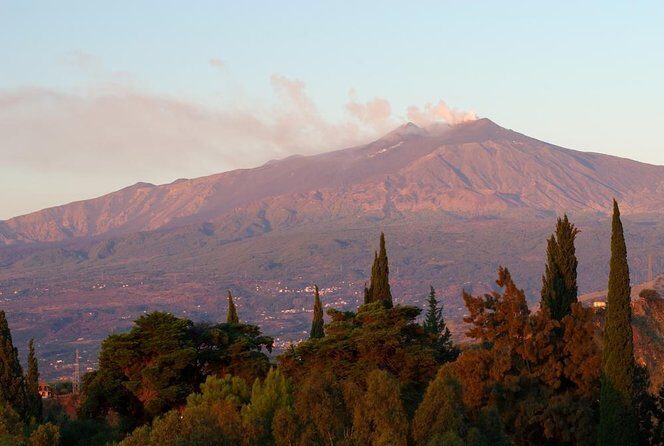
The pacing matters. You start at about 2000m, climb roughly 300m on a medium/easy hike to around 2300m, then keep returning to viewpoints and volcanic features at sensible intervals. That makes it a strong option if you’re in Sicily for a tight schedule but still want the Etna experience to feel real, not rushed.
It’s also built around small-group attention. The max group size of 8 travelers shows up in how the guides manage the walk, how easily you can hear explanations, and how often you can stop without the whole group stringing out.
You can also read our reviews of more hiking tours in Sicily
Getting from Catania to Etna without wasting your morning
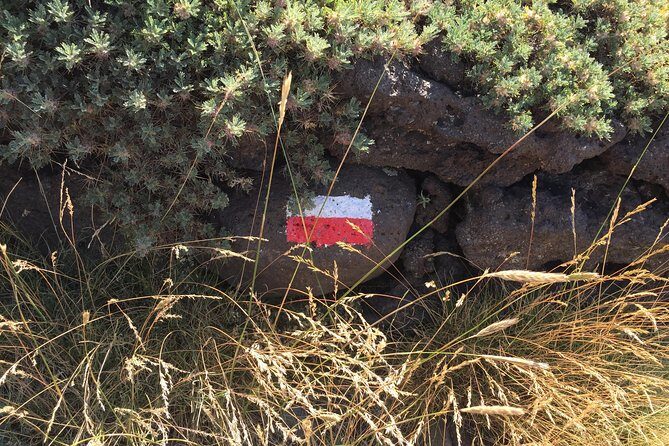
Your day starts with pickup. You can meet at the Info Point, or get collected from your hotel in Catania (or another agreed meeting point). The ride is by air-conditioned vehicle, which is a small comfort that helps when weather is changeable near the coast.
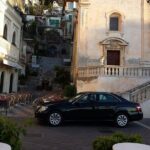
Early on, you pass the Catania waterfront and can spot the famous stacks of Acitrezza from the road. It’s a nice first “Sicily moment” before the terrain turns volcanic. You get that shift in scenery without having to figure out transport on your own.
Practical note: the tour is marked as near public transportation and allows service animals, so it’s not designed for only private-car travelers.
Mount Etna hike: pines, broom scrub, and lunar ground
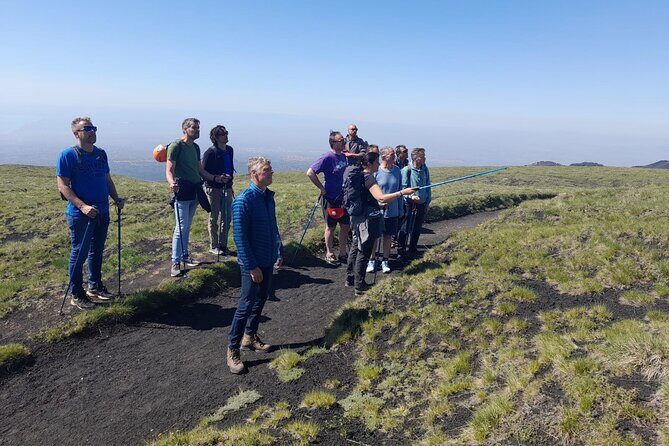
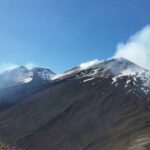
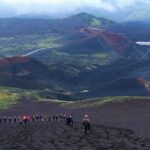
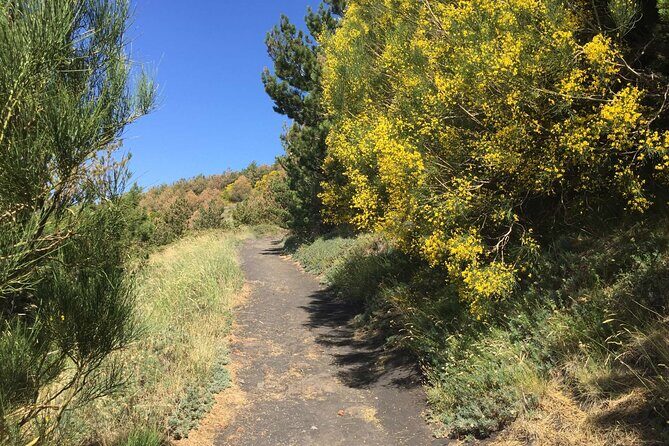
The main walking portion begins once you’re already up around 2000m. From there, the trail moves through pine and broom scrub and other native vegetation. Then it changes character: the undergrowth thins, and you start walking on rockier, more stripped-down volcanic ground.
This is one of the tour’s best design choices. You don’t just hike through one type of scenery; you feel the transition up the mountain. That makes the “why this looks different” part of Etna sink in faster.
The hike itself is described as medium/easy, with about 300 meters of altitude gain, and it takes around 2 hours. Admission is included for this Etna segment, so you’re paying for the experience and the guide rather than nickel-and-diming access.
If you’re a light hiker, this is the kind of elevation gain that feels like work for your legs but not a full-blown mission. If you’re newer to hiking, you’ll still want solid shoes and to keep your pace steady. Think: slower, consistent steps.
Valle del Bove: the view that makes the climb worth it
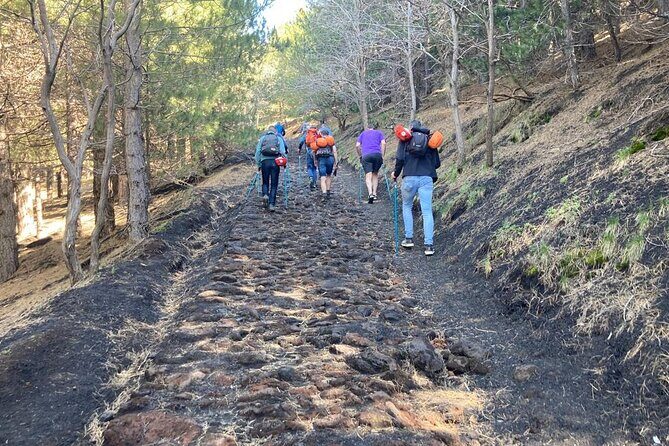
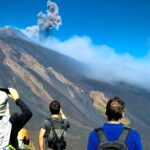
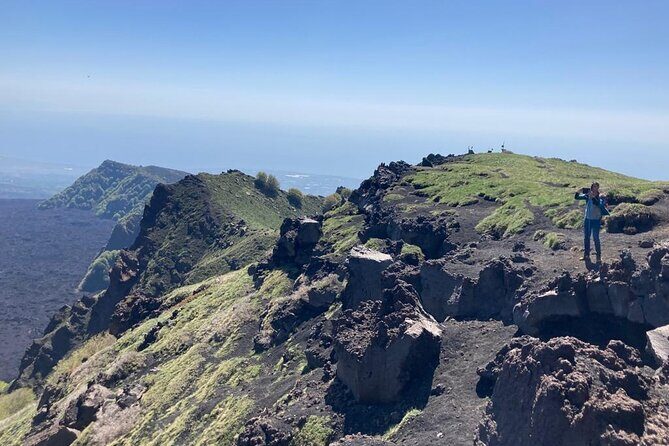
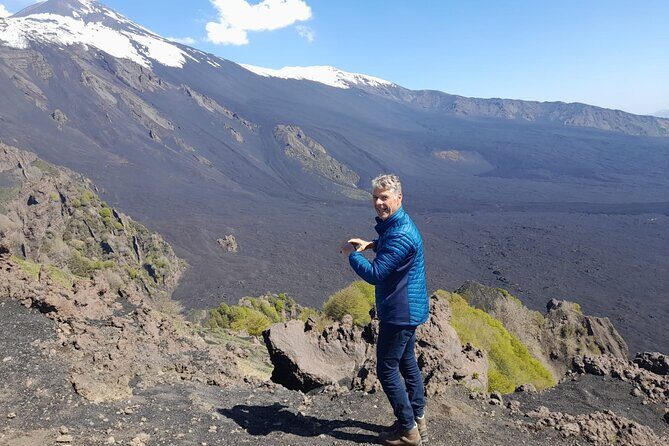
Once you reach about 2300m, you get a 30-minute viewpoint over the south-east crater and the sweeping Valle del Bove—an ancient volcanic caldera. This is the payoff stop: you catch the geometry of the volcanic basin and understand how big Etna’s past events really were.
The best part here is timing. You’re not staring at the view for too long; you have enough time to take photos and really look, without freezing your brain and body into “standstill mode.” It’s long enough to appreciate the scale, short enough to keep the hike from feeling like one long line waiting for permission to breathe.
Also, your guide’s explanations during the viewpoint period tend to connect the dots between what you walked through and what you’re now seeing. Names you might hear from the guides include Monica, Ludovico, Giuseppe, and Luigi, and their common thread is how they translate Etna in human terms—how it works, why it looks this way, and what to watch for as the mountain changes.
Silvestri craters and the lava cave walk
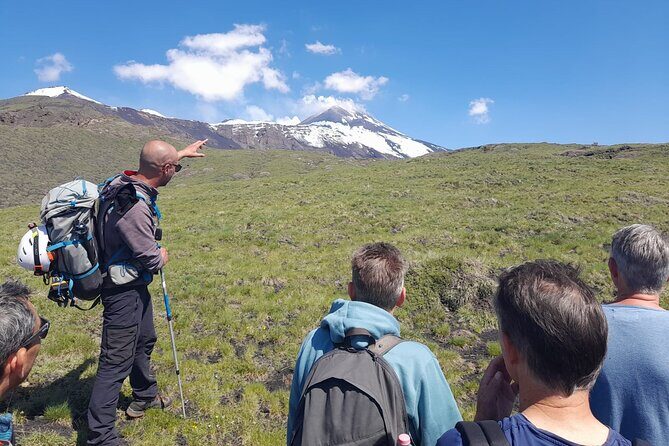
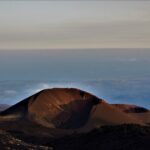
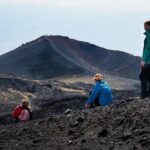
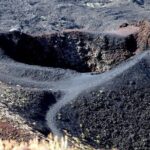
Next comes a more “volcano-specific” segment: you walk in the ancient Craters Silvestri of Mount Etna for about 2 hours. Ancient craters are where Etna stops being pretty and starts being educational—in a good way. You get close enough to see the terrain forms that came from earlier eruptions.
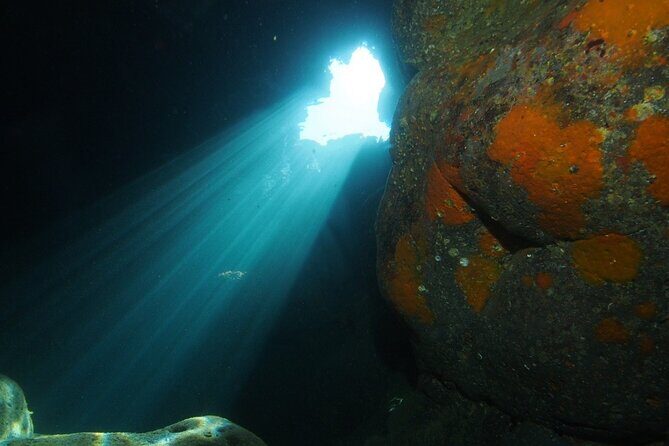
Later, you visit a lava flow cave along the route. This is one of the most memorable parts of the day for many people because it feels like you’re stepping into Etna’s plumbing system. The tour includes helmets and torches, so you don’t need to bring cave gear.
You can request waterproof jackets, which matters here because caves and wet rock aren’t always dry-comfort affairs. Also, the cave experience is timed into the walking portion, so you aren’t just “touring a hole in the ground.” It’s tied into the route, which keeps the day coherent.
One practical tip that always holds: dress for temperatures. Even if Catania feels warm, higher elevation and cave conditions can make the air feel cooler.


The 1991–1993 lava front and Oro d’Etna tasting
After the crater-and-cave time, you shift to a more recent eruption story. You stop at Colata Lavica 1992, the lava front from the 1991–1993 lava flow, which reached the village of Zafferana Etnea.
That stop is valuable because it adds time depth. You see older crater forms, then you’re reminded that Etna is still active in the present tense. The contrast helps you understand why the mountain looks the way it does: it isn’t one event—it’s layers of changes stacked over time.
Then you cap the hike with a 30-minute tasting at Oro d’Etna, featuring typical Etna products. This is the “Sicily payoff” part that makes the tour feel complete. You get to switch from volcanic rock to local flavors, and you leave with something tangible to remember the day.
Admission is listed as free for the main stops and included for this tasting time, which helps make the pricing feel less like a grab bag and more like a bundled day.
Price and value: what you’re really paying for
At $126.76 per person, you’re not just paying for a walk. You’re paying for a guided route that includes:
- air-conditioned transport in and out of the volcano area
- included cave gear (helmets and torches)
- optional comfort gear (waterproof jackets on request)
- guided access to key Etna stops where admission is free
The value is in the structure: you get multiple stops across different volcanic features in one half-day block. If you tried to build this yourself, you’d run into two friction points: knowing where to go and how to do it safely and logically. A local guide makes the route make sense.
You also get the benefit of guide explanations that stick. Several guide names show up in feedback—Monica, Ludovico, Giuseppe, Luigi, Diego, and Santi—and a consistent theme is strong communication, not just “pointing at rocks.” If you care about understanding what you’re seeing and why, this tour is the better buy than a generic scenic drive.
Who this Etna hike suits best (and who should rethink it)
This tour is described for travelers with moderate physical fitness and a medium/easy hiking level. That usually means: you can handle uphill walking and uneven volcanic ground for a few hours, but you don’t want technical climbing.
It tends to fit well if you:
- want a half-day that still feels substantial
- like guided explanations and want to ask questions
- want both big views and up-close volcanic features
- prefer a small group to large bus crowds
I’d be more cautious if you:
- have trouble walking on rocky, uneven surfaces
- hate cold or damp conditions (especially for the cave, where waterproof gear may help)
- expect a totally flat walk—this isn’t that
Timing, comfort, and what to bring
The total duration runs about 6 to 7 hours. Expect a full day feel, even though it’s called half-day, because you’re moving from Catania, hiking, stopping often for viewpoints, and then heading back.
What’s not included is important: lunch, snacks, and water aren’t provided. Bring what you need to stay comfortable between stops. Even if you’re not a heavy eater, you’ll want water for the climb and a snack for the later parts of the route.
Also consider packing for temperature changes. You’ll start lower and end higher. That can mean a quick shift from warm sun to wind and cooler air, especially around crater viewpoints and the cave.
Footwear matters. Choose shoes that can grip loose volcanic rock. If you’re wearing something like soft sneakers, you’ll feel the terrain faster than you expect.
Should you book this Etna trekking tour?
If your goal is to see Etna in a way that mixes crater views, lava terrain, and an actual lava cave—with a small group and guides who explain the volcano clearly—this is a strong choice.
I’d book it if you want value in the bundle: guided transport, cave safety gear, and multiple included Etna stops with admission marked free. You also get that satisfying arc from Catania views (Acitrezza) to high-altitude perspectives (Valle del Bove) to recent eruption context (1991–1993 lava flow) and a final food tasting.
Hold off if your walking tolerance is low or if rocky ground and cave conditions make you uncomfortable. Otherwise, it’s the kind of Etna day that leaves you with both pictures and understanding.
FAQ
How long is the Etna trekking tour?
It runs about 6 to 7 hours, with active hiking plus several scheduled stops along the way.
Where do I meet the guide?
You can be picked up at the Info Point, from your hotel in Catania, or from another meeting point agreed in advance.
What hiking level is it?
The main Mount Etna trek is described as medium/easy, with about 300 meters of altitude gain and roughly 2 hours of hiking.
Do I need to pay for admission at the Etna stops?
Admission tickets for the main Etna stops listed are free, as noted for the trekking and viewpoint/cave segments.
Is the lava cave visit included?
Yes. The tour includes a lava flow cave visit and provides helmets and torches for it.
What should I bring?
Lunch, snacks, and water are not included, so you’ll want to bring them with you. Also bring clothing suited to cooler higher-altitude conditions.
Are waterproof items provided?
Waterproof jackets can be provided on request.
How many people are in a group?
The tour has a maximum group size of 8 travelers.
What happens if the weather is bad?
The experience requires good weather. If it’s canceled due to poor weather, you’ll be offered a different date or a full refund.
Is the tour suitable for people with moderate fitness?
Yes, it’s meant for travelers with a moderate physical fitness level. You should be comfortable with hiking on uneven terrain.