REVIEW · SICILY
ETNA – Trekking to the Craters Eruption of 2002
Book on Viator →Operated by Gruppo Guide Etna Nord · Bookable on Viator
Etna’s 2002 craters feel close to you. This guided walk from Piano Provenzana follows the 2002 eruptive fracture, where you step across lava ground and move through beech and larch-wood forest while your guide explains what you’re seeing.
I love that the focus stays on the crater story, not just a general “Etna view” stop. You’ll also get practical support like telescopic poles, plus an admission ticket is built in—though plan ahead because bottled water, coffee, and snacks are not included, and the trek depends on good weather.
In This Review
- Key points to know before you go
- Entering Etna North at Piano Provenzana (10:00 start, real hiking time)
- The route: lava ground, beech and larch woods, and a bottoniera
- What the guide adds: volcano talk that stays practical
- Pace and what the trek actually feels like
- Gear and comfort: telescopic poles are included, but plan your layers
- Price and value: why $36.14 can be a good deal on Etna North
- Weather, wind, and the one decision you’ll thank yourself for
- Who this trek suits best (and who should choose a different Etna option)
- Should you book this ETNA crater trek?
- FAQ
- How long is the ETNA trekking to the Craters Eruption of 2002 tour?
- Where does the tour start, and when does it begin?
- What’s included in the price?
- What should I bring since some items aren’t included?
- What language is the tour offered in?
- How many people are in each group?
Key points to know before you go
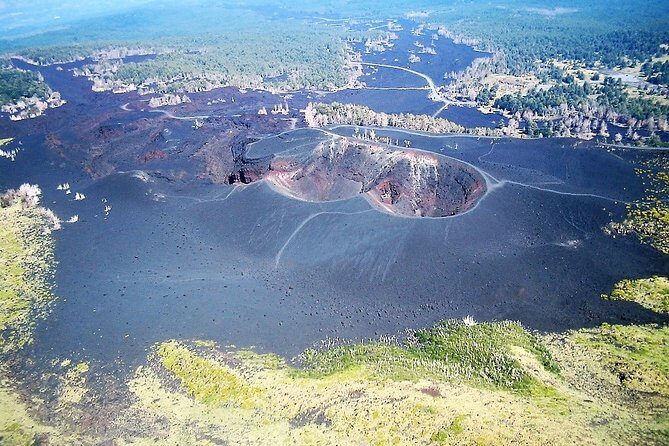
- Walk the 2002 eruptive fracture with a crater-first route close to the volcanic action
- Lava fields plus forest sections (beech and larch pine woods) keep the hike from feeling flat
- Side craters called a bottoniera add variety to what you’ll actually see on the ground
- Small groups up to 12 people help the guide manage pace and stop for explanations
- Telescopic poles are included, helpful on uneven, gritty volcanic terrain
- Bring your own water and snacks since none are provided on the trek
Entering Etna North at Piano Provenzana (10:00 start, real hiking time)
The experience starts at Piano Provenzana on Etna Nord, in the area of via Provenzana, Linguaglossa (95015). The meeting time is 10:00 am, and that matters: early hours tend to mean better visibility and a calmer feel on the volcanic paths, especially when wind picks up later.
You’re not doing a drive-by viewpoint. You’re doing a hike, about 2 to 3 hours total, and you’ll return to the same meeting point when you finish. That round-trip setup is nice when you’re trying to build the rest of your day around your Etna time slot.
One more practical note: you’ll get a mobile ticket, and confirmation comes at booking. Service animals are allowed too, which is useful to know if that affects your planning. And while the route is described as doable for most people, it’s still a volcanic trek—expect uneven ground and the kind of footing that makes poles feel like a smart idea (which, luckily, you’ll have).
You can also read our reviews of more hiking tours in Sicily
The route: lava ground, beech and larch woods, and a bottoniera
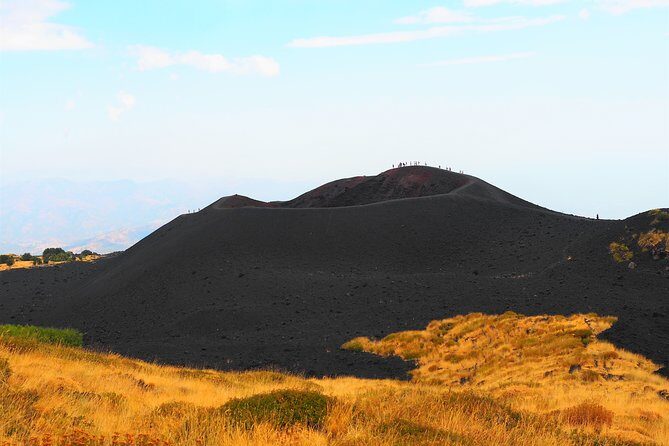
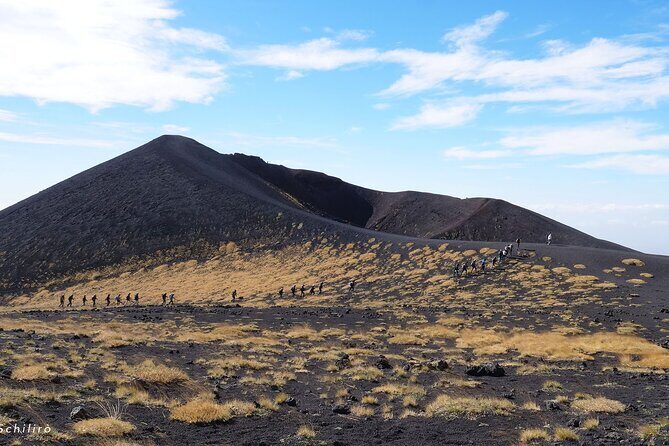
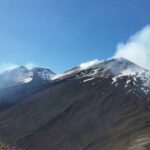
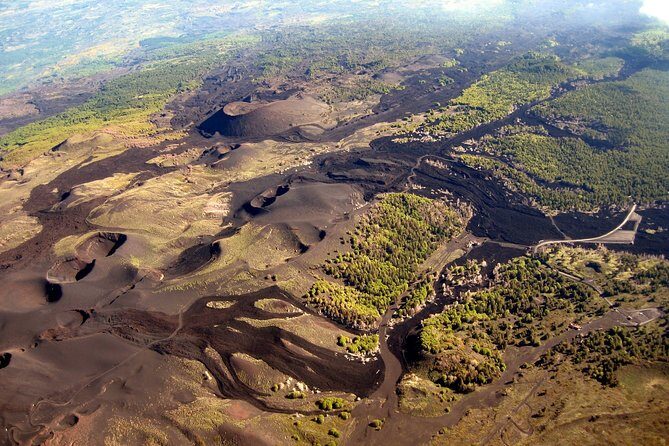
Stop 1 is Piano Provenzana, and the walk centers on trekking along the eruptive fracture from 2002. That means the “main character” here is not just the broad idea of a volcano—it’s the actual volcanic lines and surfaces left behind by the eruption.
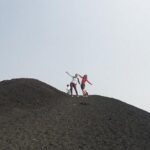
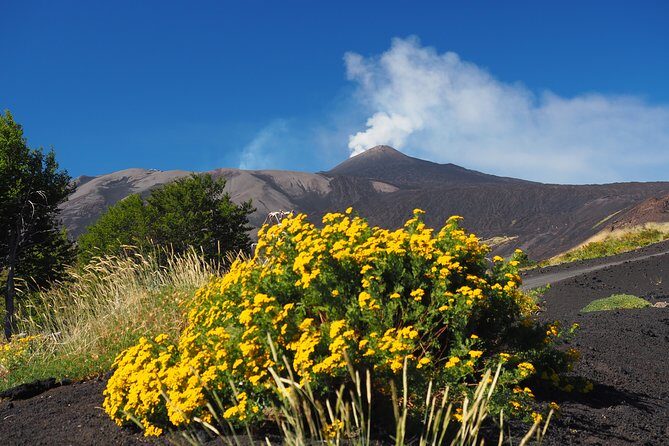
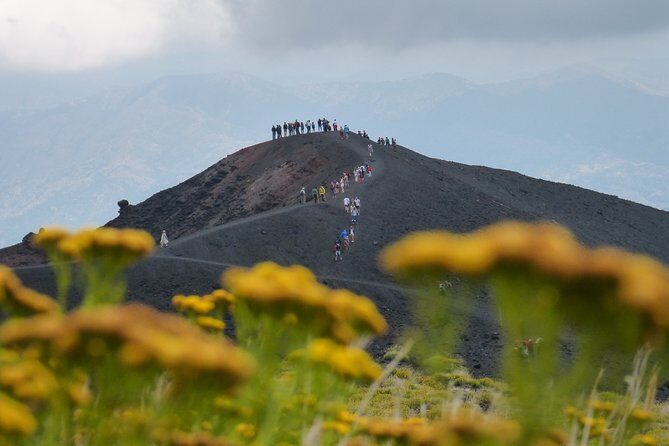
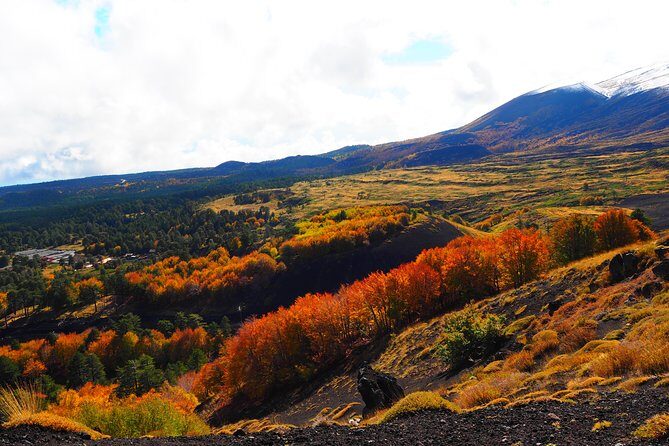
As you move, you’ll cross a lava field, then shift into woodland areas with beech and larch pine woods. That combo is more than scenery: lava is rough, hot-feeling under the sun, and visually chaotic. Forest sections break it up and give you short stretches where you can catch your breath and refocus on the geology your guide is describing.
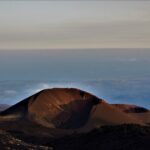
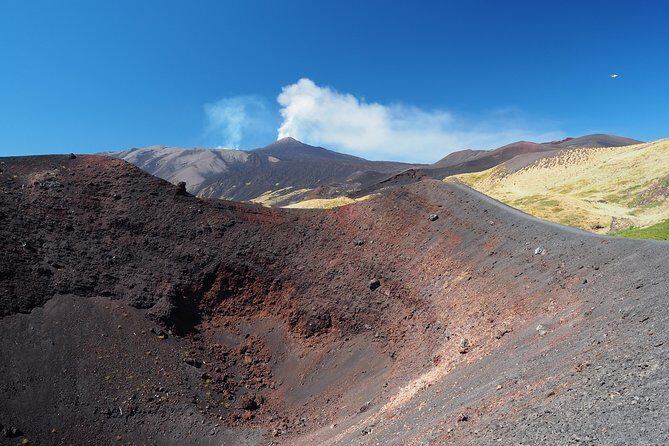
Then you’ll reach the side craters, including the area referred to as a bottoniera. It’s the kind of detail that turns a basic hike into something you’ll remember, because you’re not only looking at one feature—you’re seeing how the eruption broke and spread, and how smaller crater activity sits beside the main fracture.
The whole route is roughly aligned with about a three-hour hike on the ground, so even though the headline duration is listed as 2 to 3 hours, plan your day as if you’ll be out there for most of the late morning. If you’re coming from a hotel farther away, give yourself buffer time for parking and getting your bearings.
What the guide adds: volcano talk that stays practical
This is one of those experiences where the guide’s job is to make the mountain make sense. In the feedback around this trek, guides like Fabio, Sylvia, Giuseppe, and Marco come up for a reason: they explain volcanic activity in a way that’s tied to what you’re seeing step-by-step.
I like that the explanations go beyond a few dramatic sentences. Some guides focus on the chemistry of volcanic processes and connect it to the visible crater features. Others lean into safety and pacing first—then layer in the science—so you don’t feel like you’re hiking through a lecture.
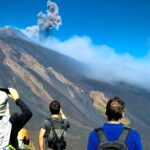
You’ll likely hear plenty about the wind and sulfur effects too, because the craters can come with strong smells and moving air. That part is not just dramatic; it helps you understand how conditions change at crater level and why certain parts of the route may feel more exposed than others.
The language offering is English, but more than one guide has been described as working in multiple languages (English, French, and Italian show up). If language is a must for you, double-check the day’s guide language at booking, then expect a clear, structured talk rather than random facts tossed out while walking.
Pace and what the trek actually feels like
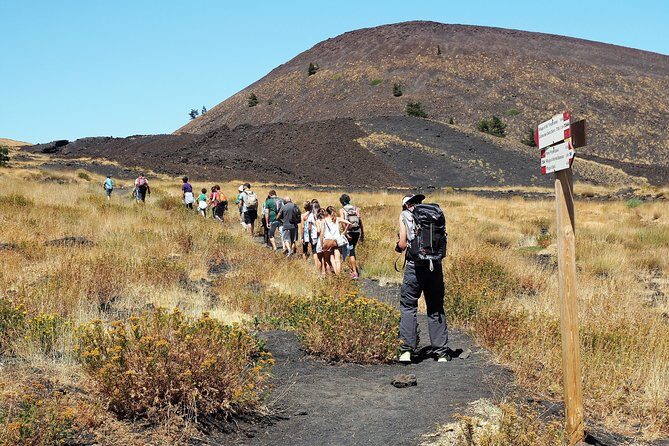
The trek is set up for a small group, with a maximum of 12 people. That’s a real advantage on volcanic ground: a guide can slow down for a person who needs a moment, tighten spacing on the rough sections, and still keep the day moving.
From the way the route is described, it’s not built as a summit-bash. Instead, it’s a crater and fracture hike—so you spend time near the features, not just looking at them from far away. There’s also mention of the walk being around 5 km, and that it’s generally not considered extremely difficult, even though it’s still a hike over volcanic terrain.
Here’s the key: poles help, but mindset matters too. Lava rock and fractured ground can make your stride feel slightly different. You’ll want to keep steps controlled, especially where the path shifts from lava field to more uneven crater-side areas.
The guide should manage the pace so the whole group can keep going. If you’re sensitive to wind or feel cold easily, treat that as a factor in your planning; crater areas can be exposed, and conditions can change fast on Etna.
Gear and comfort: telescopic poles are included, but plan your layers
Telescopic poles are included, and that’s a big deal for value. On rocky volcanic surfaces, poles reduce strain and help you balance when footing gets unpredictable. They also buy you confidence, which is the best form of safety you can bring to a crater walk.
What’s not included: bottled water, coffee, and snacks. That means you should pack your own water and something light to nibble, even if you’re not a big snack person. A 2 to 3 hour trek can still leave you thirsty, and not having water forces an extra stop later.
Clothing is all about layers. Expect wind around the craters, and bring something that blocks it. If you’ve traveled in Sicily before, you know weather can switch moods quickly, and Etna can feel colder when the wind runs across open ground.
One more practical comfort tip: wear solid shoes with grip. Volcanic terrain isn’t the place for slick soles or fragile sneakers. If you show up expecting to be able to just “walk carefully,” you’ll be fine. If you show up with flimsy footwear, you’ll spend the hike thinking about your feet instead of the crater story.
Service animals are allowed, but that also means you’ll want to think about how your animal handles uneven terrain and heat exposure.





Price and value: why $36.14 can be a good deal on Etna North
At $36.14 per person, this sits in a budget-friendly range for a guided Etna experience. The value is not only the guide—it’s what’s included and what’s structured.
You get:
- Telescopic poles
- An admission ticket included
- A guided route focused on the 2002 craters and fracture
- A small group cap of 12
That combination matters. A cheaper tour that just gives you a “view walk” often costs you later in frustration: either you miss the crater-level details, or you end up paying separately for entry and gear.
Also, the duration is tight. You’re not losing half a day, and you’re not stuck on a long coach ride with only brief time on the mountain. Two to three hours is a manageable window, especially if you’re building an Etna itinerary around other stops in Sicily.
If you’re comparing options, ask yourself what you want most: views from far away, or crater proximity with a guide who can explain what you’re standing on. This one is clearly built for the closer, interpretive version.
Weather, wind, and the one decision you’ll thank yourself for
This experience requires good weather. That’s not just fine print—it’s central to whether the route feels comfortable and whether visibility stays good. If weather forces cancellation, you’ll be offered a different date or a full refund.
Wind is often the real test on Etna. Even when the hike is “only” a few hours, exposure can make you feel chilled, and sulfur smells can come and go depending on air movement. Plan your layers so you can adapt without stopping your day to hunt for gear.
One smart move: don’t schedule your most important dinner reservation for immediately right after your 10:00 am start. You may finish on time, but it’s still a mountain experience, and you’ll want a little buffer for getting back and settling.
Who this trek suits best (and who should choose a different Etna option)
This is a strong fit if you want:
- A crater-focused Etna outing, not just a quick viewpoint stop
- A guide who connects volcanic activity to what’s under your feet
- A manageable hike time window (about 2 to 3 hours)
- A small-group feel (max 12)
It’s also a nice choice for families with teens who can handle a hike and want a real story. The route is described as not overly difficult, and the guided format helps keep the group together at a good pace.
You might want to think twice if:
- You hate uneven ground and lose patience with careful walking
- You’re extremely sensitive to wind or cold
- You want snacks and drinks provided on-site (you’ll need to bring them)
Should you book this ETNA crater trek?
If you like active travel with real payoffs, I think this one is an easy yes. The route has a clear purpose: follow the 2002 eruptive fracture, see lava fields up close, and walk to crater areas like a bottoniera while your guide explains what volcanic activity leaves behind.
The biggest reasons to book are simple: included gear (telescopic poles), included admission, and a small group that keeps the experience from turning into a crowded stampede. The only catch is you must handle the basics yourself—bring water and snacks, and show up ready for weather and wind.
If your ideal Etna day is “close to the craters, understood by a guide,” this trek belongs on your list.
FAQ
How long is the ETNA trekking to the Craters Eruption of 2002 tour?
It lasts about 2 to 3 hours.
Where does the tour start, and when does it begin?
You meet at Piano Provenzana – Etna nord, via Provenzana, 95015 Linguaglossa CT, Italy. The start time is 10:00 am.
What’s included in the price?
Telescopic poles are included, and an admission ticket is included.
What should I bring since some items aren’t included?
Bottled water, coffee, and snacks are not included, so you’ll want to bring them if you need them.
What language is the tour offered in?
The tour is offered in English.
How many people are in each group?
The group size is limited to a maximum of 12 travelers.