REVIEW · SICILY
Etna 3000 from the south with Cable Car and trekking – Morning or Afternoon
Book on Viator →Operated by EtnaExcursion.it · Bookable on Viator
Volcano country has a way of messing with your eyes. On the Etna 3000 south-side trek, I love the mix of cable car altitude fast plus a guided hike that puts you close to real volcanic features, not just viewpoints. I also love the smart payoff: Pian del Lago’s surreal sand plain and the crater views come one after another. The main drawback? Some sections can be tough when it’s windy—paths can feel narrow and footing can get slippery with loose gravel.
You start high and walk your way across big Etna scenery—false planes of volcanic sand, a crater from the 2001 eruption, and wide views over the Valle del Bove. The guide is an authorized volcanological professional, so you’re not just collecting photos; you’re getting explanations that match what you’re seeing in real time. This is best as an active day: you’ll need moderate fitness and a bit of comfort moving uphill at altitude.
Before you go, plan for the extra costs and gear. The tour price includes the guide and a tasting coupon, but you’ll still pay for the cable car separately, and you might want to rent footwear or a jacket if the mountain weather turns. If you’re prone to feeling cold or uneasy on exposed narrow paths, this is the one thing to take seriously.
In This Review
- Key things to know before you go
- Why the Etna 3000 south-side route feels so different
- Getting up fast: Sapienza to the cableway zone (and the extra €52)
- Pian del Lago: the volcanic sand plain that looks staged
- Climbing toward the 2001 eruption crater for real volcanic scale
- Valle del Bove from above and the 2018 lava fronts
- Your volcanological guide and the kind of pace to expect
- What’s included: Etna wine and typical product tasting at MontataGrande
- Price and logistics: is $82.89 good value?
- Footwear, wind, and safety: how to make this hike feel secure
- Who should book Etna 3000—and who should skip it
- Should you book Etna 3000 south with cable car and trekking?
- FAQ
- How long is the Etna 3000 south excursion?
- What maximum altitude does the tour reach?
- Is the cable car ticket included in the price?
- What is included in the tour price?
- What is not included?
- Can I choose the tour language?
- How many people are in a group?
- What fitness level do I need?
- Do I need to bring my own shoes and jacket?
- What happens if the weather is poor?
- What if I need to cancel?
Key things to know before you go
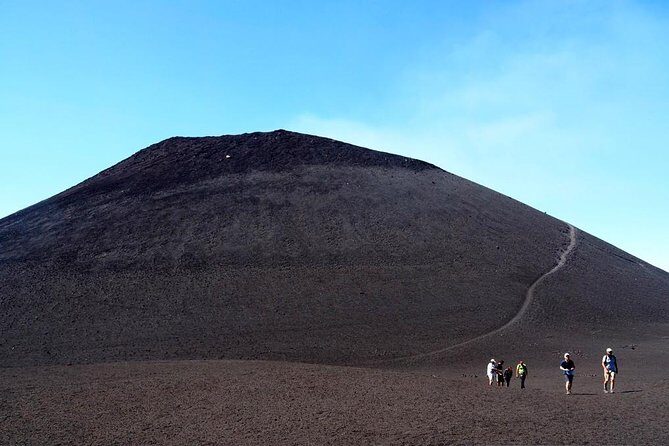
- South-side start for big views: you reach the walking zone quickly from the Etna cableway.
- Pian del Lago is the signature moment: a false, volcanic-sand plain that looks lunar.
- 2001 crater climb + panoramic payoff: get views of nearby summit craters and the coast.
- Valle del Bove from above: a wide depression tied to the collapse of an older volcanic structure.
- Wind can change the hike: some narrow, loose-gravel sections can feel risky in strong wind.
- Small group size (max 20): you’re hiking with a manageable crew.
Why the Etna 3000 south-side route feels so different
I like Etna trips that don’t feel like a bus ride with a photo stop. This one earns its keep by doing something harder and more interesting: you walk through volcanic terrain at high altitude, with the scenery steadily changing.
You start on the south side and move from the cableway arrival area into the trekking parts. That matters because the views you get from the crater and from above the Valle del Bove feel wide and dramatic. You’re not just looking at Etna—you’re moving through the shapes left behind by eruptions.
And because the route is built around specific volcanic features, the guide’s explanations make sense. You can point at where you are—sand plain, crater, lava fronts—and connect it to what the mountain did.
You can also read our reviews of more hiking tours in Sicily
Getting up fast: Sapienza to the cableway zone (and the extra €52)
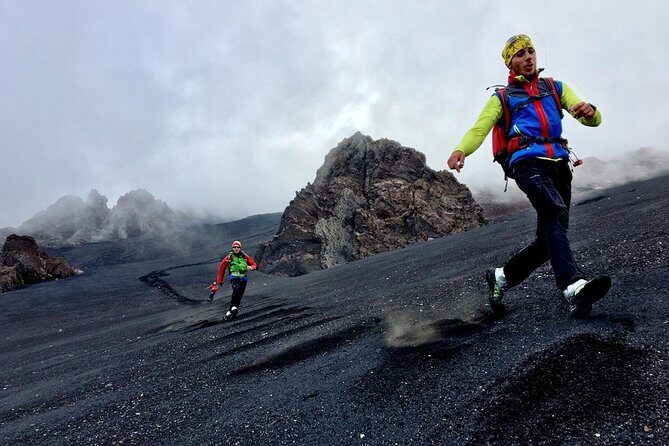
The day begins by meeting at Piazzale Crateri Silvestri in Nicolosi. The tour runs about 5 hours, and it can operate in the morning or afternoon, depending on your selected departure.
From there, you go up by cable car to the walking start area on Etna. The route described for the experience goes from the Sapienza refuge area at about 1,960 m to the cable car arrival station at around 2,510 m. That’s a big altitude jump, and it’s the reason this trek works well for people who want Etna views without a full-on hike from sea level.
One practical note: the tour price you see online is not the same thing as the total cost for the lift. The cable car ticket is listed separately at €52 per person, and it’s not included in the base price. So budget for that upfront, and avoid the last-minute surprise.
Pian del Lago: the volcanic sand plain that looks staged
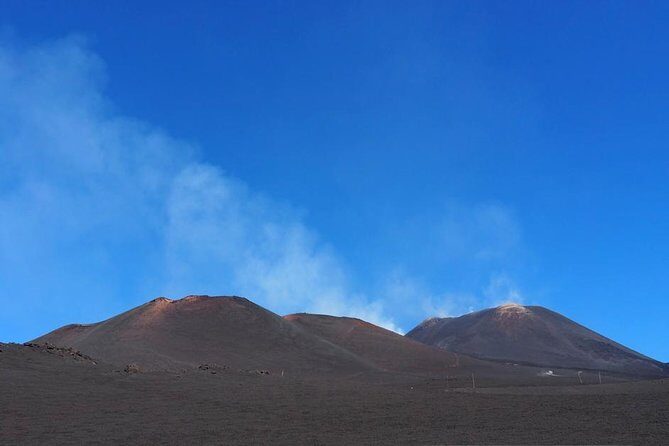
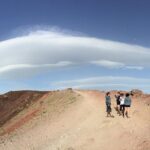
After the cableway gets you high enough, the trekking starts and the scenery shifts fast. The first highlight is Pian del Lago, described as a false plane of volcanic sand. In plain terms: it looks like the ground could not possibly be real, because it’s flat, pale, and feels eerily empty against the steeper volcanic surroundings.
This is where I love the “walking in the scenery” part of the day. A viewpoint stop can feel passive. Here, you’re stepping across terrain that looks like it belongs on the moon, and that changes your relationship with the mountain. Every step makes the “lunar” vibe more believable.
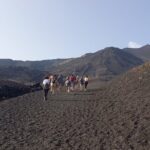
Just keep expectations realistic. This is high-altitude trekking on volcanic surfaces. Even when the route looks simple on a map, the ground can be uneven and can include loose volcanic gravel.
Climbing toward the 2001 eruption crater for real volcanic scale
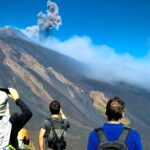
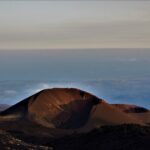
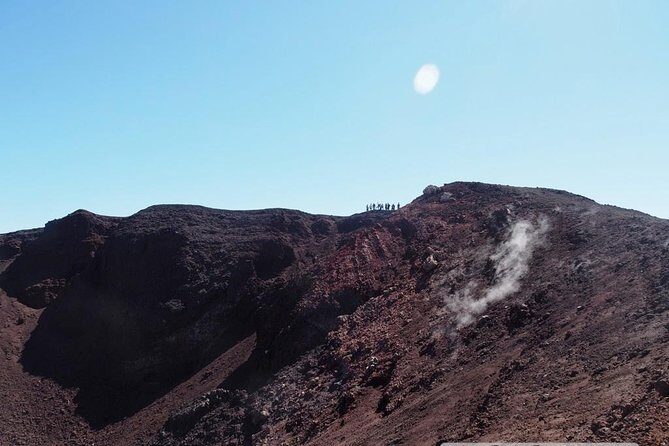
Next comes the climb to the crater connected to the 2001 eruption. This isn’t a casual stroll. The route includes a “climb the crater” segment, and the reward is a strong set of panoramic views.
From up there, you can see nearby summit craters and also take in the coast. That’s one of Etna’s biggest tricks: it’s a mountain that can show you both volcanic geology and the wider geography of Sicily from the same day.
The experience description also notes the maximum altitude you may reach can vary between 2,750 m and 2,950 m. That means your body may feel the day a bit more, especially if you’re not used to hiking at altitude.
And if it’s windy, this is the part where you’ll feel it. One of the biggest cautions is that certain points can become challenging with strong wind, and narrow paths combined with loose gravel can get genuinely slippery. Don’t treat it like a casual walk.
Valle del Bove from above and the 2018 lava fronts
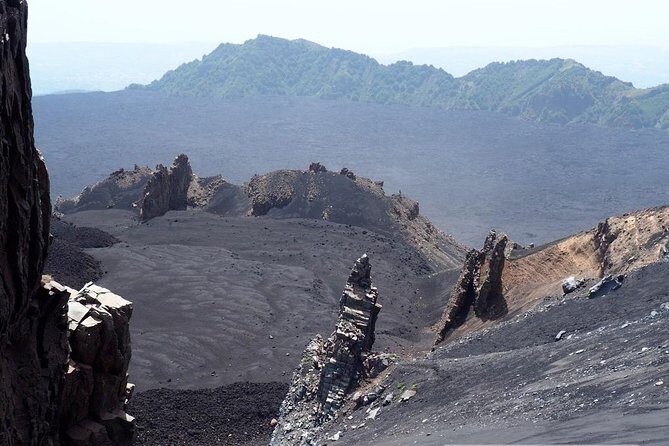
After the crater section, the route leads you toward a very panoramic area overlooking Valle del Bove. This valley isn’t a classic river valley. It’s a huge depression created by the collapse of an older volcanic building. Looking down on it from Etna makes the word depression feel small. It reads more like a giant bowl carved out of volcanic history.
You’ll also reach areas near the lava fronts of the last eruptions (2018). That gives the hike a sense of time—you’re moving from a crater tied to 2001, to sand and terrain that looks ancient and strange, to more recent volcanic activity visible in the lava areas.
If you like geology that you can actually see and walk through, this is where the day clicks into place. You stop thinking of Etna as one mountain and start thinking of it as a living, changing system.
You can also read our reviews of more tours and experiences in Sicily
Your volcanological guide and the kind of pace to expect
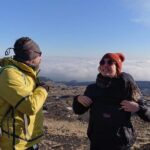
This tour is led by an authorized volcanological guide, and that’s a big deal for value. Without that guidance, you’d be hiking through impressive terrain but guessing what matters. With the guide, you get context tied to what’s in front of you.
The experience is rated for people with moderate physical fitness. That’s not a “sit and enjoy” activity—it’s a trekking day with uphill segments and walking on volcanic ground. The group size is capped at 20 travelers, which is ideal for maintaining a manageable pace and for the guide to keep an eye on route conditions.
What I think matters most for you: plan to move carefully. On volcanic terrain, it’s not just distance—it’s footing. If you know your strength is pacing over speed, you’ll do fine.
What’s included: Etna wine and typical product tasting at MontataGrande
One of the nicest “reward” elements is built right into the tour. You get a coupon for a tasting of typical products and a glass of Etna wine at MontataGrande.
This matters because it gives you a final reset after altitude trekking. The tasting helps turn the day from pure exertion into something more Sicilian—local food, local wine, and a break without hunting for dinner plans afterward.
Even if you’re not a big wine person, the typical products tasting is still a useful part of the experience. You’re on Etna; you might as well taste what the region does well when you’re back down to human scale.
Price and logistics: is $82.89 good value?
The listed price is $82.89 per person, and the experience includes the authorized volcanological guide plus the MontataGrande tasting coupon.
But you should treat this as a “base price plus cable car” situation. The additional cable car ticket is €52 per person and is not included. That’s the real difference between this being a good deal and a bad deal for your budget.
Here’s how I’d judge value:
- You get a guided hike that hits multiple named volcanic features (Pian del Lago, crater views, Valle del Bove viewpoints).
- You get a tasting with Etna wine included, which is not nothing in cost and also saves you time planning food.
- You’re not paying extra for the guide time—what you pay is mainly for the lift + the structured hike.
You also may need gear. Shoe and jacket rentals are listed at €5 each. If you show up in city shoes or you hate the idea of cold wind at altitude, plan for rentals or bring your own. Either way, add a little slack to your budget.
If you’re the type who likes nature hikes but hates spending your day organizing logistics, the price structure can make sense—especially in a small group.
Footwear, wind, and safety: how to make this hike feel secure
This is the part I’d stress most. The route can include narrow paths and loose gravel, and in high wind conditions it can feel dangerous. That doesn’t mean you shouldn’t go. It means you should dress and move with respect.
Practical moves that help:
- Wear sturdy trekking shoes with grip (or rent them if you must).
- Bring a jacket layer even if the day starts sunny. At 2,700–2,950 m, weather can change.
- Keep your pace steady and don’t rush on the uneven parts. If you move slowly, you’ll feel more in control.
- If you’re easily stressed by windy, exposed sections, this is where you may need to reconsider the fit for your comfort level.
Also note the experience is weather-dependent. If weather is poor, it can be canceled and you’ll be offered a different date or a full refund.
Who should book Etna 3000—and who should skip it
This trek is best for you if you want an Etna day with structure and real walking. You’ll enjoy it if you like geology, want big viewpoints that come from being on the ground, and appreciate a guide explaining what you’re seeing.
You’ll also like it if you want a small-group experience. With a maximum of 20 travelers, it’s easier to keep your footing and stay with the group.
Skip it if:
- You don’t handle wind well, especially on narrow or uneven paths.
- You’re looking for a purely relaxed stroll.
- You struggle with moderate uphill walking at altitude and uneven volcanic ground.
If you can hike at altitude with solid shoes and you’re okay taking it slow when the terrain gets tricky, this is a memorable use of your time on Sicily.
Should you book Etna 3000 south with cable car and trekking?
If your goal is to see Etna’s volcanic features up close—Pian del Lago’s strange sand, the 2001 crater views, and Valle del Bove from above—this is one of the better ways to do it in a half-day. The guide + tasting combo is a nice value add, and the small group size keeps the hike more workable.
I’d book it when you:
- can handle moderate trekking and uneven footing,
- want a guided explanation (not just a photo stop),
- want a planned route that hits several major Etna sights efficiently.
I’d hesitate if your biggest issue is safety comfort in wind and narrow trail sections. In that case, consider a different Etna option that matches your tolerance for exposure and footing.
FAQ
How long is the Etna 3000 south excursion?
It’s listed at about 5 hours.
What maximum altitude does the tour reach?
The maximum altitude reached is variable between 2,750 m and 2,950 m.
Is the cable car ticket included in the price?
No. The cable car transport ticket is listed separately at €52 per person.
What is included in the tour price?
You get an authorized volcanological guide and a coupon for a tasting of typical products plus a glass of Etna wine at MontataGrande.
What is not included?
The cable car ticket (+€52 per person) is not included, and shoe/jacket rental is extra at €5 each.
Can I choose the tour language?
Yes. You can request Italian or English. If your language isn’t available, the tour runs in English or Italian.
How many people are in a group?
The maximum group size is 20 travelers.
What fitness level do I need?
You should have a moderate physical fitness level.
Do I need to bring my own shoes and jacket?
You may rent them for €5 each. If you have your own trekking shoes and a jacket, that can be a good idea.
What happens if the weather is poor?
The experience requires good weather. If it’s canceled due to poor weather, you’ll be offered a different date or a full refund.
What if I need to cancel?
You can cancel for a full refund up to 24 hours in advance. If you cancel less than 24 hours before the start time, it’s not refundable.