REVIEW · SICILY
Etna Morning Tour (starting from Catania)
Book on Viator →Operated by Etnavic · Bookable on Viator
Etna feels close and personal on this tour. You start in Catania, cruise past the seafront with views toward Acitrezza, then spend a few focused hours on Etna’s older craters, a lava tube cave, and killer viewpoints. I love that the pace balances walking with big scenery, and I also like the small-group size capped at 16. One thing to consider: the hike level is described as easy, but you may still hit narrow, steep sections where walking sticks can help.
The best part for me is how the stops stack like a story: extinct craters at high altitude, then something you can literally touch in a lava cave, and finally the dramatic “volcanic boiler” views and the 1991–1993 flow front near Zafferance Etnea. I also really like that you get a free taste stop at a local farm with products from the Etna area, so the day isn’t just geology.
Keep in mind the tour is around 5–6 hours, and there’s no lunch provided, so plan on eating after. If you’re heat-sensitive, going early helps, but you still want good water habits for time outdoors.
In This Review
- Key highlights worth waking up for
- Getting going: pickup from Catania and the Acitrezza warm-up
- Stop 1: Craters Silvestri and a calm hike at old eruption height
- Stop 2: Mount Etna lava tube cave with helmets and flash lights
- Stop 3: Valle del Bove and the view over the volcanic boiler
- Stop 4: Colata Lavica 1992 near Zafferance Etnea’s lava front
- Stop 5: Oro d’Etna farm tasting of local products
- Timing, pace, and group size: what that means for your comfort
- Your guide experience: what I’d look for in the names behind the tour
- What’s included (and what to plan for yourself)
- Who this tour suits best
- Should you book the Etna Morning Tour from Catania?
- FAQ
- How long is the Etna Morning Tour?
- Where does the tour start?
- Is pickup available from Taormina?
- What’s included with the tour?
- What should I bring or plan for?
- What kind of walking is involved?
- How big is the group?
Key highlights worth waking up for
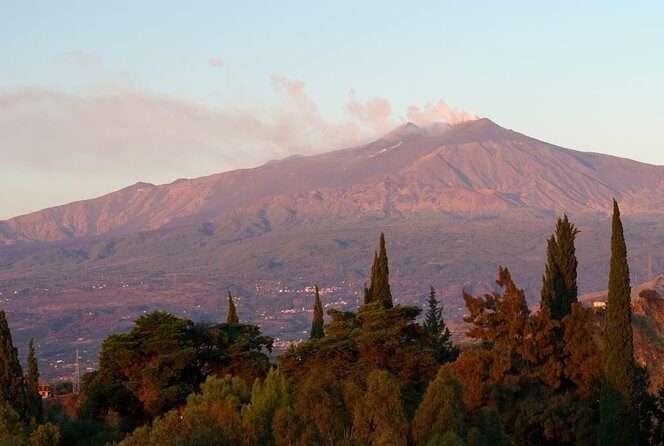
- Small-group cap of 16: more questions, less waiting around, and you move efficiently between stops.
- Lava tube cave visit: helmets and flash lights are provided, so you can explore safely and see the rock up close.
- Craters Silvestri trek at about 2,000 m: an easier hike on old, extinguished terrain with strong views.
- Valle del Bove viewpoint: that big volcanic depression is the kind of scene you remember long after the photos.
- Colata Lavica 1992 stop: you get to stand near the extreme front of lava that reached the town area of Zafferance Etnea.
- Free Etna-area tastings: honey, olive oils, pesto, and also wines and liqueurs at a local farm stop.
Getting going: pickup from Catania and the Acitrezza warm-up
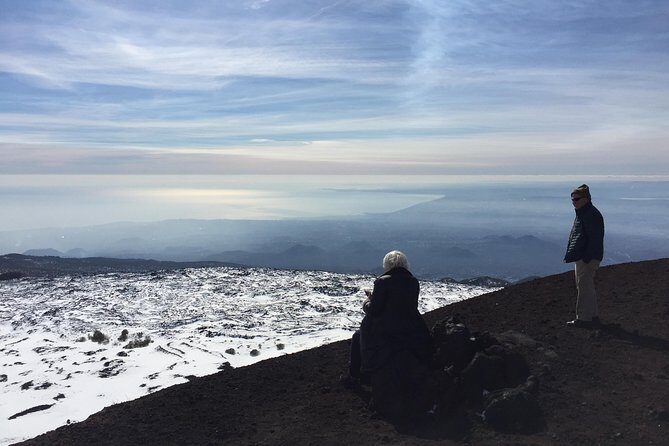
This is a morning-style outing built around convenience. You’ll be picked up either from your lodging or from a pre-agreed meeting point in Catania, using an air-conditioned vehicle with a driver. If you’re staying along the right streets, it’s a smooth start without the stress of finding the tour group on your own.
On the drive, you pass along the seafront where you can see the stacks of Acitrezza—often described as pillows of lava. It’s a neat way to orient yourself before you ever step onto Etna’s paths. Even if you don’t know the science yet, you start the day thinking in layers: coast, past eruptions, and how the volcanic story shapes everything around you.
If you’re coming from Taormina, pickups exist only for groups of at least 4 people, and there’s an extra charge. So if you’re traveling solo or as a couple from Taormina, you’ll likely be better off arranging to be in Catania for pickup.
You can also read our reviews of more tours and experiences in Sicily
Stop 1: Craters Silvestri and a calm hike at old eruption height
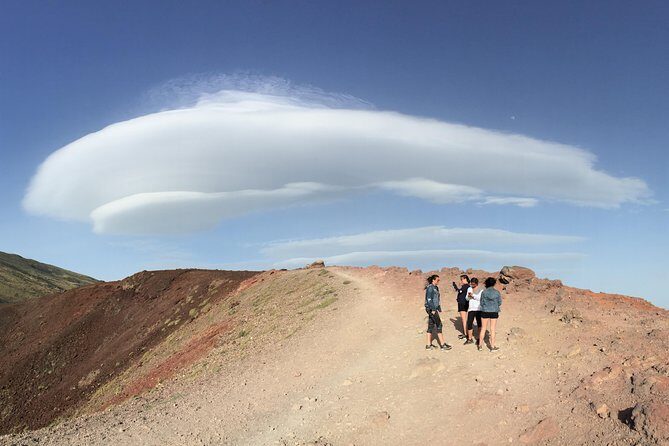
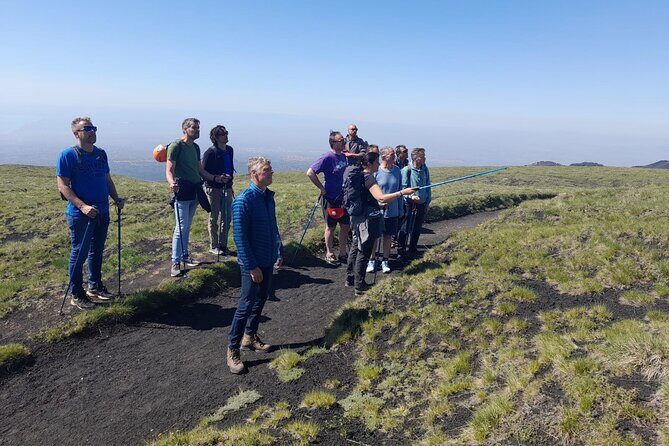
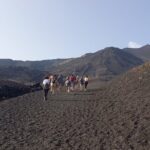
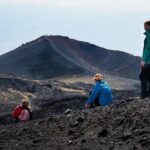
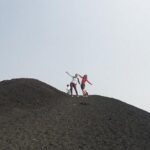
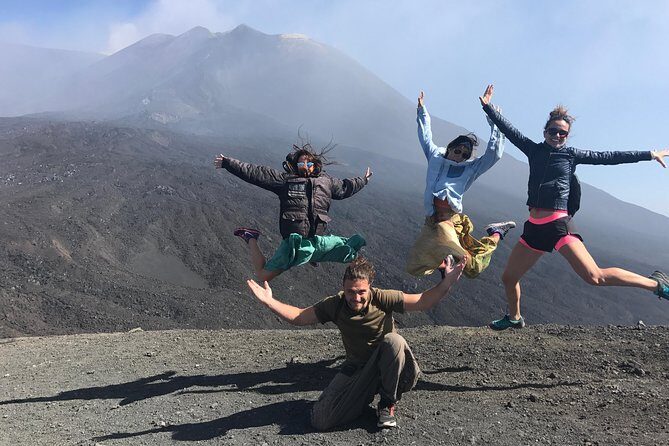
The first on-foot moment is the Craters Silvestri trek on Mount Etna, described as an easy level and suitable for most people. The walk takes place around an old, extinguished crater system that formed during the 1892 eruption, and you’ll be up around 2,000 m (6,563 ft).
Why this matters for you: this isn’t a “summit to conquer” hike. It’s a chance to get altitude, fresh air, and a real feel for volcanic terrain without needing technical skills. You also get that early-day advantage—less crowding and better conditions to move comfortably.
A practical note: the terrain can include narrow, steep bits. One review pointed out that if you have walking problems, it may not be your ideal route, though the guide can help with walking sticks. If you’re unsure, bring sturdy shoes and be ready to take it slow.
Stop 2: Mount Etna lava tube cave with helmets and flash lights
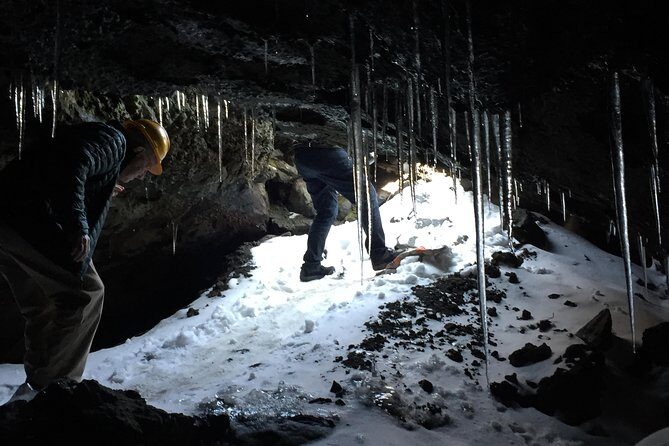
Next comes the part that’s hardest to explain until you see it: exploring a lava tube, a cave shaped by older eruptions. Helmets and flash lights are provided, which is a big deal. You don’t have to hunt for gear or worry about lighting, and you can focus on what you’re looking at.
Inside a lava tube, the experience changes from “scenery” to “scale.” The rock formation makes the eruption story feel physical—like the mountain once flowed, cooled, and left behind a tunnel-world. Guides tend to connect what you see to how eruptions move, so you’ll likely leave with a clearer mental picture than you arrived with.
Time here is about 2 hours, which is long enough to explore without rushing. Just wear clothes you don’t mind getting a little dusty and keep your camera ready, because caves reward you for patience.
Stop 3: Valle del Bove and the view over the volcanic boiler
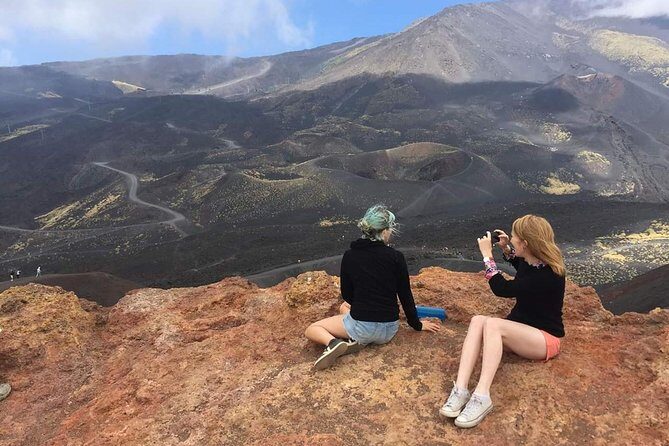
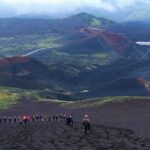
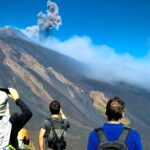
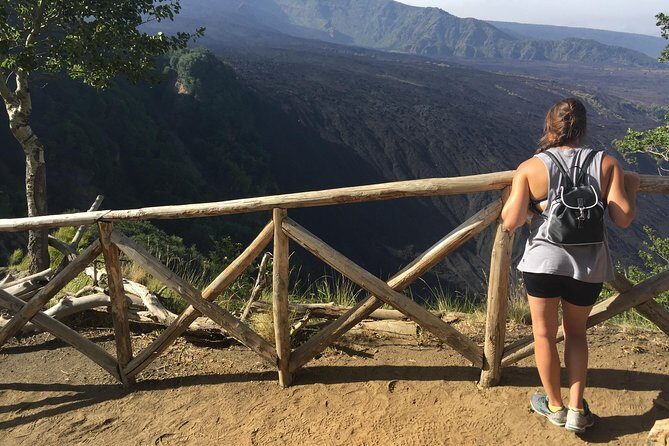
After the cave, you get a break at one of the most dramatic outlooks: Valle del Bove. Think of it as a sweeping point where the volcanic landscape opens up into that famous depression—often described as a volcanic boiler.
Why this stop feels valuable: you’re shifting from confined underground space back to a large-scale viewpoint. That contrast is part of what makes Etna tours satisfying. The valley view helps you connect the dots between the crater hike, the lava-flow history, and the mountain’s overall structure.
This is also the easiest stop to “just enjoy.” It’s around 30 minutes, so you’ll have time to rest your legs, take photos, and breathe in the kind of air that makes you feel like the trip is actually happening.
Stop 4: Colata Lavica 1992 near Zafferance Etnea’s lava front
Then you move to the Colata Lavica 1992 visit—focused on one of the most extreme fronts of the 1991–1993 lava flow that reached the area near Zafferance Etnea. This is a very specific type of stop: less about general views and more about standing near the edge of a recent eruption footprint (in volcanic terms).
Why it’s a smart addition: seeing a “lava flow” from a distance can feel abstract. Standing near where it traveled turns it into something concrete. You can often spot how the terrain shifted, and your guide can point out what changed in the path and shape.
Time is around 30 minutes, which keeps the day moving. You’ll likely use this stop to ask your last questions—because once you’re back on the road, the mountain story wraps up quickly.




Stop 5: Oro d’Etna farm tasting of local products
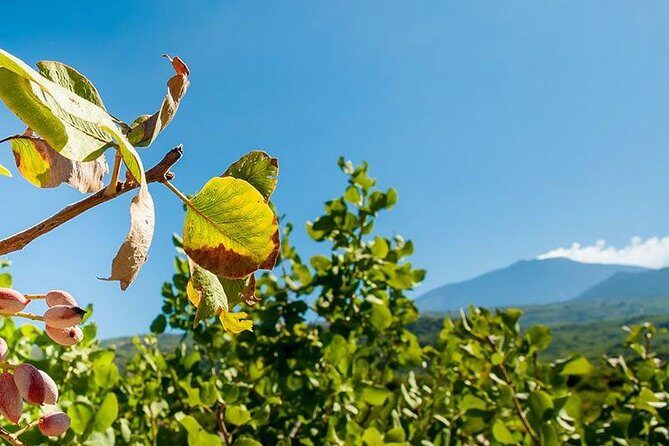
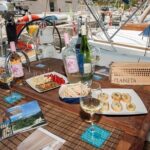
The final sensory stop is Oro d’Etna, a local farm where you get free tastings of typical Etna-area products: honey, olive oils, pesto, wines, and liqueurs. This is about more than snacks. It’s how the region turns volcanic ground into flavor.
At the practical level, it’s a welcome reset after hiking and cave time. At the cultural level, it’s a reminder that Etna isn’t only danger and eruptions. It’s also livelihoods—farmers who work with the mountain’s conditions instead of fighting them.
Time here is about 30 minutes. Try a little bit of everything if you can. And if you end up buying anything, check how it’s packaged for carrying during your next leg of travel.
Timing, pace, and group size: what that means for your comfort
This tour typically runs about 5–6 hours, moving through multiple environments: road travel, a high-altitude easy trek, a cave exploration, and several viewpoint-style stops. That structure keeps the day active, but it isn’t nonstop.
The tour caps at a maximum of 16 travelers, which is the sweet spot for me. It’s big enough to run smoothly, but small enough that you’re not stuck behind a sea of people when the guide wants everyone together. Many of the guides leading these tours are personable and used to adapting the route depending on weather and timing, which matters on Etna—conditions can change fast.
Also, you’ll get an air-conditioned vehicle for transfers. It may sound basic, but it’s the difference between a “fun day” and a “hot car day.”
Your guide experience: what I’d look for in the names behind the tour
A standout theme is the guides’ ability to make Etna feel understandable, not just scenic. Names you might encounter include Sebastian, Paolo, Diego, Monica, Luigi, and Giuseppe—and the common thread is engagement. You can expect explanations of the mountain’s history and how volcanoes work, plus space for questions.
In particular, guides often emphasize patience and flexibility. One guide even suggested shifting timing when weather changed, which is exactly the kind of practical judgment you want on a volcano day. Another guide was highlighted for answering lots of questions and keeping the experience fun while still teaching the science.
What to do: come with 1–2 questions you actually care about—like how lava tubes form or why different eruptions leave different shapes. Then you’ll get more out of the time in the cave and on the viewpoints.
What’s included (and what to plan for yourself)
Included in the tour:
- Air-conditioned vehicle and driver transfers
- Certified naturalistic guides in English (and also Italian, French, Spanish)
- Helmets and flash lights for the lava tube cave
- Pickup within Catania (or agreed meeting point)
- Free tastings at the Oro d’Etna farm
Not included:
- Lunch and drinks
My advice: if you’re doing this as part of a longer Sicily plan, eat a real breakfast, bring water, and plan on having lunch afterward in Catania. The tastings help, but they’re not a full meal.
Price check: at $102.84 per person, this isn’t a bargain tour. It is, however, strong value when you factor in guide expertise, cave gear, guided hiking, multiple volcanic stops, transportation, and included tastings. For Etna, those pieces add up fast.
Who this tour suits best
This is a good fit if:
- You want a structured Etna experience without hiring multiple day components.
- You like geology but also want the day to feel social and guided.
- You’re okay with walking during the crater section and navigating cave terrain with provided gear.
- You’d rather do a smaller group outing than a long bus crowd.
It may be less ideal if:
- Walking is very limited. The hike is labeled easy, but there can be narrow, steep sections.
- You want a super-relaxing day. This includes cave time and a trek, not just viewpoints.
Should you book the Etna Morning Tour from Catania?
Yes, if you want the kind of Etna day that mixes multiple “wow” styles—outdoor volcanic terrain, a lava tube cave you can explore safely, and viewpoint stops that make the mountain’s scale click. The small group cap helps a lot, and the included flash lights and helmets remove stress.
Skip it or at least ask questions first if you have mobility limits and are worried about narrow or steep walking moments. Also be honest about meals: since lunch and drinks aren’t included, plan food after the tour so you don’t end up hangry on the way back.
If you’re visiting Sicily and Etna is on your list, this is one of those tours where you come away with both understanding and memorable scenes, not just a quick stop for photos.
FAQ
How long is the Etna Morning Tour?
It runs about 5 to 6 hours.
Where does the tour start?
It starts in Catania with pickup from your lodging or from a meeting point agreed in advance.
Is pickup available from Taormina?
Pickup from Taormina is only available for groups of at least 4 people, and there’s an extra charge.
What’s included with the tour?
You get an air-conditioned vehicle with driver, certified naturalistic guides (English and other languages), and helmets plus flash lights for the lava tube cave. You also get free tastings at the local farm stop.
What should I bring or plan for?
Wear sturdy shoes for the crater trek, and plan for water. Lunch and drinks are not included.
What kind of walking is involved?
The crater trekking is described as easy and suitable for most people, but the route can include steep or narrow sections.
How big is the group?
The tour has a maximum of 16 travelers.