REVIEW · SICILY
Amazing Etna Morning Tour with Pickup and Drop-Off from Catania
Book on Viator →Operated by Red Etna · Bookable on Viator
Etna at 8:00am is the kind of plan you’ll talk about later. You’re out of Catania early, riding up in comfort, then getting a guided look at lava flows and a lava cave—with sights that climb to about 1,700 metres. I love that the experience mixes real walking with plain-English explanations, so you leave with a clearer picture of how the volcano works and what you’re seeing.
Two things I especially like: you get the right gear for the lava tube (helmets and flashlights), and the guides bring the mountain down to earth with stories and answers on the spot. Guides you may encounter include Marco and Marco Rossi, plus Francesco or Fran, and they focus on helping your group connect the geology to what’s around you.
One consideration before you book: this is not for everyone—if you get nervous with heights, tight spaces, or uneven footing, or if you have breathing or motion issues, you’ll want to think twice.
In This Review
- Quick hit: why this Etna tour clicks
- Pickup and ride up: the calm start that sets the tone
- Mount Etna on a timeline: seeing a lot without chasing summits
- The lava cave walk: how helmets and flashlights change everything
- What the guide actually adds on Etna
- The rest of the morning: time for exploration, not a summit grind
- Practical gear and what to wear (so your feet don’t complain)
- Value for money: why this price feels fair
- Who should book this Etna morning (and who should skip it)
- Tips to get the most out of the 5 hours
- Should you book this Etna tour from Catania?
- FAQ
- What time does the Etna morning tour start?
- How long is the tour?
- Is the tour offered in English?
- What’s included for the lava tube portion?
- What isn’t included in the tour price?
- What happens if the weather is bad or I cancel?
Quick hit: why this Etna tour clicks
- Pickup and drop-off from Catania means you spend less time figuring out logistics and more time on Etna
- Lava cave gear included (helmets and flashlights) makes the walk feel safe and straightforward
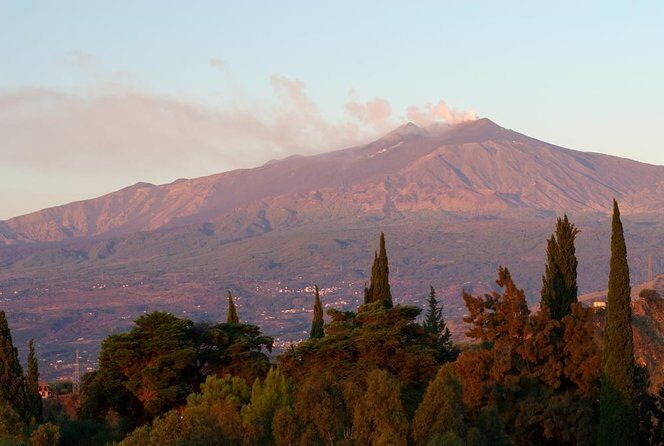
- Up to about 1,700 metres gives you big views without turning the day into a brutal summit push
- Small group size (max 16) keeps questions and pacing from getting lost
- No cable way and no summit craters lowers the stress level versus the hardest versions of Etna trekking
Pickup and ride up: the calm start that sets the tone
The tour is built around an early start from Catania (8:00am) with an air-conditioned vehicle. That matters more than it sounds. Etna can be cooler in the morning and clearer for views, and you also avoid the midday crush feeling you get on day trips that start later.
Once you’re on the road, the vibe turns from bus ride to “we’re going somewhere real.” The group stays together, and the guide sets expectations for the walking and what you’ll be looking for. With a max of 16 people, it doesn’t feel like you’re just one face in a crowd. It’s the kind of group size where you can actually ask a question and get an answer that connects to what you’re seeing in that moment.
If you’re sensitive to motion sickness, though, keep it in mind. The morning drive plus time outdoors can be a challenge for some people.
You can also read our reviews of more tours and experiences in Sicily
Mount Etna on a timeline: seeing a lot without chasing summits
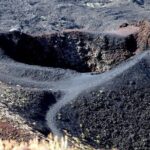
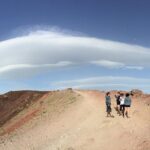
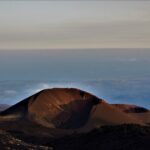
Your day is built around one main stop on Etna, with about four hours tied directly to that experience, plus extra time for the round trip and sightseeing/explorations. That structure is smart if you want a solid Etna hit but don’t want to spend all day battling altitude, steep terrain, and fatigue.
Here’s what you can expect from that core time on the mountain:
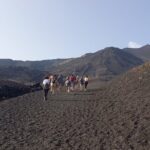
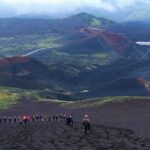
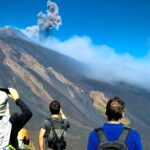
- You’ll appreciate Etna’s volcanic beauty up close, not just from a distant lookout.
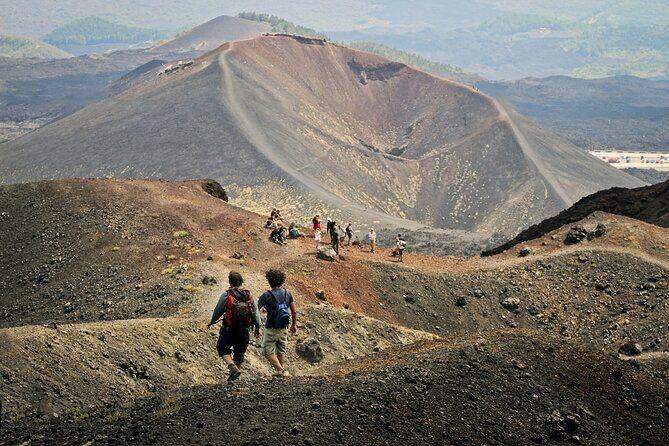
- You’ll see ancient lava flows, which is where the “why does the ground look like that?” questions start to make sense.
- You’ll visit a lava cave and experience a lava-tube style walk with the included gear.
- You’ll reach an altitude of about 1,700 metres for views that feel like a reward for the morning effort.
A key detail: this tour does not include trekking up to the summit craters, and it doesn’t include using a cable way. That sounds like a limitation, but for many people it’s actually the point. You’re getting the volcano experience without forcing the hardest route into your itinerary.
Also, the tour notes that the admission ticket is free for what’s included—so you’re not left doing the “add-on math” that can pop up with some attraction-style day trips.
The lava cave walk: how helmets and flashlights change everything
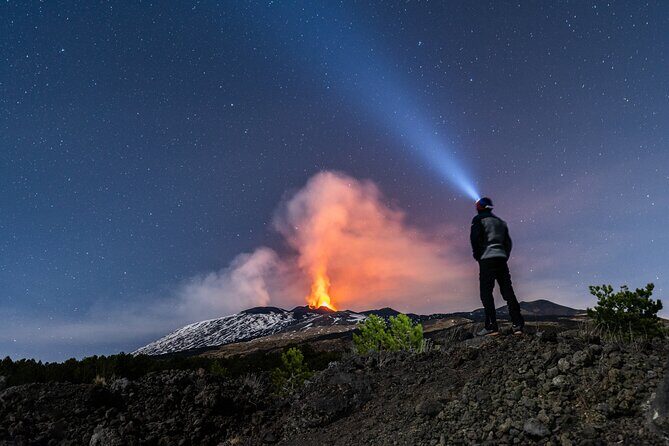
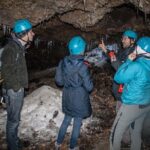
One of the most practical inclusions here is helmets and flashlights for the lava tube. That’s not a small detail. A lava cave (or lava tube) is dark and enclosed, and having the right equipment turns it from a “maybe this will be fine” situation into a supported activity.
What I like about this approach is that it gives you a clear baseline: you don’t have to bring anything special just to participate in the cave part. You get the gear, the guide handles safety basics, and you focus on the experience.
You should still know what you’re signing up for. This part involves feeling enclosed spaces and walking where light is limited. If you deal with claustrophobia, this can be a hard no. If heights make you tense, keep it in mind too, since the broader Etna area includes viewpoints and terrain that can feel exposed.
If everything is okay for you physically and mentally, the lava tube section is exactly where this tour becomes memorable. You’re not only observing the volcano from the outside—you’re stepping into the kind of space that helps you imagine how lava once moved and cooled.
What the guide actually adds on Etna
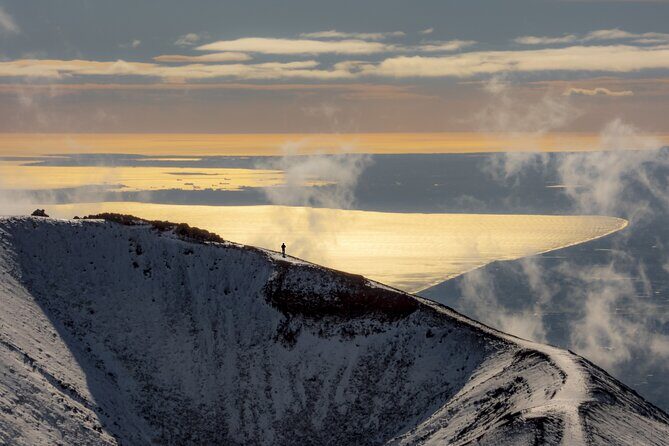
The reviews and guide descriptions point to the same theme: the guide makes the mountain readable. Names that came up include Marco, Marco Rossi, Francesco, and Fran, and what they all seemed to do well was connect the volcano’s formation and current activity to what people are seeing during the walk.
This is where the tour feels worth it compared with a basic shuttle to a viewpoint. A volcano can look like “cool rocks” if you don’t have context. With a good guide, the textures, lava patterns, and cave features turn into clues. You get short explanations, then you see the feature right away. It’s not a lecture; it’s more like guided observation.
Another subtle win: the guides are described as friendly and quick to answer questions. That matters because Etna brings out curiosity fast. People ask about eruptions, rock types, safety, and even what everyday life on Sicily looks like around a living volcano. If your guide handles those moments well, your morning stays fun instead of turning into just walking and guessing.
The rest of the morning: time for exploration, not a summit grind
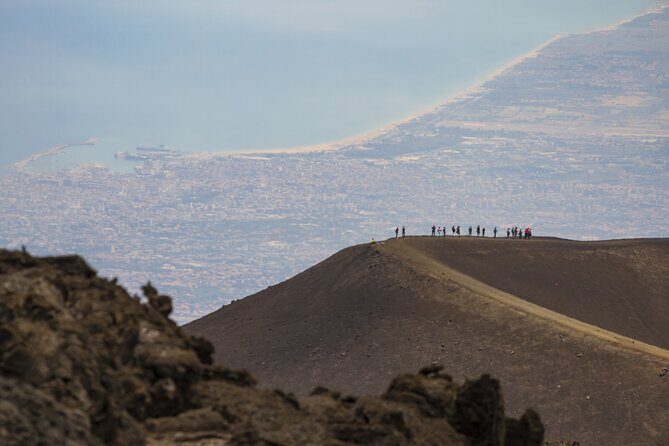
After the cave and core viewing, you’ll still have time built in for the round tour and for sightseeing or exploration. The remaining time is there for a reason. It helps prevent the day from feeling like a checklist where you rush from one spot to the next with no room to breathe.
The key trade-off is that you’re not trekking to the summit craters and you’re not relying on a cable way. That means you likely won’t feel like you skipped a “big badge” route—because the tour is designed so you don’t have to chase the hardest, highest effort version of Etna.
If your goal is photos, views, and geology you can understand while walking at a manageable pace, this format fits well. If your goal is a maximum-height expedition, you may find this tour leaves you wanting more altitude and more rugged hiking.




Practical gear and what to wear (so your feet don’t complain)
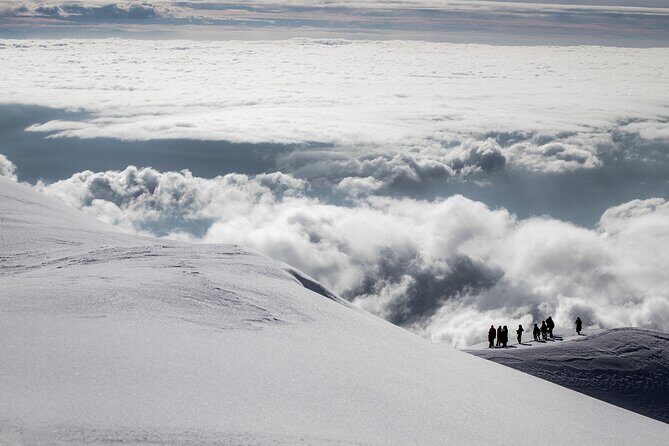
The tour includes helmets and flashlights for the lava tube, plus a hiking guide and an air-conditioned vehicle. What you should bring yourself:
- trekking shoes (listed as not included)
- comfortable layers for changing outdoor temps
- something to handle basic sun or wind (morning conditions can still shift)
Even if the walking doesn’t sound extreme on paper, shoes matter. Lava terrain and cave approaches can be uneven. Good traction keeps you confident, and confidence makes the experience better.
You’ll also want to plan around what’s not included: there’s no mention of a trekking plan up to the summits craters, and the cable way is also not included. So don’t count on those as escape routes for energy. The “right shoes” detail becomes your best friend.
Value for money: why this price feels fair
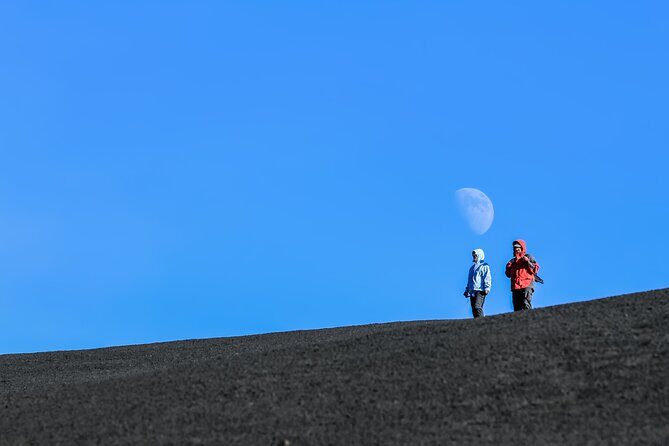
The price is $68.41 per person for a roughly 5-hour experience. For Etna day trips, that’s the sweet spot where you’re paying for real value instead of just transport.
Here’s what your money covers, in plain terms:
- air-conditioned transportation
- a hiking guide
- helmets and flashlights for the lava tube
- an admission ticket that’s free for what’s included
- a group that stays limited (max 16)
The “hidden value” is the gear and the guided context. Without a helmet/flashlight setup and expert explanations, people often end up either skipping the lava tube portion or treating it like a generic cave visit. Here, it’s part of the main event.
And the time length is key. A 5-hour morning tour is long enough to feel like a full experience, but short enough that you’re not burning your whole day in transit and fatigue. That’s how you get the Etna story without turning it into an endurance event.
Who should book this Etna morning (and who should skip it)
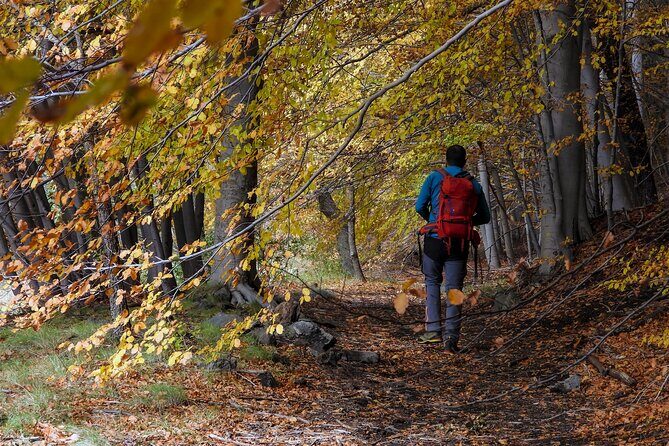
This tour says most people can participate, but it also flags specific situations where it may not be a good fit.
I’d be cautious if you:
- have vertigo or a strong fear of heights
- deal with claustrophobia (the lava tube is enclosed)
- have respiratory disorders or asthma
- have high blood pressure
- had recent surgeries
- get motion sickness
If you’re generally comfortable with moderate walking outdoors and you like hands-on, guided sightseeing, you’ll likely enjoy this. It’s especially good for first-timers who want a volcano experience with structure: a set time, a clear focus, and a guide who can explain what’s in front of you.
It also works well if you’re in Catania for a short visit. One morning can give you a major Etna highlight, then you can spend the rest of your trip exploring cities, markets, or coast with your feet less wrecked than on the full summit style hikes.
Tips to get the most out of the 5 hours
A few small things will help you have a smoother day:
- Arrive ready for an early start. You’ll enjoy the mountain more with less rush energy.
- Wear proper trekking shoes. It’s not optional if you want confidence on volcanic ground.
- Ask questions early. The guide’s best moments are usually when you connect a question to what you’re seeing right then.
- If you’re unsure about heights or enclosed spaces, don’t guess. Check your own comfort level first.
- Go with weather expectations. The experience requires good weather, and the tour notes that if it’s canceled due to poor conditions, you’ll be offered another date or a full refund.
Should you book this Etna tour from Catania?
If you want a practical Etna morning with pickup and drop-off, and you care about seeing lava features up close (including a lava tube) without doing the summit-crater trek, this is a strong choice. The included gear and the guided explanation are what make it feel complete, not just scenic.
I’d skip it if you know enclosed spaces, heights, or motion can derail you. If any of the health notes apply to you, it’s better to choose a different Etna option that matches your comfort and your limits.
If your goal is a focused, guided, geology-meets-adventure morning, book it.
FAQ
What time does the Etna morning tour start?
The tour starts at 8:00am, with the activity ending back at the meeting point.
How long is the tour?
It runs for about 5 hours (approx.), with around 4 hours spent at Mount Etna as part of the main experience.
Is the tour offered in English?
Yes, it’s offered in English.
What’s included for the lava tube portion?
You’ll receive helmets and flashlights for the lava tube, and you’ll have a hiking guide with you.
What isn’t included in the tour price?
Trekking shoes, use of the cable way, and trekking up to the Summits Craters are not included.
What happens if the weather is bad or I cancel?
The experience requires good weather. If it’s canceled due to poor weather, you’ll be offered a different date or a full refund. You can cancel for free up to 24 hours in advance for a full refund.