REVIEW · CATANIA
Catania: Etna Morning or Sunset Trek with Lava Tunnel & Gear
Book on GetYourGuide →Operated by Etna periperi Excursion · Bookable on GetYourGuide
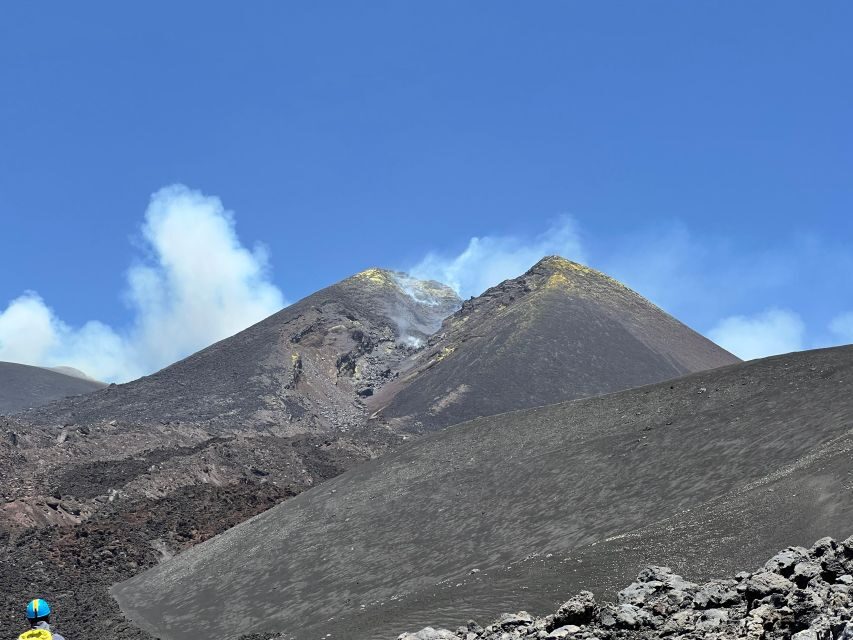
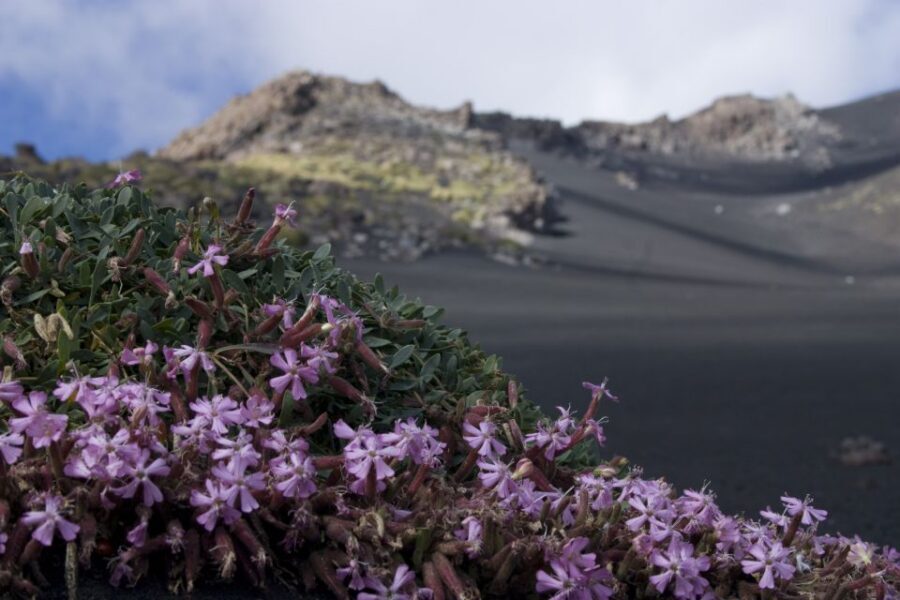
Etna can feel unreal from Catania, and this trek leans hard into that sci‑fi mood with lava deserts, secondary craters, and a lunar-like trail. I love how the day mixes big scenery with hands-on storytelling—your guide points out flora and fauna that only live on Etna, then you gear up to explore an actual lava tube.
One thing to plan around: conditions at Etna can be colder and windier than in Catania, and the exact timing (especially for sunset light) can shift with weather or unexpected delays.
In This Review
- Key things I’d put on your shortlist
- Getting to Etna from Catania: a van ride that buys you time
- Walking Etna’s “other world”: lava deserts, craters, and that black sand
- Photo stops that actually pay off: sunrise or sunset views
- Etna’s eruptive theater of 2001: why those craters matter
- Via Grotta Lunga: the short walk that leads you into the caves
- Entering the lava tube: helmet on, flashlight ready
- Gear and walking aids: small inclusions that matter
- Food, water, and the basic reality of a 5.5-hour day
- Price and value: why $70 can feel fair if you want the full Etna package
- Who this Etna trek is best for (and who should skip it)
- Booking advice: when to choose morning vs sunset
- Should you book the Etna morning or sunset trek with lava tube?
- FAQ
- Where do I meet the guide in Catania?
- How long is the tour?
- Is pickup and drop-off included?
- What’s the maximum altitude you reach?
- Do I get equipment for the lava tube?
- Are walking sticks provided?
- Can I choose a morning or sunset start?
- Is food or drinks included?
- What should I bring?
- Is it suitable for young children or people with health issues?
Key things I’d put on your shortlist
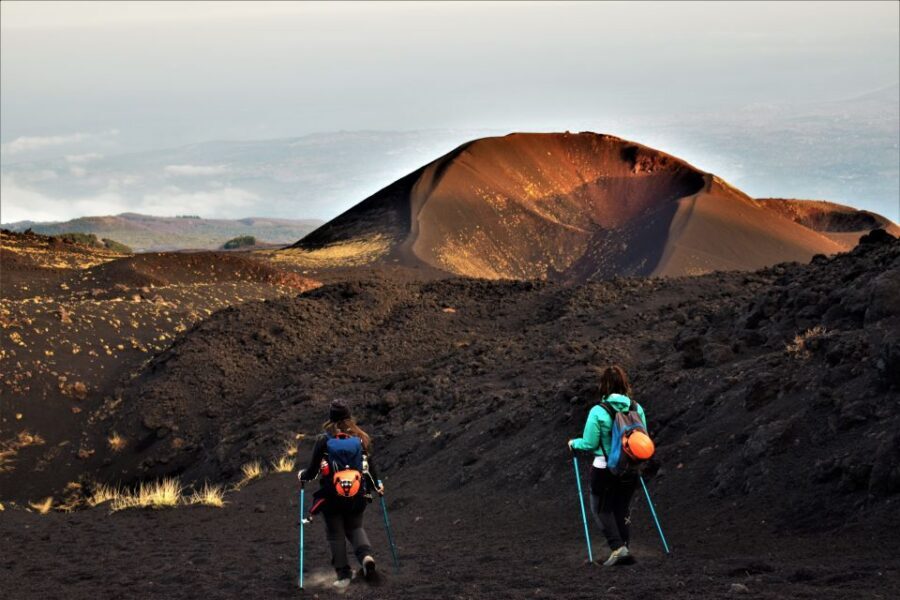
- Morning or sunset starts let you pick your light and mood on Etna
- A guided hike up to about 2100 meters with photo stops and crater views
- Helmet + flashlight lava tube time turns the geology into something you can see up close
- Real explanation on plants, animals, rocks, and lava flows helps the landscape make sense
- Comfort gear included like walking sticks, plus you’ll want proper shoes and layers
- A short, guided route to Via Grotta Lunga keeps you moving without dragging the whole day into transit
Getting to Etna from Catania: a van ride that buys you time
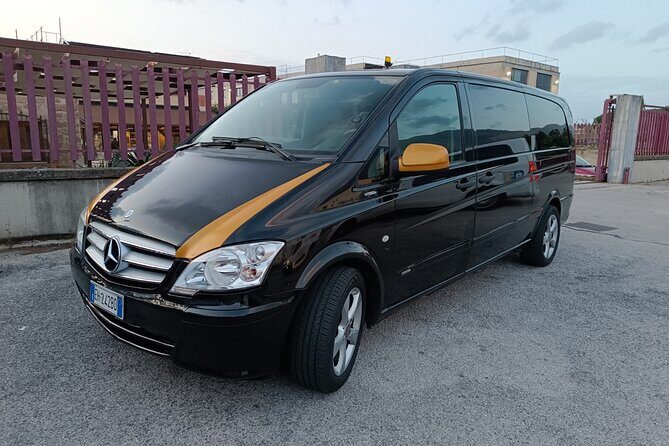
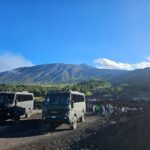
You meet your guide in central Catania at Via Alcalà 13–15, in front of the McDonald’s in Piazza Borsellino. From there, it’s a van transfer of about an hour to reach the start area, which is a big deal if you’re trying to see Etna without committing to a full day of driving on your own.
This tour is built around a compact schedule—about 5.5 hours total—so that van time matters. You’re not wasting your vacation hours getting there; you’re investing them in walking, craters, and the lava tube.
You can also read our reviews of more evening experiences in Catania
Walking Etna’s “other world”: lava deserts, craters, and that black sand
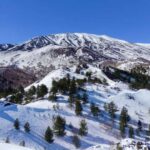
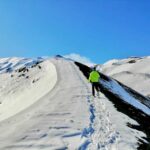
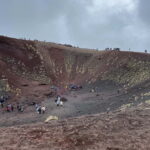
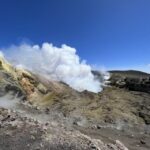
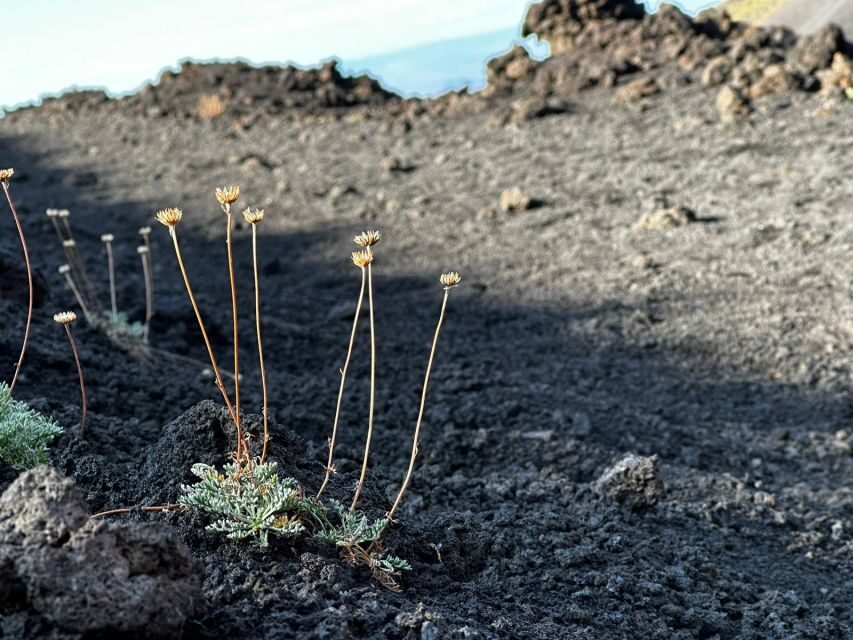
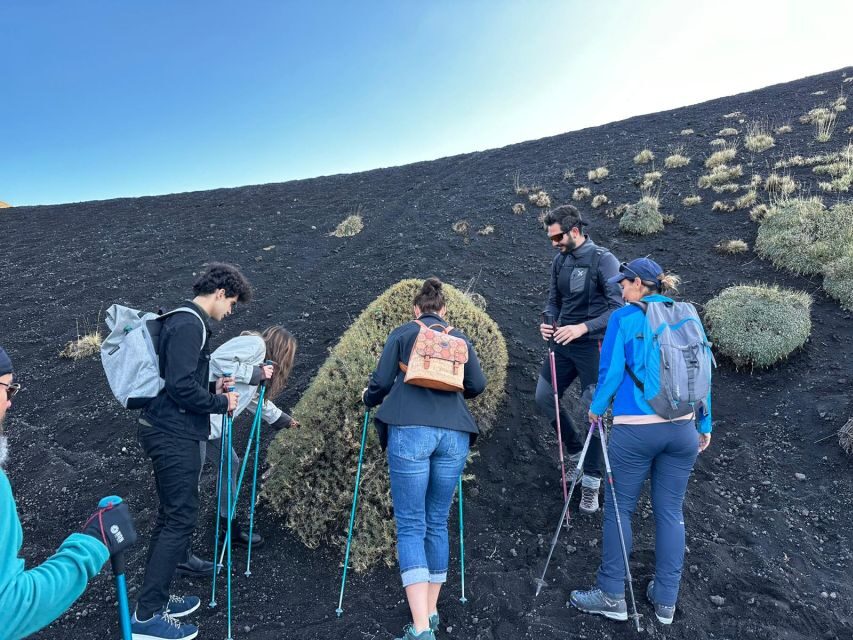
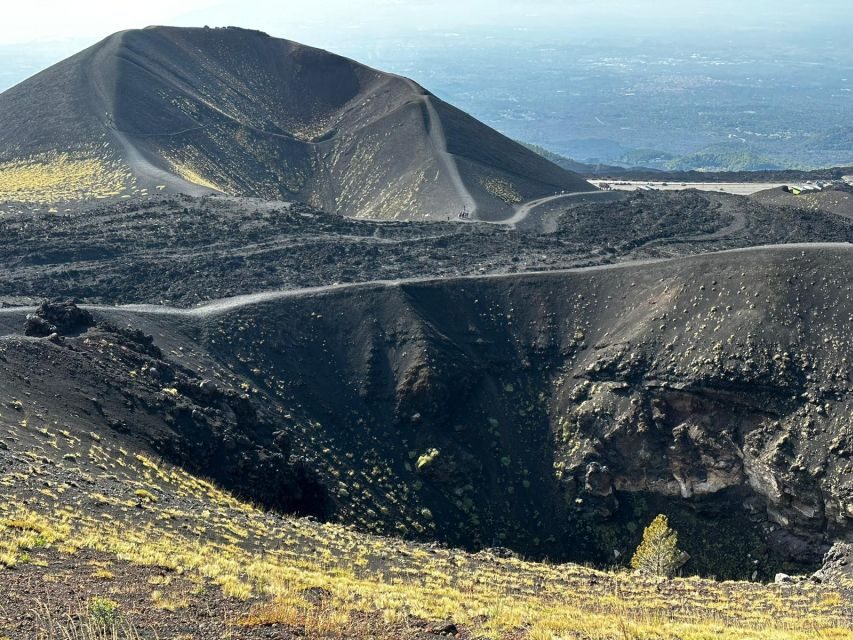
Once you’re on the mountain, expect a guided trek through a lunar landscape: lava deserts, more recent lava flows, and secondary craters. This is one of the few places in Sicily where the ground itself looks like the story—dark rock textures, stark colors, and open volcanic terrain that feels exposed even when you’re sheltered by the mountain.
The hike portion is listed at about 3 hours, and it’s paced for a comfortable walking rhythm. You’ll reach a maximum altitude around 2100 meters, which is high enough to change how you feel—air gets thinner, wind can pick up, and the temperature can drop.
One detail I think you’ll appreciate in practice: the trail can include steep sections where the surface is loose volcanic sand. In a review, someone described feet sinking roughly 30 cm into the black lava sand on a steeper slope. That’s not there to scare you; it’s a reminder to wear shoes with grip and to expect some soft footing.
Photo stops that actually pay off: sunrise or sunset views
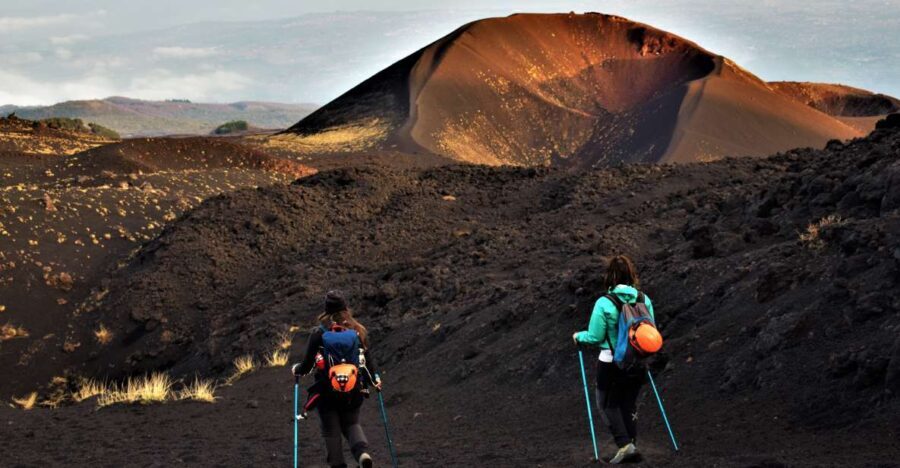
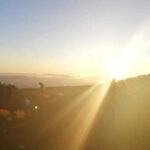
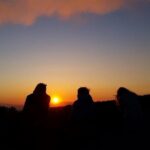
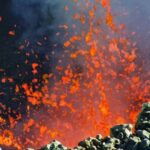
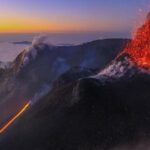
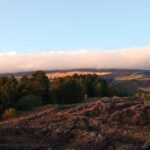
This tour is designed around a dramatic visual payoff. You stop to see an eruptive view where you can admire the colors of sunrise or sunset (depending on your chosen time slot) and take pictures.
If you choose the sunset trek, you’re gambling a little in a good way: you’re going for light, and light is weather-dependent. One guest did the afternoon tour and didn’t get the perfect sunset because of conditions, but still found the overall experience very cool—so don’t treat a sunset outcome as the only reason to book.
Also, the altitude and wind can surprise you. One review notes temperatures on Etna were about 10°C cooler than Catania, and the wind could be strong. That’s why layers matter more than style: you want warmth and wind protection, especially around the viewpoint and on the ridge-like terrain.
Etna’s eruptive theater of 2001: why those craters matter
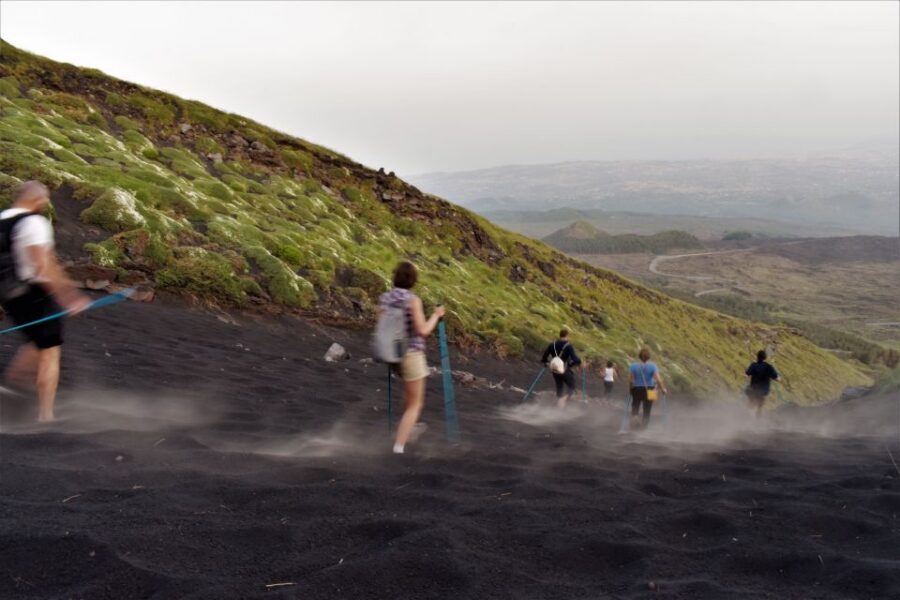
A key stop is the eruptive theater of 2001, which is where your guide’s explanations start to feel less like trivia and more like orientation. It’s one thing to see craters; it’s another to understand how volcanic activity creates different “rooms” in the landscape—areas where eruptions shaped the ground in visible stages.
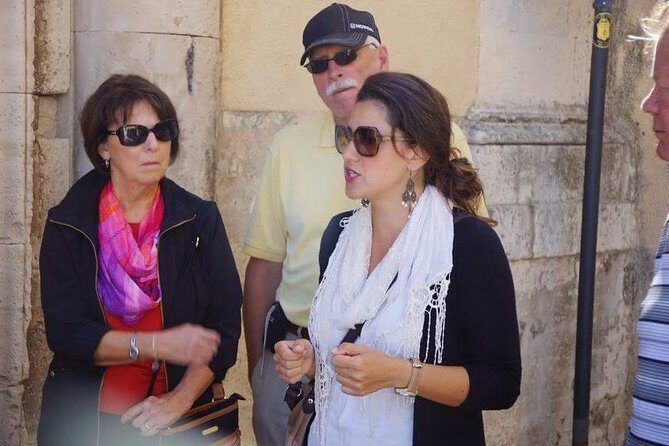
This is where a good guide changes the hike. The descriptions from guests emphasize frequent stops to explain plants, animals, rocks, and lava flows, and you can really feel that the guides care. Andrea and Christopher are two guide names that came up in feedback, both associated with clear, interesting explanations and a relaxed sense of humor.
For you, the value is simple: instead of walking through a dramatic place without context, you’ll walk away knowing what you were looking at—secondary craters, lava flow patterns, and why certain slopes and surfaces look the way they do.
Via Grotta Lunga: the short walk that leads you into the caves
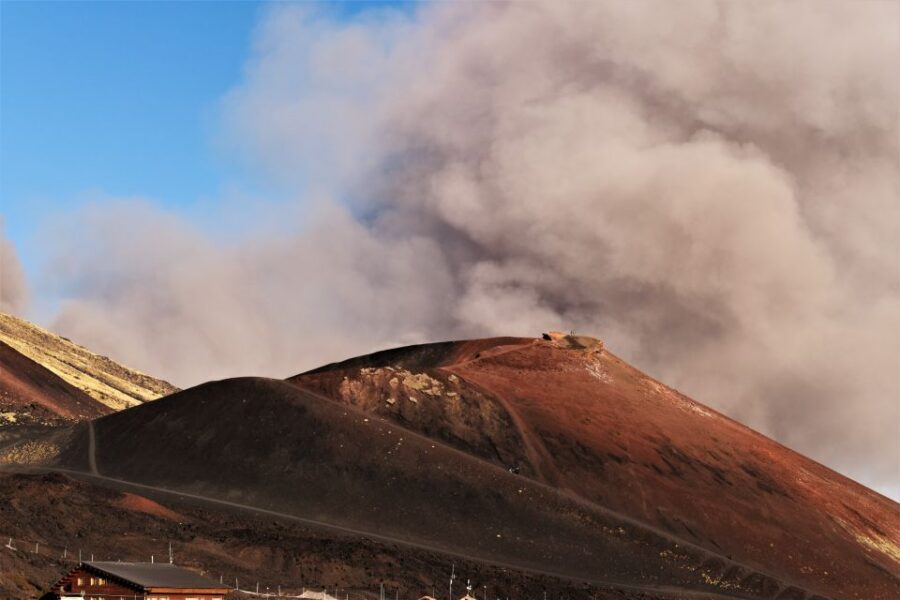
After the main Etna hike, you take a van ride for about 30 minutes, then a short walk of about 30 minutes leads toward Via Grotta Lunga. This part is quick enough that it doesn’t derail the day, but it sets up the transition from outside volcanic terrain to the underground world of lava rock.
Think of this segment as the bridge: you’re going from the open, bright lunar view to a place where everything changes. The air feels different, the surfaces turn slicker, and the lighting becomes part of the experience.
You can also read our reviews of more hiking tours in Catania
Entering the lava tube: helmet on, flashlight ready
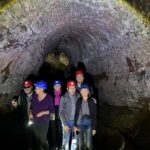
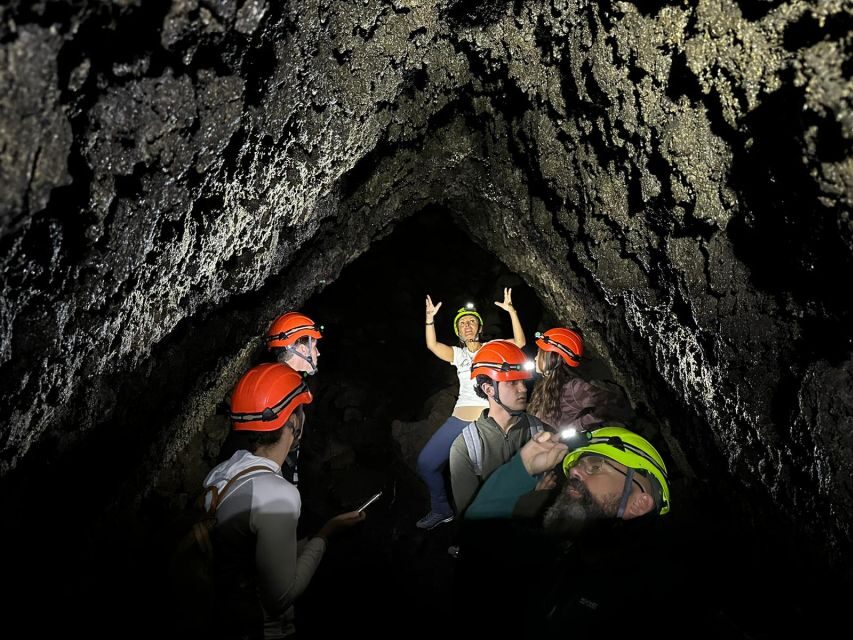
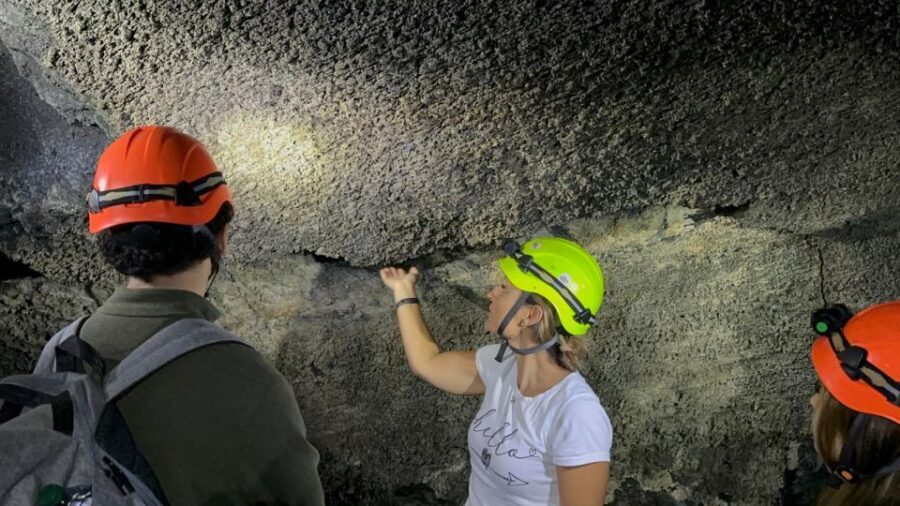
The signature moment is the lava tube visit. After you stop outdoors and take in the surrounding volcanic scene, you get helmet and flashlight, then enter the lava tube created during Etna’s eruptions.
This is the part that many people remember because it’s more than scenery. You’re inside a structure made by lava itself. Your guide explains how lava tubes form and what you’re seeing underground, and the helmet-and-light setup makes it practical rather than sketchy.
A practical tip from the way the tour is structured: plan for lower light and some uneven footing. Even if the tour is paced comfortably, you’ll be switching environments—bright outside to dim rock inside—so it helps to keep your pace steady and your headlamp light pointed where you need to walk.
Gear and walking aids: small inclusions that matter
This tour includes walking sticks, plus the helmet and flashlight for the lava tube. Those sound like minor details until you’re actually on uneven volcanic ground—then the sticks help you manage balance and reduce stress on your knees.
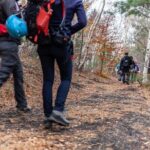
Comfort gear that you bring matters too. The tour’s guidance is clear: wear comfortable shoes or hiking shoes, bring sunscreen and water, and dress in weather-appropriate layers. High heels are a no, and the list of not-allowed items is strict: no pets, no alcohol or drugs, and no insect repellent.
If you want a real-world “don’t overthink it” approach to clothing, I’d follow what guests reported: bring warm layers for the top, plus a windproof layer. One review also mentioned that on-site the group was provided with a jacket and proper tracking shoes, but since that’s not guaranteed in the basic tour data, treat it as a welcome bonus rather than a plan.
Food, water, and the basic reality of a 5.5-hour day
Food and drinks are not included, so you’ll want to bring water and plan for snacks if you get hungry. You’ll be moving for a few hours at altitude, then spending time underground, which means you’ll likely feel it in your energy levels.
Here’s the practical travel mindset I recommend: pack what you’d want for a half-day hike in windy mountain air. If you get thirsty easily, bring a bit more water than you think you need. And if you know you’re sensitive to temperature changes, bring an extra layer that you can put on quickly before the cold wind hits.
Price and value: why $70 can feel fair if you want the full Etna package
At $70 per person for about 5.5 hours, the value comes from more than the walk itself. You’re paying for:
- pickup and drop-off from central Catania (so you don’t have to figure out transport)
- a live guide in English or Italian
- included hike support gear like walking sticks
- plus the lava tube helmet and flashlight experience
If your goal is to learn what you’re seeing—craters, lava flows, and Etna’s unique ecosystem—then a guided format helps. The reviews emphasize guides stopping often to explain the science and the living details, and that’s exactly the kind of “clarity payment” that makes a hike worth doing instead of just wandering a viewpoint.
If you’re the type who loves volcanoes but hates structured group pacing, you might question whether a half-day is the right fit. But for most people, this is a strong way to hit Etna’s highlights without losing a whole day.
Who this Etna trek is best for (and who should skip it)
This is a solid choice if you:
- want a guided introduction to Mount Etna’s geology and its living ecosystem
- like short but intense hikes with big photo rewards
- enjoy the idea of going underground into a lava tube with proper headgear
It’s not suitable for a long list of health and mobility concerns, including children under 5, people with back problems, mobility impairments, wheelchair users, heart problems, epilepsy, altitude sickness, high blood pressure, and motion sickness. If you’re sensitive to height, steep steps, or uneven surfaces, treat those limits seriously.
Also note the not-allowed list: high heels and pets are out, and there’s no mention of baby carriages being allowed. If you travel with kids or need extra accessibility support, it’s worth picking a different Etna option.
Booking advice: when to choose morning vs sunset
Pick morning if you want a more reliable start and you prefer learning with daylight as your main tool. You’ll still get crater views and the lava tube, and you’ll be back in Catania after the activity without the pressure of waiting for sunset.
Pick sunset if your priority is color and atmosphere. Just remember the real-world variable: wind and cloud cover can change what you see, and the tour duration can also shift due to unpredictable delays.
Either way, bring layers, water, and sturdy shoes. That’s the difference between a hike that feels exhilarating and one that feels cold and slippery.
Should you book the Etna morning or sunset trek with lava tube?
Yes, if you want the best kind of Etna experience: walking the volcanic terrain, learning what you’re seeing, and then stepping into the inside of a lava tube with helmet and flashlight. The structure—guided hike up to around 2100 meters, crater and lava viewing, then an underground visit—fits perfectly into a half-day plan from Catania.
I’d book it especially if you care about explanations, not just photos. The guides (including names like Andrea and Christopher in feedback) are described as engaging and attentive, and the tour includes the small gear pieces that make the experience safer and more comfortable.
Skip it if you know you can’t handle uneven ground, cold wind at altitude, or you fall into the listed medical limitations. Otherwise, this is one of the more direct, high-impact ways to experience Etna without turning your Sicily trip into a logistics puzzle.
FAQ
Where do I meet the guide in Catania?
Meet your guide in front of the McDonald’s in Piazza Borsellino, Via Alcalà 13–15, Catania.
How long is the tour?
The duration is listed as 5.5 hours.
Is pickup and drop-off included?
Yes. Pickup and drop-off from a meeting point in central Catania is included.
What’s the maximum altitude you reach?
The tour reaches a maximum altitude of approximately 2100 meters.
Do I get equipment for the lava tube?
Yes. The tour includes a helmet and a flashlight for entering the lava tube.
Are walking sticks provided?
Yes. Walking sticks are included.
Can I choose a morning or sunset start?
Yes. The experience offers an option for doing it in the morning or enjoying the views at sunset.
Is food or drinks included?
No. Food and drinks are not included.
What should I bring?
Bring comfortable shoes or hiking shoes, sunscreen, water, and comfortable clothes. You should also wear weather-appropriate clothing.
Is it suitable for young children or people with health issues?
It is not suitable for children under 5 years and it’s also not suitable for several conditions listed by the tour, including back problems, mobility impairments, wheelchair use, heart problems, epilepsy, altitude sickness, high blood pressure, and more.