Hot volcano sunsets are a Sicilian art.
This 5-hour Etna afternoon tour is built for views plus hands-on volcano moments: lava-flow caves with helmets and torches, crater walking at around 2,000 meters, and a sunset finish on Mount Etna. I especially like that you get hotel pickup from select stays in Catania, so you don’t burn time figuring out transport. Another highlight I like is the mix of nature and volcano talk as you walk, including how the landscape supports flora and fauna.
One thing to consider: you’ll be on your feet for a moderate hike. You’ll want decent footwear (trekking shoes aren’t included), and on very hot days, the transport can feel less comfortable since air conditioning isn’t a listed feature.
In This Review
- Key things that make Etna Sunset worth your time
- Etna Sunset timing: the 3:30 pm start that pays off
- Getting there from Catania without friction
- Stop 1 at Etna Est: Valle del Bove first, questions later
- The lava cave with helmets and torches: the moment you’ll remember
- Soft trekking through craters at around 2,000 meters
- Sunset finale: the best moment of the day (weather permitting)
- What you learn on the way: volcano history plus living nature
- What’s included (and what you must bring yourself)
- Price and value: why $68.26 can make sense here
- Who this tour fits best
- Should you book Etna Sunset?
- FAQ
- What time does the Etna Sunset tour start?
- How long is the tour?
- Is hotel pickup offered?
- Is a guide included?
- Is the lava cave part of the tour?
- Do I need to bring trekking shoes?
- What’s the fitness level required?
- What happens if the weather is bad?
Key things that make Etna Sunset worth your time
- Sunset-first planning: the route ends when the light turns dramatic, not when the itinerary runs out.
- Helmet + torch lava cave: you’re not just looking at Etna; you’re walking through a lava-flow cave experience.
- View over Valle del Bove: you get a viewpoint moment before you get underground.
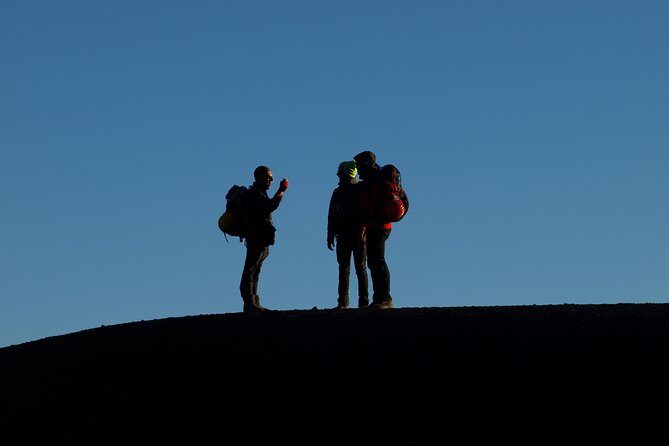
- Crater walking around 2,000 meters: a soft trek through ancient and more recent craters at elevation.
- Small group (max 20): easier conversation and less time waiting around.
- Guide experience varies, but the style stays interactive: people consistently praise guides like Emilia, Leonardo, Dario, Iorga, and Maurizio for clear, engaging explanations.
Etna Sunset timing: the 3:30 pm start that pays off
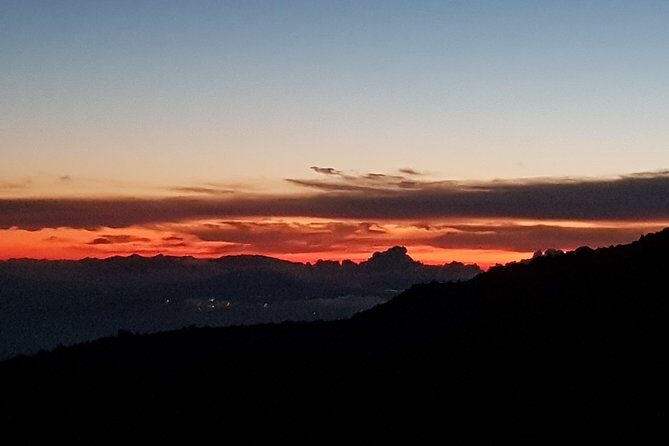
The tour starts at 3:30 pm and runs about 5 hours, which is a smart window on Etna. You avoid the full midday heat and crowds, while still giving yourself time for a real sunset on the mountain rather than a quick glance from the road.
This timing matters because Etna is the kind of place where light changes everything. Before sunset, you’ll see the volcano features you traveled for. Then the final hour shifts from geology 101 to something more emotional: long shadows, sharper contours, and that classic “this is not like anywhere else” feeling.
Also, this tour is popular. On average, it’s booked about a month in advance, which usually means the best dates (especially clear-weather ones) can go quickly.
You can also read our reviews of more evening experiences in Catania
Getting there from Catania without friction
The operator (Etna Est) offers hotel pickup and drop-off for certain hotels and B&Bs in Catania. That’s a practical advantage: you don’t have to coordinate meeting a bus on your own, and you don’t have to guess whether parking will be easy.
The maximum group size is 20, which helps the whole experience feel paced rather than rushed. A larger tour tends to turn into a line. This one is built for movement and conversation.
One small heads-up: you may be using group transport during hot weather. One participant specifically flagged that the bus lacked air conditioning on a day around 32°C. If you’re sensitive to heat, plan to bring water and consider a lightweight layer that you can manage easily.
Stop 1 at Etna Est: Valle del Bove first, questions later
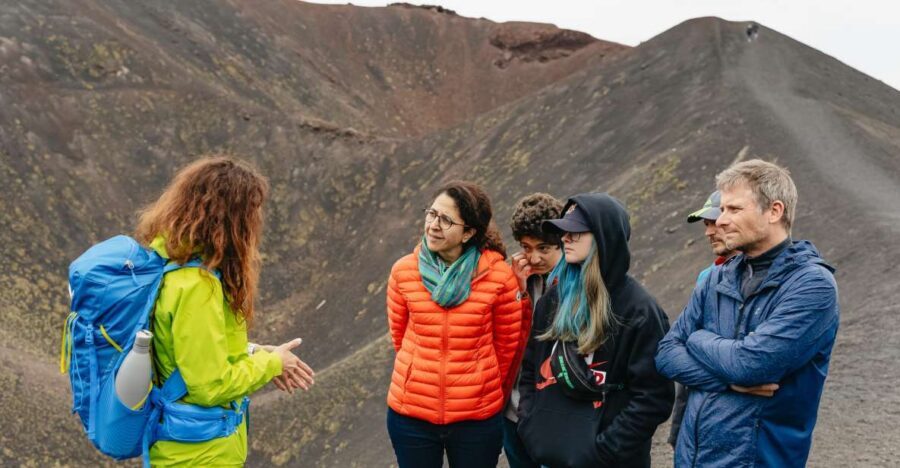
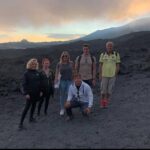
You start with pickup, then head out with a professional nature walking guide. One of the best parts of this structure is that you get explanation while you’re actively moving, not just at the start.
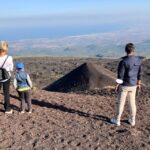
At the first viewpoint, you’ll admire Valle del Bove from above. This is a good move for first-time Etna visitors because it lets your brain connect the dots: you can look out across the volcanic area and then understand what you’re walking through later.
You’ll also hear how the highest volcano in Europe has evolved over time, with attention to flora and fauna—not just rock and lava. That’s what makes the tour feel more like a walk in a living environment than a geology lecture.
The lava cave with helmets and torches: the moment you’ll remember
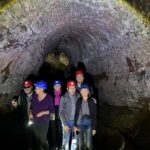
After the viewpoint, the tour shifts from looking to exploring. You’ll put on helmets and carry torches to visit a lava flow cave.
This is the signature activity of the afternoon. A cave changes everything. Even when you’re not afraid of enclosed spaces, the lighting and sound make it feel like a real adventure. You’re walking in a feature created by volcanic activity, and you’re doing it under controlled guidance and safety gear.
Why I like this part for your visit: it adds texture. It’s easy to take photos at a lookout. It’s harder to truly experience a volcano. A lava cave is the kind of stop that makes Etna feel personal.
Practical note: the tour doesn’t include trekking shoes. If you show up in flimsy sneakers or sandals, you’ll feel it here. Bring footwear with grip and enough support for uneven paths.
Soft trekking through craters at around 2,000 meters
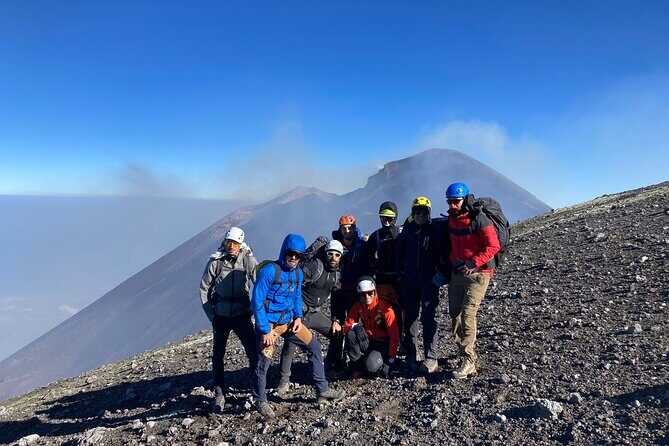
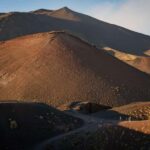
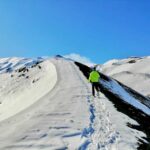
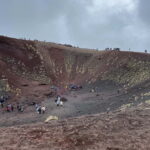
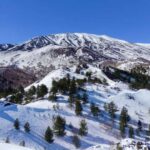
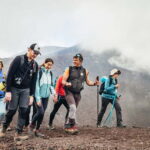
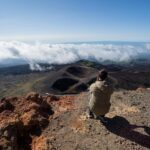
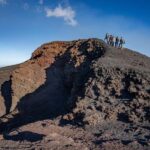
Next comes the walking section: a soft trekking through ancient and recent craters. You’ll reach around 2,000 meters above sea level, so expect cooler air than Catania, but also stronger wind exposure and changing conditions.
“Soft” here doesn’t mean “sit back and stroll.” It means you’re not doing an extreme mountaineering climb. You’re walking on volcanic terrain where the ground can be rocky, uneven, and sometimes dusty. The tour specifically asks for moderate physical fitness, so if you can do a 60–90 minute walk on uneven surfaces, you’re likely fine.
This is also where the small-group format helps. Fewer people means the guide can keep an eye on pace and answer questions without turning into a stopwatch.
Sunset finale: the best moment of the day (weather permitting)
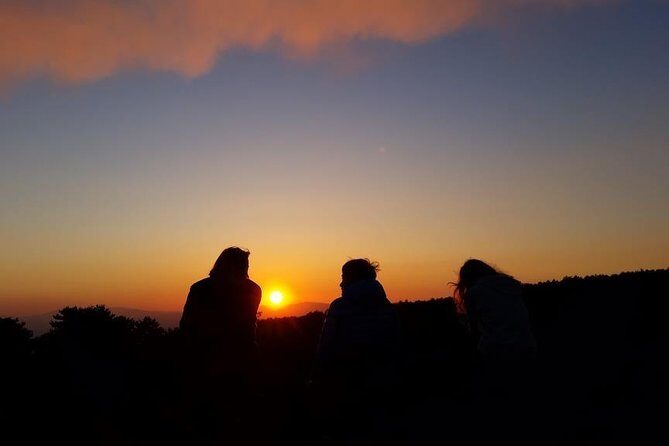
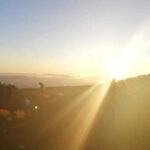
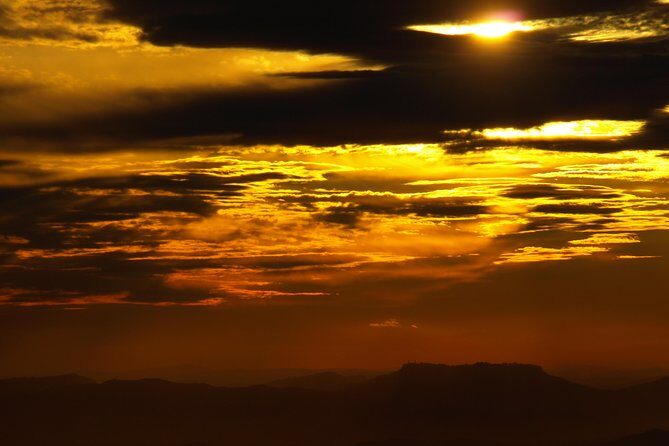
The tour ends with the best chance to enjoy the fascinating sunset from Mount Etna. This is the reason to book a late afternoon slot instead of doing Etna as a quick drive-by.
The cave, the craters, and the views all build toward that payoff. Once the light drops, the whole volcanic setting looks more dramatic. You get a visual recap of what you learned earlier: valleys, ridges, crater shapes, and the way volcanic rock forms the area you’re standing in.
Important reality check: this experience requires good weather. If conditions aren’t suitable, the tour can be canceled and you’ll be offered a different date or a full refund. If you’re flexible with dates, you’ll have a better chance of hitting a clear sunset.
What you learn on the way: volcano history plus living nature
A lot of Etna tours focus only on eruptions and rock types. This one includes more. Along the trail, the guide covers origins and the evolution of Etna, and ties that history to flora and fauna you can actually spot in the area.
You’ll also hear it explained in an engaging way. The guide experience is praised repeatedly, with specific names showing up in feedback:
- Emilia described as passionate, highly knowledgeable, and interactive.
- Leonardo called friendly and able to explain in English and Italian.
- Dario praised for teaching vegetation, landscapes, and the cave experience in a detailed, respectful way.
- Iorga noted for leaving a surprise at the end.
- Maurizio credited for geology plus cultural history, also in English and Italian.
I like that spread of focus because it makes the walk feel complete. You don’t just get a checklist of volcano facts. You get a sense of how people, animals, and plants deal with living next to a working volcano.
What’s included (and what you must bring yourself)
Here’s the practical side, so you can pack smart:
Included:
- Professional guide
- Hotel pickup and drop-off (selected hotels)
- Use of helmet
- Admission ticket free
- Mobile ticket (you’ll have it on your phone)
Not included:
- Food and drinks
- Trekking shoes
So plan to bring water and some snack strategy. Even though it’s only around 5 hours, you’ll be walking and climbing at elevation. If you’re heading straight from lunch, you might be fine; if you’re running on coffee alone, you’ll feel it.
Also, wear clothing you can adjust to changing light and wind. Sunset can cool things down quickly at higher altitude.
Price and value: why $68.26 can make sense here
The price is $68.26 per person for about 5 hours, and that includes more than a basic hike.
You’re paying for:
- a professional guide
- pickup/drop-off from select places in Catania
- helmet use
- access to the experience that includes the cave exploration
- free admission ticket
If you were to do Etna independently, you’d still need transport, local guidance, and safety gear for cave time. Even if you can find cheaper options, they often skip one of the big pieces (pickup, guide-led cave time, or a route designed to end with sunset).
At a 4.9 rating with 99% recommending it, the value story is pretty consistent: people feel the experience delivers what it promises.
Who this tour fits best
This is a strong match if you want:
- a half-day volcano plan that feels like an activity, not a drive
- a small-group experience
- an Etna stop that includes a lava cave and crater walking
- guides who explain geology and also connect it to nature and culture
It’s less ideal if you:
- hate uneven ground or have trouble with moderate hiking
- don’t want to be in an area where conditions depend on weather
- show up without proper footwear (because trekking shoes aren’t provided)
Kids are allowed, but children must be accompanied by an adult.
Should you book Etna Sunset?
If you’re short on time in Sicily but you want Etna to feel real, I’d book this. The combination of viewpoint, lava cave with helmet and torch, crater walking at elevation, and a sunset finale is exactly the kind of “worth the effort” day-trip mix that turns into a core memory.
The only real reasons to hesitate are practical: you’ll need moderate fitness, good shoes, and you’re trusting a good-weather window for the sunset. If that sounds manageable, this tour is one of the most straightforward ways to do Etna well from Catania.
One last tip: if you can, pick the date that gives you the best shot at clear skies. Etna is dramatic with clouds too, but your main goal here is the sunset payoff—and you’ll want the sky to cooperate.
FAQ
What time does the Etna Sunset tour start?
The tour starts at 3:30 pm and runs for about 5 hours.
How long is the tour?
Plan on approximately 5 hours.
Is hotel pickup offered?
Yes. Hotel pickup and drop-off are offered from selected hotels and B&Bs in Catania.
Is a guide included?
Yes, you’ll have a professional guide for the experience.
Is the lava cave part of the tour?
Yes. You’ll visit a lava flow cave using a helmet, and you’ll carry torches for the cave visit.
Do I need to bring trekking shoes?
Yes. Food and drinks aren’t included either, and trekking shoes are specifically not included, so you’ll want to come prepared with proper footwear.
What’s the fitness level required?
The tour says it’s for travelers with moderate physical fitness.
What happens if the weather is bad?
This experience requires good weather. If it’s canceled due to poor weather, you’ll be offered a different date or a full refund.