REVIEW · SICILY
Mt. Etna Trek: Explore the Highest Permitted Peaks – Tickets Inc.
Book on Viator →Operated by EtnaTribe · Bookable on Viator
Etna is the kind of place you feel. This Mt. Etna trek takes you toward Europe’s most famous active volcano, using a mix of cable car and on-foot hiking to reach the highest permitted altitudes. The small group size keeps things relaxed, while your expert guide helps you read what you’re seeing as the landscape turns volcanic fast.
I love that helmets and trekking sticks are provided, so you can focus on the hike instead of hunting gear. I also like that cable car tickets are included, which saves time and hassle.
One thing to consider: this is a moderate walking experience, and it needs good weather, so you’ll want to be prepared for changing conditions on the mountain.
In This Review
- Key points before you go
- Mt. Etna Trek With Highest Permitted Peaks: The real appeal
- Starting at Piazzale Rifugio Sapienza: where the day begins
- How the ascent works: cable car, optional 4×4, then hiking
- Stop-by-stop: Valle del Bove and the Silvestri craters
- Mount Etna: setting the context on active ground
- Valle del Bove: walking through a big volcanic “stage”
- Craters Silvestri: your peak crater-time moment
- Small group and an Alpine guide: why the human factor matters
- Safety gear that actually helps: helmets and trekking sticks
- Pace, fitness level, and what to wear for Etna’s conditions
- Price and value: what you get for about $126
- When the 4×4 option changes: staying flexible
- Who should book this Etna trek?
- Getting the most out of your day on Etna
- Should you book this Mt. Etna trek?
Key points before you go
- Small group (max 15) means less waiting and more guide attention
- Helmet + trekking sticks included for a safer, steadier climb and descent
- Cable car tickets included so you don’t scramble for timed entry
- Highest permitted altitudes with a professional Alpine guide
- 4×4 bus option exists for a higher option (~3300m), but it may depend on conditions
- Hike back down to around 2500m, then take the cableway back to the meeting area
Mt. Etna Trek With Highest Permitted Peaks: The real appeal
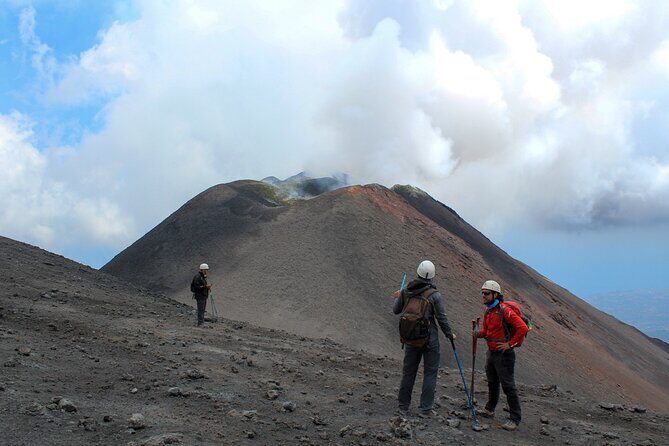
If you’re chasing views, Etna delivers. But what makes this trek worth your time is the approach: you’re not just looking from a viewpoint, you’re walking across volcanic ground with a guide who helps you connect the dots between what you’re standing on and how Etna behaves.
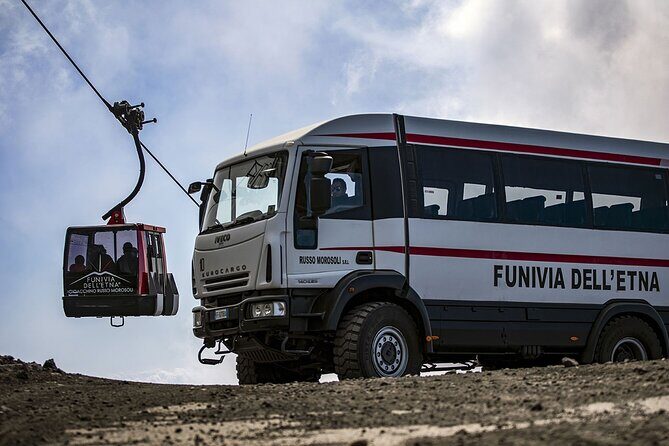
This tour is designed as a half-day outing at a manageable pace for regular walkers. You start at the Sapienza area, rise by cable car (and sometimes by vehicle for higher options), then hike down on foot with the cableway waiting at the end. It’s a good format when you want the volcano experience without losing an entire day to logistics.
You also get a built-in rhythm that works: climb, crater views, then descent. That matters because Etna is active and the ground is uneven. Done right, you’re not exhausted before you even see the dramatic parts.
You can also read our reviews of more tours and experiences in Sicily

Starting at Piazzale Rifugio Sapienza: where the day begins
Your meeting point is Piazzale Rifugio Sapienza, 95030 Nicolosi CT, Italy, and the tour starts at 10:00 am. The location is close to public transportation, which helps if you’re traveling from Catania and want an easy start.
I like that the day loops back to the same meeting point. You avoid the stress of figuring out how to get back down after your hike. On Etna, that’s not a small deal—conditions change, timing matters, and the calmer your end-of-day plan is, the more you enjoy the actual trek.
How the ascent works: cable car, optional 4×4, then hiking
The plan generally follows two phases.
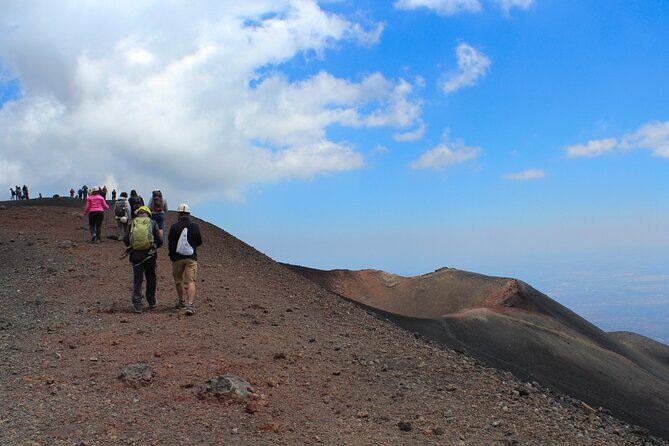
First, you ride up to the higher zones by cable car, which keeps the day efficient and gives you big views without spending your legs on the easiest part of the climb. Second, there’s a higher option that can include a 4×4 bus (especially for an around 3300m starting point). After that, you hike from the higher area toward the craters and return down on foot to about 2500m, where the cableway takes you back.
Why this mix is smart for most people: it breaks the effort into chunks. Cable car handles the steepest vertical lift, and your feet focus on the volcanic terrain where you actually want to explore.
Stop-by-stop: Valle del Bove and the Silvestri craters
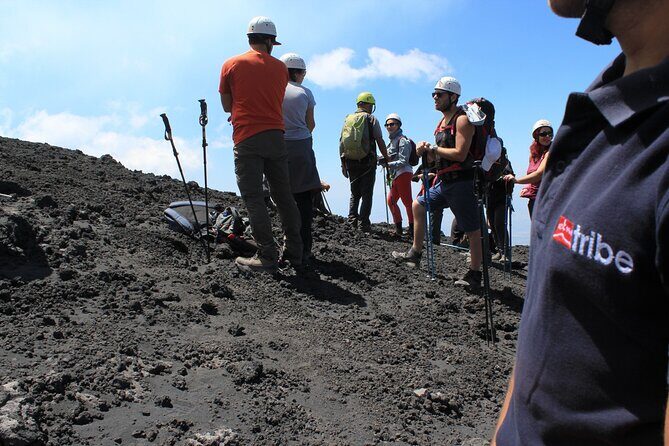
You’ll hit three main stops during the trek, and each one has a different feel.
Mount Etna: setting the context on active ground
The first stop is where you’re essentially briefed and oriented in the Etna setting. This is the moment to get your footing mentally, not just physically. Your guide is there to explain what you’re seeing as the volcanic activity shapes the terrain around you.
Etna can look otherworldly even when you’re close to civilization. The value here is learning how to interpret it while you’re actually there, not after the fact.
You can also read our reviews of more hiking tours in Sicily
Valle del Bove: walking through a big volcanic “stage”
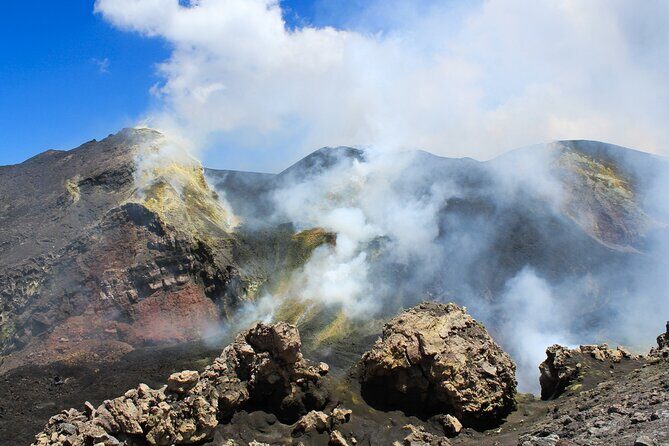
Next comes Valle del Bove, an iconic volcanic depression on Etna. This is where the scale starts to hit you. The terrain opens up, and you can better understand how Etna’s eruptions have built and reworked the mountain over time.
A drawback to watch for: even if the walking is moderate, volcanic ground can be rocky and uneven. That’s why the included trekking sticks are a practical win—use them early, especially on the descent.
Craters Silvestri: your peak crater-time moment
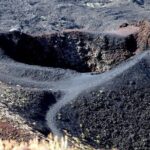
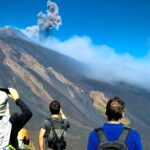
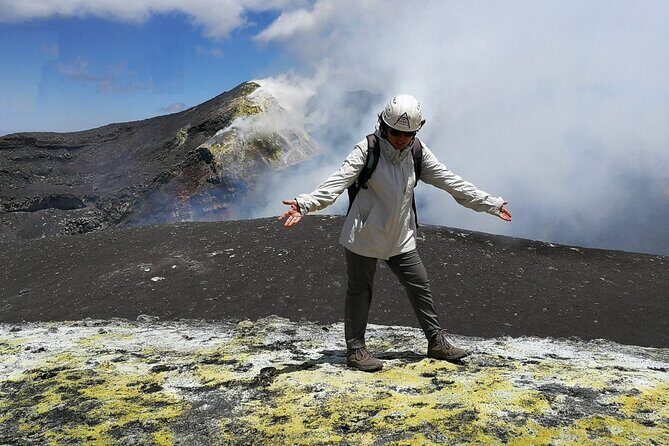
Finally, you reach the Craters Silvestri, one of the reasons people come to Etna. This is the part that feels most dramatic because you’re close to the crater area at permitted altitudes, where the views and the volcanic texture are at their strongest.
This is also the segment where you’ll want to follow safety guidance closely. Helmet use is part of the kit for a reason, and you’ll get the most out of the experience when you treat the crater zone as a working volcanic landscape, not a casual sightseeing stop.
Small group and an Alpine guide: why the human factor matters
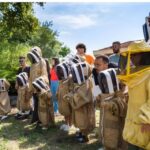
This tour caps at 15 travelers, which is one of the best features. On Etna, group size affects more than comfort. Smaller groups mean you’re less likely to stretch out on uneven paths, and you’re more likely to get help when you need it.
Guide quality is also a big part of the value. One name that shows up in feedback is Edo. People describe Edo as passionate about Etna and good at explaining what you’re seeing, which is exactly what you want when you’re hiking on a living volcano.
If you’re the type who likes the story behind the scenery, this setup fits you well. You’ll spend less time “watching other people” and more time understanding what you’re stepping on.
Safety gear that actually helps: helmets and trekking sticks
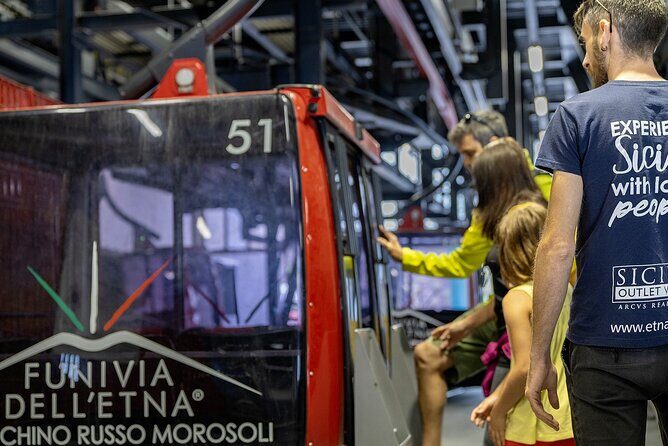
You get a helmet and trekking sticks as part of the experience. That’s not just a nice extra. On volcanic terrain, a helmet is about protecting you from the hazards of the environment, and sticks can reduce stress on knees and ankles during rocky descents.
One practical tip: use your sticks on the way down whenever the ground gets loose or uneven. It’s easy to save effort by stepping carefully, but on Etna you’ll feel it in your legs if you ignore the terrain.
That said, I’ve also seen one reported situation where some trekking poles were in bad shape. I can’t say that’s standard for every departure, but I do suggest a quick check when you’re handed gear: the tips should be secure and the straps should make sense for your grip.
Pace, fitness level, and what to wear for Etna’s conditions
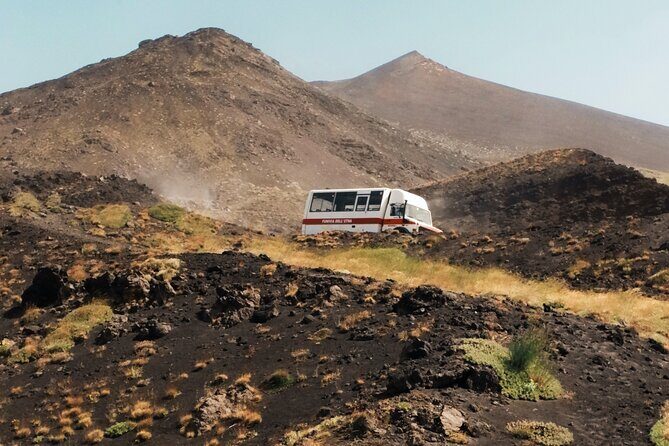
This is recommended for a regular walker with moderate physical fitness. Expect uneven ground and a real descent. Even when the tour is only about four hours, volcanic hiking doesn’t feel like a city park stroll.
For clothing, plan like you’re hiking in a place with fast-changing conditions. Bring layers, wear closed-toe shoes you can trust on rock, and keep something warm for when you’re at altitude. Good weather is required, but temperature swings can still happen when you’re higher up.
Also, bring a plan for your energy. Lunch isn’t included, so if you’re the type who needs fuel, grab something before you meet or bring a simple snack you can eat during the gaps.
Price and value: what you get for about $126
At $126.16 per person, the big value isn’t only that you’re on a guided volcano trek. It’s the stuff that would cost extra or eat time if you had to arrange it yourself.
Included items you should treat as part of the price:
- Tickets (including the cable car component)
- Insurance
- Trekking sticks
- Helmet
That combination lowers the mental load. Instead of coordinating transport, tickets, and gear separately, you show up and hike. In my book, that’s what makes this price feel reasonable for a half-day in a place with real safety and altitude factors.
What’s not included:
- Lunch
So the value equation depends partly on how you handle food. If you skip a meal and get lightheaded on a descent, your “moderate” hike can feel harder than it needs to.
When the 4×4 option changes: staying flexible
The tour description includes an optional combo that can involve cable car plus a 4×4 bus for the higher 3300m option. That’s a great idea in theory because it can shorten the hardest parts.
In real life, active volcano conditions can lead to last-minute safety changes. One reported experience described the 4×4 portion being removed close to departure, turning the day into more walking than expected. The tour concept still worked as a trek, but it changed the effort.
So here’s how to keep this experience smooth:
- If you see the 4×4 option in your plan, ask at check-in whether it’s confirmed for your date.
- If it’s not, adjust your mindset early. You’re still going to see the crater area and hike back down.
Even if your plan stays the same, this is the kind of place where “flexibility” isn’t a personality trait—it’s just smart travel.
Who should book this Etna trek?
This tour fits best if you:
- Want a guided walk on a live volcano, not just a bus tour or a quick viewpoint stop
- Enjoy geology explanations and want the crater experience with context
- Prefer a small group and a clear half-day structure
- Are a regular walker who can handle uneven ground and a descent
It may be less ideal if you:
- Don’t enjoy hiking on rocky terrain
- Want a fully seated day (this is still a trek)
- Need lunch provided in the tour price
Getting the most out of your day on Etna
A few things that improve the experience fast:
- Arrive with comfortable shoes and layers. You’re going to feel altitude and shifting weather.
- Use your helmet and sticks right away. Don’t wait until you’re already tired.
- Take breaks when your guide suggests them. The crater area is the payoff—save energy for it.
- If you’re traveling with camera gear, keep it secure. Wind and uneven steps can make “quick photos” riskier than you’d think.
Should you book this Mt. Etna trek?
I’d book it if you want a guided Etna day with safety gear, small-group attention, and built-in cable car tickets. The structure is efficient, the difficulty is moderate, and the crater-focused itinerary is exactly what you came for.
The only real reason to hesitate is if you’re sensitive to hiking on rough ground or you’re worried about weather-driven changes. If that sounds like you, plan to be flexible and treat the day as a guided experience with conditions on a living volcano.
If you’re comfortable with moderate walking and want an authentic look at Etna’s higher zones, this is a solid choice for a half-day adventure.