REVIEW · SICILY
Etna Bike Tour – Cycling in Sicily
Book on Viator →Operated by Cycling Sicily · Bookable on Viator
Etna on a bike is one of those plans that feels slightly unreal until you’re climbing and the volcano is right there. This tour is built for road riders who want a guided line up Mount Etna without the map stress, with a small group limited to eight. I especially like the route structure (warm-up, then a real climb), and the fact you’re on a full carbon road bike with pedal options so you can settle in fast. One thing to consider: it’s not a casual spin—this ride needs moderate fitness and steady climbing effort, and the pace may feel tough if you’re expecting easier gearing.
You start from Giardini Naxos, set up the bike, and go through the day’s plan before you roll. You’ll climb through lava-country towns and roads used by locals, then hit the big final ascent known as the Slope of Bartali & Coppi before you turn for the downhill. If you’re the type who wants frequent fueling stops, plan to bring your own snacks—some riders found the day’s water stops weren’t quite enough.
In This Review
- Key Things to Know Before You Ride Etna
- Why Riding Up Etna Feels Different Than Any Other Sicily Day
- Start Point in Giardini Naxos: Getting Ready Like a Pro
- Warm-Up Toward Catania: The First 5 km Sets the Tone
- Above Fiumefreddo di Sicilia to Piedimonte Etneo: Climbing Through Lava-Country
- The Etna Wine Road to Rifugio Citelli: Bartali & Coppi Is the Big Moment
- Downhill Back to Naxos: When Your Legs Finally Breathe
- Value and Fit: Who This Tour Really Works For
- Road Bike Setup: Carbon Bikes Are Great, but Gearing Matters
- Weather, Timing, and What to Wear
- Should You Book the Etna Bike Tour?
- FAQ
- FAQ
- How long is the Etna Bike Tour?
- Where does the tour start?
- Is the tour offered in English?
- What is the group size limit?
- What’s included in the price?
- What is not included?
- Is the tour dependent on weather?
- Can I cancel for a full refund?
- When will I receive confirmation after booking?
Key Things to Know Before You Ride Etna
- Small group of up to 8 keeps the pace controlled on long climbs
- Guided route means you focus on breathing and legs, not navigation
- Full carbon road bike + helmet removes a big logistics headache
- Key climb segment (Bartali & Coppi) takes you from about 827 m to 1750 m
- Fresh water stops include filling bottles with volcanic mineral water
- Gearing may be a factor if you’re sensitive to high pedal resistance
Why Riding Up Etna Feels Different Than Any Other Sicily Day
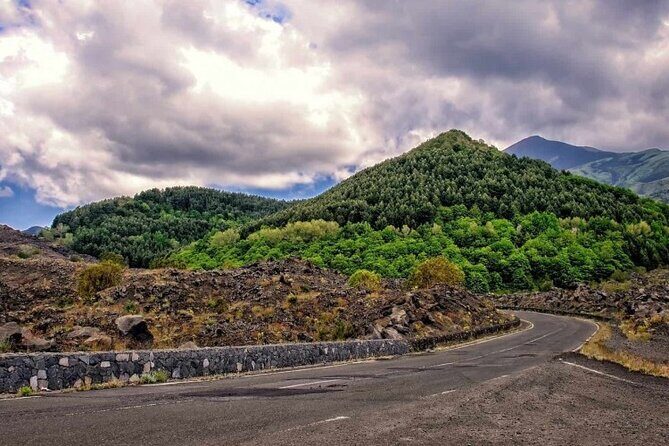
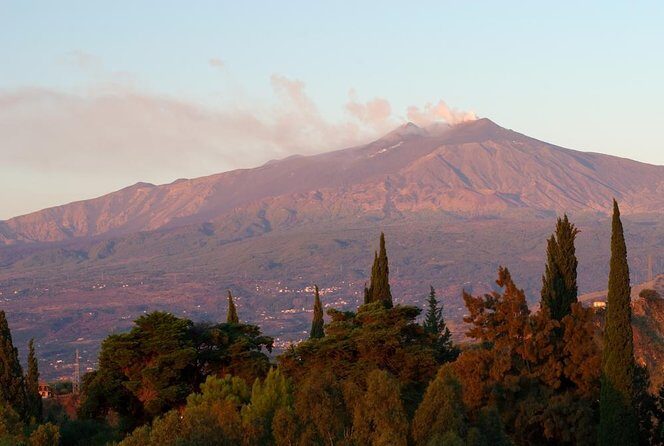
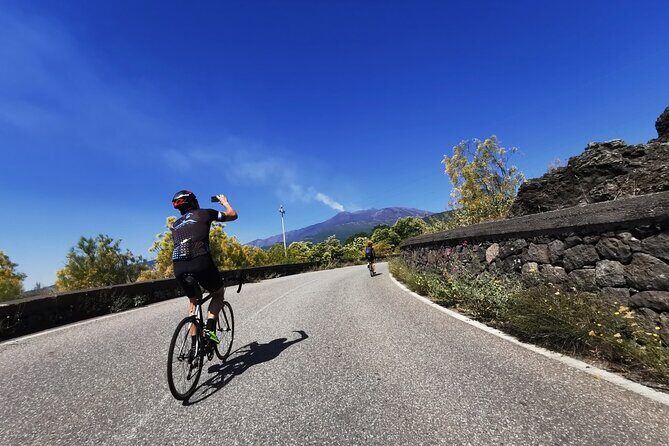
Mount Etna is dramatic from the road, sure. But cycling turns it into a working, breathing experience. One moment you’re warming up on lowland roads near Catania; the next you’re grinding toward the Rifugio area with the slope turning into pure effort. That change is exactly why this tour works: you get a rhythm, and the guide keeps you moving as a unit.
I also like that the day is designed like a real road outing, not a sightseeing bus with bikes. The plan builds from an initial climb and a soft hill, then climbs again above Fiumefreddo di Sicilia and into Piedimonte Etneo, then saves the bigger ask for later. On a volcano, that timing matters—you want your legs ready for the final ascent, not cooked before it begins.
The main trade-off is effort. This is for people who are comfortable staying in motion for hours and climbing for long stretches. If you’re hoping for a mostly flat cruise with big views in between, you’ll feel the grind.
You can also read our reviews of more cycling tours in Sicily
Start Point in Giardini Naxos: Getting Ready Like a Pro
Your morning begins at the meeting point on Via Recanati, 26 in Giardini Naxos. It’s set up so you arrive, get bikes sorted, and talk through what you’ll do before the first pedal stroke. That short pre-ride meeting is more than friendly admin—it helps you avoid the classic first-10-minutes problem where everyone is adjusting and nobody is warmed up yet.
Bikes are provided, including a full carbon road bike and a helmet. You also get pedal options (flat style is listed), plus setup details with recognizable brands included in the equipment description (Shimano and Look are mentioned). For road riders, that’s a big value point: you don’t need to hunt down a rental shop, and you’re not stuck on an unfamiliar bike during the toughest part of the climb.
One practical note: the tour ends back at the start. That’s simple, but it also means you should plan your post-ride food and transit around a return to Giardini Naxos rather than trying to tack on extra stops mid-day.
Warm-Up Toward Catania: The First 5 km Sets the Tone
After setup, you head toward Catania for about 5 km in a lowland area. The goal here is not to attack the climb—it’s to wake up muscles and get acquainted with road bikes and their feel. That warm-up section is helpful for anyone who has been off the bike for a while or who’s new to longer climbs.
Then comes a soft hill for about 5 km with gradients roughly in the 5% to 10% range. It’s not gentle, but it’s manageable. This is where you learn how your legs will behave once you settle into a climbing cadence.
If you tend to go out too hard early, this part is your warning sign. The tour’s best experience comes when you treat the first climb like preparation. Save your big push for later, especially before the final ascent.
Above Fiumefreddo di Sicilia to Piedimonte Etneo: Climbing Through Lava-Country
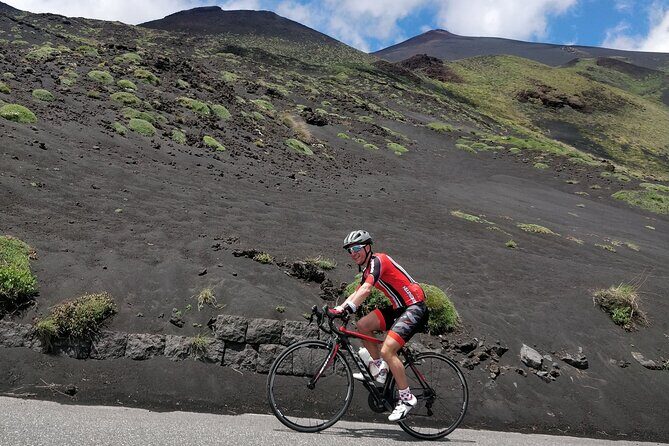
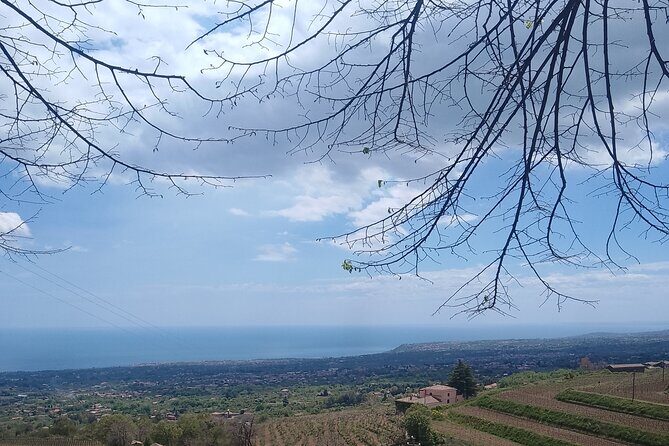
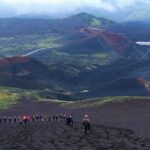
Once you finish the first tough push, the ride moves above Fiumefreddo di Sicilia and heads up toward Piedimonte Etneo. This is where the terrain starts to feel more “volcano-specific” and less like a normal hill. The route is described as taking you up to a town built on an ancient lava flow on the northeastern face.
As you move through this section, you build elevation steadily. The numbers help you picture the workload: after about 10 km, you’re at roughly 350 meters of elevation gain—but you’re not done yet. Even after completing about 18 km and around 800 meters D+, you still face the day’s main challenge.
What makes this segment valuable is the mix of steady effort and setting context. You’re not just climbing into fog; you’re riding roads that connect real communities, so the day feels grounded. And because you’re guided, you get a smoother line through the route rather than bouncing between turns while trying to read signs.
A possible drawback here: road conditions can vary on Sicily routes. One rider noted a couple of spots where surfaces weren’t perfect. It’s not a reason to avoid the tour, but it’s a reminder to ride attentively—especially as you get tired and start over-focusing on the road.
The Etna Wine Road to Rifugio Citelli: Bartali & Coppi Is the Big Moment
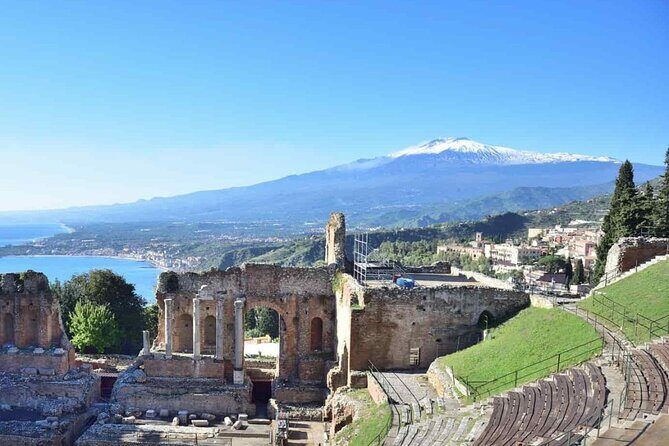
By the time you reach the Mount Etna Wine Road, the ride has shifted from “climb and learn” to “climb and earn.” This portion runs along the northern slope, and it’s also where you’ll pause to do something practical: fill bottles with fresh volcanic mineral water before the last major ascent.
That water stop matters more than it sounds. On a volcano climb, you’re working hard and you can burn through fluids faster than you expect. Plus, having a scheduled moment to refill takes the guesswork out of hydration strategy.
Then comes the headline: the last big ascent, called the Slope of Bartali & Coppi. The description is clear about the stakes: you start around 827 m and climb up to about 1750 m, reaching Rifugio Citelli.
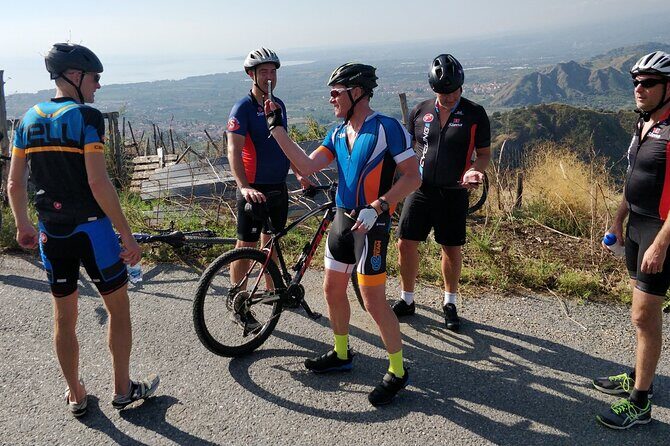
This is where the small group size earns its keep. A group limited to eight riders keeps the pace steady and avoids the long gaps that can happen when faster riders disappear. Guides also matter here. Multiple guides are named across rider feedback (including Marco, Luigi, Leonardo, and Enrico), and the common thread is patience—holding the ride together so slower riders aren’t left alone on a major climb.
You may notice differences between riders’ experiences based on bike gearing. One rider pointed out that the bike they had used a semi-compact chainring with a cassette that wasn’t especially easy for them. If you’re concerned about steep-grind comfort, it’s worth asking the team ahead of time how they set up your bike’s gearing and what options they can provide. Better gearing can turn a painful grind into a controlled effort.
Downhill Back to Naxos: When Your Legs Finally Breathe
After reaching Rifugio Citelli, the plan turns downhill. This is the payoff moment: you’ve done the hard work, and now the road gives you a chance to recover without stopping. Downhill on a road bike also means focus. Your legs may feel better, but your hands and braking feel become the priority.
The ride is described as ending back at the meeting point in Giardini Naxos, and many riders mention a longer descent experience after coffee and cake at the top. So expect the day’s energy to shift: climb strain gives way to the sensation of speed, wind, and relief.
One caution from practical road-riding logic: even when you’re excited to coast, don’t relax your scanning. Tour groups can meet other traffic, and one rider noted a couple of tour buses and some road-surface issues during the day. Guides should handle route flow, but you’re still sharing roads.
Value and Fit: Who This Tour Really Works For
At $162.03 per person for a roughly 4-hour outing, the price is best understood as buying three things at once:
- A private guide who controls pace and route so you don’t spend the day managing navigation
- A full carbon road bike + helmet, so you’re not paying separate rental fees or riding an unfamiliar setup
- A small group cap (8 riders) that helps keep everyone moving together
If you’re staying in the Giardini Naxos area and you want one high-impact Etna experience without organizing logistics yourself, this is strong value. It’s also offered in English, and the mobile ticket format helps reduce paperwork headaches.
Who should go:
- You have moderate physical fitness and you can handle repeated steep sections
- You ride a road bike already (or you’re comfortable learning quickly)
- You like guided rides where the challenge is the attraction
Who might hesitate:
- You want lots of frequent long snack breaks (this is more water and rhythm than a long picnic plan)
- You’re easily discouraged by steep grades or you need very easy gearing
- You’re sensitive to heat on climbs (the day can be hot; one rider described 91°F/32°C conditions)
Road Bike Setup: Carbon Bikes Are Great, but Gearing Matters
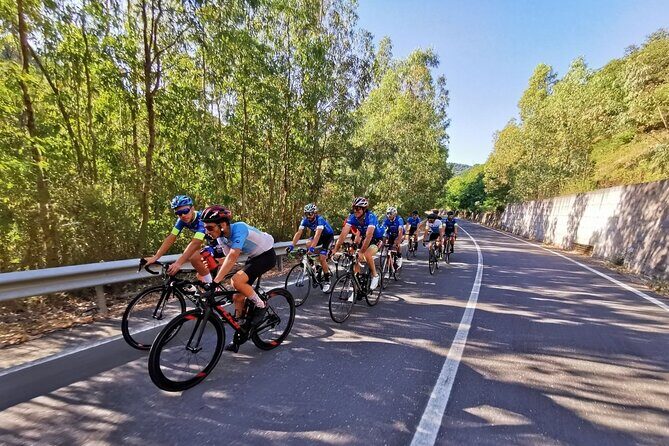
This tour includes a full carbon road bike, plus a helmet and listed pedal systems. That’s excellent for comfort and performance, especially on long climbs and long descents. But a carbon bike won’t fix one thing: how hard it feels when you hit steep grades.
One rider’s main critique was mechanical fit for their climbing style: a semi-compact chainring and a cassette that didn’t make pedaling as easy as they wanted. That doesn’t mean the bike is wrong. It just means not every rider’s preferred gearing matches every setup.
If you’re planning for success, do this:
- Tell the team during bike setup that you’re comfortable climbing at a certain speed, and ask if your gearing can be adjusted
- Be honest about your pace. The ride works best when the guide and the group match the climb intensity
Also, one rider suggested setting expectations around pace—aiming for roughly 6–10 km/h average helps keep the day from dragging longer than planned. Translation: if you expect to ride slower than that, tell your guide so they can manage the group and timing.
Weather, Timing, and What to Wear
This experience requires good weather. If conditions aren’t right, you’ll be offered a different date or a full refund. That’s a fair rule for a volcano climb where visibility, road conditions, and rider safety all matter.
Timing-wise, the tour runs within stated opening hours of 9:00 AM to 1:00 PM. The actual ride length is listed as about 4 hours, but riders also note the day can stretch depending on pace and regrouping. That’s why showing up ready to ride matters.
Wear breathable road cycling gear and bring something you can tolerate for a long climb. If you run out of energy, it shows late. And since you may not get long fueling stops, plan to carry your own snacks.
Should You Book the Etna Bike Tour?
I’d book it if you want a guided, road-bike-focused Etna morning with a real climb and a small group. The combination of eight riders max, carbon bike, and a guide who keeps things organized is exactly what turns Etna into an experience you remember for the climb itself, not the logistics.
Skip it or think twice if your plan is mostly scenic casual biking. This is a grindy ride with a named final ascent, and it’s best for people who can handle steep grades without expecting frequent long rest stops.
If you’re on the fence, here’s the simplest deciding question: can you ride steadily uphill for long stretches without panic? If yes, this tour is a great match for you.
FAQ
FAQ
How long is the Etna Bike Tour?
It runs for about 4 hours (approx.).
Where does the tour start?
The start point is Via Recanati, 26, 98035 Giardini Naxos ME, Italy, and the activity ends back at the same meeting point.
Is the tour offered in English?
Yes, the tour is offered in English.
What is the group size limit?
The tour has a maximum of 8 travelers.
What’s included in the price?
Inclusions are a private guide, a full carbon road bike, a helmet, and pedals (flat pedal types are listed, with Shimano and Look referenced in the equipment details).
What is not included?
Private transportation is not included.
Is the tour dependent on weather?
Yes. It requires good weather, and if canceled due to poor weather, you’ll be offered a different date or a full refund.
Can I cancel for a full refund?
Yes. You can cancel up to 24 hours in advance for a full refund.
When will I receive confirmation after booking?
Confirmation is received within 48 hours of booking, subject to availability.