REVIEW · CATANIA
Catania, Isole Ciclopi: Snorkeling Trip
Book on GetYourGuide →Operated by Etna and Sea Excursion · Bookable on GetYourGuide
A volcanic coastline at snorkeling depth is a rare treat. This Catania trip mixes underwater lava scenery off Aci Castello with a protected marine reserve around Isole Ciclopi, so you get both geology and sea life in one short outing. I especially love the chance to watch columnar basalt and other lava shapes up close, and I like that the guide explains what you’re seeing with marine-biology type knowledge. One thing to plan for: even though the full outing runs about 2.5 hours, the actual time in the water can feel closer to an hour depending on conditions and the day.
You’ll meet your guide, get fitted with snorkeling gear for your size, and get a safety briefing before heading to the coast entry points (and possibly boat-assisted spots). Afterward, you’ll rinse off with a hot shower and warm up with hot tea and Grandma’s biscuits, which is a nicer payoff than it sounds.
In This Review
- Key things that make this snorkeling trip worth your time
- Volcanic snorkeling off Aci Castello and Isole Ciclopi
- Your 2.5-hour rhythm: check-in, gear, and a real safety briefing
- Where you’ll enter the water: rocky coast and easy access points
- The underwater show: basalt columns, rope lava, and pillow lava
- Protected marine area spotting: the fish-and-barnacle kind of magic
- Guide energy and languages: what it means for your comfort
- After the snorkel: hot shower, tea, and Grandma’s biscuits
- Price and value: what you’re actually paying for
- The main practical consideration: timing can feel shorter than expected
- Who should book this snorkeling trip in Catania?
- Should you book: my straight answer
- FAQ
- How long is the snorkeling trip?
- Where does the snorkeling happen?
- What’s the price?
- What’s included in the tour?
- What do I get to help me snorkel?
- What marine sights should I expect?
- What languages are available?
- Is there an audio guide?
- Is it wheelchair accessible?
Key things that make this snorkeling trip worth your time
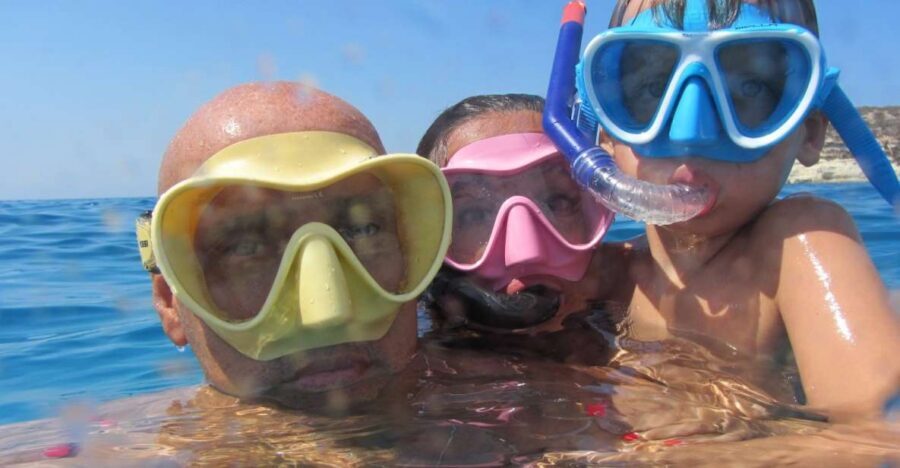
- Volcanic formations in action: see columnar basalt, rope lava, and pillow lava underwater.
- Protected sea area: more likely to spot colorful fish and marine life near the Isole Ciclopi reserve.
- Guide-led marine spotting: you’re not just drifting around; you learn what you’re looking at.
- Small comfort touches: hot shower, hot tea, and Grandma’s biscuits after you get out.
- Multiple languages covered: Italian, English, French, Spanish, Portuguese, plus audio guide options.
Volcanic snorkeling off Aci Castello and Isole Ciclopi
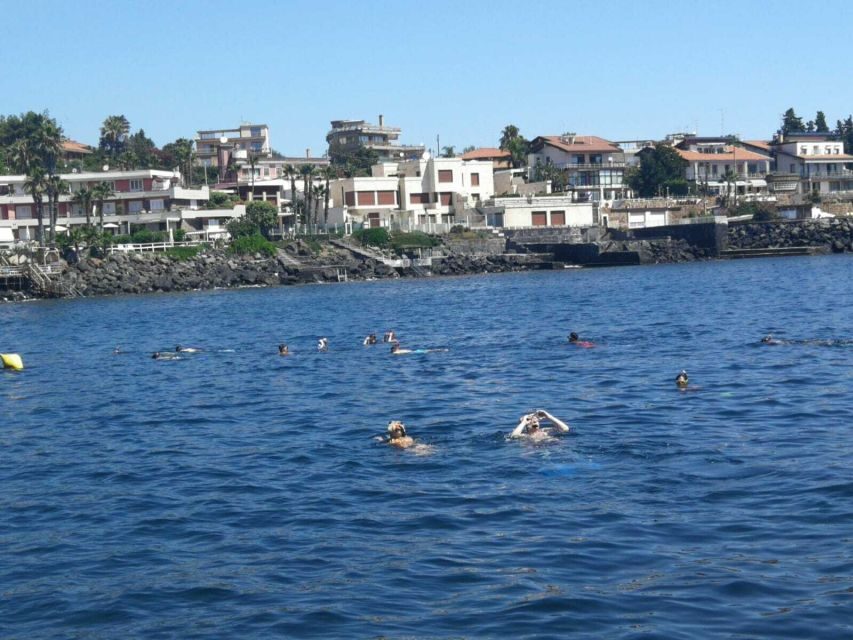
If you’ve ever stared at Sicily’s black volcanic rock on land and wondered what it looks like below the surface, this is your answer. The Gulf of Catania is full of volcanic leftovers, and off Aci Castello you can snorkel right along rocky coasts and nearby protected waters. The star of the show is Isole Ciclopi (Aci Castello), a marine area meant to protect wildlife, where the sea life tends to be more abundant and varied than in heavily used spots.
The best part for me is the mix. Some trips are mostly about seeing coral-like life. This one pairs that with geology you can actually recognize underwater: the columnar formations that look like stacked pipes, plus different lava textures that formed in earlier eras. It’s the rare “wow” moment that hits both your camera and your brain.
You can also read our reviews of more snorkeling tours in Catania

Your 2.5-hour rhythm: check-in, gear, and a real safety briefing
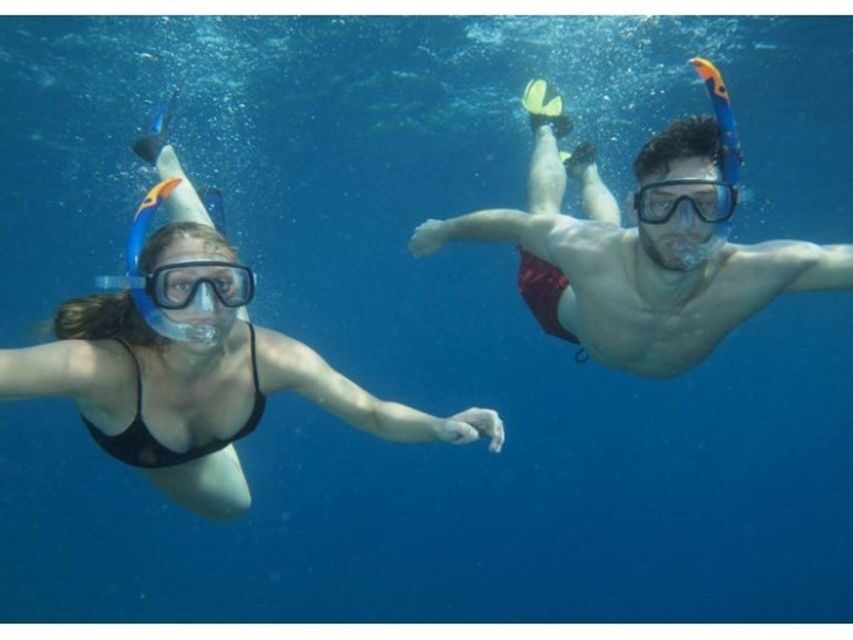
This is a short outing, planned to fit a day in Catania without eating half your schedule. You meet your guide at the starting point for a quick check-in. Then you’ll get snorkeling equipment matched to your characteristics, followed by a briefing on how to use everything correctly and how to stay safe in the water.
That matters more than people think. When you show up with the wrong mask fit or the wrong comfort level on fins, the experience gets harder fast. The setup here is built around making the gear usable for you, not just handing you equipment and hoping for the best.
From there, your guide gives context about the coastline’s flora and fauna. Even before you enter the water, you’re mentally primed to look for specific types of marine life instead of just scanning for movement.
Where you’ll enter the water: rocky coast and easy access points
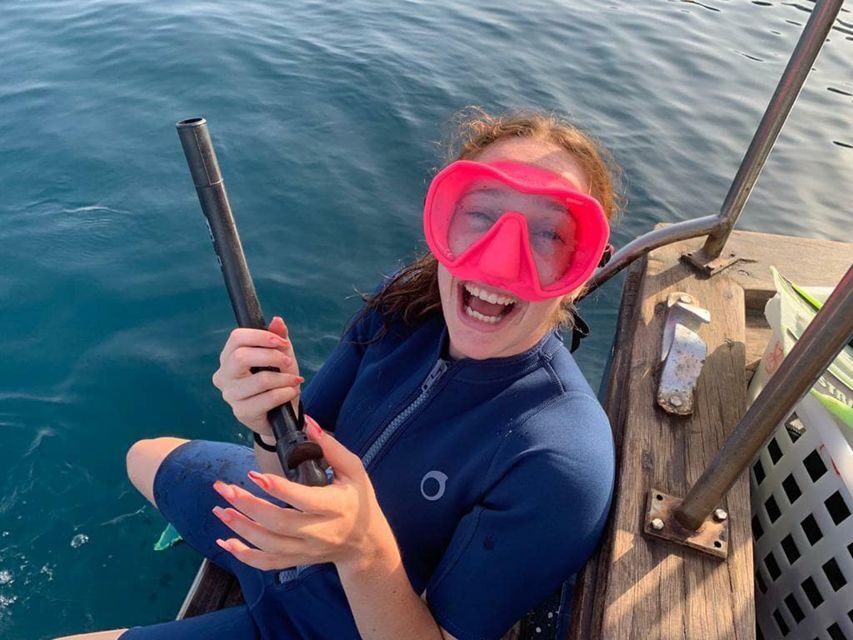
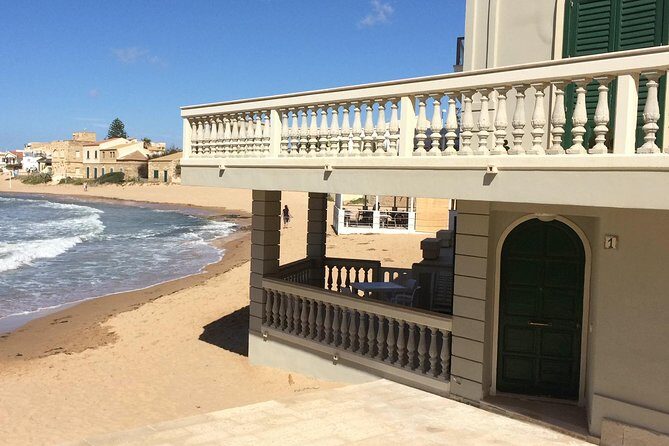
Once you head to the rocky volcanic coastline in Aci Castello, you’ll find snorkeling-appropriate spots. Some areas are accessible directly from the coast, which is great if you want fewer steps between “I’m ready” and “I’m in the water.” Other entry options may use boats, depending on the day and the best places for visibility and conditions.
Either way, the goal is simple: give you access to the volcanic underwater scenery without turning the day into a complicated logistics puzzle.
In practice, this is the kind of trip that works for most skill levels, because it’s organized around reachable entry points and guide support. You don’t need fancy training to enjoy it, but you do need to pay attention during the briefing and take direction from your guide once you’re near the water.
The underwater show: basalt columns, rope lava, and pillow lava
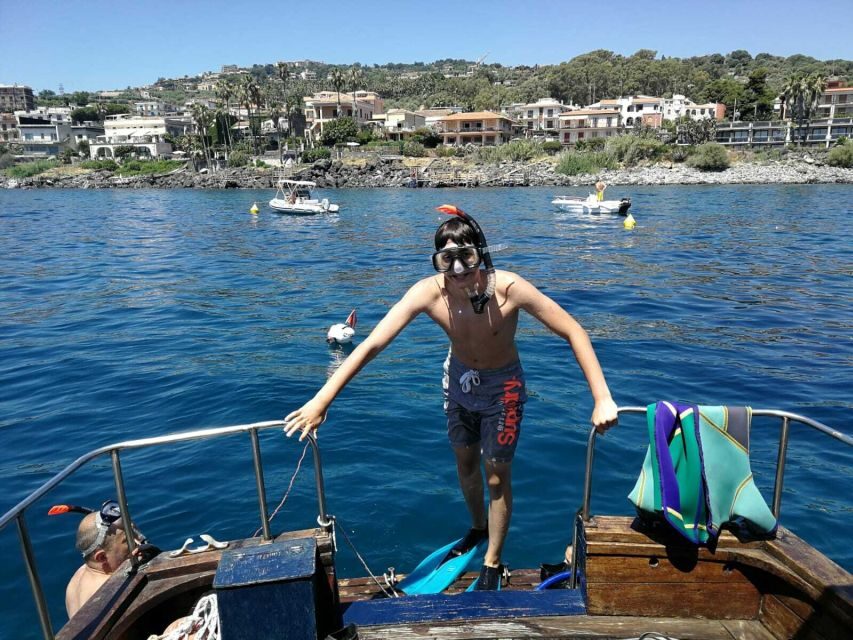
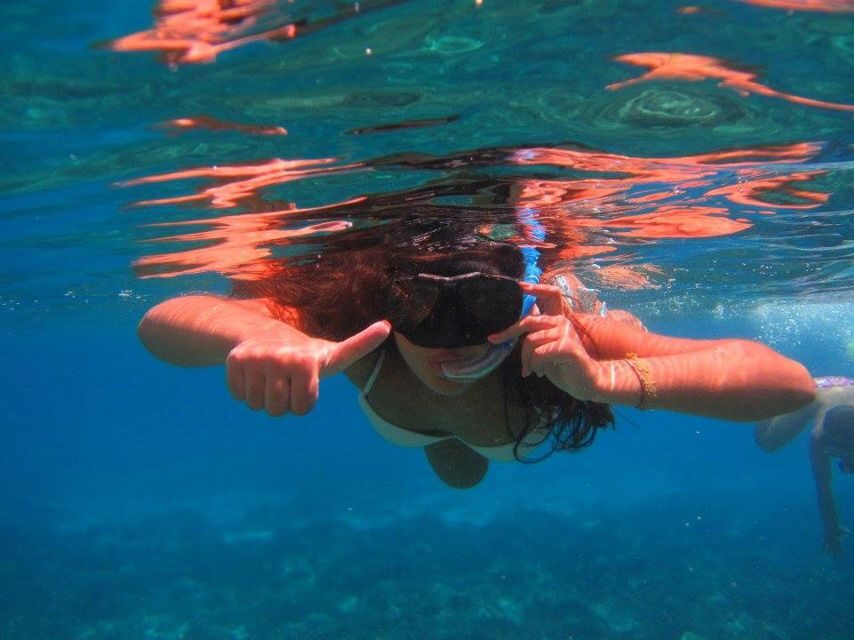
When you start snorkeling, the underwater scenery is the main event. You’re looking at volcanic formations shaped by past lava flows and volcanic activity. Off Aci Castello, the guide points you toward recognizable features like columnar basalt, which forms when cooling lava contracts in columns. The effect is strange and satisfying—like you’re swimming alongside natural concrete pipes.
You may also see rope lava, which creates twisted, cord-like shapes in hardened lava, giving the seafloor a braided look. Another formation you can encounter is pillow lava, created when lava erupts underwater and cools rapidly into rounded, cushion-like shapes. Together, these textures make the seabed feel less like a flat bottom and more like a sculpted surface.
Here’s a tip for getting the most out of the “volcanic” part: slow down and watch. If you rush, everything looks like dark rock. If you float and let the guide point, you start to see patterns—columns in clusters, textures repeating, and little shelves where marine life often collects.
Protected marine area spotting: the fish-and-barnacle kind of magic
On top of the geology, you’re snorkeling in and around a protected marine area of Isole Ciclopi. That’s not a marketing slogan. Protection typically means the ecosystem has more breathing room, so your chances of spotting colorful sea life improve.
Your guide, who’s an expert in marine biology, helps you connect the dots between what you see and why it’s there. You get a description of the flora and fauna that characterize the coastline, and then you’re guided to look for it underwater.
One highlight I’d specifically watch for is the chance to interact carefully with what the guide indicates. For example, the group I compared notes with had an unforgettable moment touching a starfish during the snorkeling. The key word there is “guided.” You’re not free-roaming. If you follow your guide’s instructions, it stays safe for you and for the marine life.
What you’ll notice most is movement. Schools of fish can pop in and out around the formations. Small creatures cling to rock and hide in shadows. And when you get a good sightline, the protected area tends to deliver more variety than you’d expect from open water.
Guide energy and languages: what it means for your comfort
This trip runs with a multilingual tour leader/guide, and snorkeling support from a guide. Languages include Italian, English, French, Spanish, and Portuguese. There’s also an audio guide included for Spanish, French, and Portuguese.
Why that matters: explanations turn a “pretty swim” into a “now I get it” experience. When your guide can translate the marine biology details clearly, you spend less time wondering and more time noticing. Even if you don’t speak every language, the structure helps: you get guidance on how to snorkel and what to look for.
In real life, the guide’s personality affects the day. I’ve heard great things about a guide named Carla—young, enthusiastic, and deeply engaged with the natural reserve. When the guide is this excited, the group tends to stay focused on the underwater cues instead of just chatting above water.
After the snorkel: hot shower, tea, and Grandma’s biscuits
Snorkeling can leave you chilled fast, even in warmer months. That’s why I really appreciate the wrap-up here. When you return to the diving center, you can take advantage of a hot shower, and then you’re treated to hot tea and Grandma’s biscuits.
These details sound small until you’ve finished a water activity and your body wants warmth and normalcy. It’s a straightforward way to make the experience feel complete instead of stop-and-dry-off-in-a-hurry.
Price and value: what you’re actually paying for
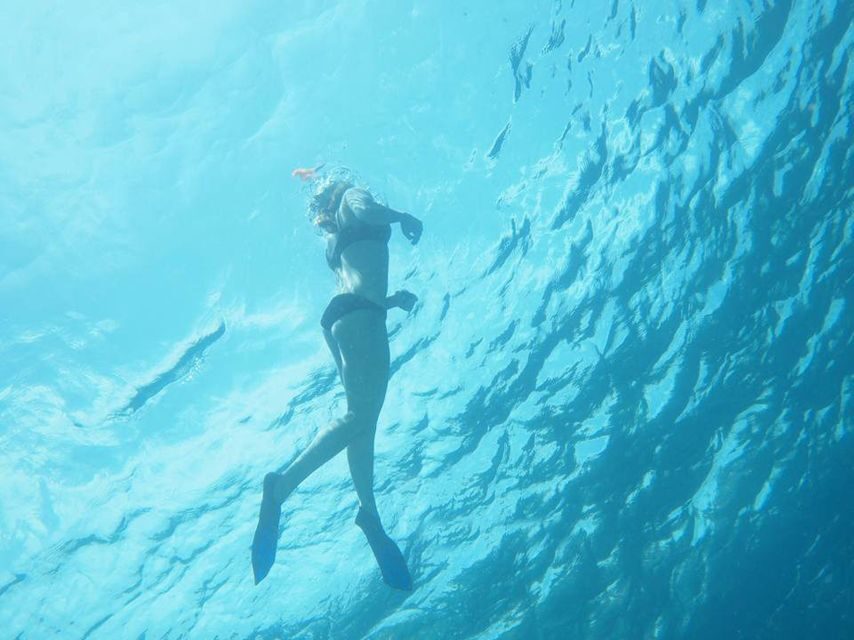
The price is $51.24 per person for a roughly 2.5-hour outing. At that level, you’re not just paying for a mask and snorkel. You’re paying for:
- A multilingual leader and snorkeling guide
- Equipment rental
- A structured safety briefing and guided snorkeling experience
- A post-snorkel hot shower and refreshments
That value holds best if you care about more than “being in the water.” If you want the geological and marine-life context—knowing what you’re looking at—this format pays off. If you’re purely after a quick swim with minimal guidance, you might find cheaper open-water options, but they won’t give you the same explanation layer.
Also note the time reality: the total outing is about 2.5 hours, but your actual time underwater can feel shorter. Don’t read that as a failure; it’s simply how a guided, equipment-based snorkeling trip works. You’ll still get a satisfying session, especially since the scenery is visually strong.
The main practical consideration: timing can feel shorter than expected
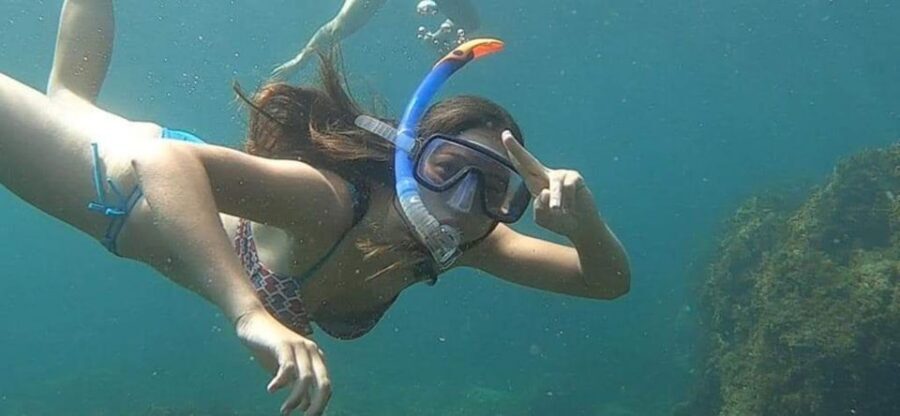
The biggest potential drawback is timing. The tour runs about 2.5 hours, but the underwater portion may be closer to an hour depending on the day, the entry points, and how long it takes the group to get comfortable.
If you’re the type who wants a long, unbroken swim session, you may feel you emerged faster than you wanted. On the other hand, if you like guided structure and prefer a short activity that leaves you time for Catania’s streets afterward, this timing is a good fit.
Who should book this snorkeling trip in Catania?
I’d recommend this trip to you if you want a “Sicily but cooler” experience: volcanic scenery you can see underwater, plus a protected marine area where sea life is more likely to show up. It also suits you if you enjoy learning while you travel, since the guide’s marine biology focus gives meaning to what’s around you.
It’s a good match for:
- People who want a guided activity without complicated planning
- Couples and small groups who want a memorable, scene-heavy outing
- Travelers who like nature education but still want something hands-on
It may be less ideal if:
- You’re expecting a long, hour-after-hour water session
- You want minimal guidance and more freestyle wandering
- Your schedule allows only a very specific window for being in the water
One more plus: wheelchair accessible is listed, so the operator has considered accessibility needs.
Should you book: my straight answer
Yes, book it if you’re aiming for a high-impact Catania experience that’s different from the usual shore walk. The underwater lava formations are the kind of subject you can’t replicate on a bus tour, and the protected Isole Ciclopi setting improves the odds of seeing lively marine life. Add the hot shower and warm tea at the end, and you get a trip that feels thoughtful rather than rushed.
If your priority is only time in the water, you might compare options and choose something longer. But if you want geology and sea life guided by people who actually know what they’re pointing at, this is a strong pick.
FAQ
How long is the snorkeling trip?
The duration is about 2.5 hours.
Where does the snorkeling happen?
It’s in Sicily, in the Gulf of Catania area, with snorkeling in the protected marine area of Isole Ciclopi (Aci Castello) and along the rocky volcanic coast of Aci Castello.
What’s the price?
The price is $51.24 per person.
What’s included in the tour?
It includes a multilingual tour leader/guide, snorkeling equipment rental, and a snorkeling guide.
What do I get to help me snorkel?
You’ll receive snorkeling equipment rental suitable for your characteristics, plus a briefing on how to use it and safety guidance.
What marine sights should I expect?
You can expect underwater volcanic formations like columnar basalt, rope lava, and pillow lava, along with colorful flora and marine fauna in the protected marine area.
What languages are available?
The tour leader/guide languages are Italian, English, French, Spanish, and Portuguese.
Is there an audio guide?
Yes. An audio guide is included for Spanish, French, and Portuguese.
Is it wheelchair accessible?
Yes, wheelchair accessibility is listed.