REVIEW · CATANIA
Catania: Mount Etna Sunset Tour and Etna Doc Wine
Book on GetYourGuide →Operated by Amilcare Lorenzi · Bookable on GetYourGuide
Etna turns dramatic when the light changes. This Catania tour takes you up into Etna Park with a small group and ends with a sunset Etna Doc moment on the mountain, guided by Amilcare Lorenzi.
I especially like the way the guide connects the views to the volcano itself, from historic lava flows to crater zones. I also like that you’re not just driving past Etna—you stop, look, and learn as you go, finishing with a wine-and-snacks sunset break. One thing to consider: this is a 5-hour outing with lots of time outdoors and a Jeep/SUV ride, so it’s not a great pick if you’re sensitive to bumpy roads or need step-free access.
In This Review
- Key highlights at a glance
- Sunset Etna is the right mood for first-timers
- Starting in Catania: Piazza Stesicoro and a driver who knows the rhythm
- Zafferana Etnea and the SP92: seeing 1792 in the rocks
- Valle del Bove (Ox Valley): a caldera stop that rewards slow looking
- Silvestri Craters near 2000m: why this stop feels lunar
- Piano Vetore at sunset: Etna Doc, snacks, and the best pause of the day
- Transport comfort and timing: how to plan your expectations
- Price and value: what $79.30 buys you in real terms
- What to pack and how to dress for Etna weather
- Who this tour suits best (and who may want to skip)
- Should you book this Etna sunset wine tour?
- FAQ
- Where does the tour meet in Catania?
- How long is the tour?
- How big is the group?
- What language is the guide?
- What’s included in the price?
- What should I bring (and avoid)?
Key highlights at a glance
- A small group of up to 6 keeps the pace friendly and the Q&A real
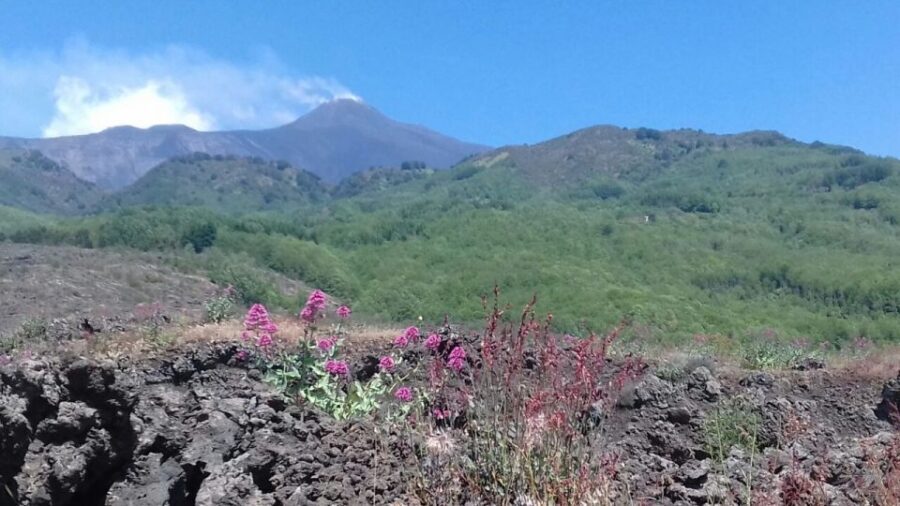
- Historic lava stories as you pass through towns and up the SP92 road
- Valle del Bove (Ox Valley) viewpoint time for big Etna views
- Silvestri Craters near 2000m for an up-close feel of crater terrain
- Piano Vetore sunset with Etna Doc and local snacks to cap the day
Sunset Etna is the right mood for first-timers
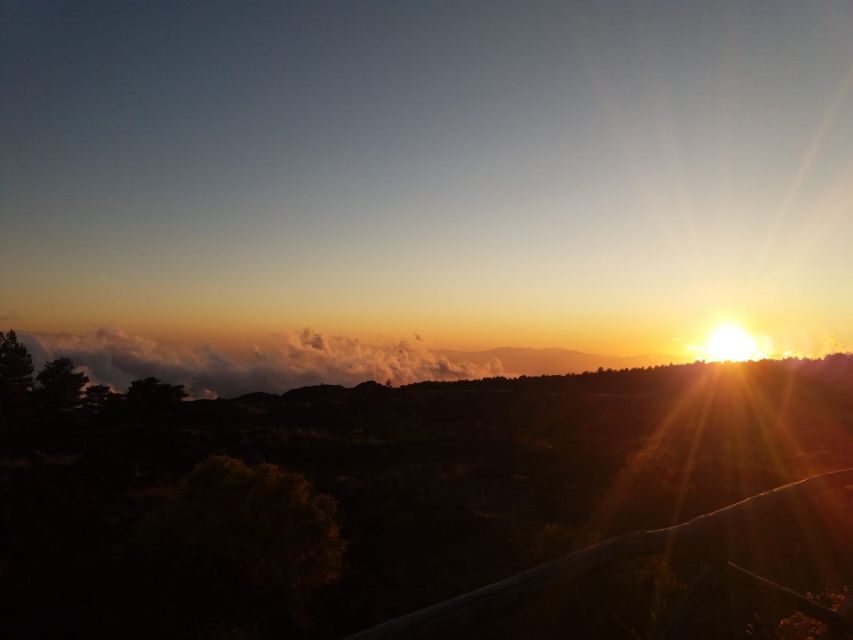
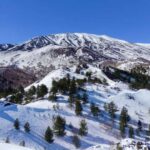
If you’ve ever seen Etna only from far away, you’ll feel the difference on this tour. As the day cools, the slopes turn easier to read. Colors shift across pumice and hardened lava, and smoke from the summit (when visible) looks more alive against the sky.
What makes this work is the mix: you’re not stuck on one viewpoint. You get a guided route that climbs through different zones, so you see how Etna’s volcanic activity creates layers you can actually recognize. The guide explains the volcanic system as you travel, including differences between volcano types—helpful if you’ve struggled to picture Etna beyond a single “mountain” in your head.
And then you finish with Etna Doc wine and local snacks as the sun drops. That part matters more than it sounds. A lot of wine stops are just a quick pour. Here, the timing is built in: you’re already at altitude, already looking at the mountain, so the tasting feels like it belongs to the place.
You can also read our reviews of more wine tours in Catania
Starting in Catania: Piazza Stesicoro and a driver who knows the rhythm
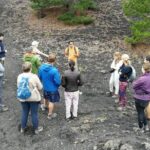
The tour meets at Piazza Stesicoro 57 in front of McDonald’s. From there, you go straight into the mountain drive in a Jeep/SUV with a live guide (Italian and English). The group size is limited to 6 participants, which keeps it from turning into a rushed line of photos.
The first stretch is travel time—about 45 minutes in the vehicle—then you start with quick stops that build context fast. This is one reason the tour feels efficient even though it’s only 5 hours. Instead of spending the whole day in motion, you get short photo stops and walk time, then more driving, then more stops.
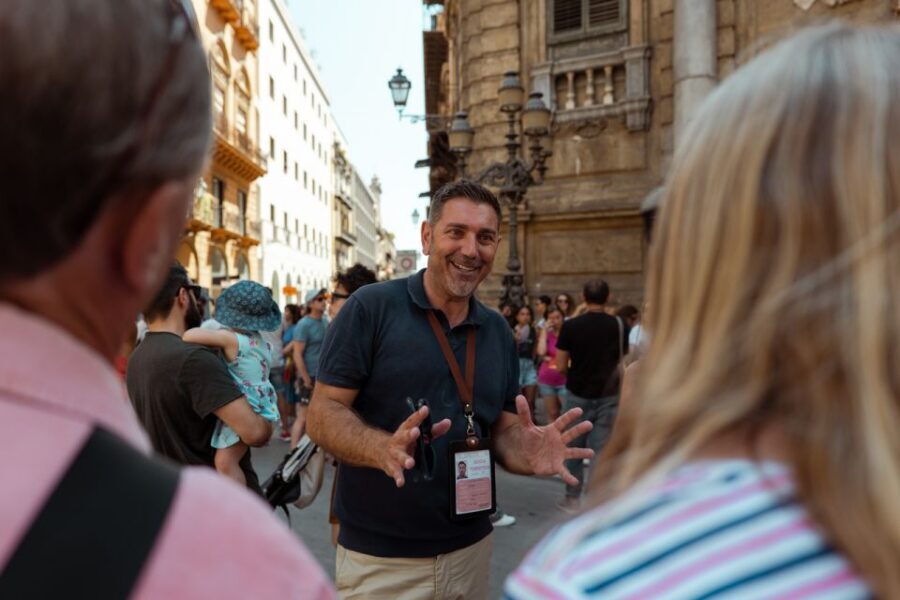
Also, the guide is not just reading facts. Amilcare Lorenzi leads with stories and local language, including how Etna is understood by locals (you may hear the term a Muntagna). If you like your travel days to have both scenery and meaning, this style hits the sweet spot.
Zafferana Etnea and the SP92: seeing 1792 in the rocks
One of the best early moments is the stop in Zafferana Etnea. You get photo time, a short visit and a walk, plus scenic views on the way. This is where Etna stops feeling abstract. You’re in a real setting at the mountain edge, not just in a theme-park version of a volcano.
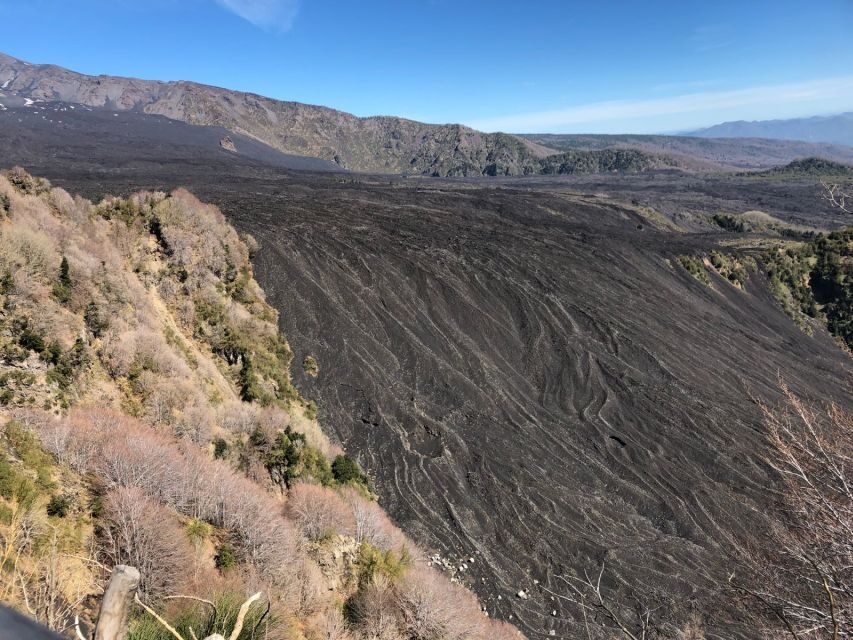
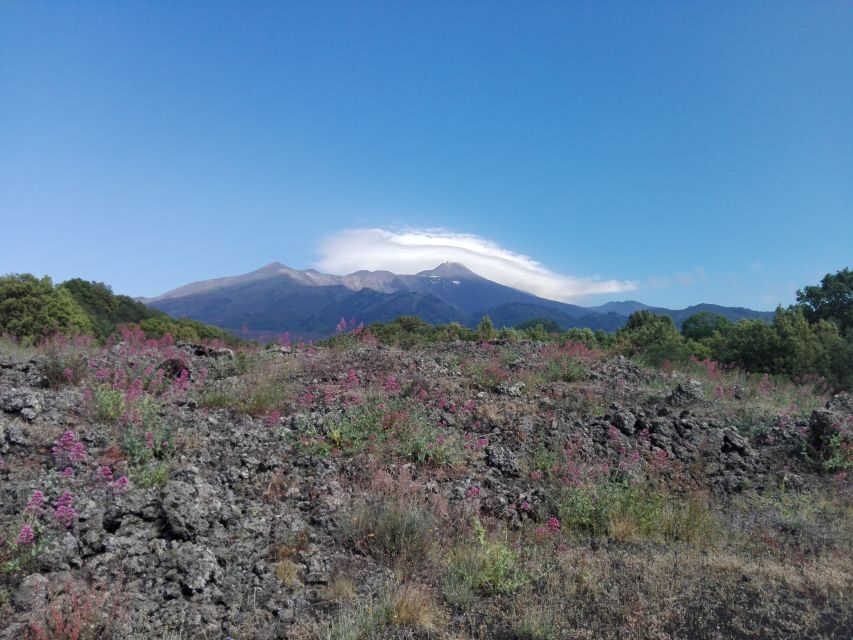
Then comes the road education. After Zafferana Etnea, the route follows the SP92 road, which crosses over an ancient lava flow from the 1792 eruption. That detail is exactly what makes a guided stop valuable: you don’t just see dark stone. You learn why it’s there and what it represents.
The guide also uses this section to explain Etna’s volcanic system. That part is great for first-timers because it gives you a framework. Once you understand how lava flows and craters fit together, later stops—like the caldera zones and crater areas—land better.
Practical note: expect some uphill, some wind exposure, and steps that are easier than hiking but not “flat and polished.” Closed-toe shoes are a must.
Valle del Bove (Ox Valley): a caldera stop that rewards slow looking
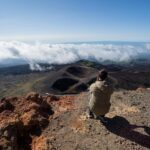
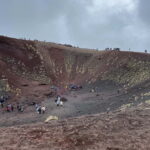
Next you head toward Valle del Bove, known as the Ox Valley. You’ll have about 30 minutes here for photo stops and time to visit and look around. This is the kind of place where you’ll want to take your time even if your instinct is to rush for the best shot.
What you’re really doing here is changing scale. You move from the “roadside view” feeling into something more expansive—big volcanic geometry. The guide’s job is to make that geometry understandable, and the tour format helps because you’re not thrown into a viewpoint with no context.
The scenery is also a good reminder that Etna isn’t a single event. Valle del Bove connects to the story of how the mountain’s structure has been shaped over time. Even without going into extra science you can’t verify on-site, you’ll get the sense of Etna as an active system that keeps rearranging the ground.
If you like photos, this is one of your strongest angles. If you don’t, you’ll still enjoy it because it’s one of the stops where the guide can point out what you’re looking at and why it matters.
Silvestri Craters near 2000m: why this stop feels lunar
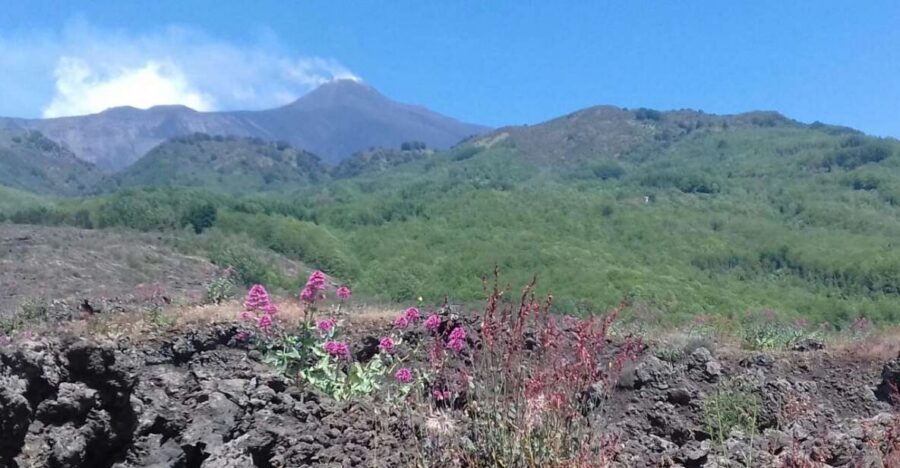
The most intense geology time comes when you head toward Rifugio Sapienza on the south side of Etna at an altitude around 2000m. This is where the tour shifts from “views from a distance” to “terrain under your feet.”
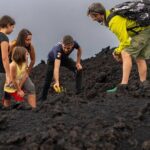
You visit the old Silvestri Craters, created in 1892. Then you move through an area where the scenery can feel almost lunar thanks to more recent lava flows from 2001/2002. That contrast—older craters alongside newer lava fields—is one of the reasons this stop sticks in your memory.
The guide’s storytelling helps here. You’ll hear the sense of destructive and regenerative force that locals connect to Etna as a Muntagna. It’s not just poetic talk; it gives you a lens for the ground you’re standing on. You can literally connect eruption impact to what you see: hardened flow paths, crater remnants, and the stark texture of volcanic material.
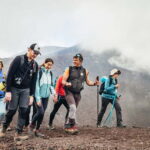
You’ll also have about 1 hour at this stop for photo time, visiting, and walking. That hour is enough to get a feel for the area without turning the day into a full hike. Still, you should treat it like outdoors time at altitude: dress for cool air and plan to move carefully.
You can also read our reviews of more evening experiences in Catania
Piano Vetore at sunset: Etna Doc, snacks, and the best pause of the day
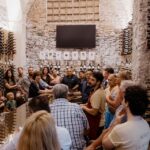
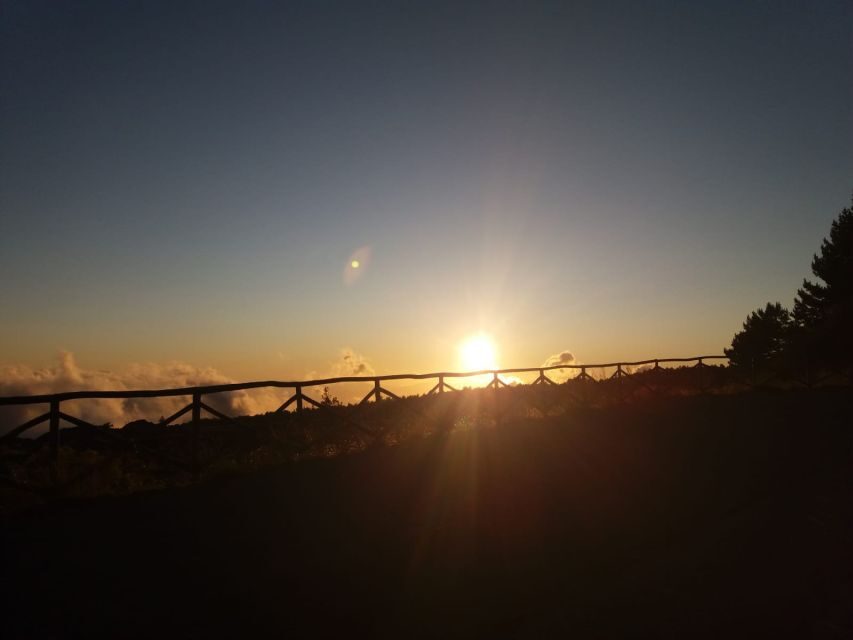
The tour’s finale is at Piano Vetore, with about 45 minutes for photo time, wine, local snacks, and sunset. This is the “slow down” part of the day. You’re elevated, you’ve already seen multiple Etna zones, and now you get to enjoy the mountain rather than interpret it.
You’ll drink a glass of Etna Doc wine. The point isn’t wine trivia. The point is that you’re tasting a product tied to this volcanic environment. A Doc wine from Etna carries the idea that the mountain is part of the local food culture, not only a geology lesson.
You’ll also have local snacks with your wine. That pairing matters because it turns the tasting into a small picnic moment. Several people highlight that the sunset portion is the cherry on top—because at this stage of the tour, you’re actually ready to absorb it.
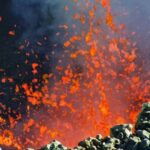
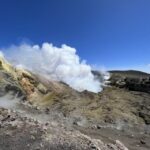
If the summit is showing activity (smoke can be visible depending on conditions), it can make the sunset feel even more alive. Even without that, the lighting alone makes Etna look cinematic.
Transport comfort and timing: how to plan your expectations
This is a short, focused 5-hour tour, not a full-day excursion. You’ll be in the Jeep/SUV multiple times, with stops breaking up the drive. Total driving time is significant, including around 30 minutes, 40 minutes, 20 minutes, and 50 minutes between points (plus the initial vehicle segment).
That rhythm helps you cover distance and see multiple zones. It also explains why comfort can be a mixed bag. One practical consideration: while people love the guide and the scenery, a few mention that the transport vehicle could be more comfortable. So if you’re very sensitive to long sitting or rough roads, you might want to pack yourself for the ride.
The good news: the group is small and the route is designed for viewpoint access. You’re not trapped on a bus doing only quick pull-offs. The stops are planned so you get real time at the key places—Zafferana Etnea, Valle del Bove, Silvestri Craters, and Piano Vetore.
Price and value: what $79.30 buys you in real terms
At $79.30 per person, this tour isn’t trying to compete with “cheap and quick.” You’re paying for three things at once: a guided Etna route, transportation up into the Etna area, and the sunset wine moment with snacks.
What you get included is a guide plus transportation. Food and drinks beyond what’s part of the wine-and-snacks segment aren’t included, and you don’t get hotel pickup or drop-off. But that’s common for mountain tours in this region. The value is in access: you’re paying to get to multiple zones with a guide who can explain what you’re seeing while you’re there.
Also, the small group of up to 6 participants matters for value. If you’ve done big-group tours where you spend half the time waiting for the next stop, this feels more like a conversation with a route attached.
If your goal is Etna first-timer highlights without spending a full day driving yourself, this price sits in the “reasonable for what you receive” zone.
What to pack and how to dress for Etna weather
Even if you’re only on the mountain for a few hours, you’ll want to dress like conditions can change. Bring water. Wear comfortable clothes you can layer. A daypack is a good idea so you’re not stuck holding everything.
Closed-toe shoes are required, and that’s not just a rule—it’s for crater walking and uneven surfaces. Also, avoid luggage or large bags, since the tour doesn’t allow them.
One more practical tip: plan for photos. You’ll have multiple photo stops, and the scenic viewpoints are a big part of why this tour is popular. If you’re bringing a camera, keep it accessible so you’re not fumbling when the light hits.
And because you’ll be outside at sunset, bring something warm enough for the cooler air that comes with altitude.
Who this tour suits best (and who may want to skip)
This tour is a great match if you want a guided Etna overview that’s active but not exhausting. You’ll enjoy it most if you like geology stories, volcano context, and a day with clear “chapters” from Catania up to crater areas and then wine at sunset.
It also suits people who like being with a small group. With limited participants, you can ask questions and get answers on the spot—especially with a guide like Amilcare Lorenzi, who people describe as friendly, passionate, and able to tailor explanations to different ages.
Who might want to skip it: it’s not suitable for pregnant women or people with mobility impairments. That makes sense given the uneven walking at crater areas and the reality of mountain roads. If you’re in either group, it’s worth looking for a different style of tour with more accessibility support.
Should you book this Etna sunset wine tour?
If you’re visiting Catania and you want Etna without the stress of planning a route, I’d book it. The structure is strong: you get multiple Etna viewpoints, you walk at the crater stop, and you end with an Etna Doc wine + snacks sunset at Piano Vetore.
It’s also a good pick if you care about the guide. The tour is clearly built around Amilcare Lorenzi’s storytelling and local perspective, and that makes the science feel human rather than textbook.
The only real reason to pause is if you need step-free access or you know you’ll struggle with a bumpy mountain ride. Otherwise, this is one of those “you’ll remember the timing” experiences—because Etna at sunset is a different beast than Etna in daylight.
FAQ
Where does the tour meet in Catania?
The tour starts at Piazza Stesicoro 57, in front of McDonald’s, and it ends back at the same meeting point.
How long is the tour?
The tour duration is 5 hours (you can check availability to see starting times).
How big is the group?
It’s a small group with a maximum of 6 participants.
What language is the guide?
The live guide provides tours in Italian and English.
What’s included in the price?
The price includes a guide and transportation. The itinerary includes a glass of Etna Doc wine and local snacks at sunset.
What should I bring (and avoid)?
Bring water, comfortable clothes, a daypack, and closed-toe shoes. Luggage or large bags are not allowed.