REVIEW · CATANIA
Special trekking on the most authentic and wild side of Etna
Book on GetYourGuide →Operated by Guide Vulcanologiche Etna Nord · Bookable on GetYourGuide
Most Etna tours stick to the same views. This one takes you to Etna’s wild north side with authorized volcanological guides, walking rare paths among craters, fractures, caves, and lava features.
I love the first panoramic stop near 2,900 m, when Taormina and the Aeolian Islands can appear if visibility is good. And I love that you don’t just look at volcano rocks; you get helmeted access into the chimney of an intact cone.
The tradeoff is that this is real high-altitude hiking on volcanic ground, and crater-edge walking can make some people feel dizzy.
In This Review
- Key hits worth knowing before you go
- Etna’s wild north side: what makes this trek different
- The 4×4 ride to 2,800 m: faster access, bigger focus
- First walk at about 2,900 m: the viewpoint that sets the mood
- If the summit craters close, you still get the good stuff
- Rift of the north side and the 1947 cone chimney stop
- Walking along crater edges: ash slopes, lateral eruption craters, and big views
- The guide’s role: science talk that stays practical
- Gear and clothing: what’s provided vs what you must bring
- Health and comfort limits: who this trek is not for
- Price and value: what you pay beyond the headline cost
- Meeting point at Chiosco Bar Mareneve: how to start smoothly
- Should you book this Etna north trek?
- FAQ
- How long is the Etna north trek?
- Is this tour only for the summit craters?
- What does the price include?
- What costs are paid on the spot?
- What should I bring for the hike?
- Is there a limit on physical comfort or health conditions?
- Can I cancel and get a full refund?
Key hits worth knowing before you go
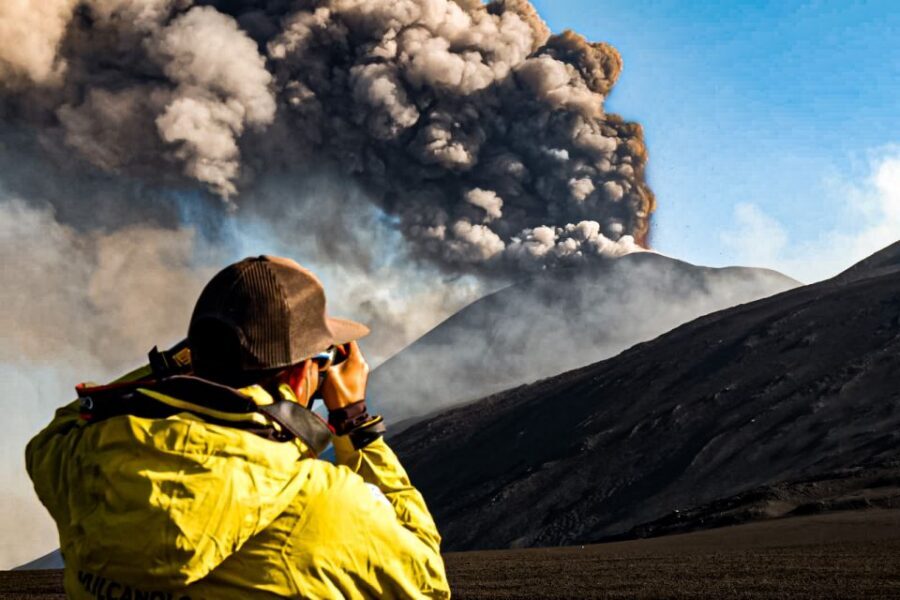
- A summit-crater alternative if the highest areas are closed due to volcanic risk
- 4×4 lift to 2,800 m so you spend less time grinding uphill on rough road
- Helmeted cone chimney visit to understand how the eruption structures worked
- North-slope crater edges and ash slopes on a longer, more immersive hiking stretch
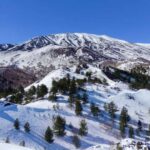
- Views over Sicily from high altitude with Taormina and the Aeolian Islands on clear days
- Groups managed to avoid crowding, based on number and language of participants
Etna’s wild north side: what makes this trek different
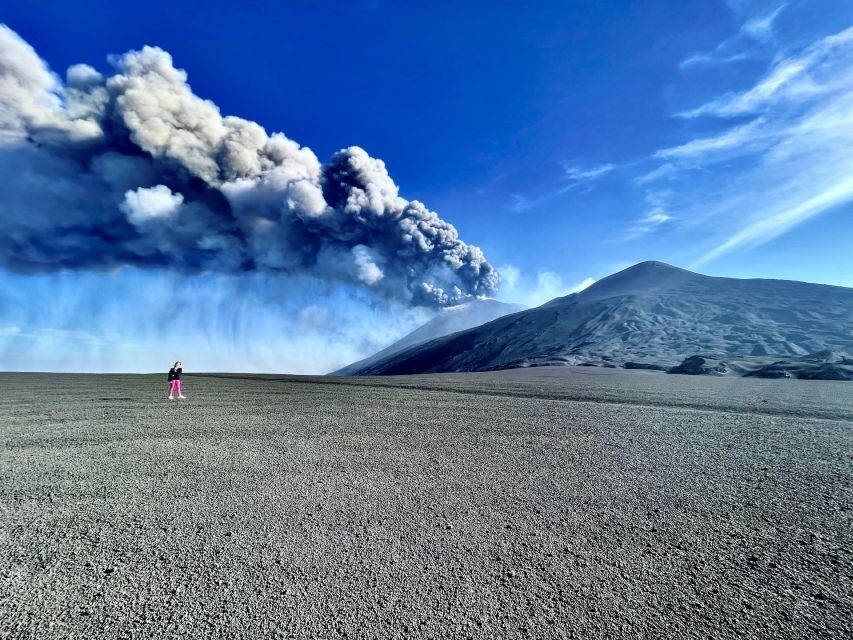
Etna is famous, and that means you can end up in the same small set of viewpoints most days. This trek aims at the less-frequented side of the volcano, focusing on the north slope where you can walk along dramatic volcanic landforms that many visitors never see.
What makes it special is the focus on how Etna works, not just what it looks like. Your guides are authorized volcanological guides, and the route is planned around official volcanic risk communications and the safe altitudes allowed. That matters because it changes what you do day-to-day, so you’re not stuck with a one-size-fits-all itinerary.
You’ll cover fractures (the rift zone), craters from older eruptions, and the kind of volcanic structures that help you connect the dots: how lava moved, where explosive activity formed craters, and what the ground remembers years later.
You can also read our reviews of more hiking tours in Catania
The 4×4 ride to 2,800 m: faster access, bigger focus
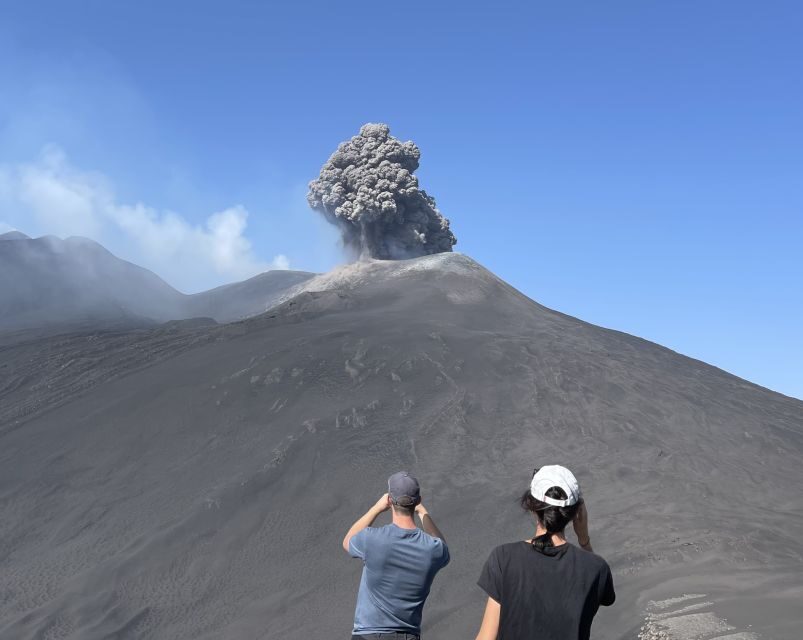
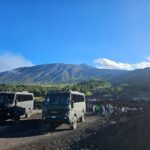
The day starts with a climb by special 4×4 vehicles, from about 1,800 m to 2,800 m. You’ll drive roughly 8 km of rough road (that distance is part of the plan, not a bonus scenic detour), with your volcanology guide explaining things during the ride.
Cost note that affects value: the tour price you see for the booking is essentially for the guide service and included trekking gear, while the 4×4 transport is paid on the spot (listed at 50 euros per person). Think of it like two payments: one for the guide and safety gear, and another for getting the group up onto the high-altitude starting area where the hiking can happen.
Why I like this setup for you: it reduces wasted time on difficult terrain before you even start walking. When you’re trying to get meaningful crater-side hiking done in a short day (this runs about 4 hours total), saving your legs for the crater edges is a smart trade.
First walk at about 2,900 m: the viewpoint that sets the mood
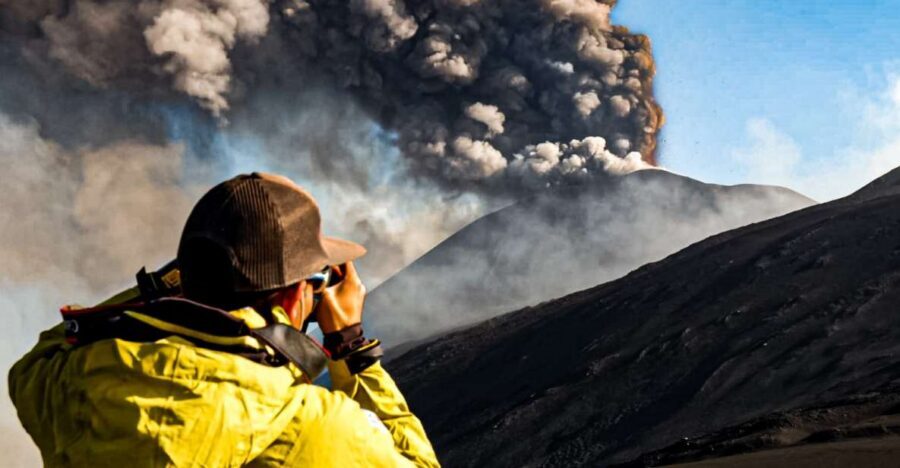
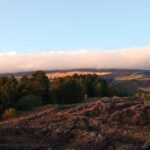
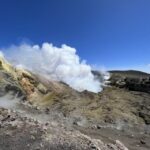
After the drive, you begin your first hike segment from around 2,800 m up to about 2,900 m. The plan is a short stop at a panoramic viewpoint, where you can look toward the summit craters, recent lava flows, and Sicily from above.
This is the moment where the volcano stops being a background “thing you’re doing” and becomes the main character. Even if you’re not a science person, the scale hits you faster up here. You’ll also feel how weather changes at altitude: visibility is variable, so clear days give you the best shot for wide views, while fog or haze may limit what you see.
Drawback to keep in mind: you’re higher than most people get on Etna. If you’re altitude-sensitive or prone to dizziness, the walking and the crater-edge visuals can be a lot, and it’s specifically noted that the route may cause dizziness for susceptible individuals.
If the summit craters close, you still get the good stuff
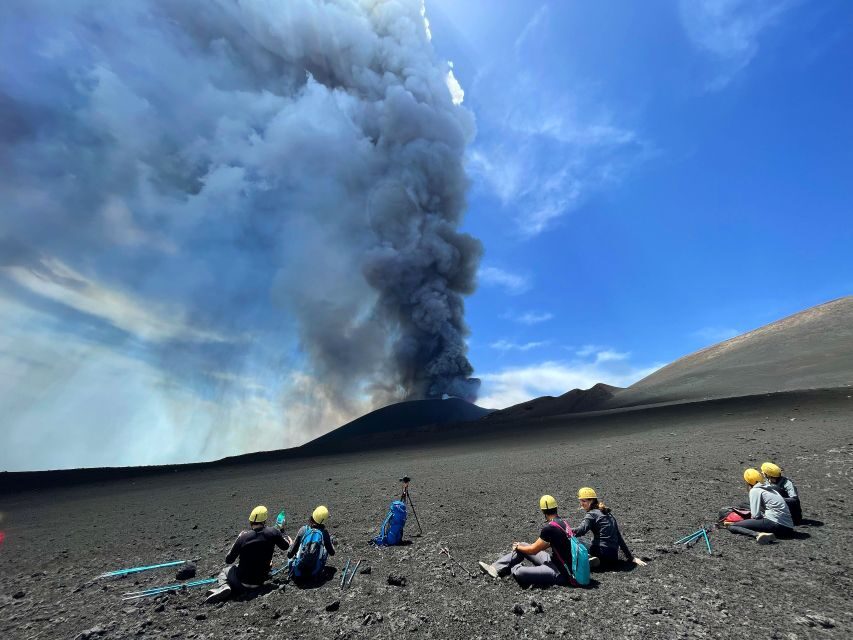
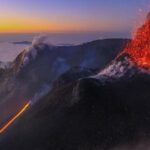
One of the best reasons to book this particular trek is flexibility built around volcanic risk. The tour is described as a valid alternative if the Summit Craters are closed to the public because of volcanic risk. Instead, you’ll walk among craters, fractures, lava-flow areas, and volcanic structures on the north side—up to the maximum safety altitudes allowed that day.
There’s also a specific promise in the plan: if the summit craters are off-limits, the guides aim for the highest point safely reachable. Practically, that means you’re not just paying for a backup option that turns into a generic walk. You’re paying for a crater-based volcano experience, adjusted to safety rules.
This is the kind of tour that helps you avoid disappointment. Volcano access isn’t always predictable. The best tours treat that as reality, not a surprise.
Rift of the north side and the 1947 cone chimney stop
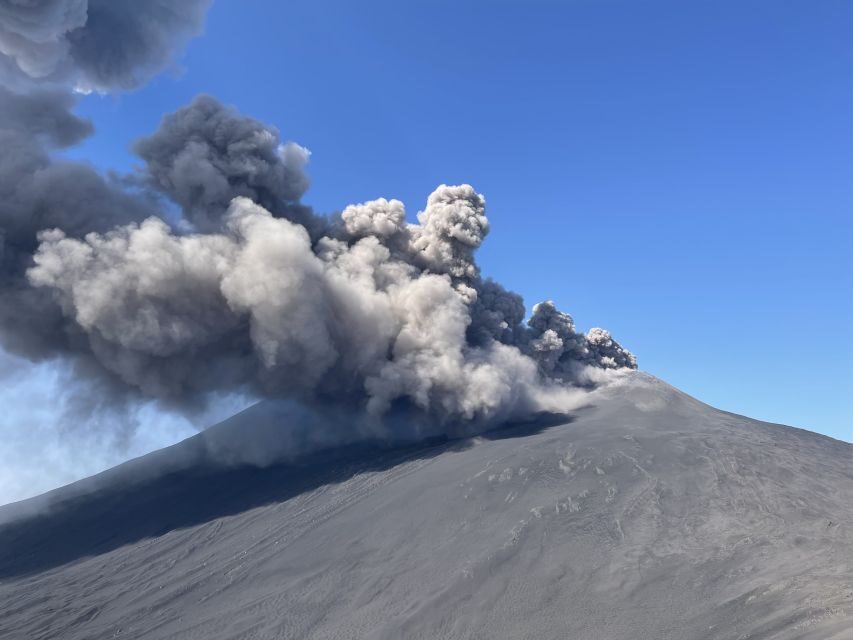
The longer portion of the trek focuses on north-side volcanic features in a way that feels hands-on. You’ll travel by 4×4 again to the side of a large north-slope crater area, then head on foot toward the initial starting point.
Along the way, you visit major volcanic features like:
- The fracture called the rift of the north side of Etna
- Craters from the eruption of February 24, 1947
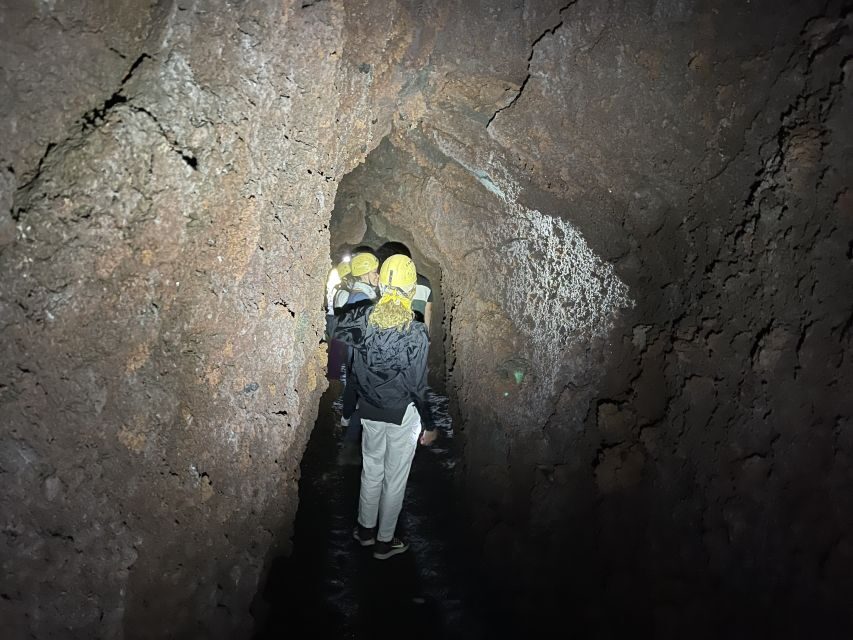
- A protected, helmeted entry inside the chimney of a perfectly intact volcanic cone
- Points connected to volcanic supply ducts, where the guide explains what was happening when magma was moving and heating the system
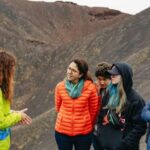
This chimney visit is the part I’d underline if you like to understand mechanisms, not just observe. You’re wearing protective helmets (included), and the guide explains how eruptions create and shape these structures.
In one past group experience, the guide named Ciccio was praised for explaining the eruption mechanism carefully, especially during the stop inside the cone structure. If you end up with a guide who teaches like that, you’ll likely come away with a much clearer mental picture of what you saw.
One consideration: this part can feel claustrophobic for people who already don’t like enclosed spaces. It’s marked as not suitable for people with claustrophobia.
Walking along crater edges: ash slopes, lateral eruption craters, and big views
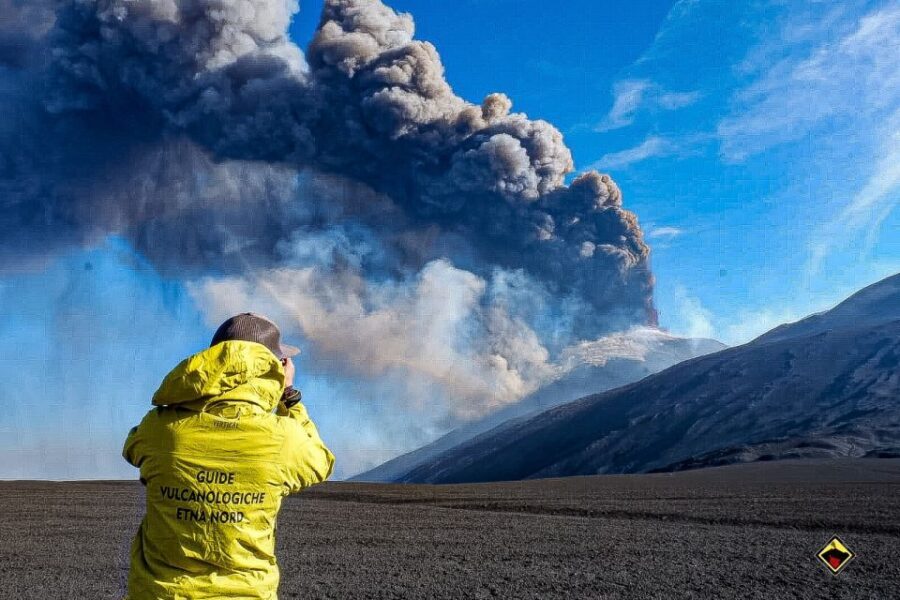
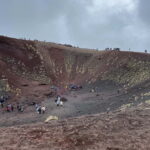
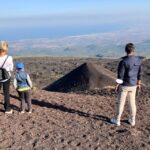
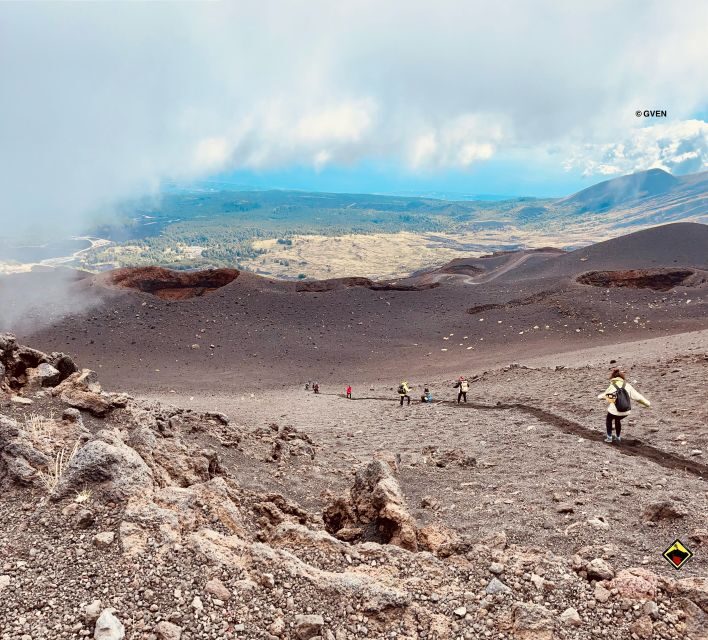
The trek continues around the edges of large explosive craters, including sections with descents made of volcanic ash slopes. You’ll also pass areas created by numerous lateral eruptions, with specific eruption periods mentioned in the plan, including:
- 1914 and 1924
- 1809
- 1874
- 1879
- 1911
- 1923
- 1974 and 1975
- and more recent activity after 2002
The guiding idea here is that Etna’s drama isn’t only at the summit. Lateral events carve new pathways, create new craters, and leave fractures behind. When you connect the eruption dates to the landforms you’re walking through, it stops being a random pile of rocks and starts looking like a map of how the volcano has evolved.
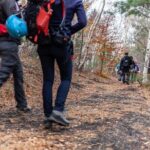
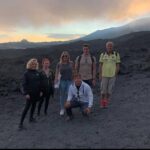
Hiking distance on foot is described as about 6 km for the crater-side route up to Piano Provenzana. Expect a day that feels active rather than leisurely. You’re not strolling. You’re moving across volcanic terrain that changes underfoot.
The guide’s role: science talk that stays practical
You’re with an authorized volcanological guide, and the tour is run according to rules tied to volcanic risk levels and civil protection communications. That shows up in how the route is handled: the guides take you up to allowed altitudes, and they adjust if conditions change.
Also, the tour is designed to keep the group manageable. The plan says groups are arranged by number and language, which helps prevent a giant crowd experience where you can’t hear explanations or where everyone’s on top of each other on narrow paths.
On the education side, the guide explains during the ride in the 4×4 and continues during the walks. And because you’re visiting specific structures (rifts, craters, chimney cone entry points), the “why” behind what you’re seeing feels grounded in what’s in front of you.
Gear and clothing: what’s provided vs what you must bring
Good news: the tour includes a solid chunk of the comfort and safety package.
Included gear:
- Trekking poles
- Protective helmets
- Trekking shoes
- Warm jackets
- Extra socks
- A backpack
- Accident insurance
Still, you should plan your packing around the fact that weather and wind can change fast on Etna:
Bring:
- Windbreaker
- Sunglasses
- Sunscreen
- Comfortable clothes and long pants
- Snacks and drinks
- A packed lunch (lunch is not included)
- Jacket (even if you get a warm layer from the operator)
- Hiking shoes (the day calls for them; the tour lists trekking shoes as included, but secure footwear is essential either way)
What’s not included:
- Bottled water and snacks
- Lunch
- K-way rain jacket (rain protection isn’t listed as included)
- Parking ticket (3 euros for the whole day, paid on the spot)
Also, this is clearly a no-drinks-in-the-vehicle day: alcohol isn’t allowed in the transport vehicle.
Practical tip: if you run cold easily, treat the windbreaker and extra layers as non-negotiable. High altitude + airflow can turn comfortable fast.
Health and comfort limits: who this trek is not for
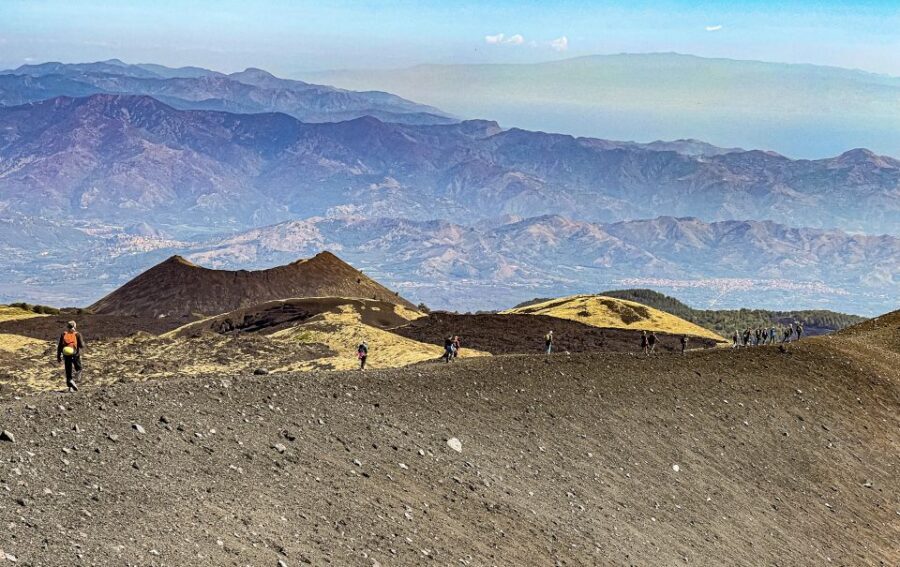
This trek is marked for moderately trained hikers. The route is at high altitude and includes crater-edge walking, ash slopes, and a few moments that can feel exposed or psychologically intense.
It’s not suitable for people with:
- mobility impairments
- back problems
- heart problems
- respiratory issues
- epilepsy
- recent surgeries
- altitude sickness
- low fitness / no experience
- claustrophobia
- vertigo or fear of heights
- people over 95 years
And even if you’re generally fit, the plan explicitly warns that the route can cause dizziness in susceptible people. If you know you get lightheaded on viewpoints or steep edges, take that seriously.
This isn’t the kind of volcano walk to “test yourself” for the first time. You’ll get more out of it if you already feel comfortable on uneven trails and you can keep a steady pace.
Price and value: what you pay beyond the headline cost
The listed price is $62.63 per person, and the big value inside that number is the authorized guide service plus safety and hiking gear (helmets, poles, shoes, warm jacket, extra socks, backpack, accident insurance).
But the day also has required add-ons:
- 50 euros per person for the 4×4 transport from the 1,800 m to 2,800 m zone and again for part of the transfer (paid on the spot)
- 3 euros parking ticket for the whole day (paid on the spot)
- Lunch and water/snacks (not included)
- Rain jacket (not listed as included)
So your real budget is higher than the headline figure. Still, the cost can be worth it when you consider what you’re buying:
- access to a more remote north-slope route
- volcanology expertise (the whole tour is built around volcanic structures, not just a viewpoint photo stop)
- helmeted access in a volcanic cone chimney structure
- and a plan that works even when summit areas are closed
If you’re trying to hit Etna with minimal effort and maximum comfort, this may not be your best fit. If you want a guided, mechanism-focused crater hike with real terrain, the pricing starts to make sense.
Meeting point at Chiosco Bar Mareneve: how to start smoothly
The meeting point is the Chiosco Bar Mareneve, near the ski chairlift used in winter. It’s in the parking lot, and it’s described as the second house among four at that spot.
Arrive a bit early. You’ll want time to find the exact meeting point and get ready without stress, especially since high-altitude hikes go smoother when you’re organized at the start.
Should you book this Etna north trek?
Book it if you want an Etna day that feels wild, volcanic, and guided by true volcanology, not just a scenic stroll. The best reasons are the north-slope focus, the helmeted cone chimney experience, and the fact that this route is built to work when summit areas are closed for safety.
Skip it if you know you struggle with high altitude, steep or exposed edges, enclosed spaces, or you don’t feel confident on uneven hiking terrain. The route has clear limits for a reason: it’s a real volcanic environment.
If you’re a practical hiker who likes understanding how things work, this is the kind of Etna outing that leaves you thinking about what you saw long after you’re back down.
FAQ
How long is the Etna north trek?
The duration is listed as 4 hours.
Is this tour only for the summit craters?
No. It’s described as a valid alternative if the summit craters are closed due to volcanic risk, and guides take you up to the highest safely reachable altitudes.
What does the price include?
It includes an authorized volcanological guide, trekking poles, protective helmets, trekking shoes, warm jackets, extra socks, a backpack, and accident insurance.
What costs are paid on the spot?
You pay 50 euros per person for the 4×4 transport portion and 3 euros per person for parking (paid after the excursion). Lunch and water/snacks are not included.
What should I bring for the hike?
Bring a windbreaker, sunglasses, sunscreen, long pants, snacks and drinks, and a packed lunch. The day also calls for sturdy hiking shoes.
Is there a limit on physical comfort or health conditions?
Yes. It’s not suitable for people with back problems, mobility impairments, claustrophobia, heart problems, vertigo or fear of heights, altitude sickness, respiratory issues, epilepsy, low fitness, or people with recent surgeries.
Can I cancel and get a full refund?
You can cancel up to 24 hours in advance for a full refund, and there is free cancellation listed.