REVIEW · CATANIA
Mount Etna: Hike to the top 3400mt from the North Side
Book on GetYourGuide →Operated by Ashàra Etna & Stromboli Guides · Bookable on GetYourGuide
Etna goes vertical, and the North Side trek is the proof. This 5-hour hike gets you up to the active summit crater zone around 3,400 metres, led by certified volcanological and mountain guides. I like that you spend real time walking the crater edge, not just riding and taking photos. I also love the way the guide connects what you see—gas emissions, volcanic bombs, and sulfur-sparkle ground—to how Etna works. The one possible drawback: because Etna is active, the plan can shift, and sometimes a north-side attempt turns into a different route if conditions change.
You start at Piano Provenzana on Etna’s north (about 1,800m), roll up the slope by 4×4, then climb on foot to the main crater rim. What makes it feel special is the mix of adrenaline trekking and structured explanations: breaks are built in, and the walking is paced for moderately trained hikers on sandy and uneven terrain. Still, you should consider the overall effort: it’s exhausting, and it’s not a stroll.
In This Review
- Key things to know before you hike Etna from the North Side
- Why the North Side summit hike feels different on Etna
- The 5-hour route: Piano Provenzana to the crater rim and back
- The ride up (about 25 minutes)
- Stop at the Central Crater (about 2 hours)
- Piano delle Concazze (about 2 hours)
- The descent by ash and slag, then back to Piano Provenzana
- What you learn about an active volcano at 3,000+ metres
- NE vs SE crater viewpoints: the part that makes it feel real
- Price and logistics: where the true cost comes in
- Gear that actually helps on volcanic ash
- Who should book the Etna North summit hike
- Should you book this North Etna summit trek?
- FAQ
- How high does this hike go?
- Is the 4×4 included in the price?
- What’s the total duration?
- Where do I meet, and where does it end?
- What gear is provided, and what should I bring?
- Who can’t join this hike?
Key things to know before you hike Etna from the North Side
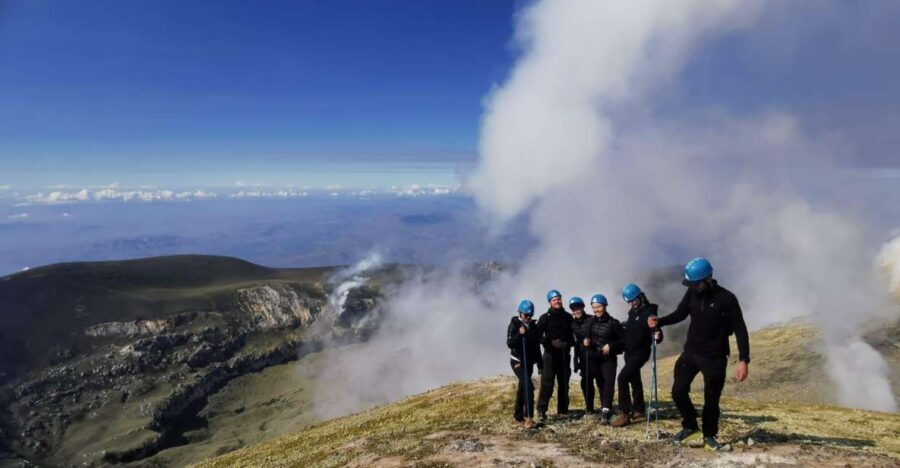
- Certified guide team: Volcanological and mountain guidance, with explanations during planned stops
- Real crater-edge walking: You reach the Central Crater rim and face the Northeast Crater area
- Lava-and-ash terrain: Expect sandy ground, volcanic ash, slag, and that lunar-looking surface
- Summit views with coastal payoff: The descent stays panoramic, with views toward the Sicilian coast
- Gear is partly included: Trekking poles and helmets are provided; boots are available too
- 4×4 cost is extra: You pay the 4×4 ticket in cash on the spot
Why the North Side summit hike feels different on Etna
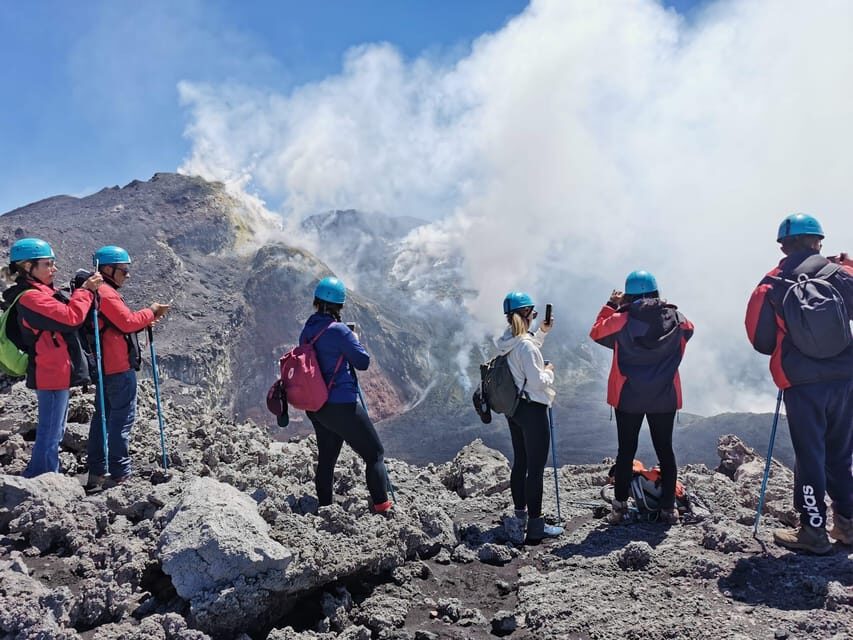
If you’ve only seen Etna from a distance, this is the upgrade. From near Piano Provenzana, you’re using the current north slope access that the guides say is the only climb route in safe conditions at the time. That matters, because it’s not just about altitude—it’s about getting close to the active summit craters without guessing.
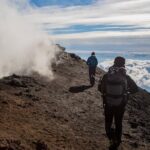
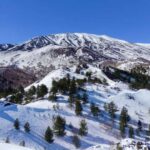
The best part for me is the crater-edge feeling. You’re high enough that the air and ground seem totally unlike lower Sicily, and you’re walking between craters and lava flows that show recent volcanic activity. The guide points out details as you go, like gas emissions and volcanic bombs, so you understand why the terrain looks the way it does instead of just seeing “rock and smoke.”
The second big win is clarity. One person mentioned a calm, competent guide named Gino and praised how well he explained what was going on. Even if you don’t get that exact guide, the guiding style is clearly a priority: explanations during breaks, plus advice on what you’re looking at on the crater rim.
You can also read our reviews of more hiking tours in Catania
The 5-hour route: Piano Provenzana to the crater rim and back
This is built like a “4×4 up, walking up” day. You meet at the Ashàra info point in front of Chiosco Bar Mareneve at Piano Provenzana (Etna Nord), near Linguaglossa. Then you move quickly into the access zone.
The ride up (about 25 minutes)
You’ll take a Jeep/SUV to get from the starting area up toward the climb zone. Think of this as time-efficient positioning. It helps keep the hike focused on the actual crater experience instead of burning all your energy just to reach the trailhead.
One practical tip: the ride is part of the day’s rhythm. You’ll feel the higher altitude as you go, so treat it like a warm-up rather than a break. Bring wind protection even if the lower area looks calm.
Stop at the Central Crater (about 2 hours)
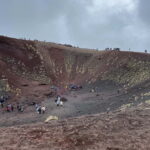
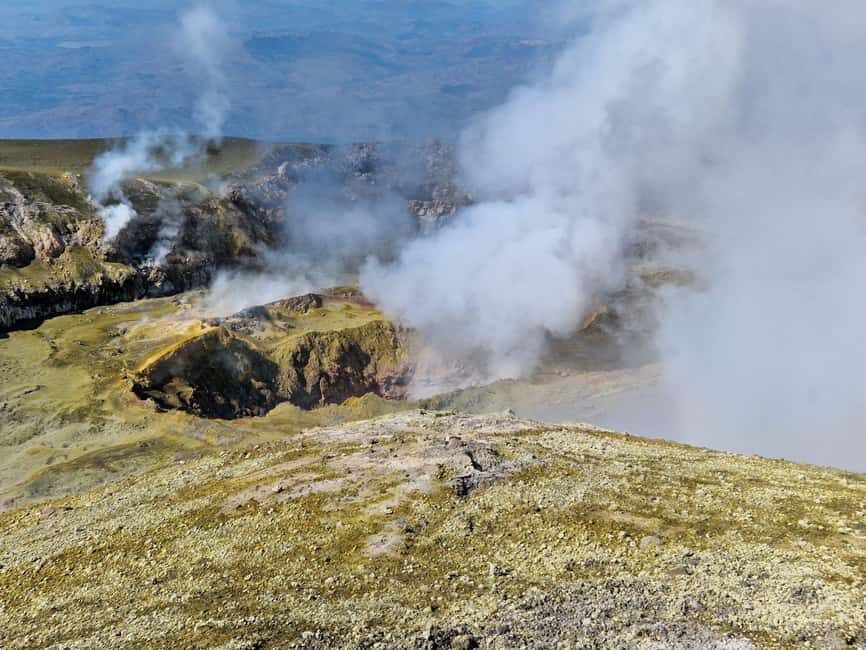
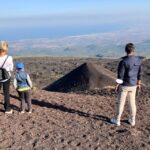
This is the core of the experience. At the Central Crater area (guided tour + photo stops + hiking), you’ll spend time walking and learning with the guide. The plan takes you up toward the main crater rim at roughly 3,320 metres, which is the point where you start feeling the vertigo everyone talks about.
What you’ll notice right away:
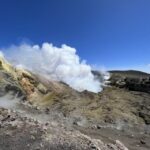
- Gas emissions near the crater areas
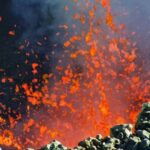
- Volcanic bombs scattered or visible in the setting
- Ground colors that can look almost sparkly due to sublimation of elements, especially sulfur
The guide also explains how Etna has evolved, tying history and formation to what you’re seeing in the present. That’s the value here: you’re not just climbing to say you went high—you’re learning the why behind the scenery.
A small consideration: the terrain can be sandy and uneven. Your footing matters, and you’ll feel tired faster if you underestimate that.
Piano delle Concazze (about 2 hours)
After the crater rim visit, you reach Piano delle Concazze. This is where the hike continues in a way that feels exposed and wild, with more of that lunar volcanic environment between craters and lava flows.
This part is also guided, and it adds perspective. You’re still in the volcano’s working zone, but you’re not only standing on the rim—you’re moving through the volcanic “fabric” of Etna. Expect panoramic moments and more time to absorb the scale.
If you like geology and want context for why the summit looks the way it does, this stop is a strong one. If you’re mostly chasing views, it still delivers, but the real payoff is understanding the terrain as you walk it.
The descent by ash and slag, then back to Piano Provenzana
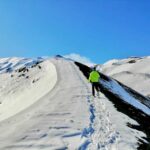
After you’ve had your time at the top areas, the descent path is characterized by fine volcanic ash and slag. That means your shoes will feel it, and you’ll want trekking poles if they’re available to you (they are provided).
The good news: the descent is described as very panoramic. So you’re not just trudging back down; you’re still getting big views toward the Sicilian coast as you come away from the summit zone.
Once you’re back at about 2,825m, you return by 4×4 to Piano Provenzana, finishing back at the meeting point.
What you learn about an active volcano at 3,000+ metres
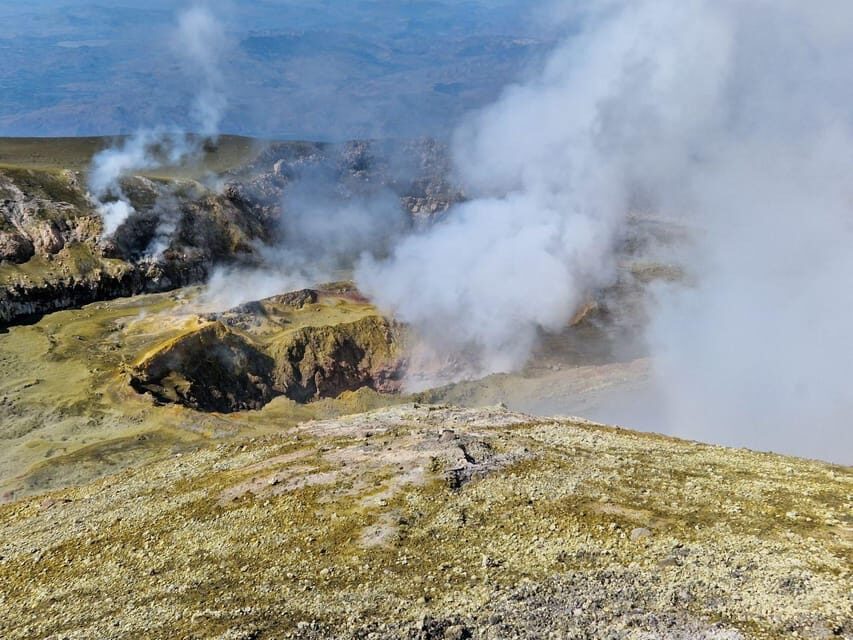
This is one of the main reasons to choose a guided summit hike instead of trying to DIY it. Etna isn’t a passive mountain. It’s active, and the guide’s job is to explain the evolution and history while keeping you safe in changing conditions.
You’ll learn the evolution of Etna and what’s happening in the summit craters you can actually see. In plain terms, the guide helps you connect:
- Where the activity is (and what it looks like up close)
- How volcanic materials form and settle across the area
- Why certain colors show up on the ground
And yes, you’ll get the dramatic stuff too: the guide will point out gas emissions and likely reference recent eruptions where relevant to what’s visible that day.
If you’re the kind of traveler who likes “science with boots on,” this tour fits. The pacing builds in stops so you can listen without feeling like you’re being lectured the whole time.
NE vs SE crater viewpoints: the part that makes it feel real
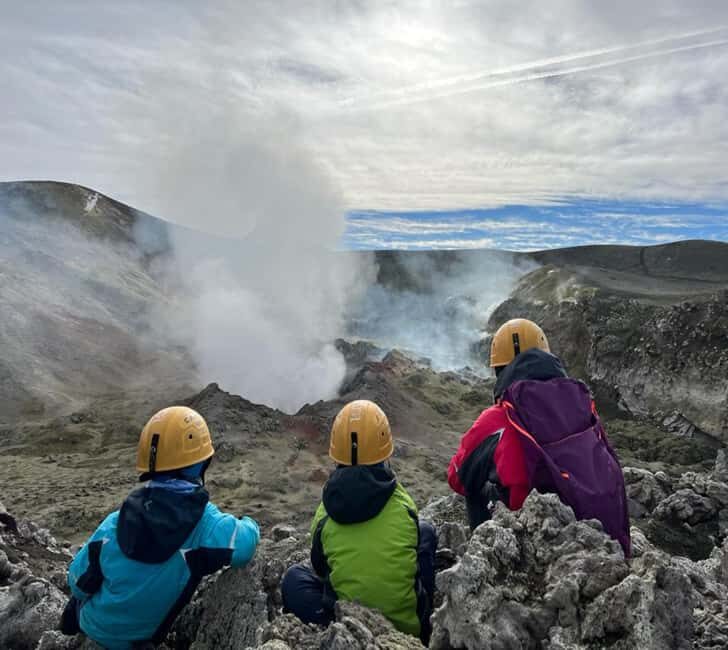
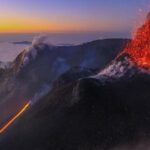
On the ascent and at the main crater rim, you’re not only looking at one feature. The experience specifically includes facing the Northeast Crater, while also admiring the Southeast Crater nearby, noted for recent and impressive eruptions.
That detail matters. When you’re on the rim, you’re not viewing a diagram—you’re seeing the volcano’s shape and how multiple crater areas relate to each other in space. It turns Etna into a system you can visually understand.
It’s also one of the reasons this trek earns its reputation for adrenaline. Even with guidance and safety emphasis, walking at this altitude and near crater edges creates a real physical awareness: wind, ground changes, and the sense of height all add up.
Price and logistics: where the true cost comes in
The listed price is $67.97 per person, but you should plan for the extra 4×4 charge. The 4×4 tickets are 60€ per person, and the instructions say to pay cash on the spot. That’s the biggest cost surprise to watch for, because it’s not included in the base price.
What you do get with the base price is part of the value:
- Volcanological or mountain guide
- Insurance
- Trekking poles
- Helmets
- Hiking boots (available for free)
So you’re not paying extra for core safety and basic gear. You still need to budget for the 4×4 and handle your own food and drinks.
In practice, this tour feels like a good value if:
- You want a guided summit experience rather than just “Etna views”
- You want crater-edge walking at high altitude
- You’d rather let certified guides handle volcanic access decisions
Gear that actually helps on volcanic ash
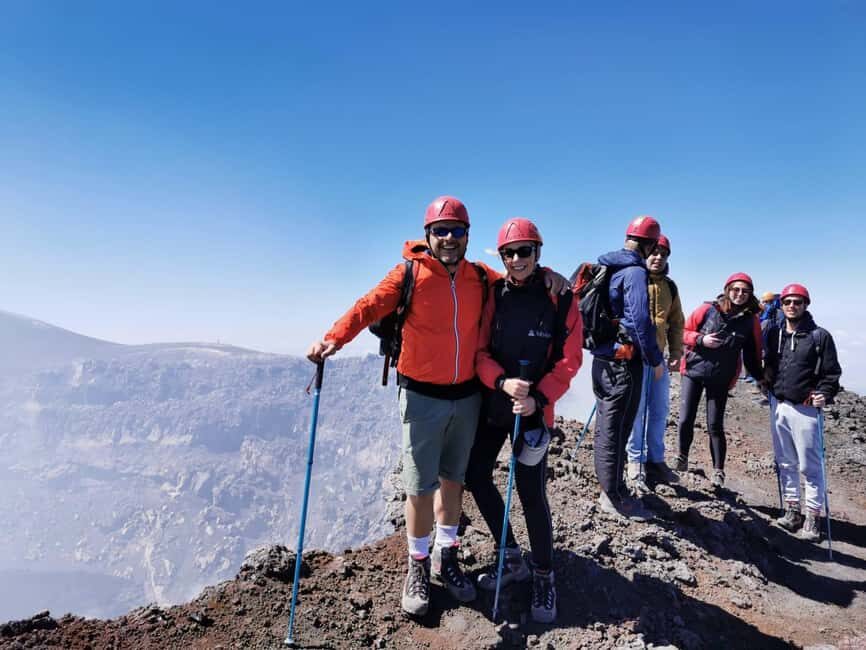
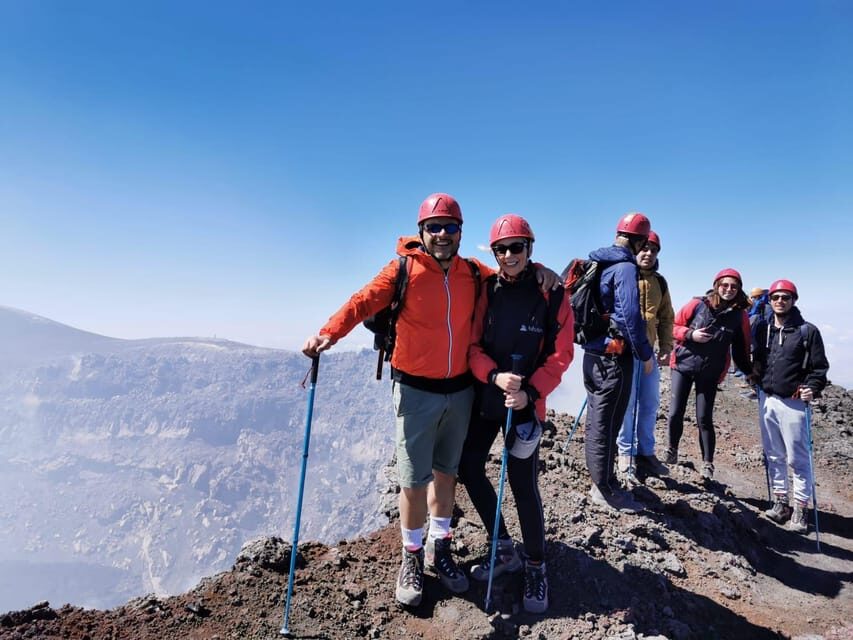
The tour asks for specific clothing and brings to improve comfort, and I agree with the logic. On Etna, the weather can change, and the surface can be dusty and gritty.
Bring:
- A windbreaker and jacket (you can feel the wind at altitude)
- Sunglasses + hat
- Sunscreen
- Long pants and socks
- A daypack
- Food and drinks
Wear:
- Proper closed hiking boots
- Layers you can adjust if it gets warmer during the climb
Avoid:
- Open-toed shoes
- Luggage or large bags
- Baby strollers (not allowed)
Also note the age and health limits. This hike is not suitable for children under 9, pregnant women, people with heart problems, epilepsy, high blood pressure, or recent surgeries. If any of those apply, don’t force it. Altitude and strenuous walking can be risky.
Who should book the Etna North summit hike
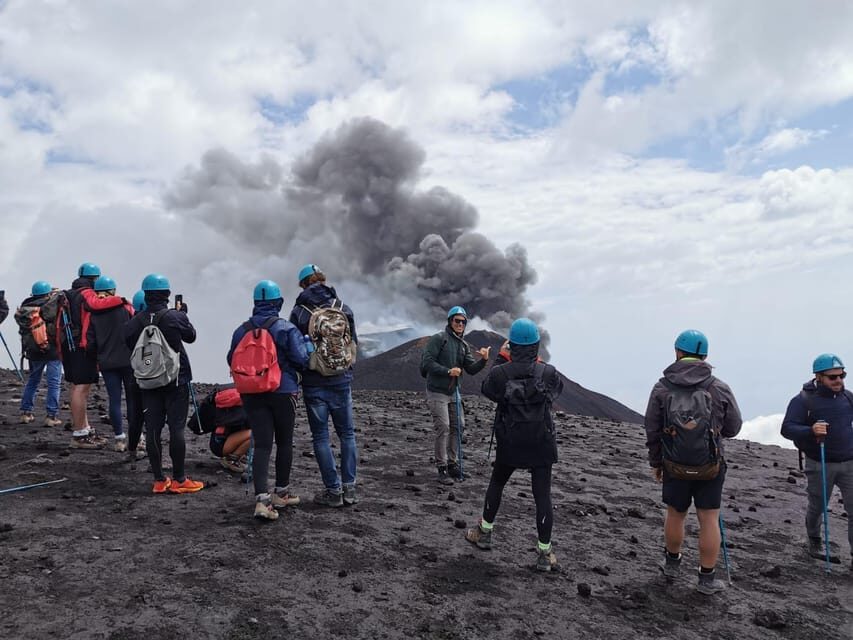
This is aimed at hikers who are moderately trained and comfortable on sandy or uneven terrain. If you can handle steep footing and don’t mind a full 5-hour effort, you’ll likely enjoy it a lot.
It’s also a good fit if you:
- Like guided science explanations tied directly to what you see
- Want the crater-edge experience, not only viewpoints
- Prefer a smaller-group day (the tour notes small groups)
If you’re traveling with a slower pace or you’re unsure about uneven ash footing, you may find it too demanding. And if Etna’s activity forces route adjustments, you’ll need to be flexible. One key piece of feedback is that sometimes the north-side plan isn’t possible because the volcano is too active, and the day can shift to a different side route that still takes about 5 hours.
Should you book this North Etna summit trek?
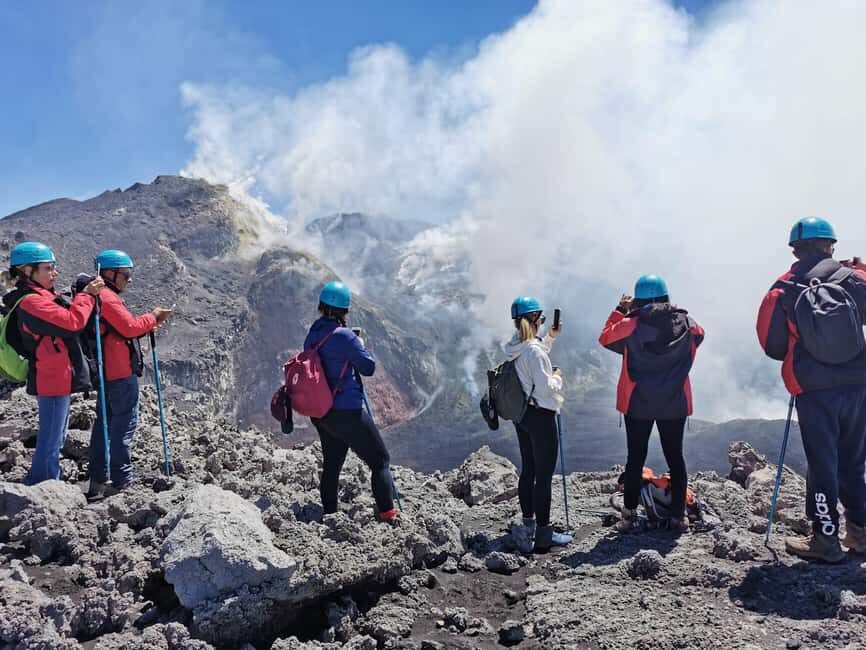
Book it if you want a guided walk into the active crater zone—where you can see sulfur-tinted ground, gas emissions, and crater formations firsthand, and you’ll learn what you’re looking at from certified guides. The included safety gear (helmets, poles, boots) also makes it simpler to pack.
Skip it (or choose a gentler alternative) if you’re worried about altitude stress, uneven sandy ash footing, or the physical effort of a long climb and descent. Also, if you’re not comfortable paying the additional cash 4×4 fee up front, plan for that before you go.
If your main goal is a low-effort scenic day, this isn’t that. If your goal is to get close to Etna’s working summit with strong guiding, this is one of the more authentic ways to do it.
FAQ
How high does this hike go?
The trek reaches the summit crater area up to around 3,400 metres, after starting from Piano Provenzana at about 1,800 metres.
Is the 4×4 included in the price?
No. The 4×4 tickets cost 60€ per person and should be paid cash on the spot.
What’s the total duration?
The tour duration is listed as 5 hours.
Where do I meet, and where does it end?
You meet at the Ashàra info point in front of Chiosco Bar Mareneve – Piano Provenzana (Etna Nord) Linguaglossa, and the activity ends back at the same meeting point.
What gear is provided, and what should I bring?
Helmets, trekking poles, and hiking boots are provided. You should bring a windbreaker, sunglasses, hat, sunscreen, jacket, long pants, socks, a daypack, and food and drinks.
Who can’t join this hike?
This activity is not suitable for children under 9, pregnant women, and people with heart problems, epilepsy, high blood pressure, or recent surgeries.