REVIEW · CATANIA
Mount Etna: Ascent to 2800m by 4×4
Book on GetYourGuide →Operated by ALTERNATIVETNA · Bookable on GetYourGuide
Etna feels close at 2800 meters. This Mount Etna 4×4 outing takes you up to Pizzi Deneri and then on to crater views, with a volcanologist guide explaining what you’re seeing over Sicily’s coast. I love the 4×4 ride that saves your legs for the best viewpoints, and I love that you get the science from a certified volcanology professional. The only real drawback is that you’ll step out on volcanic ground, and it can be cold, windy, and a bit intimidating near crater edges.
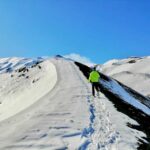
You start at Piano Provenzana on the north side, and the unpaved road climb is part of the fun. You’ll reach about 2800m by vehicle, then take a short trek to roughly 2865m when conditions allow. In cooler months, you can even hit snow up high, so plan for weather that can turn fast.
This is a short trip with a big payoff: sweeping sea views, moon-like volcanic terrain, and a look at the crater edge from the 2002 eruption. If you want Etna’s drama without a full-day hike, you’ll likely find this a smart match.
In This Review
- Key highlights at a glance
- Why this Mount Etna 4×4 trip is the smart shortcut
- From Piano Provenzana to Pizzi Deneri at 2810m
- The 2865m hike: craters, Valle del Bove, and sea views
- Stopping at the 2002 eruption crater rim
- Volcano talk with a certified volcanologist guide
- What the 2.5-hour timing means for your day
- Price and value: is $100 per person worth it?
- Who should choose this ascent (and who should skip it)
- What to bring so the high altitude feels good
- Should you book Mount Etna: Ascent to 2800m by 4×4?
- FAQ
- How long is the Mount Etna 4×4 ascent?
- Where is the meeting point for this excursion?
- What is the highest altitude reached on this tour?
- Is there hiking during the tour?
- Is the tour accessible for wheelchair users?
- What languages are the guides?
- What should I bring for the hike and altitude?
- Who is this tour not suitable for?
- Can I cancel for a full refund?
- Does the tour offer pay later options?
- Is there a ticket line to wait in?
Key highlights at a glance
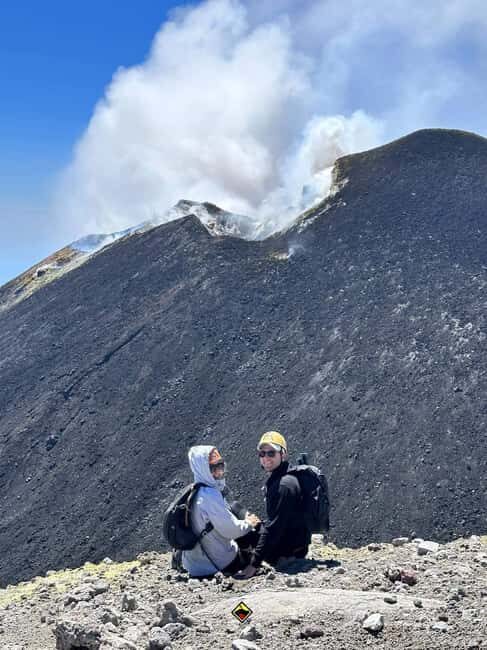
- Pizzi Deneri (2810m) by 4×4: high altitude quickly, without hours of climbing.
- Short trek to ~2865m: just enough walking to earn panoramic crater-and-coast views.
- Valle del Bove viewpoint: you get a dramatic view down into a major Etna basin.
- Edge of the 2002 eruption crater: you see the aftermath up close, with context from your guide.
- Volcanology-led storytelling: you hear the how-and-why while you’re standing where it happened.
Why this Mount Etna 4×4 trip is the smart shortcut
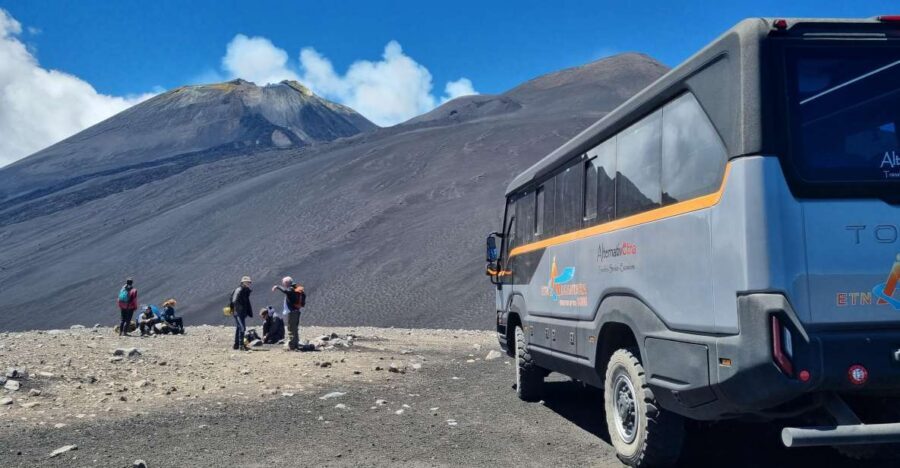
Mount Etna is one of those places where “seeing it” is mostly about location and timing. This tour’s advantage is simple: you get to the right altitude fast, then you do short walks at the most meaningful moments. The 2.5-hour length also helps you fit Etna into a Sicily itinerary without stealing your whole day.
I also like the focus. You’re not trying to collect ten viewpoints that blur together. Instead, you climb, you hike briefly, and you end at the eruption edge, which makes the whole thing feel coherent.
The one thing to keep in mind is that “short” doesn’t mean “no walking.” You’re still stepping onto uneven volcanic ground and spending time at elevation, so wear proper hiking shoes and dress for cold, especially mornings and shoulder seasons.
You can also read our reviews of more tours and experiences in Catania.
From Piano Provenzana to Pizzi Deneri at 2810m
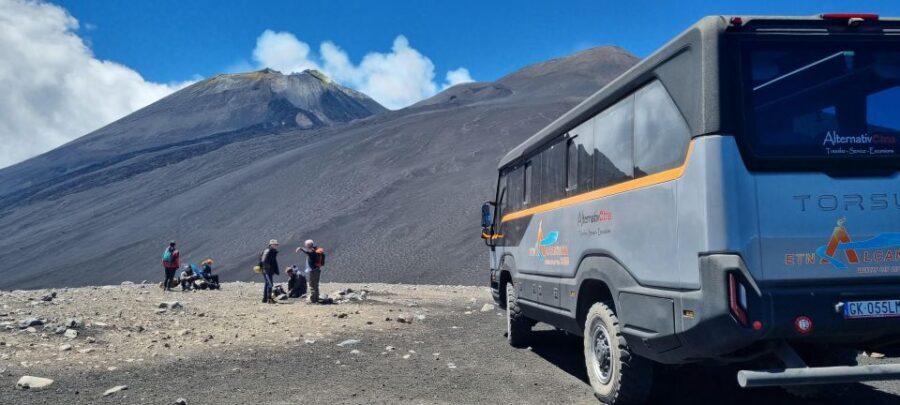
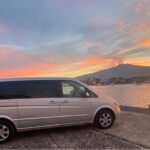
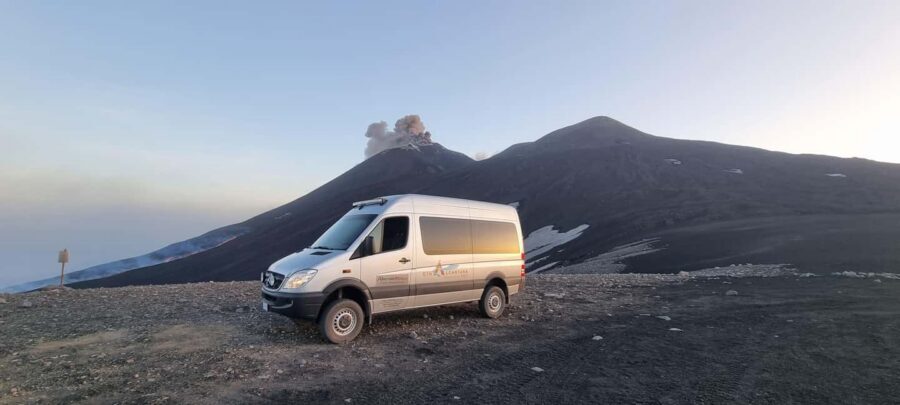
Your excursion starts in Piano Provenzana, on the north side of Mount Etna. You board a comfortable 4×4 bus and ride up an unpaved road that climbs fast and changes your perspective with every turn. Even before the hikes start, the ride helps you feel how steep and complex Etna’s upper zones are.
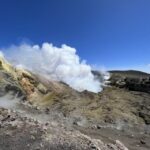
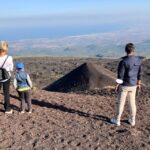
The first major altitude moment is the stop at the astrophysical observatory Pizzi Deneri around 2810m. From there, the terrain looks stark and lunar—old craters, ash-colored ground, and dramatic sky. It’s also the kind of place where clouds can roll in quickly, which can either sharpen the mood or reduce visibility. Either way, you’ll understand why people call Etna surreal.
Dress like you expect weather, not like you expect sunshine. At 2800m, the air can feel sharp even when the coast is warm. Bring sunglasses and layers you can add or remove, because you’ll want to stay comfortable during stops and photo breaks.
The 2865m hike: craters, Valle del Bove, and sea views
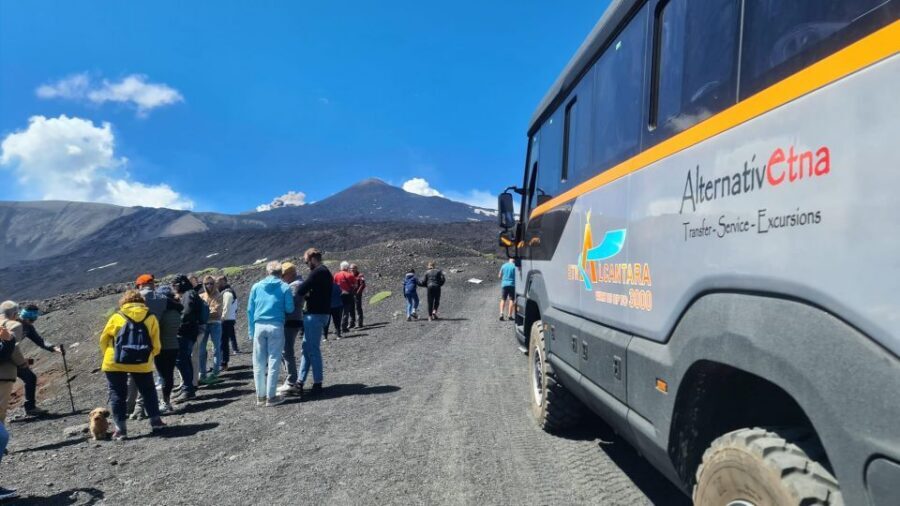
Once you reach the high point by vehicle (around 2805m), you take a short trek upward to about 2865m. The exact top altitude can vary depending on volcanic activity, which is a reminder that Etna is alive and active, even when it’s quiet to the eye. Practically, this means you should expect a slight change in the final viewpoint details on the day.
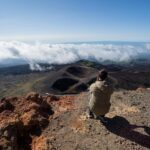
At this height, the payoff is the mix of crater views and long-distance clarity. You’ll look down toward Valle del Bove, which sits beneath the northeast crater area. From that angle, Etna stops being a single peak and starts looking like a whole system of basins and collapse zones.
You also get sweeping vistas toward the Sicilian coastline. On a clear day, it’s a wow moment because you can connect the island you’re traveling on to the mountain shaping it. When the weather shifts and clouds move through, it still works, since the contrast helps you see depth and scale.
This is also where you’ll want your best walking habits. The ground can be rocky and uneven, and you don’t need long trekking legs to feel the altitude and traction requirements. Take it slow, watch your footing, and don’t feel pressured to hurry for photos.
Stopping at the 2002 eruption crater rim
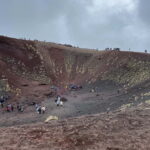
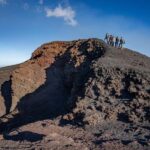
After the high viewpoint time, you head back down toward about 2200m by 4×4. Then there’s another short walk—around 20 minutes—to reach the crater edge from the 2002 eruption. This stop has a different energy from the earlier viewpoints because you’re looking at the aftermath more directly, not just the big panorama.
The crater rim experience matters because it turns the story into something physical. You’re standing at the edge of an eruption site and learning what it means in the bigger pattern of Etna’s activity. It’s one of those moments where your brain clicks from scenery to cause-and-effect.
Safety is part of this stop. You should expect to be near steep drops and uneven ground. If you’re traveling with anyone who struggles with balance, or if you get nervous around edges, keep that in mind before you choose this option. The good news: the walking portion is short, so you’re not committing to hours at the rim.
Volcano talk with a certified volcanologist guide
The tour’s biggest strength is that the explanation comes from a licensed volcanology guide. You’re not just watching steam and rocks; you’re getting context while you’re looking at the exact features the guide is describing. That makes the stops feel less like photo ops and more like understanding Etna in real time.
Guides on these trips are often very focused on clarity, and names that come up include Giuseppe, Flavio, and Sandi (among others). What I’d recommend is simple: ask questions while you’re at altitude. When you’re standing at a viewpoint, it’s easier to connect the guide’s explanation to the terrain in front of you.
Topics you can expect the guide to cover include how Etna’s activity shapes the craters and valleys you see, and what the 2002 eruption left behind at the rim. The guide can also help you read the area visually—why certain zones look fractured, why some areas look smoother, and how the “moon-like” appearance relates to volcanic processes.
If you’re the type who likes facts, this tour can satisfy that itch fast. If you’d rather just enjoy the views with a little science, it still works because the information is tied to what you’re seeing right now.
What the 2.5-hour timing means for your day
This is a tight, efficient format. In 2.5 hours you’ll do a lot of vertical progress, two short walking segments, and a guided stop at the crater edge. That time structure is helpful if you’re trying to plan other things in Sicily—lunch, a beach afternoon, or a second activity nearby.
Also, the trip avoids the common time drain of long waits. You’ll skip the ticket line, which helps your schedule stay on track. Since the high-altitude portion can be weather-sensitive, cutting wait time matters more than you’d think.
One practical tip: plan your day so you’re not rushing after the tour. Even though the hikes are brief, you’ll still be at altitude and on uneven ground. You may want time to warm up and change plans if clouds roll in and the guide adjusts timing on the fly.
Price and value: is $100 per person worth it?
At about $100 per person, this Mount Etna 4×4 tour isn’t the cheapest option, but it’s also not trying to be. For that price, you get two things that cost money and time: round-trip 4×4 transport to high altitude and a licensed volcanology guide.
If you were to do Etna DIY, you’d still face the real problem: getting to these specific altitudes and accessing the crater views with enough context. Public options can be slower or require extra transfers, and you’d likely spend more time figuring out routes than learning what you’re standing on. Here, you pay for direct access plus interpretation.
You’re also paying for the “value of altitude” in a short time window. At 2800m+, you can’t fake it with a lower viewpoint and expect the same experience. This tour makes sure you actually reach the high ground where Etna becomes most dramatic.
My rule of thumb: if Etna is your one big stop from the north side of the mountain and you want the geology story explained while you’re there, this is a fair use of budget. If you already have a plan to hike all day and you don’t need a guide, you might prefer a different style of outing.
Who should choose this ascent (and who should skip it)
This is a good match for people who want Etna up close without a long hike. You get high viewpoints, short trekking segments, and guided science. It’s also wheelchair accessible, which is a major plus if you need vehicle-forward access rather than hours on foot.
It’s not for everyone. The tour is listed as not suitable for pregnant women, people with back problems, people with heart problems, and people with high blood pressure. It’s also not for babies under 1 year and people over 95 years.
If you’re deciding based on comfort, focus on two factors: your ability to handle uneven volcanic ground and your comfort with altitude and wind. Even when the walks are short, altitude can make you feel out of breath faster than at sea level.
If you hate rigid schedules, this is still fairly flexible in the sense that the short final altitude can adjust depending on conditions. But it is not an open-ended roam. You’re on a set route with set viewpoints.
Finally, if you’re traveling with kids, treat this crater-edge stop seriously. You’ll be near the rim, and you should expect that safety rules matter. Check what the operator expects and plan for extra supervision if you bring children.
What to bring so the high altitude feels good
The tour provides the structure, but you bring the comfort. I’d pack around four essentials: weather readiness, foot traction, sun protection, and a small bag for layers.
Bring:
- Sunglasses (the light at elevation can be harsh)
- Hiking shoes (not just sneakers)
- Daypack (room for layers and water)
- Hiking pants (volcanic ground can be rough on bare legs)
Even if the coast is sunny, assume it might be cold at 2800m. A warm layer and a wind-resistant outer layer can turn a good view into a comfortable one. And keep your hands free enough for balance because you’ll likely step carefully on rocky surfaces.
Should you book Mount Etna: Ascent to 2800m by 4×4?
If your goal is to see real crater country and the 2002 eruption rim without committing to a half-day or full-day hike, I think this is an easy yes. The combination of rapid 4×4 access, short walks at the most important moments, and a volcanology guide makes it a high value way to understand Etna fast.
Skip it if you’re in any of the listed non-suitable categories, if uneven ground and crater edges make you uneasy, or if you want a low-key, slow sightseeing day. Also consider booking early in your trip: Etna’s conditions can influence how the day feels at altitude.
If you choose it, plan your clothing for cold and dress for traction. Then show up ready to ask questions at the viewpoints—you’ll get more out of the experience when the explanation matches what you can actually see.
FAQ
How long is the Mount Etna 4×4 ascent?
The tour duration is 2.5 hours.
Where is the meeting point for this excursion?
The meeting point is at the Alternativetna office.
What is the highest altitude reached on this tour?
You’ll reach about 2800m by 4×4, and then take a short trek up to around 2865m when conditions allow.
Is there hiking during the tour?
Yes. There’s a short trek to the high viewpoint (around 2865m), and after descending there’s another short walk of about 20 minutes to the edge of the 2002 eruption crater.
Is the tour accessible for wheelchair users?
Yes, the tour is listed as wheelchair accessible.
What languages are the guides?
The live tour guide speaks English and Italian.
What should I bring for the hike and altitude?
Bring sunglasses, hiking shoes, a daypack, and hiking pants.
Who is this tour not suitable for?
It’s listed as not suitable for pregnant women, people with back problems, people with heart problems, people with high blood pressure, babies under 1 year, and people over 95 years.
Can I cancel for a full refund?
You can cancel up to 24 hours in advance for a full refund.
Does the tour offer pay later options?
Yes. You can reserve now and pay later.
Is there a ticket line to wait in?
You skip the ticket line.