REVIEW · CATANIA
Etna: Urban Winery, Vineyards Walk & Wine Tasting at Sunset
Book on GetYourGuide →Operated by La Petralonga S.r.l. · Bookable on GetYourGuide
Urban vineyards on Etna sounds like a paradox. This Etna urban winery tour turns the area between Catania and Mount Etna into a walkable wine experience. I love the urban vineyards stretch with its dry-stone walls and old city-edge shapes, and I love the stop at the Palmento where you can see 1790-era pressing equipment and barrels. The only drawback: it’s a wine-and-tapas tasting, not a full lunch, so plan real food afterward if you get hungry.
Guides like Angela or Vera bring the story to life, from family notes in the 1800s to how the volcano affects the wine. You’ll finish with a guided tasting of 4 Etna wines paired with gourmet bites by resident chef Leonardo, which is a very satisfying way to end a late afternoon. For best comfort, wear closed-toe shoes and expect some walking in uneven ground over the 3.5-hour experience.
In This Review
- Key highlights you’ll feel right away
- An Etna wine tour that happens on the city edge
- Meeting at the Etna Urban Winery gate and getting your bearings
- The vineyard trail: urban vineyards, dry-stone walls, and a slow look at how the city changed
- Inside the Palmento: traditional winemaking machinery from 1790
- Sunset tastings: 4 Etna wines paired with tapas by chef Leonardo
- How the volcano shows up in the glass (and what to listen for)
- Price and value: what you’re really paying for
- Practical stuff before you go: timing, shoes, and what to expect from the pace
- Who should book this Etna urban winery tour
- Should you book it?
- FAQ
- How long is the Etna Urban Winery tour?
- What language is the tour guide?
- Where do we meet for the tour?
- What’s included in the tasting?
- What should I wear?
- Is there free cancellation or a reserve now pay later option?
Key highlights you’ll feel right away
- Urban vineyards between Catania and Etna: a wine walk inside an actual city-influenced setting
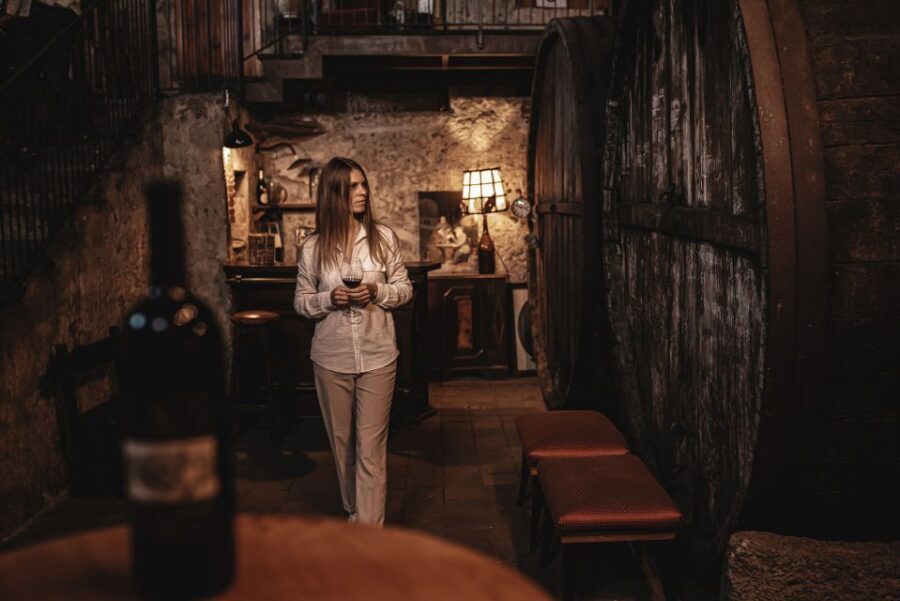
- A 1790 Palmento visit: a traditional Sicilian winery with press equipment and big chestnut barrels
- Dry-stone walls and 19th-century buildings: the built history sits right on the walk route
- Cement/stone fermentation and gravity flow: practical, hands-on details about how wine moves and ferments
- Sunset tastings paired with tapas: 4 Etna wines matched with chef Leonardo’s small plates
An Etna wine tour that happens on the city edge
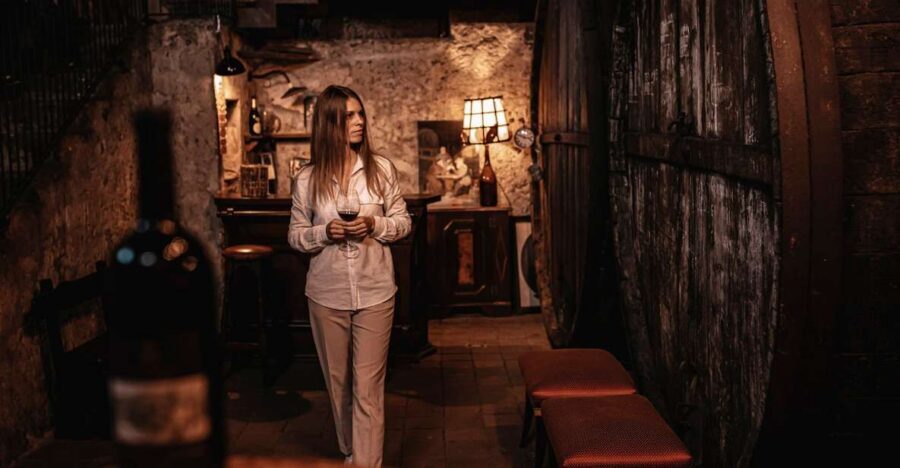
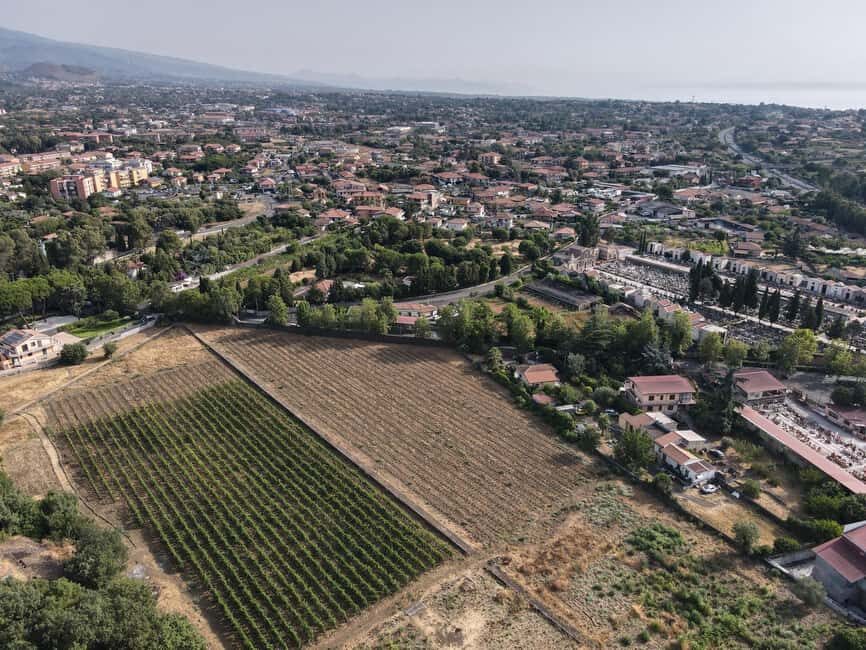
This isn’t the usual countryside-only wine trip. The whole point here is that Mount Etna’s wine culture shows up in an urban setting, where old dry-stone boundaries and rare historical structures sit next to the expanding city between Catania and Etna.
I like this approach because it makes the wines feel less abstract. You walk through the physical space that shaped grape growing and winemaking, then you get the payoff in a tasting that stays focused on Etna wines rather than turning into a generic buffet. And because the tasting is paired with food, you get to learn by taste, not just by listening.
It’s also a great choice if you’re basing yourself in Catania or Taormina and don’t want the day to revolve around long transport. The experience is built around a compact route with an easy back-to-start finish.
You can also read our reviews of more walking tours in Catania


Meeting at the Etna Urban Winery gate and getting your bearings
Your tour starts back where you’ll end: at the wooden gate with the Etna Urban Winery sign. There’s a warm welcome first, then you’ll step right into the vineyard trail for the walking portion.
This is the part where timing matters. The experience is designed for late day, and your schedule is around sunset. That affects your comfort (cooler air, gentler light) and your overall feel (the courtyard and garden at the end are part of the experience).
You’ll also know quickly whether you’ll enjoy this format. If you like tours that move at a steady walking pace—rather than sitting in one spot for an hour—this tour fits. If you want mostly indoor time, you’ll still get indoor stops (Palmento and tasting), but a real chunk of the magic is outside on the trail.
The vineyard trail: urban vineyards, dry-stone walls, and a slow look at how the city changed
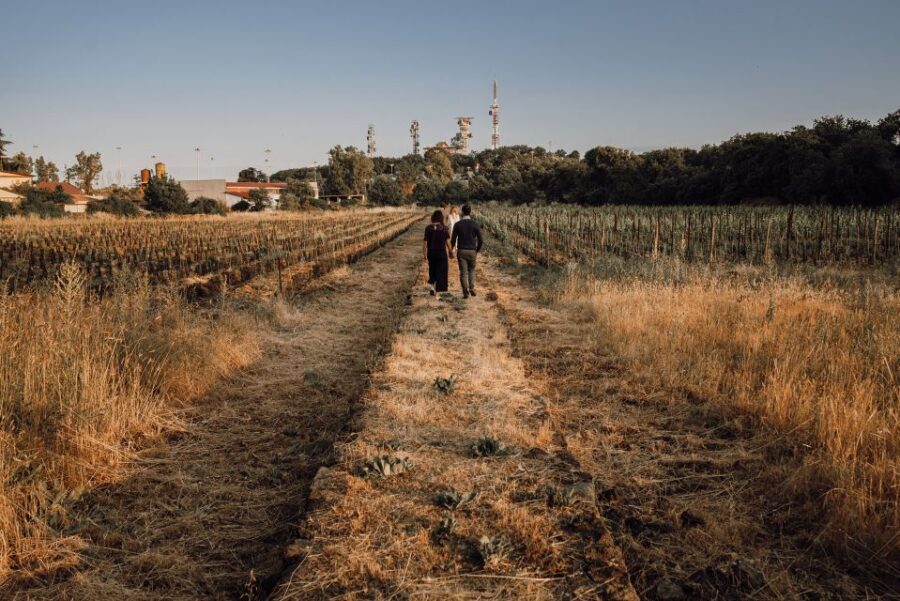
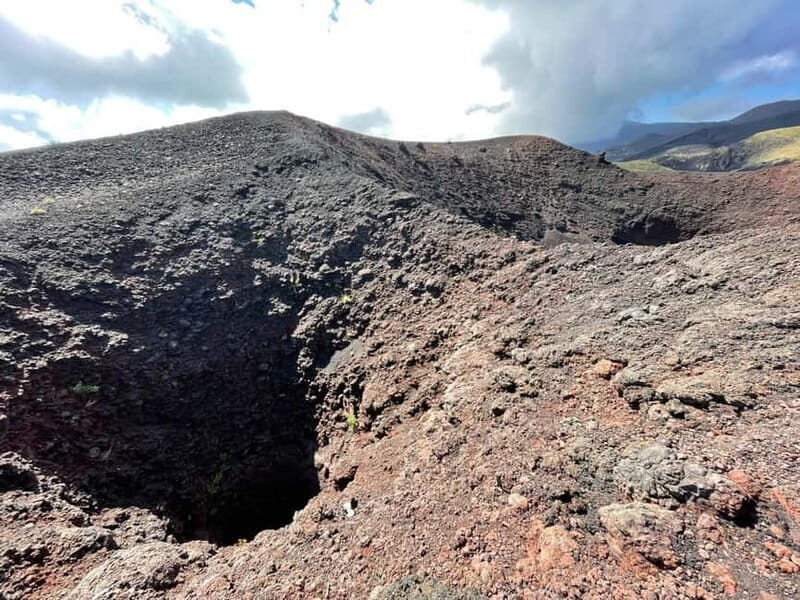
The walking segment is where the tour earns its name. You’re not just passing by vines—you’re walking through urban vineyards with a clear story behind what you’re seeing.
Here are the details that help the walk click:
- You’ll see dry-stone-made buildings and walls from the 19th century.
- You’ll notice an oak wood that represents the larger forest that once sat above Catania, before the city claimed more space over time.
- You’ll move through an area where the Etna wine story and the city story overlap, so it feels like you’re reading the landscape—without needing to be a specialist.
For families: children get a treasure map to follow along during the walk. That turns the walking time from “just walking” into a game, and it helps younger kids stay engaged without needing constant attention.
One practical note: the tour asks for comfortable, closed-toe shoes. That’s not just polite advice. The vineyard trail is walkable, but it’s not a flat promenade.
Inside the Palmento: traditional winemaking machinery from 1790
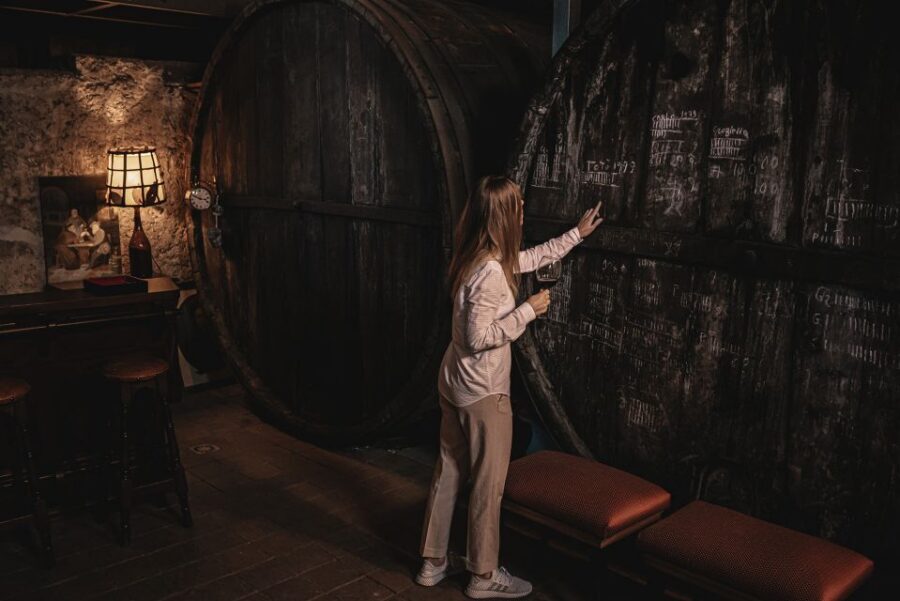
After the walk, you return to a key highlight: a Palmento from the 18th century. This is a traditional Sicilian winery, and it’s described as among the largest and best-preserved in the area.
What makes this stop stand out is that it’s not only aesthetic. You’re shown how the place worked, and it connects directly to the wines you’ll taste later.
What you can expect to see includes:
- Large chestnut wood barrels
- A grape pressing machine dating to 1790
- Details like cement and stone fermentation tanks
- A stone press and a gravity flow system for grape juice
- Wooden storage barrels around 10,000 liters, based on how the process is described during the visit
On top of the equipment, you’ll hear family stories tied to diaries from the 1800s. That gives the tour a human thread. It also helps explain why old machinery still matters: it shaped how grapes were handled, which affects how you think about the wine that comes out the other end.
If you like wine history, this is the part you’ll remember. Not because it’s dramatic—because it’s specific. You can point at real tools and hear what they did.
Sunset tastings: 4 Etna wines paired with tapas by chef Leonardo
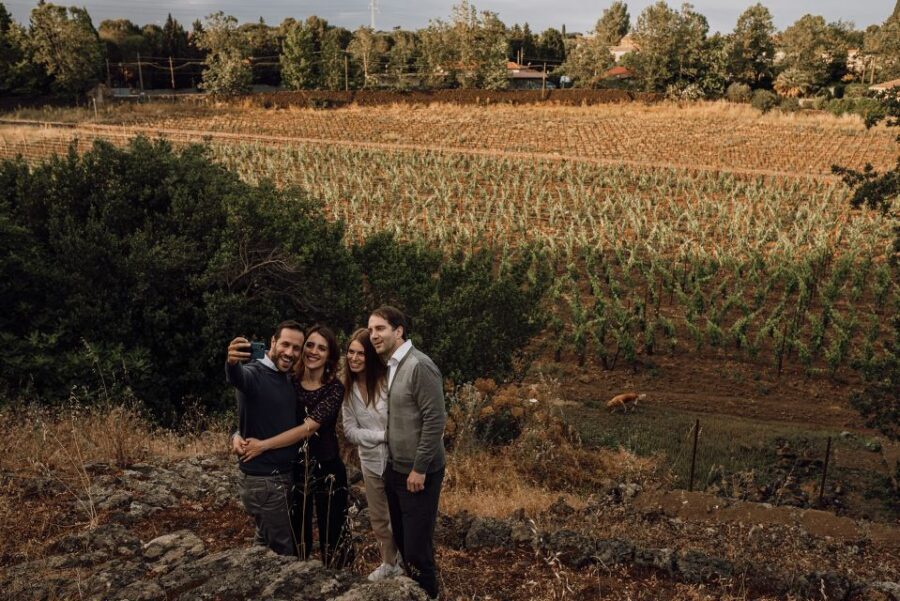
Then you shift from history to the present-day Etna wine scene. The tasting happens after the walk and Palmento visit, in the courtyard or the garden setting with views of Mount Etna.
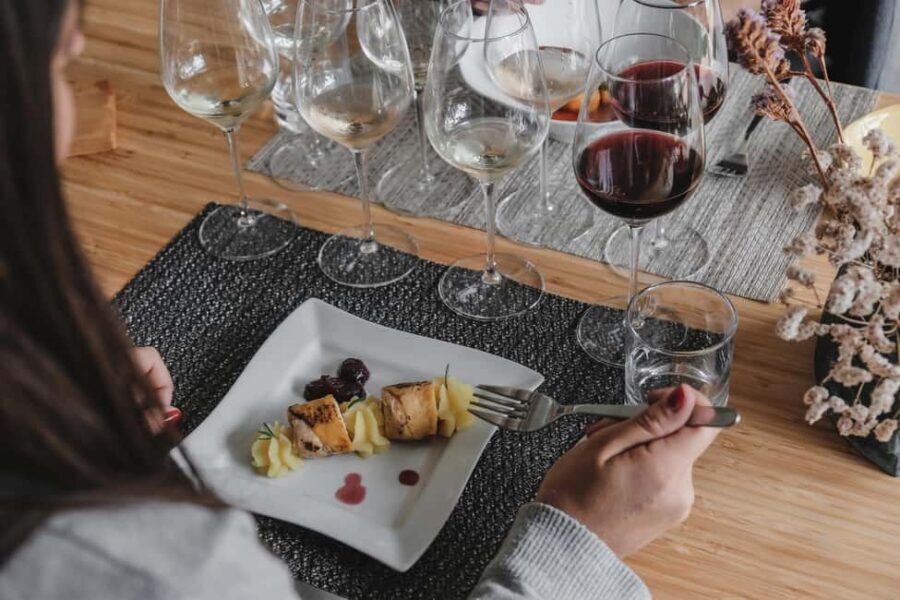
The structure is straightforward: you taste wines from 4 different wineries around the volcano, and each one is paired with gourmet tapas prepared by resident chef Leonardo.
From the tasting details shared in the experience, you can expect a mix like:
- a sparkling white
- an Etna white
- an Etna rosé (including Barone di Villagrande 2022)
- an IGT red (including Etna Urban Winery 2022)
The food pairing isn’t presented as a full meal. The experience is clear that it’s not intended to be a full lunch. Still, the plates can cover a lot of ground: antipasti, pasta, and meat or fish options show up within the tapas format.
This pairing approach is valuable for your taste learning. Sparkling wine often reads differently with salty bites than with fruit-forward flavors. Whites can seem sharper or softer depending on how the dish handles acidity. Reds can turn gentler with the right savory pairing, or feel more angular if the plate is heavy. The point is that the Etna wines don’t land in a vacuum.
And yes, the mood helps. Ending in a courtyard or garden with Etna in view makes the tasting feel like an event, not a quick stop.
You can also read our reviews of more food & drink experiences in Catania





How the volcano shows up in the glass (and what to listen for)
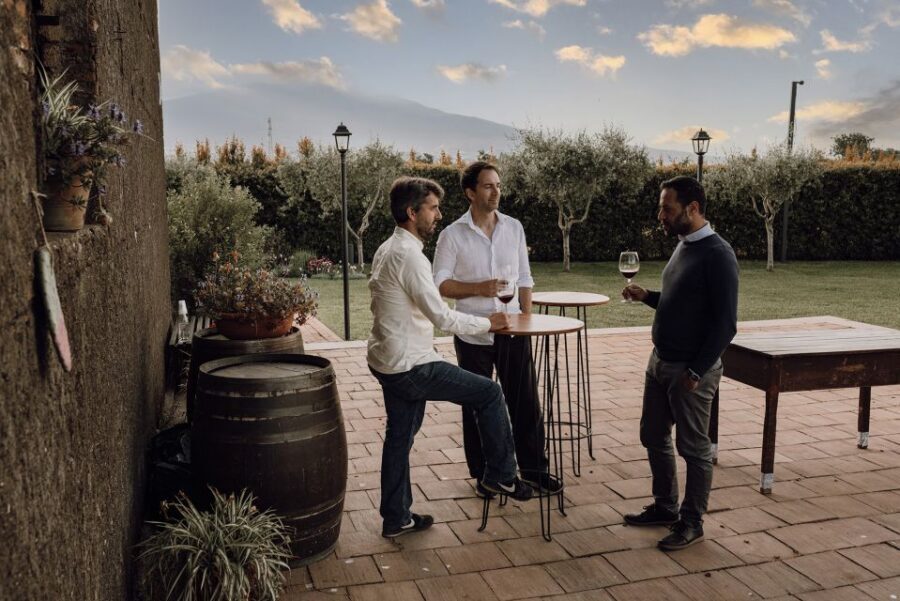
Etna is one of those places where people love to talk. The good version of that talk is practical: it connects soil, weather, and slope choices to what you taste.
Guides (including Angela and Vera, based on what’s been shared) tend to focus on exactly that. You’ll get explanations of how the taste can change with:
- the soil at Mount Etna
- the weather during growing and the way grapes develop
If you’re not a wine nerd, you’ll still get something out of it. The tasting is only four wines, so you can pay attention without feeling lost. I find this format beats wine flights that throw too many labels at you.
If you are a wine nerd, the Palmento stop makes you a smarter listener. When you’ve seen the winemaking process—fermentation tanks, pressing, and gravity flow—you’re more likely to notice how texture and structure show up in the wine.
Price and value: what you’re really paying for

At $81.57 per person for about 3.5 hours, the price looks like it could go either way. Here’s the value logic that makes it make sense.
You’re not only paying for a tasting. You’re paying for:
- access to the urban vineyards walk
- the Palmento visit with 1790-era equipment and details
- a sit-down tasting journey with 4 Etna wines
- chef Leonardo’s tapas pairings (not a full lunch, but food that’s meant to match the wine)
When wine tours are cheap but thin, they usually skip the deeper part: the winemaking context. Here, you get both the urban-winery story and the traditional machinery story, then you get the payoff in tastings matched with bites.
It’s also a convenient length. Long day trips are exhausting. This one is timed so you can still do other things after.
Practical stuff before you go: timing, shoes, and what to expect from the pace
A few things will make your experience smoother:
- Wear comfortable, closed-toe shoes for the walk.
- Keep your day flexible enough to enjoy the courtyard or garden ending. This tour is designed to be a slow finish, not a rushed handoff.
- Expect the food to be tapas-sized. If you’re the type who always needs a full meal, plan dinner after.
Language is English, and there’s a live tour guide throughout. That matters on a tour like this because you’ll want to ask questions about what you’re seeing in the Palmento and how the volcano affects the wines.
One more scheduling tip: check starting times. The tour is tied to sunset, so the best choice is whichever slot gives you that late-day light and pace.
Who should book this Etna urban winery tour
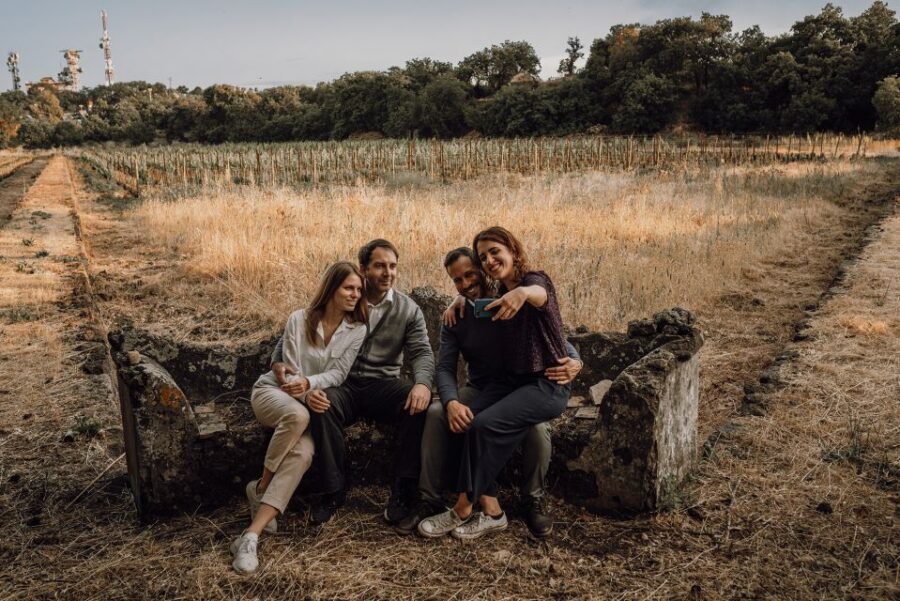
Book it if you want:
- an Etna experience that’s not only about driving to remote vineyards
- a tour that mixes walking, history, and wine tasting in one flow
- a focused tasting of Etna wines rather than a mixed selection
It’s also a strong pick for couples and small groups who like hands-on stories and don’t mind walking. The children’s treasure map is a nice bonus if your family includes kids who need a bit of structure.
If you hate walking, or if you only want a seated tasting with minimal movement, you might feel a bit rushed. But if you’re open to a 3.5-hour day with a clear rhythm, it’s a very good match.
Should you book it?
I’d book this tour if you’re in the Catania or Taormina area and you want to taste Etna wines in a way that also explains where the wine comes from—through both urban vineyard walking and a Palmento visit with real winemaking equipment.
Choose it especially if you care about value. The price covers more than a flight: it includes access to the vineyard trail, a Palmento tour with historical machinery details, and a paired tasting of four wines with chef-made tapas. That combination is the sweet spot.
Skip it only if you’re looking for a full lunch experience or you can’t do some walking on uneven ground. For most people who want an authentic Etna day without a complicated itinerary, this is the kind of tour that delivers the “wait, this is on Etna?” feeling in a very real way.
FAQ
How long is the Etna Urban Winery tour?
It lasts about 3.5 hours.
What language is the tour guide?
The tour is guided in English.
Where do we meet for the tour?
You meet at the wooden gate with the Etna Urban Winery sign.
What’s included in the tasting?
You get a wine-food tasting experience with 4 Etna wines paired with chef Leonardo’s gourmet tapas. It is not intended to be a full lunch.
What should I wear?
Wear comfortable, closed-toe shoes since the experience includes walking.
Is there free cancellation or a reserve now pay later option?
Free cancellation is available up to 24 hours in advance for a full refund. You can also reserve now and pay later to keep your plans flexible.