REVIEW · SICILY
Etna Quad Tour (1 or 2 pax on a quad bike)
Book on Viator →Operated by Etna Quad & Trekking · Bookable on Viator
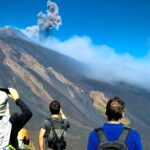
A quad tour on Etna is not your average volcano photo stop. You’ll drive automatic quads along off-road terrain while looking out over the highest active volcano in Europe from a very close-to-the-ground angle. It’s the kind of 90-minute adventure that feels more like doing the landscape than just watching it.
I especially like how the route mixes volcanic sights with human-scale stops. You’ll cross an eruptive fracture and roll through long lava fields and volcanic black sand, then make time for viewpoints and a visit to stone buildings in the area. One thing to keep in mind: parts of the ride can be pretty physical on stony paths, and the provided helmet visors can be scratched—bring sunglasses and a scarf if you want clearer sight and less wind sting.
In This Review
- Key highlights (the stuff that really matters)
- Why a Mount Etna quad tour feels different
- Crateri Silvestri: where the tour starts (and why it helps)
- Automatic quads and what to expect on the trail
- The eruptive fracture: the walk-through moment on wheels
- Lava flow cave: when the trip gets cooler
- Explosive craters and viewpoints: how stops fit the ride
- Typical local stone buildings: nuraghi and trulli vibes
- Gear and comfort: what’s provided and what you should add
- Price and value for a 90-minute quad loop
- A quick reality check: organization and how to protect your ride
- Who this quad tour is best for (and who should skip it)
- Tips to make the most of your 1.5 hours on Etna
- Should you book Etna Quad Tour?
Key highlights (the stuff that really matters)
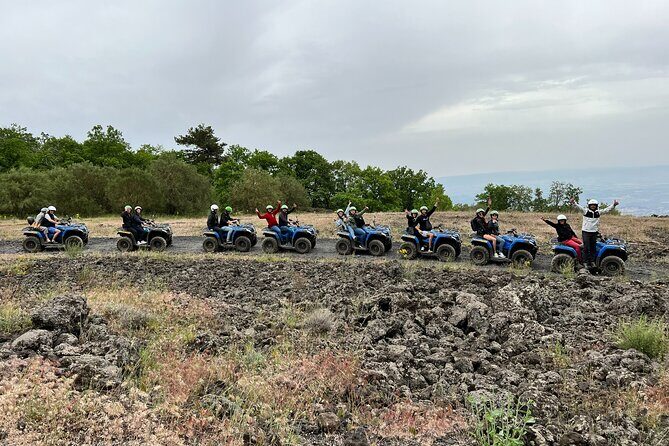
- Automatic quad driving that’s designed to be easy, even if you’re not a motorbike person
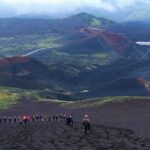
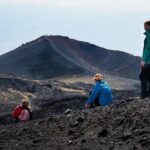
- Lava-field scenery with volcanic black sand, craters, and an eruptive fracture route
- A visit that includes a lava flow cave stop (cool factor goes way up here)
- A chance to see local stone building styles with shapes similar to nuraghi and trulli
- Gear is included: helmet, windbreaker/winter layer, and winter gloves
- Small-group feel: it’s private for your group, and the tour returns to the meeting point
Why a Mount Etna quad tour feels different
On Etna, most sightseeing turns into a parking-lot-to-viewpoint routine. This quad experience cuts down the “look, then go” rhythm and replaces it with motion—your own tires pushing through volcanic ground. That changes how you read the volcano. You notice textures: rough lava, fine black sand, and the way the terrain breaks into bands and paths.
I also like that it’s built around a simple idea: you ride for the whole journey. The quads are described as automatic and easy to drive, with a setup that safely transports up to two people per vehicle. You’re not wrestling gears while trying to take in explosive craters or the darker, older-looking flows.
The time matters too. At about 1 hour 30 minutes, you get a serious taste of off-road Etna without it stretching into an all-day production. You can stay in Nicolosi afterward and still enjoy Sicilian life, not just volcano life.
You can also read our reviews of more cycling tours in Sicily
Crateri Silvestri: where the tour starts (and why it helps)
You meet at Bar Ristorante Crateri Silvestri, Piazzale Crateri Silvestri, in Nicolosi. The key practical benefit of meeting at a named spot is simple: you can plan a clean arrival without playing guessing games with a random roadside turnoff.
The tour ends back at the meeting point. That loop matters if you want your day to stay tidy. You don’t need a second transfer plan, and you can build the rest of your itinerary right away—coffee, lunch, or even a slower stroll around Nicolosi.
One more “real life” note: the meeting location is listed as near public transportation. If you’re coming by bus/train, you’ll at least have a nearby anchor point to aim for, instead of a remote pickup.
Automatic quads and what to expect on the trail
You’re driving an ATV designed to be automatic and relatively easy. That’s a big deal on Etna because the ground is uneven and the sights are distracting enough without adding technical riding.
You’ll be responsible for your own vehicle, which means you control the pace. That also means you’ll want to listen early and often. Clear guidance from the leader is part of what makes the ride feel safe and fun instead of stressful.
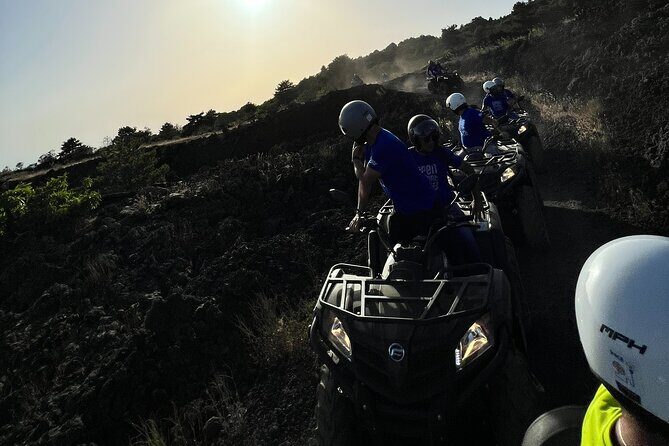
The route goes off-road for the whole itinerary, with stops along the way. Expect long stretches across lava textures and volcanic sand. Some paths can be stony, so plan for a bit of jostling. It’s not a smooth theme-park ride—it’s more like “volcano road trip,” with the road being whatever Etna decided to leave behind.
The eruptive fracture: the walk-through moment on wheels
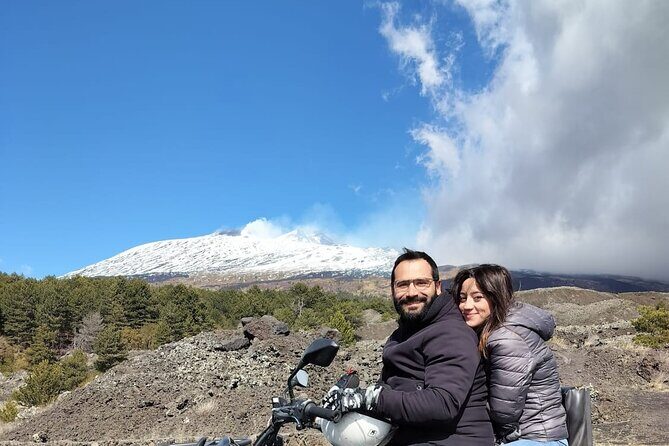
The ride includes crossing an eruptive fracture, and this is where the trip stops feeling generic and starts feeling real. A fracture is basically a visible sign that something erupted and the ground opened and rearranged. When you move through that area on a quad, you’re not just seeing a phenomenon—you’re traveling through the aftermath.
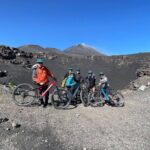
Along the way, you’ll drive between long lava fields and volcanic black sand. The mix is fascinating because it changes the look and feel of the terrain. Lava fields tend to look like hardened flows with rougher edges; black sand looks finer and more powdery, and it often gives the ground a darker, more recent vibe.
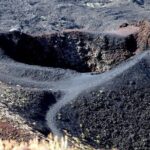
You also pass areas described for explosive craters. That matters for your mental map of Etna. Craters are the volcano’s punctuation marks—big, dramatic features that make the landscape easier to interpret, even if you’re not a geology student.
Lava flow cave: when the trip gets cooler
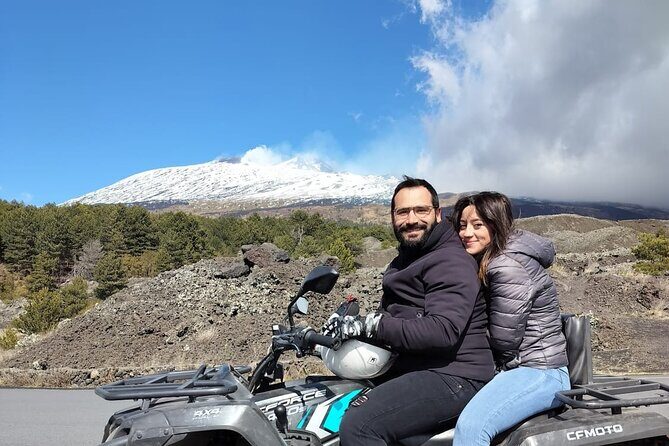
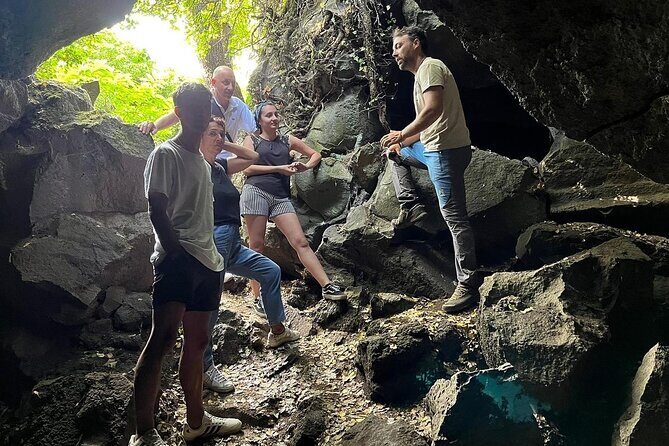
One of the standout elements is a stop connected to a lava flow cave. If you’ve never seen one in person, the concept is simple and the effect is strong: lava moves and flows, and sometimes the surface cools while molten rock keeps moving below. What you end up with can be a hollow or tunnel-like space carved by the flow.
Even without turning this into a long scientific lecture, that kind of stop changes your perspective. Outside, Etna looks like open landscape. In a lava cave context, it starts looking like a system—channels, flows, and hidden spaces shaped by heat and time.
The tour includes time to stop and visit. So you’re not constantly scanning the trail while the cool parts happen in passing. You’ll have a breather to switch gears, look around, and take in the geology from a different angle.
You can also read our reviews of more tours and experiences in Sicily
Explosive craters and viewpoints: how stops fit the ride
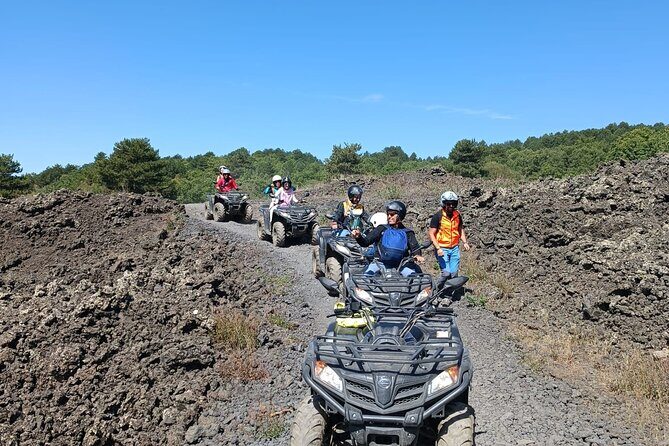
The itinerary isn’t just about driving. It includes time for stops where you can see what you’re passing through. Explosive craters come up on the route, and then you’ll have a moment to take it in properly.
In a short tour like this, the balance between driving and stopping matters. If you stop too often, the ride becomes fragmented and you miss the off-road feeling. If you stop too rarely, you’re just riding blind. Here, the structure seems designed for a strong “drive-to-see” rhythm: cross, notice, then pause.
One practical point: bring your own way of managing visibility. A couple of mentions from real riders point out that helmet visors can be scratched, which makes it harder to see clearly in bright Sicilian light or on rougher stretches. If you want crisp sightlines for the ride and photos, sunglasses and a scarf can help you stay comfortable.
Typical local stone buildings: nuraghi and trulli vibes
Another section of the experience includes a visit to typical buildings in the area—described as similar in feel to Sardinian nuraghi and Apulian trulli. That comparison matters, because it explains what you’ll be looking for: stone structures with a distinctive, traditional shape rather than modern, straight-edged construction.
Why it’s worth including on a quad tour: it prevents the experience from turning into a one-note volcano show. You get a sense of how people built near dramatic terrain. And because these structures are tied to regional traditions, the stop helps you connect the volcano to the daily geography around it.
Also, it’s a nice mental reset. After lava fields and black sand, stone buildings feel grounded and human. You can slow down, take photos, and understand that Etna’s influence is cultural as well as geological.
Gear and comfort: what’s provided and what you should add
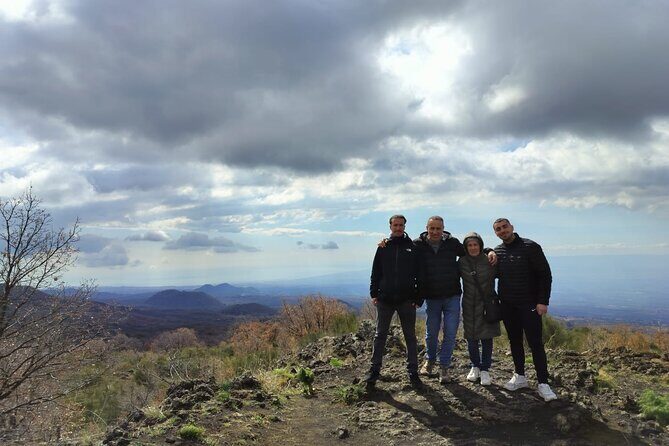
Included gear is solid and practical: helmet, windbreaker/winter layer, and winter gloves. That’s the core kit you need to handle changing weather and the wind exposure that comes with an open off-road ride.
Still, I’d plan to add your own comfort items. Based on rider feedback, the helmet visors can be scratched, which makes visibility tricky. The simple fix is to use your own sunglasses and consider a scarf or similar cover to help with wind and grit.
If your trip overlaps cold or windy conditions, the provided windbreaker and gloves will likely be a relief. If it’s milder, you may still appreciate layers because the route moves through open volcanic terrain.
And yes, riding can be bumpy on stoned paths, so think “physical comfort” rather than “sit-and-glide.” Your body will know you were on Etna, in the best way.
Price and value for a 90-minute quad loop
The price shown is $115.76 per group (listed as up to 1), and the tour is around 1 hour 30 minutes. Pricing can be confusing on adventure tours, so treat that label as a “per booking” number and double-check what it means for your exact party size before you pay.
Here’s the value angle you can trust from the information: you’re not just buying a scenic drive. You get an ATV experience with safety gear included—helmet, windbreaker/winter layer, and gloves. You also get guided routing across distinctive Etna terrain (lava fields, black sand, craters, and a lava cave stop), plus time for a cultural building visit.
For many people, the best part isn’t just the sights. It’s the control and closeness: you’re actively moving through volcanic ground, which makes the views feel earned. If you want an active alternative to a standard Etna bus tour, the cost can look more reasonable fast.
A quick reality check: organization and how to protect your ride
This experience is rated 4.2 with mixed feedback. Most comments lean positive on fun and guidance. One drawback showed up clearly: a rider described an on-site organization issue, mentioning lack of an adequate briefing.
How do you protect yourself from that? Arrive with a little extra buffer time at the meeting point. When you’re there, ask straightforward questions early: where the line-up is, how they’ll pair vehicles, and what to do at stops. If a briefing feels unclear, seek clarity right away instead of waiting for it to happen.
Also, keep expectations realistic about the “short” nature of the tour. It’s designed to fit 90 minutes. That means quick stops and fast transitions. The better you pay attention at the start, the more rewarding the ride becomes.
Who this quad tour is best for (and who should skip it)
This is listed as suitable for ages 5+, and it says most travelers can participate. That suggests the basic activity is intended to be widely accessible for a broad range of people.
I think it fits best if you want:
- A hands-on Etna experience, not just a viewpoint
- Off-road driving that’s designed to be automatic and easy
- A mix of volcanic sights and a short cultural stop
- A compact duration (about 90 minutes)
It might be a tougher fit if:
- You’re sensitive to stony, bumpy paths
- You rely on very clear helmet visors and don’t plan to bring sunglasses
- You strongly prefer very structured, slow pacing with lots of long explanations
Tips to make the most of your 1.5 hours on Etna
First, dress for wind and grit even if the day looks calm. The route goes through volcanic black sand and rough terrain, so your clothing and eyewear matter.
Second, treat the first minutes as your safety and comfort setup. Get used to the helmet, plan how you’ll handle sunglasses, and listen to how the guide wants you to ride between stops.
Third, go in mentally ready to split your attention. You’ll want to focus on the trail while also looking up at craters and flows. If you try to do both perfectly, you’ll miss one. Instead, alternate: ride, look, then pause and look again when you stop.
Finally, keep your expectations tight to the time. You’re not covering the whole volcano in 90 minutes. You’re getting a concentrated slice of Etna’s dramatic ground—lava, black sand, caves, and a cultural architecture stop—and that’s exactly what makes it fun.
Should you book Etna Quad Tour?
I’d book it if you want an active, guided quad ride on Etna that includes real volcanic terrain plus a thoughtful cultural stop, all in about 1 hour 30 minutes. The included gear is a nice value add, and the automatic quads make it more approachable than many off-road experiences.
I’d think twice if you know you’ll be uncomfortable on stony paths or if you depend on helmet visors for clear sight and don’t want to add your own eyewear. Also, plan to arrive a bit early and ask for clarity on the briefing, just to avoid that on-site chaos concern that shows up in some feedback.
If your goal is to experience Etna up close—feet off the ground, eyes on the landscape, and a bit of physical fun—this is a strong match.