REVIEW · CATANIA
Etna excursions at sunset ancient craters and lava flows
Book on GetYourGuide →Operated by Enjoy our sicily · Bookable on GetYourGuide
Etna at sunset turns a volcano visit into pure movie-scene energy. You get expert nature-guides, plus guided walks that focus on what Etna is doing now, what it has done before, and how locals live with it. I especially liked the lunar-like volcanic terrain and the way the trip connects the science to real life in Sicily.
Two things I really like: the stop at ancient (extinct) side craters and the easy, scenic hike that ends with you waiting for the sunset. The walking is only a 2 km loop, and it’s designed to be friendly, not grueling. One important consideration: the tour is not suitable for people with altitude sickness, respiratory issues, pregnancy, or heart problems.
In This Review
- Key highlights you will actually care about
- Etna at sunset: why this tour feels different on Sicily
- From Trecastagni pick-up to the crater walk
- Stop 1: ancient side craters, and why it sets the right mood
- Main hike: a 2 km easy loop through lava fields
- The guide-led connection: locals, flora, and why Etna is more than rock
- Waiting for sunset: where your time turns into a view
- Is the price worth it? How $84.96 plays out for a 4-hour Etna outing
- What to bring (and what to wear) for an Etna sunset walk
- Who this Etna sunset excursion is best for
- A quick reality check on timing and expectations
- Should you book Etna excursions at sunset for ancient craters and lava flows?
- FAQ
- What time does the Etna sunset tour start?
- How long is the excursion?
- Where does the tour pick up?
- Is there a pickup option from Catania?
- What is the walking portion like?
- What will we see during the tour?
- What should I bring?
- Are food and drinks included?
- What languages does the guide speak, and who should avoid the tour?
Key highlights you will actually care about
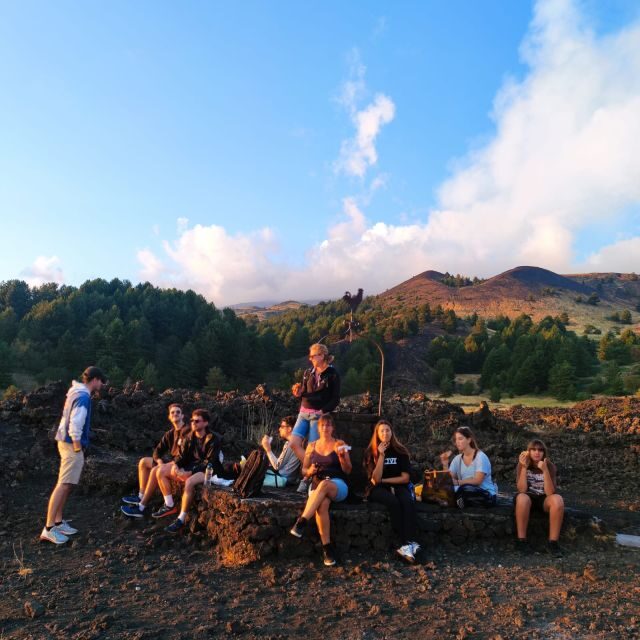
- Sunset timing at the end of the hike for the best light on the lava terrain
- Extinct side craters stop, so you see how past eruptions shaped the mountain
- A simple 2 km loop trail with panoramic viewpoints and an easy walking pace
- Guides who explain Etna’s eruptions and the volcano’s link to local life
- Small groups or private options, so the experience stays personal
Etna at sunset: why this tour feels different on Sicily
If you have only ever seen Etna from a distance, this is the version that makes it personal. You are not just looking at a big mountain. You’re walking through the results of eruptions—recent lava fields and older, ancient layers—while a guide explains what you’re seeing and why Etna has shaped the lives around it.
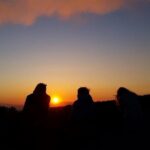
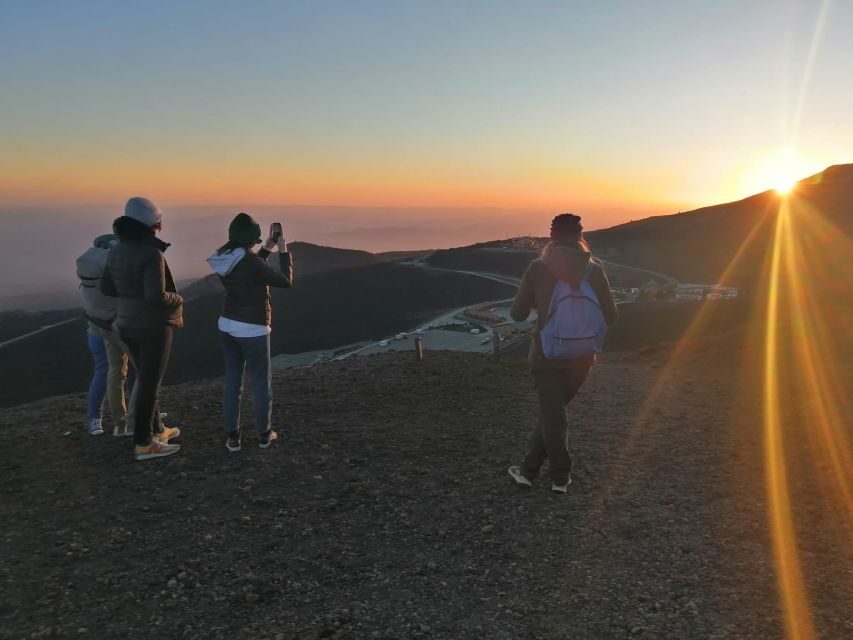
The sunset piece matters more than it sounds. Late light softens the harshness of volcanic rock and makes the terrain look layered and dramatic. You also get to time your walk so you’re not rushing at the end. When you reach the trail’s finish, you wait for the sun to drop. That small change in rhythm makes the whole thing feel calm and intentional, not like a checklist.
And yes, this is Europe’s highest active volcano and a UNESCO site, so you’re visiting something with real cultural and environmental weight. But you’ll feel it most through the guide-led experience: the lunar-like forms, the distinctive flora that grows here, and the story of how the volcano is part of daily local reality.
You can also read our reviews of more evening experiences in Catania
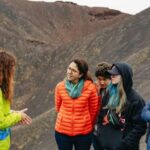
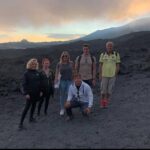
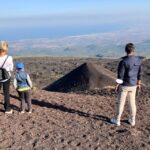
From Trecastagni pick-up to the crater walk
The tour starts in the late afternoon, with pickup from the Trecastagni area near the Saint Biagio Church (Piazza Stesicoro). It’s designed so you can meet easily without hunting for a complicated rendezvous point. If you do have a car, you can ask for another pick-up point.
After you meet the group, you’ll head out by van for about 45–50 minutes to reach the Etna area. This matters because it turns the trip into a guided outing instead of a self-driving puzzle. Also, arriving in the late day window helps you reach the walking and sunset in the right order.
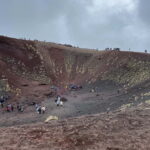
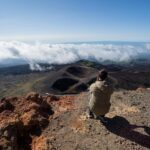
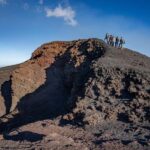
Your first real “Etna” moment is the ancient crater stop. You’ll visit ancient side craters, including an extinct crater area. This gives you a contrast right away: you see how the mountain looked after older activity, before you move into the walking that includes more recent and ancient lava sections.
Practical note: the pickup and drop-off can include nearby church or plaza points such as Chiesa di San Biagio in Sant’Agata alla Fornace and Piazza Sant’Alfio, and the activity ends back at the meeting point area. So you’re not left stranded somewhere unfamiliar.
Stop 1: ancient side craters, and why it sets the right mood
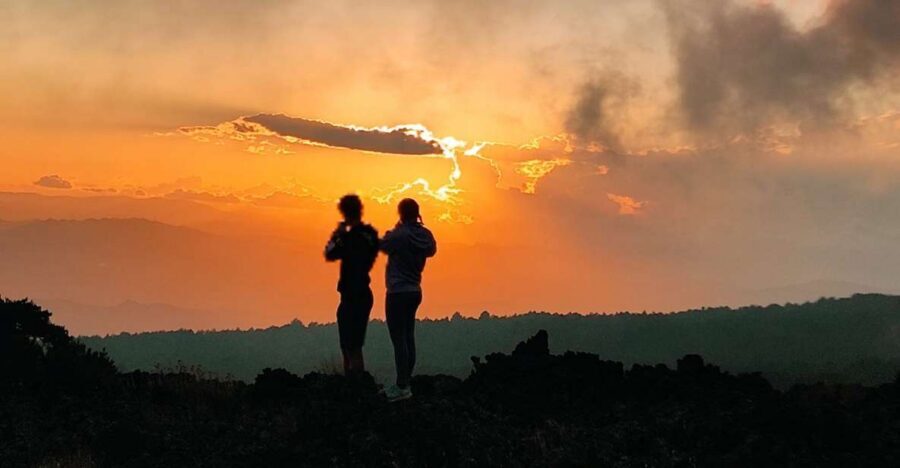
The ancient side craters stop is the trip’s best “orientation chapter.” Etna is active, but you need context to read what you see. That stop helps you connect today’s volcanic activity to the long process of formation—how side craters form, how eruptions carve and reshape the area, and how older volcanic material behaves over time.
It’s also a good mental warm-up for what comes next. Once you’ve looked at the extinct side crater area, the lava terrain you’ll walk through later makes more sense. Instead of seeing rocks, you start seeing a history of events.
If you like learning while you travel, this is where the guide’s explanations start to click. The description of the day focuses on eruptions and how the volcano relates to local inhabitants, flora, and fauna, so the crater stop is not just a photo stop. It’s a story-setting moment.
Main hike: a 2 km easy loop through lava fields
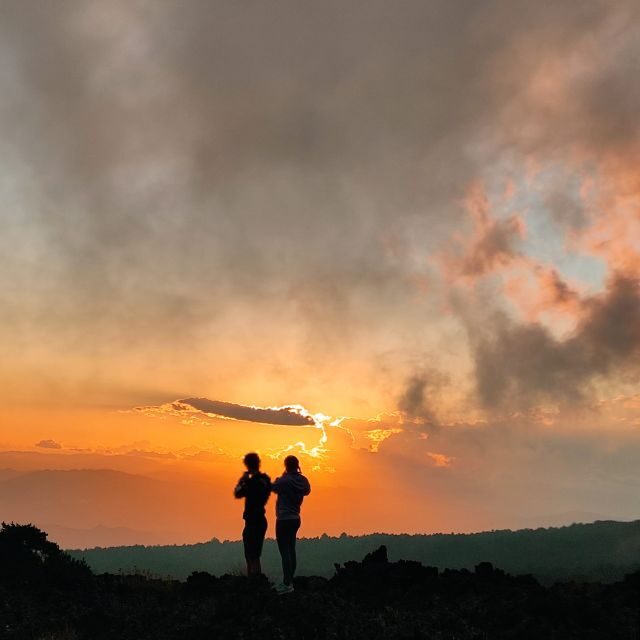
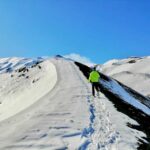
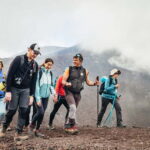
The heart of the excursion is a guided hike on Etna’s scenic trail: a 2 km loop at an easy level. This is the right kind of walking for sunset, because you can focus on views and understanding the terrain instead of grinding uphill for hours.
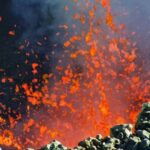
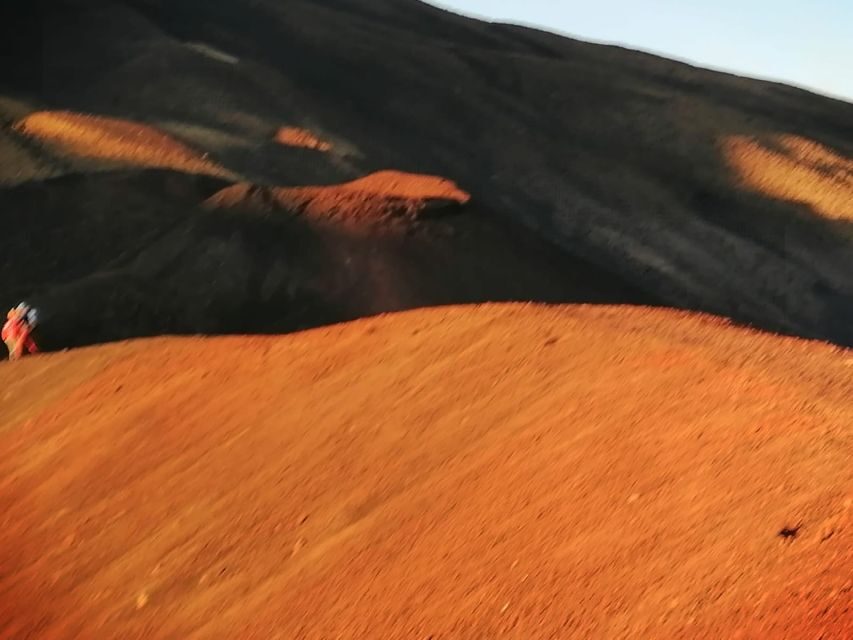
On this part of the route, you’ll walk through a mix of volcanic areas, including both recent and ancient lava fields. That contrast is the real value here. Lava flows don’t all look the same, and the guide helps you notice differences instead of just stepping across rock.
What makes the hike especially useful is that it’s short enough to feel approachable, but long enough to give you a sense of scale. You get multiple moments to look around, not just one viewpoint. And because it’s a loop, it avoids that awkward “turn around at the same spot” feeling.
Drawback to keep in mind: it’s described as easy, but volcano trails can still be uneven. Wear comfortable footwear and go at a steady pace. If you’re expecting a perfectly smooth path like a park promenade, adjust your expectations.
The guide-led connection: locals, flora, and why Etna is more than rock
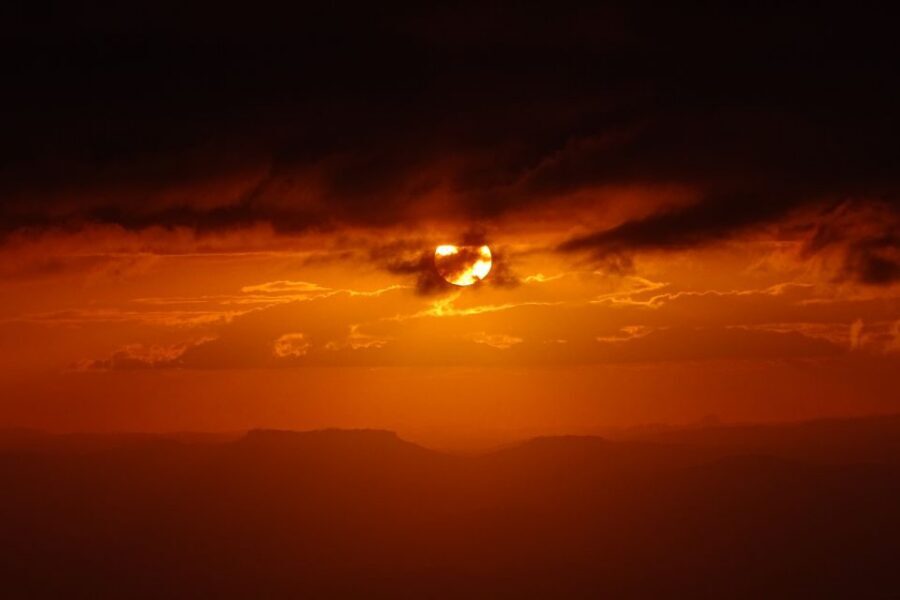
One of the most practical reasons to take a guided Etna walk is simple: you don’t just pass through the terrain, you learn how to read it. This tour is built around explanations of Etna’s eruptions and its relationship with local life.
You’ll also hear about distinctive flora that grows on Etna. That matters, because it shows you the other side of the volcano story: after disruption comes adaptation. Even if you’re not a plant expert, the guide can point out what makes this place special and how it survives in volcanic conditions.
And there’s a human layer too. The tour specifically focuses on the connection between the volcano and locals. That is the difference between viewing a UNESCO volcano like a landmark and understanding it like a neighbor.
In my experience, these are the talks that stick. You’ll remember the shape of the crater area, but you’ll also remember the explanation that made it click—how eruptions reshape the ground and how communities respond.

Waiting for sunset: where your time turns into a view
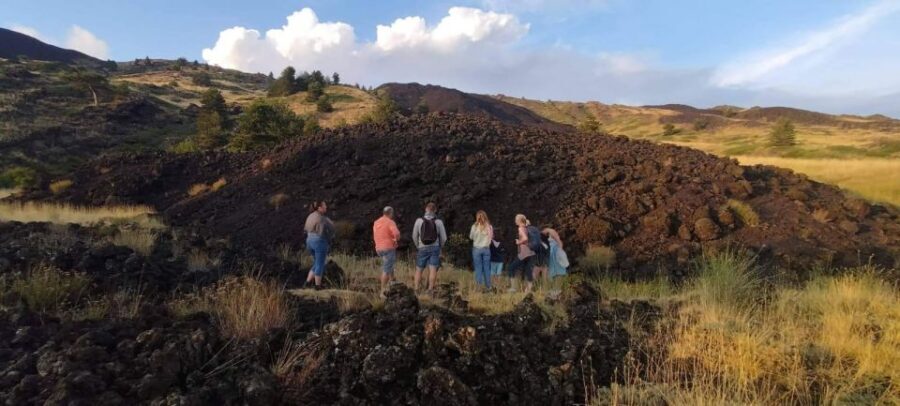
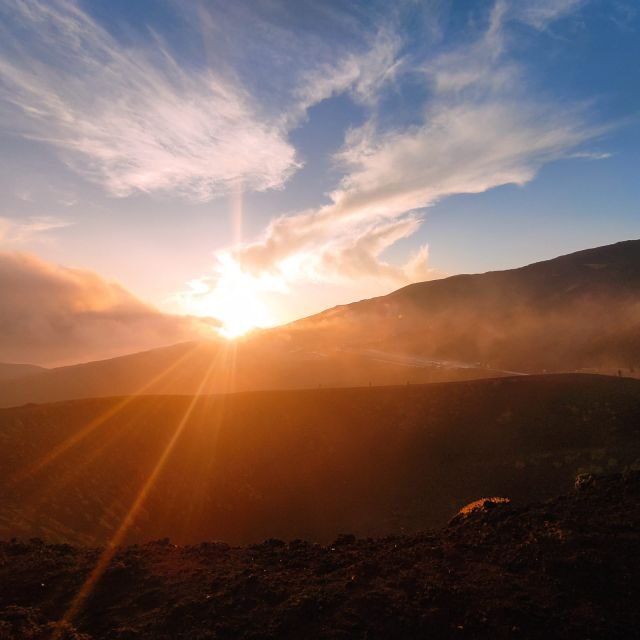
The schedule is timed so you reach the end of the 2 km loop and then wait for the sunset. That waiting isn’t downtime. It’s when the volcanic terrain becomes most photogenic and most atmospheric, with changing colors across rock and sky.
This is a major reason people choose sunset Etna tours in the first place. Late-day light gives the mountain a sense of depth and makes it easier to see texture. Even if you don’t care about photography, it makes the scenery easier to understand.
Because departure can vary depending on sunset time, you can treat the 3:30 PM start as a starting point rather than an exact promise. In other words, the tour is set for the late-day window. It’s not a rigid morning schedule pretending to be flexible.
Tip: bring a jacket. The tour listing calls it out, and for a sunset plan on a volcano, cooler air and wind can make a big difference.
Is the price worth it? How $84.96 plays out for a 4-hour Etna outing
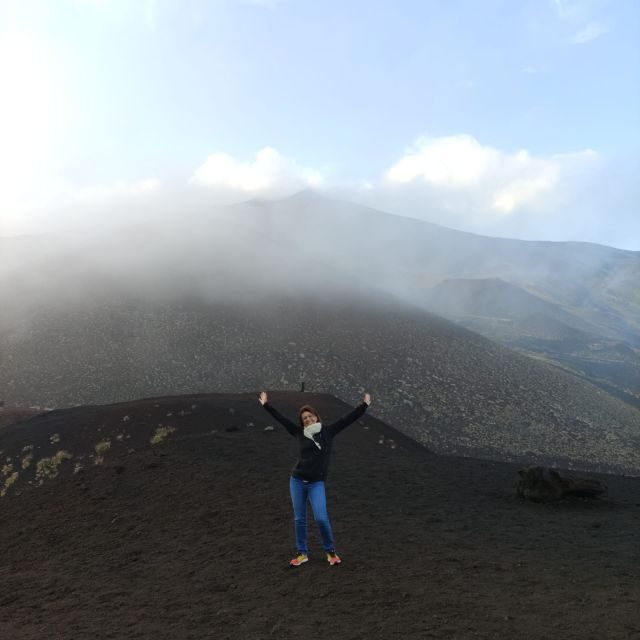
At $84.96 per person for a roughly 4-hour experience that includes pickup/drop-off from Trecastagni and a live guide, the value is mainly in three areas:
First, you’re paying for expert interpretation. Etna is fascinating, but without context, a lot of it becomes rocks and distant views. Here, you get guided stops for extinct side craters, a structured lava walk, and explanations about eruptions, flora, and local life.
Second, you’re paying for convenience. You meet near Saint Biagio Church in the Trecastagni area, then you’re transported by van for about 45–50 minutes out and back. That removes the hassle of driving in the late afternoon and dealing with timing.
Third, you’re paying for the sunset setup. The hike ends so you can wait for the sun. That planning detail is hard to recreate on your own without juggling route timing and terrain access.
What you should budget for separately: food and drinks are not included. So if you usually snack during tours, plan ahead. Also, there’s no mention of meals being part of the day, so it’s smart to arrive fed and comfortable enough for late-day walking.
What to bring (and what to wear) for an Etna sunset walk
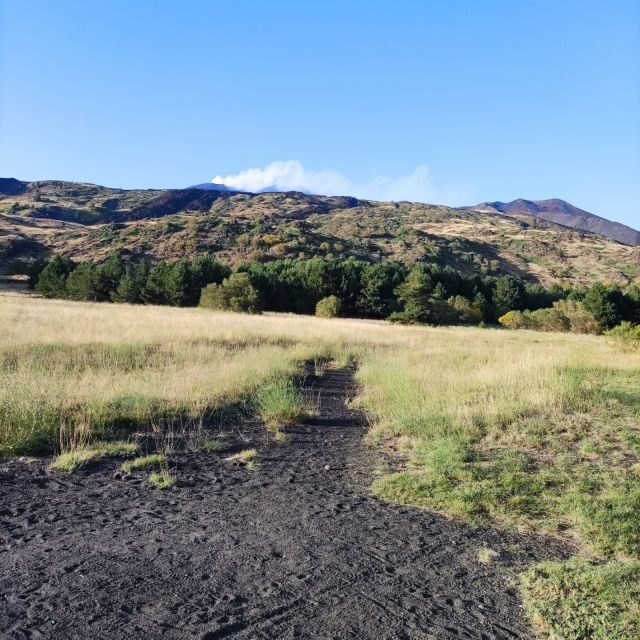
This tour is built around an easy loop, but you’re on a volcano. I’d pack like you’re doing a nature walk with wind and changing temperatures.
Bring:
- Comfortable clothes you can move in
- A jacket for late-day chill
- Comfortable walking shoes (practical, since paths can be uneven)
Other than that, keep it light. There’s no hint of a long layered hiking day—this is a focused, short walk followed by sunset waiting.
Who this Etna sunset excursion is best for
This is a great fit if you want Etna in a guided, story-driven format. You get the extinct crater stop, the easy hike through lava fields, and sunset all in one compact timeline. It’s also a strong choice if you like nature and science explanations tied to real people and local life.
It’s less suitable if:
- You experience altitude sickness
- You have respiratory issues
- You are pregnant
- You have heart problems
Those limits are clearly stated for this activity, so don’t treat them as generic warnings. If any of those apply, choose a different Etna option.
It also works well for couples and small groups because the tour offers private or small groups available, which usually makes the guide more responsive to your pace and questions.
A quick reality check on timing and expectations
The day runs in a tight late-afternoon window. Starting around 3:30 PM, you travel out first, then do crater viewing and a guided hike, then wait for sunset. Because sunset time shifts, the exact departure can vary.
Also, keep your expectations realistic. This is not an all-day summit scramble. It’s a guided visit with an easy loop and a sunset finish. If what you want is lots of strenuous climbing or a long day of trekking, you may find the format too short and too easy.
But if what you want is: see the volcano up close, walk through lava terrain, learn the story, and end with a Sicilian sunset, this is exactly that.
Should you book Etna excursions at sunset for ancient craters and lava flows?
If you want an Etna experience that’s timed well, guided well, and not overly complicated, I’d book it. The strongest reason is the combination: extinct side crater context early, then a simple 2 km lava walk, then a sunset waiting moment that turns the whole outing into something memorable.
Book it especially if:
- You want guided explanations about eruptions, flora, and local life
- You’d rather do a short, easy hike than a long grind
- You care about sunset views and want a plan that gets you there naturally
Skip it if:
- You fall into the listed health limitations (altitude, respiratory, pregnancy, heart issues)
- You’re not comfortable with uneven outdoor trails, even when described as easy
- You need food included as part of the tour
If you match the right expectations, this is one of those Sicily activities that feels like more than a drive and photos. It’s a guided walk through Etna’s changing story, with the light getting better just as your eyes are ready.
FAQ
What time does the Etna sunset tour start?
The starting time is listed as 3:30 PM, but departure may change depending on the sunset time.
How long is the excursion?
The duration is 4 hours, including travel time.
Where does the tour pick up?
Pickup is from the Trecastagni meeting point area near the Saint Biagio Church (Piazza Stesicoro).
Is there a pickup option from Catania?
Yes. Pickup from Catania is available for an extra 15€ per person, and children aged 0–12 can be picked up for free if paid on the spot.
What is the walking portion like?
You’ll do a hike on an Etna trail that is a 2 km loop with an easy level, designed as a panoramic walk.
What will we see during the tour?
You’ll visit ancient side craters, walk through recent and ancient lava fields, and wait for the sunset.
What should I bring?
Wear comfortable clothes and bring a jacket.
Are food and drinks included?
No. Food and drinks are not included.
What languages does the guide speak, and who should avoid the tour?
The live guide speaks French, Italian, and English. The tour is not suitable for people with altitude sickness, respiratory issues, pregnancy, or heart problems.