REVIEW · SICILY
Catania Home Cooking: Pistachio Ravioli, Sicilian Pasta & Wine
Book on Viator →Operated by Curioseety SRLS · Bookable on Viator
Fresh pasta in a real Catania apartment? Yes. I like this class because it turns Sicilian food into hands-on skills: you’ll learn to make pistachio-filled ravioli and other fresh shapes, then eat what you make with local wine. It also includes a starter of gourmet bruschette paired with Sicilian flavor combos, not just a demo.
You’ll get real technique, not just eating tips. I especially enjoy that the menu is built around classic Sicilian sauces like Norma Dressing and Trapanese pesto, so you can cook the “why” as well as the “how.” A host such as Angela or Daniela (depending on the session) is typically the friendly center of gravity, and it helps if you’re open to learning through shared work.
One consideration: this is a home setting. One past booking raised concerns about pets and kitchen hygiene, so if you’re sensitive to that (or any other comfort issue), I’d ask in advance what the kitchen environment will be like and what standards are followed during prep.
Key Highlights You’ll Remember
- Pistachio-filled ravioli plus caserecce and gnocchetti, all made by hand
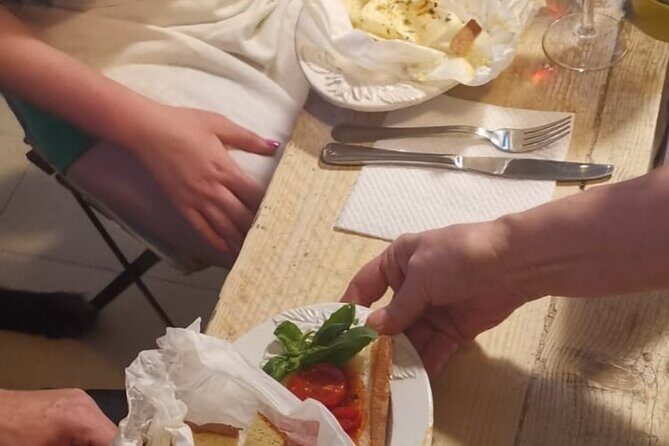
- Starter bruschette with unusual toppings like pear and sun-dried tomato
- Sauce variety: Norma Dressing, Trapanese pesto, Aeolian style
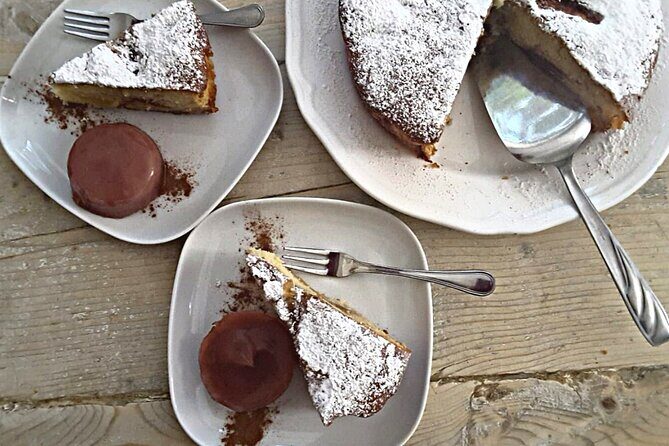
- Dessert finish: biancomangiare and cannolamisù (a cannoli-style tiramisu twist)
- Small group (max 6) in a home kitchen with a host and chef team
- Wine pairing with the meal you cook
In This Review
- A Catania Home Kitchen Where You Make Sicilian Pasta
- The 3-Hour Flow: Bruschette, Pasta, Wine, Dessert
- Start with Sicilian bruschette
- Then it’s your hands on the pasta
- Eat, then add the wine
- Finish with a Sicilian dessert twist
- Your Pasta Skills: Ravioli, Caserecce, and Gnocchetti
- Pistachio-filled ravioli (the star move)
- Caserecce and gnocchetti
- Sicilian Sauces You Can Actually Cook Again
- Dessert Time: Cannolamisù and Biancomangiare
- Wine Pairing: Local Glasses With Your Meal
- Language and Teaching Style in English
- The House-Setting Reality: Ask About Comfort and Hygiene
- Price and Value: What $106.04 Buys in Catania
- Group Size and What That Means for You
- Where to Meet in Catania
- Can You Just Chat While the Menu Happens?
- Who This Cooking Class Is Best For
- Should You Book Catania Home Cooking for Pistachio Ravioli and Wine?
- FAQ
- What is the duration of the cooking class?
- How much does this tour cost?
- What language is the class offered in?
- How many people are in a group?
- Where do we meet in Catania?
- What dishes are included in the menu?
- What sauces do we pair with the pasta?
- Is wine included?
- Can I choose not to cook and just watch?
- Can the host accommodate allergies or intolerances?
A Catania Home Kitchen Where You Make Sicilian Pasta
This isn’t a big, staged cooking school. It’s a small group class in Catania where you join a household kitchen and learn a practical set of Sicilian moves you can repeat later. The menu is designed around what Sicilians actually make: fresh pasta shapes, bold sauces, and desserts that lean on ricotta and classic pastry flavors.
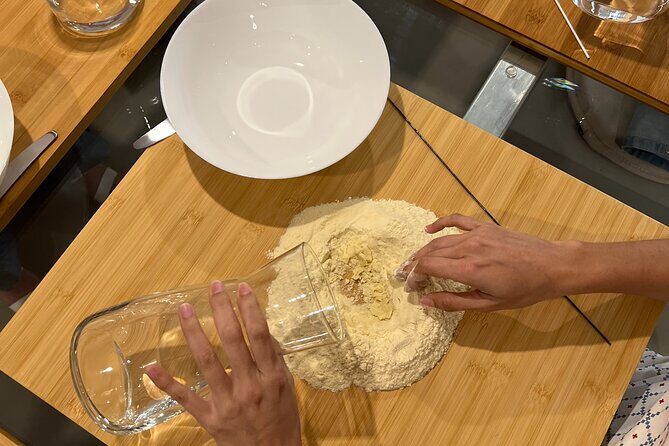
You start by settling into the home vibe. Depending on the session, your host may be someone like Angela or Daniela, and the cooking lead may be a chef like Anna. Either way, the structure is the same: you’ll get guided steps, then you’ll handle the food yourself. That hands-on part matters. You’re not just watching noodles get born; you’re part of the process.
And yes, the food is the main event, but the context is useful too. Learning Sicilian cooking is about understanding how ingredients work together—pasta with sauces that are meant to cling, desserts with the right dairy balance, and starters that set the tone without being heavy.
The 3-Hour Flow: Bruschette, Pasta, Wine, Dessert
The class runs about 3 hours and it follows a clean rhythm: starter first, then pasta making, then dessert. You end back at the meeting point, so you’re not wandering across town after you’re already hungry.
Here’s what the meal flow looks like in plain terms:
You can also read our reviews of more cooking classes in Sicily
Start with Sicilian bruschette
You begin with gourmet bruschette—think tomato-based classics alongside creative combos like pear and sun-dried tomato. This starter does two things. First, it gets you eating right away. Second, it familiarizes you with flavor pairings you’ll see echoed later in the sauces.
Then it’s your hands on the pasta
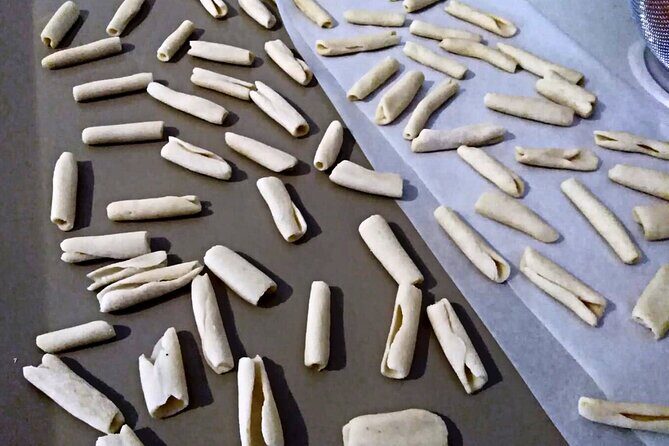
Next comes the main event: you’ll make fresh pasta and multiple shapes. The menu lists pistachio-filled ravioli plus caserecce and gnocchetti. You’ll also pair the pasta with Sicilian sauces like Norma Dressing, Trapanese pesto, and Aeolian style.
Eat, then add the wine
While the evening is structured around cooking, you’re not standing around with an empty plate. The experience includes fine local wines to go with what you prepare. That pairing matters for value: your ticket isn’t only for instruction; it’s also for a full meal experience.
Finish with a Sicilian dessert twist
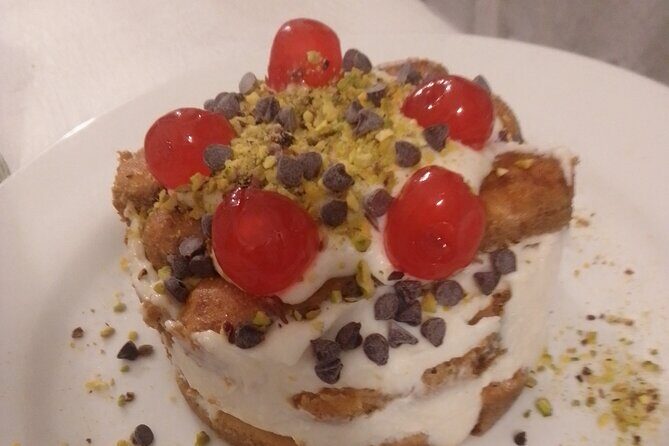
Dessert is built around Sicilian classics, including biancomangiare and a deconstructed cannoli style finish like cannolamisù (a cannoli-inspired twist on tiramisu made with ricotta). It’s the kind of sweet that feels celebratory but still makes sense after wine and pasta.
You can also read our reviews of more wine tours in Sicily






Your Pasta Skills: Ravioli, Caserecce, and Gnocchetti

The pasta portion is where this class earns its keep. The goal isn’t just to get you eating; it’s to help you leave with techniques you can recreate.
Pistachio-filled ravioli (the star move)
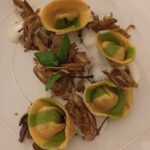
Making ravioli teaches you more than one skill. You’re working with dough consistency, shaping, and filling control. The pistachio filling is a signature here, so even if ravioli is familiar to you, the flavor profile should feel distinctly Sicilian.
If you’re a strong cook already, you’ll still find value in the method and the way the dough is handled. If you’re a beginner, expect step-by-step guidance and time to get comfortable.
Caserecce and gnocchetti
Caserecce and gnocchetti are perfect for sauce. Their shapes help pasta cling, so when you’re eating at the table later, you can actually feel the payoff of the technique. This is one of those details that makes the whole meal taste more intentional.
Also: learning multiple shapes in one session is efficient. You don’t spend all your time on a single format, and you get a broader toolkit.
Sicilian Sauces You Can Actually Cook Again
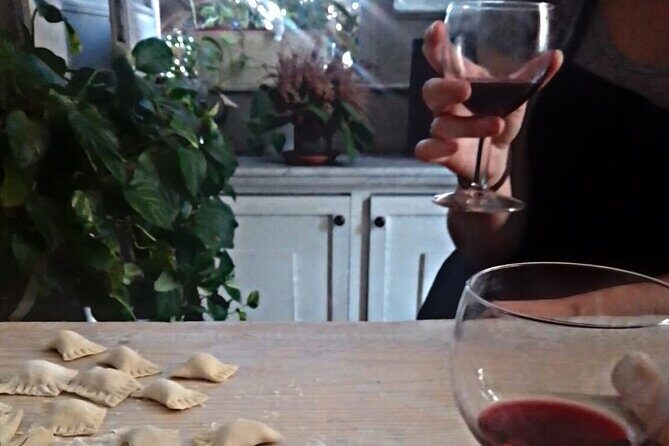
Sicilian cooking often gets described in big, poetic ways. What I like about this class is that it sticks to specific sauces you can target when you’re back home.
You’ll work with:
- Norma Dressing: a classic that usually brings tomatoes and eggplant energy into the mix (the exact balance is taught during the class)
- Trapanese pesto: a regional pesto style tied to western Sicily flavors
- Aeolian dressing: another regional sauce direction that gives you a taste of the islands’ style
What does this mean for you? When you cook later, you’re not guessing. You’ve made pasta that matches the sauce logic, and you’ve learned how the sauce is presented and served with that pasta type. That’s the difference between eating Sicilian food once and understanding how to reproduce the core idea.
Dessert Time: Cannolamisù and Biancomangiare
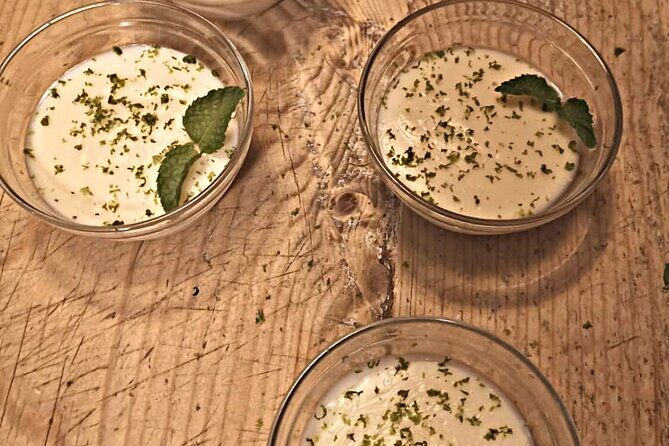
Dessert is not an afterthought here. You’ll make Sicilian dessert options like cannolamisù, plus biancomangiare and a deconstructed cannoli-style finish.
Why this matters: cannoli flavor is more than a shell and cream. It’s about ricotta texture, sweetness balance, and how the dessert sits after it’s assembled. A tiramisu-style format lets you feel that same cannoli vibe while practicing a different assembly approach.
If you’re traveling with someone who thinks cooking classes are only for savory people, dessert is usually the part that wins them over. The ricotta base makes the whole thing feel cohesive with the meal you made and the wine you drank.
Wine Pairing: Local Glasses With Your Meal
Wine is included, and it’s paired with what you cook and eat. That sounds simple, but it’s a real quality signal: you’re not left with a watered-down soda while everyone else enjoys the good stuff. Here, wine supports the meal arc from bruschette to pasta to dessert.
If you’re not a heavy drinker, you can still enjoy the experience by sipping slowly and focusing on how flavors shift with each course. The pairing is also helpful if you’re trying to learn how Sicilian dining is paced.
Language and Teaching Style in English
This class is offered in English, and the cooking approach is meant to work even if your kitchen vocabulary is limited. In one session described, the language gap was handled with quick translation support via phone tools while still keeping the cooking moving.
I’d treat this as reassuring: you won’t need perfect Italian to learn dough technique, sauce timing, and plating flow. If you’re comfortable with visual instruction and hands-on practice, you’ll do fine.
The House-Setting Reality: Ask About Comfort and Hygiene
A cooking class in someone’s home is part of the charm—but it comes with variables.
One past booking described a kitchen experience that felt uncomfortable due to pets, smoking concerns, and what they saw as hygiene issues (including bare hands and uncovered hair). The provider response disputed some of those claims and said the host did not smoke with clients during cooking.
So here’s my practical advice: if you have specific comfort needs—like pet sensitivity, smoke exposure concerns, or strict hygiene expectations—send a quick message during booking or ask the day of. For peace of mind, it’s smart to confirm how the kitchen is set up during food prep and whether pets stay out of the kitchen area.
Price and Value: What $106.04 Buys in Catania
At $106.04 per person for about 3 hours, you’re paying for more than a recipe sheet. You’re buying access to:
- A small-group home kitchen (max 6 travelers)
- Instruction to make multiple pasta types
- A starter, a full pasta meal with several sauce options, and dessert
- Fine local wine with your dishes
When you compare that to what you’d pay for a similar-length food-focused experience that only teaches one thing or only serves food, the value is stronger here because the ticket covers the whole dining arc plus hands-on skill-building.
Is it a bargain? Not exactly, since it includes real preparation time and ingredients. But it’s fair for what you get: a real meal and actual technique, not just a guided tasting.
Group Size and What That Means for You
This is capped at 6 travelers. That matters. With a smaller group, you’re more likely to get hands-on feedback—especially when you’re learning dough handling and shaping ravioli.
Also, the experience requires a minimum of 2 people per booking, so it’s usually workable for couples or small groups. If you’re booking solo, you’ll need to confirm whether the minimum is met for that date, since the format is designed for at least two.
Where to Meet in Catania
You meet at:
Via E. A. Pantano, 112, 95129 Catania CT, Italy
The activity ends back at the same meeting point. That reduces hassle on your end. You can keep your day simple: arrive, cook, eat, head off.
Can You Just Chat While the Menu Happens?
Yes—there’s an option for people who don’t want to do the cooking lesson. If you prefer to sit in the house atmosphere and chat while the host prepares the menu, you can ask for this alternative.
That’s a good fit if:
- You want the cultural vibe and meal without doing hands-on tasks
- You’re traveling with someone who prefers eating over cooking
- You’re more interested in the household experience than the technique
Just know that the experience is still about food and timing, so plan to be engaged at the table even if you’re not rolling dough.
Who This Cooking Class Is Best For
This class is a strong match for:
- Food lovers who want techniques they can repeat, not just a meal
- People who like Sicilian flavors and want to learn the sauce logic behind the dishes
- Couples or small groups who enjoy a relaxed home setting
It may be less ideal if:
- You need a sterile, professional cooking environment only
- You have strict sensitivities to pets or smoking and don’t want to risk a home-kitchen variable
If you can handle a normal home-kitchen setup and you’re communicative about comfort needs, you’ll likely enjoy the evening.
Should You Book Catania Home Cooking for Pistachio Ravioli and Wine?
I’d book it if you want a hands-on Sicilian evening built around practical skills. The pistachio ravioli, multiple pasta shapes, and specific sauces like Norma and Trapanese pesto are the kind of learning you can take home and use. Add cannolamisù and local wine, and you’ve got a full meal experience that feels like part of Sicilian life, not a checklist stop.
Before you go, send a quick question if you care about kitchen comfort standards—especially anything related to pets or smoke. If that’s all clear for your session, this is the kind of class that gives you something real: a dinner you made with your own hands, plus a few Sicilian moves you can repeat for friends later.
FAQ
What is the duration of the cooking class?
The experience runs for about 3 hours.
How much does this tour cost?
The price is $106.04 per person.
What language is the class offered in?
The experience is offered in English.
How many people are in a group?
The maximum group size is 6 travelers.
Where do we meet in Catania?
You meet at Via E. A. Pantano, 112, 95129 Catania CT, Italy.
What dishes are included in the menu?
You’ll make fresh pasta including pistachio-filled ravioli, caserecce, and gnocchetti, plus you’ll also have bruschette and Sicilian dessert.
What sauces do we pair with the pasta?
The menu includes Norma Dressing, Trapanese pesto, Aeolian dressing, and more.
Is wine included?
Yes, the dishes are complemented with fine local wines.
Can I choose not to cook and just watch?
You can ask for an option where you don’t take part in the cooking lesson and instead enjoy the atmosphere while the host prepares the menu.
Can the host accommodate allergies or intolerances?
Yes. You should inform them in advance of any allergies or intolerances so they can help keep the experience safe and enjoyable for everyone.