Ortigia and Syracuse can feel like a maze when you’re on foot. This tuk-tuk-style tour helps you hit a lot of highlights without wrestling traffic and staircases, while still getting close to the real streets and squares. I like the private setup for up to 4, and I also like how much is truly hands-on and walkable in short bursts, from Piazza Duomo to the market. One thing to think about: the schedule moves quickly, so if you want long church interiors or museum time, you’ll need to plan that separately.
A big win here is the mix of famous stops and everyday places: big-name landmarks like the Temple of Apollo, plus local life at Mercato di Ortigia. You’ll also get views from scenic points and sea-adjacent corners, and you can see how the city’s layers show up in real neighborhoods. The main drawback is that the driving experience does not replace a deep historical guide inside every site, so you may want audio or a separate guide if you’re the type who likes details.
In This Review
- Quick hits
- Why a tuk-tuk tour works so well for Ortigia and Syracuse
- Price and value: what $415.42 per group really buys you
- The route in plain English: from Piazza Duomo to Neapolis
- Piazza Duomo and Syracuse Cathedral: the big square start
- Fonte Aretusa and Ortigia’s myth layer
- Castello Maniace: quick views, optional paid access
- Piazza Archimede and the Diana fountain moment
- Temple of Apollo (Tempio di Apollo): seeing ancient scale up close
- Giudecca area churches: quiet corners with neighborhood context
- Mercato di Ortigia: where the tour turns practical (and delicious)
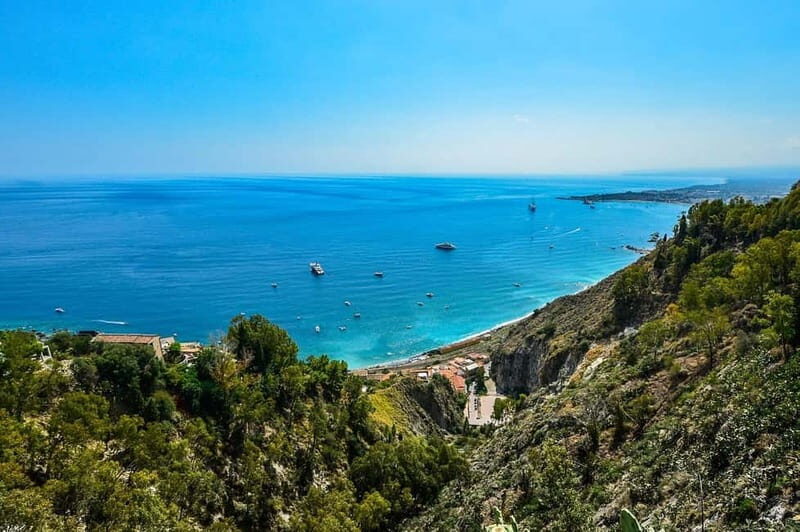
- Sea-facing corners: Sbarcedero Santa Lucia and panoramic stops
- Santuario Madonna delle Lacrime and Basilica Santa Lucia al Sepolcro
- Neapolis Archaeological Park: the ticket you must plan for
- How to get the most from your 4 hours
- Who should book Ape-TUK TUK Tour of Ortigia
- Should you book this tour?
- FAQ
- How long is the Ape-TUK TUK Tour of Ortigia?
- What does the tour cost?
- Is this tour private?
- Where does the tour start and end?
- Is pickup available?
- What language is the tour offered in?
- Which admission tickets are included, and what’s not included?
- Are mobile tickets provided?
- Are service animals allowed?
Quick hits
- Private tuk-tuk for up to 4 means you can move at your group’s pace and avoid the usual crowd crush.
- Short, focused stops keep you from spending your whole day in transit or waiting.
- Mercato di Ortigia + a local preserves stop ties the landmarks to food culture, not just photos.
- Neapolis Archaeological Park is extra (ticket not included), so budget ahead.
- Most sights are free to access, but the Cathedral has a small admission fee.
Why a tuk-tuk tour works so well for Ortigia and Syracuse
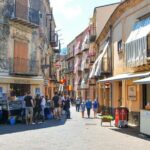
Syracuse is a city where the best parts are often just out of reach if you’re relying on buses and walking only. Ortigia’s streets can be narrow and twisty, so even a great day of sightseeing can turn into time lost to navigation. A tuk-tuk-style vehicle solves that problem while still keeping you in the thick of the action.
You also get a practical sightseeing rhythm. The tour is built around quick photo stops, short walks, and a couple of longer breaks, so you can see a lot without burning your legs. And because it’s private transportation, you’re not stuck moving at someone else’s pace.
You can also read our reviews of more tours and experiences in Sicily.


Price and value: what $415.42 per group really buys you
The price is $415.42 per group (up to 4) for about 4 hours. That number looks big at first glance, but it’s really covering two things: a private vehicle and the time it saves you by connecting far-apart highlights in one outing.
For families or small groups, this can be good value because you’re splitting the cost across multiple people, and you’re not paying separately for every segment of transit. Also, many stops have free admission, so you’re mostly paying for convenience rather than a long list of entrance fees.
Just remember two costs that can add up: the Neapolis Archaeological Park ticket is not included, and Syracuse Cathedral has a small admission fee. If you’re budgeting tightly, you’ll want to account for that early rather than at the last minute.
The route in plain English: from Piazza Duomo to Neapolis
Your tour is designed to show you Syracuse and Ortigia as layers, not as a single checklist. It starts in the grand square area around Piazza Duomo, then works through Ortigia’s classic viewpoint points, churches, and the market streets. After that, you move outward toward Neapolis for the big ancient anchor sites.
This is a smart order if you like the city story told through space. You begin with central monuments, then shift into neighborhood detail (especially around the Giudecca area and Ortigia’s market). Then you finish with the large-scale ancient sites at Neapolis, where you’ll need a bit more time and planning.
Piazza Duomo and Syracuse Cathedral: the big square start
The tour begins in Piazza Duomo, a square that feels like a social hub even when you’re just stopping for sightseeing. From here, you can visit Syracuse Cathedral and also see the nearby church of St Lucia alla Badìa.
The cathedral visit is the only stop that clearly signals a paid entrance: expect €2 per person for the Cathedral itself. In exchange, you get one of the strongest “first wow” moments of the day, plus that classic Piazza setting that makes it easy to orient yourself.
One practical consideration: churches can be busy, and time inside can depend on what you choose to do. With this tour’s pacing, you’ll want to decide early if you’re doing a quick look or lingering.
Fonte Aretusa and Ortigia’s myth layer
After the big square, the vibe shifts to myth and water. You’ll stop at Fonte Aretusa, the famous spring tied to legend. Even if you’re not a mythology buff, this stop works because it’s visual and easy to connect to the coastline atmosphere.
It’s also a great reset after the Cathedral area. You get a short walk, a chance to slow down, and a clearer sense of why Ortigia’s identity is tied to sea and legend.
This portion is short by design. If you’re the type who reads every plaque and takes slow photos, keep an eye on the clock so you don’t end up rushing the next stops.


Castello Maniace: quick views, optional paid access
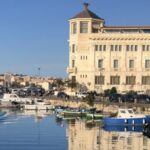
One of the most scenic moments comes with a stop at Castello Maniace. You can reach the terrace area for free by choice, and if you want deeper access you can pay for the castle portion.
This is a good setup if you’re sightseeing efficiently. You can enjoy the view first, then decide whether the paid interior is worth your time. That flexibility matters on a day like this, where you’re packing a lot into 4 hours.
If your group includes someone with mobility limits, the terrace option can also be a convenient compromise: you still get the setting without committing to a full paid visit.
Piazza Archimede and the Diana fountain moment
Next you’ll hit Piazza Archimede, where the stop centers on the Diana fountain. This part of Ortigia sightseeing can feel almost like a moving break between bigger sites. It’s short, visual, and perfect for photos without demanding a long attention span.
I like stops like this because they keep the day from becoming one long “just another church.” You get variety: square energy, a recognizable landmark, and then back to the streets.
Temple of Apollo (Tempio di Apollo): seeing ancient scale up close
One of the biggest “ancient anchor” stops is the Temple of Apollo dating to the 6th century BC. The stop is about 10 minutes, which tells you what this day values: orientation and quick architectural connection, not a long excavation-style visit.
If you want more detail about Roman and Greek Syracuse, this is where you might want to supplement with an audio guide or a separate longer tour. But if your goal is to check off the headline ancient sites while still experiencing Ortigia’s daily life, this timing works.
Giudecca area churches: quiet corners with neighborhood context
From the big monuments, the tour shifts into the Giudecca district, with two church stops: Chiesa di San Giovanni Battista and Chiesa di San Filippo Apostolo. Both stops are short, which means you’re not expected to turn them into half-hour museum moments.
What makes these stops valuable is the neighborhood context. You’re not only seeing major religious landmarks; you’re also seeing how they sit within the lived-in fabric of the area.
One tip: because these stops are brief, your best bet is to focus on one thing per stop. Look at the façade, notice a detail, or simply enjoy the change in street mood. Trying to do everything at once is what makes short stops feel unsatisfying.
Mercato di Ortigia: where the tour turns practical (and delicious)
The market is the most “daily life” moment of the day. At Mercato di Ortigia, you’ll go inside and see the fish stalls and surrounding market activity. It’s not just scenery; it’s the place where Syracuse feels like Syracuse.
This stop is longer, about 40 minutes, which gives you enough time to look around without feeling like you’re being rushed. And it helps that the tour doesn’t stop at photos. You’ll also be directed to F.LLI BURGIO, a family producer of preserves using traditional methods.
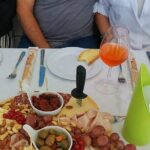
The best part is that local stops like this often lead to real food talk. Based on past guide styles, you may even have a chance to sample local products such as cheeses, cured meats, seafood, or sweets like cannoli during the market portion. Don’t count on it as a guaranteed tasting every time, but it’s absolutely part of how some guides run the day.
Sea-facing corners: Sbarcedero Santa Lucia and panoramic stops
As the tour keeps moving, you’ll reach the small port area of Sbarcedero Santa Lucia. This is the kind of stop that’s worth it even if you only spend a few minutes there, because the sea angle changes how the city feels.
Later you’ll also stop at the Monument to Syracuse Fallen in Africa, a panoramic point. Again, the time is short, but that’s fine. You’re using the vehicle to get to a viewpoint quickly and then using a short pause to reset your bearings for what comes next.
If it’s hot, plan to use shade when you can and take water breaks. Short stops can still wear you out when the sun is strong.
Santuario Madonna delle Lacrime and Basilica Santa Lucia al Sepolcro
These two stops bring you into the faith-and-art side of Syracuse. At the Santuario Madonna delle Lacrime, you’ll visit the sanctuary connected to a miracle that Pope John Paul II highlighted in connection with events from 1953.
Then you move to Basilica Santa Lucia al Sepolcro, located in the Borgata district, where a Caravaggio painting is exhibited. This is one of the most art-focused moments of the entire route, and it’s great for people who want at least one stop that feels like a true “I’m standing in the story” moment.
Because these are church visits, your time inside can vary based on what’s open and crowd levels. The upside is that admission is listed as free for these stops, so you’re not paying extra beyond the Neapolis add-on and the Cathedral fee.
Neapolis Archaeological Park: the ticket you must plan for
The tour’s final big anchor is Parco Archeologico della Neapolis. You’ll spend about 1 hour here, and this is where the day shifts into “ancient site” mode.
The park highlights you’ll see include:
- Greek Theater
- Arch of Dionysus
- Roman Amphitheater
Important money note: the Neapolis ticket is not included. The price range given is €10 to €20 per person. That means you’ll want to budget for it before you arrive, especially if you’re traveling in a group and the timing matters.
Practical advice: since you’re only allotted about an hour, you’ll want to move with purpose. Pick the two or three sites you care most about, take a few photos at the key angles, and then enjoy the rest without trying to see every corner.
How to get the most from your 4 hours
Here’s the simple strategy I’d use if I were planning your day.
First, treat the tour as your orientation. The short stops are designed to give you a mental map and a set of “I want to return here” targets. If you want to go deep at any single site, plan a second visit after you’ve learned where things are.
Second, set expectations about walking inside. The vehicle gets you close, but the driver may not be your inside-the-church guide. If you want background at Cathedral or inside major sites, consider an audio guide or a separate licensed guide for your top 1 or 2 priorities.
Third, bring comfortable shoes and dress for heat. Many stops are quick, but that still adds up to repeated curb-to-street walking. Also, because the tour moves across different areas, having a water bottle and a light layer helps a lot.
Fourth, do this on a first day if you can. It helps you decide where you want to spend real time later. One of the most common ways this tour pays off is that it gives you lunch and shopping ideas from your driver, based on what you actually like.
Who should book Ape-TUK TUK Tour of Ortigia
This is a strong match if you:
- want a private way to see Ortigia and Syracuse without dealing with transit friction
- are traveling as a couple or small family up to 4
- like lots of quick sights and photo stops, with a market and food culture moment
- are short on time but want a day that feels like you covered multiple neighborhoods
It’s less ideal if you want:
- long, slow museum-style visits inside multiple major sites
- a detailed, step-by-step guided interpretation at every single stop
If your day runs on a tight schedule, also remember that this runs daily from 8:30 AM to 9:00 PM, so you can often pick a time that matches your energy level and light.
Should you book this tour?
I’d book it if you want a practical, efficient introduction to Syracuse and Ortigia, especially if you like the idea of getting close to the highlights while still spending time in local spaces like Mercato di Ortigia. The value improves when you split the group price across up to 4 people, and when you’re happy with short stops that set up future return visits.
Skip or supplement it if your top priority is deep historical education inside every site. The route is packed, so you’ll still want to do at least one follow-up visit where you slow down.
If plans change, this experience offers free cancellation up to 24 hours in advance, which makes it easier to book early without feeling locked in.
FAQ
How long is the Ape-TUK TUK Tour of Ortigia?
It’s listed as approximately 4 hours.
What does the tour cost?
The price is $415.42 per group, up to 4 people.
Is this tour private?
Yes. It’s a private tour/activity, so only your group participates.
Where does the tour start and end?
It starts at Piazza Emanuele Pancali, 17, 96100 Siracusa SR, Italy, and ends back at the same meeting point.
Is pickup available?
Pickup is offered. If you’re inside Syracuse city and Ortigia, you indicate the exact point where you want to be picked up by tuk tuk (ape calessino).
What language is the tour offered in?
The tour is offered in English.
Which admission tickets are included, and what’s not included?
Most stops list admission as free, but Syracuse Cathedral has an admission fee of €2 per person. The Parco Archeologico della Neàpolis ticket is not included and is listed as €10 to €20 per person.
Are mobile tickets provided?
Yes, a mobile ticket is included.
Are service animals allowed?
Yes, service animals are allowed.