REVIEW · CATANIA
From Catania: Mount Etna Morning Tour
Book on GetYourGuide →Operated by ETNA QUAD E TREKKING · Bookable on GetYourGuide
Etna feels close enough to touch. This guided morning ride from Catania pairs a climb to 2000 meters with some truly otherworldly stops—like walking the Silvestri Craters and stepping into a lava flow cave.
I especially love how the guide ties what you see to real life on Etna, including the biodiversity around the mountain. And I also love the built-in break in Zafferana Etnea for honey and wine tasting.
One thing to consider: this is a hiking-style tour at altitude, and it’s not suitable for people with mobility impairments or respiratory issues.
In This Review
- Quick hits before you go
- From Pasticceria Savia up Etna: a morning plan that makes sense
- The climb to 2000 meters: lava flows, Rifugio Sapienza, and mountain woods
- Inside a lava tunnel: why this stop hits harder than photos
- Silvestri Craters: black dunes, solidified lava, and a guided walk that’s not just sightseeing
- Valle del Bove caldera: arid, stark, and strangely memorable
- Beech-birch woods to views: the biodiversity angle that doesn’t feel forced
- Zafferana Etnea tasting: honey and wine, plus a proper break
- Pace, comfort, and who this fits (and who should skip)
- Guide quality and the small touches that make the day feel worth it
- Price and value: what you’re really getting for a short morning
- Should you book the Mount Etna morning tour from Catania?
- FAQ
- How long is the Mount Etna morning tour from Catania?
- What are the main stops on the tour?
- Do we hike on this tour?
- What language is the guide?
- What should I bring?
- Is this tour suitable for everyone?
Quick hits before you go
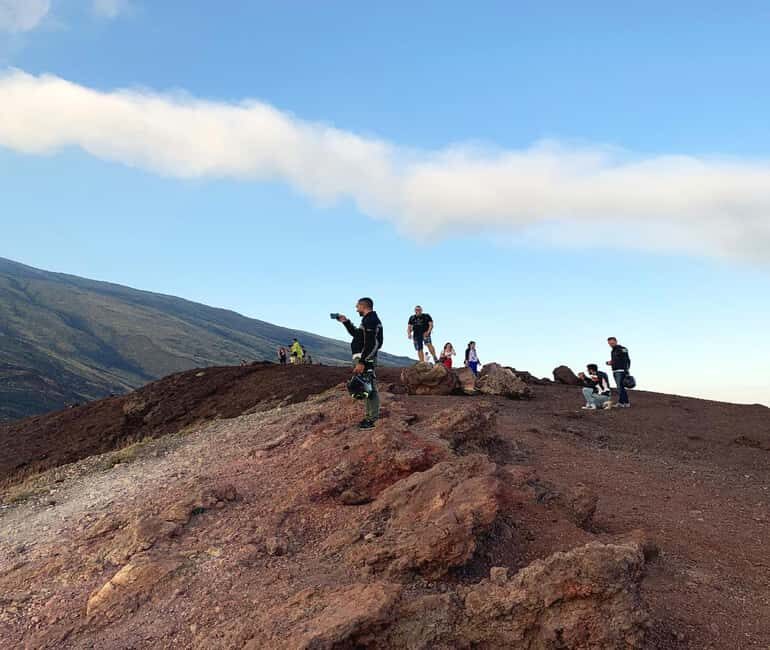
- Silvestri Craters walk + free time: a guided stroll plus an extra hour to take in the black dunes and solidified lava at your own pace
- Lava flow cave visit: short stop inside a lava tunnel that makes the eruption story feel real
- Valle del Bove caldera: a large, arid depression that’s almost bare of vegetation, with a haunting, stark charm
- Beech and birch woods: you’ll pass through Etna’s mountain woods on the way to Rifugio Sapienza
- Zafferana Etnea tasting: certified agri stop with honey and wine (plus local food tasting during the time there)
- Private-group feel with guide focus: expect more attention and better Q&A with guides like Gaetano, Tano, Alberto, and others mentioned in past outings
From Pasticceria Savia up Etna: a morning plan that makes sense
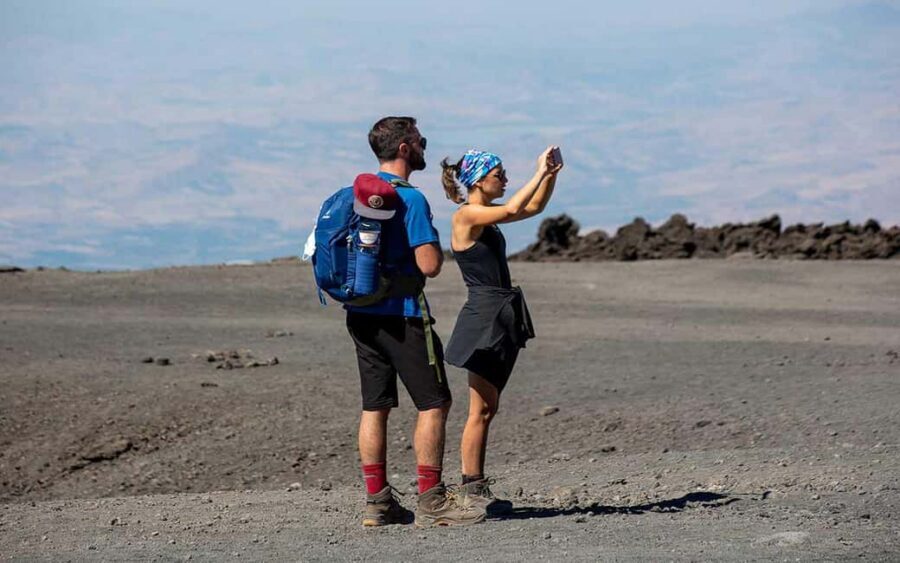
Most Etna trips either feel rushed or too long. This one is nicely paced for a 4.5-hour morning experience, starting and ending at Pasticceria Savia in Catania. The timing matters because you’ll be out on the mountain while conditions are generally steadier than later in the day.
You’ll head from Catania to the volcano and work your way up to around 2000 meters. That elevation shift is one of the best parts of the tour: you go from everyday Sicilian morning energy to crisp air and a very different kind of terrain fast.
You can also read our reviews of more tours and experiences in Catania
The climb to 2000 meters: lava flows, Rifugio Sapienza, and mountain woods
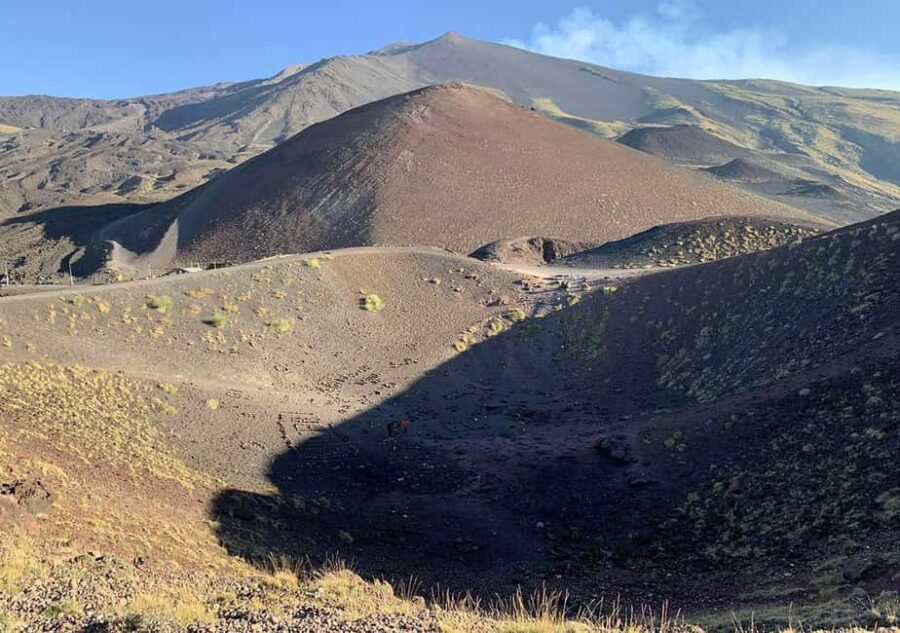
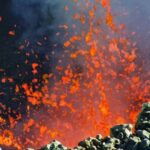
Reaching 2000 meters gives you a strong sense of Etna’s scale. On the route, you’ll observe several lava flows up close, including those connected to the 1991–93 eruption—not just a quick look, but the kind of viewing that helps you imagine how molten rock shaped the mountain over time.
A highlight here is the stop where you enter a lava flow cave. It’s a short visit, but it changes the whole experience. Instead of reading about volcanoes, you get to stand where lava once traveled underground.
After that, the tour continues through beech and birch woods, which are typical of Etna. This is a subtle but important detail: it shows that Etna isn’t only black rock and smoke—it has ecological layers. Then you reach Rifugio Sapienza at about 2000 meters, a natural turning point for viewpoints and the next set of sights.
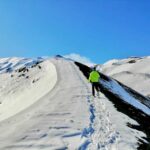
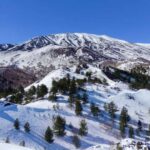
Practical note: temperatures can be cooler at higher altitude, and even in winter you might see snow. Pack like you’re going up a mountain, not just visiting a viewpoint.
Inside a lava tunnel: why this stop hits harder than photos
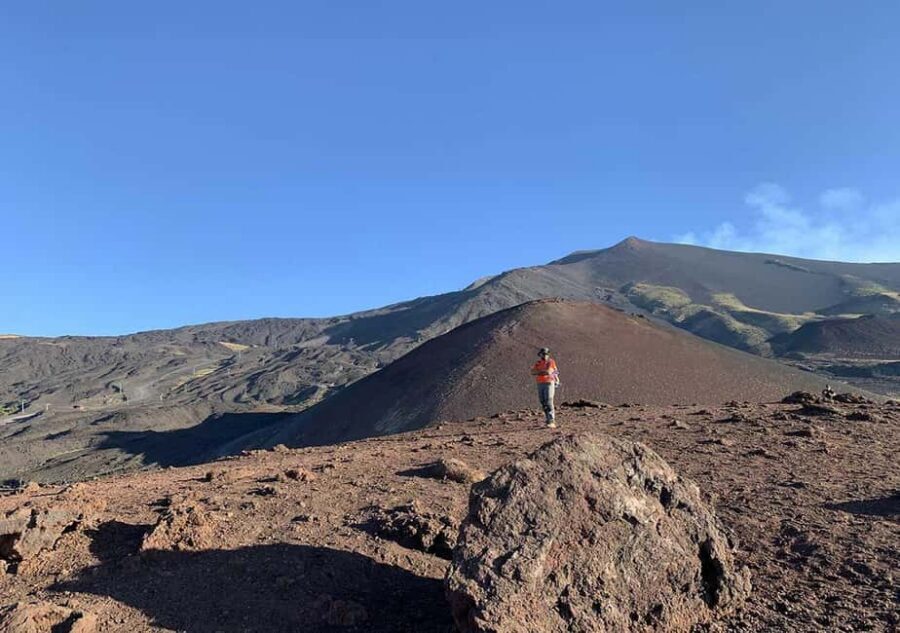
Lots of volcano tours show you craters from a distance. This one includes the option to step into a lava flow cave, and that’s a big reason it gets such strong reactions.
Standing inside a lava tunnel helps you understand how eruptions can carve paths and leave behind passages. You also get a better feel for why guides can explain Etna’s power without turning it into a science lecture. You can see the form, then the guide puts words to it.
What I like most is that the cave stop stays short. You keep moving, so you’re not stuck waiting while the group slowly files through. You also keep your energy for the walking parts after.
Silvestri Craters: black dunes, solidified lava, and a guided walk that’s not just sightseeing
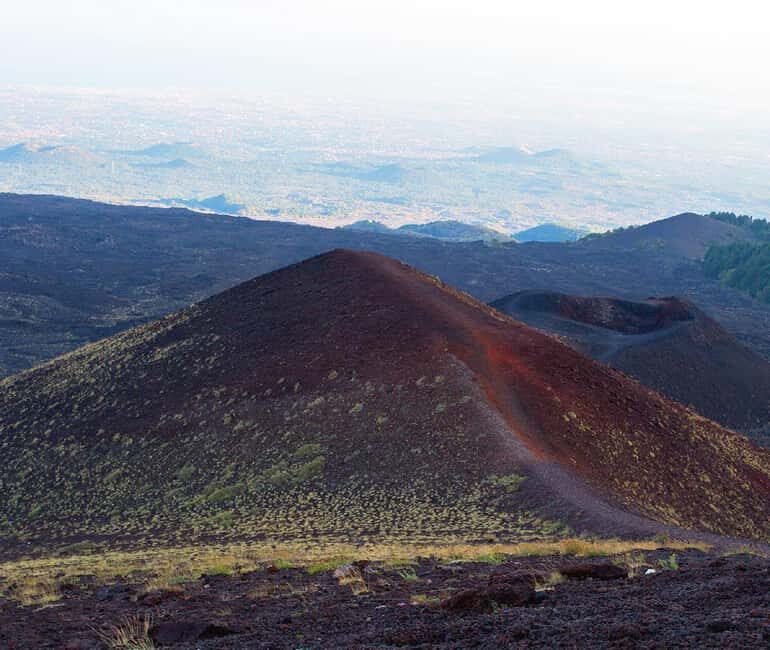
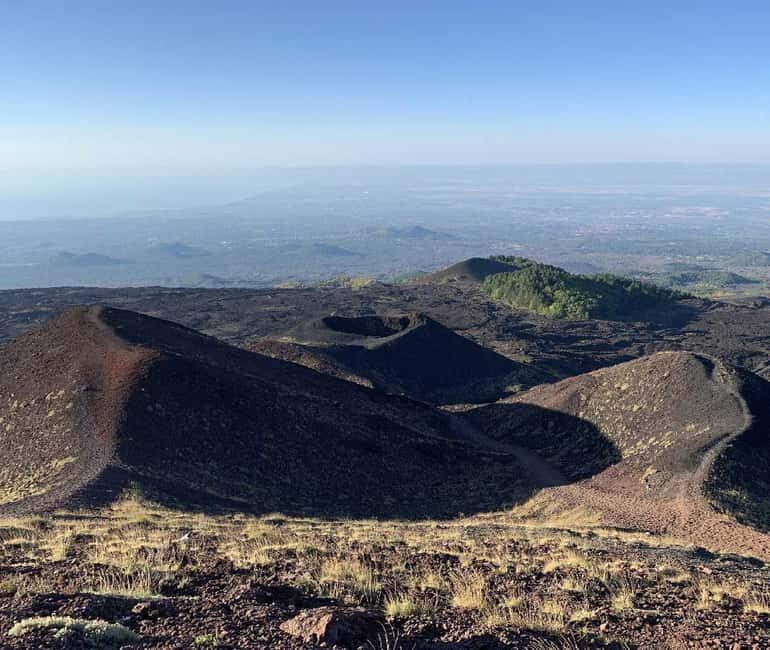
This is the star stop for many people, and it’s easy to see why. The Silvestri Craters portion combines a guided walk with scenic views along the way and then a separate block of time to wander.
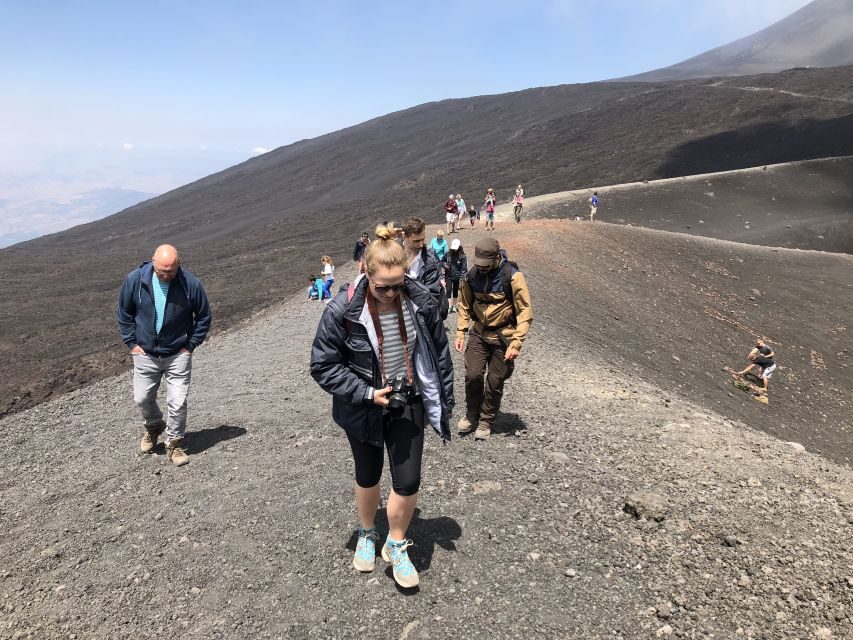
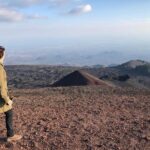
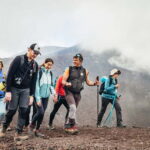
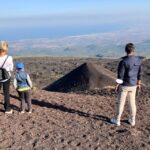
You spend about 100 minutes walking with your guide. The terrain is lunar-looking—black dunes and expanses of solidified lava. The visual is dramatic, but the value is how your guide explains what you’re looking at, from volcanic activity to the way life returns to harsh ground.
Then you get one full hour of free time at the craters. That hour is key. It means you can:
- take photos without feeling rushed
- pause when a viewpoint catches your eye
- simply absorb the weird, high-contrast beauty of the area
In terms of effort, plan on hiking shoes and steady footing. This is not a promenade.
Valle del Bove caldera: arid, stark, and strangely memorable
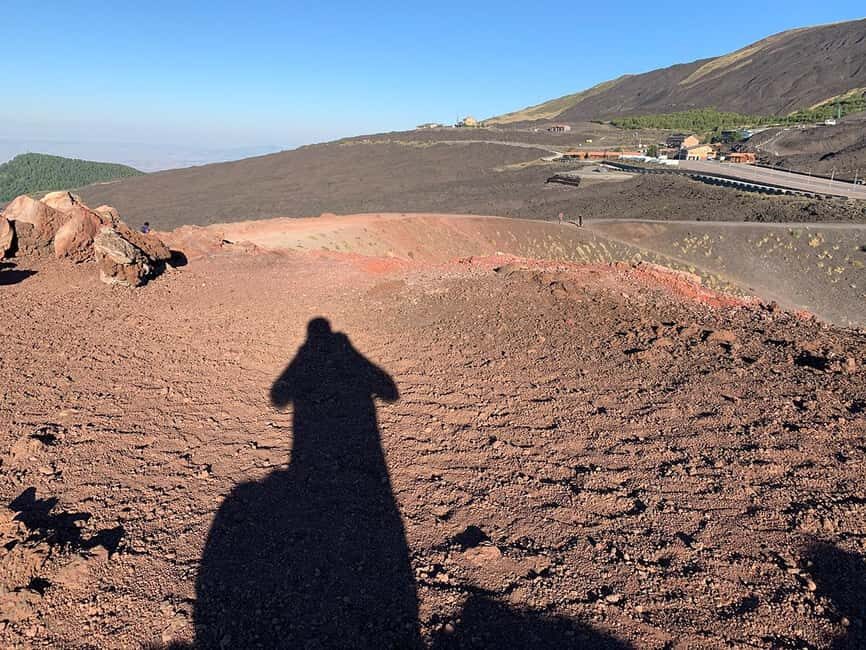
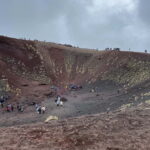
After Silvestri, you head toward the Valle del Bove, a huge caldera depression that’s described as arid and almost completely lacking vegetation. This stop works because it feels different from the craters. Instead of sharp, dune-like volcanic forms, you get a broad, empty-looking basin where the scale of past activity feels massive.
You’ll descend toward the valley and then later make your way down to Zafferana Etnea. The tour also frames what you’re seeing as part of a larger story of Etna’s biggest recent outbreaks—so even though the ground looks barren, you’re not just staring at emptiness. The guide gives you context that makes the place click.
If you like geology, you’ll probably enjoy this section the most. If you mostly came for views, you’ll still find it compelling because the caldera’s openness creates big visual moments.
Beech-birch woods to views: the biodiversity angle that doesn’t feel forced
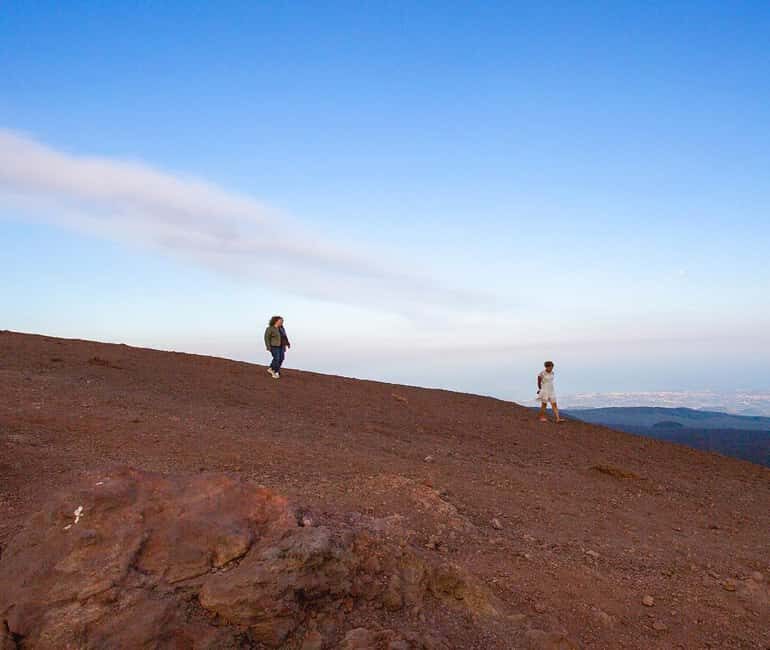
One of the strongest recurring themes in guide praise is how they explain the environment in a clear, practical way. Names like Gaetano, Tano, Alberto, and Daniella come up again and again, and the common thread is how patient they are with questions.
The tour isn’t only about rocks. It also focuses on biodiversity—how plants and animals find niches on Etna, even around harsh volcanic zones. The transition through beech and birch woods helps make that lesson feel grounded, not theoretical.
This is also where having a live guide matters. You’ll likely hear explanations about the mountain’s patterns—geology, natural history, and how eruptions shape what grows where. And in past experiences, guides were described as willing to answer anything, including questions that go beyond volcano facts.
Zafferana Etnea tasting: honey and wine, plus a proper break
By the time you reach Zafferana Etnea, you’ve worked up an appetite. The tour includes a stop with wine tasting and food tasting for about 40 minutes, tied to a certified agricultural company.
This is one of the most practical parts of the tour design: after walking on volcanic terrain, you get to sit, warm up (or cool down), and sample local products. The honey and wine fit naturally into the Etna theme, since this is still an Etna-area day, not a random restaurant detour.
A quick word of fairness: not every tasting experience lands the same way for every person. In the info you have, the tour promises honey and wine, but the exact quality and how it’s presented may vary by the spot and what’s on offer that day. If you’re a wine nut, I’d treat the tasting as a nice add-on to the mountain—not the main event.
Still, it’s a good value moment, and it helps make the day feel complete rather than just “stand and walk around.”
Pace, comfort, and who this fits (and who should skip)
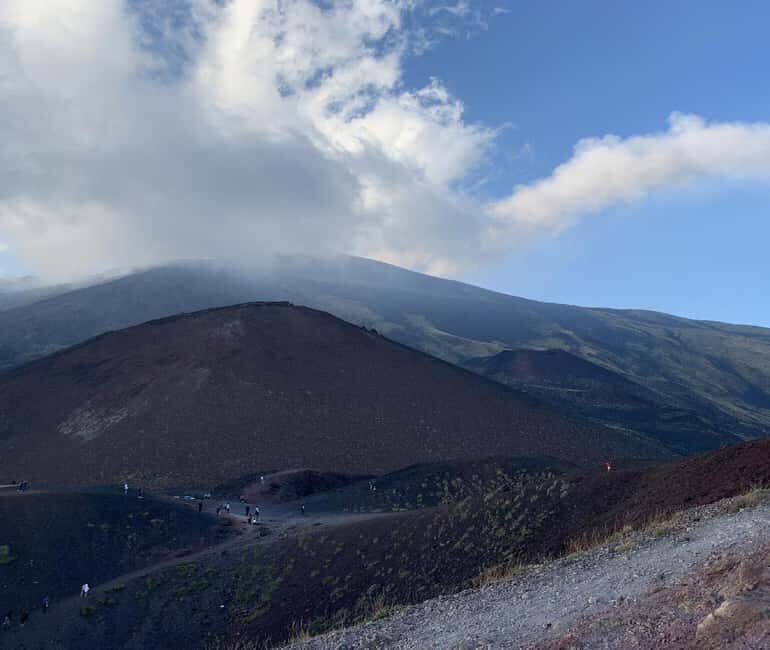
This tour includes walking, uneven volcanic terrain, and time at elevation. That’s why your packing list is straightforward but important:
- comfortable shoes (non-negotiable)
- water and snacks
- jacket (higher altitude can be cooler)
- camera
It’s also smart to plan for real hiking weather. One winter experience mentioned snow once they reached higher elevations, which is exactly what you’d expect on a mountain.
You also should follow the rules: no smoking, no littering, and no touching plants. These are standard conservation-minded guidelines, and Etna’s fragile zones don’t bounce back quickly.
And again: it’s not suitable for people with mobility impairments or respiratory issues. If that applies to you, you’ll likely be uncomfortable on both the altitude and the walking portions.
Guide quality and the small touches that make the day feel worth it
The biggest “value boosters” in the feedback you have aren’t the scenery alone. They’re the guide moments. People praised guides for being:
- patient with questions
- thoughtful with timing
- helpful for photos
- accommodating when schedules needed changing
For example, one experience notes a guide (Tano) being very accommodating and someone else sharing that they shifted a booking to a different time without drama. Another mentions guide stories and a mountaineer-style way of explaining the region and Italy in general.
In plain terms: you’re paying for a guide who can connect the dots. The terrain is wild, but the explanations turn it from a checklist into an understanding of Etna as a living, changing system.
Price and value: what you’re really getting for a short morning
You don’t need a long day to cover Etna well. What helps this tour feel like good value is the mix:
- real walking time on the volcano
- a lava cave stop rather than only outdoor views
- two major terrain types: Silvestri Craters and Valle del Bove
- a honey and wine tasting break in Zafferana Etnea
The tour runs about 4.5 hours, which is compact. That means you get the highlights without turning your whole day into logistics.
Price can’t be judged from the info you provided, but you can judge the structure. If you want Etna in half a day, with multiple high-impact stops (craters + valley + cave) and a local tasting, this format tends to be a strong trade.
Should you book the Mount Etna morning tour from Catania?
Book it if you want an active, guided Etna experience that hits the main wow factors in one morning: Silvestri Craters, a lava tunnel, and the huge-feeling Valle del Bove, plus a real tasting in Zafferana Etnea.
Skip or choose carefully if you have mobility limits or respiratory issues, because the walking and altitude are part of what makes this tour work. And if you’re expecting a pure “show me the volcano” day with no tasting component, know there is a set tasting time, not a free-form restaurant plan.
If you like learning from a guide while you’re standing in the middle of the story, this is the kind of short tour that leaves you with more than photos.
FAQ
How long is the Mount Etna morning tour from Catania?
The tour lasts about 4.5 hours.
What are the main stops on the tour?
You’ll visit the Silvestri Craters, see the Valle del Bove caldera, and stop in Zafferana Etnea for a tasting. There’s also a lava flow cave visit and a drive/climb up to around 2000 meters.
Do we hike on this tour?
Yes. There’s a guided walk at the Silvestri Craters (about 100 minutes), plus time outdoors at higher altitude.
What language is the guide?
The live tour guide is available in English and Italian.
What should I bring?
Bring comfortable shoes, a jacket, water, snacks, and a camera.
Is this tour suitable for everyone?
It’s not suitable for people with mobility impairments or people with respiratory issues.